The 20 Most Amazing Peaks in Canada
Best mountain peaks in Canada are predominantly found in the Saint Elias Mountains, the Canadian Rockies, and the Coast Mountains. This region offers a diverse natural landscape characterized by vast mountain ranges and significant elevation changes. These peaks are notable for their geological formations and the extensive wilderness they encompass. Canada's mountains provide a range of outdoor experiences for explorers.
Best mountain peaks in Canada
- The most popular mountain peaks is Mount Robson, a summit that is the highest…
Last updated: September 26, 2026
Grouse Mountain
Highlight • Summit
Tip by

View of Mt. Robson
Highlight • Summit
Translated by Google •
Tip by

Sign up now to discover places like this
Get recommendations on the best single tracks, peaks, & plenty of other exciting outdoor places.
First Peak of the Stawamus Chief
Highlight • Summit
Translated by Google •
Tip by

Gros Morne Mountain Trail
Highlight • Trail
Tip by

Tunnel Mountain Trail
Highlight • Trail
Translated by Google •
Tip by

Giants Head Summit
Highlight • Summit
Anyone who wants to see the Okanagan Valley from above should have been at Giants Head in Summerland. You can drive up and then walk about 20min to the summit and have a fantastic view. We recommend.
Translated by Google •
Tip by
Mount Finlayson summit
Highlight • Summit
Tip by

Mount Seymour
Highlight • Summit
Tip by
View of Lake Louise from the Big Beehive
Highlight • Viewpoint
Translated by Google •
Tip by

Creyke Point
Highlight • Viewpoint
Tip by

Sign up for free to discover even more peaks in Canada.
Already have an account?
Start today with a free account
Your next adventure awaits.
Popular around Canada
Bedtime Adventure Stories for Grown Ups
The Chilkoot Trail — Gold Rush history among soaring mountains
Great Divide Mountain Bike Route — Cycling the spine of a continent
Long-distance hiking in Canada – between mountains and coast
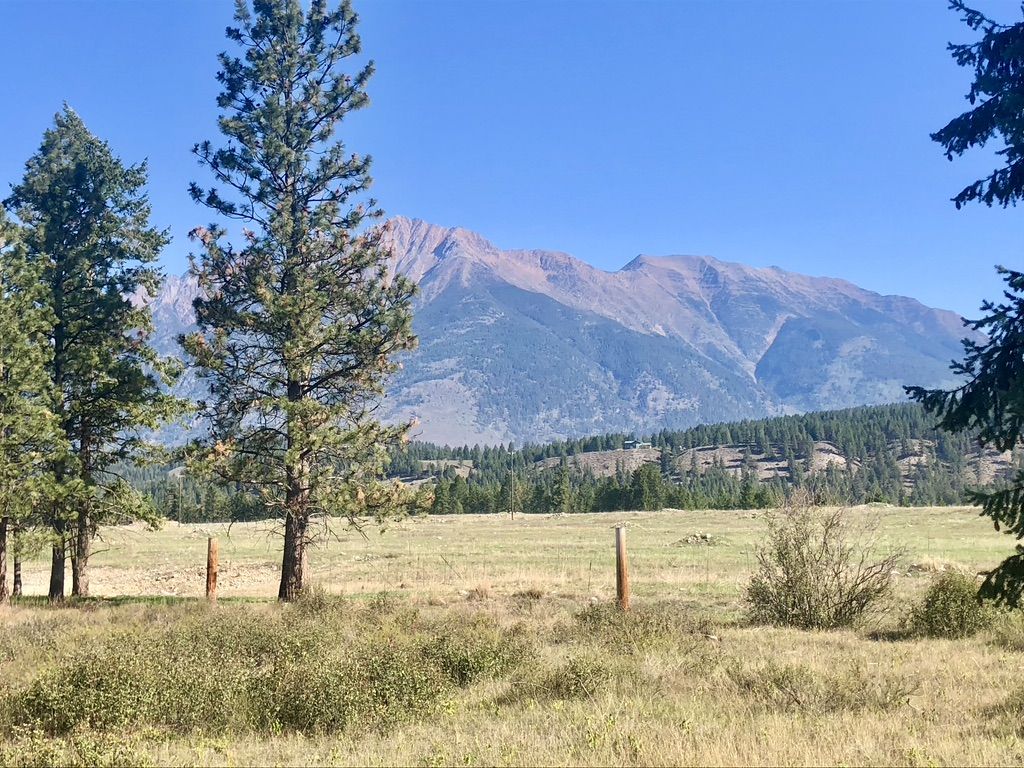
Cross Canada Ride — heading east for 6,800km

Pacific Crest Trail from Mexico to Canada – 4,200 kilometres of wilderness
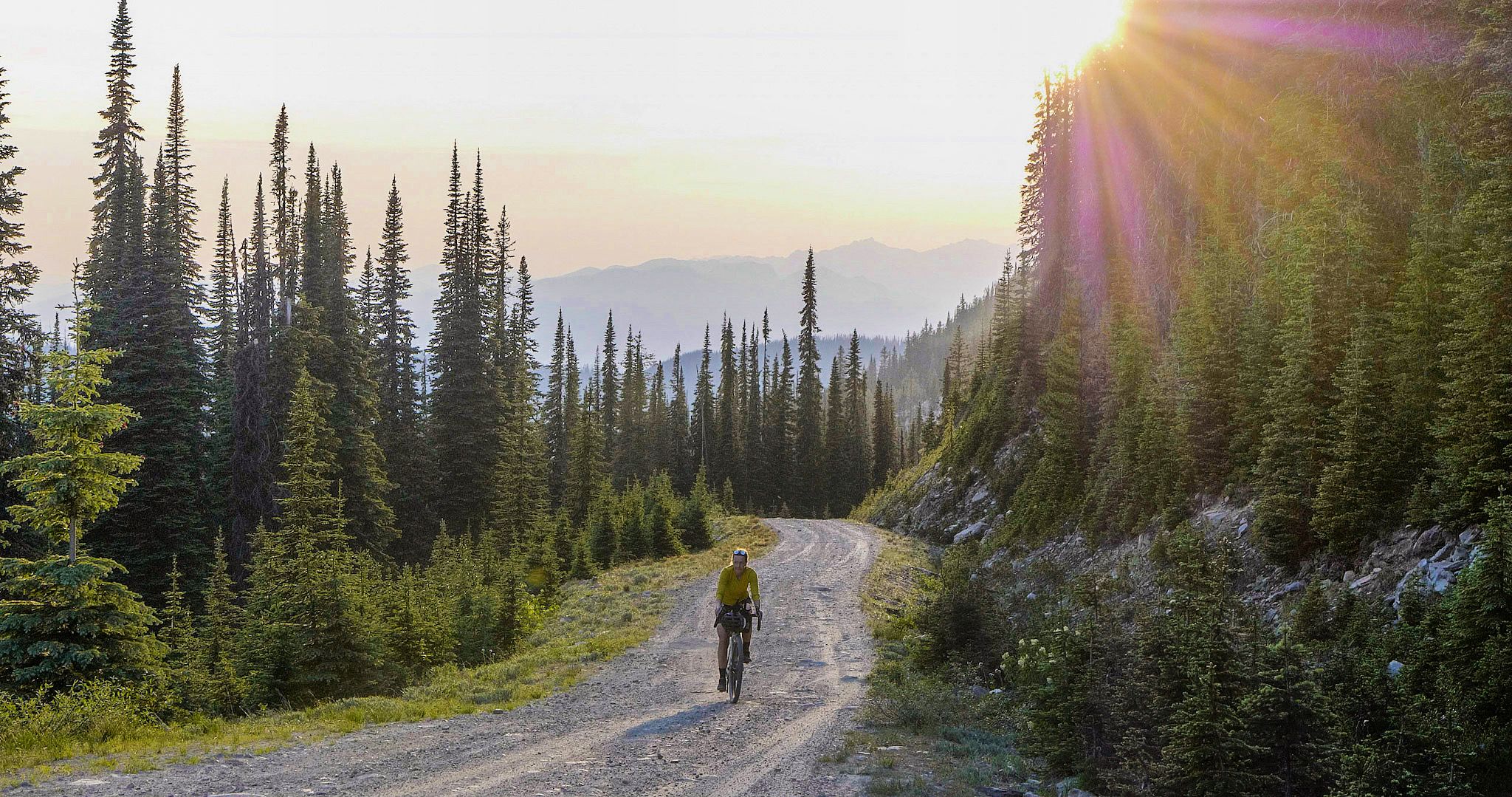
BC Epic 1000
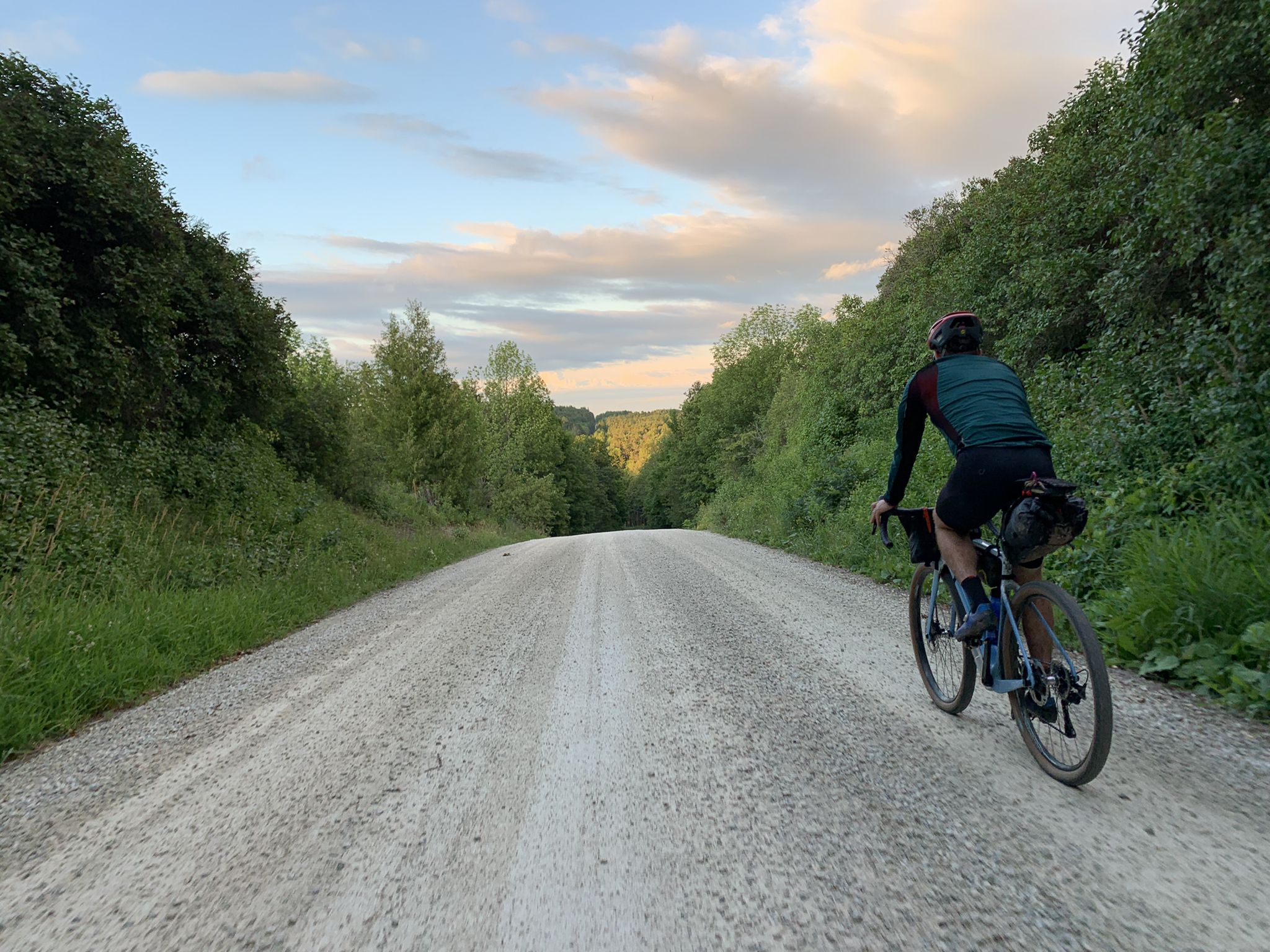
BT700 — Bikepacking Ontario over three days
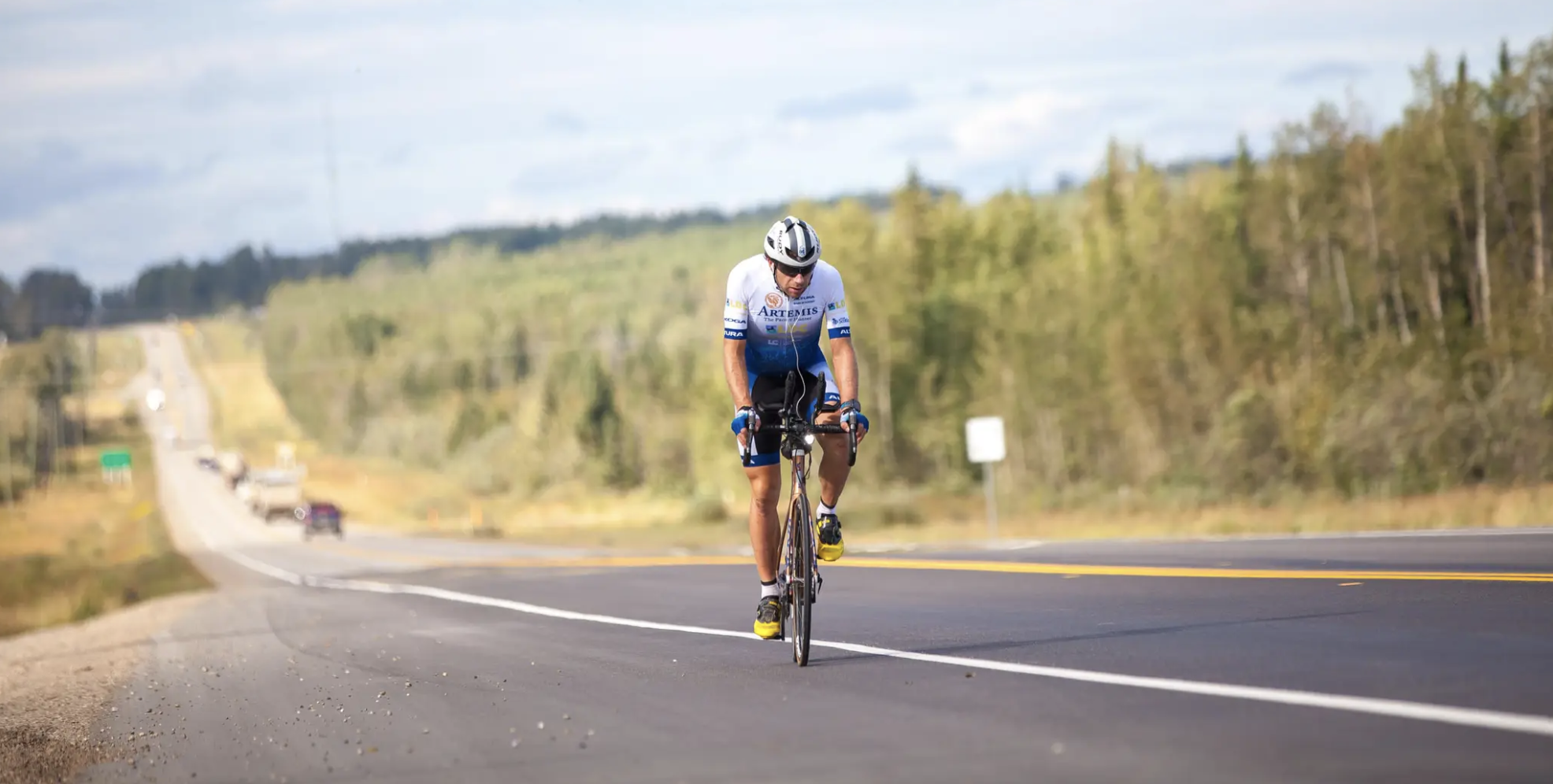
Around the World in 80 Days
Run the Rockies – mountain range fastpack #5
Other adventures in Canada


Tips from the Community

Mount Finlayson, at roughly 419 metres, is one of the most recognizable landmarks along the Saanich Inlet, towering above Goldstream Provincial Park and the Malahat. From here, panoramic views stretch across Greater Victoria, the Strait of Juan de Fuca, the Olympic Mountains, and Mount Baker, making the climb to get here well worth the effort. This exposed, rocky summit is a great place to take a long, well-deserved break to enjoy the scenery before heading back down the trail.
0
0

The summit of Giant’s Head Mountain offers sweeping panoramas across the Okanagan Valley — look out over the shimmering waters of Okanagan Lake, the vineyards of the Naramata Bench, and the hills surrounding Penticton. From here, you’re perched above the valley’s patchwork of orchards, vineyards and lakefront homes, making the viewpoint a standout for both sunrise and sunset. It’s accessible enough for many hikers yet delivers those “high vantage” views that feel more remote.
0
0

To be clear, this is not the top of Grouse Mountain, but merely the furthest you can climb by bicycle on a paved road. Here, you'll find a parking lot, washrooms, a water dispenser, a coffee shop, and the base of the Skyride gondola. To get to the top of Grouse Mountain where the views and tourist attractions are, you'll need to either take a gondola ride, hike up the Grouse Grind Trail (https://komoot.com/smarttour/e1816863835), or hike the BCMC Trail (https://komoot.com/highlight/3718910). It is also possible to ride a bike to the top, not through here, but by taking Mountain Highway to the unpaved Grouse Mountain Highway.
0
0


The summit of Mount Finlayson is 419 meters high; the ascent is on a well-marked route, first through forest and later with scrambling over rocks. https://www.peakbagger.com/peak.aspx?pid=31207
3
0

The Creyke Point Trail is a 1.5-kilometer out-and-back route with stunning views of Becher Bay and the surrounding coast. Starting from the Aylard Farm parking lot, the trail meanders through lush foliage and with occasional spur trails that lead to the beach. The trail up to the point is generally easy, but as you draw closer to Creyke Point, it becomes rocky and more challenging toward the end. The final push up to Creyke Point features some scrambling, but your reward is some truly breathtaking panoramic views of the coastline and ocean.
0
0

A series of steps, ladders and chains assist you to the summit of the first top of Stawamus Chief - an impressive granite monolith that looms over Squamish. The slabs are best enjoyed in warm, dry weather.
2
0
An essential hike for anyone visiting the Squamish area. Give yourself plenty of time to get up there. It's a short but steep hike to the top. There are chains to assist you up the steepest granite slab sections. The views over Howe Sound are incredible!
0
0
Frequently Asked Questions
What are some of the most notable mountain peaks in Canada?
Canada is home to many magnificent peaks. Among the most prominent are Mount Robson, the highest peak in the Canadian Rockies, and Mount Logan, Canada's highest mountain and the second-highest in North America. Other significant peaks include Mount Assiniboine, known as the 'Matterhorn of the Rockies', and the Bugaboo Spires, famous for alpine climbing.
What types of outdoor activities can I enjoy near Canada's mountain peaks?
The mountain regions of Canada offer a wide range of outdoor activities. You can find numerous opportunities for hiking, from easy trails to challenging multi-day treks. Cycling is also popular, with routes like the Goat Creek and Banff Legacy Trail Loop. For those seeking more adventure, climbing and mountaineering are prominent, especially in areas like the Bugaboo Spires. You can explore more options in the Hiking in Canada and Cycling in Canada guides.
Are there challenging climbs for experienced mountaineers in Canada?
Yes, Canada offers significant challenges for experienced mountaineers. Mount Logan, for instance, is known for its extreme elevation and massive glaciation, making it a formidable ascent. Mount Robson is also considered a significant challenge due to its technical terrain and unpredictable weather. The Bugaboo Spires in the Purcell Mountains are a world-renowned destination for high-quality alpine rock climbing.
What are some family-friendly options for visiting mountain peaks in Canada?
For family-friendly experiences, consider trails like the Tunnel Mountain Trail in Banff National Park, which is well-preserved and offers panoramic views. While many peaks offer challenging routes, areas surrounding them often have easier trails suitable for families. Always check specific trail difficulties and conditions before heading out.
When is the best time to visit Canada's mountain peaks?
The best time to visit Canada's mountain peaks largely depends on the activity. For hiking and general sightseeing, late spring to early autumn (June to September) typically offers the most favorable weather conditions and accessible trails. For winter sports or specific mountaineering challenges, the colder months might be preferred, but be prepared for harsh conditions and potential trail closures.
Where can I find stunning viewpoints among Canada's peaks?
Canada's mountain peaks offer countless stunning viewpoints. The View of Lake Louise from the Big Beehive provides magnificent vistas of the turquoise lake. The summit of Grouse Mountain offers views overlooking Greater Vancouver, while Whistlers Mountain Summit provides an impressive panorama where you can even spot Mount Robson on a clear day.
Are there any permits required for climbing or hiking in Canadian national parks?
Yes, many Canadian national parks and protected areas require permits for entry, camping, or specific activities like climbing. For example, Mount Logan is located within Kluane National Park and Reserve, and Mount Robson is within Mount Robson Provincial Park. It's essential to check the specific park regulations and permit requirements well in advance of your visit, especially for multi-day treks or technical climbs.
What unique natural features can I expect to see around Canada's mountain peaks?
Canada's mountain peaks are surrounded by diverse and unique natural features. You can expect to see vast glaciers, such as those fed by Mount Logan and Mount Assiniboine, and dramatic vertical relief like that of Mount Robson. The region also features stunning alpine lakes, wildflower-filled meadows, and distinctive geological formations, including the striped appearance of Mount Robson due to its limestone and dolomite layers.
Can I bring my dog on mountain trails in Canada?
Policies regarding dogs on trails vary by park and specific trail. While some trails in Canada's mountain regions are dog-friendly, others may have restrictions, especially in national parks or protected wildlife areas, to protect both wildlife and pets. Always check the specific park or trail regulations before bringing your dog.
What is the highest mountain in Canada?
The highest mountain in Canada is Mount Logan, standing at an impressive 5,959 meters (19,551 feet) in the Saint Elias Mountains of southwestern Yukon. It is also the second-highest peak in North America.
Are there any less crowded mountain peaks or trails in the Canadian Rockies?
While popular spots can get busy, exploring areas slightly off the main tourist routes or visiting during the shoulder seasons (late spring or early autumn) can help you find less crowded experiences. Researching specific provincial parks or lesser-known trails within the broader mountain ranges can also lead to more serene encounters with nature.
What makes Mount Assiniboine unique?
Mount Assiniboine, often called the 'Matterhorn of the Rockies', is unique for its striking pyramidal shape and dramatic rise of nearly 1,525 meters (5,003 feet) above Lake Magog. Located on the British Columbia/Alberta border, it's the highest peak in the Southern Continental Ranges of the Canadian Rockies and is surrounded by glaciers feeding its famous turquoise lakes.
Most popular routes in Canada
Most popular attractions in Canada

Get inspired with the komoot mobile app


Didn’t find what you were looking for?
Discover Canada’s best peaks and summits by region:
Explore more
See even more amazing summits in Canada with these guides:
