Attractions and Places To See in Komárom-Esztergom - Top 20
Attractions and places to see in Komárom-Esztergom, located in northern Hungary, offer a diverse range of historical, cultural, and natural sites. The region is characterized by the Danube River, the Pilis and Gerecse Mountains, and significant historical landmarks. Visitors can explore ancient castles, grand basilicas, and scenic natural landscapes. This area provides opportunities for both historical exploration and outdoor activities.
Best attractions and places to see in Komárom-Esztergom
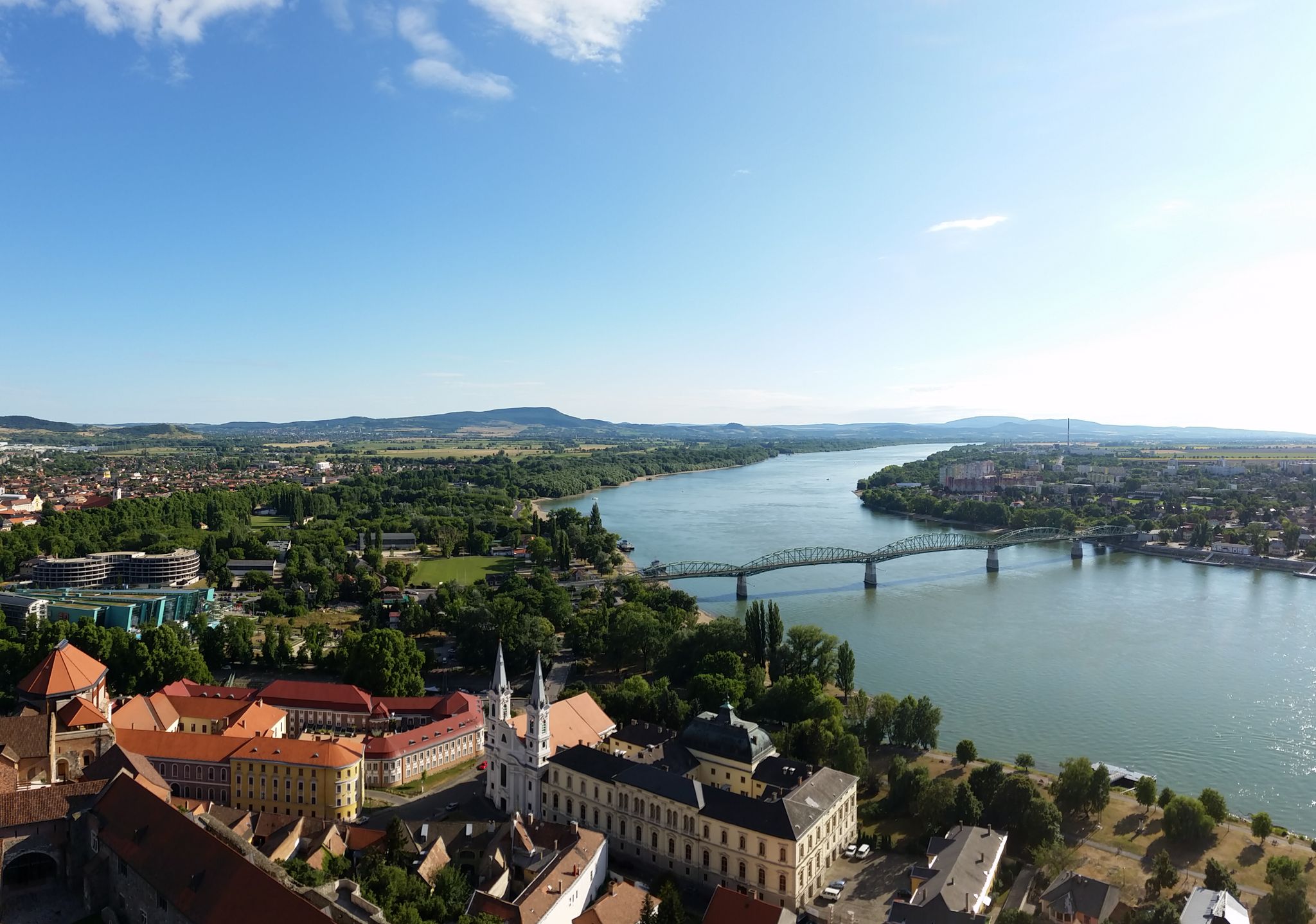
- The most popular attractions is Esztergom Basilica and Castle, a religious building and castle that stands on a hill overlooking the Danube. This complex includes the Castle Museum and is part of the UNESCO World Heritage List.
- Another must-see spot is Rám Gorge, a gorge and challenging trail. This dramatic gorge offers an exciting hiking experience with narrow passages and ladders.
- Visitors also love Maria Valeria Bridge, a bridge connecting Hungary and Slovakia across the Danube River. This iconic bridge offers views of the surrounding area.
- Komárom-Esztergom is known for its historical sites, natural monuments, and architectural landmarks. The region offers a variety of attractions to see and explore, from fortresses to scenic river views.
- The attractions in Komárom-Esztergom are appreciated by the komoot community, with more than 180 upvotes and 60 photos shared across 130 highlights.
Last updated: October 9, 2026
Esztergom Basilica and Castle
Highlight • Religious Site
Translated by Google •
Tip by

Maria Valeria Bridge
Highlight (Segment) • Bridge
Translated by Google •
Tip by

Sign up now to discover places like this
Get recommendations on the best single tracks, peaks, & plenty of other exciting outdoor places.
Rám Gorge
Highlight (Segment) • Gorge
Tip by

Millennium Monument (Coronation of St Stephen), Esztergom
Highlight • Monument
Tip by

Turul Statue
Highlight • Monument
Translated by Google •
Tip by

Fort Monostor
Highlight • Historical Site
The symbol of the fortress’s impregnability – the statue of the „Stone Virgin” with an inscription „NEC ARTE, NEC MARTE” („Neither by trick nor force”), can be found not far from the Leopold Gate.
The fortress system was completed in the 19th century and since has gradually lost its defending function. In the 20th century the Old and New Fortresses were used especially as army warehouses. The inconsiderate utilization by the occupying Soviet army from 1968-91 was a contributing factor, which led to to the current bad condition. Fortress tours are organised by “PRO CASTELLO COMAROMIENSI”. For more information click komarno.com/en/small-journey/new-fortress
Tip by
St Ignatius Church, Keresztény & Bálint Balassa Museums
Highlight • Religious Site
Translated by Google •
Tip by
Our Lady of Sorrows Chapel on Szent Tamás Hill
Highlight (Segment) • Religious Site
On the southern slopes of the hill there is a Mediterranean, winding path with stairs that lead to the Baroque Saint Stephen chapel.
(Wikipedia)
Tip by

Saint Stephen's Walk, Esztergom
Highlight (Segment) • Historical Site
On the southern slopes of the hill there is a Mediterranean, winding path with stairs that lead to the Baroque Saint Stephen chapel.
(Wikipedia)
Tip by
Esterházy Palace (Tata)
Highlight • Castle
The Tata domain often served as the scene of major global political decisions. Among other things, Emperor Franz I signed the so-called Peace of Schönbrunn here in 1809 while fleeing from Napoleon.
The palace, built in the middle of the 18th century, shone in the following centuries with its magnificent furnishings: the festive dining room with gilded wood paneling and the bathrooms, which with their marble and Dutch tiles were already considered a curiosity a hundred years ago.
Also worth mentioning are the wall paintings in Eszterháza Palace, now in Fertöd, which can be seen as a close connection between the count and princely Forchtenstein branch of the family.
The manor and castle were expropriated free of charge by the then communist regime in 1946 as part of the land reform. After the war, the castle served the district as a mental hospital.
The castle is open to interested visitors.
Source: de.esterhazy.net/index.php/Tata
Translated by Google •
Tip by

Sign up for free to discover even more attractions in Komárom-Esztergom.
Already have an account?
Start today with a free account
Your next adventure awaits.
Popular around Komárom-Esztergom
The Danube Cycle Path – From Donaueschingen to Budapest
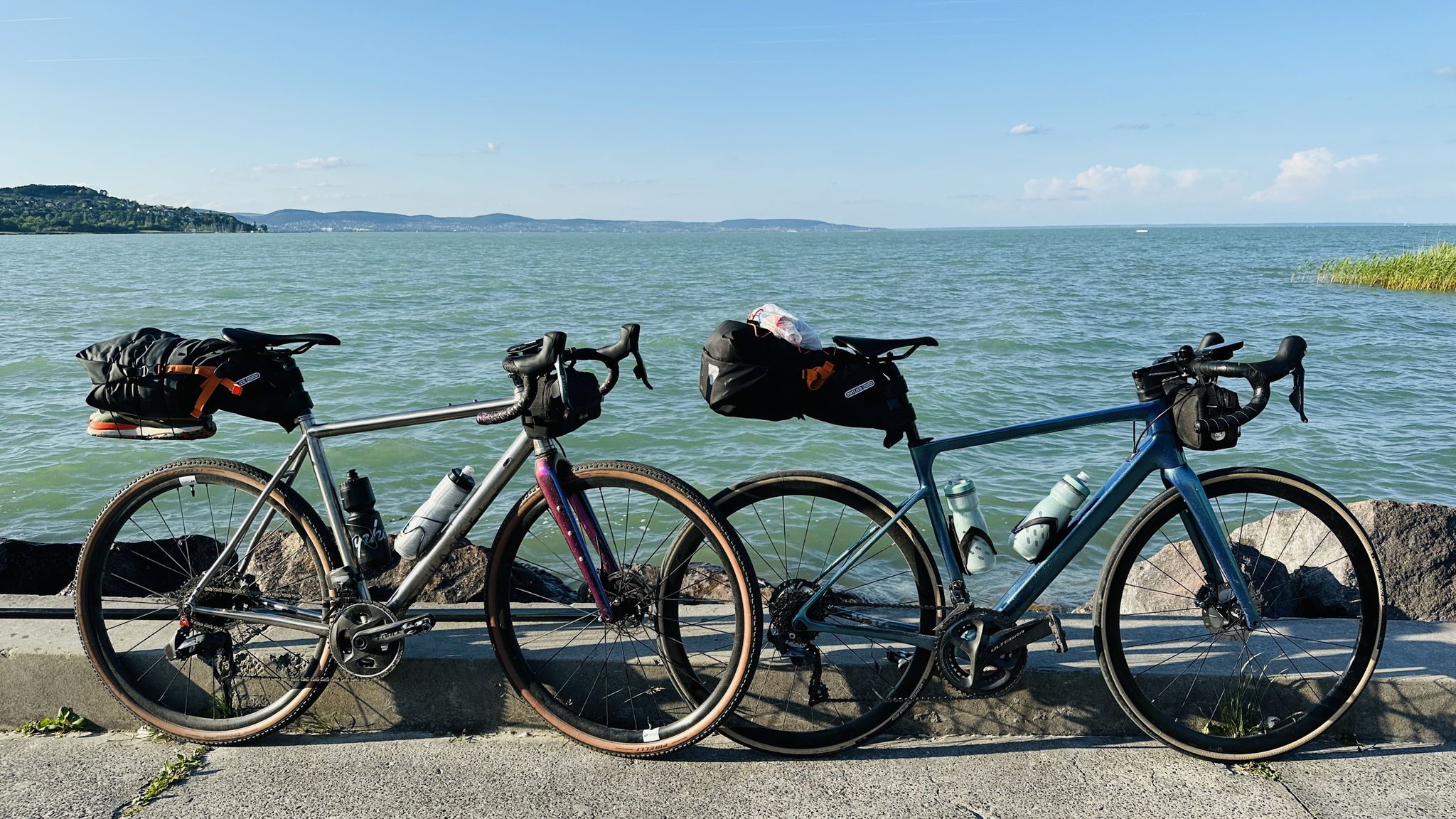
Riding two Koppels through five countries
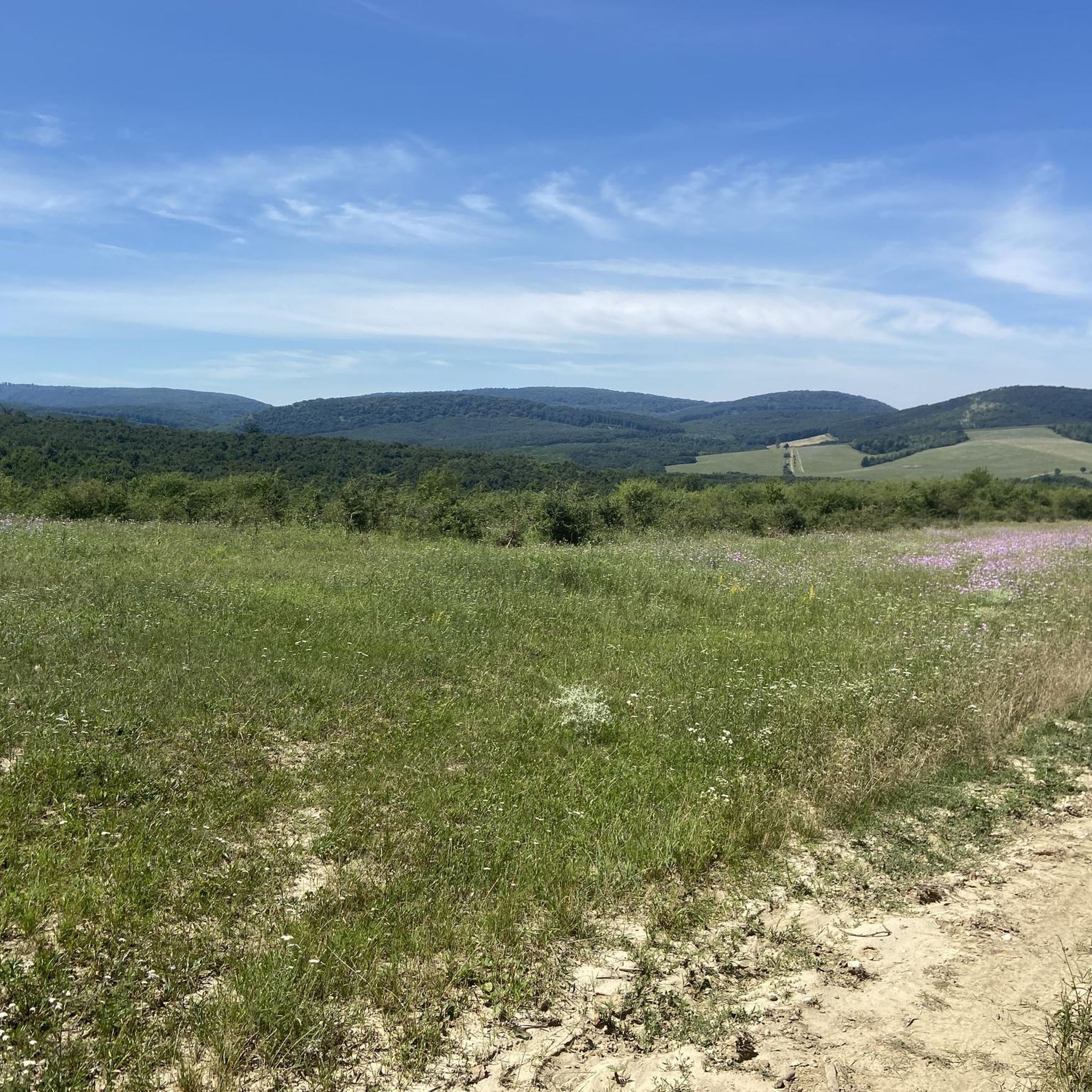
Hiking in Komárom-Esztergom
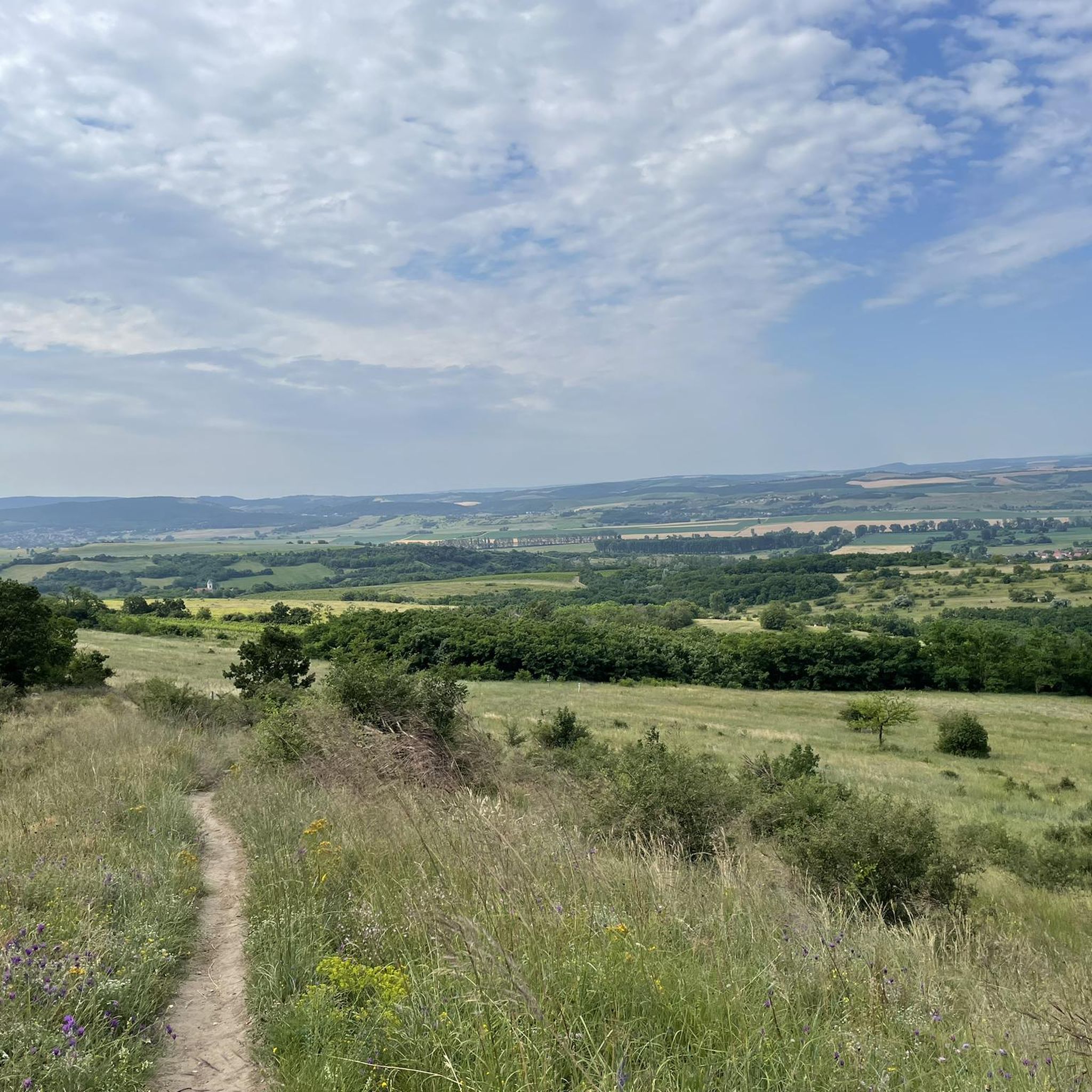
Cycling in Komárom-Esztergom
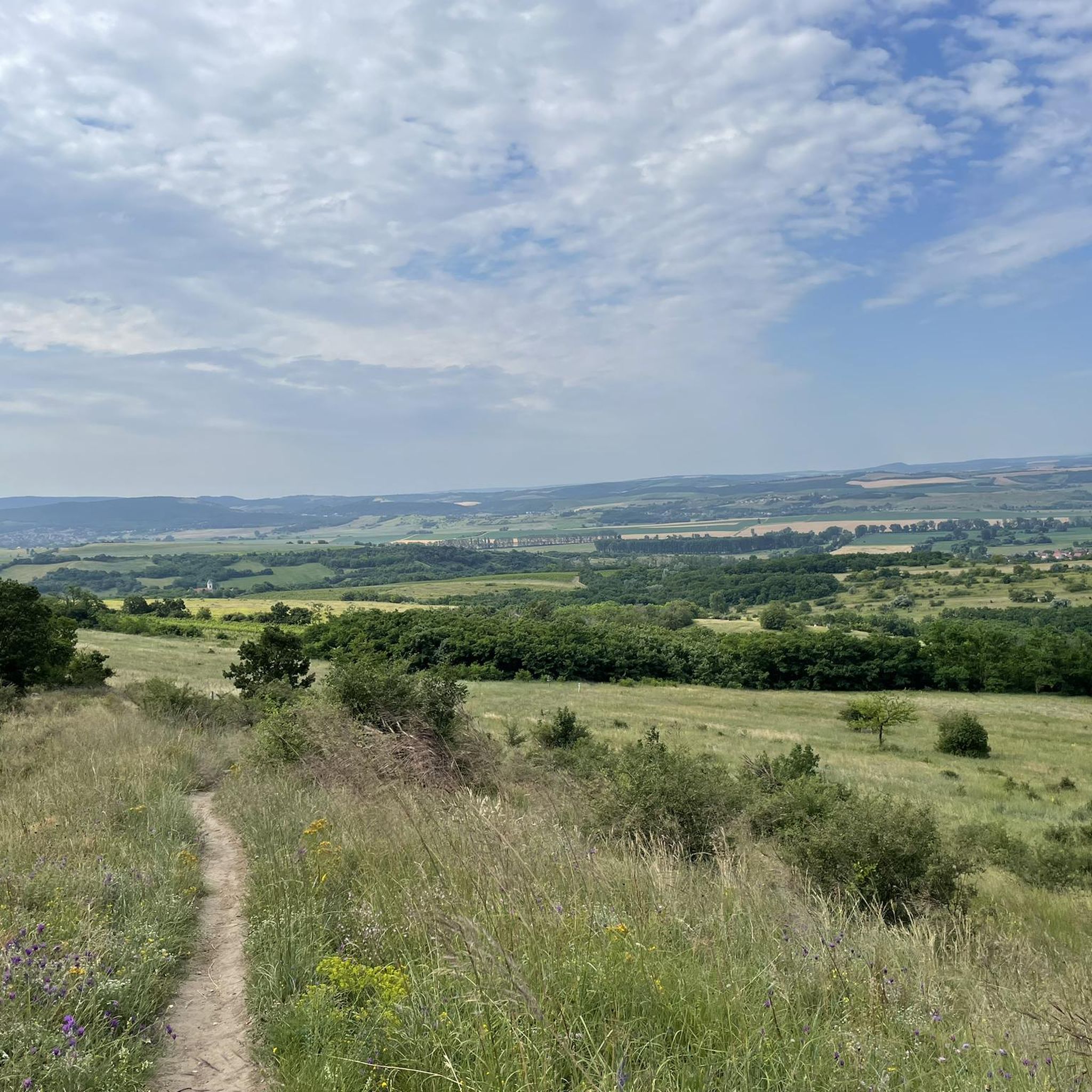
Road Cycling Routes in Komárom-Esztergom
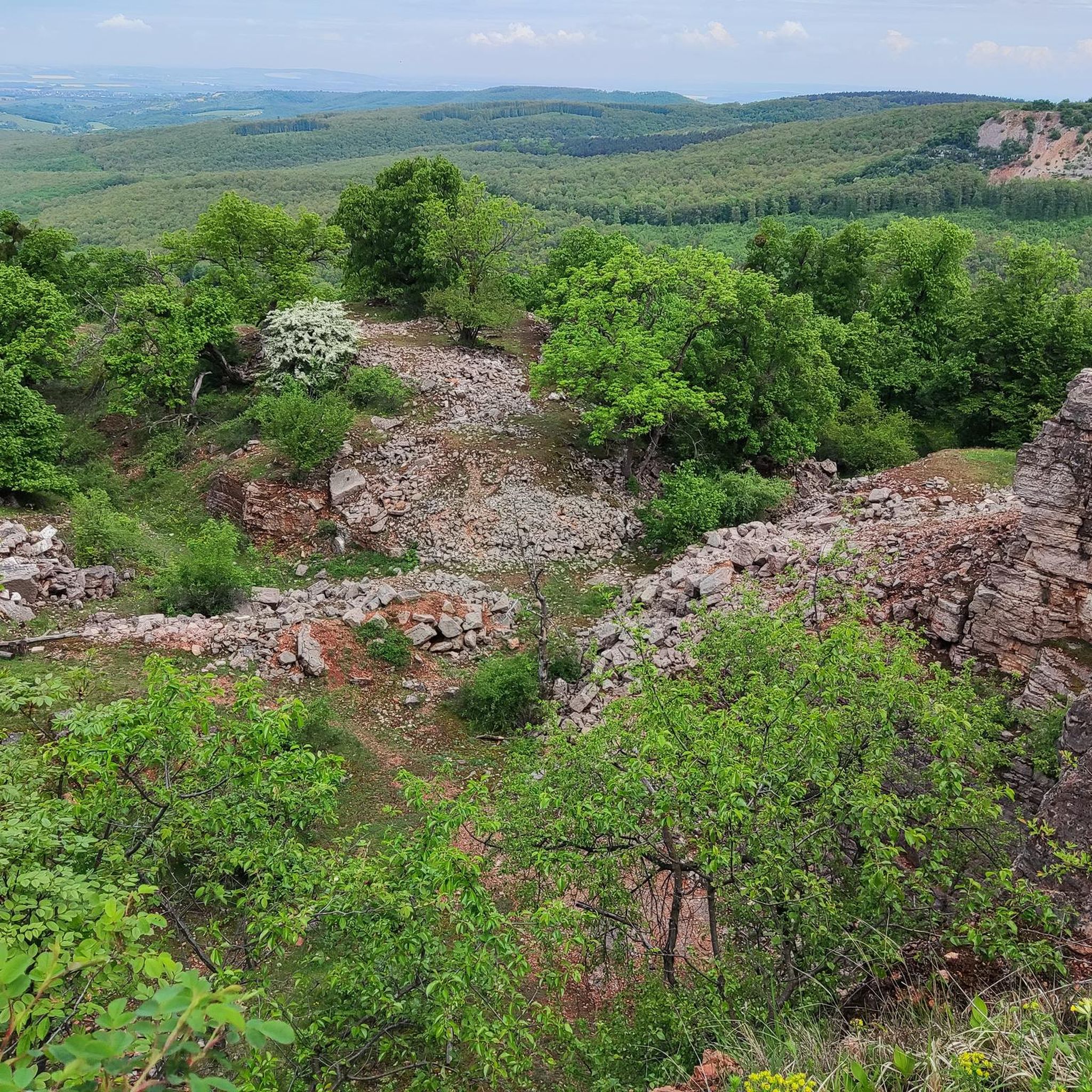
Running Trails in Komárom-Esztergom
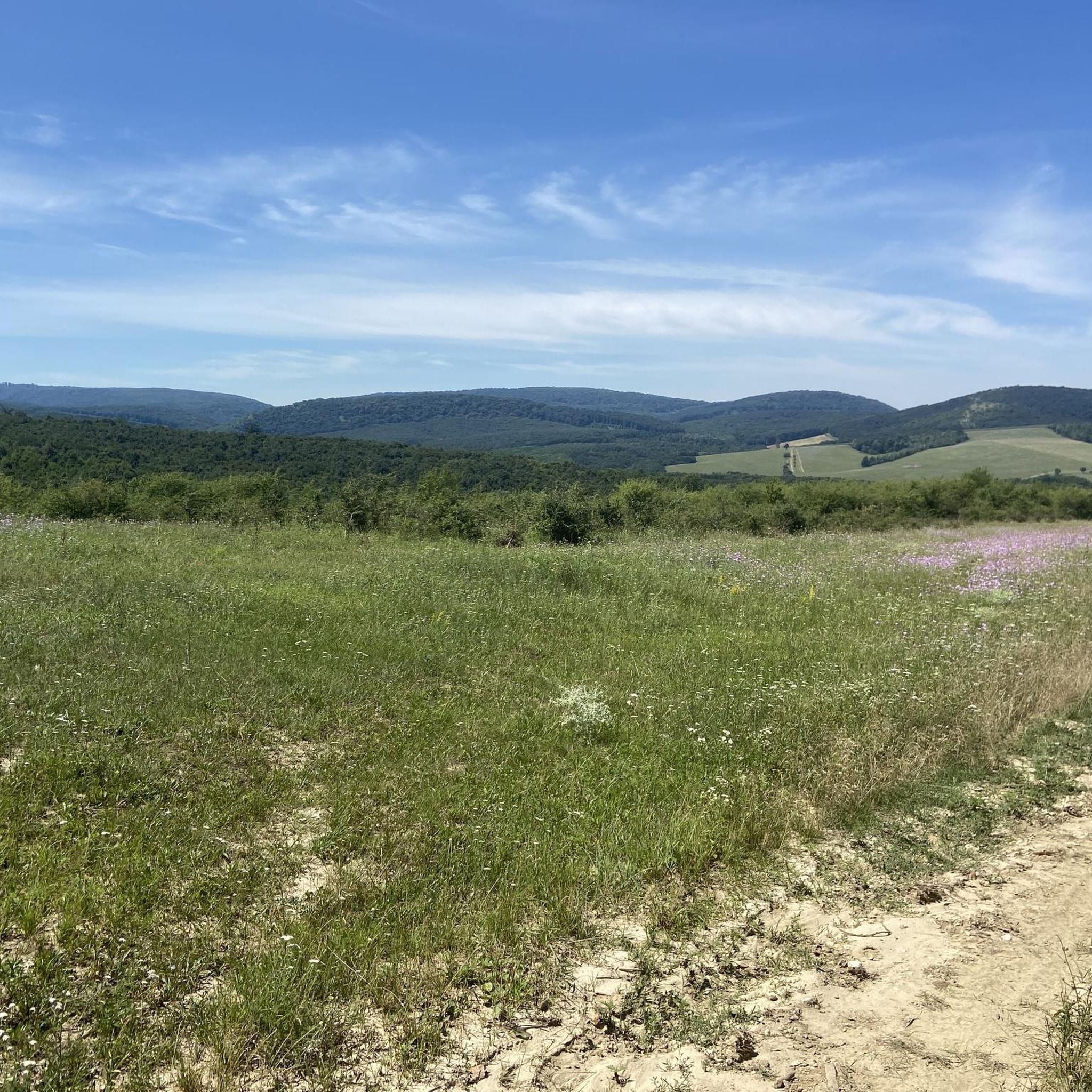
MTB Trails in Komárom-Esztergom
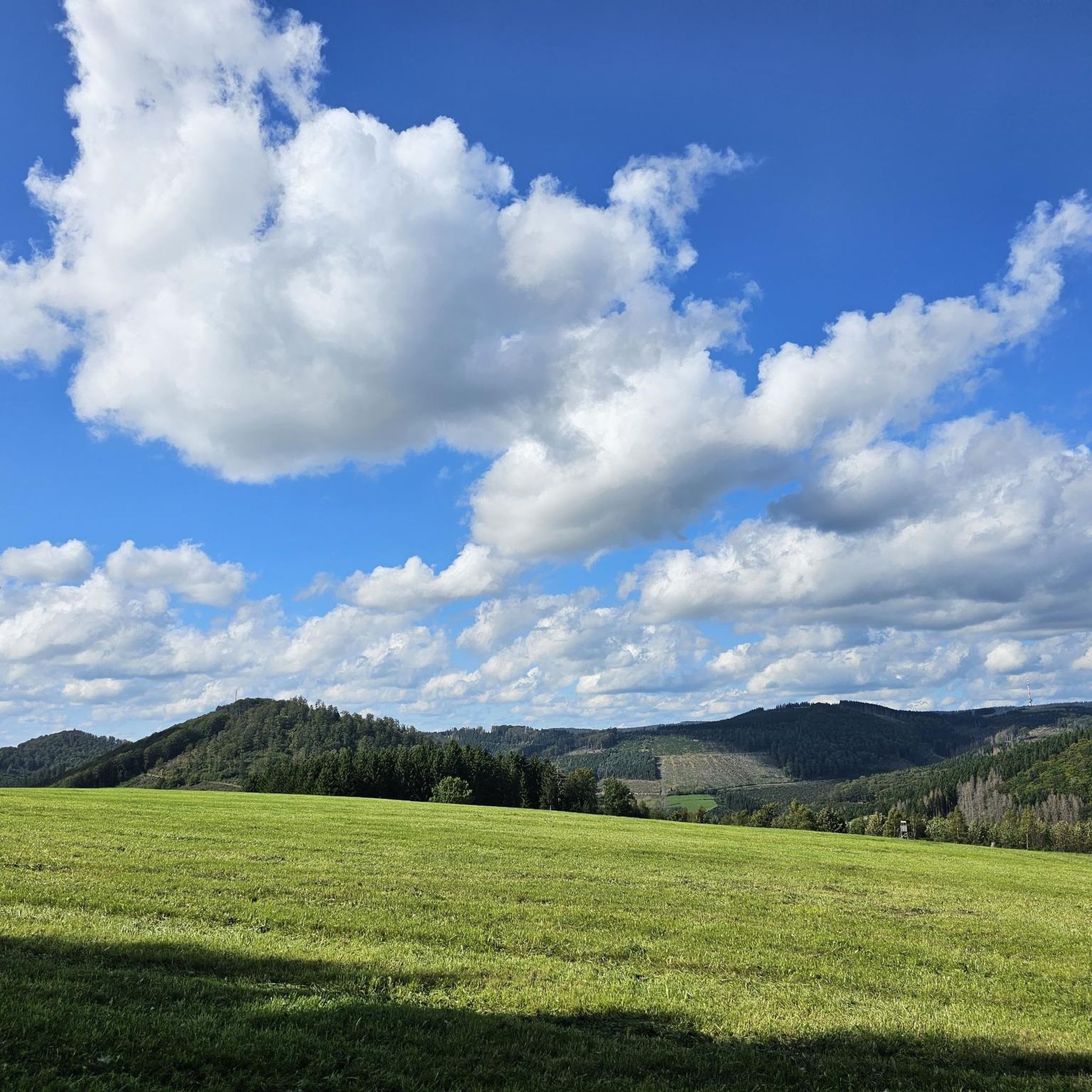
Gravel biking in Komárom-Esztergom
Mountain Hikes in Komárom-Esztergom


Tips from the Community

Size: 8 meters high, almost 15 meters wingspan (Mitteleuropa's largest bird monument). (according to Google)
0
0

Our most powerful national symbol, the monumental Turul Monument - in Tatabánya, from where the view is also perfect.
0
0

A real highlight, a magnificent monument to the coronation of St. Stephen I. The basilica with its flag in the background makes it a great photo opportunity. From this spot, you also have a magnificent view of the Danube and the Maria Valeria Bridge.
1
0

The Bálint Balassa Museum in Esztergom primarily displays exhibits from the fields of local history, archaeology and ethnography.
2
0
The Maria Valeria Bridge over the Danube connects the Hungarian city of Esztergom with the Slovak city of Štúrovo/Párkány.
2
0

The Millennium Monument in Esztergom is located directly next to the basilica and commemorates the coronation of the first Hungarian king, Stephen I, in the year 1000. It is a modern statue, whose curved shape takes some getting used to, depicting the coronation of Saint Stephen and rising behind the basilica above the banks of the Danube.
0
0

From July 18, 2024, the hiking trail of the Rám ravine will be open again. A new set of wooden steps has been added to the hiking trail, marking and helping the correct route. It is still allowed to walk the hiking trail only in the direction of Dömös-Dobogókő (upwards of Lentőr).
11
0
!!! Starting from July 18, 2024, the Rám-szakadék hiking trail will be accessible again. The trail has been equipped with new wooden stairs that mark and assist in following the correct route. The hiking trail can still only be traversed in the Dömös-Dobogókő direction (upwards). !!!
12
0
Frequently Asked Questions
What are the most significant historical landmarks to visit in Komárom-Esztergom?
Komárom-Esztergom is rich in history. Key landmarks include the majestic Esztergom Basilica and Castle, which was once a royal seat and is now part of the UNESCO World Heritage List. Another impressive site is Fort Monostor in Komárom, a large 19th-century fortress. You can also explore Tata Castle on the banks of Öreg-tó, and the unique 18th-century Majki Kamalduli Remeteség (Camaldolese Hermitage of Majk).
Are there any natural attractions or scenic areas for outdoor enthusiasts?
Absolutely. The region is known for its natural beauty, especially along the Danube River and the Danube Bend. The Pilis and Gerecse Mountains offer numerous hiking and cycling trails. Don't miss the dramatic Rám Gorge for an exciting hiking experience with ladders and narrow passages. Other natural spots include the picturesque Old Lake of Tata, the Fényes Nature Trail, and the Duna-Ipoly National Park.
What kind of outdoor activities can I do near these attractions?
Komárom-Esztergom offers diverse outdoor activities. You can find excellent hiking opportunities, including challenging routes like those in waterfall hikes or mountain hikes. For cyclists, there are many road cycling routes, such as the Visegrád Castle loop or the Tata Castle loop. The Danube River also provides opportunities for scenic cruises.
Are there family-friendly attractions in Komárom-Esztergom?
Yes, many attractions are suitable for families. The Esztergom Basilica and Castle complex offers historical exploration that can engage older children. Fort Monostor is also a great historical site for families. For more active fun, consider the Aquasziget Waterpark in Esztergom or the Vadas Thermal Resort for relaxation and recreation.
Where can I find the best viewpoints in the region?
For stunning panoramic views, head to the Esztergom Basilica and Castle, perched on Castle Hill, offering breathtaking vistas of the Danube River. The Maria Valeria Bridge also provides excellent views of the Danube and the surrounding landscape. Additionally, the Turul Monument in Tatabánya, with its impressive eagle statue, stands on Kő-hegy and offers a great vantage point.
What cultural sites are there besides the main historical landmarks?
Beyond the major historical sites, you can explore the Museum of Christian Art in Esztergom, housed in the Primate's Palace, which showcases a rich collection of ecclesiastical art. The Danube Museum (Museum of Environmental Protection and Water Conservancy) in Esztergom provides insights into Hungary's water management history. The Víziváros (Water Town) in Esztergom is also a historic Episcopal neighborhood with refined Baroque and neoclassical mansions.
Are there any unique or 'hidden gem' attractions in Komárom-Esztergom?
For a unique experience, visit the Majki Kamalduli Remeteség (Camaldolese Hermitage of Majk), an 18th-century monastic complex with individual hermit cells. The Sándor-Metternich Palace in Bajna, nestled at the foot of the Gerecse Mountains, is a beautifully restored classical palace. The Vértesszőlős archaeological site is also a significant spot, known for the discovery of nearly half a million-year-old human remains.
What is the significance of the Maria Valeria Bridge?
The Maria Valeria Bridge is an iconic landmark connecting Esztergom, Hungary, with Štúrovo, Slovakia, across the Danube River. Originally built in the late 19th century, it was rebuilt after being destroyed in World War II. It symbolizes cross-border connection and offers stunning views of the river and the Esztergom Basilica.
Can I find any accessible attractions for wheelchair users?
The Maria Valeria Bridge is noted as wheelchair accessible, offering a chance to enjoy the views across the Danube. While many historical sites may have limitations due to their age, modern facilities and parts of larger complexes often strive for accessibility. It's always recommended to check specific venue details for the most up-to-date accessibility information.
What are some interesting facts about Esztergom Castle?
Esztergom Castle, adjacent to the Basilica, has a history dating back to the 11th century and was once the royal seat of Hungary. It houses the Castle Museum, displaying medieval frescoes and providing insights into Hungarian history. The complex, including the Castle Theater and Panopticon, was awarded European Heritage Site status in 2008 and is part of the UNESCO World Heritage List, highlighting its profound historical importance.
Where can I experience nature and wildlife in the region?
The Duna-Ipoly National Park, stretching across the Danube Bend, is an excellent place to experience nature and potentially spot wildlife. It encompasses lush forests, rivers, and protected landscapes. The Agostyáni Arboretum near Tata also offers a peaceful natural escape within the Gerecse forests, perfect for observing diverse plant life.
What is the Turul Monument and where is it located?
The Turul Monument is a significant statue located in Tatabánya. It depicts the mythical Turul bird, a symbol in Hungarian mythology, and commemorates a significant battle of the Hungarian conquest. With a 15-meter wingspan, it is Europe's largest copper bird statue and stands majestically on Kő-hegy (Stone hill), offering impressive views.
Most popular routes in Komárom-Esztergom
Most popular attractions in Komárom-Esztergom

Get inspired with the komoot mobile app


Didn’t find what you were looking for?
Are you keen on exploring more awesome places nearby? Browse our guides:
Explore more
Still not found the Highlight you’re looking for? See guides of the top attractions in other regions:
