The best waterfall hikes and walks around Campiña Baja
4.4
(1266)
8,023
hikers
12
hikes
Waterfall hiking trails around Campiña Baja offer a diverse landscape characterized by a blend of arid terrain and verdant mountain ranges. The region features granite mountains, numerous canyons, and significant water features, including natural pools and waterfalls. Hikers can explore ecosystems ranging from tropical dry forests at lower elevations to oak and pine forests at higher altitudes. This varied topography provides a rich environment for exploring natural cascades and streams.
Best waterfall hiking trails around Campiña Baja
- The most popular…
Last updated: October 7, 2026
4.8
(48)
164
hikers
14.6km
04:06
290m
290m
Moderate hike. Good fitness required. Easily-accessible paths. Suitable for all skill levels.
4.7
(12)
53
hikers
4.99km
01:24
100m
100m
Easy hike. Great for any fitness level. Easily-accessible paths. Suitable for all skill levels.

4.5
(8)
32
hikers
9.65km
02:41
180m
170m
Moderate hike. Good fitness required. Easily-accessible paths. Suitable for all skill levels.
4.0
(4)
14
hikers
9.77km
02:45
200m
200m
Moderate hike. Good fitness required. Easily-accessible paths. Suitable for all skill levels.
4.0
(1)
10
hikers
Hard hike. Very good fitness required. Easily-accessible paths. Suitable for all skill levels.
Get access to more routes and recommendations from other explorers.
Already have an account?
Our route recommendations are based on thousands of hikes, rides, and runs completed by other people on komoot.
Start today with a free account
Your next adventure awaits.
Popular around Campiña Baja
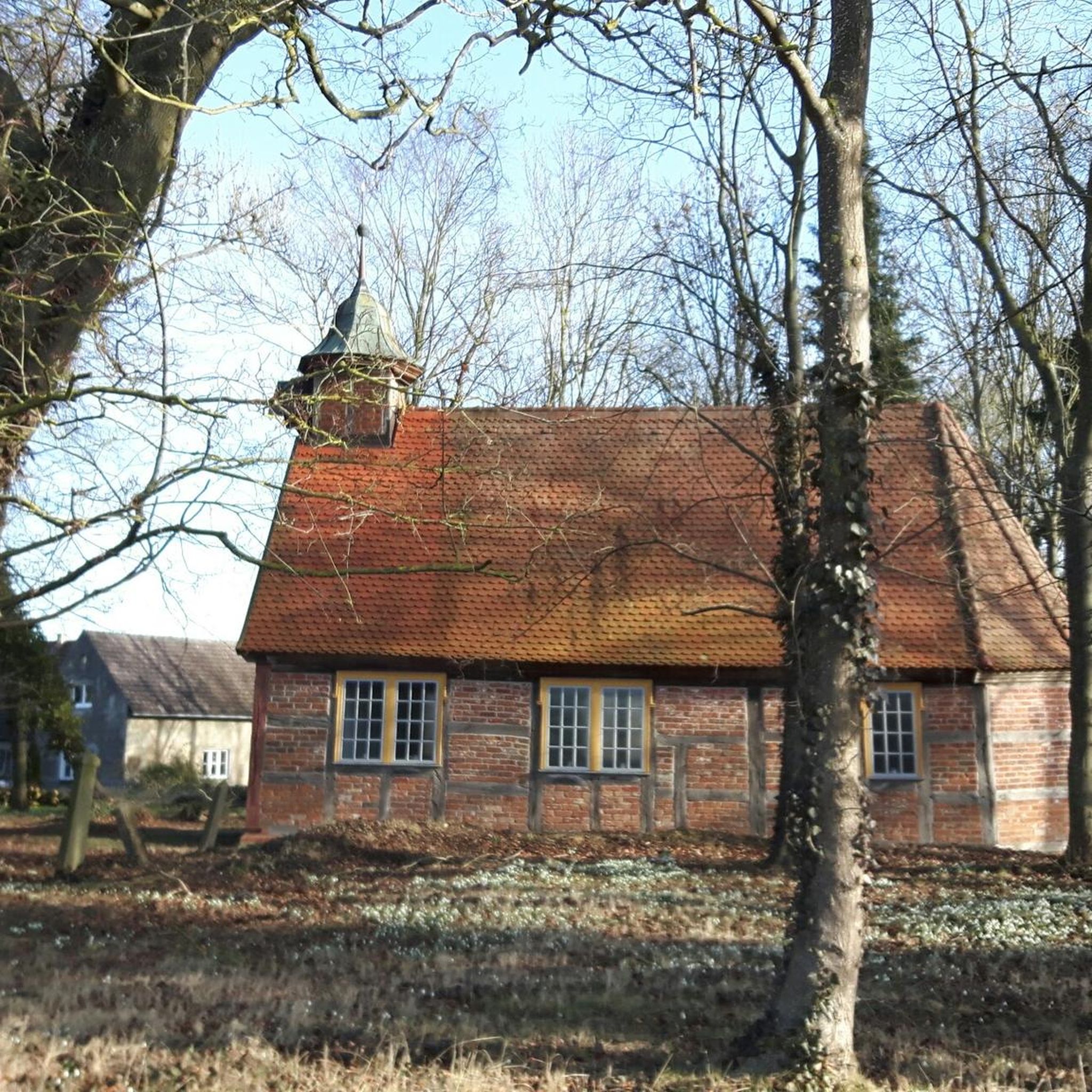
Waterfall hikes around the Guadalquivir

Waterfall hikes around Río Guadalquivir -Tramo Medio
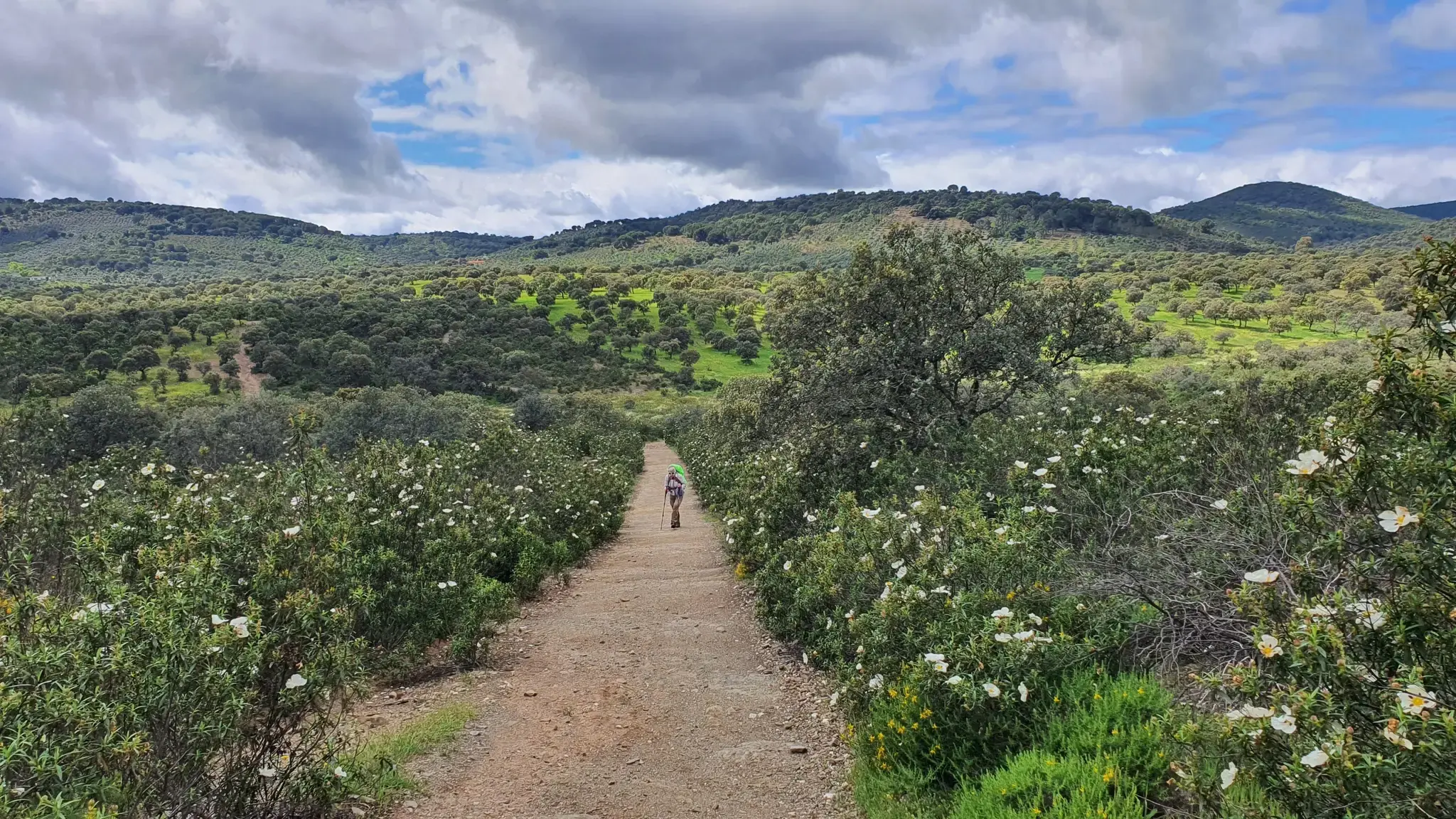
Pastures, Pedroches and farmhouses — Cañada Real Soriana (GR 40)
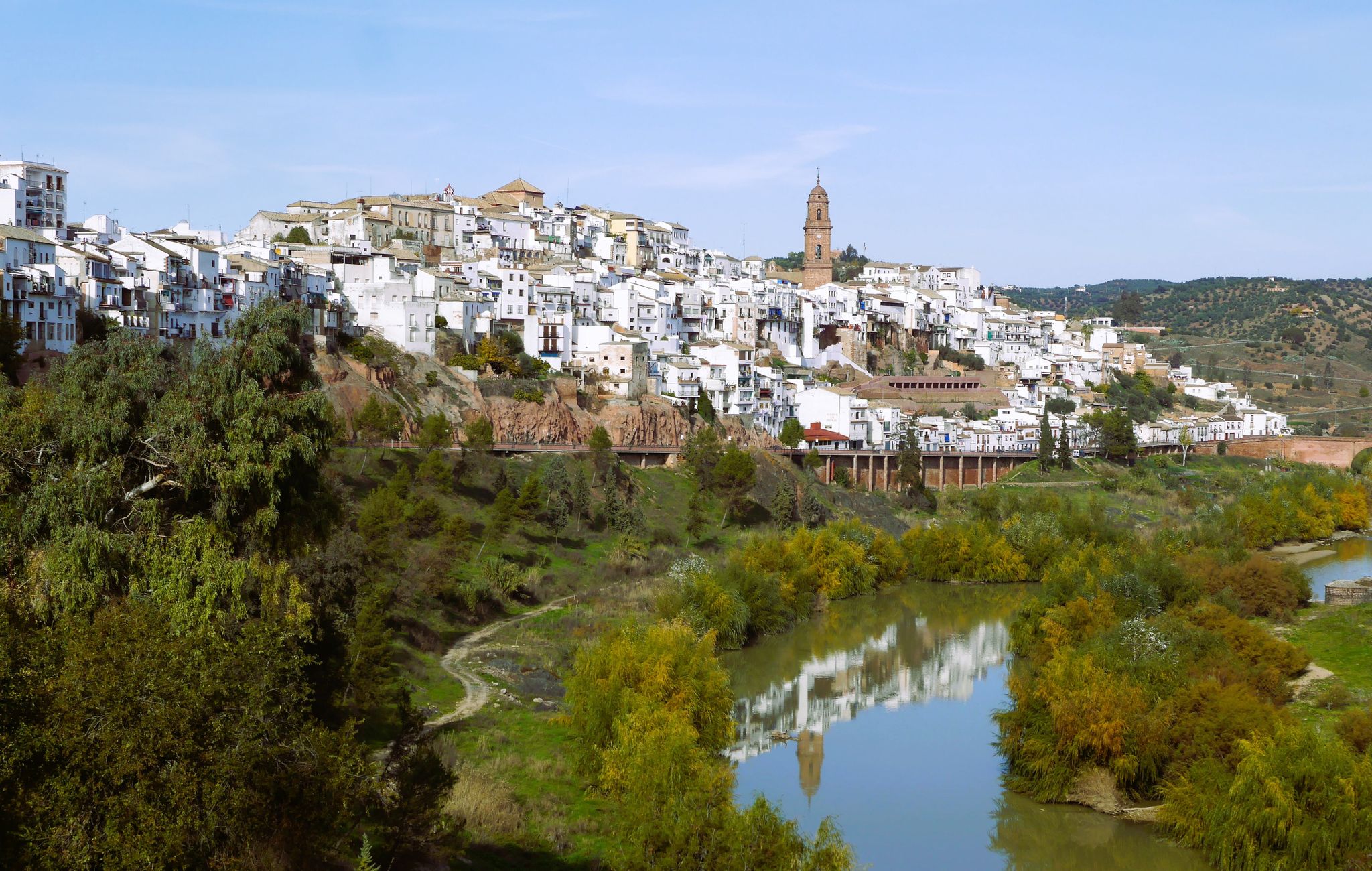
Hike the glorious countryside of Cordoba and Jaen – Sierra Morena (GR 48)
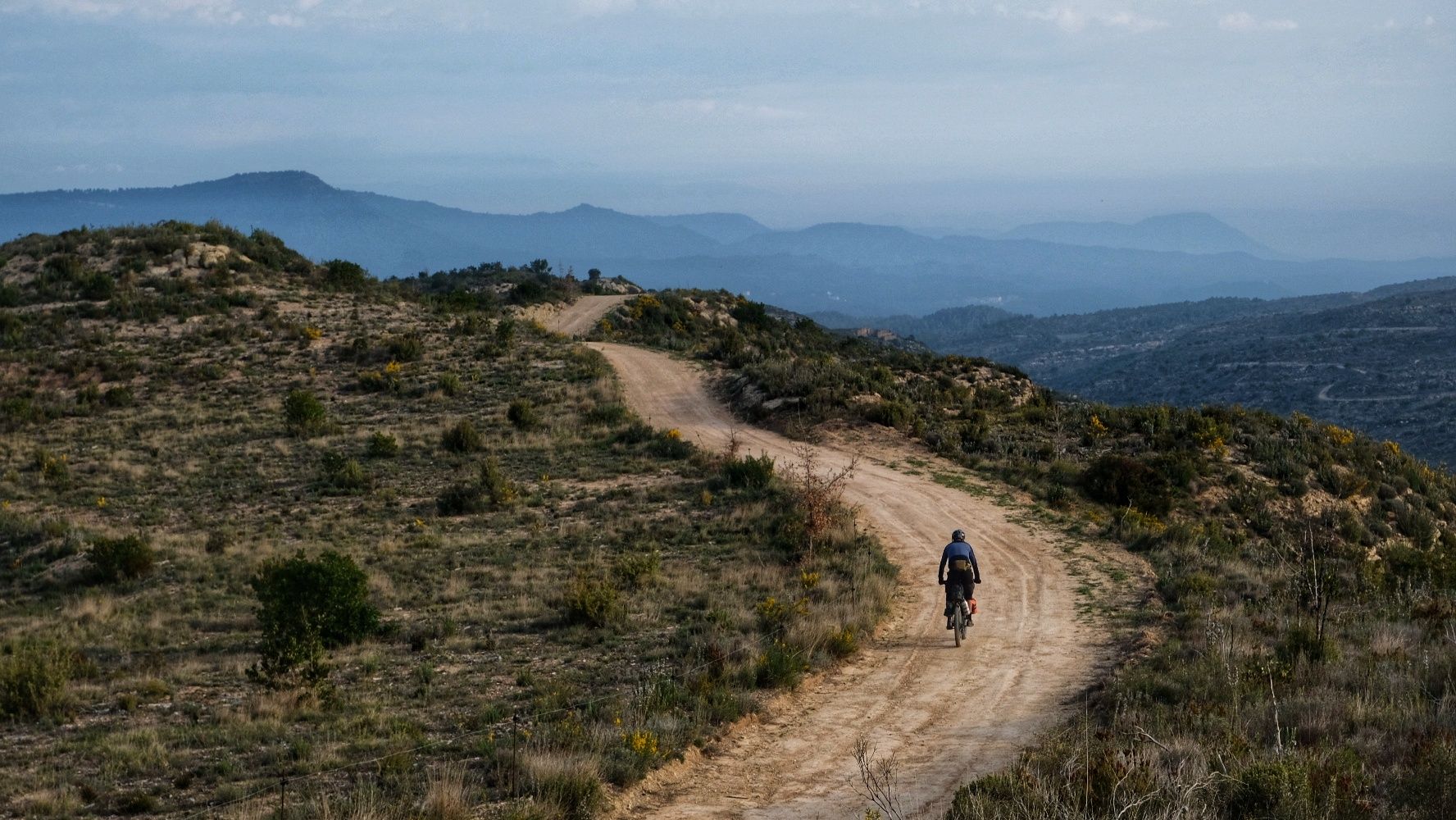
European Divide Trail — 7,600 km across the continent
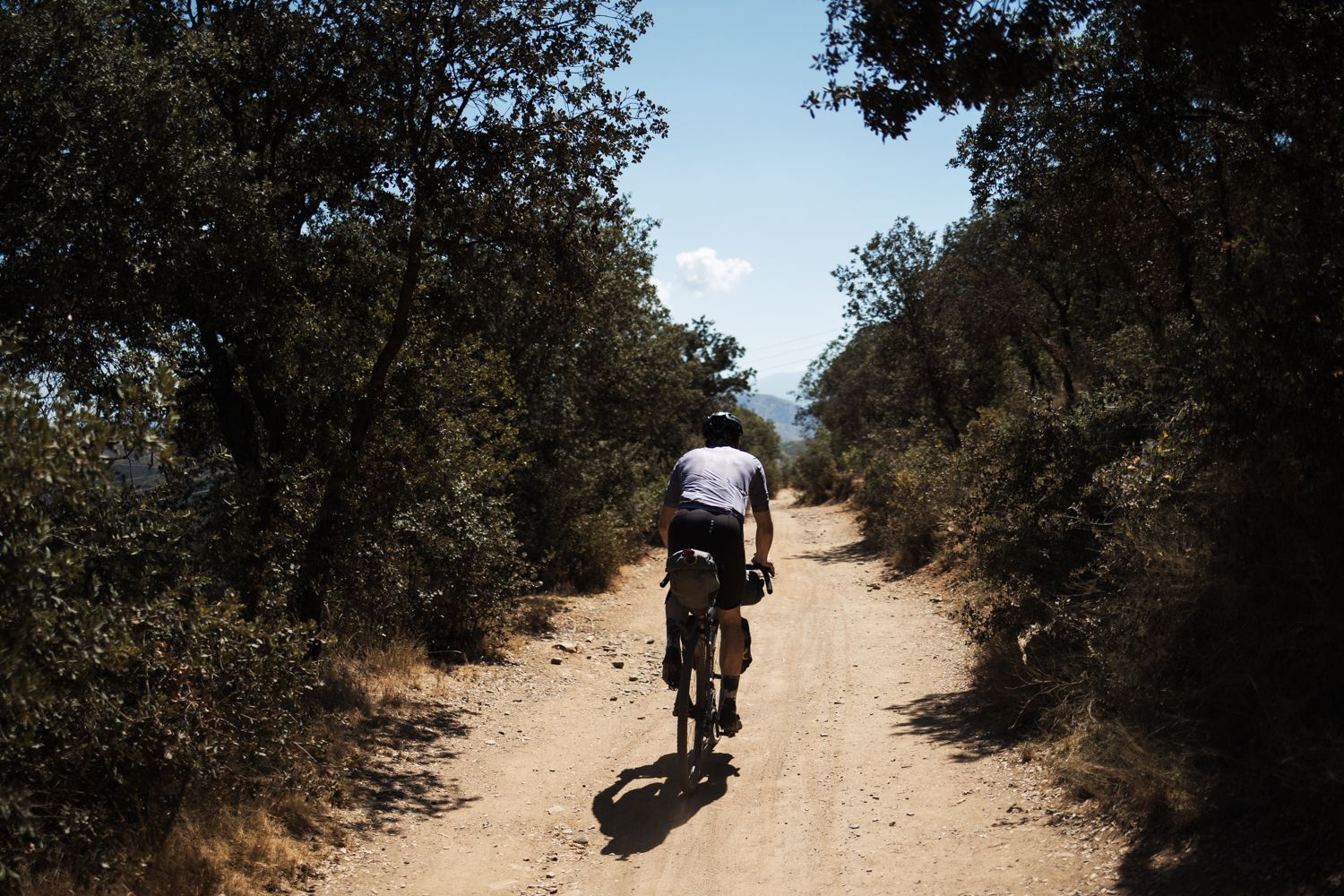
Mozarabic Way to Santiago – Gravel between two worlds
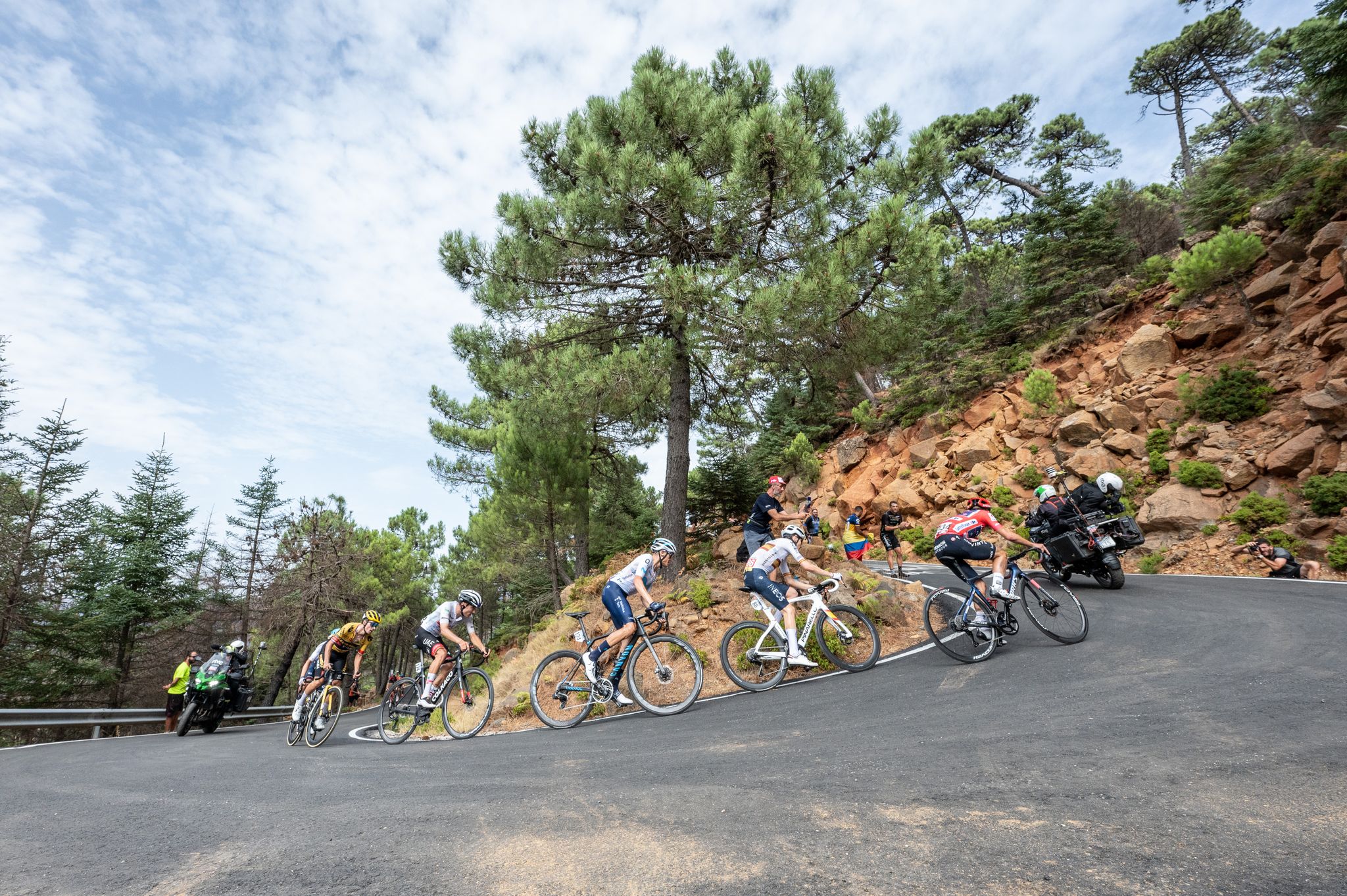
La Vuelta 26 — All Official Stages
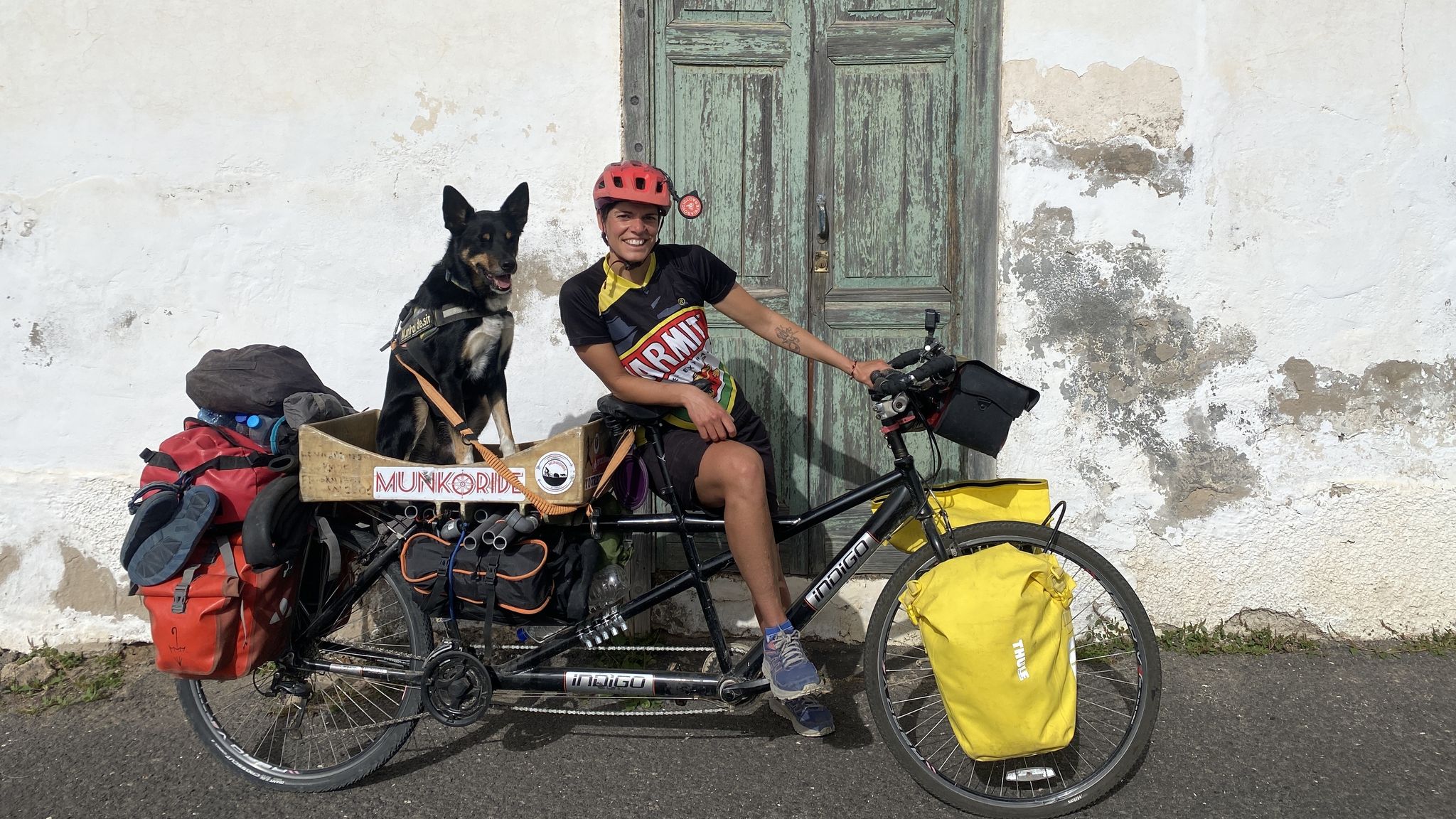
A winter getaway along the greenways of Andalusia in Spain
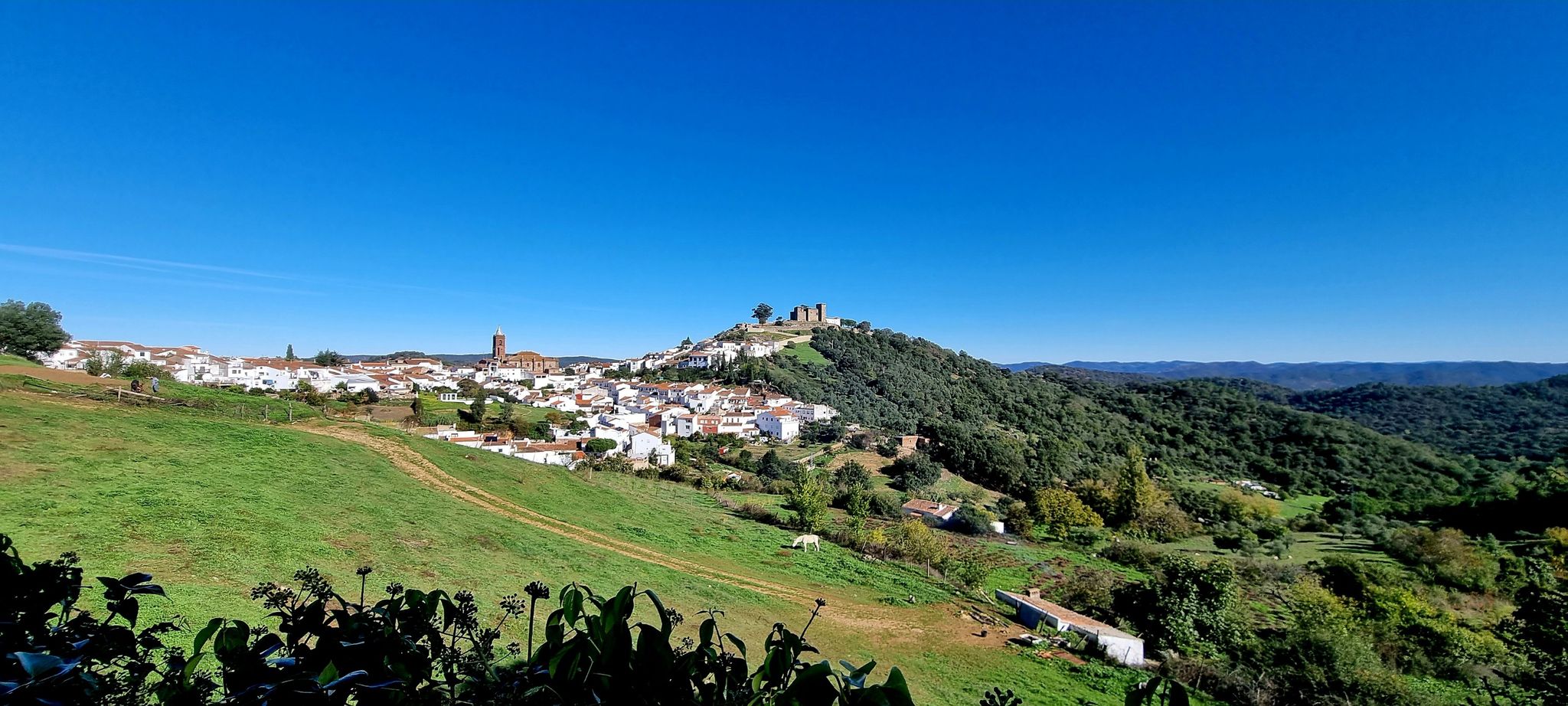
European Divide Trail across the Iberian Peninsula – south
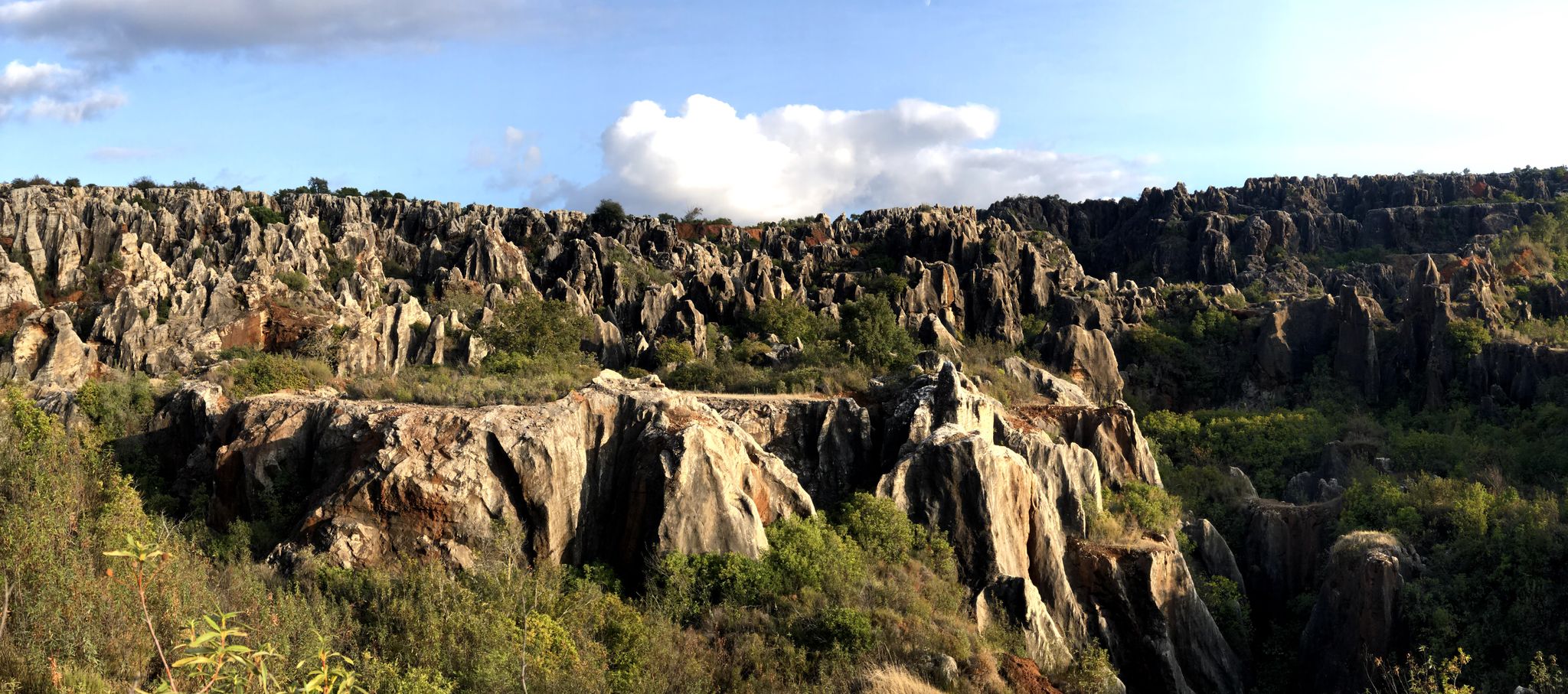
Cycling among the mysterious faults – Sierra Morena (GR 48)
Other adventures around Campiña Baja


Tips from the Community

In the era of Islamic domination, Córdoba had a defensive belt made up of watchtowers with the capacity to communicate with each other by means of smoke during the day and light signals at night. One of the most impressive is the so-called Torre del Beato, in the Sierra Morena. Near the Cortijo de la Soledad we find a path that goes unnoticed by those who don't know its location. If we follow it, after walking for a few minutes we are overwhelmed by the imposing sight of a 9-meter-high tower preserved as if time had stood still. It is an almost square tower built with rubble stones plastered with lime and sand mortar and reinforced with well-carved ashlars at its outer vertices. Its crowning of Syrian battlements is surprising, allowing us to relate it to other buildings from the emirate period, such as the Great Mosque of Córdoba. Inside, the tower is divided into two floors, in addition to the roof terrace crowned by the battlements. The first room is covered by a brick vault, with access to the second floor via a staircase attached to the wall. From the top, sheltered between battlements (some of which lie scattered on the ground, already surrendered to the passage of time), the lookouts could make out nearby towers such as the Palomas or the Siete Esquinas and keep an eye on the routes taken by the minerals extracted from the very bowels of the mountain. This treasure still has the capacity to surprise many hikers, the curious, cyclists and people seeking the peace of nature among the many paths that criss-cross the Sierra Morena. (Source: https://eventourcordoba.es/blog/la-torre-del-beato/)
0
1
One of the vestiges of the Caliphate period can be found in the mountains of Córdoba, less than 15 minutes by car from the capital. It is an ancient watchtower, a lookout from where you can enjoy one of the most impressive views of Córdoba and the Guadalquivir valley. Despite its name, it is actually an octagonal tower, meaning it has eight corners. However, inside it has a square floor plan, with each side measuring approximately 3.40 meters. Built of masonry, a construction method in which irregular stones are joined with mortar, a conglomeration of lime, sand and water without any order of courses. Originally, this tower was part of a network of watchtowers that surrounded the Caliphate of Córdoba and was visually connected to other towers. The Tower of the Seven Corners, despite its poor condition, is a popular destination for cyclists and hikers. A visit to this place can be combined with a visit to the Hermitages of Cordoba, the Baths of Poppaea and the Fountain of the Elephant. (Source: https://www.cordoba24.info/html/torre_siete_esquinas.html)
1
0
Located in the district of Santa Maria de Trassierra, next to the Arroyo del Molino, a tributary of the river Guadiato. It is a mill of Arab origin, probably from the 10th or 11th centuries, whose purpose was to grind flour. These medieval mills made it possible to produce flour in large quantities for 10th-century Caliphal Córdoba. (Source: https://www.conocetusfuentes.com/datos_elemento_884.html)
1
0
Located on the Caño Escaravita estate, just beyond the outlying neighborhood of Santa María de Trassierra. We found it in the western Sierra peri-urban district, next to the crossroads leading to the Ermitas and the Mirador de las Niñas, about fifteen kilometers from Córdoba. This is a zoomorphic water fountain on a pedestal from the Caliphate period, dating back to the 10th century. The sculpture represents a small elephant. Made of gray limestone from the Sierra Morena, it served as a support for the spout. The fountain is made up of three components: a water collection basin, a masonry pillar attached to it on its north side (which leads to a masonry irrigation ditch), and a rectangular pool located to the west of the canal. https://amedinacordoba.com/fuente-del-elefante/
1
0
The Baths of Poppaea are a natural stretch of small waterfalls alternating with small pools that follow the course of the Molino stream, near the mouth of the Guadiato River. This area was visited by Christopher Columbus. Its name comes from the place where the Cordoba poets of the Cántico Group used to visit, as during the Franco regime it was a safe place, away from the scrutiny of this intellectual group, as well as the homosexuality of some of them. One day, three members of the group, Pablo García Baena, Juan Bernier, and Ricardo Molina, were walking when they saw some girls bathing in the stream. The latter exclaimed, "Look, like Poppaea in the bath," referring to the Roman Empress Poppaea Sabina, a prominent figure at the time due to the film The Sign of the Cross (1932), in which actress Claudette Colbert appeared bathing in donkey's milk, just as the Empress did. The girls told the residents of Trassierra about this incident, and from then on, the story spread and became known as the Baths of Poppea. https://es.wikipedia.org/wiki/Ba%C3%B1os_de_Popea
2
0
A waterfall known as the "first spring of the Bejarano," whose water flow has always been active. There are few remains of an ancient structure from which the water flows: the aquifer catchment. The Romans knew how to harness this important spring, unique in these mountains, due to the large amount of water it provides every season (estimated at 20,000 to 35,000 m3/day). (Source: https://www.conocetusfuentes.com/ficha_detalle.php?id_fuente=10057)
1
0

An incredible place, a structure and construction that transports you to the Roman era. It is worth taking the route and spending some time enjoying the site.
2
0

A closed gate prevents you from continuing along this route.
1
0
Frequently Asked Questions
How many waterfall hiking trails are there in Campiña Baja?
There are over a dozen dedicated waterfall hiking trails in Campiña Baja, offering a range of experiences from easy strolls to more challenging routes. In total, komoot lists 13 waterfall hikes in the region.
What makes Campiña Baja a unique destination for waterfall hikes?
Campiña Baja, particularly within the Sierra de la Laguna Biosphere Reserve, offers a unique blend of arid desert landscapes and verdant mountain ranges. Hikers can explore diverse ecosystems, from tropical dry forests to oak and pine forests, all while encountering granite mountains, deep canyons, and numerous natural pools and waterfalls like those found in Cañón de la Zorra and Sol de Mayo. It's a UNESCO heritage site, protecting a world's natural treasure.
Are there easy waterfall hikes suitable for beginners or families in Campiña Baja?
Yes, Campiña Baja offers several easy waterfall hikes perfect for beginners or families. One excellent option is the Baños de Popea Waterfalls loop from Plaza del Centro Cívico, which is 3.1 miles (5.0 km) long and typically takes about 1 hour 24 minutes to complete, leading through a landscape with multiple cascades.
Are there any challenging waterfall hikes for experienced hikers in Campiña Baja?
For those seeking a more challenging adventure, Campiña Baja does offer routes with greater elevation gain and longer distances. While specific difficult waterfall routes are fewer, the region's rugged terrain, especially within the Sierra de la Laguna, can provide strenuous multi-day treks like the Sierra Traverse, which ascends to high altitudes and offers expansive views.
What can I see along the waterfall hiking trails in Campiña Baja besides waterfalls?
Beyond the beautiful waterfalls and natural pools, you can explore fascinating geological features and historical sites. For instance, some trails lead past the Roman Mine and Pools, offering a glimpse into the region's past. The diverse ecosystems also mean opportunities to spot unique flora and fauna endemic to the Sierra de la Laguna Biosphere Reserve.
Are there circular waterfall hiking routes in Campiña Baja?
Yes, many of the waterfall trails in Campiña Baja are designed as circular routes, allowing you to start and end at the same point without retracing your steps. A popular example is the Arroyo Bejarano – Elephant Fountain loop from Torrehoria, a moderate 8.5-mile (13.7 km) trail that explores the stream and the Elephant Fountain.
What is the best time of year to hike waterfall trails in Campiña Baja?
The best time to hike waterfall trails in Campiña Baja is typically during the cooler months, from autumn through spring. This avoids the intense summer heat, and after seasonal rains, the waterfalls are often at their most impressive. Winter can also be a good time, offering crisp air and fewer crowds, though some higher elevation areas might be cooler.
What do other hikers enjoy most about waterfall hiking in Campiña Baja?
The komoot community highly rates the waterfall hikes in Campiña Baja, with an average score of 4.4 stars from over 900 reviews. Hikers often praise the stunning natural beauty, the refreshing natural pools, and the dramatic contrast between the arid and lush landscapes. The sense of discovery in finding hidden cascades and the tranquility of the Sierra de la Laguna are frequently highlighted.
Are there any natural pools or swimming spots along the waterfall trails?
Absolutely! The region is known for its numerous canyons that often feature natural pools and swimming holes. Popular spots like Cañón de la Zorra and Sol de Mayo near Santiago are famous for their beautiful waterfalls and refreshing pools. The Source of the Bejarano Stream – Roman Mine and Pools loop from Urbanización Chabolo also leads to natural pools, perfect for a refreshing dip.
What kind of wildlife can I expect to see on waterfall trails in Campiña Baja?
The Sierra de la Laguna Biosphere Reserve is home to a diverse array of endemic flora and fauna. While hiking, you might encounter various bird species, reptiles, and smaller mammals. The unique ecosystems, from tropical dry forests to pine and oak forests, support a rich biodiversity, making it a significant ecological area for wildlife observation.
Are there any other notable natural attractions near the waterfall trails?
Yes, beyond the waterfalls, Campiña Baja offers other natural wonders. You can explore various caves, such as the Cave of the Mirador de las Niñas, or visit serene lakes like the Navallana Reservoir and Lake La Encantada, which provide additional opportunities for outdoor enjoyment and scenic views.
Most popular routes around Campiña Baja
Most popular attractions around Campiña Baja

Get inspired with the komoot mobile app


Didn’t find what you were looking for?
Check out more Hikes throughout Campiña Baja below and find the perfect route in your destination.
