Attractions and Places To See around Mory - Top 20
Best attractions and places to see around Mory include historical sites and monuments. This region, located in Pas-de-Calais, France, is characterized by its significant World War I history, with numerous memorials and battlefields. The landscape offers opportunities for outdoor activities, including hiking and cycling routes. Visitors can explore a variety of cultural and historical points of interest.
Best attractions and places to see around Mory
- The most popular attraction is 1917 — Écoust-Saint-Mein, a historical site that marks the…
Last updated: June 20, 2026
Hibers Trench Cemetery
Highlight • Other
Translated by Google •
Tip by

1917 — Écoust-Saint-Mein
Highlight • Other
Translated by Google •
Tip by

Sign up now to discover places like this
Get recommendations on the best single tracks, peaks, & plenty of other exciting outdoor places.
Sign up for free
Chapel of Our Lady of La Salette
Highlight • Other
It is a small square building. On the facade is the entrance door. On each …
Translated by Google •
Tip by
Bapaume Town Hall
Highlight • Monument
Translated by Google •
Tip by
Monument to Abel Guidet
Highlight • Monument
Translated by Google •
Tip by
Sign up for free to discover even more attractions around Mory.
Sign up for free
Already have an account?
Start today with a free account
Your next adventure awaits.
Login or Signup



Tips from the Community

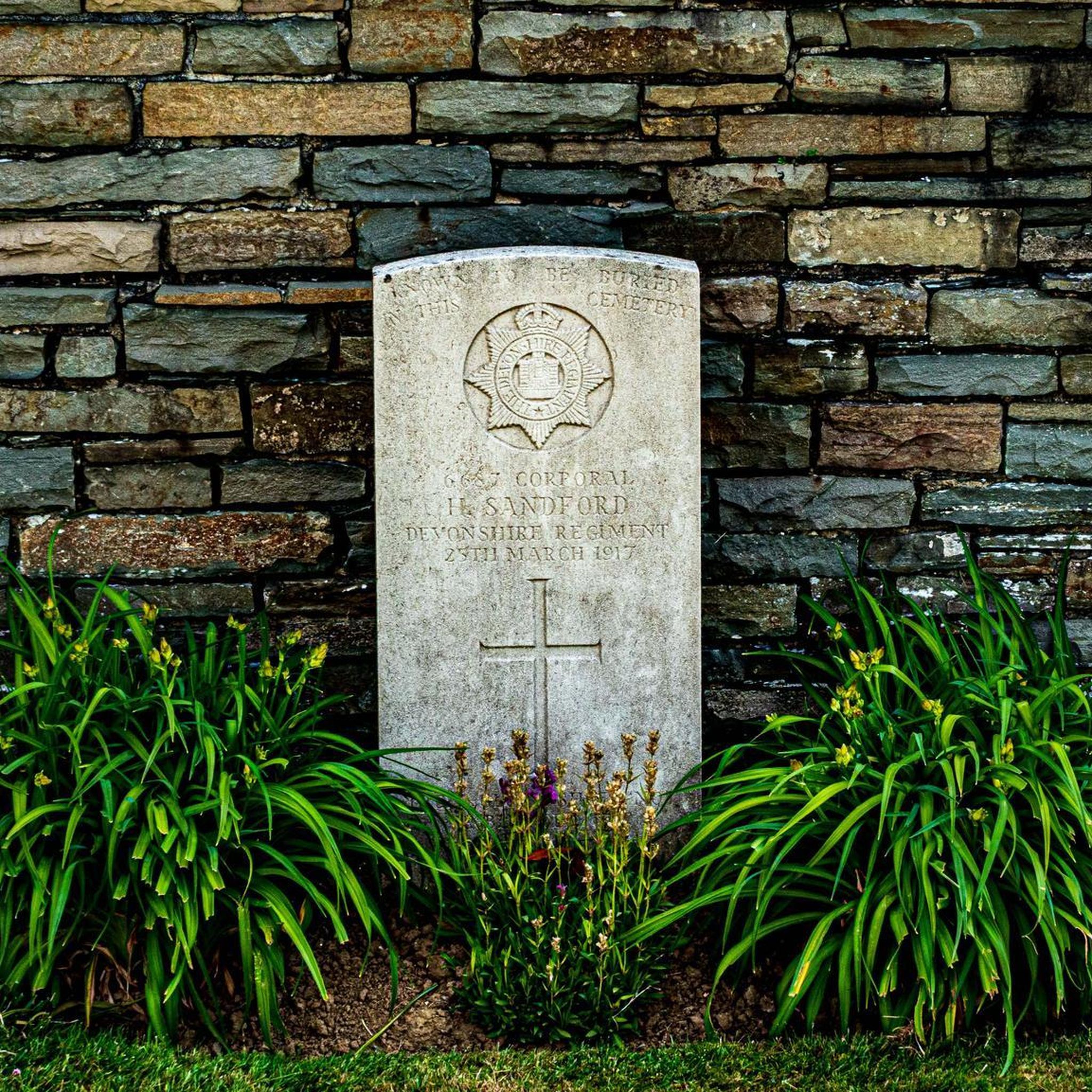
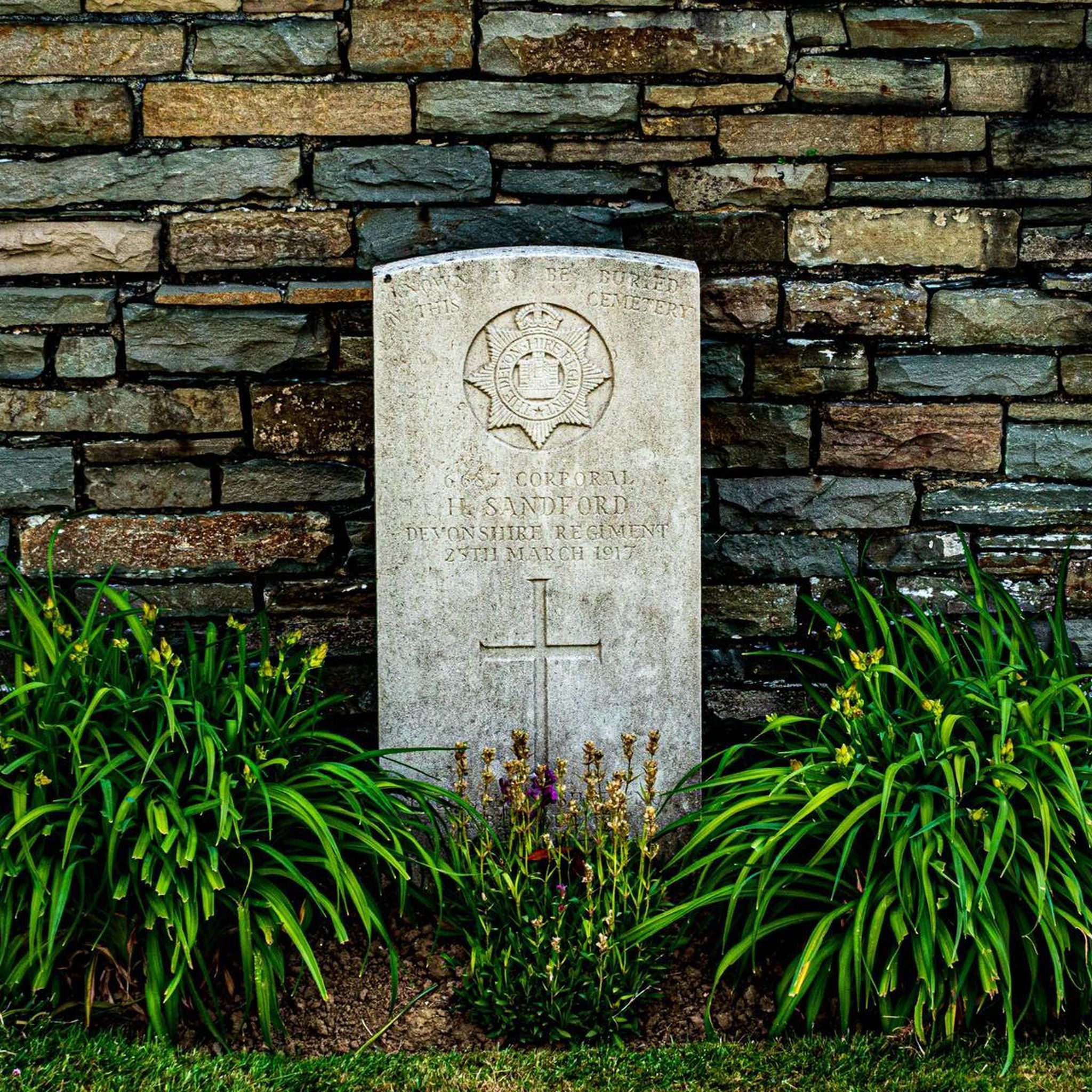
Hibers Trench Cemetery, situated just north-west of Wancourt near Arras, was begun in April 1917 by the 50th (Northumbrian) Division shortly after the area was captured by British forces at the Battle of Arras. The cemetery contains 136 graves, six of which are unidentified, and also includes three Canadian graves added later in 1918. The simple design is by G.H. Goldsmith and reflects the understated dignity of this memorial. Its position on the Wancourt-Arras road makes it a silent witness to the fierce fighting that took place here, and the presence of personal inscriptions on some of the headstones emphasises the human story behind the numbers. A place of peace, remembrance and reflection.
10
0
French politician, MP and then resistance fighter, born on November 6, 1890 in Bapaume, he became mayor of the town in 1929. In 1934, he was elected general councilor of Pas-de-Calais. In 1936, he ran in the legislative elections and was elected in the second round. He was arrested in 1943 by the Nazis as he left the prefecture, and deported to the Gross-Rosen camp where he died on November 27, 1944. Since 1948, a monument showing him at the time of his arrest honors his memory. At the Town Hall there is an urn with soil from Gross-Rosen as well as a painting of him.
0
0
French politician, MP and then resistance fighter, born on November 6, 1890 in Bapaume, he became mayor of the city in 1929, in 1934, he was elected general councilor of Pas-de-Calais. In 1936, he ran in the legislative elections and was elected in the second round. He was arrested in 1943 by the Nazis when he left the prefecture, and deported to the Gross-Rosen camp where he died on November 27, 1944. Since 1948, a monument showing him at the time of his arrest honors his memory. At the Town Hall there is an urn with soil from Gross-Rosen as well as a painting representing him.
5
0
The town of Bapaume built its first Town Hall, a symbol of the city's independence, during the 12th century. The ground floor served as a market hall for merchants. Upstairs are the council chamber and the hall where public festivals were celebrated. The current architecture of the Town Hall is similar to the previous one, built between 1583 and 1611 and destroyed on March 25, 1917 following the explosion of a time bomb left by the Germans. After a slow and dangerous mine-clearing operation, it was rebuilt in its original location in 1931 and 1932 according to the plans of Mr. Eugène Bidard. The town's coat of arms is sculpted on the keystone of the entrance door. The slate roof is decorated with pointed dormers. At the top of the tower, an outdoor gallery allows you to admire the panorama. The belfry spire peaks at 55m.
6
0
Today the chapel is primarily a pilgrim chapel and resting place with a guest book.
7
0
Chapel built in 1934. The chapel is located outside the village on a hiking trail. It is a small square building. On the facade is the entrance door. On each side are two Corinthian-style pilasters. Above the door is the name of the chapel and above it is a triangular molding. Then we have a cornice. On each side of the wall, a bay in a pointed arch. The roof is a bulbous roof with four sides. The chevet is a regular apse, Inside is a niche where you can see a statue of the Virgin. Just below the Virgin is a small altar. On each side of the walls there are two small shelves.
7
0

passage on the scene of the battle of Arras at Ecoust st mein and bullecourt (where there is a museum), mentioned in the film "1917"
0
0
Frequently Asked Questions
What historical sites related to World War I can I visit around Mory?
The Mory area is rich in World War I history. You can visit Hibers Trench Cemetery, a significant site near Wancourt with 136 graves, including Canadian burials. Another key location is 1917 — Écoust-Saint-Mein, which marks a scene from the Battle of Arras and is mentioned in the film "1917." Nearby Bullecourt also has a museum dedicated to this period.
Are there any significant architectural landmarks to see in the Mory area?
Yes, Bapaume Town Hall is a notable architectural landmark. Rebuilt in the 1930s after its destruction in 1917, its design mirrors the original 12th-century structure, featuring a belfry spire that reaches 55 meters. It's a symbol of the city's resilience and history.
What kind of outdoor activities are available near Mory?
The region around Mory offers various outdoor activities. You can explore numerous trails for different sports. For running, check out the Running Trails around Mory guide, which includes moderate loops from Béhagnies and Saint-Léger. For cycling, the Cycling around Mory guide features routes like the moderate Favreuil – Bapaume Town Hall loop.
Can I find hiking trails suitable for different skill levels around Mory?
Yes, there are hiking trails for various skill levels. The Hiking around Mory guide provides options such as the easy Château de Saint-Léger loop from Croisilles (5.8 km) and moderate routes like the Hiking loop from Écoust-Saint-Mein (10.5 km).
Are there family-friendly attractions in Mory?
Yes, Bapaume Town Hall is considered a family-friendly historical site. Its impressive architecture and history of rebuilding after WWI can be an engaging visit for all ages.
What do visitors enjoy the most about the attractions in Mory?
Visitors appreciate the profound historical significance of the area, particularly its World War I memorials and battlefields. The dignity and remembrance found at sites like Hibers Trench Cemetery are often highlighted. The architectural beauty and historical context of landmarks such as Bapaume Town Hall also receive positive feedback.
Is there a place to reflect on the region's history of conflict?
Absolutely. Hibers Trench Cemetery serves as a poignant place of peace, remembrance, and reflection, bearing silent witness to the fierce fighting that occurred during the Battle of Arras. The personal inscriptions on headstones emphasize the human stories behind the conflict.
Are there any unique cultural or memorial sites in the area?
You can visit the Monument to Abel Guidet, a French politician and resistance fighter from Bapaume. This monument, erected in 1948, honors his memory after his arrest by the Nazis and death in a concentration camp. It offers a unique insight into local heroism during WWII.
What is the best way to experience the historical significance of the Battle of Arras?
To best experience the historical significance of the Battle of Arras, visit 1917 — Écoust-Saint-Mein, which was a key scene of the battle. Combining this with a visit to the nearby museum in Bullecourt will provide a comprehensive understanding of the events.
Are there any religious or spiritual sites to visit?
Yes, you can visit the Chapel of Our Lady of La Salette. Built in 1934, this small chapel located outside the village on a hiking trail serves as a pilgrim chapel and resting place, featuring a statue of the Virgin Mary inside.
What kind of terrain can I expect on hiking trails around Mory?
The hiking trails around Mory generally feature moderate difficulty, as seen in routes like the Château de Saint-Léger loop from Ervillers or the Mare du Badoulet loop from Croisilles. While specific terrain details vary, the region's landscape, shaped by its historical past, often includes gentle slopes and open fields, suitable for walking and cycling.

Get inspired with the komoot mobile app


Explore more
Still not found the Highlight you’re looking for? See guides of the top attractions in other regions:
