The 12 Most Amazing Peaks in Trieste
Best mountain peaks in Trieste are found within the unique Karst plateau, which borders the city and offers a distinct mountainous landscape. These peaks provide panoramic views and diverse natural features. The region is characterized by a rocky, calcareous plateau shaped by erosion, featuring dolinas and numerous caves. This area offers accessible hiking experiences with natural and historical significance.
Best mountain peaks in Trieste
- The most popular mountain peaks is Monte Lanaro summit, a summit that rises to 544 meters above sea level. The wide and panoramic summit features a wooden lookout.
- Another must-see spot is Mount Cocusso Tumulus, a historical site located on the highest peak of the Trieste Karst at 672 meters. This site features a burial mound dating back to the Bronze Age.
- Visitors also love National Shrine of Mary, Mother and Queen of Monte Grisa, a religious building and viewpoint. It offers views of the Gulf of Trieste and serves as a starting point for many trekking paths.
- Trieste is known for summits, historical sites, and viewpoints. The region offers a variety of mountain peaks to see and explore, ranging from natural elevations to sites with historical artifacts.
- The mountain peaks in Trieste are appreciated by the komoot community, with more than 270 upvotes and 120 photos shared by visitors.
Last updated: October 2, 2026
National Shrine of Mary, Mother and Queen of Monte Grisa
Highlight • Religious Site
Translated by Google •
Tip by

Monte Lanaro summit
Highlight • Summit
The wide and panoramic summit, characterized by a wooden lookout, can be reached by crossing an area of karst land in the process of scrubbing. From the terrace you can enjoy a splendid 360 ° view: from the Sanctuary of Monte Grisa to the church of Monrupino up to the Monte Nanos massif and the Vipava Valley.
Translated by Google •
Tip by

Sign up now to discover places like this
Get recommendations on the best single tracks, peaks, & plenty of other exciting outdoor places.
Monte San Leonardo Summit and Ruins
Highlight • Summit
Translated by Google •
Tip by

Mount Cocusso Tumulus
Highlight • Historical Site
Translated by Google •
Tip by

Vedetta Scipio Slataper Viewpoint
Highlight • Viewpoint
Translated by Google •
Tip by
Monte Orsario / Veliki Medvejk Observation Platform
Highlight • Viewpoint
Tip by

Mount Ermada Summit
Highlight • Summit
Translated by Google •
Tip by

Monte Cocusso Cairn (661 m)
Highlight • Summit
Tip by

Monte Stena — summit and views over Trieste
Highlight • Summit
Translated by Google •
Tip by

Maj Summit (451 m)
Highlight • Summit
A round concrete base about 6 m in diameter shows that a building once stood here.
Translated by Google •
Tip by

Sign up for free to discover even more peaks in Trieste.
Already have an account?
Start today with a free account
Your next adventure awaits.
Popular around Trieste
EuroVelo 9 – The Amber Route from the Baltic to Adriatic Sea
The Dinaric Alps – explore the Adriatic Sea in a different way
Chasing the sun across the Alps — unsupported solo
Alpe-Adria-Trail: My long-distance hike from the glacier to the sea
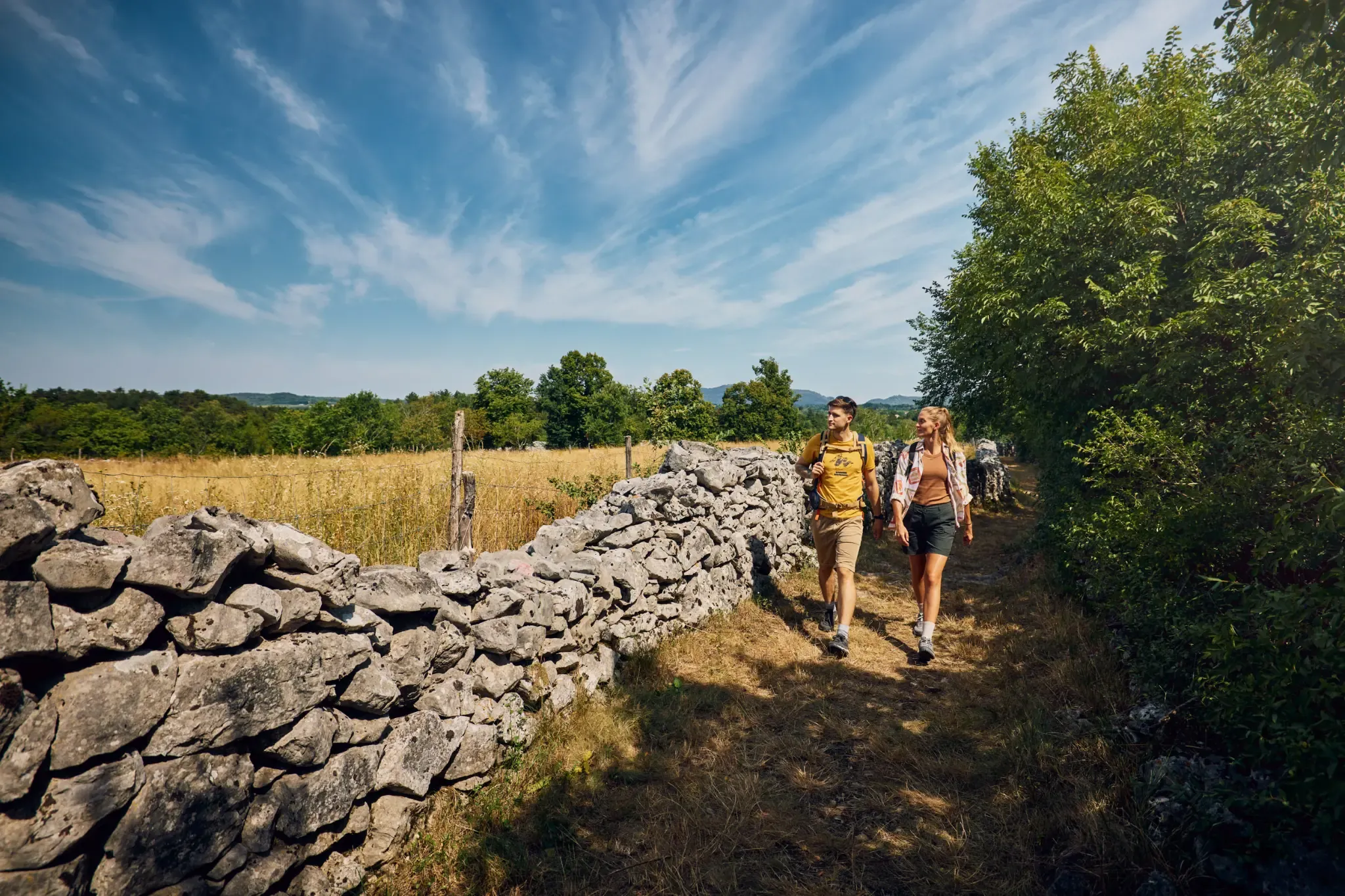
Carsus Trail – long-distance hiking in the green heart of the Karst
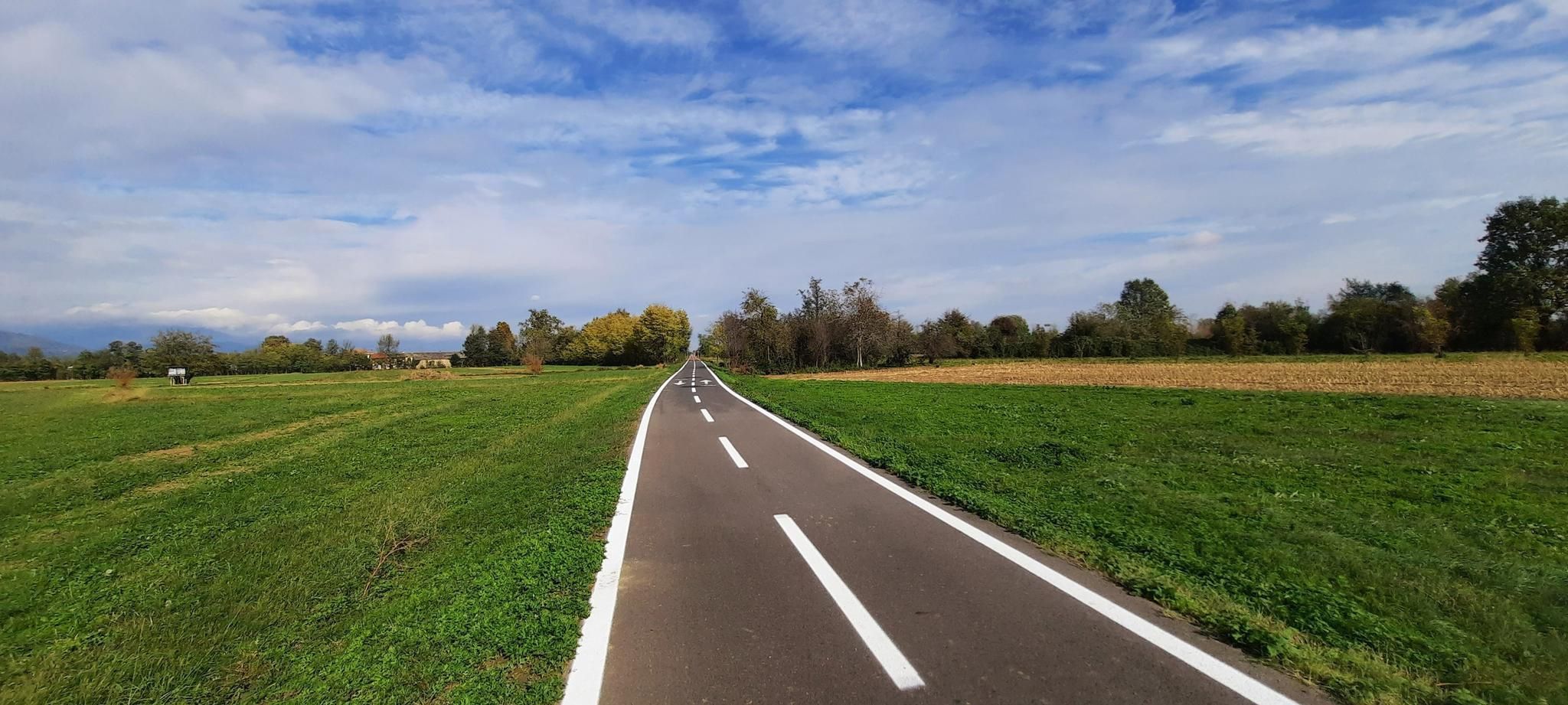
Ride across the Italian Alps – Pedemontana cycle route
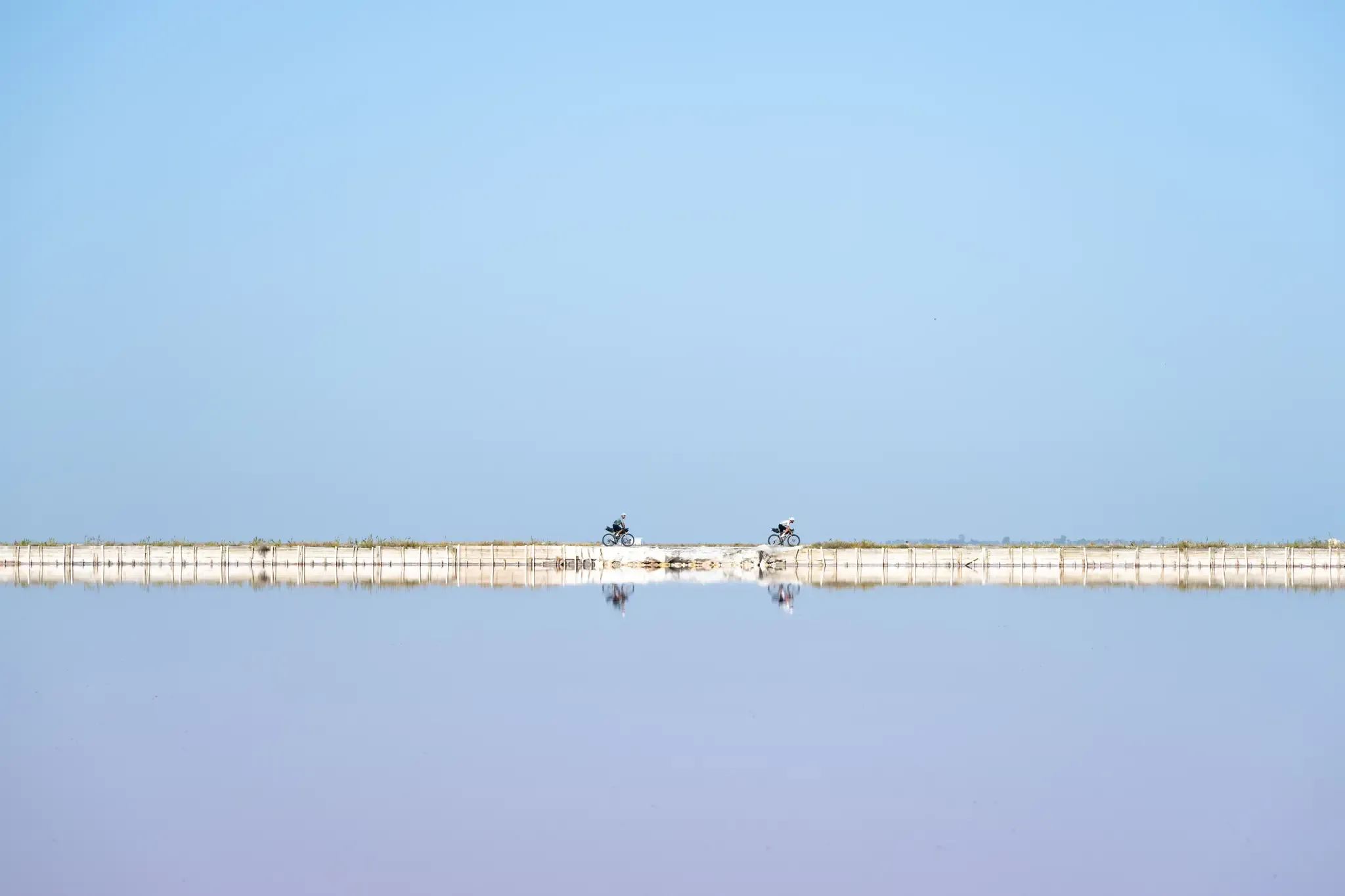
Trieste to Santa Maria di Leuca – the Adriatic Cycle Route
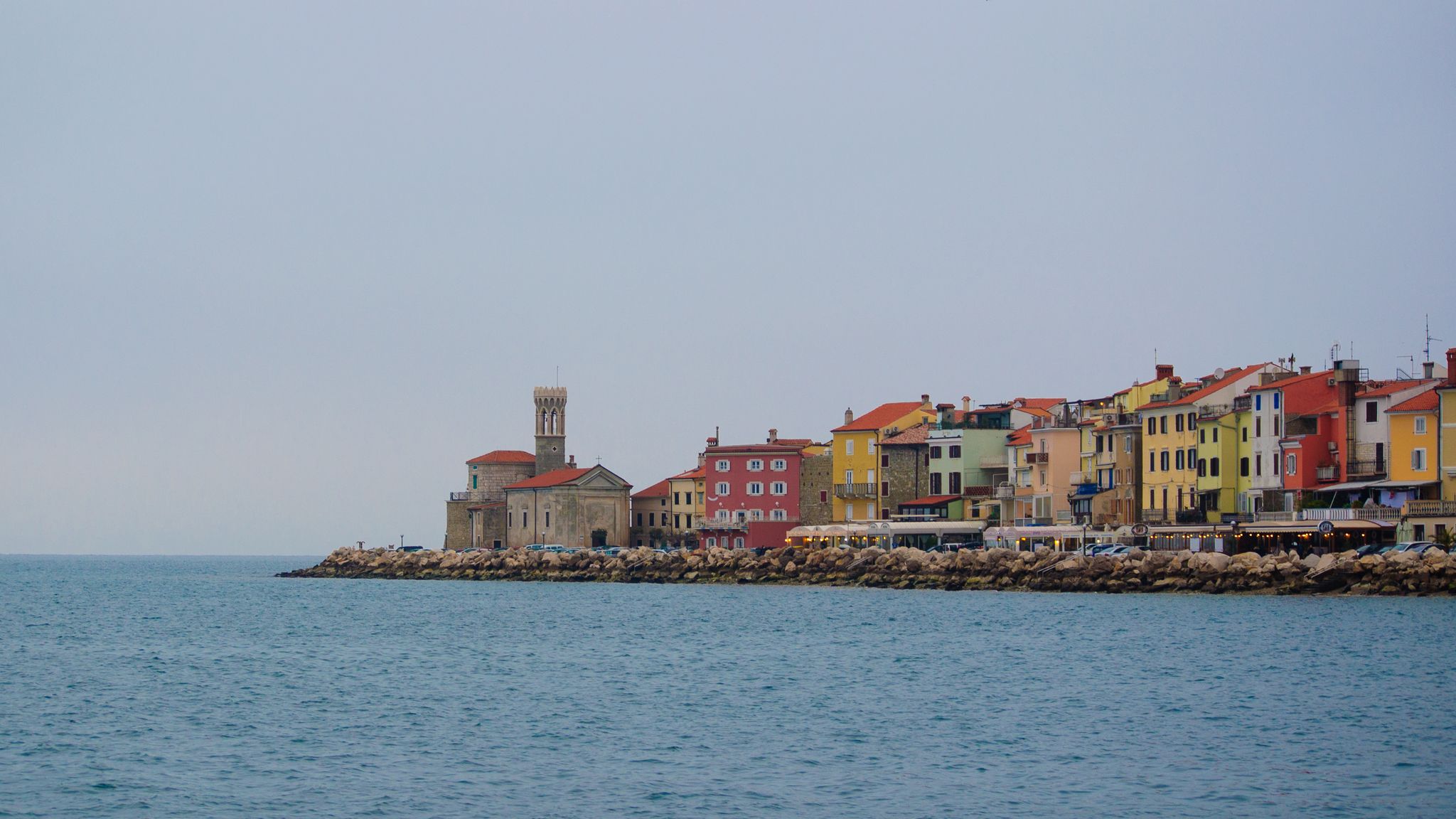
Trieste to Rijeka – along the coast of Istria from Italy to Croatia
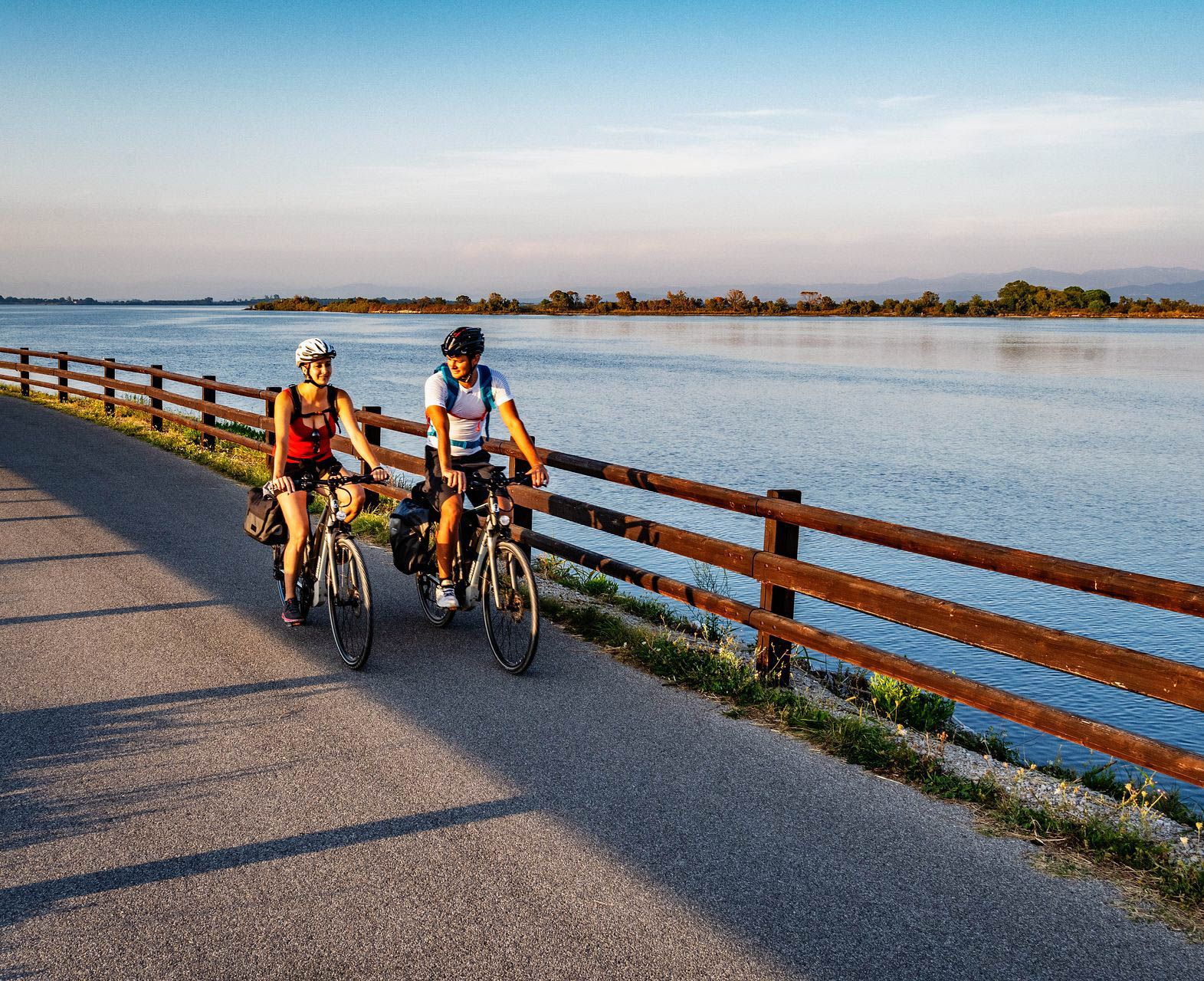
Cycling between sea and mountains in Italy’s Friuli Venezia Giulia
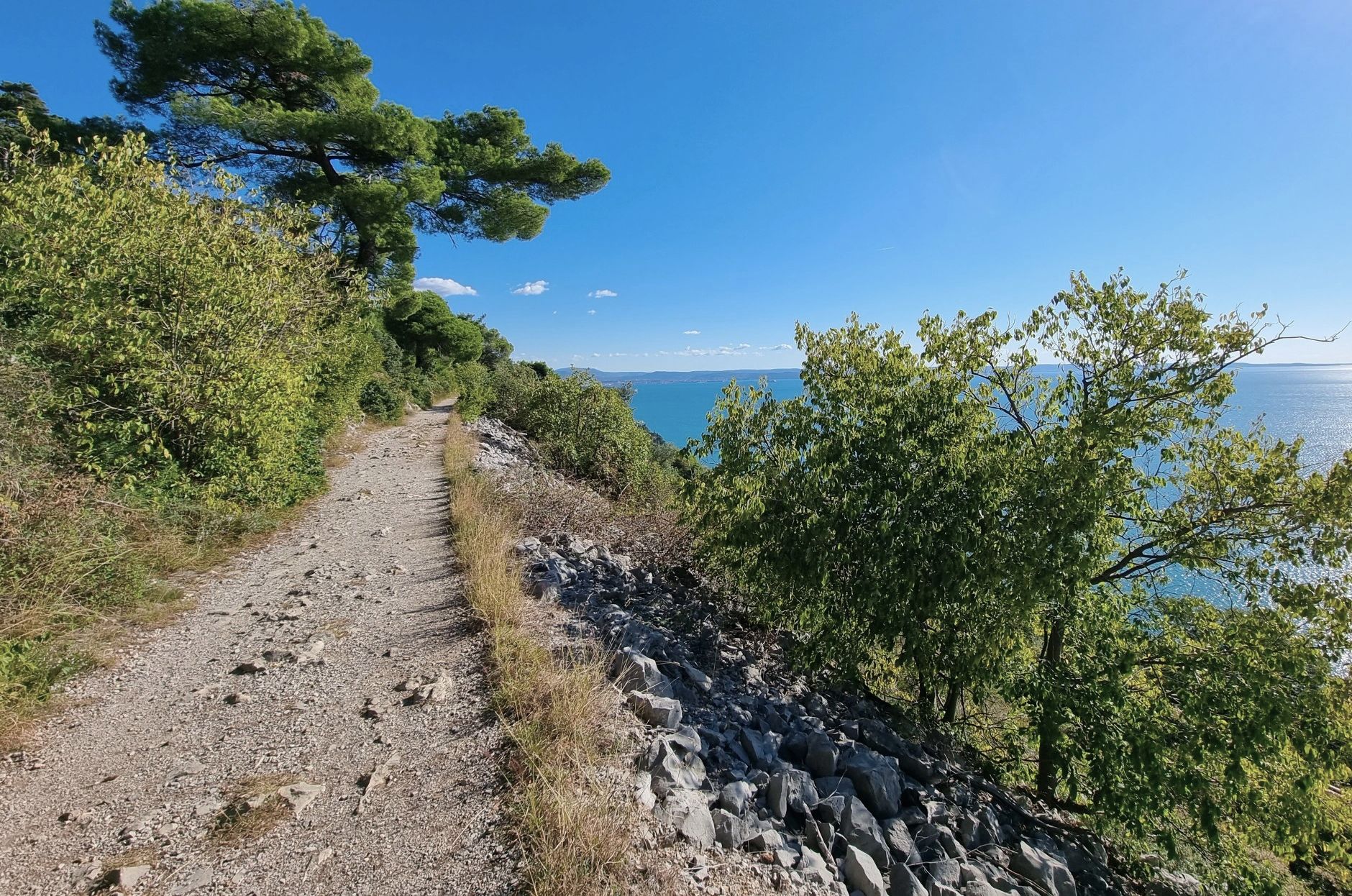
Ride to the sea – gravel bikepacking from Austria’s Vienna to Italy’s Grado
Other adventures in Trieste


Tips from the Community

Unfortunately, the ladder leading to the lookout is completely destroyed and it is no longer possible to climb up.
0
0

At the summit of Monte San Leonardo (≈399–400 m above sea level) are the remains of a small church dedicated to San Leonardo, commonly attributed to a medieval period (Romanesque-Byzantine style, possibly 10th–12th century), but the first known documentary mentions date back to 1525. It was already in ruins by the 19th century and, according to some local sources, was further damaged or razed to the ground during the First World War to prevent it from serving as a reference point for observation posts and artillery.
0
0

After the steep climb that starts from the village of Samatorza you reach the remains of the church of San Leonardo from which you can enjoy a 360 degree view that ranges from the Gulf of Trieste to the Alps.
0
0

On clear days the view across the horizon is magnificent.
0
0

The 360° panorama repays the effort
0
0
It is a burial mound that dates back to the Bronze Age, it is one of the most panoramic points of the Karst, with a view that ranges from Istria to the Julian Alps. Beware of vipers in the spring-summer period!
0
0

Extraordinary panoramic point, there is a paved road, but also more or less challenging paths. Excellent at sunset.
0
0

Beautiful panoramic views, stretching from Istria to the Carnic Alps, at least on a clear day. To the east, the Pleša, considered the southernmost mountain in the Eastern Alps, is clearly visible.
0
0
Frequently Asked Questions
What are the highest mountain peaks in the Trieste Karst?
The highest peak in the Trieste Karst is Mount Cocusso Tumulus, reaching 672 meters. Following it is Monte Lanaro summit at 544 meters, which is the third highest in the province of Trieste. Monte San Leonardo also offers rewarding trails up to 399 meters.
Which mountain peaks in Trieste have historical significance?
Several peaks in the Trieste Karst are rich in history. Mount Cocusso Tumulus features a Bronze Age burial mound on its summit. Mount Ermada was part of a significant defensive line during World War I, adding a layer of historical interest to its natural beauty. Monte San Leonardo Summit and Ruins also holds historical elements alongside its challenging trails.
Where can I find the best panoramic views from the Trieste mountains?
For breathtaking panoramic views, consider visiting Monte Lanaro summit, which offers a splendid 360-degree vista from the Sanctuary of Monte Grisa to the Monte Nanos massif. Mount Cocusso Tumulus provides expansive views of the surrounding Karst landscape and beyond. National Shrine of Mary, Mother and Queen of Monte Grisa is another popular viewpoint overlooking the Gulf of Trieste.
Are there family-friendly mountain walks in the Trieste area?
Yes, there are options suitable for families. Monte Stena — summit and views over Trieste is categorized as family-friendly. The area around National Shrine of Mary, Mother and Queen of Monte Grisa also serves as a starting point for many trekking paths, some of which are less strenuous and enjoyable for families.
What unique natural features can I explore on the Trieste Karst peaks?
The Trieste Karst plateau is a unique landscape shaped by erosion, featuring shallow depressions called dolinas and numerous caves, including the famous Grotta Gigante. The region presents a fascinating convergence of Mediterranean and Alpine climates, allowing for a mix of vegetation. You can walk through rugged landscapes where Alpine flora meets Mediterranean plants within a few kilometers, offering diverse natural beauty.
Are there challenging hiking routes for experienced trekkers in the Trieste mountains?
Yes, for experienced trekkers, Monte San Leonardo Summit and Ruins offers challenging but rewarding trails. The ascent to Mount Cocusso Tumulus is also considered intermediate to challenging, providing a good workout with stunning views. The nearby Mountain Hikes in Trieste guide includes routes like the Val Rosandra Gorge, which are rated as difficult.
What outdoor activities can I do near these mountain peaks?
Beyond hiking, the Trieste region offers a variety of outdoor activities. You can explore waterfall hikes, with routes like the View of Trieste – View of the Vipava Valley loop. For cyclists, there are numerous road cycling routes, including scenic coastal roads and loops from Opicina to Borgo San Mauro.
What is the best season for hiking in the Trieste mountains?
The Trieste mountains, part of the Karst plateau, are generally enjoyable for hiking from spring through autumn. Spring offers lush greenery and blooming flora, while autumn provides pleasant temperatures and vibrant colors. Summer can be warm, but the higher elevations and forested areas offer some respite. Winter hiking is also possible, though conditions can be colder and some trails might require appropriate gear.
How accessible are the mountain peaks in Trieste by public transport or car?
Many of the peaks in the Trieste Karst are relatively accessible. While specific public transport routes vary, many trailheads are reachable by local buses from Trieste. For those traveling by car, parking is often available near popular starting points for hikes. It's advisable to check local transport schedules and parking availability for your chosen peak in advance.
What do visitors enjoy most about the mountain peaks in Trieste?
Visitors particularly enjoy the diverse experiences offered by the Trieste peaks. The panoramic views from summits like Monte Lanaro and Mount Cocusso are highly praised. The combination of natural beauty with historical sites, such as the Bronze Age burial mound on Mount Cocusso, also adds a unique appeal. Many appreciate the opportunity to explore the unique Karst landscape and its distinct flora and fauna.
Are there any hidden gems or less-frequented peaks worth exploring in the Trieste Karst?
While not as widely known as the main peaks, areas like Campo Solcato of Monte dei Pini offer unique natural formations and viewpoints. Exploring the broader Karst plateau itself, beyond the named summits, can reveal less-frequented trails and insights into the local culture and geology, away from the more popular spots.
What kind of terrain can I expect on the mountain trails around Trieste?
The terrain around Trieste's mountain peaks, primarily within the Karst plateau, is characterized by rocky, calcareous landscapes. You can expect trails that wind through forests, karst scrub, and open areas with exposed rock. Some paths may feature shallow depressions (dolinas) and tracks carved by rain and wind. The trails can range from relatively smooth to rugged and uneven, especially on more challenging routes.
Most popular routes in Trieste
Most popular attractions in Trieste

Get inspired with the komoot mobile app


Didn’t find what you were looking for?
Discover Trieste’s best peaks and summits by region:
Explore more
See even more amazing summits in Trieste with these guides:
