Attractions and Places To See in Trieste - Top 20
Best attractions and places to see in Trieste, a city in Italy's northeastern corner, blend Roman history with Habsburg-era architecture. Situated on the Adriatic Sea at the foot of the Dinaric Alps, Trieste offers a unique cultural crossroads. The surrounding Karst region provides diverse natural landscapes, from underground caves to coastal trails. This combination of historical depth and natural beauty makes Trieste a notable destination.
Best attractions and places to see in Trieste
- The most popular attractions is San Giusto Castle and the Roman Ruins of Trieste, a castle and historical site that dominates the city from its hilltop location. It houses a city museum with historical artifacts and Roman remains, and offers panoramic views of Trieste.
- Another must-see spot is Giordano Cottur Cycle and Pedestrian Path, a cycle way and trail. This route follows an old Austro-Hungarian railway line, featuring tunnels and bridges, and connects Trieste to the Slovenian town of Cosina.
- Visitors also love Unity of Italy Square, a man-made monument and square. This is one of Europe's largest squares fronting the sea, surrounded by historic buildings like the Town Hall and offering views of the Adriatic.
- Trieste is known for its historical sites, natural landscapes, and cultural landmarks. Visitors can explore ancient Roman ruins, majestic castles, extensive cycle paths, and grand city squares.
- The attractions in Trieste are appreciated by the komoot community, with over 600 upvotes and more than 270 photos shared across various highlights.
Last updated: October 9, 2026
Trieste city centre
Highlight • Settlement
Translated by Google •
Tip by

Unity of Italy Square
Highlight • Monument
Translated by Google •
Tip by

Sign up now to discover places like this
Get recommendations on the best single tracks, peaks, & plenty of other exciting outdoor places.
Parenzana Cycle Path – Italy–Slovenia Border
Highlight • Cycleway
Translated by Google •
Tip by

Giordano Cottur Cycle and Pedestrian Path
Highlight • Cycleway
Translated by Google •
Tip by

Rilke Trail
Highlight • Trail
Translated by Google •
Tip by
Canal Grande, Trieste
Highlight • River
Translated by Google •
Tip by

Duino Castle
Highlight • Castle
Translated by Google •
Tip by
San Giusto Castle and the Roman Ruins of Trieste
Highlight • Castle
Translated by Google •
Tip by

Opicina Obelisk
Highlight • Monument
Translated by Google •
Tip by
Roman Theatre of Trieste
Highlight • Historical Site
Translated by Google •
Tip by

Sign up for free to discover even more attractions in Trieste.
Already have an account?
Start today with a free account
Your next adventure awaits.
Popular around Trieste
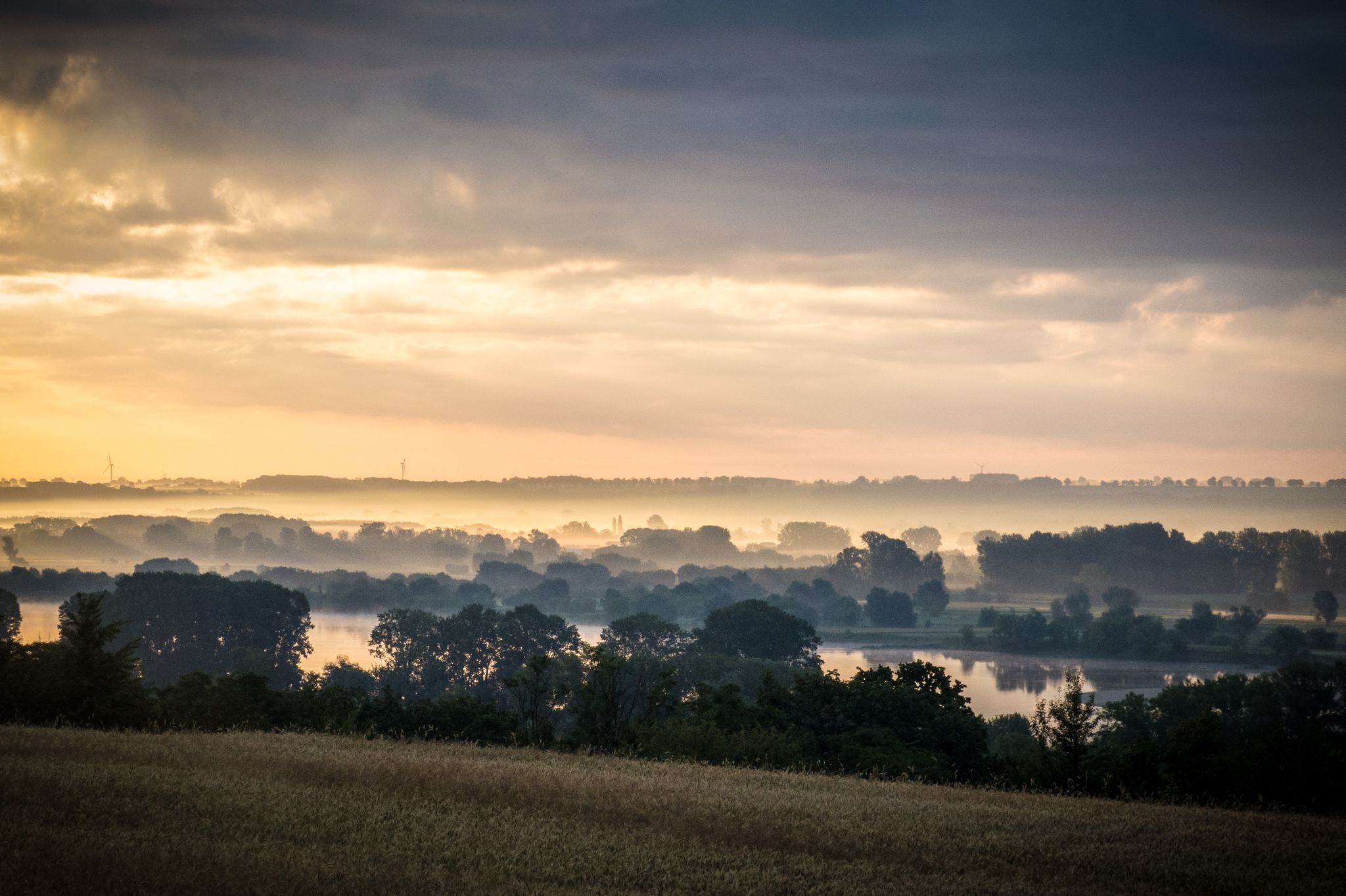
EuroVelo 9 – The Amber Route from the Baltic to Adriatic Sea
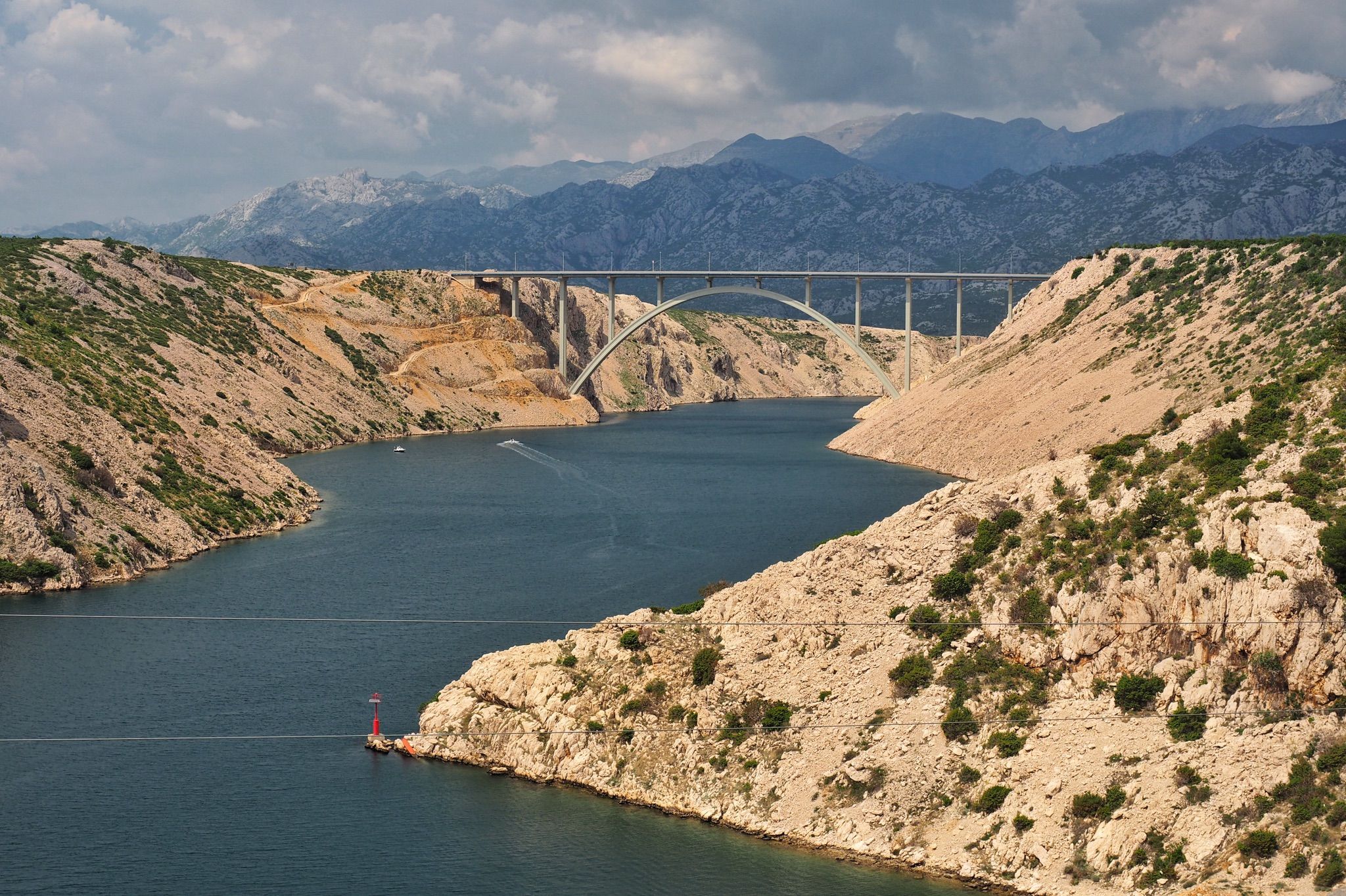
The Dinaric Alps – explore the Adriatic Sea in a different way
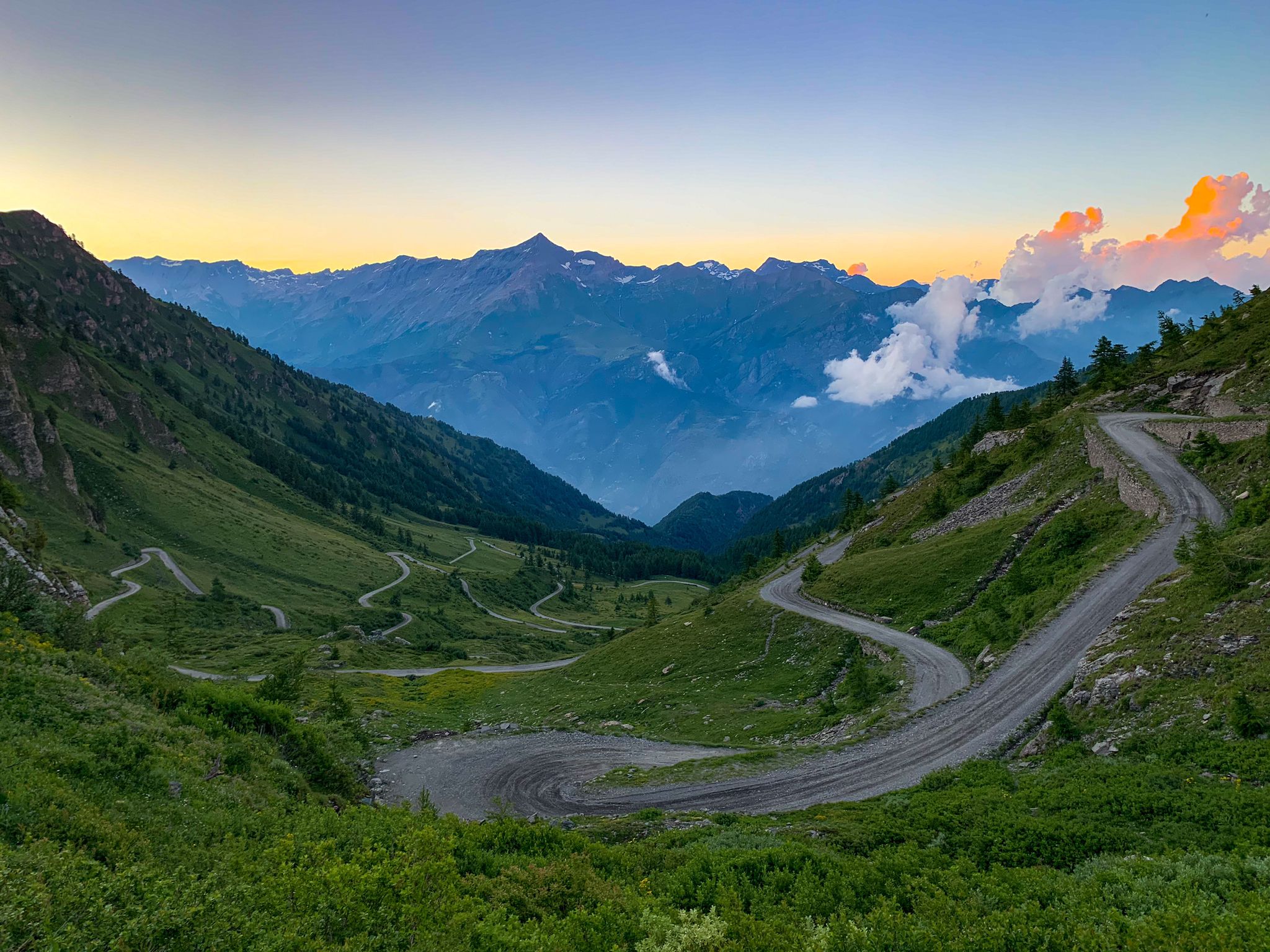
Chasing the sun across the Alps — unsupported solo
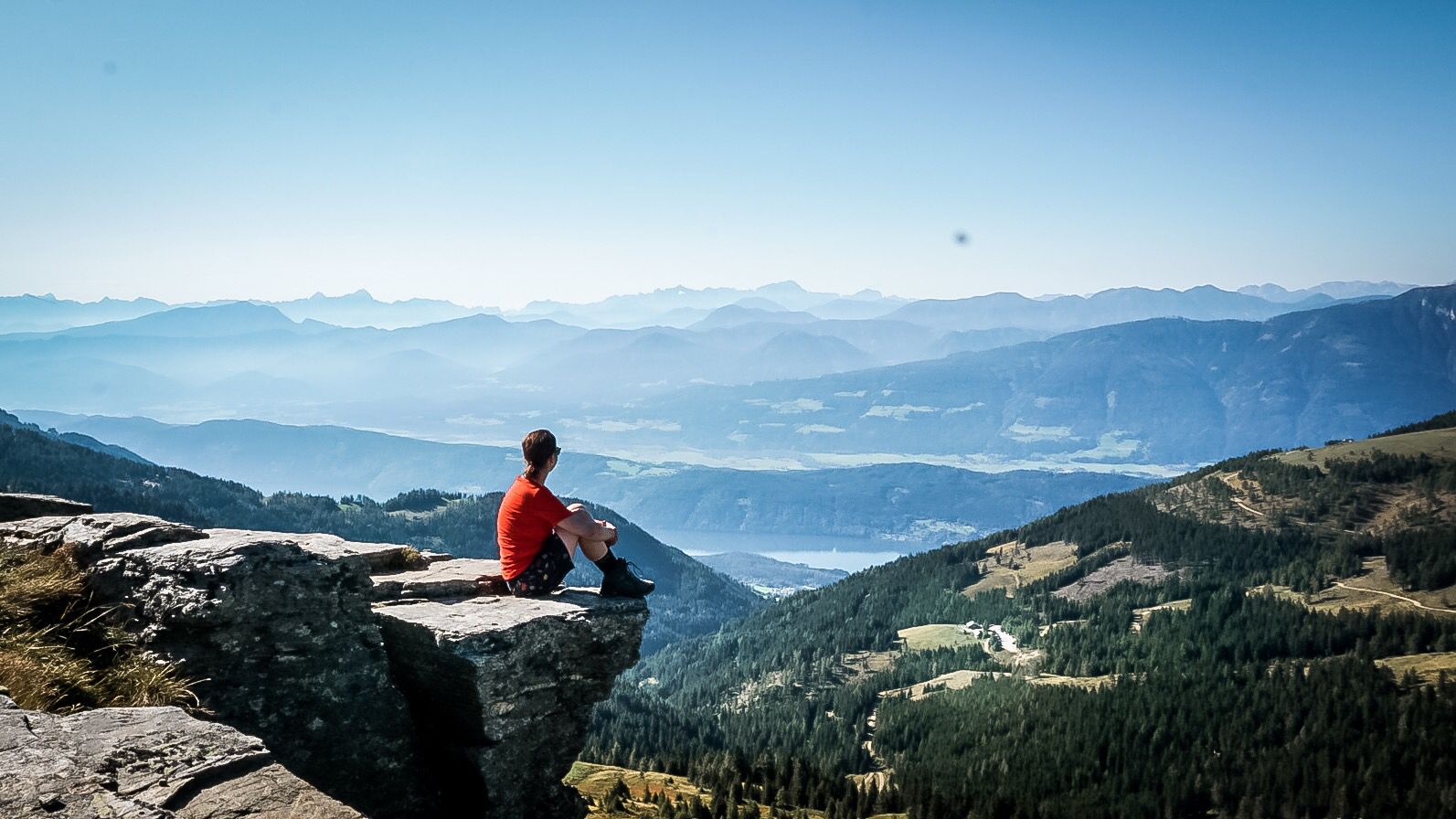
Alpe-Adria-Trail: My long-distance hike from the glacier to the sea
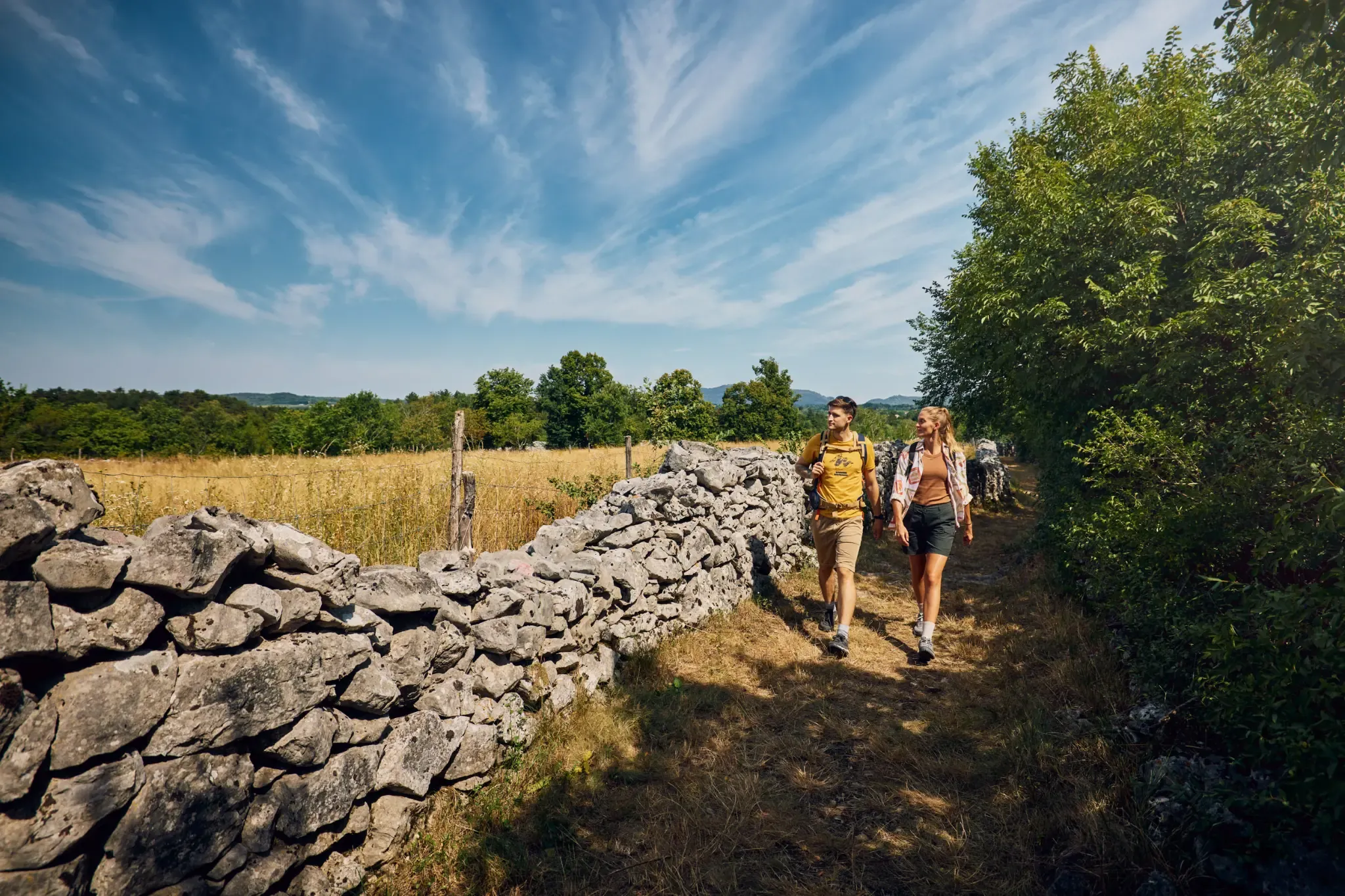
Carsus Trail – long-distance hiking in the green heart of the Karst
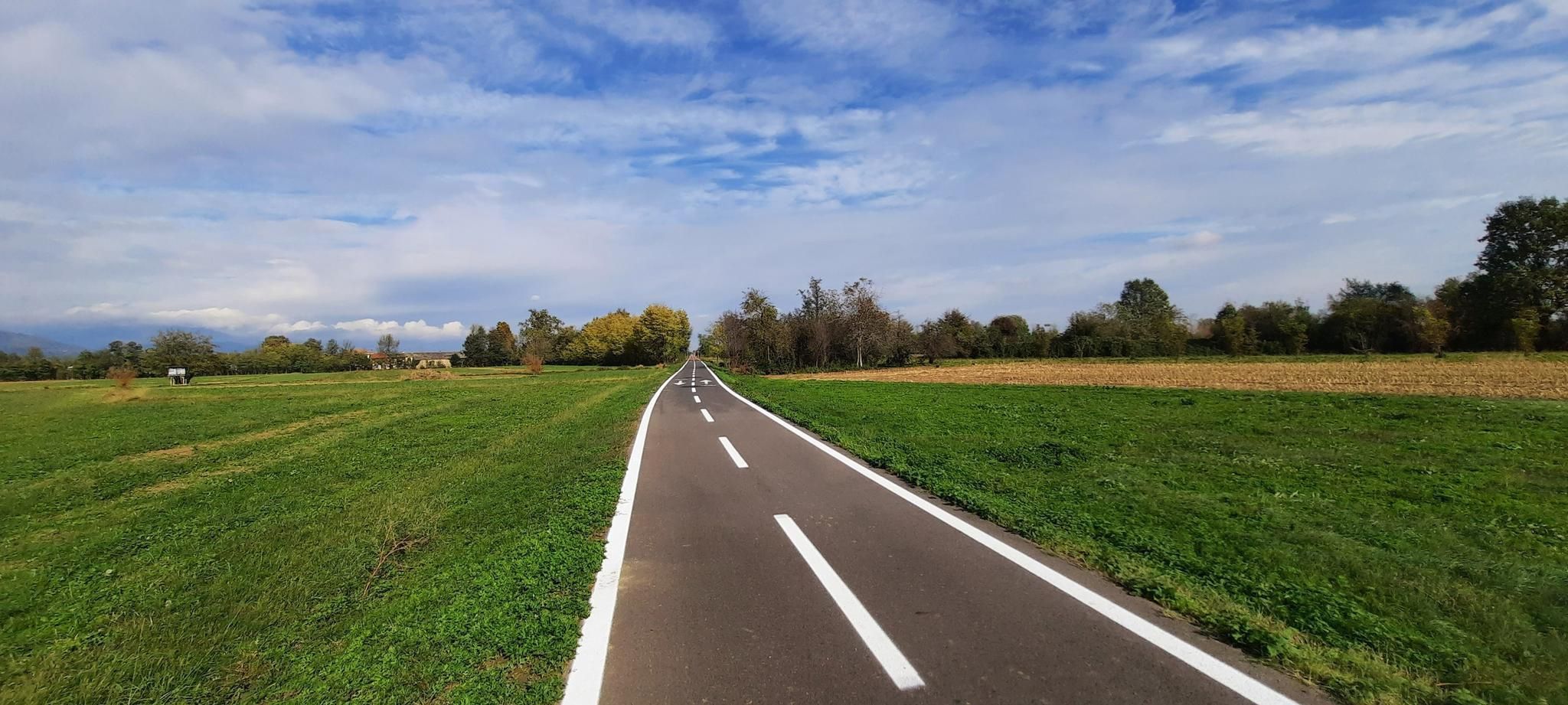
Ride across the Italian Alps – Pedemontana cycle route
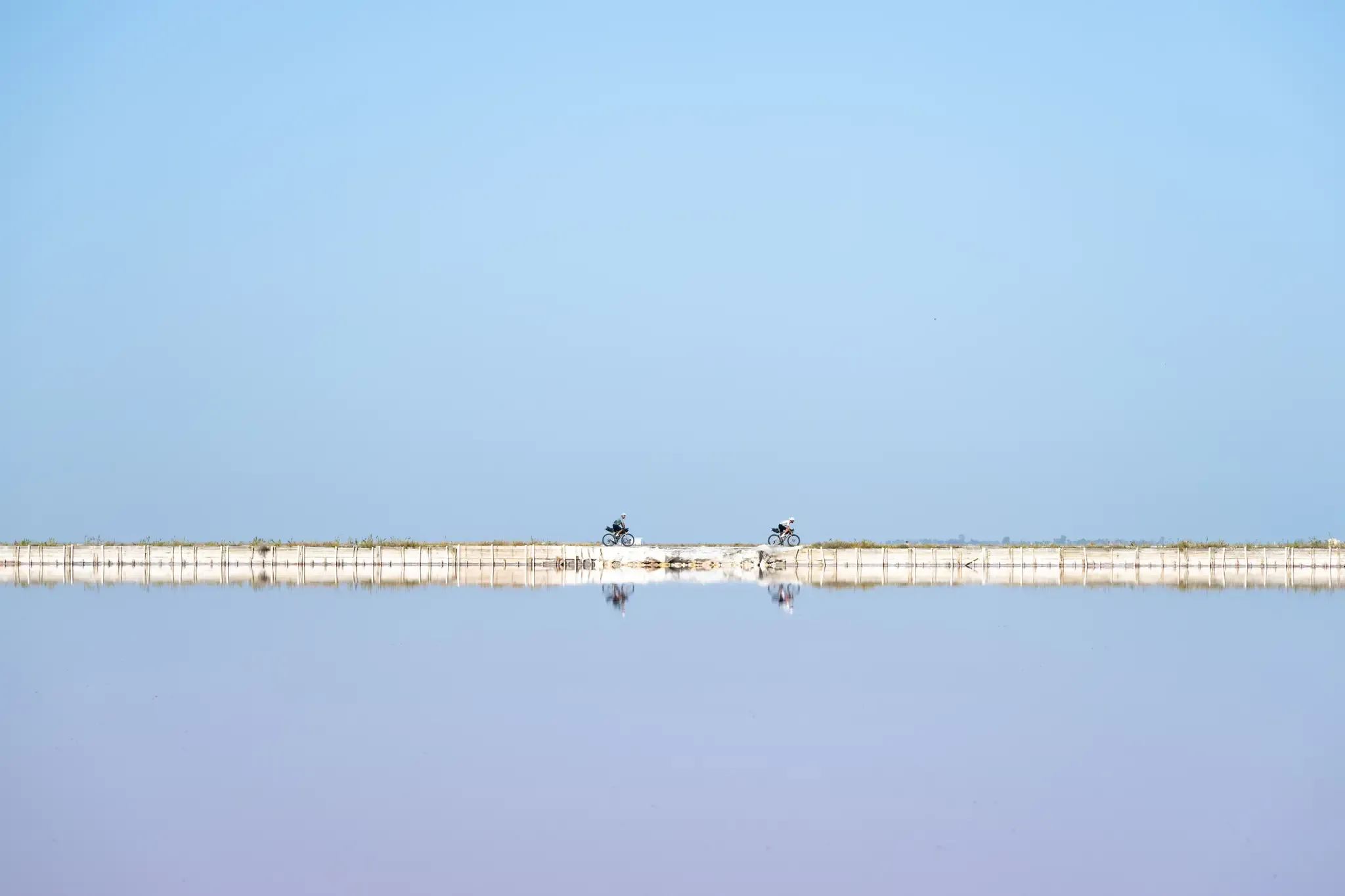
Trieste to Santa Maria di Leuca – the Adriatic Cycle Route
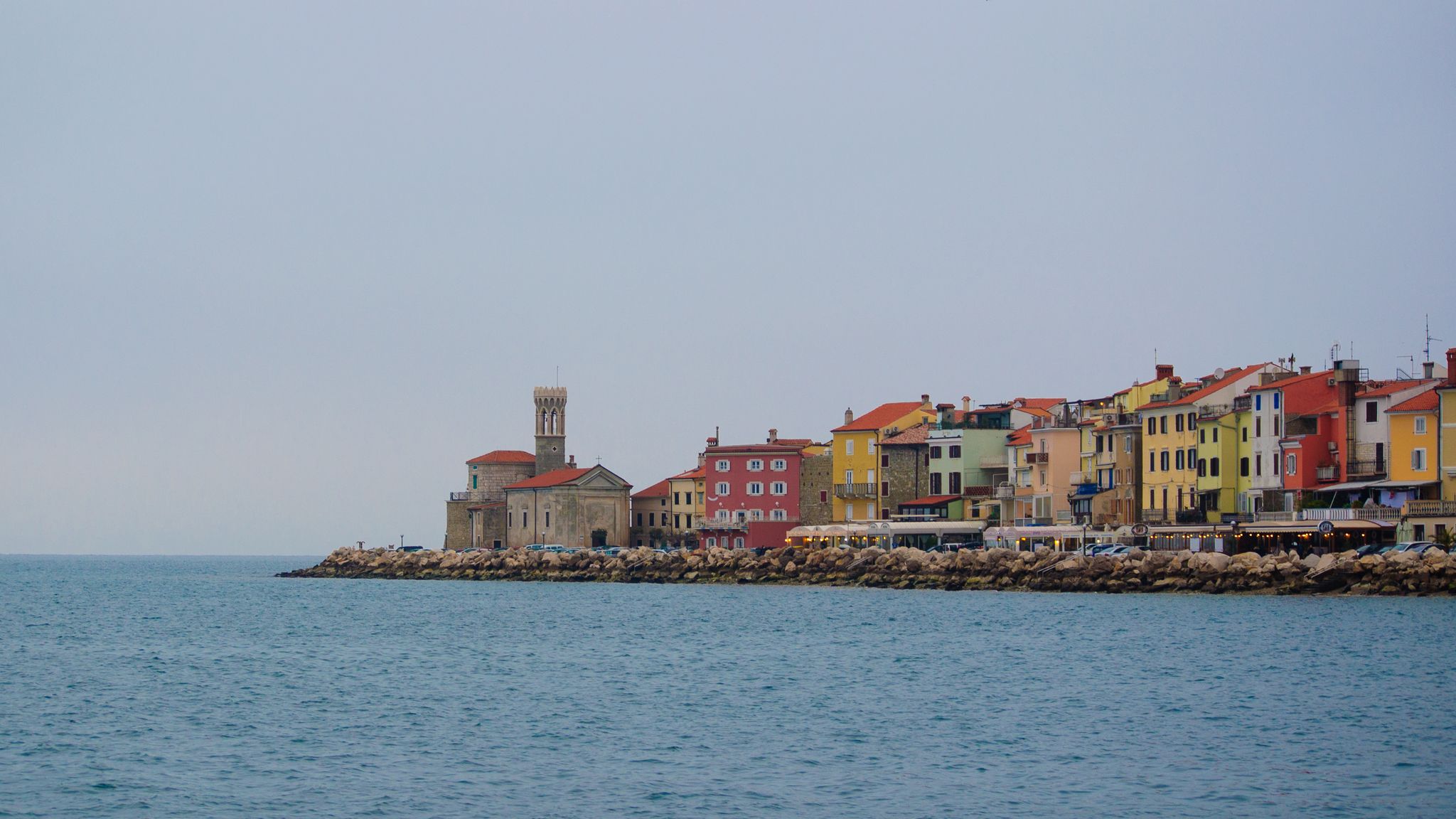
Trieste to Rijeka – along the coast of Istria from Italy to Croatia

Cycling between sea and mountains in Italy’s Friuli Venezia Giulia
Ride to the sea – gravel bikepacking from Austria’s Vienna to Italy’s Grado
Other adventures in Trieste


Tips from the Community


The Teatro Romano di Trieste is a fascinating testament to Roman urban planning and culture – and a real highlight for someone like you, Kai, who likes to combine history with urban movement and architectural depth. 🏛️ Historical Overview Built: End of the 1st century AD, likely under Emperor Trajan Funded by: Quintus Petronius Modestus, a Trieste patrician and Flamen (priest) of the imperial cult Capacity: Around 6,000 spectators Location then: Directly on the seafront, outside the city walls Location today: In the heart of the city, at the foot of the Colle di San Giusto – due to land reclamation and urban growth 🧱 Architectural Details Cavea: Semi-circular spectator stands, divided into four wedge-shaped sections (cunei) Orchestra: The central stage area in front of the cavea Scaenae frons: The stage backdrop – today only fragmentarily preserved Colonnade: Formed the upper edge of the stands, partially reconstructed Statue niches: Once adorned with figures of the imperial family and local dignitaries 🕰️ Rediscovery & Political Significance Destruction: Likely in 568 by the Lombards Rediscovery: In 1938 under Mussolini – an entire city district was demolished to expose the Roman ruins Ideology: The excavation was intended to emphasize Trieste's "Roman continuity" and underline its belonging to Italy
3
0

I was there, I went there, I recommend it and I would go there again
2
0

Trieste is a worthwhile destination at any time of the year! There is a lot to discover 👀 and good restaurants, cafes and bars 😋
4
1

A fascinating witness of the past that still tells the story of the city. A place where beauty and culture meet in an extraordinary way.
3
0

Just outside the town of Muggia is the border between Italy and Slovenia which, in full implementation of European regulations, is simply marked with a sign without barriers and stopping requirements.
2
0
THE most Central European city in Italy, a crossroads of languages and cultures, the home of coffee and a land that has experienced often bloody divisions. Fascinating in every little street
1
0
Frequently Asked Questions
What historical sites can I explore in Trieste?
Trieste boasts a rich history, evident in sites like San Giusto Castle and the Roman Ruins of Trieste, which offers panoramic city views and houses a city museum with Roman remains. You can also visit the ancient Roman Theatre of Trieste, dating back to the 1st century B.C., or the Arco di Riccardo, another Roman arch. The city's Habsburg past is visible in grand squares like Unity of Italy Square and the historic cafes.
Are there any castles to visit in Trieste?
Yes, Trieste is home to two prominent castles. San Giusto Castle, perched on a hill, offers historical insights and stunning views. Just a short distance from the city center, you'll find the majestic 19th-century Miramare Castle, set directly on the Adriatic Sea with an extensive park.
What natural attractions are there around Trieste?
The region around Trieste offers diverse natural beauty. You can explore the unique Karst Region, known for its forests, meadows, and underground world, or visit the immense Grotta Gigante, one of the world's largest tourist caves. The Val Rosandra Nature Reserve, bordering Slovenia, features hiking trails, a blue river, and a magnificent waterfall.
What outdoor activities can I do near Trieste's attractions?
Trieste offers a variety of outdoor activities. For cycling, consider the Giordano Cottur Cycle and Pedestrian Path, which follows an old railway line. You can find more cycling routes in the Cycling in Trieste guide. For hiking, the Rilke Trail offers scenic coastal walks, and the Val Rosandra Nature Reserve has numerous trails. Explore more options in the Mountain Hikes in Trieste guide or the Running Trails in Trieste guide.
Are there family-friendly attractions in Trieste?
Many attractions in Trieste are suitable for families. The extensive park surrounding Miramare Castle is great for a stroll, and Unity of Italy Square provides an open space by the sea. The Giordano Cottur Cycle and Pedestrian Path is an easy route for both cycling and walking, perfect for families. The Rilke Trail also offers accessible walks with beautiful views.
What is the best time of year to visit Trieste's attractions?
Trieste is enjoyable year-round, but spring (April-May) and autumn (September-October) offer pleasant weather for exploring both the city and its natural surroundings. In autumn, the Karst region is particularly vibrant with sumac bushes and terebinth leaves turning a striking red. Summer can be warm, ideal for coastal activities, while winter offers a quieter experience of the city's cultural sites.
Are there any free attractions in Trieste?
Yes, several attractions in Trieste can be enjoyed for free. Strolling through Unity of Italy Square and along the Molo Audace offers beautiful sea views. The extensive park of Miramare Castle is free to visit, and walking the Rilke Trail provides stunning coastal scenery without an entrance fee. Exploring the historic Trieste city centre and its Grand Canal is also free.
How can I get to Miramare Castle using public transport?
Miramare Castle is easily accessible by public transport from Trieste city center. You can take bus line 6 from Piazza Oberdan or Piazza della Libertà (near the train station) directly to the castle entrance. The journey is relatively short and offers scenic views along the coast.
What are some unique cultural experiences in Trieste?
Trieste's unique cultural blend is reflected in its historic cafes, such as Caffè San Marco and Caffè degli Specchi, which offer a glimpse into its Habsburg past. The city also hosts diverse religious architecture, including the Serbian Orthodox Church of Saint Spyridon and the Synagogue of Trieste, showcasing its multicultural history. The Teatro Lirico Giuseppe Verdi is a traditional opera house for performing arts enthusiasts.
Are there any accessible attractions for wheelchair users in Trieste?
While Trieste's hilly terrain can present challenges, some key attractions are wheelchair accessible. Unity of Italy Square, with its flat expanse and seaside promenade, is generally accessible. The ground floor and gardens of Miramare Castle are also largely accessible. It's advisable to check specific venue websites for detailed accessibility information before visiting.
Where can I find the best viewpoints in Trieste?
For breathtaking views, head to San Giusto Castle, which offers panoramic vistas of the city and its gulf. The Opicina Obelisk and the historic Opicina Tramway route also provide expansive views of the gulf and city from the Karst plateau. Additionally, the Rilke Trail offers stunning coastal perspectives.
What are the best museums to visit in Trieste?
Trieste offers several notable museums. The Museo Revoltella is the city's main modern art museum, showcasing 19th-century interiors alongside contemporary art. The Civico Museo di Storia ed Arte, near San Giusto Hill, houses archaeological and artistic treasures, including Roman and Egyptian artifacts, with an adjoining open-air garden.
Most popular routes in Trieste
Most popular attractions in Trieste

Get inspired with the komoot mobile app


Didn’t find what you were looking for?
Are you keen on exploring more awesome places nearby? Browse our guides:
Explore more
Still not found the Highlight you’re looking for? See guides of the top attractions in other regions:
