Top 20 Mountain Passes in Verbano-Cusio-Ossola
Best mountain passes in Verbano-Cusio-Ossola are found in a mountainous region extending from Lake Maggiore to the Swiss border. This area offers diverse alpine landscapes in Piedmont. The passes serve as ancient trade routes and borders, providing access to various natural and historical sites. The region features national and regional parks, including Val Grande National Park and Alpe Veglia and Alpe Devero Nature Park.
Best mountain passes in Verbano-Cusio-Ossola
- The most popular mountain passes is San Giacomo Pass, a…
Last updated: August 20, 2026
Golden Madonna Statue at Monte Moro Pass
Highlight • Monument
Translated by Google •
Tip by

Arbola Pass
Highlight • Mountain Pass
Translated by Google •
Tip by

Sign up now to discover places like this
Get recommendations on the best single tracks, peaks, & plenty of other exciting outdoor places.
Sign up for free
Scatta Minoia Pass and Ettore Conti Shelter
Highlight • Mountain Pass
Translated by Google •
Tip by
Ascent from Cannobio to Passo Marco Pantani
Highlight (Segment) • Climb
Translated by Google •
Tip by

Colle del Turlo (2738 m)
Highlight • Mountain Pass
Translated by Google •
Tip by

Ruins of the Wagristoratore on San Giacomo Pass
Highlight • Historical Site
Translated by Google •
Tip by

Marco Pantani Pass (Scopello Pass)
Highlight • Mountain Pass
Translated by Google •
Tip by

Monscera Pass
Highlight • Mountain Pass
Translated by Google •
Tip by
Colle d'Egua
Highlight • Mountain Pass
Translated by Google •
Tip by
Passo di Valtendra
Highlight • Mountain Pass
Translated by Google •
Tip by
Sign up for free to discover even more mountain passes in Verbano-Cusio-Ossola.
Sign up for free
Already have an account?
Start today with a free account
Your next adventure awaits.
Login or Signup
Popular around Verbano-Cusio-Ossola
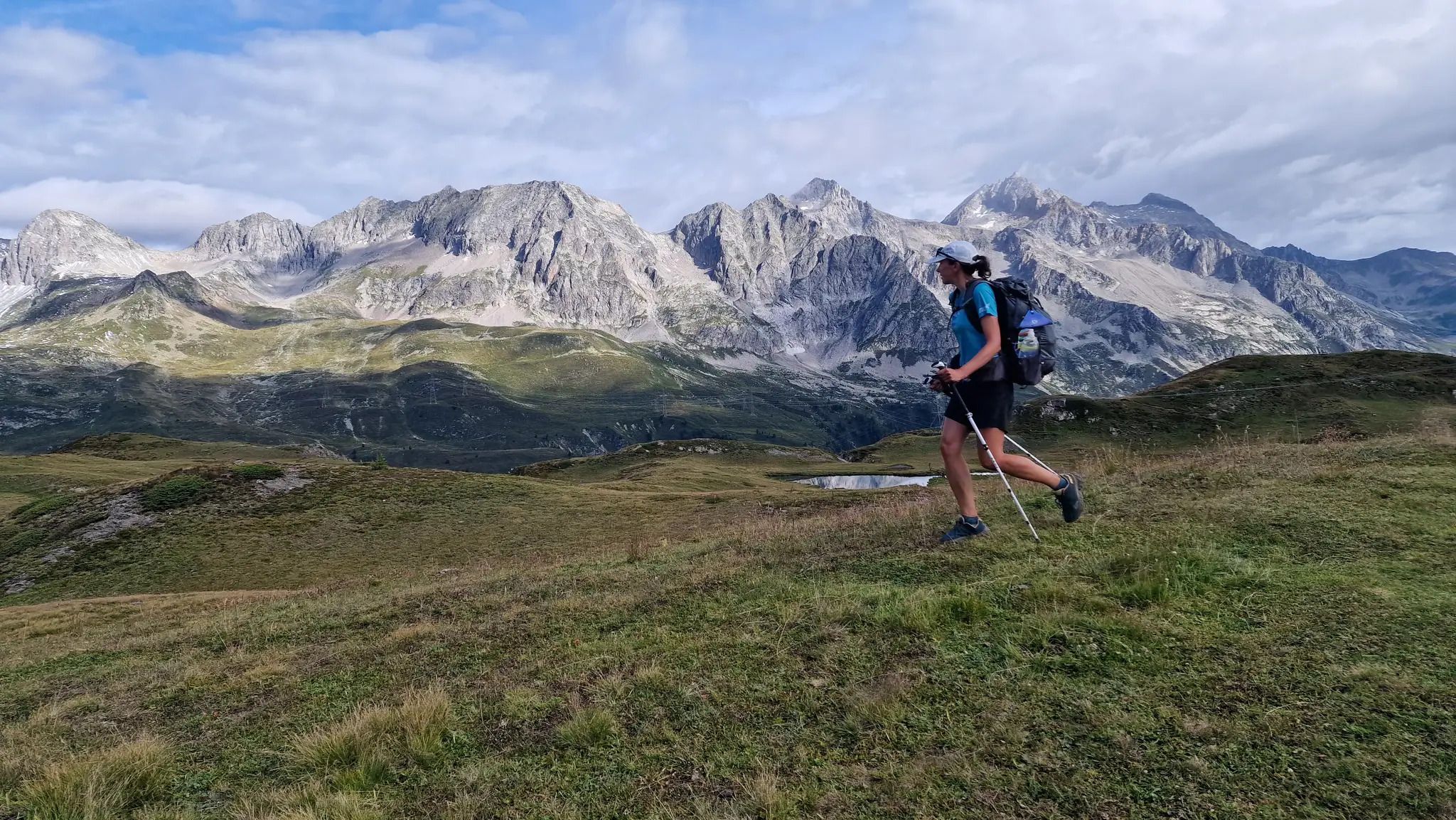
Alpine Passes Trail – hiking 700km across Switzerland
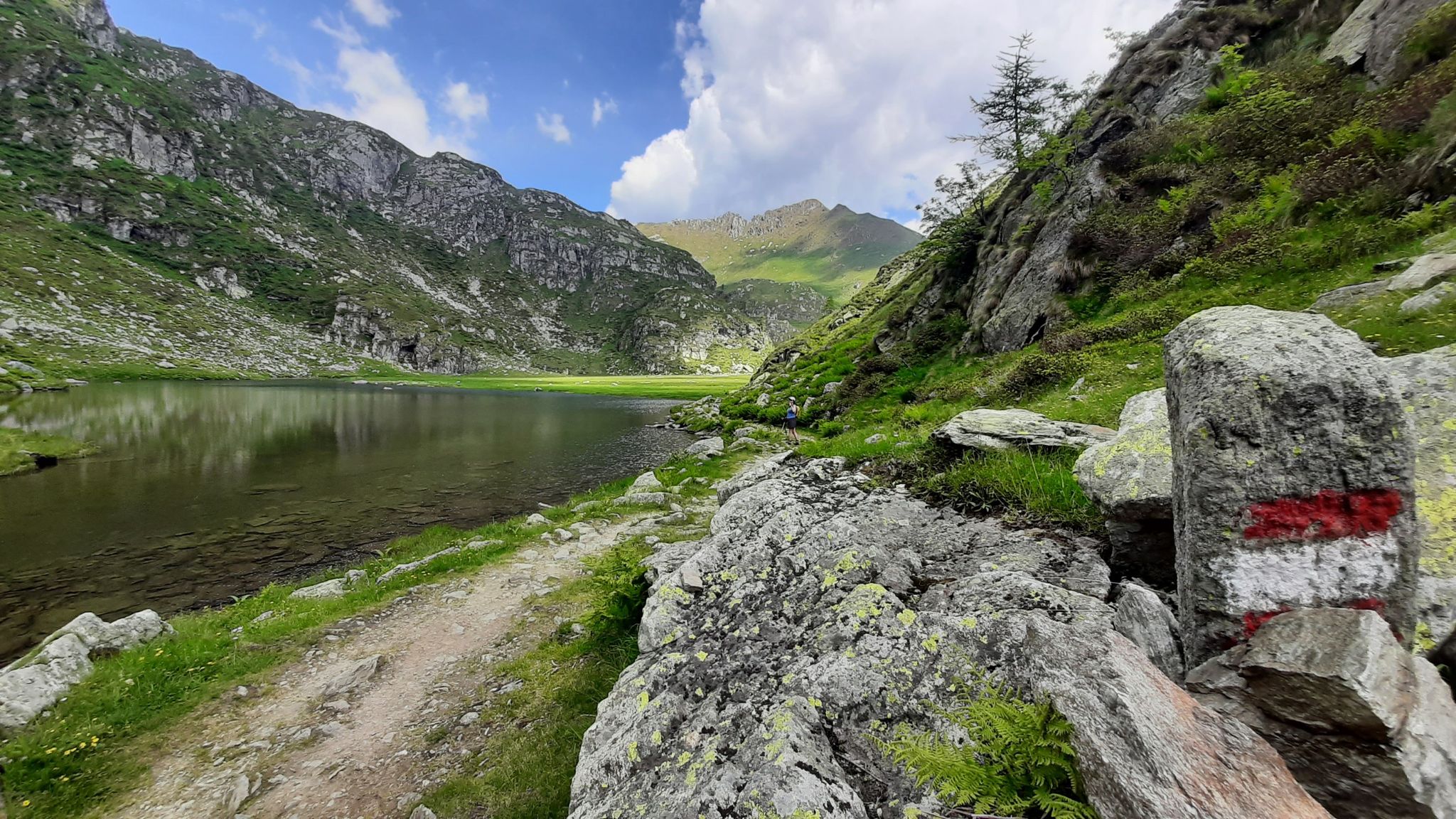
GTA North Piedmont – Among ancient Walser settlements
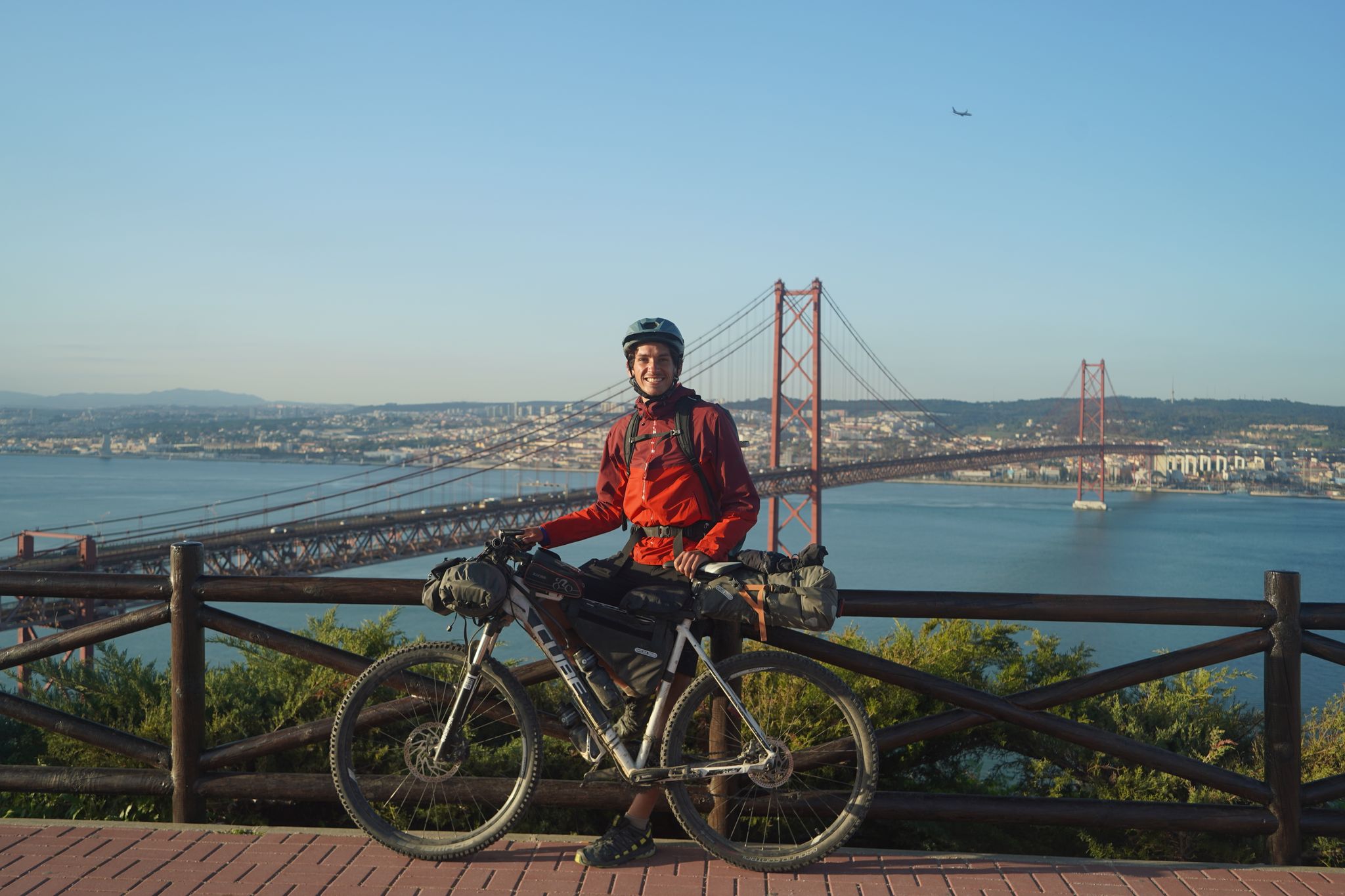
Road to Lisbon – bikepacking the Alps, Pyrenees and Picos de Europa
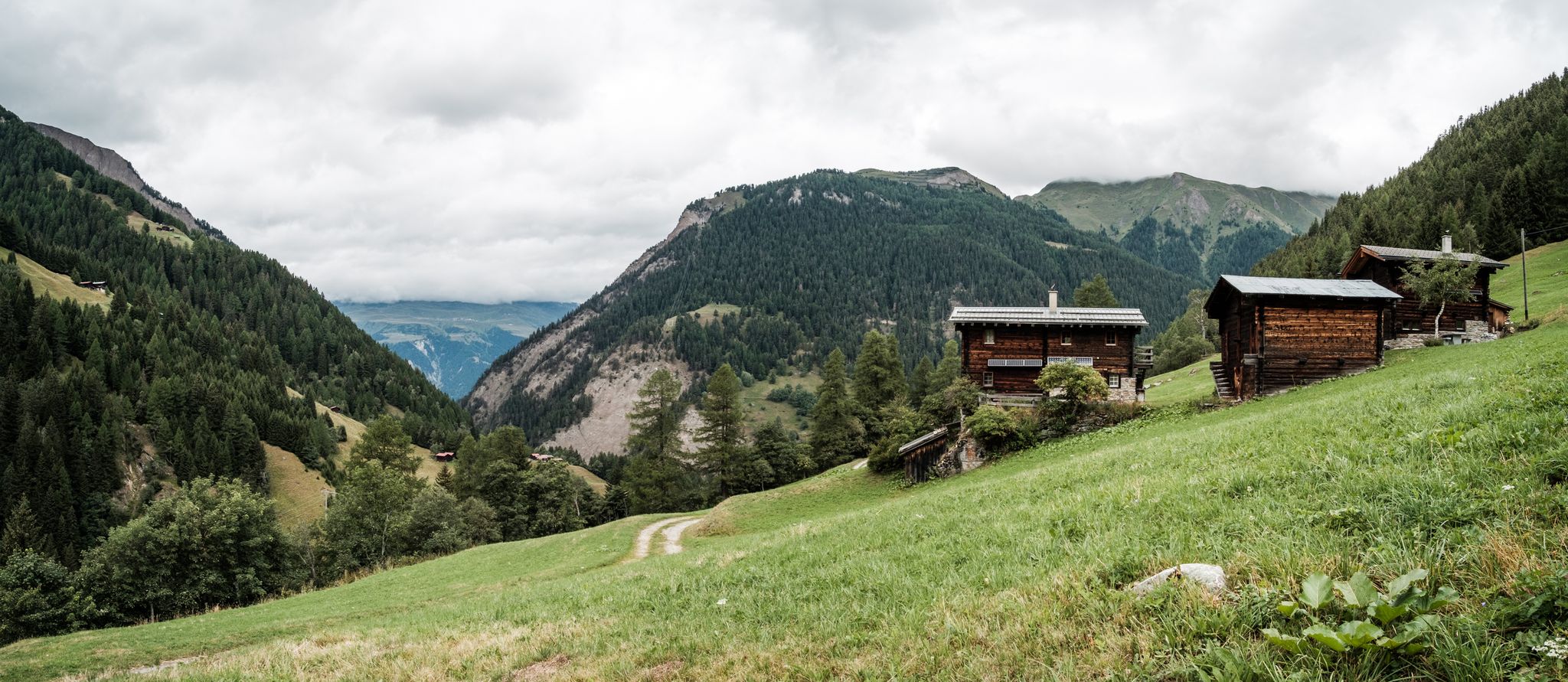
On mule tracks from Binntal to Italy
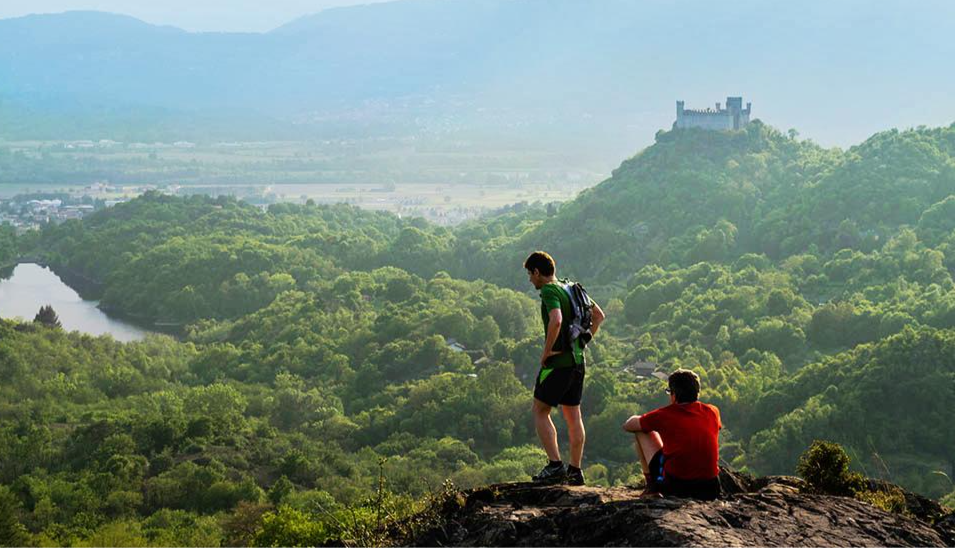
Car Free Piedmont – hiking face to face with nature
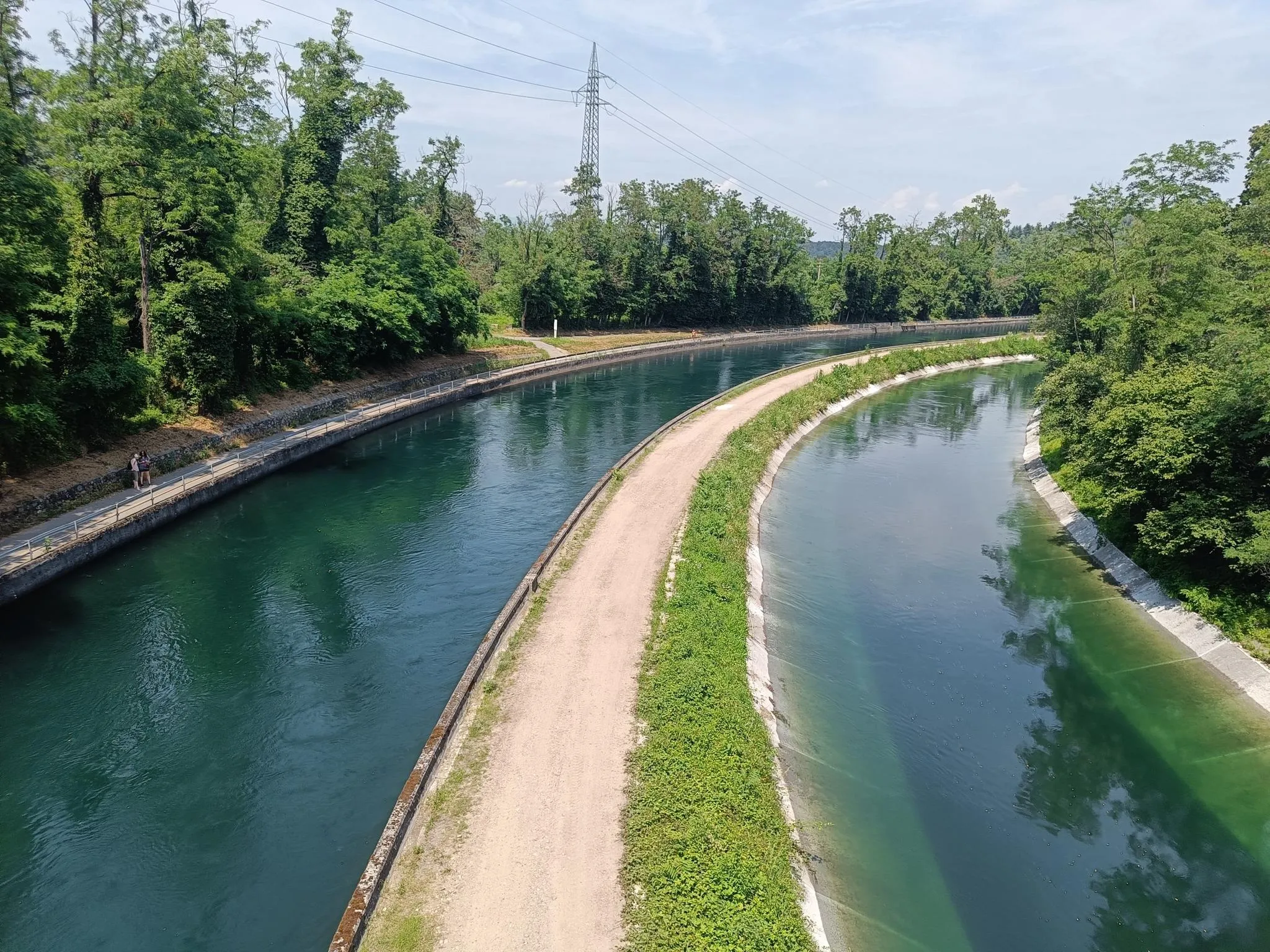
Pedal along water – loop from Milan to Lake Maggiore
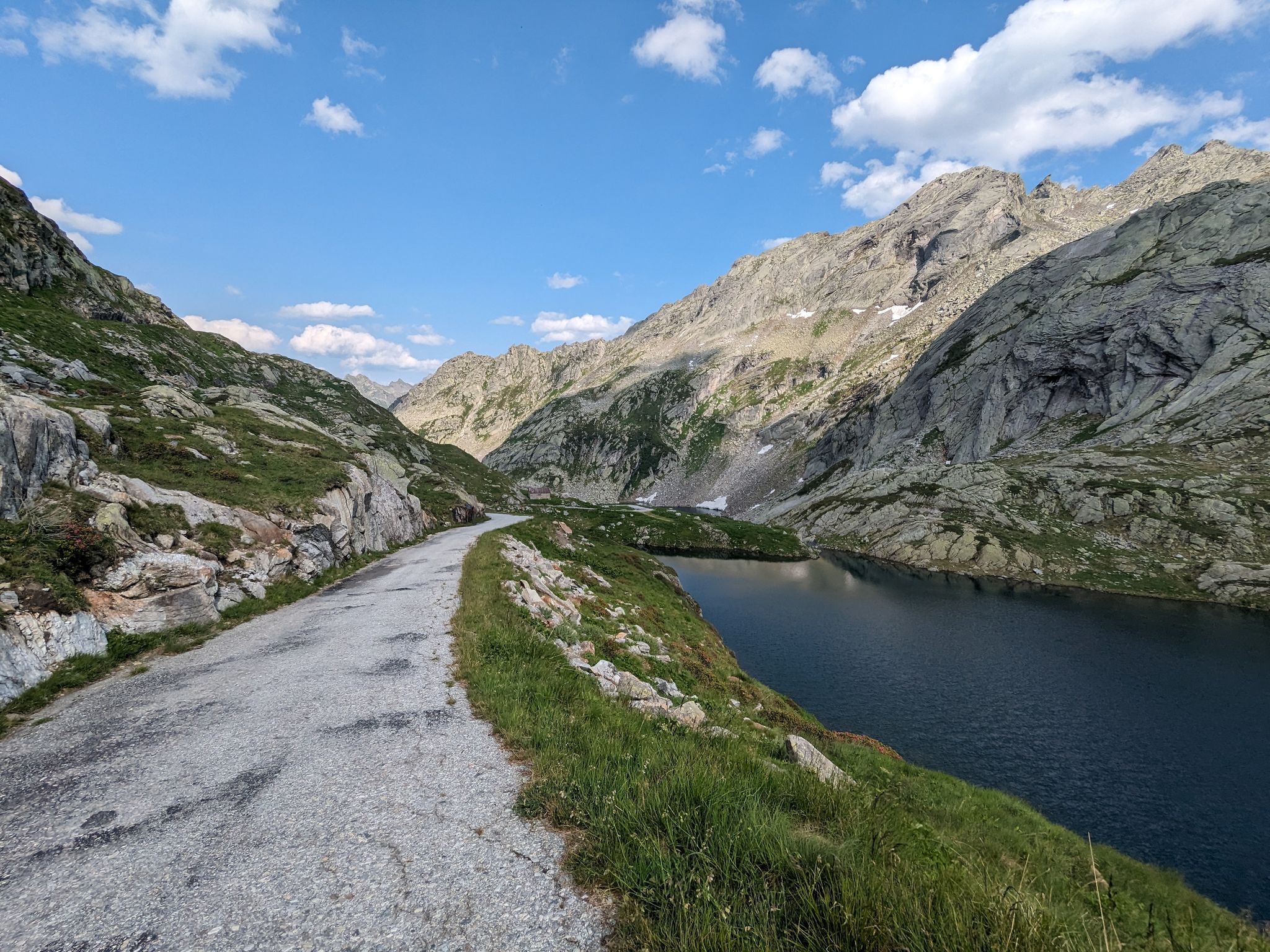
Great passes and green valleys – Ticino climbs
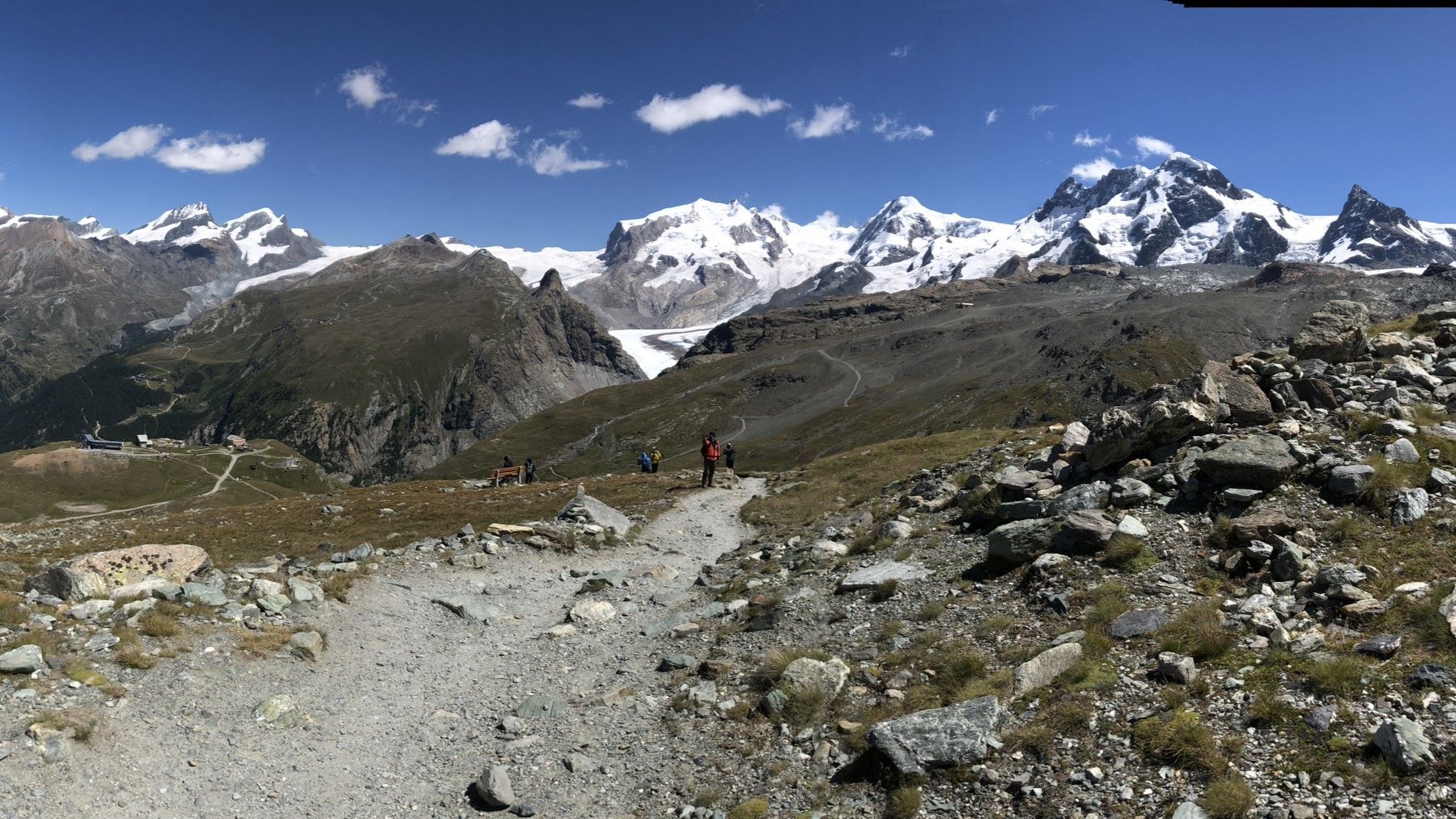
Between Italy and Switzerland – Tour of Monte Rosa
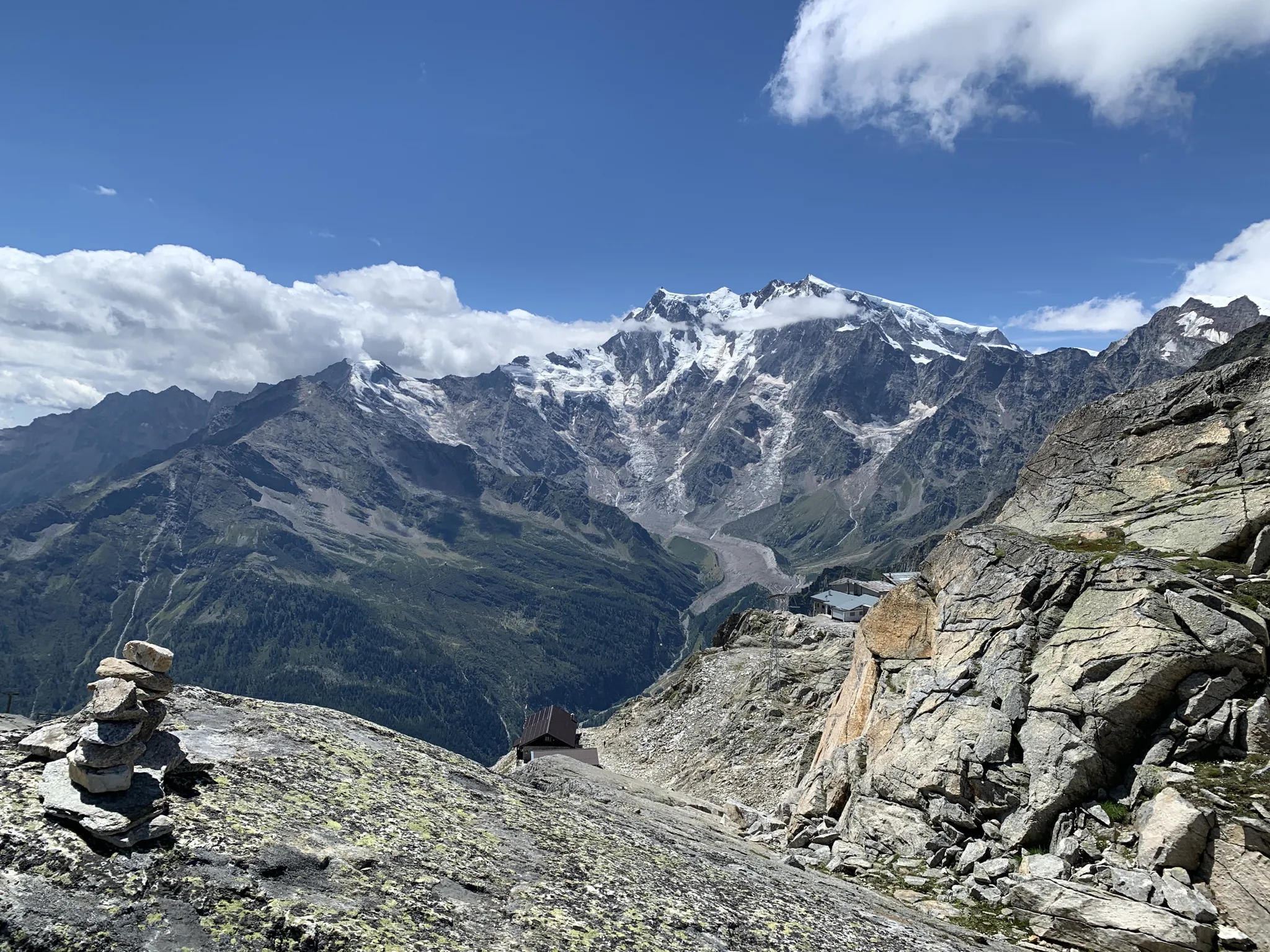
Along the highest rock face in Europe – Monterosa Est Himalayan Trail
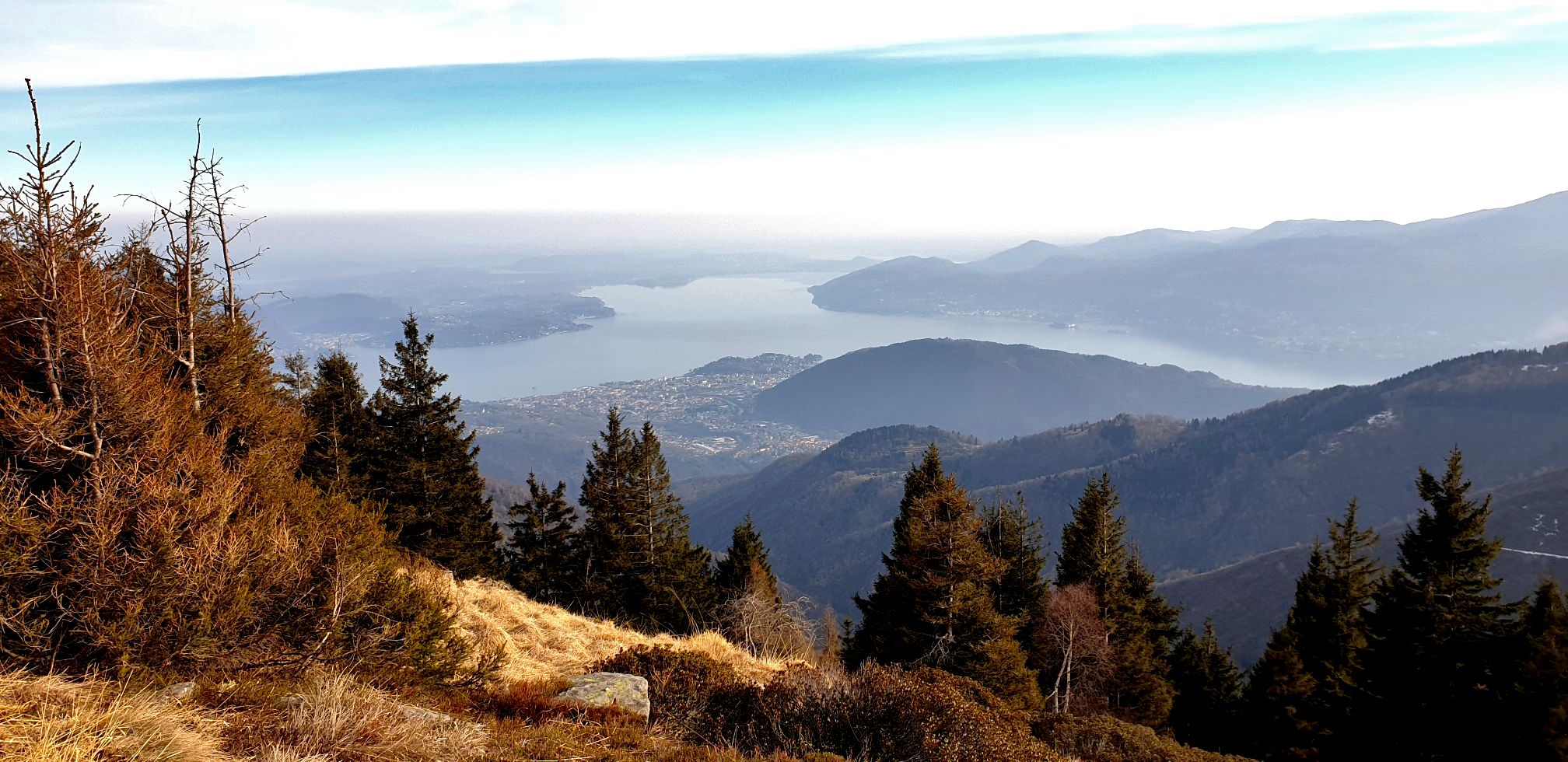
Hiking around Cicogna — Italy’s Val Grande National Park
Other adventures in Verbano-Cusio-Ossola


Tips from the Community

Wonderful to ride through the Valley Cannobbina - grab a coffee in Finero
0
0

Was worshipped by smugglers
0
0

Memorial to cyclist Marco Pantani. PS The pass summit is also accessible with a 2-speed road bike.
1
0

Be careful, there are no more mattresses in the bivouac. A window is broken; it gets very, very cold at night. No fire pit. Don't plan to spend the night there unless it's an emergency.
1
0

Arriving from Alpe Bondolero the path is not marked, but in some sections it is evident until you reach the GTA path.
1
0

The Monte Moro Pass is located on the border between Switzerland and Italy, connecting the Saas Valley in Valais to the Anzasca Valley in Piedmont. The unique feature of this pass is that it is accessible via a medieval mule track. The route and photos are available at: https://treksrandos.fr/alpes/valais/alpes-pennines/col-de-monte-moro/
0
1

Very nice climb surrounded by greenery.
8
0

Before the Monscera pass At the foot of the pass lies the homonymous lake, an almost mandatory stopover point.
0
0
Frequently Asked Questions
What are some historical mountain passes in Verbano-Cusio-Ossola?
The region is rich in historical passes. San Giacomo Pass, for instance, features remnants of a 'tourist road' planned by Mussolini in the 1920s and former Swiss military positions. Arbola Pass has been used since Roman and Celtic times as a connection between Piedmont and Valais. Colle del Turlo, whose name means 'little door' in Walser, highlights its historical role as a gateway.
Which mountain passes offer the best panoramic views in Verbano-Cusio-Ossola?
For breathtaking vistas, consider Monscera Pass, which provides spectacular views of the Swiss Alps, including the 'Simplon triptych' and Monte Leone. Colle d'Egua is renowned for its magnificent panorama of Monte Rosa, showcasing all its peaks over 4,000 meters. The Golden Madonna Statue at Monte Moro Pass also offers a wonderful view, including the impressive Monte Rosa east face.
Are there mountain passes suitable for cycling in Verbano-Cusio-Ossola?
Yes, the region is popular with cyclists. Marco Pantani Pass (Scopello Pass), dedicated to the famous cyclist, is known for its great climb with consistently good gradients, connecting Cannobio on Lake Maggiore with Santa Maria Maggiore and the Vigezzo valley. You can find more cycling routes in the area by exploring the Road Cycling Routes in Verbano-Cusio-Ossola guide.
What kind of outdoor activities can I do near these mountain passes?
The Verbano-Cusio-Ossola region offers a wide range of outdoor activities. Besides exploring the passes themselves, you can find numerous hiking trails, mountain biking routes, and running paths. For specific ideas, check out the MTB Trails in Verbano-Cusio-Ossola, Road Cycling Routes in Verbano-Cusio-Ossola, and Running Trails in Verbano-Cusio-Ossola guides.
Are there any challenging mountain passes for experienced hikers?
Absolutely. Colle del Turlo is a significant stage on the Tour Monte Rosa, offering challenging terrain through forests and alpine meadows. Scatta Minoia Pass, marking the border between Val Formazza and Valle Devero, is part of the Great Crossing of the Alps (GTA) and is known for its challenging routes.
What natural features can I expect to see around the mountain passes?
The region is a haven for nature lovers. Near Monscera Pass, you'll find the beautiful lake of the same name. Arbola Pass offers picturesque views of the Pianboglio and Codelago reservoirs on Alpe Devero. The entire Verbano-Cusio-Ossola region is characterized by diverse alpine landscapes, including national and regional parks like Val Grande National Park and Alpe Veglia and Alpe Devero Nature Park.
What is the best time to visit the mountain passes in Verbano-Cusio-Ossola?
The best time to visit is generally during the warmer months, from late spring to early autumn (May to October), when the passes are free of snow and the trails are accessible. This period offers ideal conditions for hiking, cycling, and enjoying the alpine scenery. Some higher passes might still have snow earlier or later in the season.
Are there any shelters or bivouacs near the mountain passes?
Yes, for those undertaking longer treks, there are shelters available. Near Scatta Minoia Pass, you'll find the Ettore Conti Bivouac. Colle d'Egua also hosts a bivouac, providing a resting point for hikers exploring the area.
Can I find information about the region's culture and heritage while exploring the passes?
The mountain passes of Verbano-Cusio-Ossola are deeply intertwined with the region's history and culture. Many passes served as ancient trade routes and border crossings, reflecting centuries of human activity. The Walser heritage is also evident in areas like the Val Quarazza, connected by Colle del Turlo. Exploring these passes offers a direct connection to the historical significance of the Italian Alps.
What do visitors enjoy most about the mountain passes in Verbano-Cusio-Ossola?
Visitors frequently praise the breathtaking views, the sense of adventure on challenging routes, and the rich historical context of these passes. The komoot community particularly appreciates the diverse alpine landscapes and the opportunity to explore ancient trade routes and border areas. Many enjoy the physical challenge combined with the stunning natural beauty and the tranquility of the unspoiled nature.
Are there any easy-to-access mountain passes for a less strenuous experience?
Yes, San Giacomo Pass is known for offering an easy crossing, connecting Val Formazza with Val Bedretto. While it has historical significance, the terrain towards Val Formazza is flatter, making it a less strenuous option for those seeking a more relaxed experience.
Most popular routes in Verbano-Cusio-Ossola
Most popular attractions in Verbano-Cusio-Ossola

Get inspired with the komoot mobile app


Didn’t find what you were looking for?
Find even more amazing mountain passes in Verbano-Cusio-Ossola organized by region:
Explore more
See even more epic mountain passes by checking out these guides in Verbano-Cusio-Ossola:
