The best waterfall hikes and walks in Nature park Kaunergrat
4.6
(19627)
102,202
hikers
12
hikes
Waterfall hiking trails in Nature park Kaunergrat traverse a diverse alpine landscape within the Ötztal Alps and Kaunergrat mountain range in Tyrol, Austria. The region features glaciated peaks, alpine meadows, and Swiss stone pine forests. Hikers can encounter clear mountain lakes and unique natural monuments like the Piller Moor. The topography includes rugged alpine environments and canyons, offering varied terrain for exploration.
Best waterfall hiking trails in Nature park Kaunergrat
- The most popular waterfall hiking route is Stuiben Waterfall –…
Last updated: July 7, 2026
4.8
(52)
225
hikers
10.8km
03:36
530m
530m
Moderate hike. Good fitness required. Easily-accessible paths. Suitable for all skill levels.
4.6
(19)
80
hikers
3.95km
01:11
120m
110m
Easy hike. Great for any fitness level. Easily-accessible paths. Suitable for all skill levels.

Sign up for free
4.9
(33)
153
hikers
13.6km
06:14
1,090m
1,090m
Hard hike. Very good fitness required. Mostly accessible paths. Sure-footedness required.
5.0
(6)
37
hikers
24.5km
07:10
620m
620m
Hard hike. Very good fitness required. Mostly accessible paths. Sure-footedness required.
4.6
(19)
120
hikers
2.31km
00:52
150m
150m
Easy hike. Great for any fitness level. Easily-accessible paths. Suitable for all skill levels.
Get access to more routes and recommendations from other explorers.
Sign up for free
Already have an account?
Our route recommendations are based on thousands of hikes, rides, and runs completed by other people on komoot.
Start today with a free account
Your next adventure awaits.
Login or Signup
Popular around Nature park Kaunergrat
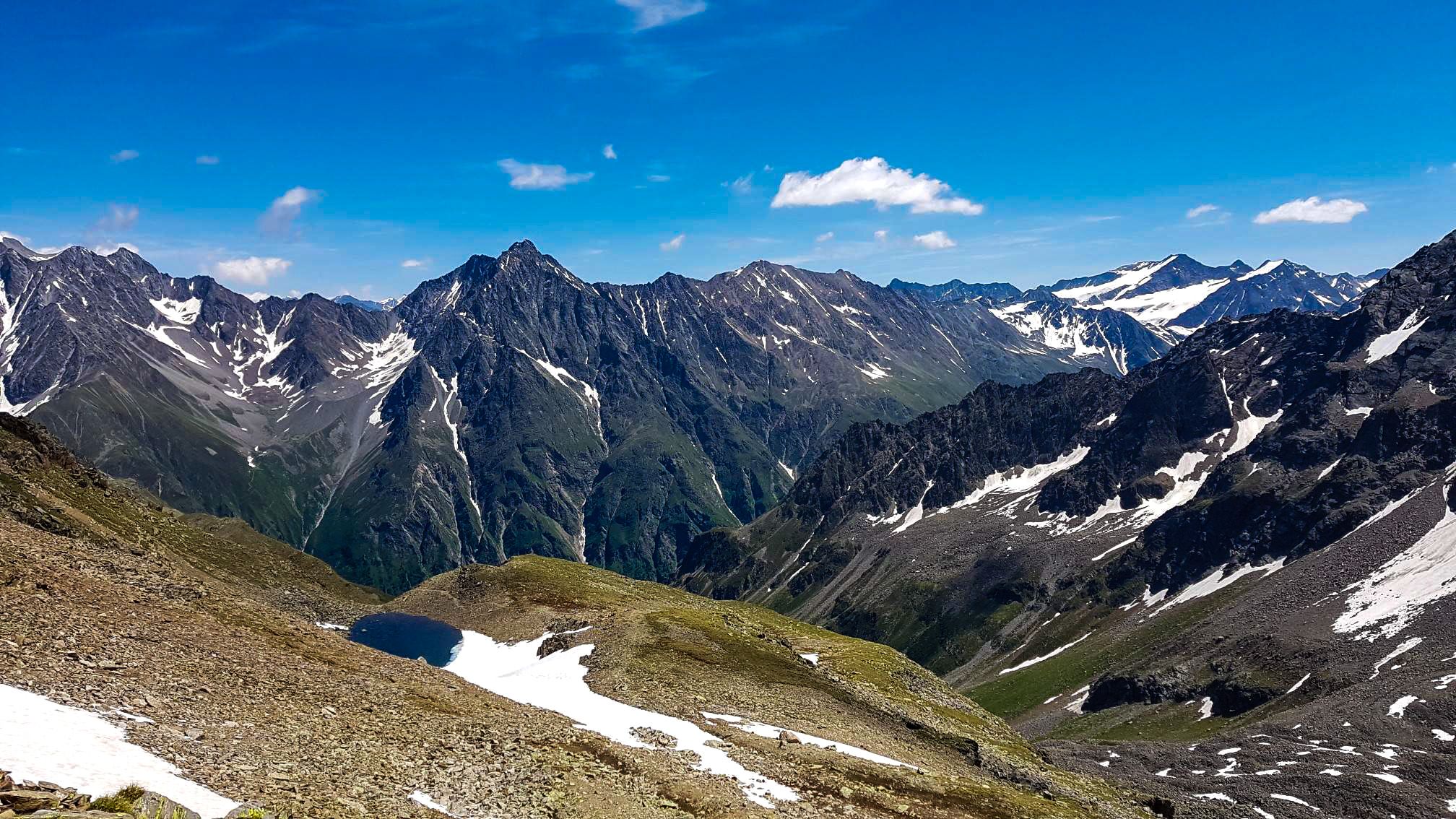
Kaunergrat circular hike in Austria – a dream for experienced mountaineers
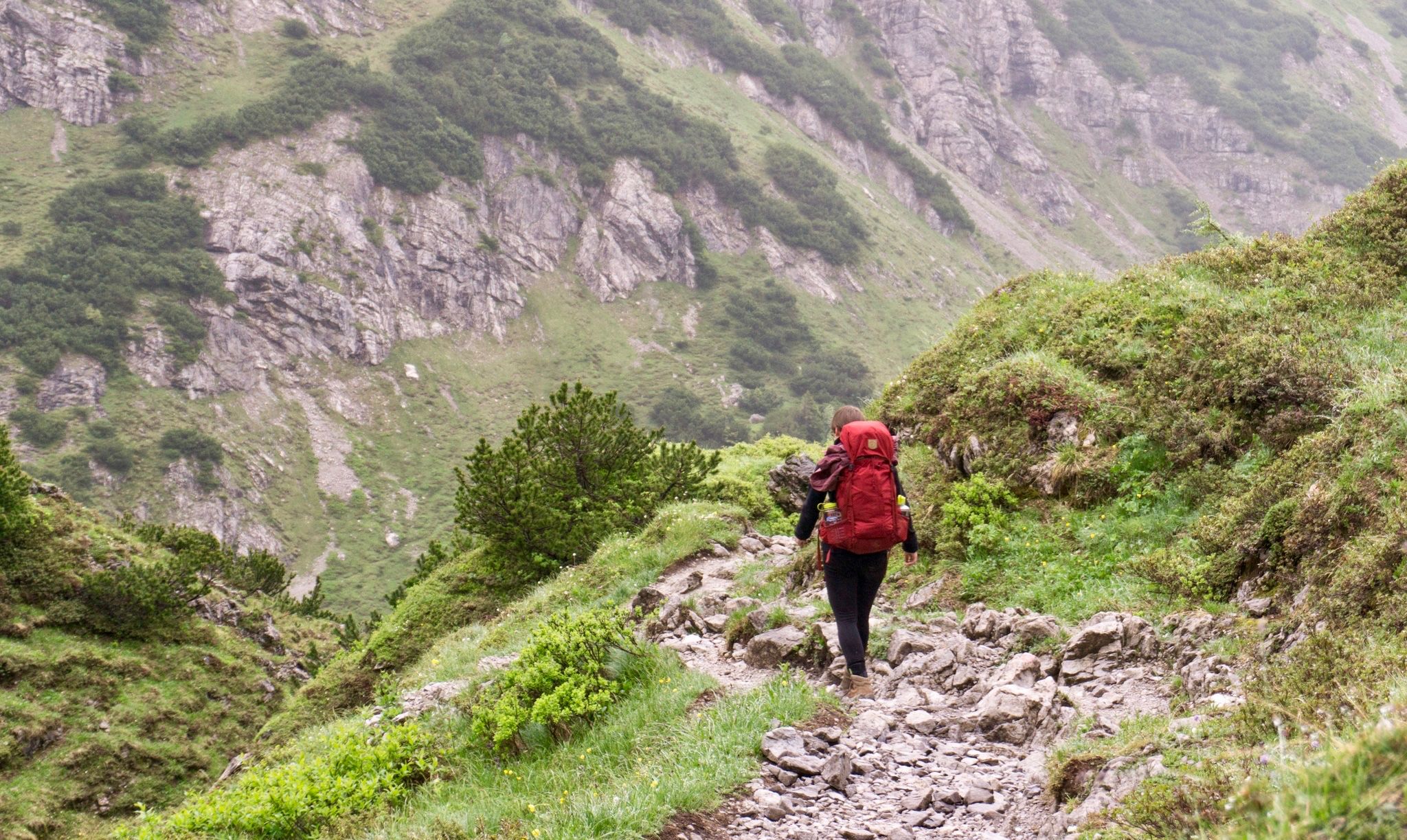
E5 – Hiking across the Alps
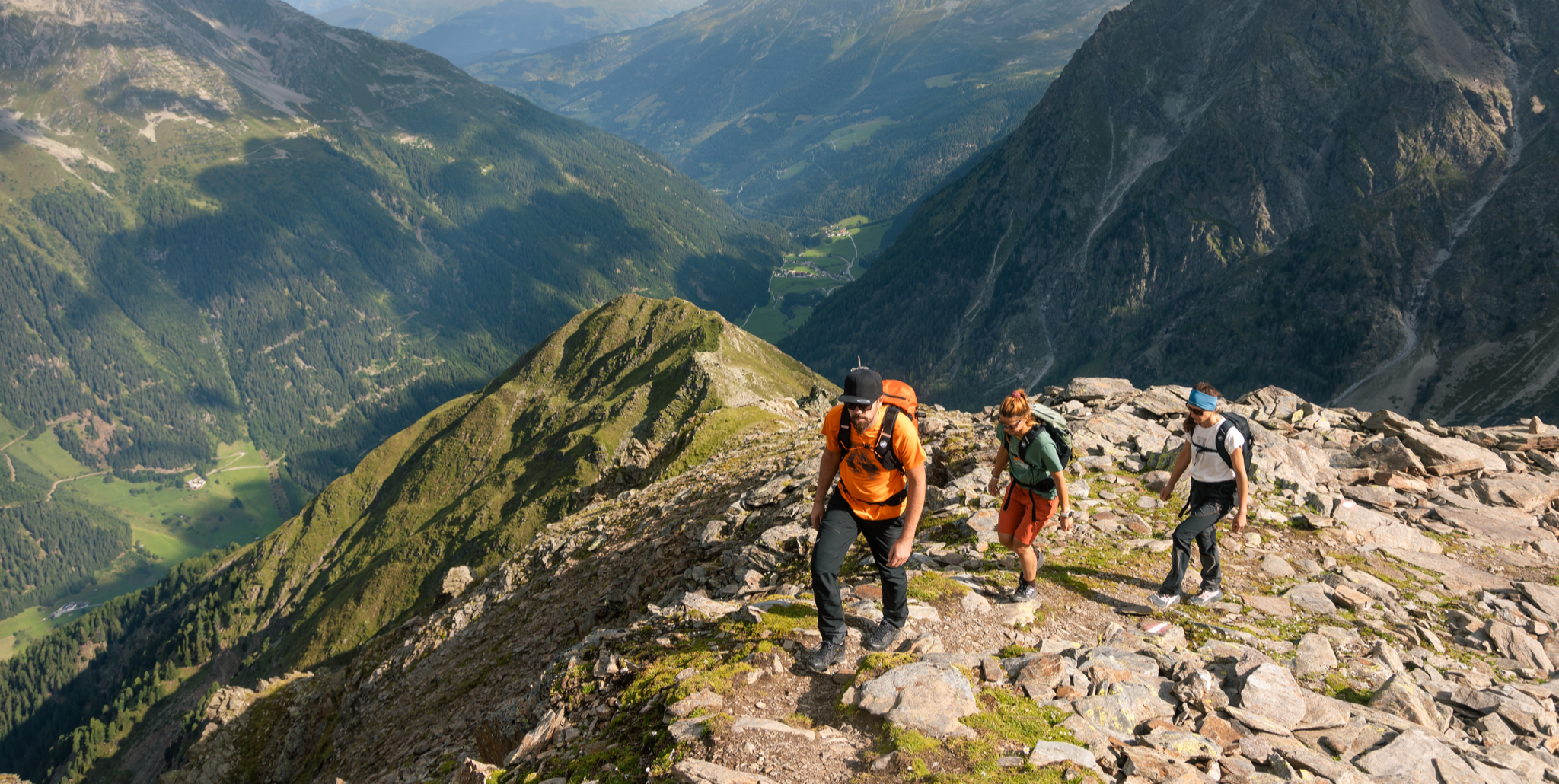
Kaunertal – glaciers, tunnels and stone pine forests
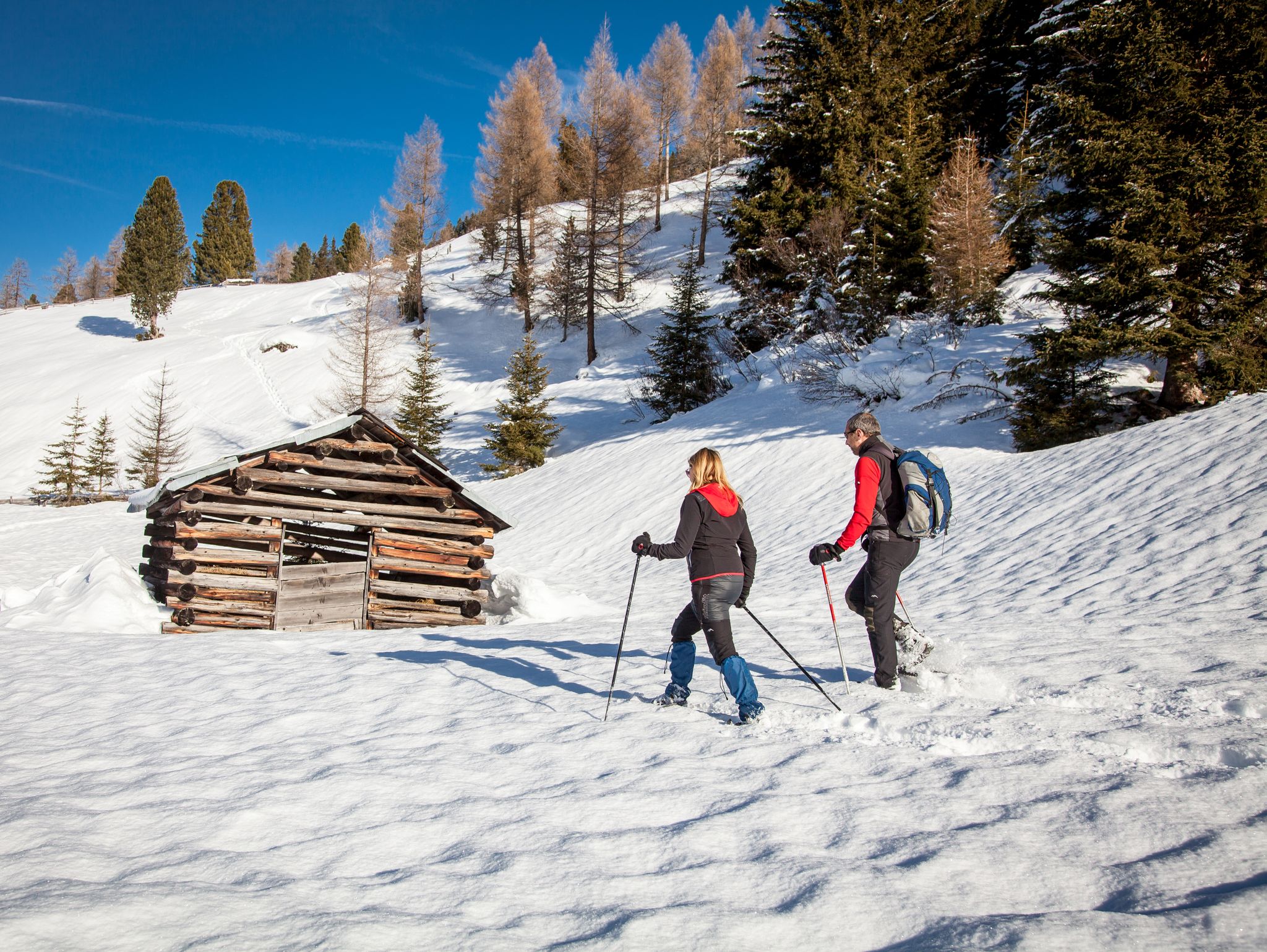
Banish the winter blues – the most beautiful winter routes in the Pitztal valley
From A for Alm to Z for Zirbe — summer in Austria’s Pitztal valley

Diving into mountain adventure in the Pitztal valley
#Winterlove — 14 tips for your winter adventure in Austria
Other adventures in Nature park Kaunergrat


Tips from the Community

An absolute highlight. Start at the parking lot in Schön
1
0

A visit to the Ibex Center is very interesting for those interested. You can observe the ibex very well. The marmots are also a great sight. The building displays a lot about ibex, as well as taxidermy.
0
0

The visit is absolutely worth seeing, even in winter absolutely fantastic when the water is frozen 👍👍👍🥾🥾
1
0

Winter activities at the Stuibenfall Even in winter, the Stuibenfall shapes the landscape of Umhausen and Niederthai. Embedded in the snowy landscape, Tyrol's largest waterfall seems almost mystical in the cold season. Curious? Hike to see the view of the Stuibenfall during the day or in the evening with lighting.
0
0
After a rockslide with fatal consequences, the original hiking route had to be closed to the public. After two years of construction, a steel structure with 728 steps and an 80-meter-long suspension bridge now leads to the viewing platforms and to Niederthai. The official opening took place on May 21, 2016. At least the upper information board still showed the old route in summer 2017 (as shown here).
0
0
The waterfall is well developed as a tourist attraction with hiking trails and restaurants, and since 2007 there has also been a suspension bridge at the top and five viewing platforms spread out. Some of the platforms are in such exposed places that the "Stuiben" (dusting) can be experienced directly. Since 2008 there has also been a 450-meter-long, family-friendly via ferrata that crosses the waterfall in the last section. During the summer months the waterfall is illuminated one evening a week.
0
0
When the mountain massif near Köfels collapsed around 7000 BC, the present-day Tauferberg was formed on the opposite side. This dammed the Horlachbach and a large lake was formed. The water ate away at the rock from which the current Stuibenfall falls; a small remnant of the eroded massif has been preserved as a natural bridge. The remains of the lake can also still be seen as shore terraces in Niederthai.
0
0
With a drop of 159 meters (in two stages), the Stuibenfall is the highest waterfall in Tyrol. On average, 610 liters of water per second, with a maximum of 2,000 liters per second, flow over the edge of the rock into the depths. As the stream is largely fed by meltwater from the Zwieselbach and Grastalferner, it has the highest water flow in summer.
0
0
Frequently Asked Questions
How many waterfall hiking trails are there in Nature park Kaunergrat?
Nature park Kaunergrat offers a selection of over 10 waterfall hiking trails, catering to various skill levels. These routes allow you to explore the diverse alpine landscape and discover stunning cascades.
What are some easy waterfall hikes suitable for families in Nature park Kaunergrat?
For families or those seeking a more relaxed experience, there are five easy waterfall hikes available. A great option is the Stuiben Waterfall in the Pitztal – Stuiben Waterfall loop from Schön, which is just 2.3 km long and takes about an hour to complete, offering direct access to the impressive Stuibenfall waterfall.
Are there any circular waterfall hikes in Nature park Kaunergrat?
Yes, many of the waterfall trails in Nature park Kaunergrat are designed as circular routes, allowing you to start and end at the same point. For example, the popular Stuiben Waterfall – Stuibenfall Waterfall loop from Graslehn is a moderate 10.8 km circular trail that provides direct access to the Stuibenfall.
Can I bring my dog on waterfall trails in Nature park Kaunergrat?
While specific regulations can vary by trail, generally, dogs are welcome on many hiking trails in Nature park Kaunergrat, provided they are kept on a leash. It's always advisable to check local signage or park guidelines for any specific restrictions, especially in protected areas or near wildlife.
What kind of natural features and viewpoints can I expect to see on these trails?
Beyond the waterfalls themselves, the trails in Nature park Kaunergrat offer diverse natural features. You can expect rugged alpine environments, glaciated peaks, alpine meadows, and Swiss stone pine forests. Highlights include the unique Verpeil Waterfall, the scenic Pfitschebach Waterfall, and the dramatic Verpeilschlucht Suspension Bridge. You might also encounter clear mountain lakes and unique natural monuments like the Piller Moor.
What is the best time of year to visit the waterfalls in Nature park Kaunergrat?
The best time to visit the waterfalls in Nature park Kaunergrat is typically from late spring to early autumn (May to October). During this period, the snowmelt ensures the waterfalls are at their most powerful, and the weather conditions are generally favorable for hiking. Some trails may be accessible earlier or later depending on altitude and snow conditions.
Are there options for public transport to reach waterfall hiking trails?
Nature park Kaunergrat is accessible by public transport, particularly within the Pitztal valley. Regional buses connect various villages, which can serve as starting points for hikes. It's recommended to check the local bus schedules in advance to plan your journey to specific trailheads.
Where can I park when visiting waterfall hikes in Nature park Kaunergrat?
Designated parking areas are typically available near popular trailheads and villages throughout Nature park Kaunergrat. For instance, routes like the Stuiben Waterfall loop from Graslehn usually have nearby parking facilities. Always look for official parking signs and be mindful of local regulations.
What should I wear for a waterfall hike in this region?
Given the alpine environment, it's essential to wear appropriate hiking gear. This includes sturdy, waterproof hiking boots with good grip, layers of clothing to adapt to changing weather, and rain gear. Even on warm days, the spray from waterfalls can make areas damp and cool. Don't forget water, snacks, and sun protection.
Are there any challenging waterfall hikes for experienced hikers?
Yes, Nature park Kaunergrat offers challenging routes for experienced hikers. The Arzler Alpine Hut – View of the Austrian Alps loop from Sankt Leonhard im Pitztal is an 13.6 km difficult path with significant ascents, providing expansive views alongside its natural beauty. Another demanding option is the St. Anna Chapel, Piösmes – Söllberg Waterfall loop from Schußlehn, a 24.6 km trail through varied alpine terrain.
What do other hikers say about the waterfall trails in Nature park Kaunergrat?
The waterfall trails in Nature park Kaunergrat are highly rated by the komoot community, with an average score of 4.5 stars from over 8,700 reviews. Hikers often praise the stunning natural beauty, the well-maintained paths, and the rewarding views of the powerful cascades and surrounding alpine landscape.
Are there any hidden gem waterfalls worth exploring?
While many waterfalls are well-known, the extensive network of trails in Nature park Kaunergrat means there are always less-trafficked spots. Exploring routes that lead to highlights like the Rifflbachsteig Trail and Waterfall can offer a more secluded experience. The park's diverse topography often hides smaller, enchanting cascades off the main paths.
Can I find places to eat or stay near the waterfall trails?
Yes, throughout the Nature park Kaunergrat region, particularly in the villages within the Pitztal and Kaunertal valleys, you'll find various options for accommodation, from guesthouses to hotels. Many villages also offer restaurants and cafes where you can refuel after your hike. Mountain huts like Kaunergrathütte and Verpeilhütte also provide resting points and sometimes overnight stays for longer treks.
Most popular routes in Nature park Kaunergrat
Most popular attractions in Nature park Kaunergrat

Get inspired with the komoot mobile app


