Top 20 Castles in Treviso
Best castles in Treviso are found throughout a region known for its rich history, diverse landscapes, and cultural heritage. Treviso, located in the Veneto region of Italy, features a mix of flat plains, rolling hills, and riverine environments. The area is characterized by its historical settlements, ancient fortifications, and significant architectural works. Visitors can explore a variety of castles, from medieval fortresses to noble residences, often situated in scenic locations offering panoramic views.
Best castles in Treviso
- The most popular castles is San Salvatore Castle, a castle that dominates the town of Susegana. Built by the Collalto family, it served as a defensive fortress and later a noble residence, now hosting events.
- Another must-see spot is Asolo, a historical settlement featuring a castle, cathedral, and the Rocca. This location is known for its beautiful streets and offers views of the Veneto plain.
- Visitors also love Conegliano Castle, a castle located on the Colle di Giano. It houses a civic museum and provides a strategic viewpoint overlooking the city and surrounding area.
- Treviso is known for its medieval fortresses, noble villas, and strategic defensive structures. The region offers a variety of castles to see and explore, from those with extensive grounds to those integrated into historic town centers.
- The castles in Treviso are appreciated by the komoot community. The guide features more than 20 highlights, with over 800 upvotes and more than 600 photos shared by visitors.
Last updated: October 2, 2026
Asolo
Highlight • Settlement
Translated by Google •
Tip by

Tower of the Castello dei Carraresi in Casale sul Sile
Highlight • Castle
Translated by Google •
Tip by

Sign up now to discover places like this
Get recommendations on the best single tracks, peaks, & plenty of other exciting outdoor places.
Villa Barbaro (Villa di Maser)
Highlight • Historical Site
Translated by Google •
Tip by

Castello di San Salvatore (Susegana)
Highlight • Castle
Translated by Google •
Tip by

Collalto Castle
Highlight • Castle
Translated by Google •
Tip by

Conegliano Castle
Highlight • Castle
Translated by Google •
Tip by
Castelfranco Veneto Castle
Highlight • Castle
Translated by Google •
Tip by
Bastione San Paolo
Highlight • Monument
Translated by Google •
Tip by

Castello on the Sile, Treviso
Highlight • Castle
Translated by Google •
Tip by

Castelbrando
Highlight • Castle
Translated by Google •
Tip by

Sign up for free to discover even more castles in Treviso.
Already have an account?
Start today with a free account
Your next adventure awaits.
Popular around Treviso
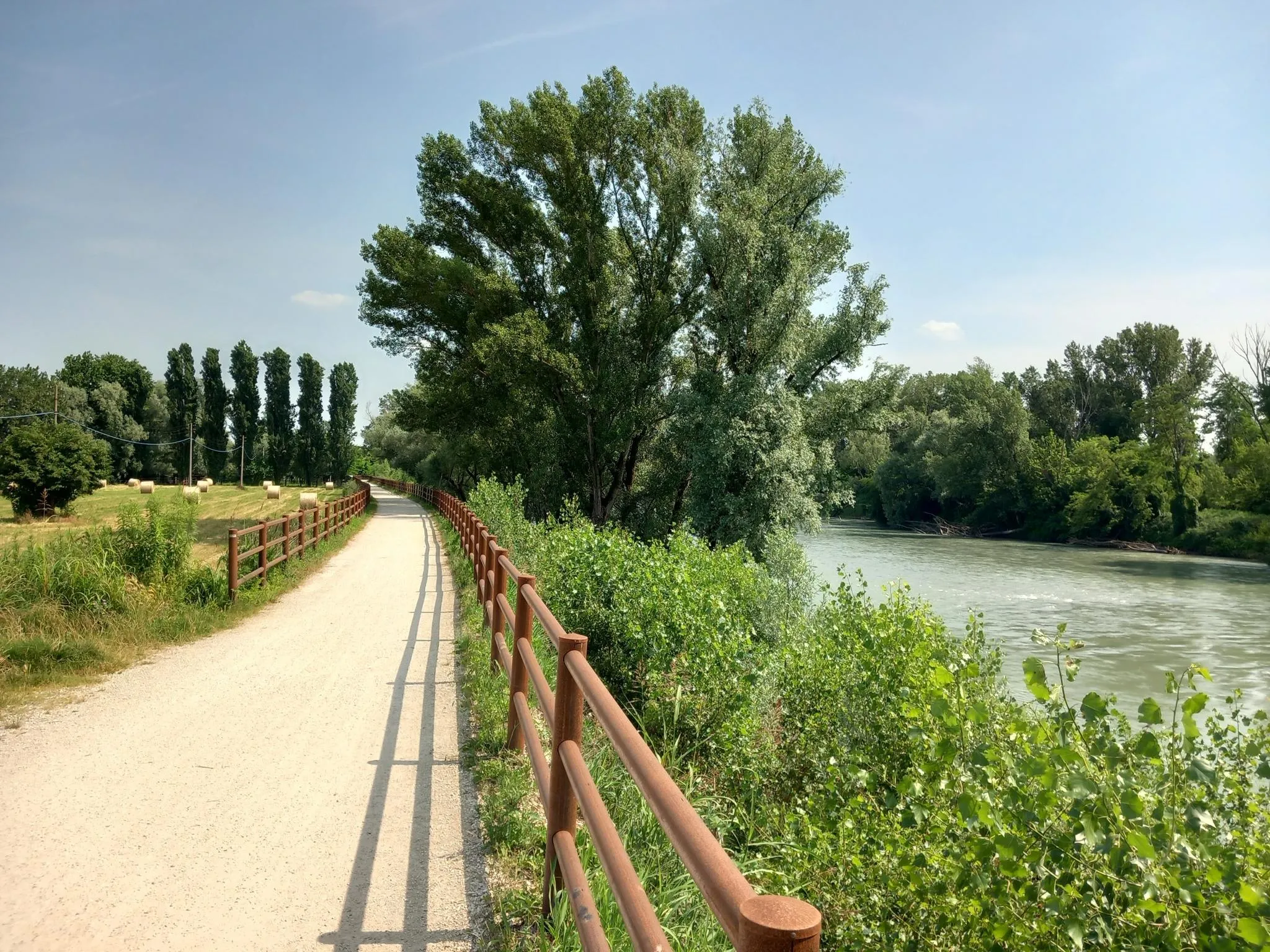
Via Postumia – Hike between the Tyrrhenian and Adriatic seas
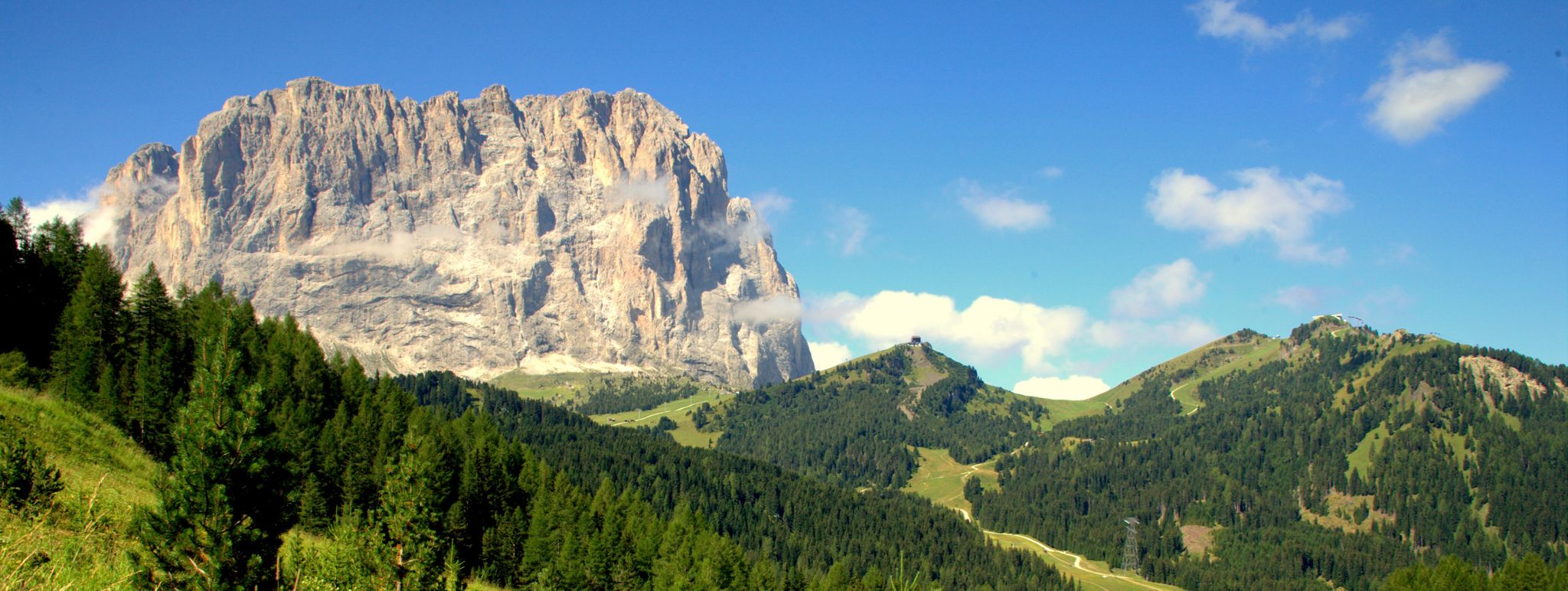
Via Venezia Alpina – hiking across the Alps to the Adriatic Sea
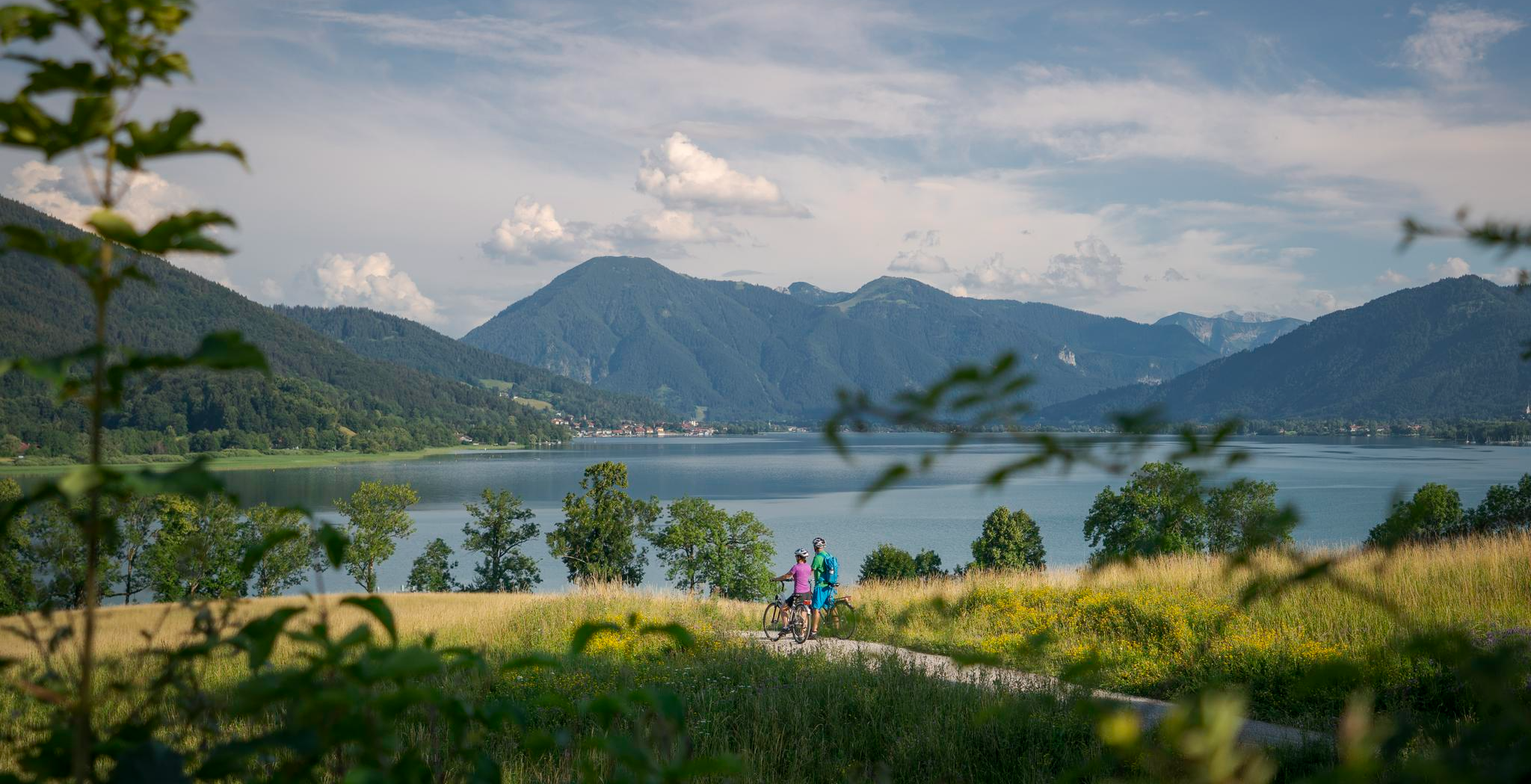
The Munich-Venice Long-Distance Cycle Path – A beautiful Alps crossing
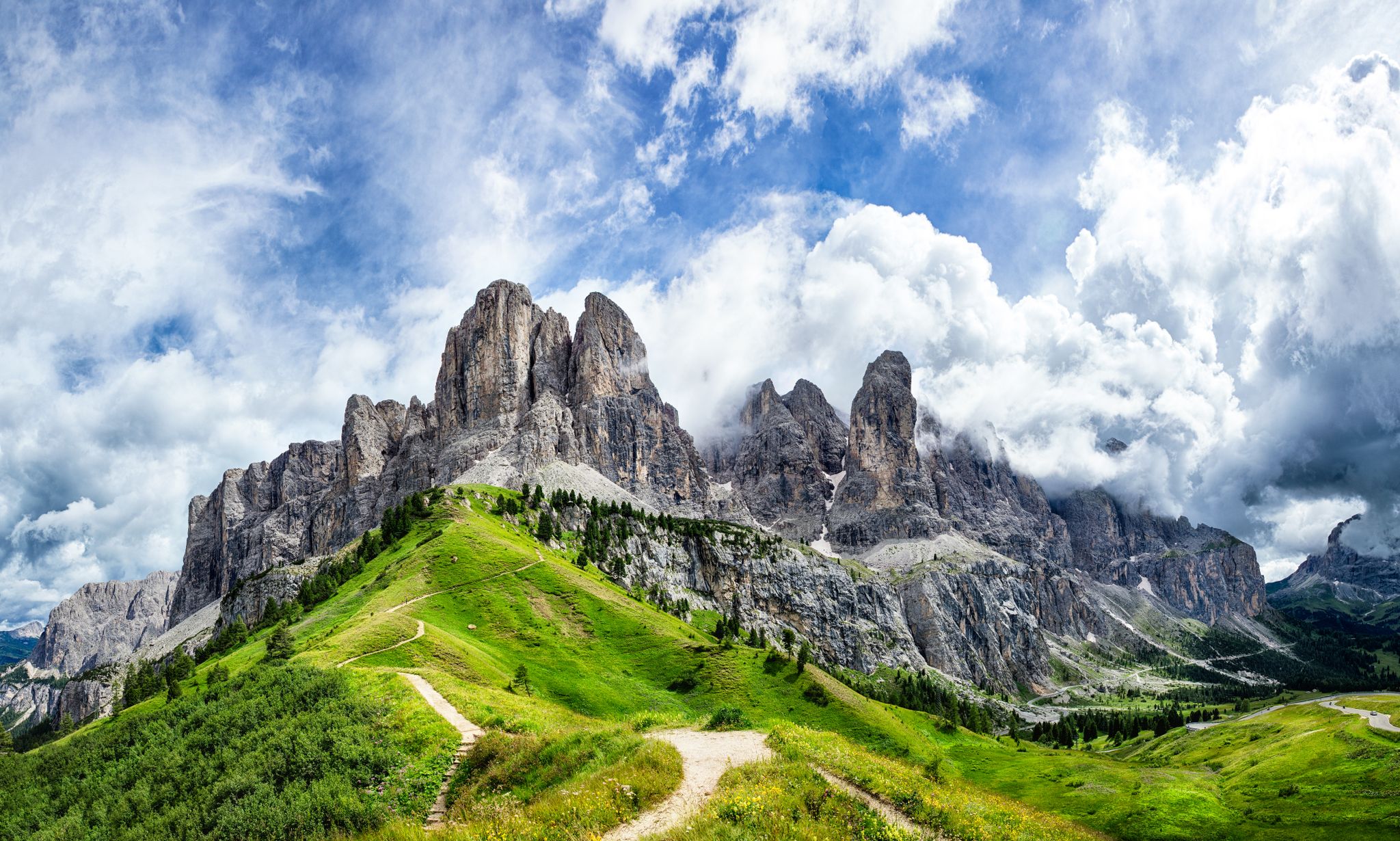
The "Dream Path" hiking trail – From Munich to Venice in 28 stages

Road to BAM! 2026 – Condividi la strada
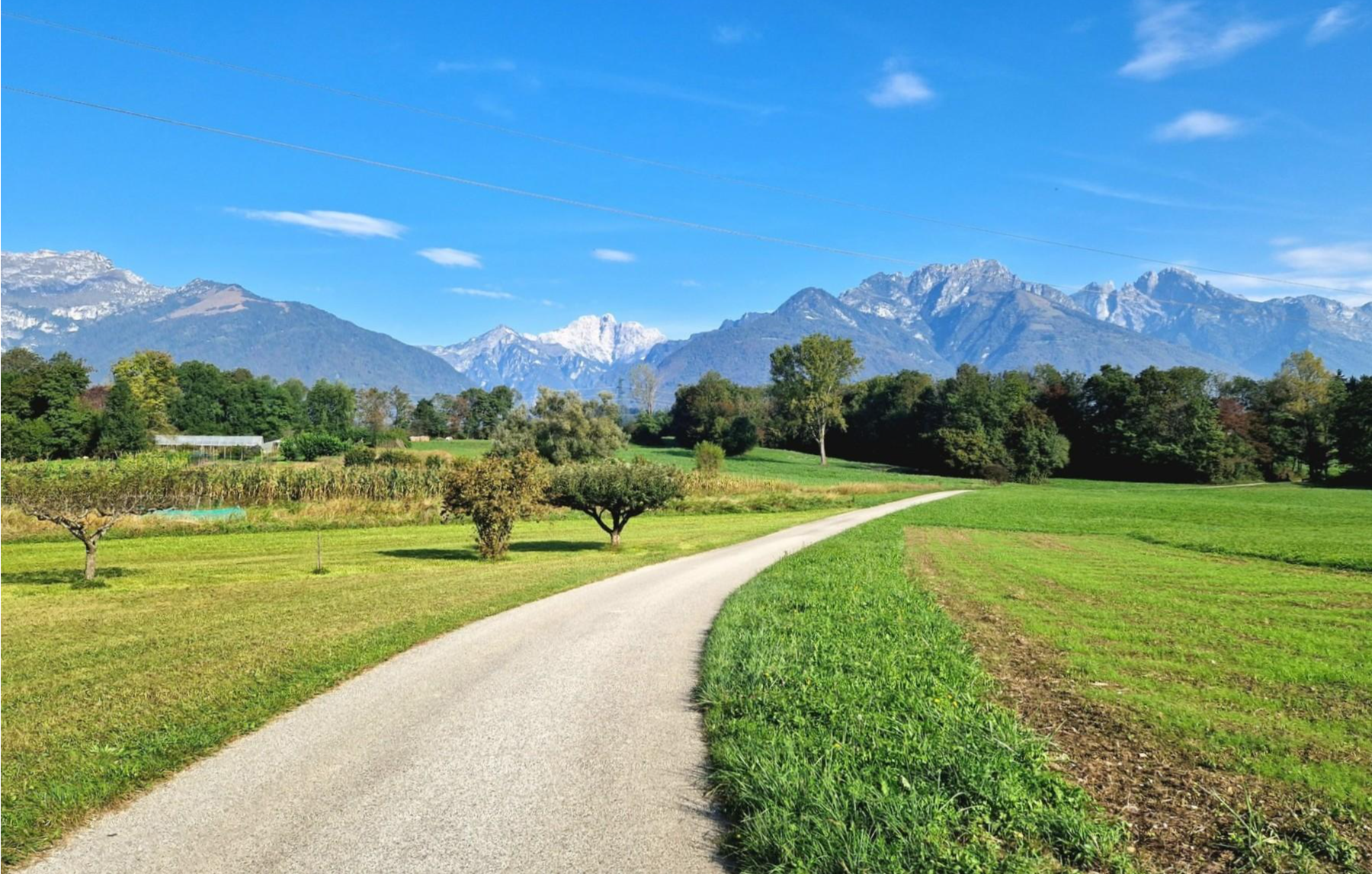
Veneto and Trentino by bike – between the Lagoon and the Dolomites

Jesolo Gravel Loop – between sandbanks and archaeology
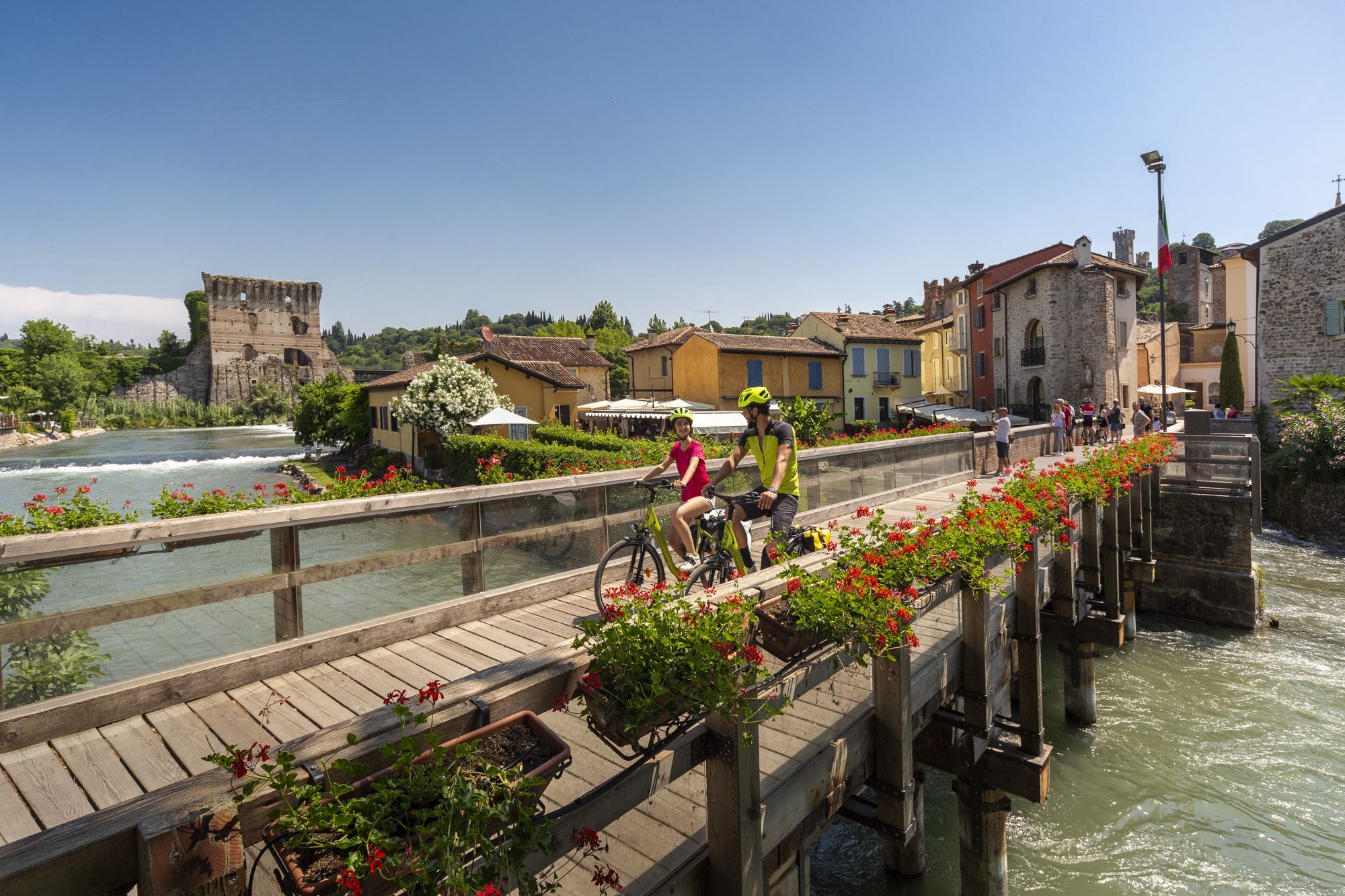
Explore Veneto at a slow pace – day trips by bike
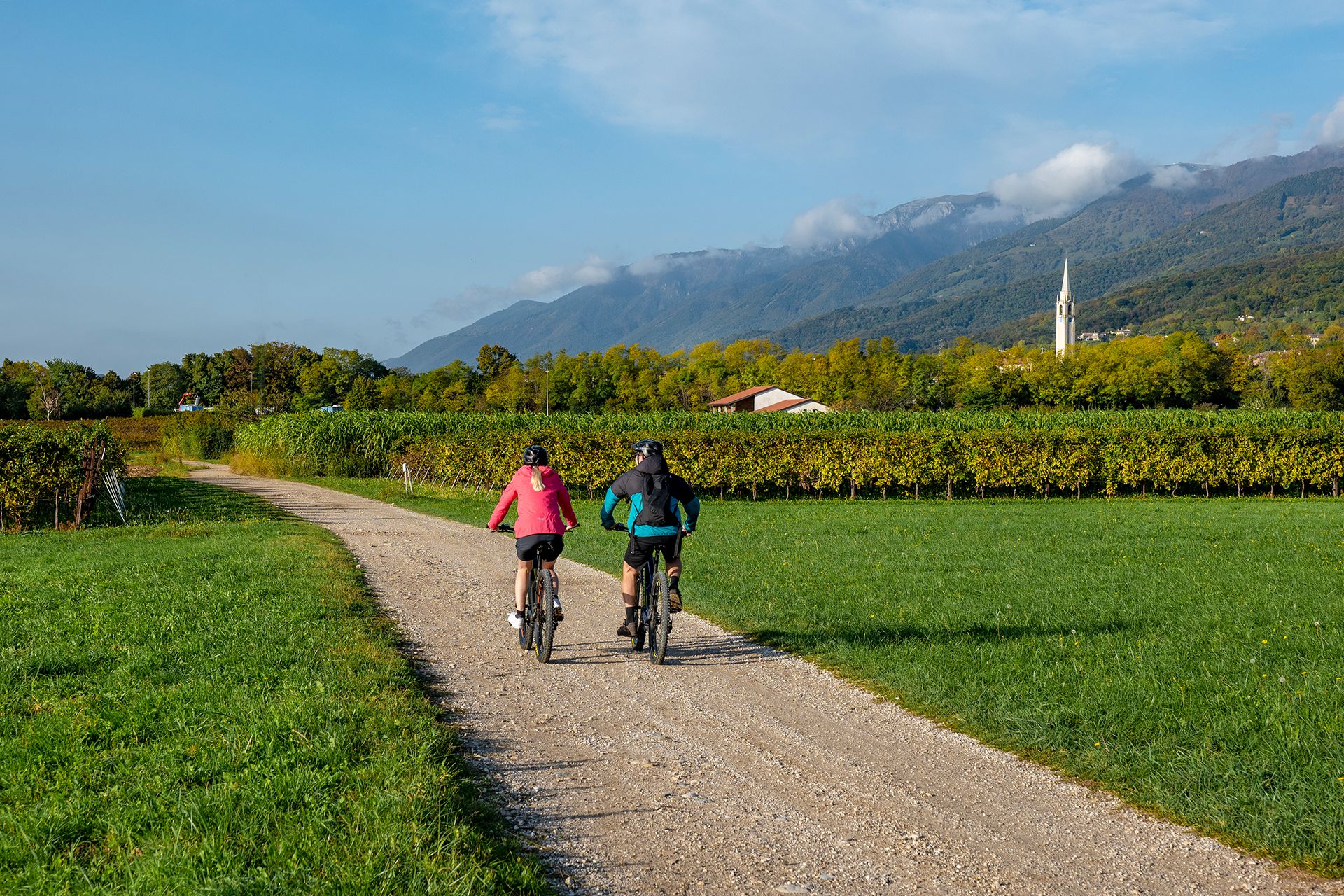
Cycling in the presence of Grappa – where nature and culture meet
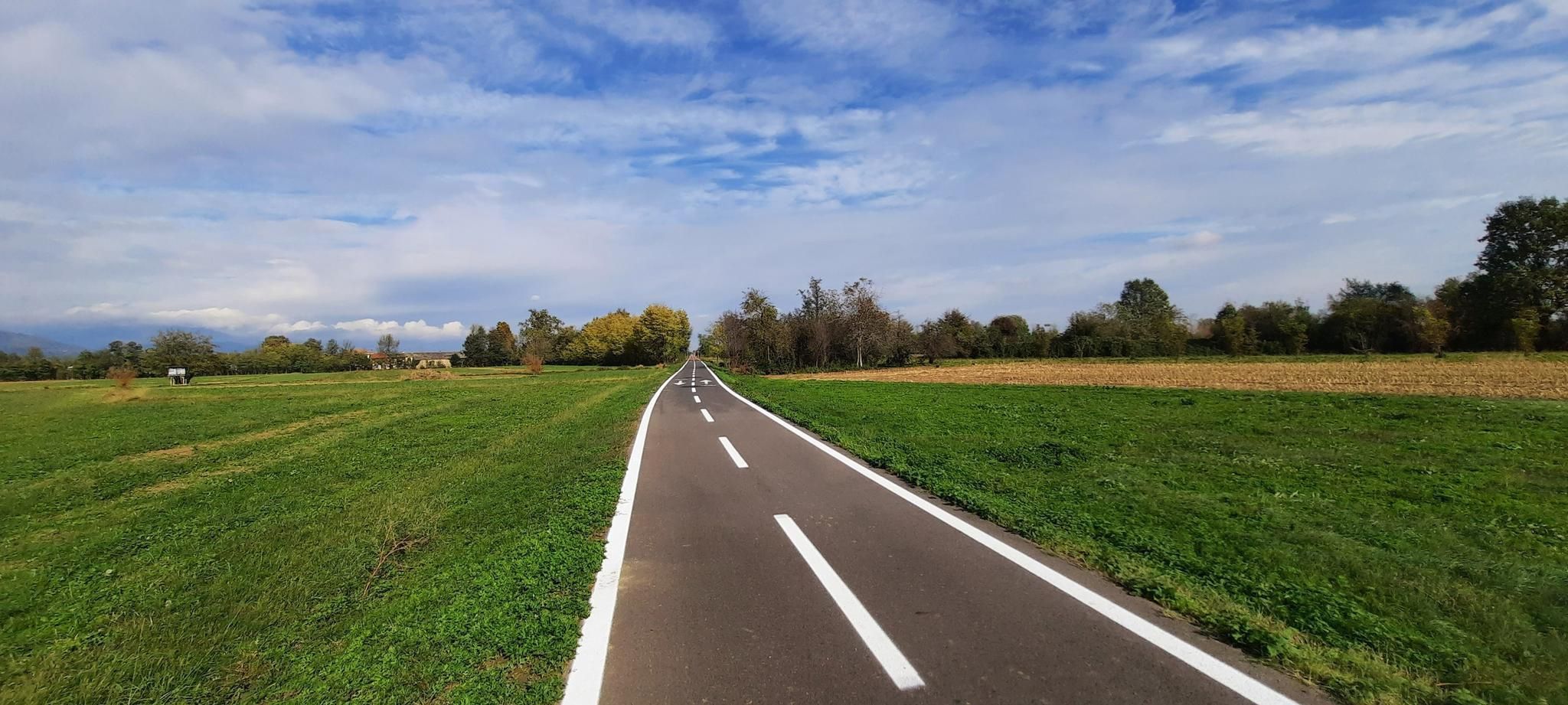
Ride across the Italian Alps – Pedemontana cycle route
Other adventures in Treviso


Tips from the Community

The Castle of Collalto is an ancient medieval manor founded in the 12th century by the noble family of the Counts of Collalto. Strategically positioned on a hill overlooking the Piave plain, the castle soon became the hub of a vast and powerful feud. Over the centuries, the structure transformed from a military fortress into a splendid noble residence, enriched with works of art including frescoes by Pordenone. Unfortunately, its crucial position on the front line during World War I led to its almost total destruction under bombardment. Today, of the glorious original complex, the evocative ruins remain, dominated by the imposing 12th-century master tower, the defensive walls, and the nearby church of San Giorgio, which bear witness to the millennial charm of one of the most important historical sites in the Marca Trevigiana.
1
0
Located on the summit of Colle di Giano, the Castle of Conegliano is the historical emblem of the city and a privileged sentinel over the Venetian plain. Of the ancient medieval complex, the strategic heart of the village since the 12th century, the Bell Tower stands out today, the only surviving element along with part of the walls and the Guard Tower. Inside, the Civic Museum houses a precious collection ranging from archaeological finds to important pictorial works. From the top of the tower, the view is breathtaking: on clear days, the gaze sweeps from the rooftops of the historic center, adorned by the frescoed facades of via XX Settembre, to the crests of the Prealps and the Prosecco vineyards. Reachable via charming cobbled streets or staircases immersed in greenery, the castle is not just a monument, but a meeting place where history blends with the beauty of the Treviso landscape.
1
0
Il Bastione San Paolo constitutes a fundamental part of Treviso's 16th-century city walls, located in the north-eastern sector of the city. Designed as part of the defensive enhancement desired by the Serenissima, it presents itself as a massive earth and brick structure, engineered to withstand the modern artillery systems of the time. Currently, the area has lost its military function to become one of the most evocative green areas in the historic center. Its tree-lined avenues offer an elevated panoramic walk overlooking the canals below, once defensive moats. It is a perfect example of urban regeneration, where Renaissance engineering blends with the tranquility of the city's river landscape.
0
0
The Carraresi Tower is the last vestige of the ancient medieval castle of Casale sul Sile, located in a strategic position along the river bend. Built in the 14th century by the powerful Paduan family of the Carraresi, the structure was part of a defensive system aimed at controlling river traffic towards the Venice Lagoon. The tower, built of brick, has a massive structure that has withstood centuries and the transformations of the territory. Today it represents the historical symbol of the municipality and a fundamental testimony of the era when the Sile was one of the main commercial and military communication routes between the hinterland and the Serenissima, integrating perfectly into the protected river landscape of the Parco del Sile.
0
0
Although commonly called the "Castle" for its imposing appearance and dominant position over the Sile river, it was actually built as an ancient medieval hospital. Overlooking the Riviera Garibaldi, this historic building has been masterfully restored to house university campuses. Its red brick architecture, which is directly mirrored in the waters of the river, creates one of the most iconic views of the city. Today, it is no longer a defensive fortress, but a center of culture where the monumental structure blends with the liveliness of students, maintaining that solemn charm that makes it a visual reference point for anyone walking along the banks of the Sile in the historic center.
2
0

Climbing up the steep path from the parking lot.
0
0

Conegliano Castle dominates the city from its hilltop position. The first document mentioning it dates back to 1016 AD, but the structure reached its maximum extension in the fourteenth century, thanks to the influence of the Scaligeri and Carraresi rulers.
0
0

Good Beers Outside the Walls
0
0
Frequently Asked Questions
What types of castles can I explore in the Treviso region?
The Treviso region offers a diverse range of castles, from medieval fortresses like San Salvatore Castle, which served as a defensive stronghold, to noble residences and strategic defensive structures. You'll also find castles integrated into historic town centers, such as Asolo, which combines a castle with a cathedral and a Rocca.
Are there family-friendly castles to visit in Treviso?
Yes, several castles and historical sites in Treviso are considered family-friendly. For instance, Asolo, the Tower of the Castello dei Carraresi in Casale sul Sile, Villa Barbaro (Villa di Maser), and Castelfranco Veneto Castle are all categorized as suitable for families, offering historical exploration in engaging settings.
Which castles in Treviso offer the best panoramic views?
Many castles in Treviso are strategically located to provide excellent views. San Salvatore Castle dominates Susegana and offers a wide panorama. Asolo, particularly from its Rocca, provides beautiful views of the Veneto plain. Conegliano Castle, situated on the Colle di Giano, overlooks the city and surrounding area, rewarding visitors after the ascent.
What outdoor activities can I do near the castles in Treviso?
The Treviso region, with its diverse landscapes, offers many outdoor activities. Near some castles, you can find excellent routes for hiking, mountain biking, and gravel biking. For example, the area around Susegana, home to San Salvatore Castle, has gravel biking routes like the 'Piave River Trail – Collalto Castle loop'. You can explore more options in the Hiking in Treviso or Gravel biking in Treviso guides.
Are there any castles in Treviso that house museums?
Yes, Conegliano Castle is a notable example. Located on the Colle di Giano, it houses a civic museum that preserves valuable works, including those by Giambattista Pittoni and Palma il Giovane.
What is the historical significance of the castles in Treviso?
The castles in Treviso are deeply rooted in the region's history, reflecting its strategic importance. Many, like San Salvatore Castle, began as defensive fortresses in the Middle Ages, later evolving into noble residences and cultural centers. Others, such as the remains of the Castello dei Carraresi in Casale sul Sile, highlight the area's ancient settlements and fortifications.
What is the best time of year to visit the castles in Treviso?
The best time to visit the castles in Treviso is generally during the spring (April to June) and autumn (September to October). During these seasons, the weather is pleasant, ideal for exploring both indoor and outdoor castle grounds, and the landscapes are particularly beautiful. Summer can be hot, while winter might offer a quieter experience, though some attractions may have reduced hours.
Can I find castles that are part of historic town centers in Treviso?
Absolutely. Asolo is a prime example, where the castle, cathedral, and Rocca are integral to the historical settlement. Similarly, Castelfranco Veneto Castle is part of the town's historic fabric, allowing visitors to experience the castle within a vibrant urban context.
Are there any lesser-known or 'hidden gem' castles worth exploring in Treviso?
While not a 'hidden gem' in the sense of being completely unknown, the Tower of the Castello dei Carraresi in Casale sul Sile offers a unique experience. It's a restored surviving tower reflecting in the Sile River, located on the GiraSile route, making it a charming stop for those exploring the regional natural park.
How long should I allocate for visiting a castle in Treviso?
The time needed to visit a castle varies. For a comprehensive site like San Salvatore Castle or the historical complex of Asolo (including its castle, cathedral, and Rocca), you might want to allocate 2-4 hours to explore thoroughly, including any museums or grounds. Smaller sites or specific towers might only require an hour or two.
What kind of historical sites are near the castles in Treviso?
Beyond the castles themselves, the Treviso region is rich in historical sites. For example, near Asolo, you can find the Cathedral of Santa Maria Assunta, Villa Scotti-Pasini, and even remains of an amphitheater and aqueduct from Roman times. Villa Barbaro (Villa di Maser), a UNESCO World Heritage site, is another significant historical and architectural marvel in the vicinity, showcasing Palladian architecture and Veronese frescoes.
Can I combine a castle visit with a river excursion in Treviso?
Yes, you can. The Tower of the Castello dei Carraresi in Casale sul Sile is located directly on the Sile River, which is part of the Sile River Regional Natural Park. This area is perfect for combining a historical visit with a walk or bike ride along the river, offering scenic views and a tranquil atmosphere.
Most popular routes in Treviso
Most popular attractions in Treviso

Get inspired with the komoot mobile app


Didn’t find what you were looking for?
Explore Treviso’s best castles region by region:
Explore more
Looking for the best castles somewhere else? Discover other guides in Treviso:
