Top 20 Caves in Brescia
Caves in Brescia offer a diverse range of subterranean explorations across its varied landscapes. The region features natural karstic formations, historical tunnels, and ancient underground structures. From geological wonders to sites with significant historical context, Brescia provides opportunities for exploring its hidden depths.
Best caves in Brescia
- The most popular caves is Cave at Corna Vecchia, a cave that is part of a route appreciated by mountain bikers. It is situated within a beautiful landscape.
- Another must-see spot is…
Last updated: October 11, 2026
Bike path around Lake Iseo
Highlight • Cycleway
Translated by Google •
Tip by

Sanctuary of Madonna del Rio
Highlight • Religious Site
Translated by Google •
Tip by

Sign up now to discover places like this
Get recommendations on the best single tracks, peaks, & plenty of other exciting outdoor places.
Cave at Corna Vecchia
Highlight • Cave
Translated by Google •
Tip by

Grotten von Mezzema
Highlight • Cave
Translated by Google •
Tip by

Monte Budellone Quarry
Highlight • Structure
Translated by Google •
Tip by

Trail to Monte Censo via Path 433
Highlight • Trail
Translated by Google •
Tip by

War Gallery
Highlight • Cave
Translated by Google •
Tip by

World War I Tunnels of Tremosine
Highlight • Historical Site
Translated by Google •
Tip by

Rock Tunnel in Parco Alto Garda Bresciano
Highlight • Structure
Translated by Google •
Tip by
Pieve Trail from Tremosine
Highlight • Trail
Translated by Google •
Tip by

Sign up for free to discover even more caves in Brescia.
Already have an account?
Start today with a free account
Your next adventure awaits.
Popular around Brescia
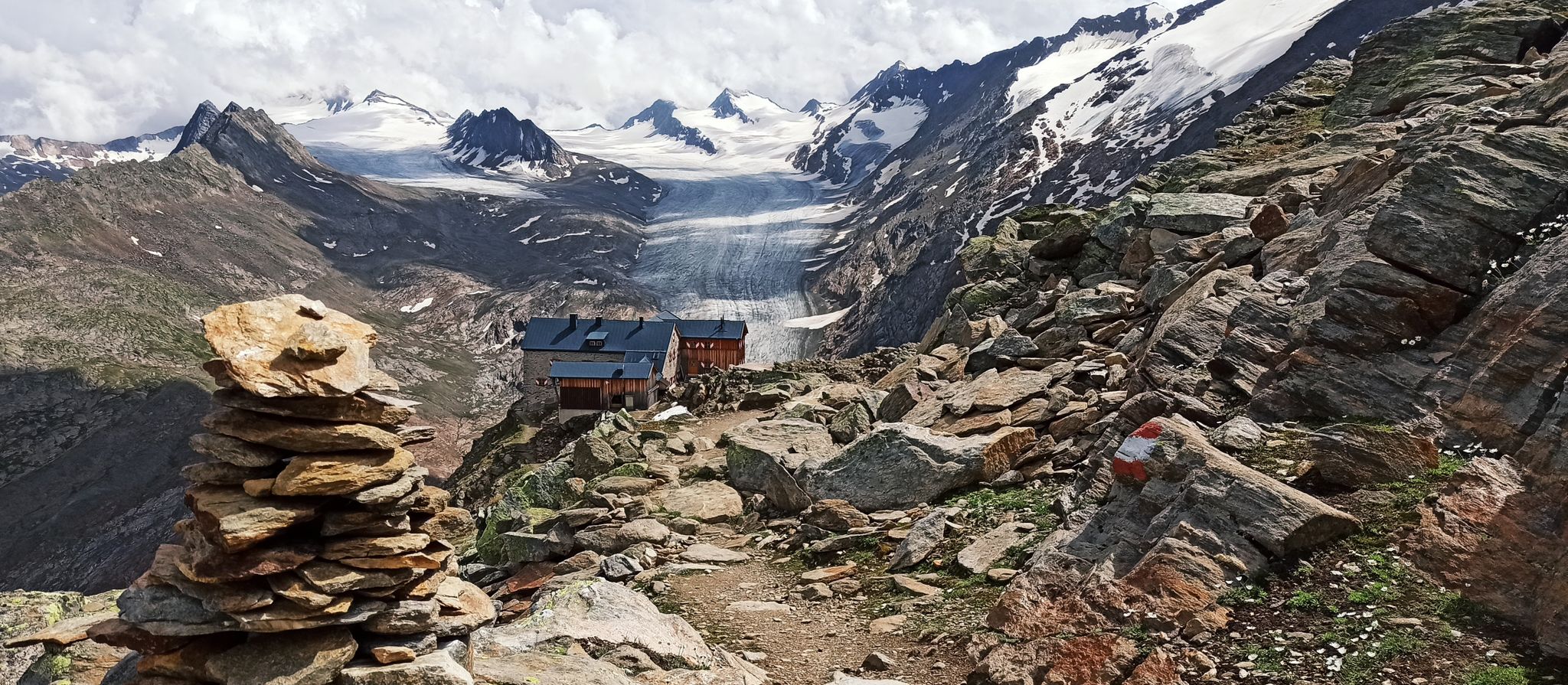
L1 from Garmisch to Brescia – Far from the classic Alpine crossings
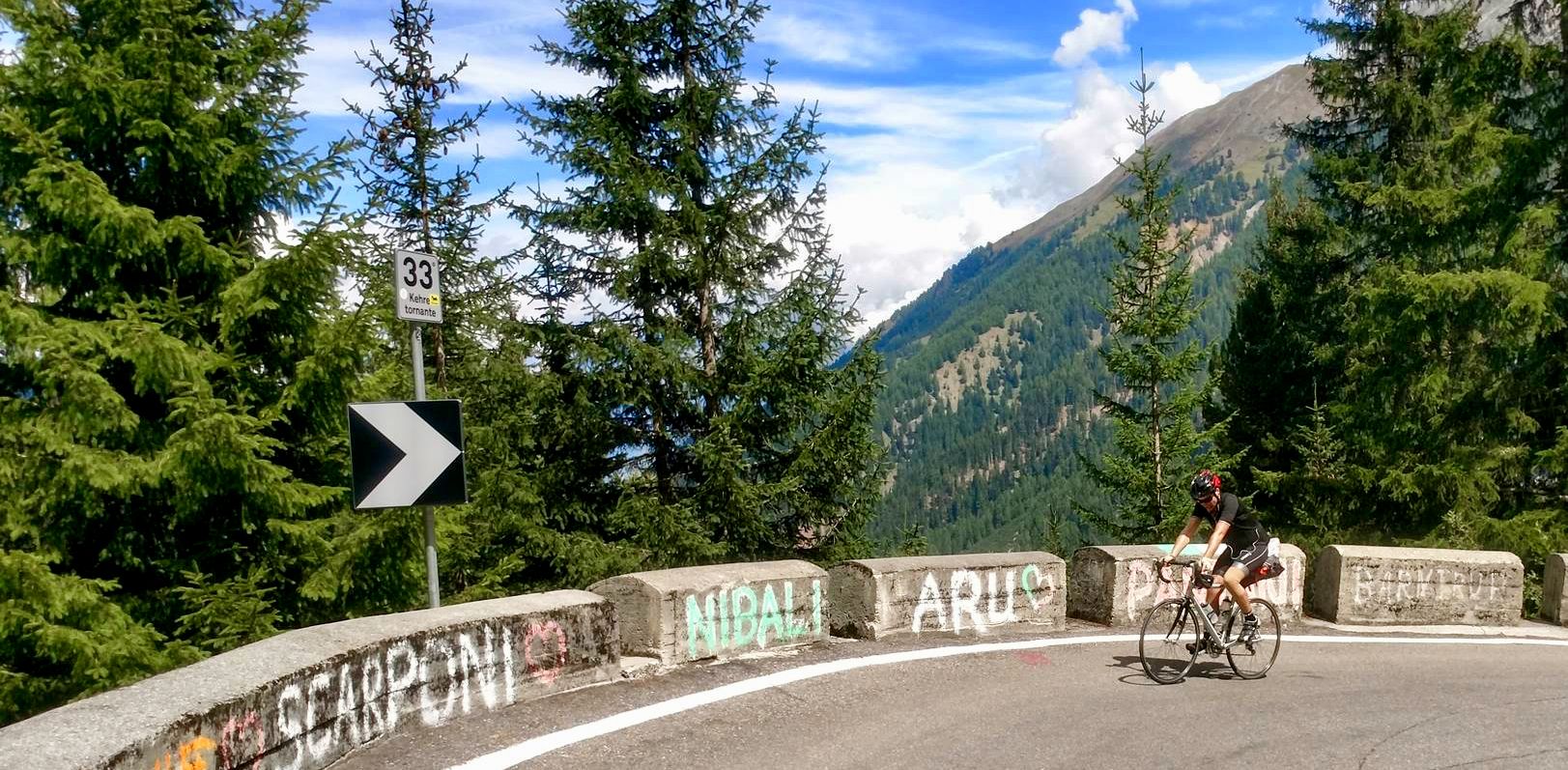
From the mountains to the sea — road cycling in Northern Italy
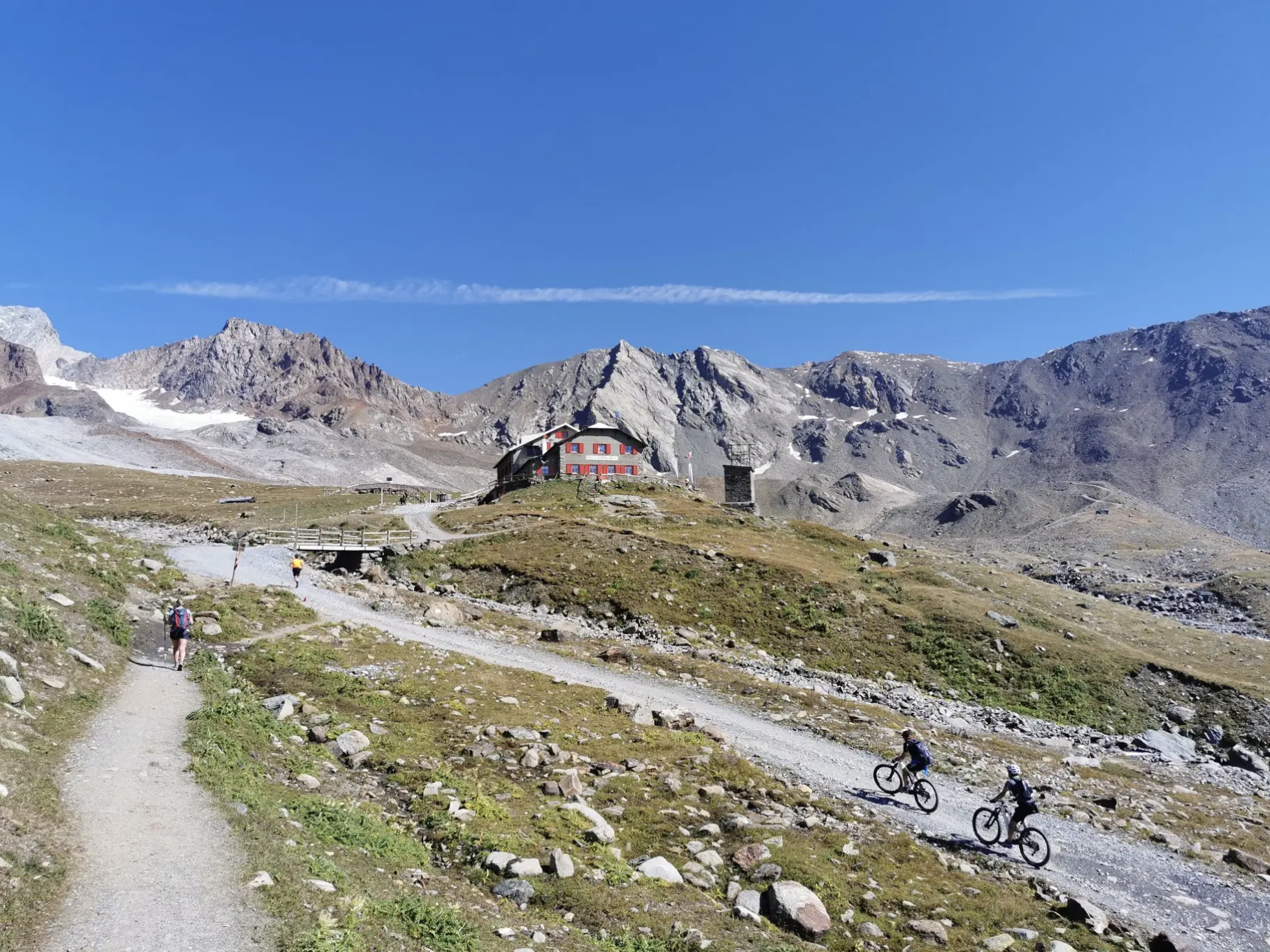
Around Ortler on high alpine trails in 7 stages
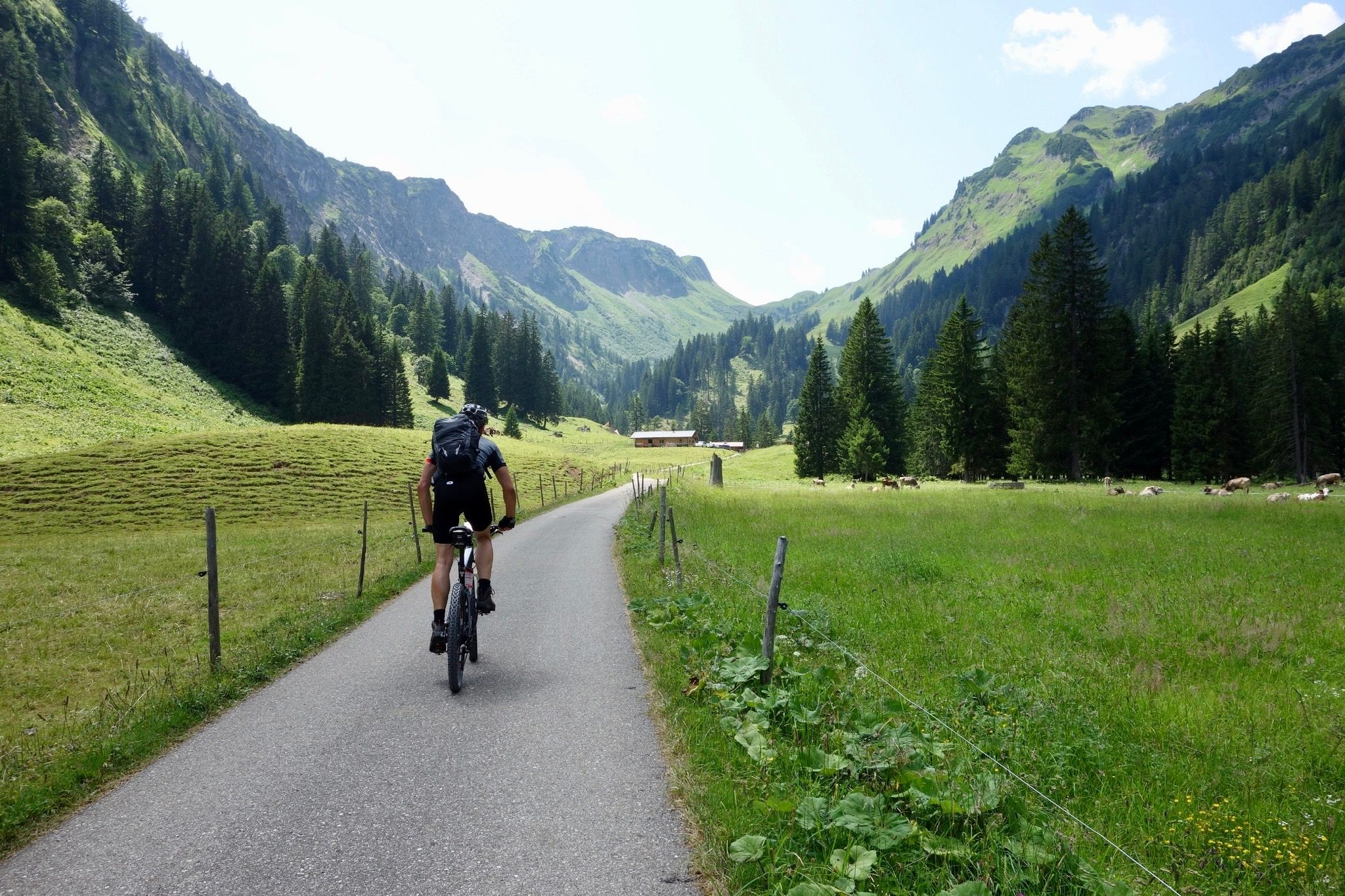
Heckmair Transalp – the original Alpine Crossing

Road to BAM! 2026 – Condividi la strada
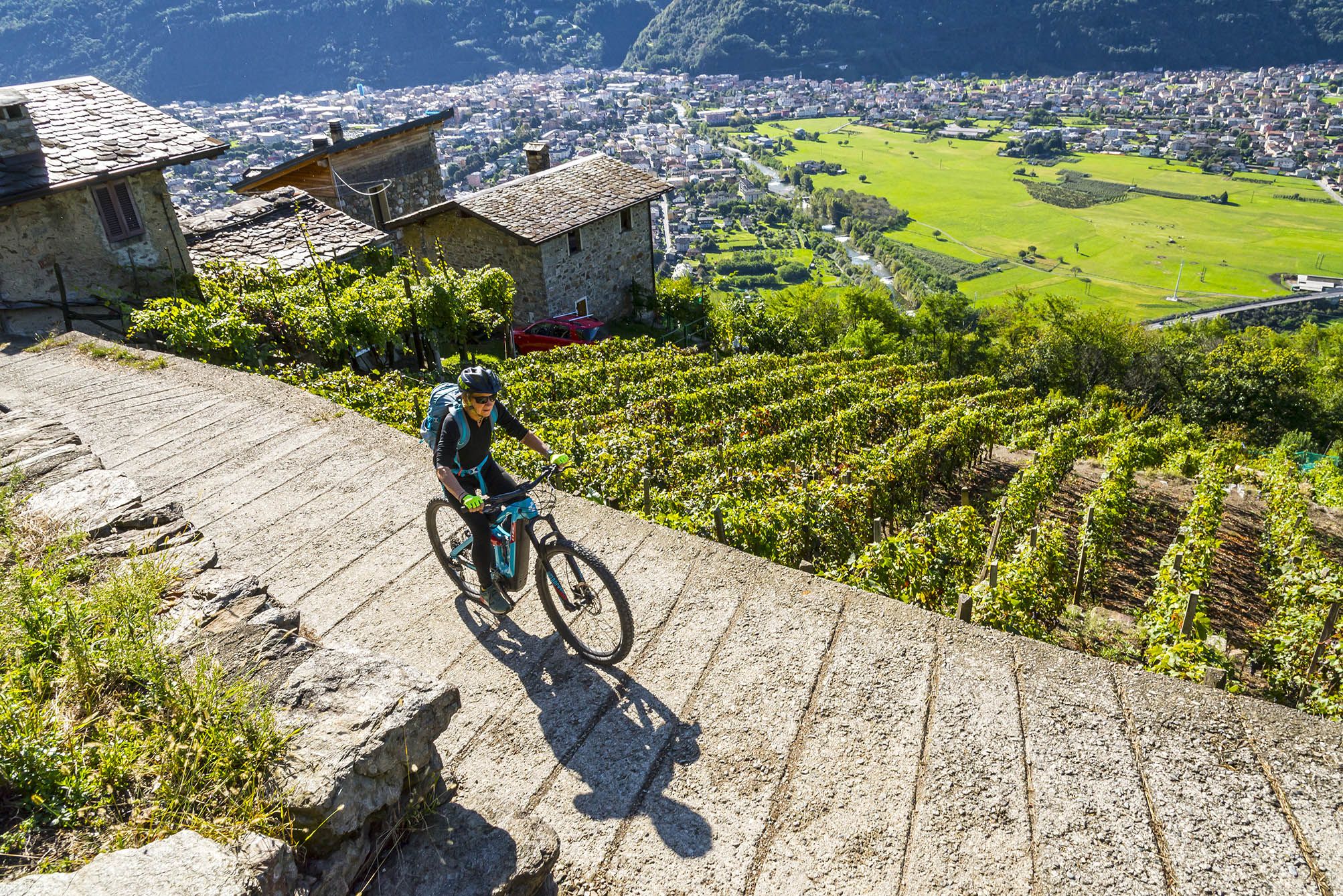
Cycling routes to discover authentic Lombardy
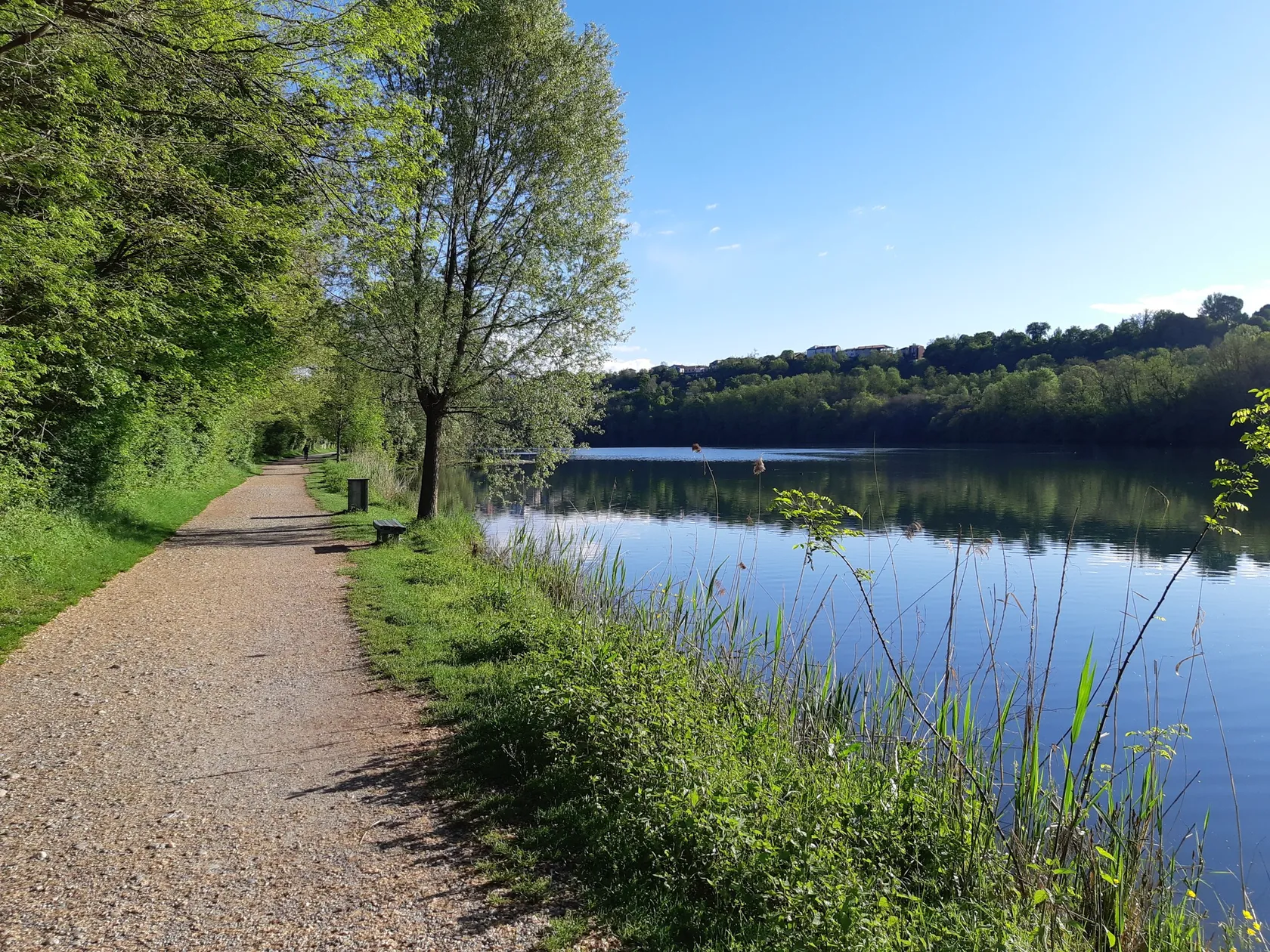
Lombardy by bike – discover historic villages and natural beauty
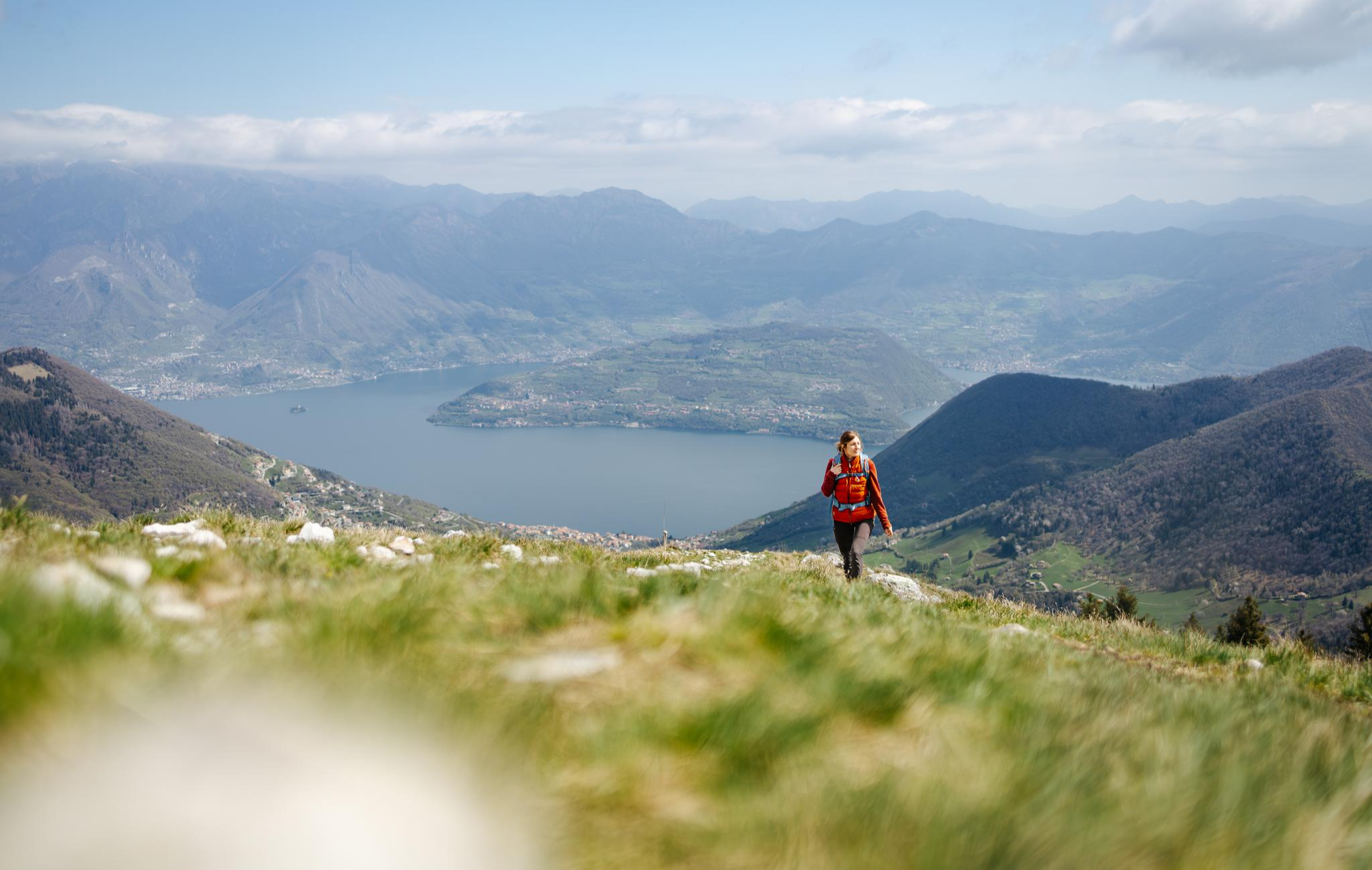
From the lake to the peaks - hiking on Lake Iseo
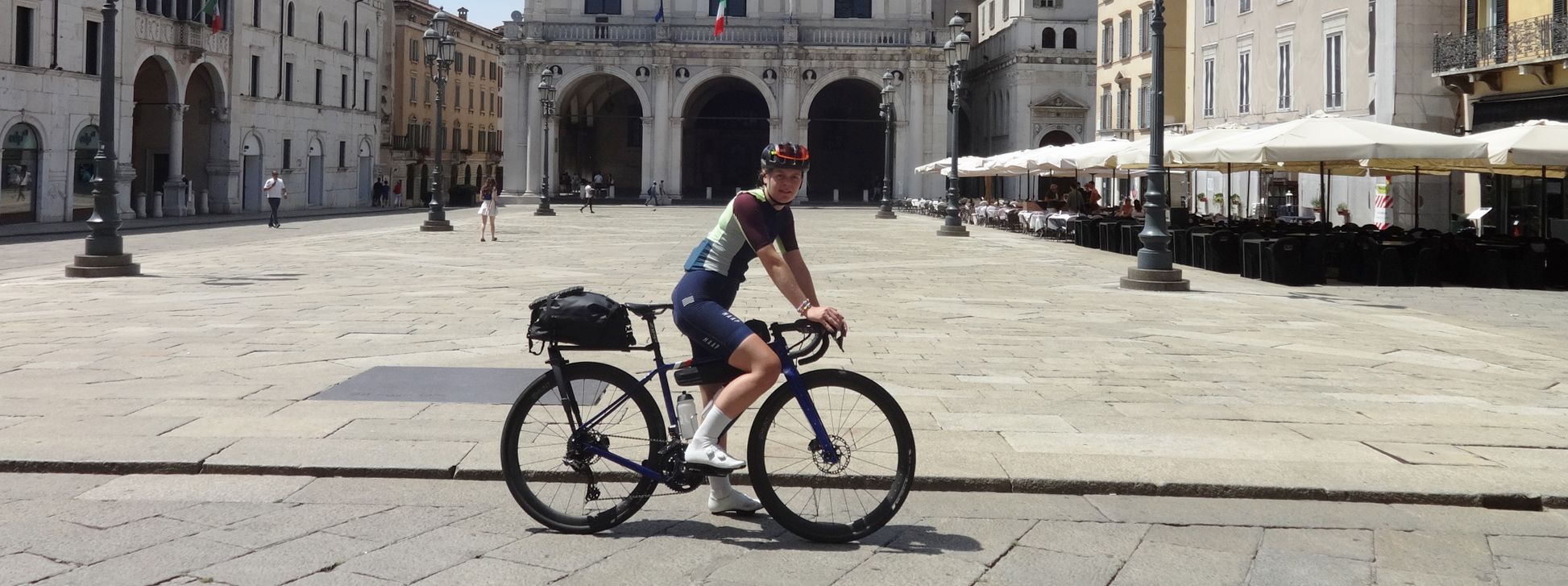
The Pizza Pilgrimage – Milan to Naples, fuelled by pizza
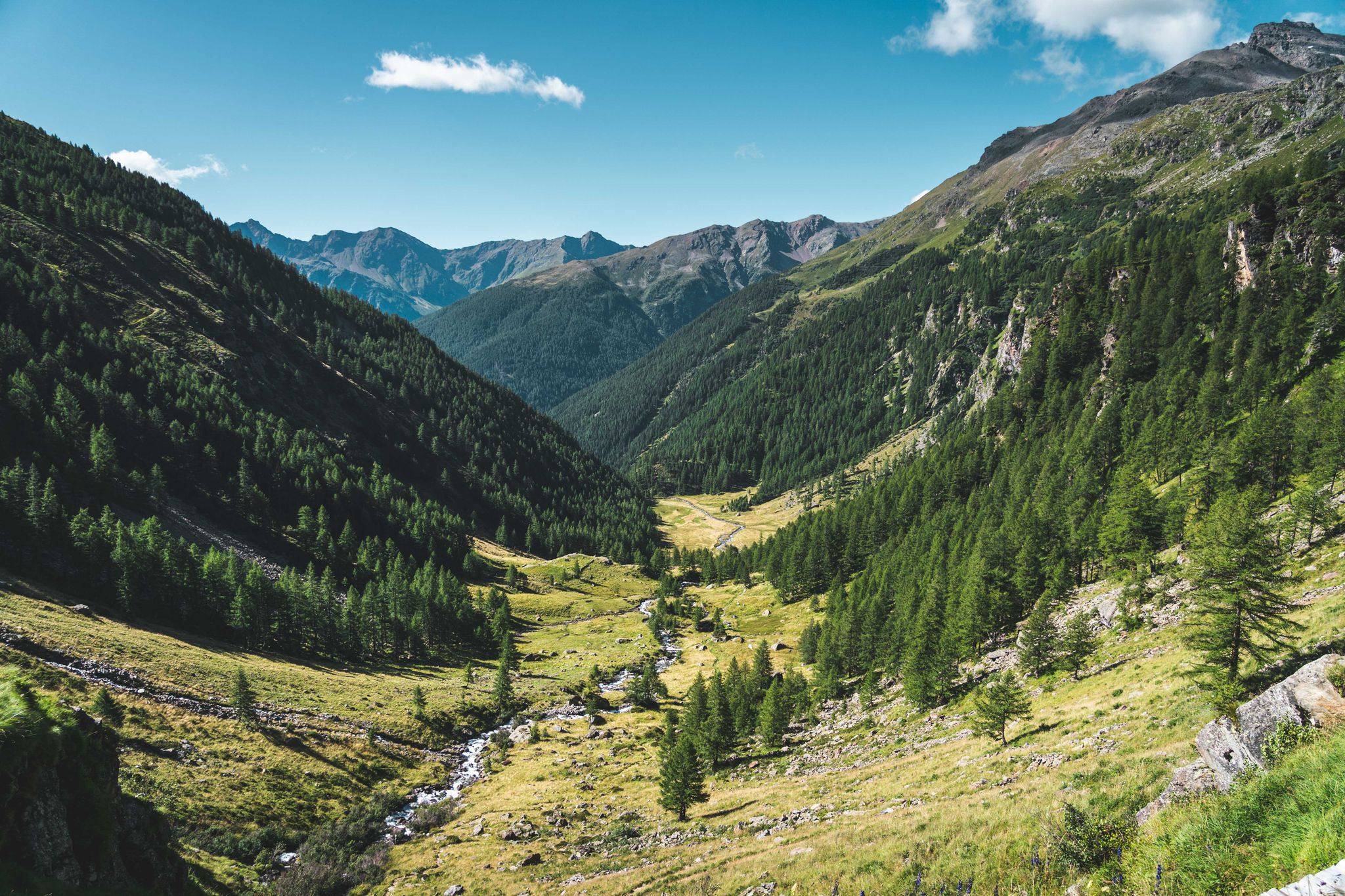
Trekking in Val di Sole – 7 day hikes at high altitude
Other adventures in Brescia


Tips from the Community


From Renzano, the path to the Madonna is easier than from the top! The chapel is beautifully done.
2
0

The first of three shrines on the tour. Its interior is truly beautiful.
0
1

bike path along the lake
6
0

Marble Cathedral
1
1

Steep path that from Pieve di Tremosine descends onto the old Gardesana road and vice versa. Full of hairpin bends, equipped with a cable in some places. Signs at the beginning advise to wear a protective helmet.
1
0
Wonderful trail that enters the Canyon della Forra. Passage in cave, crossing bridges, exposed in places, but not narrow, in some passages equipped with cables.
1
0
Unfortunately, the path to the Madonna del Rio was very overgrown during our stay. It was also not an easy path! In places it was very steep and very slippery!
2
0
Frequently Asked Questions
What types of underground explorations can I find in Brescia?
Brescia offers a diverse range of subterranean sites, including natural karstic formations, historical tunnels, and ancient underground structures. You can explore geological wonders, Roman ruins, and even urban underground networks.
Are there any historical underground sites to visit in Brescia?
Yes, Brescia is rich in historical underground sites. For instance, the World War I Tunnels of Tremosine offer a glimpse into military history. In the city center, you can explore the "Brescia Underground" which includes ancient canals, dungeons, and tunnels dating from Roman times through Venetian domination. Another significant site is the War bunkers and tunnels in the Parco delle Colline di Brescia.
What natural caves can I explore in the Brescia region?
The region features several natural caves. The Cùel Zanzanù in Valvestino is notable for its 15-meter high vault and historical significance. Another is the Grotta delle Sette Stanze o della Spolverina, known for its unique crystalline formations. Other natural cavities include Büs del Quài, recognized for its diverse fauna, and Uricina de la Pofa del Giardì, a beautiful cavity rich in stalactites and stalagmites.
Are there any family-friendly cave experiences in Brescia?
While many natural caves may require specialized equipment or guidance, the Grotte di Catullo in Sirmione, though not natural caves, offer a family-friendly cultural experience. These extensive Roman villa ruins provide impressive architecture, beautiful gardens, and panoramic views of Lake Garda, suitable for all ages. For more adventurous families, some historical tunnels like the World War I Tunnels of Tremosine can be explored with appropriate lighting.
What kind of geological features can I expect to see in Brescia's caves?
Brescia's natural caves showcase various geological formations. For example, the Grotta delle Sette Stanze o della Spolverina is known for its unique crystalline formations and air bubbles encased within the rock. The Uricina de la Pofa del Giardì features beautiful stalactites and stalagmites, while the Cùel Zanzanù boasts a striking 15-meter high vault.
What outdoor activities can I do near the caves in Brescia?
Many caves are located in areas perfect for outdoor activities. You can find numerous running trails, such as those in the Torbiere del Sebino nature reserve or the Brescia Hills. For cycling enthusiasts, there are gravel biking routes in Franciacorta and road cycling tours around Lake Iseo or Lake Garda.
Are there any caves with archaeological significance in Brescia?
Yes, the Büs del Füs in the Gandovere valley is approximately 40 meters long and notable for archaeological finds, including flint arrowheads discovered nearby, indicating ancient human presence.
What should I know about visiting the Grotte di Catullo?
The Grotte di Catullo are not natural caves but the extensive ruins of a grand Roman villa on Lake Garda. Visitors can explore Roman architecture, mosaics, frescoes, and enjoy panoramic views. An archaeological museum on-site provides further historical context. You can find more information on Wikipedia or Atlas Obscura.
Do I need special equipment or permits to visit natural caves in Brescia?
For many natural caves in the region, such as the Grotta delle Sette Stanze o della Spolverina, accompaniment by qualified personnel is required for safe exploration. It is generally recommended to seek local guides or speleological associations, as specialized equipment or knowledge may be necessary for safe access to these sites.
Can I explore underground tunnels and bunkers in Brescia?
Yes, you can explore historical underground tunnels and bunkers. The War bunkers and tunnels in the Parco delle Colline di Brescia are largely accessible with appropriate lighting and equipment. Additionally, the "Brescia Underground" offers an urban speleology experience beneath the city center and within Brescia Castle, revealing ancient infrastructure and defense systems. You can learn more about Brescia's underground at Visit Brescia.
Are there any caves that are part of popular cycling routes?
Yes, the Cave at Corna Vecchia is a popular spot that is part of a route appreciated by mountain bikers, situated within a beautiful landscape. Additionally, the Bike path around Lake Iseo also features a cave along its route.
What is the best time to visit the caves in Brescia?
The best time to visit depends on the type of cave. For outdoor historical sites like the Grotte di Catullo or the World War I Tunnels of Tremosine, spring and autumn offer pleasant weather for exploration. For natural caves, conditions can vary, and it's best to consult local guides or speleological associations for specific recommendations, as some may be affected by seasonal weather.
Most popular routes in Brescia
Most popular attractions in Brescia

Get inspired with the komoot mobile app


Didn’t find what you were looking for?
Discover more caves in Brescia region by region:
Explore more
Extend your search for the best caves by checking out these guides of the top ones in Brescia:
