Top 20 Castles in Asti
Castles in Asti are nestled in the heart of Piedmont, Italy, offering a glimpse into the region's rich history. The area is characterized by picturesque vineyards and rolling hills, providing a scenic backdrop to these historical structures. These fortresses showcase diverse architectural styles and intriguing stories from various eras. Exploring the castles in Asti provides insights into the cultural heritage and strategic importance of the region.
Best castles in Asti
- The most popular castles is Moncucco Torinese Castle and Historic Center, a castle positioned on a hilltop dominating the surrounding areas with wide views. Its current appearance dates back to the 14th-15th centuries, with later extensions.
- Another must-see spot is San Martino Alfieri Castle, a baroque castle built as a summer residence on the ruins of a medieval fortress. Visitors can explore its historic cellars and gardens.
- Visitors also love Castello di Montemagno, a medieval castle with ancient structures and subsequent reconstructions. It features scarp walls, pointed arch windows, and swallow-tailed battlements.
- Asti is known for its medieval fortresses, baroque residences, and castles with diverse architectural styles. The region offers a variety of castles to see and explore, from military strongholds to elegant summer homes.
- The castles in Asti are appreciated by the komoot community, with more than 150 upvotes and over 30 photos shared across 29 highlights.
Last updated: October 2, 2026
San Martino Alfieri Castle
Highlight • Castle
Translated by Google •
Tip by

Castello di Montemagno
Highlight • Castle
Translated by Google •
Tip by

Sign up now to discover places like this
Get recommendations on the best single tracks, peaks, & plenty of other exciting outdoor places.
Moncucco Torinese Castle and Historic Center
Highlight • Castle
The current appearance of the castle dates back to the 14th-15th centuries, with obvious extensions and changes made in the 18th and 19th centuries.
The building is impressive, enclosed by massive walls and characterized by two towers: the first protruding from one of the sides, the second placed in a central position, connecting the two sleeves of the castle.
The entrance to the inner courtyard is characterized by two narrow arched doors built under a fortified structure and formerly closed by massive wooden doors. The inner courtyard retains an old window with a medieval frame made up of terracotta tiles.
The interiors, largely renovated, house the offices of the Municipality, the Plaster Museum and, on special occasions, public and private events.
Currently owned by the municipality
Translated by Google •
Tip by

Costigliole d'Asti Castle
Highlight • Castle
Translated by Google •
Tip by

Monastero Bormida
Highlight • Settlement
Among the typical dishes of Monastero Bormida we certainly remember polenta (an opportunity to taste it is during the Polentonissimo Festival, which takes place on the second Sunday of March from afar) 1573 and puccia (polenta cooked in a vegetable broth).
Translated by Google •
Tip by
Roccaverano
Highlight • Settlement
Translated by Google •
Tip by
Cisterna d'Asti Castle
Highlight • Castle
Translated by Google •
Tip by

Castello di Montegrosso d'Asti
Highlight • Castle
Translated by Google •
Tip by
Rocchetta Palafea
Highlight • Settlement
Translated by Google •
Tip by
Montemagno Castle
Highlight • Castle
Showing Translation
Tip by
Sign up for free to discover even more castles in Asti.
Already have an account?
Start today with a free account
Your next adventure awaits.
Popular around Asti
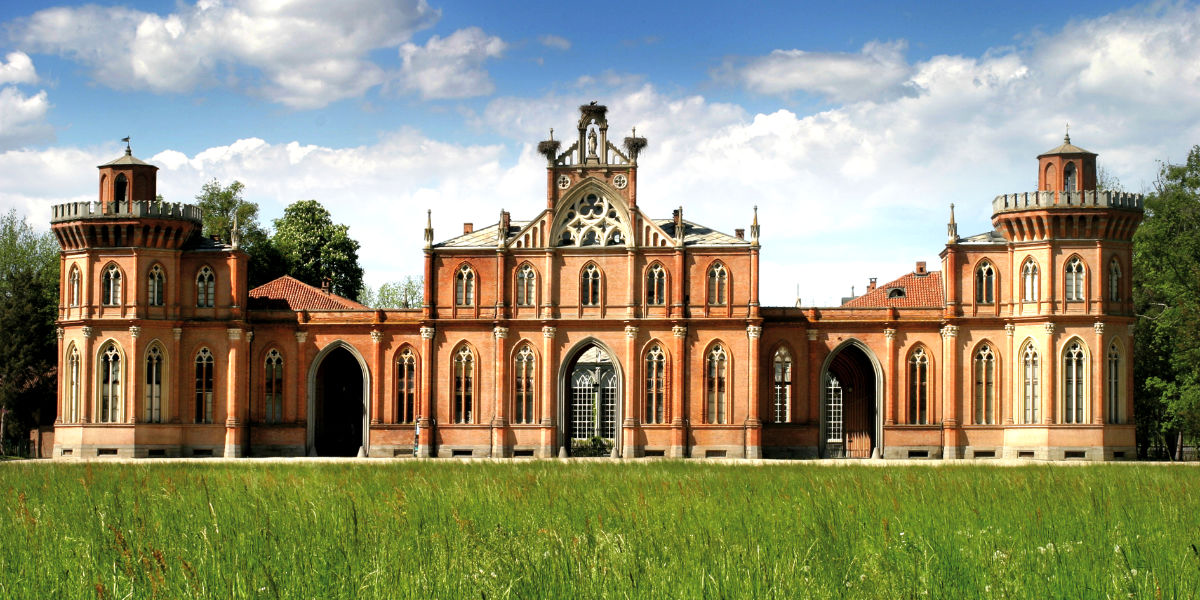
Piedmont by bike – rides among hills, villages and vineyards
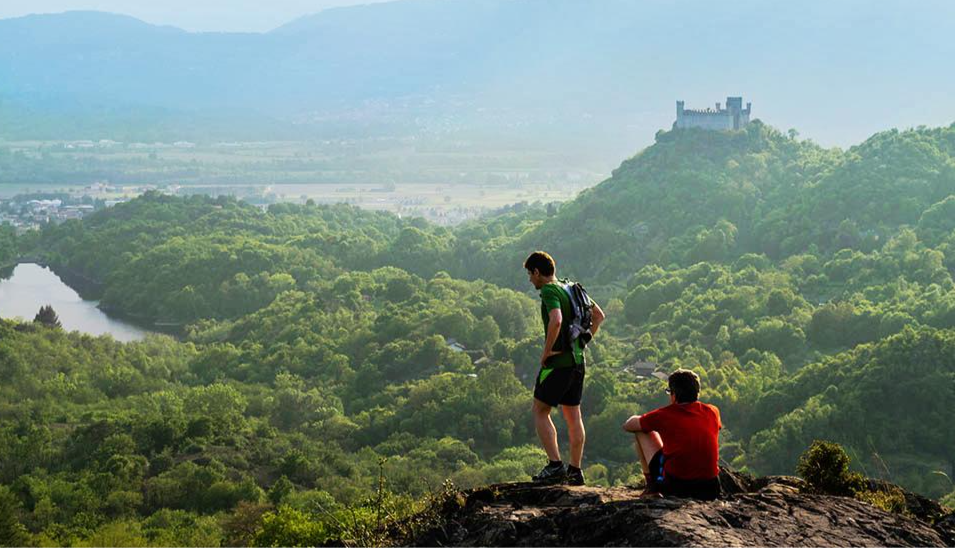
Car Free Piedmont – hiking face to face with nature
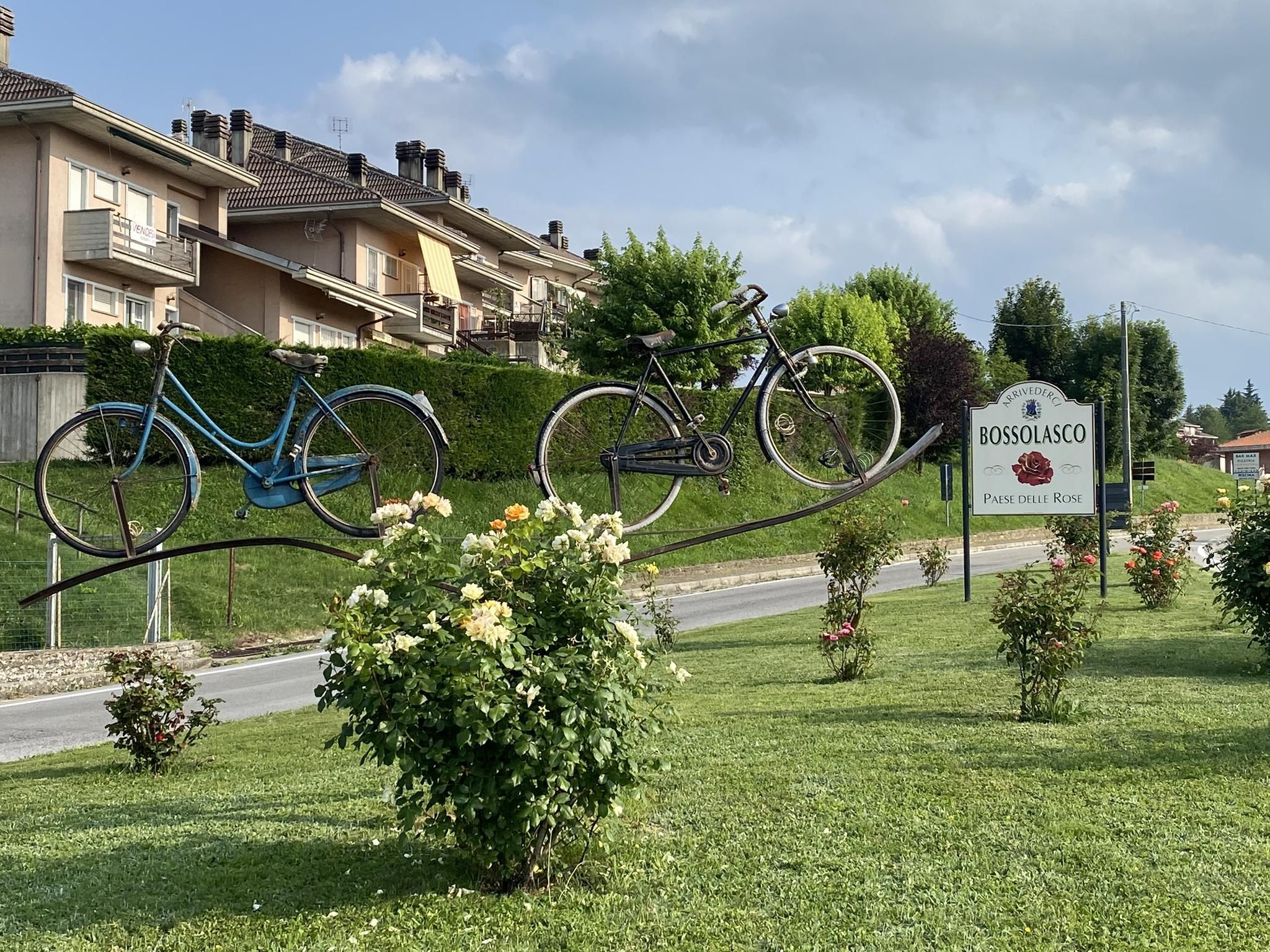
In Italy’s hidden Langhe hills in Piedemont – the climbs of champions
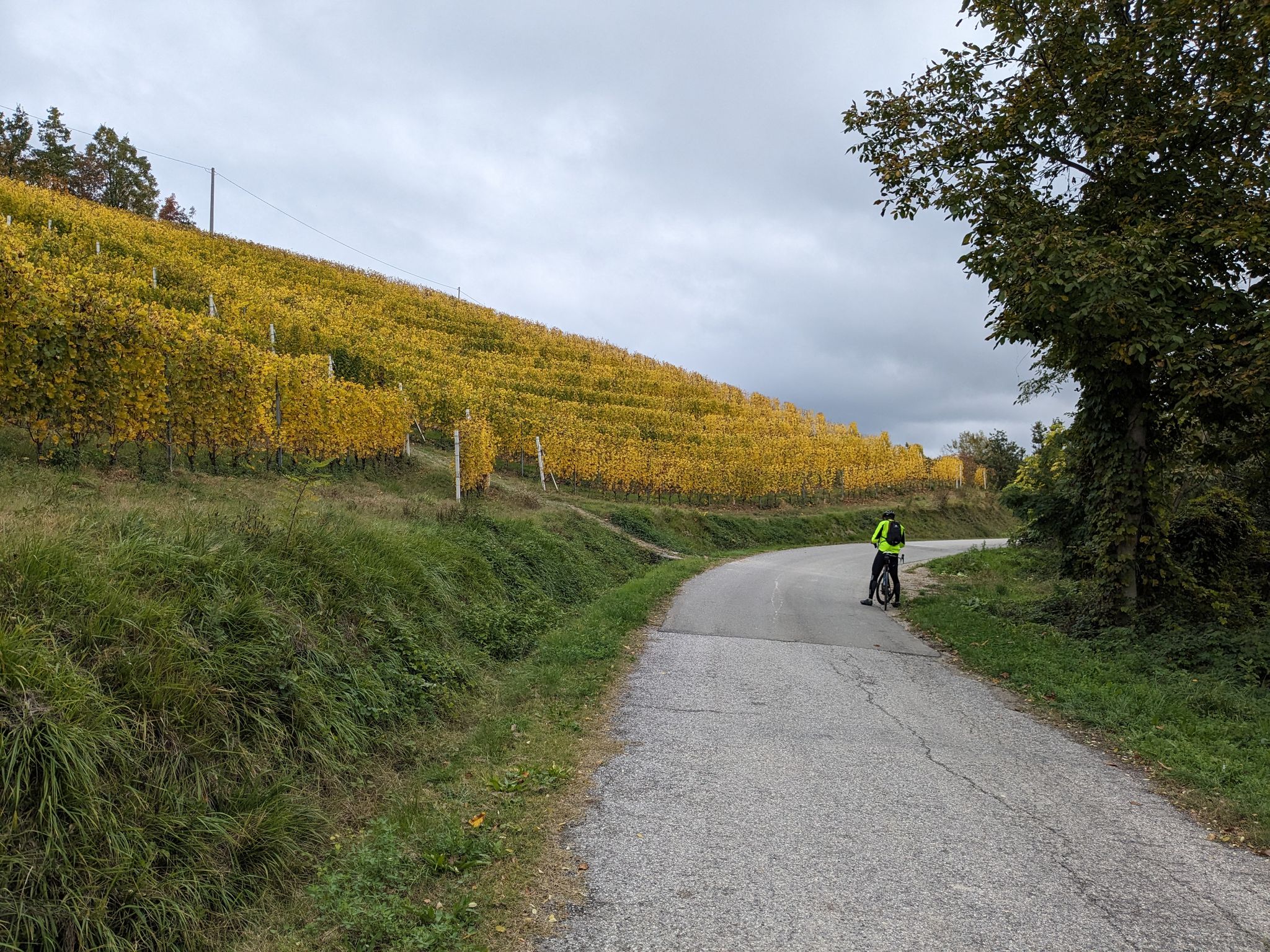
Cycling, food and wine – the Langhe, Monferrato and Roero vineyards
Land of wines, culture, good food – UNESCO Grand Tour in Piedmont
Mediterranean passes and gentle hills — cycling in Piedmont
Hiking in Asti
Road Cycling Routes in Asti
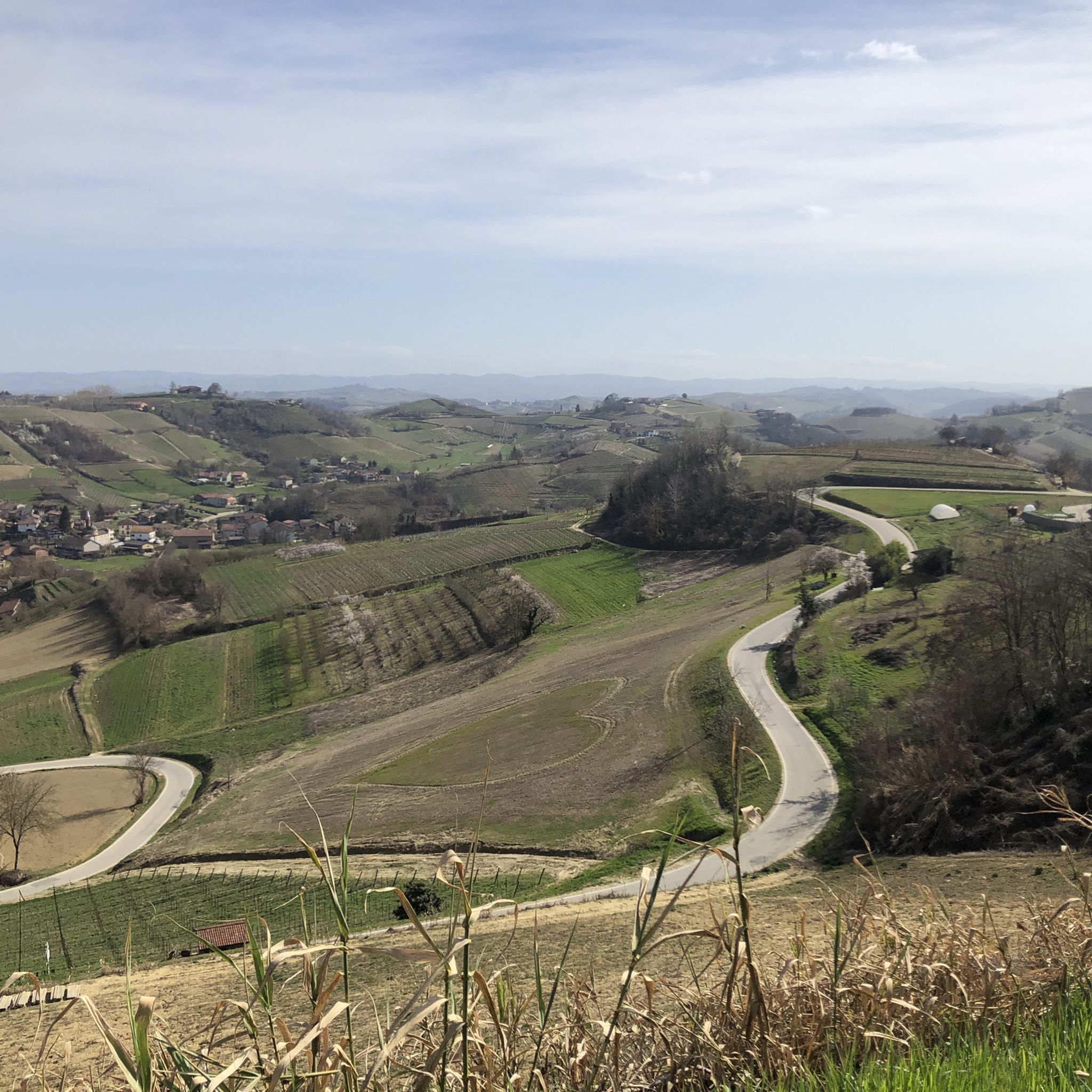
Cycling in Asti
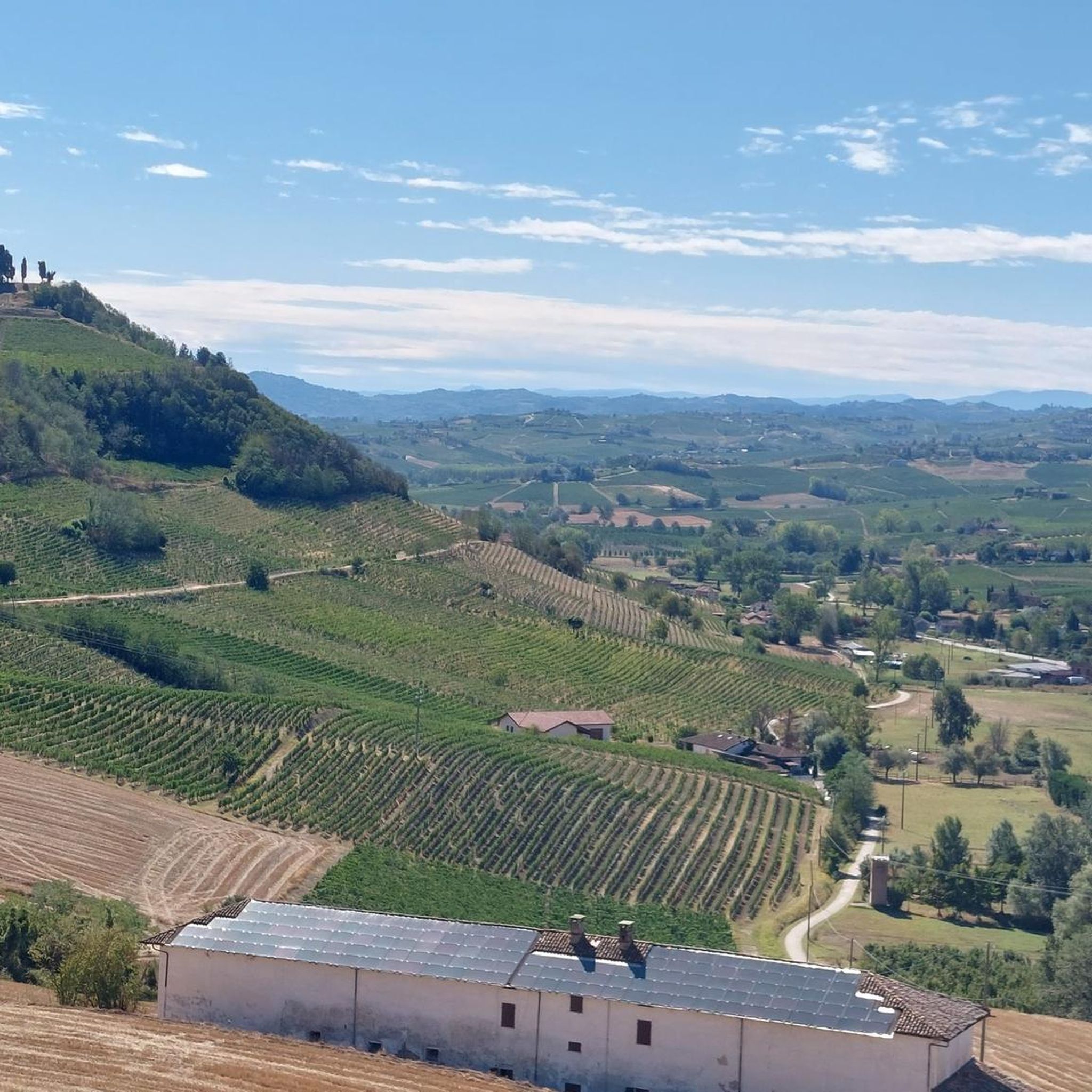
Running Trails in Asti
Other adventures in Asti


Tips from the Community

Monastero Bormida is a charming Italian medieval village located in the province of Asti, in Piedmont, nestled in the picturesque landscapes of the Langa Astigiana. The village was founded around the year 1050, when a group of Benedictine monks was called by Marquis Aleramo to clear and repopulate the lands devastated by Saracen raids.
0
0
Roccaverano is a charming and authentic Italian municipality located in the province of Asti, in Piedmont. At about 800 meters above sea level, it stands on the hill that divides the Bormida valleys and is the highest inhabited center in the entire Asti region. This picturesque medieval village is internationally famous for two main reasons: its rich historical heritage and the production of the renowned Robiola di Roccaverano DOP
0
0

The Castello di Montemagno is an ancient medieval castle located in the village of Montemagno Monferrato, in the province of Asti, Piedmont.
14
0

The Castle of Monastero Bormida was not originally built as a defensive structure but as a Benedictine monastery, founded around 1050 by monks from the Abbey of Fruttuaria, called by the Aleramici Marquises to reclaim the lands devastated by Saracen raids. The 27-meter tower still visible today was originally the bell tower, and the river flowing a few meters from the southern tower confirms the non-military nature of the building. In 1393, the Benedictines abandoned the monastery, and its feudal history began: the fief passed to the Del Carretto marquises, who in the 15th century added the first defensive structures, transforming it into a castle. The building is a quadrangular structure with an internal courtyard, protected by towers on multiple sides and connected to the former bell tower by a small suspension bridge. On the south facade, there is a two-arched Renaissance loggia with a small stone column. Inside, the rooms on the main floor—transformed in the 17th century—feature mosaic floors and sail and cross vaults with frescoes of floral and geometric motifs. The castle later passed to the Della Rovere family and subsequently to the Genoese Polleri family, finally becoming the property of the Municipality starting in 1880. Today it is open to visitors and is part of the regional circuit "Castelli Aperti".
1
0

Beautiful old arched bridge.
4
1

Center of the village, with some beautiful little churches as satellites, and breathtaking views of the surrounding hills.
0
0
A beautiful castle complex and two churches, set against a panoramic backdrop of the Asti hills.
0
0

Roccaverano is one of the highest elevations in the area, from the town you can enjoy a 360° panorama of both the surrounding hills and the mountains of the Alpine arc (guaranteed view, in good weather, from Monte Rosa to the Maritime Alps!) The road that goes up from Vesime is quite regular, with gradients that almost never exceed 9%, furthermore I found it pleasantly free of traffic (I went up on a Saturday) The central square is very beautiful, dominated by the remains of the castle and the eighteenth-century church, the bar/restaurant is also strategic, perfect for a beer or a snack. An ideal place for a stop, before taking the road back.
1
0
Frequently Asked Questions
What historical periods do the castles in Asti represent?
The castles in Asti showcase a rich history, with origins ranging from medieval fortresses to Baroque residences. For example, Castello di Montemagno retains ancient structures from the 14th century, while San Martino Alfieri Castle was rebuilt as a Baroque summer residence in the late 17th century. The region offers a diverse architectural journey through time.
Are there castles in Asti with museums or cultural centers?
Yes, several castles in Asti host cultural institutions. The Castello di Costigliole d'Asti, for instance, houses an international cooking school and a National Museum of the Territory. The Castello di Cisterna d'Asti is home to the 'Arts and Crafts Museum of the Past,' displaying thousands of objects from the 17th to 20th centuries. Moncucco Torinese Castle and Historic Center also houses the offices of the Municipality and the Plaster Museum.
Which castles in Asti are known for their unique architecture?
Many castles in Asti feature unique architectural elements. The Castello di Costigliole d'Asti blends Neo-Gothic and Baroque styles, with older elements like a drawbridge and ogival windows. Castello di Montemagno is notable for its scarp walls, pointed arch windows with polychrome brick, and swallow-tailed battlements. The Royal Castle of Govone, a UNESCO World Heritage site, is a prime example of Baroque architecture.
Are there family-friendly castles to visit in Asti?
Yes, several castles in Asti are considered family-friendly. Highlights like Moncucco Torinese Castle and Historic Center, Costigliole d'Asti Castle, and Cisterna d'Asti Castle are listed as suitable for families. The Castello di Pralormo, for example, offers itineraries exploring daily life and a late 19th-century plastic model with period trains, which can be engaging for children.
Do any Asti castles offer notable gardens or panoramic views?
Absolutely. The Royal Castle of Govone is famous for its 18th-century Italian gardens, featuring a wide variety of roses and a rare species of wild tulip. The Castello di Pralormo boasts a romantic English park designed by Xavier Kurten, with a 'path of delights' and panoramic views of the mountains. Many castles, such as Moncucco Torinese Castle and Castello di Montemagno, are perched on hilltops, offering wide views over the surrounding vineyards and hills.
What is the best time of year to visit the castles in Asti?
The Asti region is beautiful year-round, but spring and autumn are particularly pleasant. Spring offers blooming gardens, such as the 'Mister Tulip' exhibition at Castello di Pralormo in April, and events like the Barbera DOC feast at Castello di Costigliole d'Asti in May. Autumn provides stunning vineyard colors and comfortable temperatures for exploring. Winter visits are possible, but some gardens or specific castle sections might have reduced hours.
Are there hiking or biking trails near the castles in Asti?
Yes, the Asti region offers numerous outdoor activities. You can find easy hikes, such as 'Walking through the vineyards from San Marzano Oliveto' or 'Asti Historic Center Walking Tour,' which are listed in the Easy hikes in Asti guide. For more adventurous cyclists, there are MTB trails like the 'Montechiaro d'Asti Loop Trail' in the MTB Trails in Asti guide, and gravel biking routes, including the 'Montemagno Castle – Montemagno, Monferrato loop' in the Gravel biking in Asti guide.
Can I find amenities like cafes or restaurants near the castles?
Many castles are located within or near towns and villages that offer amenities. For example, Roccaverano, a settlement with castle remains, has a bar/restaurant in its central square. The Castello di Cisterna d'Asti is in Cisterna d'Asti, a town likely to have local establishments. It's always a good idea to check the specific location of the castle you plan to visit for nearby options.
Are any castles in Asti wheelchair accessible?
Yes, Cisterna d'Asti Castle is listed as wheelchair accessible. For other castles, accessibility can vary depending on the age and structure of the building. It is advisable to check with individual castle administrations for detailed information on their accessibility features before planning your visit.
What do visitors enjoy most about the castles in Asti?
Visitors appreciate the blend of history, architecture, and the stunning natural landscapes surrounding the castles. The panoramic views from hilltop castles like Moncucco Torinese Castle are highly praised. The well-preserved condition of structures like Castello di Montemagno and the cultural insights offered by museums within castles are also popular highlights.
Are there any 'hidden gem' castles in the Asti region worth exploring?
While the main castles are well-known, exploring smaller settlements like Monastero Bormida, which has a castle corresponding to an original monastery site, can offer a unique charm. Similarly, Roccaverano, one of the highest elevations in the area, provides a 360° panorama and the remains of a castle, offering a less crowded experience.
How long should I plan for a visit to an Asti castle?
The duration of a visit can vary. For larger castles with extensive grounds, museums, or multiple exhibition rooms, such as the Royal Castle of Govone or Castello di Cisterna d'Asti, you might want to allocate 2-3 hours. Smaller castles or those primarily offering exterior views might only require 1-1.5 hours. Consider additional time if you plan to explore nearby villages or enjoy a meal.
Most popular routes in Asti
Most popular attractions in Asti

Get inspired with the komoot mobile app


Didn’t find what you were looking for?
Explore Asti’s best castles region by region:
Explore more
Looking for the best castles somewhere else? Discover other guides in Asti:
