Top 5 Mountain Passes around Lurbe-Saint-Christau
Best mountain passes around Lurbe-Saint-Christau are accessible from this village, known for its thermal baths and agricultural produce. Situated in the Pyrenees foothills, the area provides access to scenic routes. The region offers varied terrain for cyclists and those seeking mountain vistas. It serves as a gateway to notable mountain passes in the Pyrénées-Atlantiques department of France.
Best mountain passes around Lurbe-Saint-Christau
- The most popular mountain pass is Marie-Blanque Pass, a mountain pass frequently featured in the Tour de France. It reaches an altitude of 1,035 meters, with an ascent from Louvie-Juzon stretching 15 kilometers at an average gradient of 4.1%, including sections up to 8.5%.
- Another must-see spot is Ascent of the Col de Marie-Blanque from Bielle, a mountain pass often used by the Tour de France. This ascent is less steep from Bielle, with an average gradient of 5.4%, though some sections reach over 11%.
- Visitors also love Ascent of Col de Marie-Blanque from Escot, a challenging mountain pass and a classic Tour de France climb. From Escot, the nine-kilometer climb begins gently before becoming steeper over the last four kilometers, with an average gradient of 7.6%.
- Lurbe-Saint-Christau is known for offering intermediate and challenging mountain passes, suitable for cycling routes and climbs. The variety of mountain passes provides options for different skill levels and preferences.
- The mountain passes around Lurbe-Saint-Christau are appreciated by the komoot community. More than 290 upvotes and over 100 photos have been contributed by users.
Last updated: July 10, 2026
Marie-Blanque Pass
Highlight • Mountain Pass
Translated by Google •
Tip by

Ascent of the Col de Marie-Blanque from Bielle
Highlight (Segment) • Mountain Pass
Translated by Google •
Tip by

Sign up now to discover places like this
Get recommendations on the best single tracks, peaks, & plenty of other exciting outdoor places.
Sign up for free
Ascent of Col de Marie-Blanque from Escot
Highlight (Segment) • Mountain Pass
Translated by Google •
Tip by
Col de Lie
Highlight • Mountain Pass
Translated by Google •
Tip by

Ascent of the Col de la Pierre Saint-Martin from Arette
Highlight (Segment) • Mountain Pass
Translated by Google •
Tip by
Start today with a free account
Your next adventure awaits.
Login or Signup

Tips from the Community

climb from couth side is steeper, but both sides are enjoyable
0
0

A legendary category 1 pass. Easier from Bielle because the magnificent Benou plateau offers a gentler incline before the final climb.
0
0

Quite a strenuous climb.
0
0

Ascent of the Marie Blanque pass from Bielle quite easy and from Escot a wall🥵
0
0

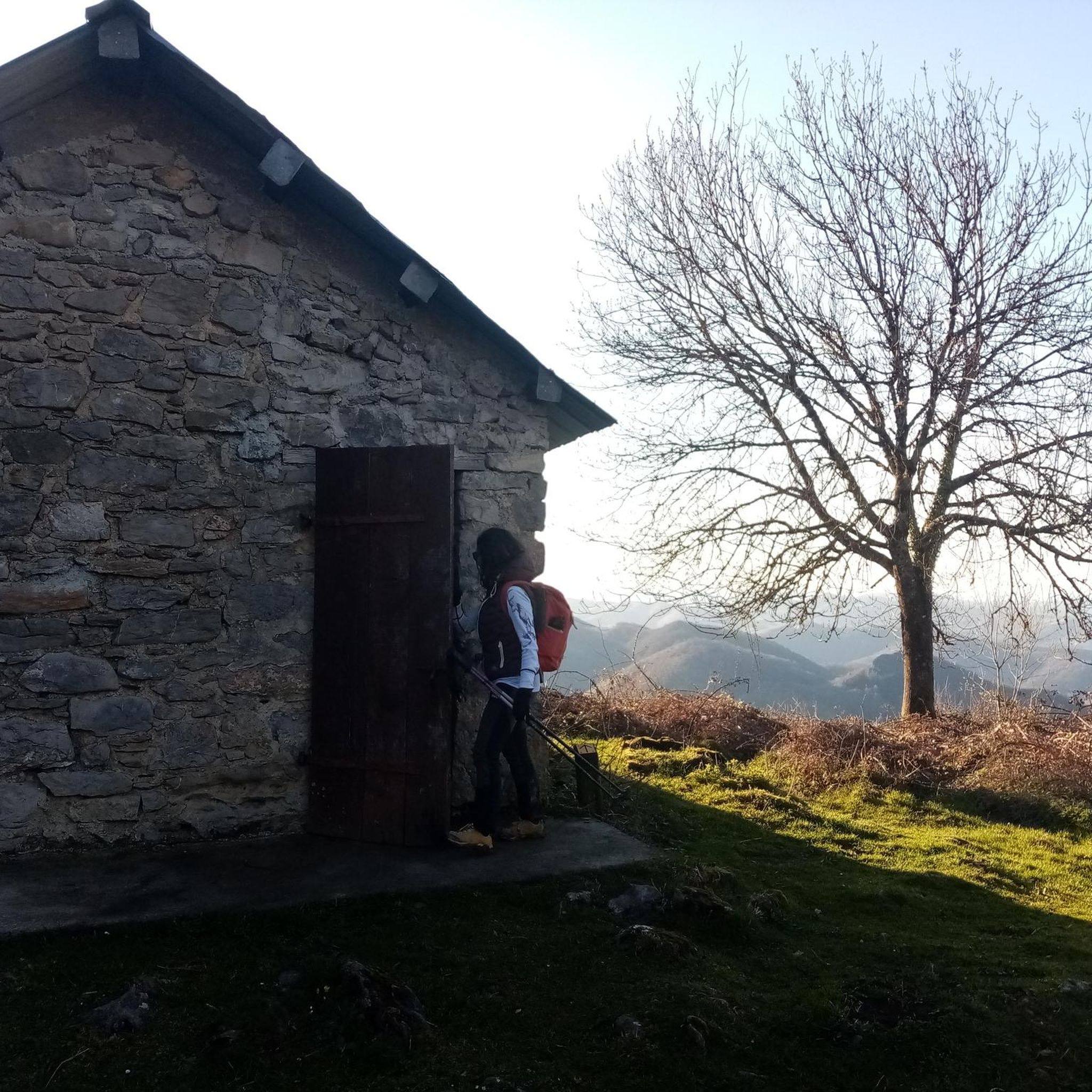
On the French-Spanish border, the Col de la Pierre Saint-Martin is a more challenging climb on the French side. From Arette, this hors catégorie climb is 25 kilometers long and averages 5.8%. The steepest section is between the 8th and 18th kilometers.
1
0
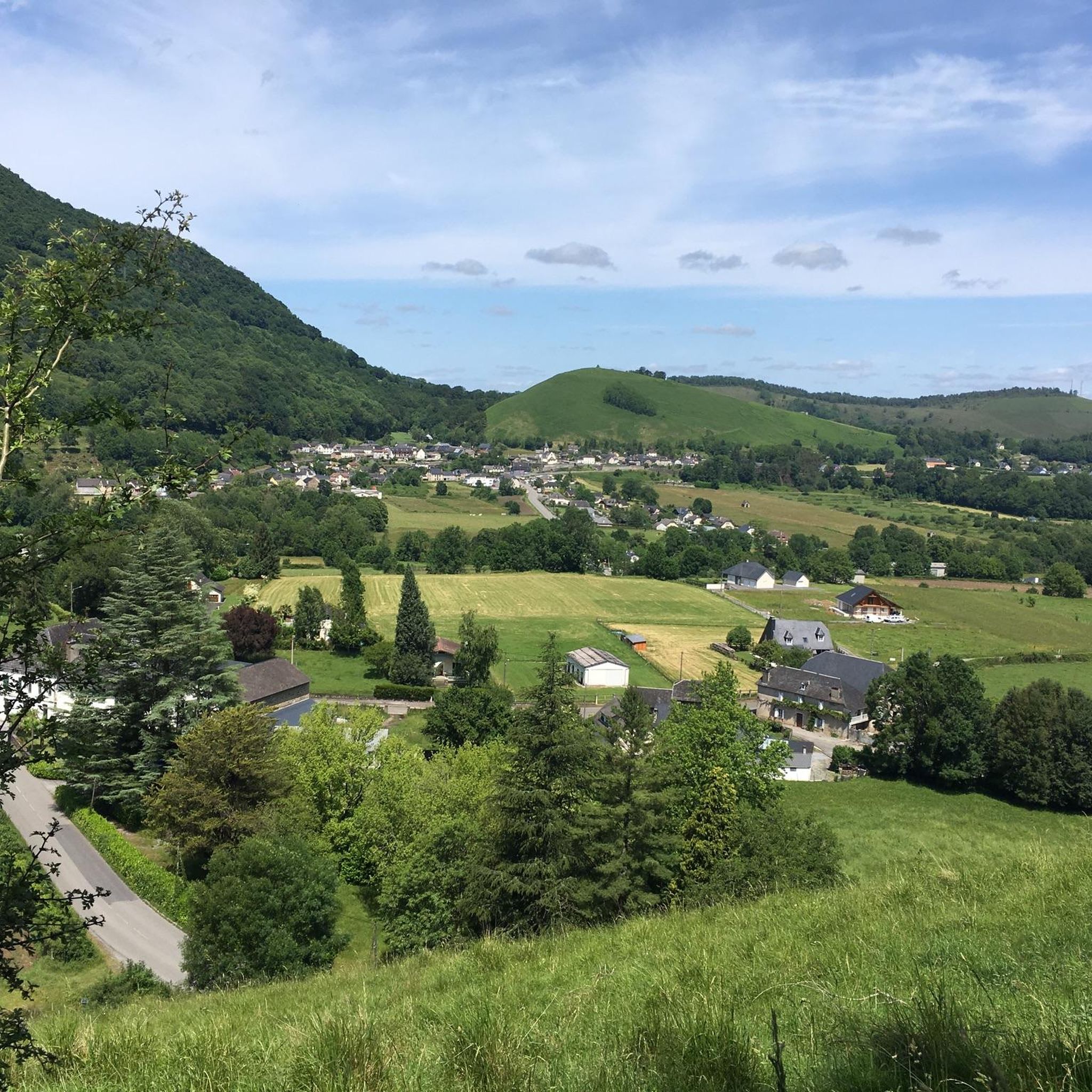
Often used by the Tour de France, the Col de Marie-Blanque is less steep from Bielle than from its other side, thanks in particular to the passage through the beautiful Bénou plateau. The average gradient is 5.4%, with some sections reaching over 11%.
0
0
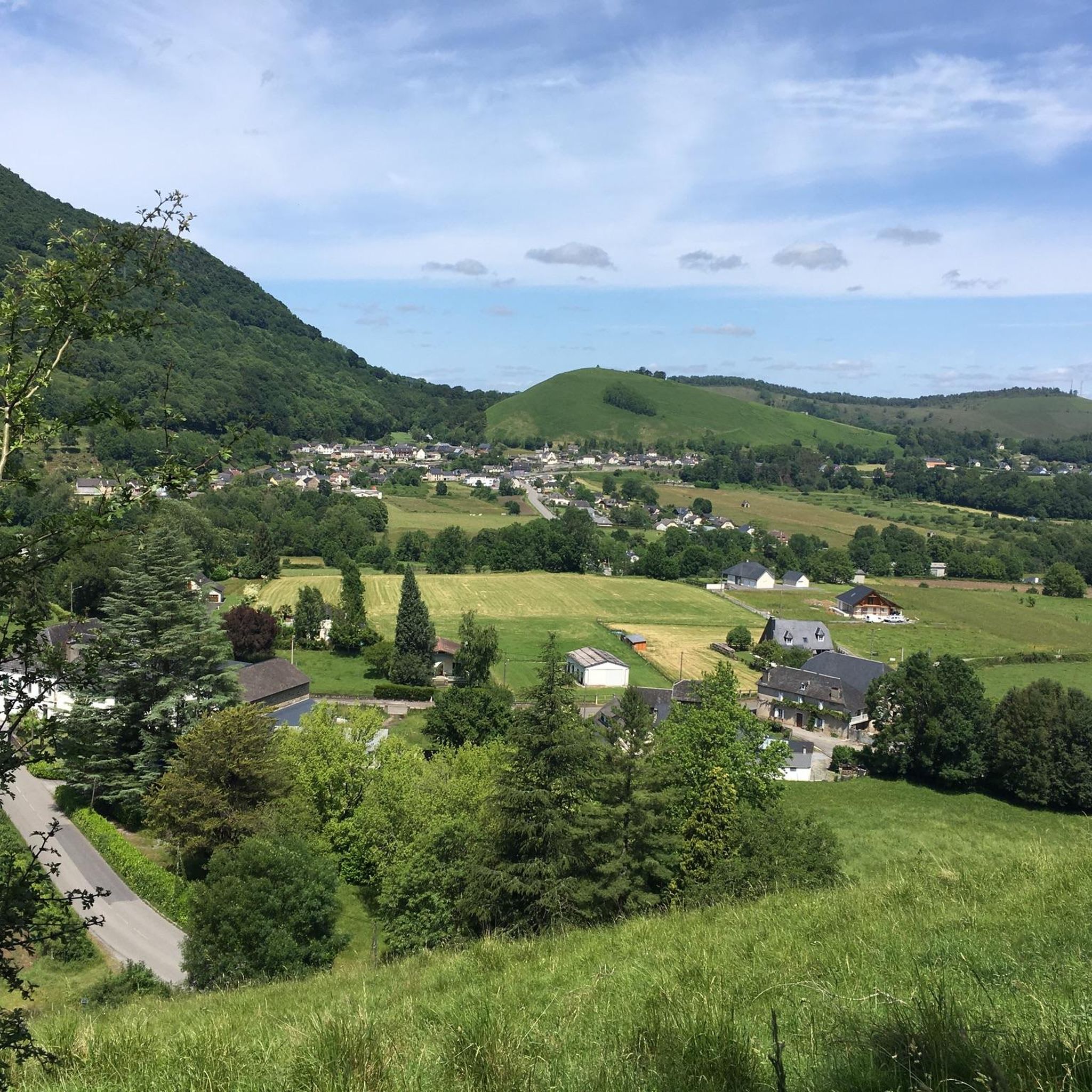
The Col de Marie-Blanque is a classic of the Tour de France. From Escot, the nine-kilometer climb begins gently before becoming steeper over the last four kilometers, with an average gradient of 7.6%.
0
0

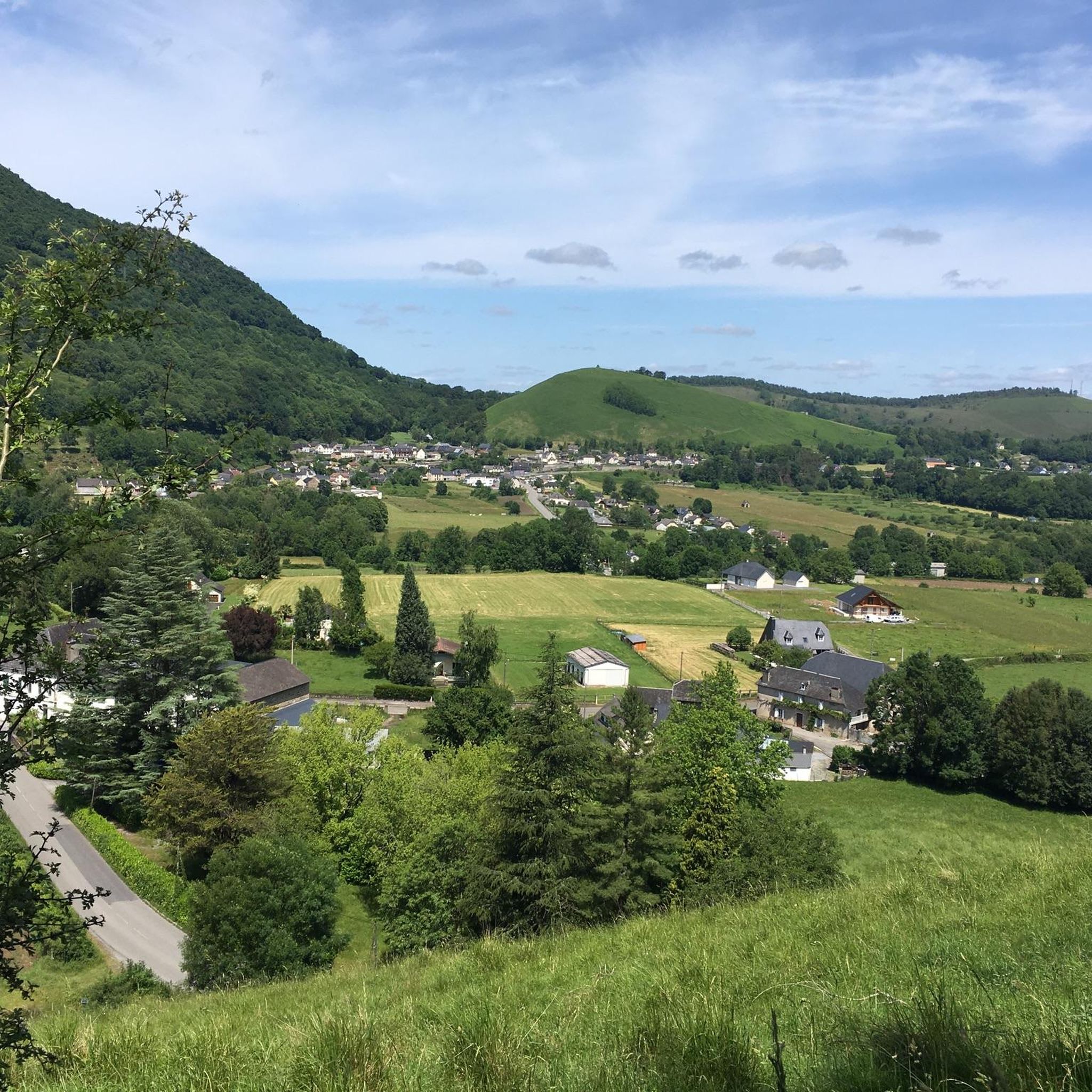
The Col de Marie-Blanque is an emblematic passage of the Tour de France which peaks at 1,035 meters above sea level. Its ascent from Louvie-Juzon is 15 kilometers long for an average of 4.1% with passages at 8.5%. Marie-Blanque marks the border between the beautiful valleys of Ossau and Aspe. In the middle of the climb, the pretty Bénou plateau offers a portion of respite in a remarkable setting.
1
0
Frequently Asked Questions
What are the most popular mountain passes for cycling around Lurbe-Saint-Christau?
The region around Lurbe-Saint-Christau is renowned for its cycling opportunities. Among the most popular passes is the Marie-Blanque Pass, a legendary climb frequently featured in the Tour de France. Another iconic and challenging option is the Col d'Aubisque, known for its spectacular panoramic scenery.
Are there challenging mountain passes for experienced cyclists?
Yes, several passes offer significant challenges. The Ascent of Col de Marie-Blanque from Escot is a classic Tour de France climb, with its last four kilometers becoming particularly steep, averaging 7.6%. Another demanding climb is the Ascent of the Col de la Pierre Saint-Martin from Arette, an hors catégorie climb on the French-Spanish border, averaging 5.8% over 25 kilometers with very steep sections.
Are there easier ascents for less experienced riders?
For those seeking a less strenuous but still rewarding experience, the Ascent of the Col de Marie-Blanque from Bielle offers a gentler approach. While it still includes sections over 11%, its average gradient is 5.4%, and it features the beautiful Bénou plateau, providing a period of respite amidst remarkable scenery.
When is the best time to visit the mountain passes around Lurbe-Saint-Christau?
The best time to visit the mountain passes in the Pyrénées-Atlantiques department is generally from late spring to early autumn (May to October). During these months, the weather is typically more stable, and the passes are clear of snow, making them ideal for cycling and enjoying the mountain vistas. Always check local weather conditions before your visit.
What kind of natural beauty can I expect to see on these mountain passes?
The mountain passes around Lurbe-Saint-Christau offer stunning natural beauty. You can expect breathtaking views of the Pyrenees, lush valleys like Ossau and Aspe, and dramatic peaks. The Bénou plateau, encountered on the ascent to Marie-Blanque, is particularly noted for its picturesque landscape.
Can I find hiking or walking trails near these mountain passes?
While the mountain passes are primarily known for cycling, the surrounding Pyrenees foothills offer numerous opportunities for hiking and walking. You can explore various trails that provide access to the region's natural beauty. For specific routes, you can explore guides like Cycling around Lurbe-Saint-Christau which also feature paths suitable for walking.
What do visitors enjoy most about the mountain passes in this region?
Visitors frequently praise the challenging terrain for cyclists, the spectacular panoramic views, and the overall grandeur of the Pyrenees. The well-maintained roads and the chance to experience iconic Tour de France climbs are also highly appreciated. The komoot community has contributed over 100 photos and more than 290 upvotes for these passes.
Are there any lesser-known mountain passes worth exploring?
Beyond the famous climbs, you might discover hidden gems like Col de Lie. This small pass, described as 'lost in the mountains,' offers a peaceful experience and beautiful landscapes, connecting Arette and the Col d'Ichère.
Are there specific cycling routes that incorporate these mountain passes?
Yes, the area is rich with cycling routes. For instance, you can find routes like the 'Marie Blanque Pass loop from Escot' or the 'Plateau du Bénou – Marie-Blanque Pass loop from Lurbe Saint-Christau'. Many of these routes are detailed in guides such as Road Cycling Routes around Lurbe-Saint-Christau.
What other outdoor activities are available near the mountain passes?
Besides road cycling, the region around Lurbe-Saint-Christau is excellent for gravel biking. Guides like Gravel biking around Lurbe-Saint-Christau feature routes that explore the diverse terrain, offering a different way to experience the mountain landscapes.
Are the mountain passes suitable for families?
While many of the major passes present significant challenges, some sections or the surrounding areas can be enjoyed by families. The Bénou plateau, for example, offers a beautiful and less strenuous environment. For specific family-friendly activities, it's best to research local walking trails or less demanding cycling routes away from the steepest ascents.
Is it possible to find accommodation or dining options near the mountain passes?
Lurbe-Saint-Christau itself is a village known for its thermal baths and local produce, offering some amenities. Larger towns like Oloron-Sainte-Marie, located nearby, provide more extensive options for accommodation, restaurants, and cafes. Along the routes to the passes, you might find smaller villages with local eateries or guesthouses.
Most popular routes around Lurbe-Saint-Christau
Most popular attractions around Lurbe-Saint-Christau

Get inspired with the komoot mobile app


Explore more
See even more epic mountain passes by checking out these guides around Lurbe-Saint-Christau:
