Top 20 Lakes around Andiast
Best lakes around Andiast are situated in the Swiss canton of Graubünden, within the Brigels Waltensburg Andiast region. This area is characterized by its alpine landscape, offering access to both natural and man-made bodies of water. The region provides diverse lake experiences, from family-friendly swimming spots to scenic reservoirs with historical significance. Visitors can explore various hiking trails and enjoy views of the surrounding mountains.
Best lakes around Andiast
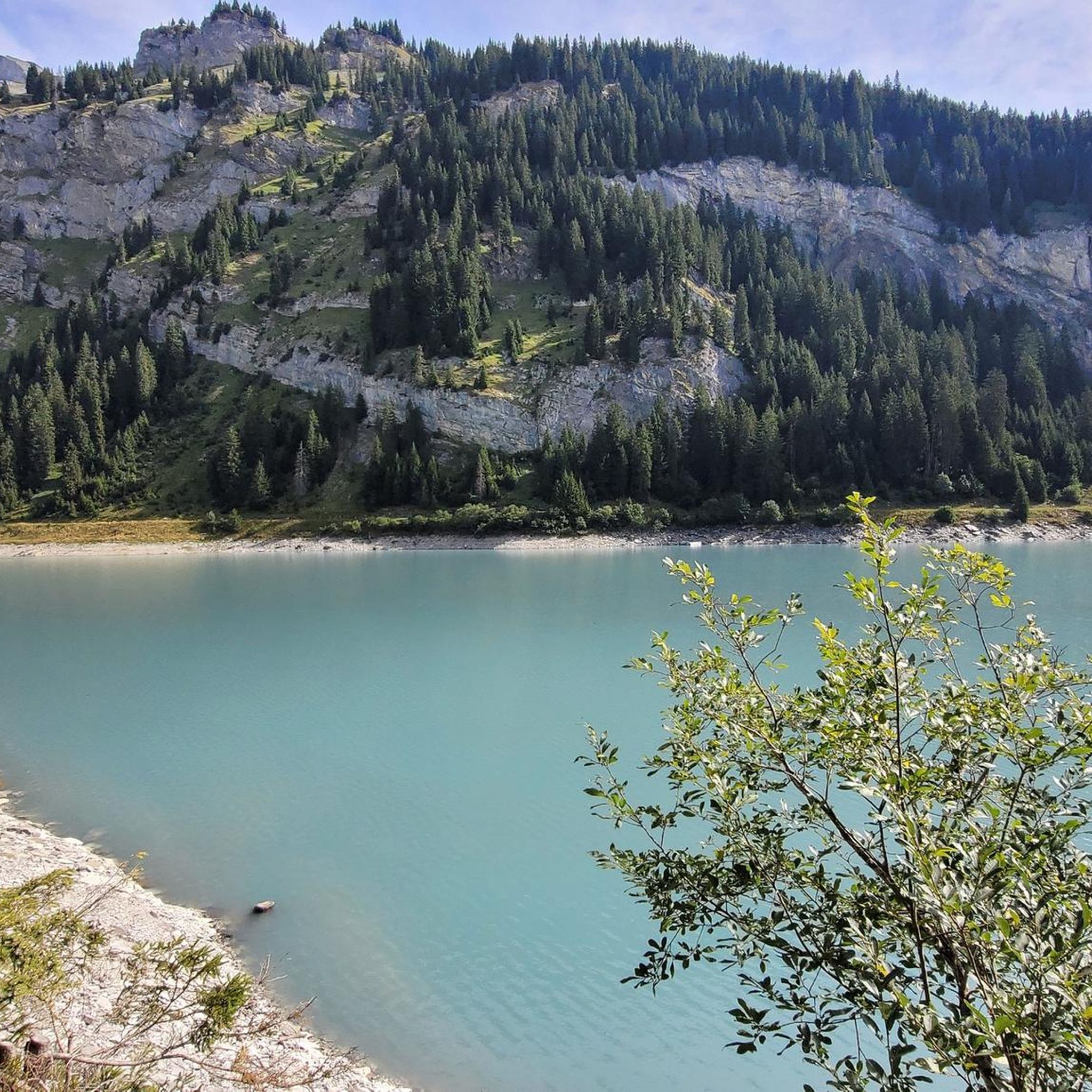
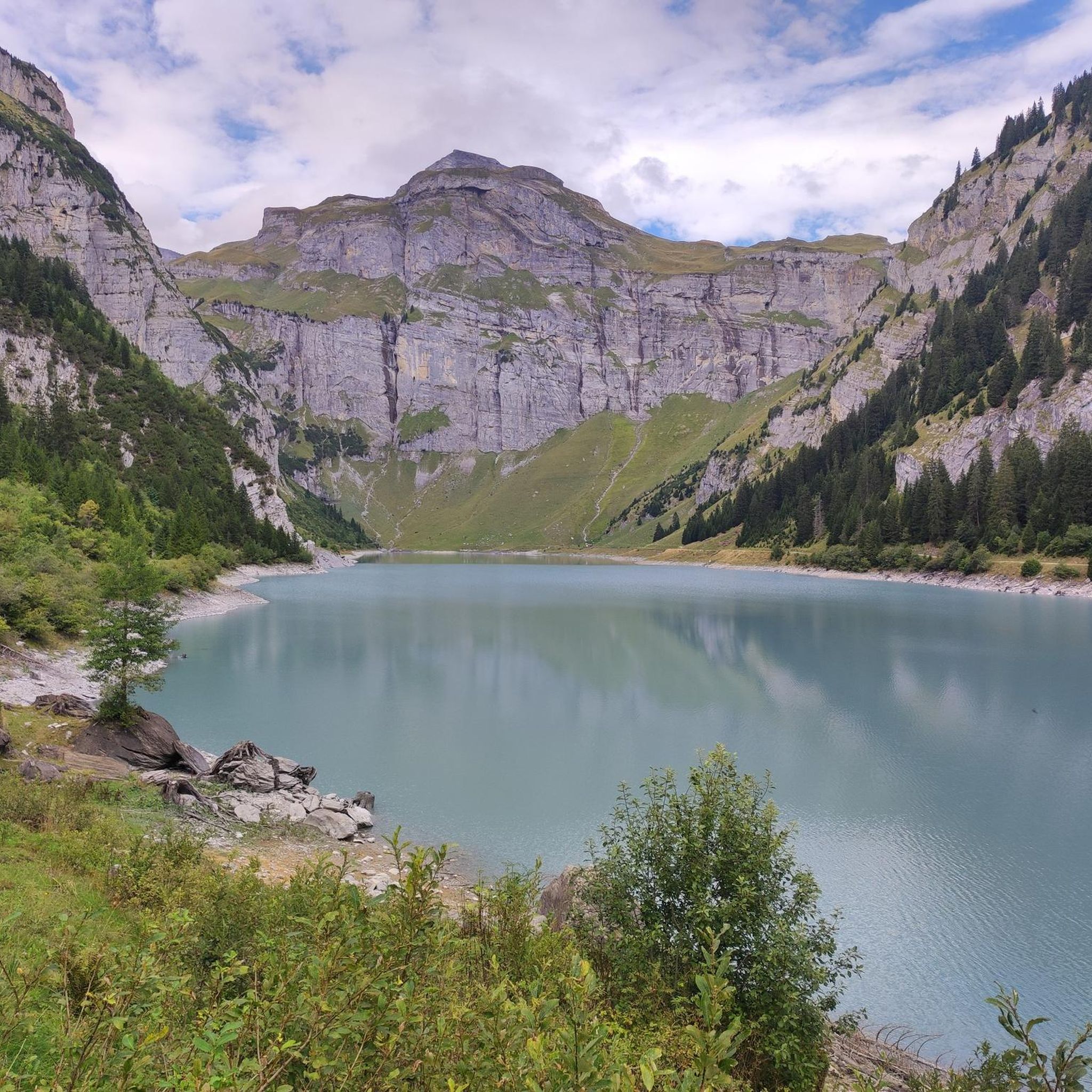
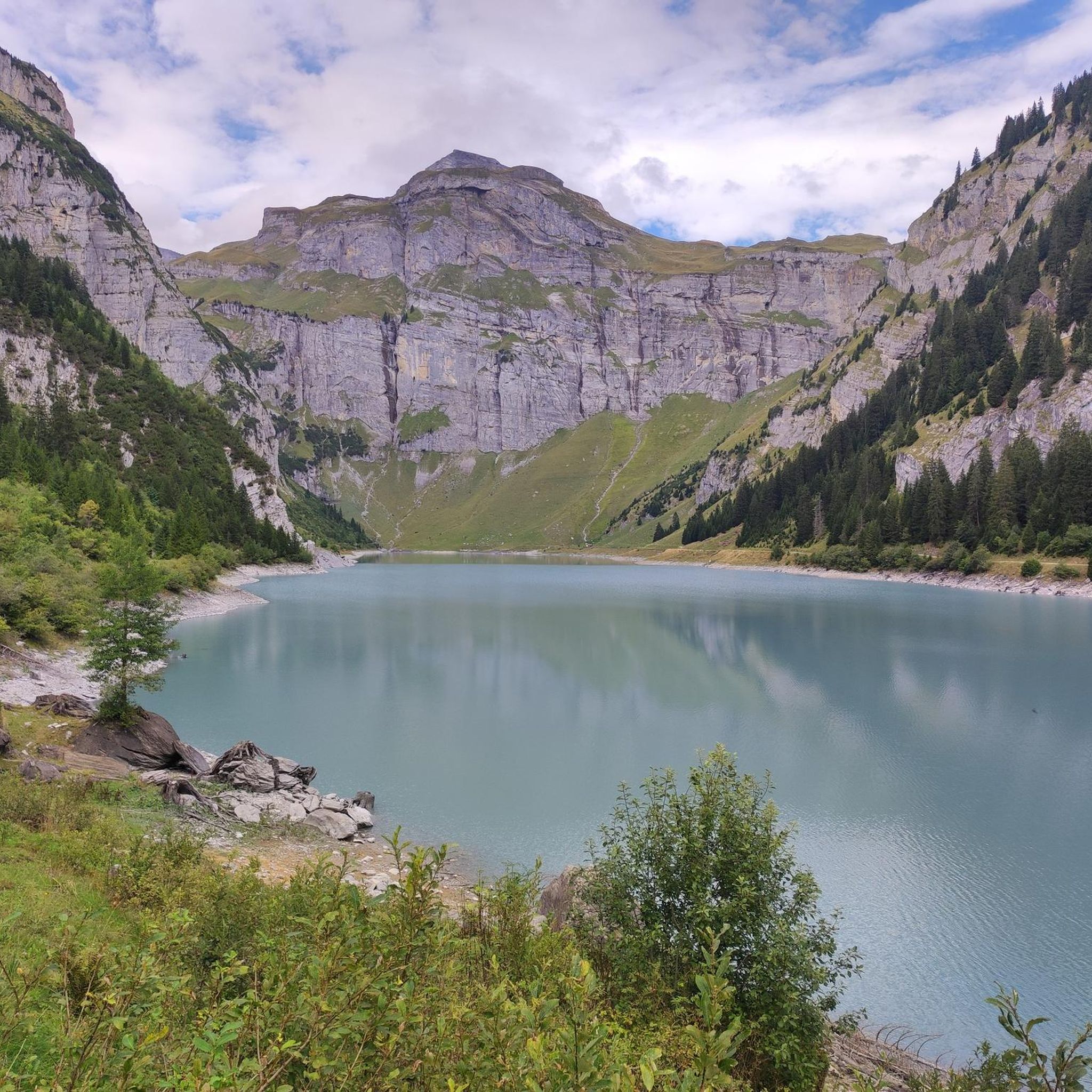
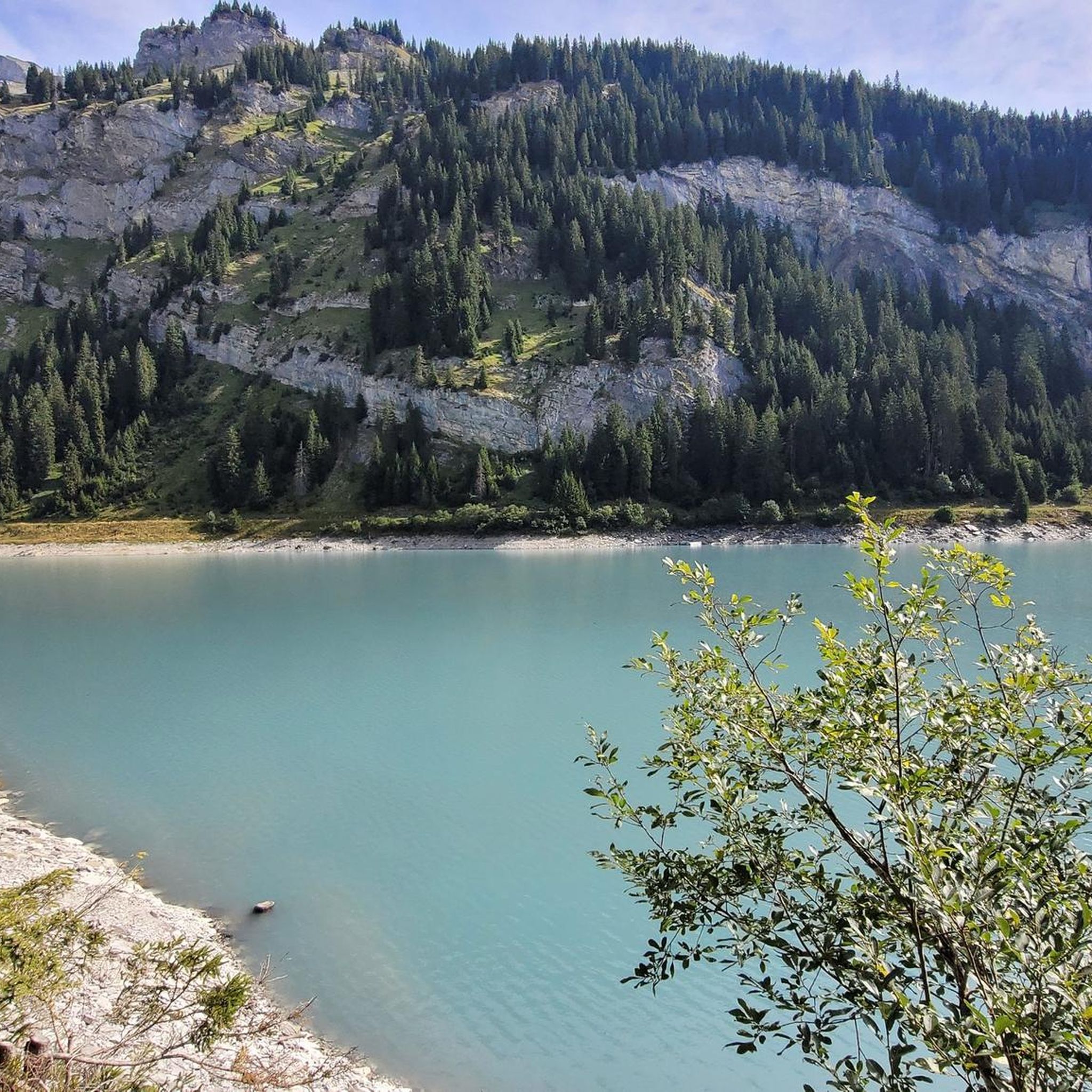
- The most popular lakes is Lag da Pigniu Dam, a man-made monument that features a 270-meter-long dam wall with a historical painting. This reservoir is known for its often turquoise water and impressive waterfalls, especially during snowmelt.
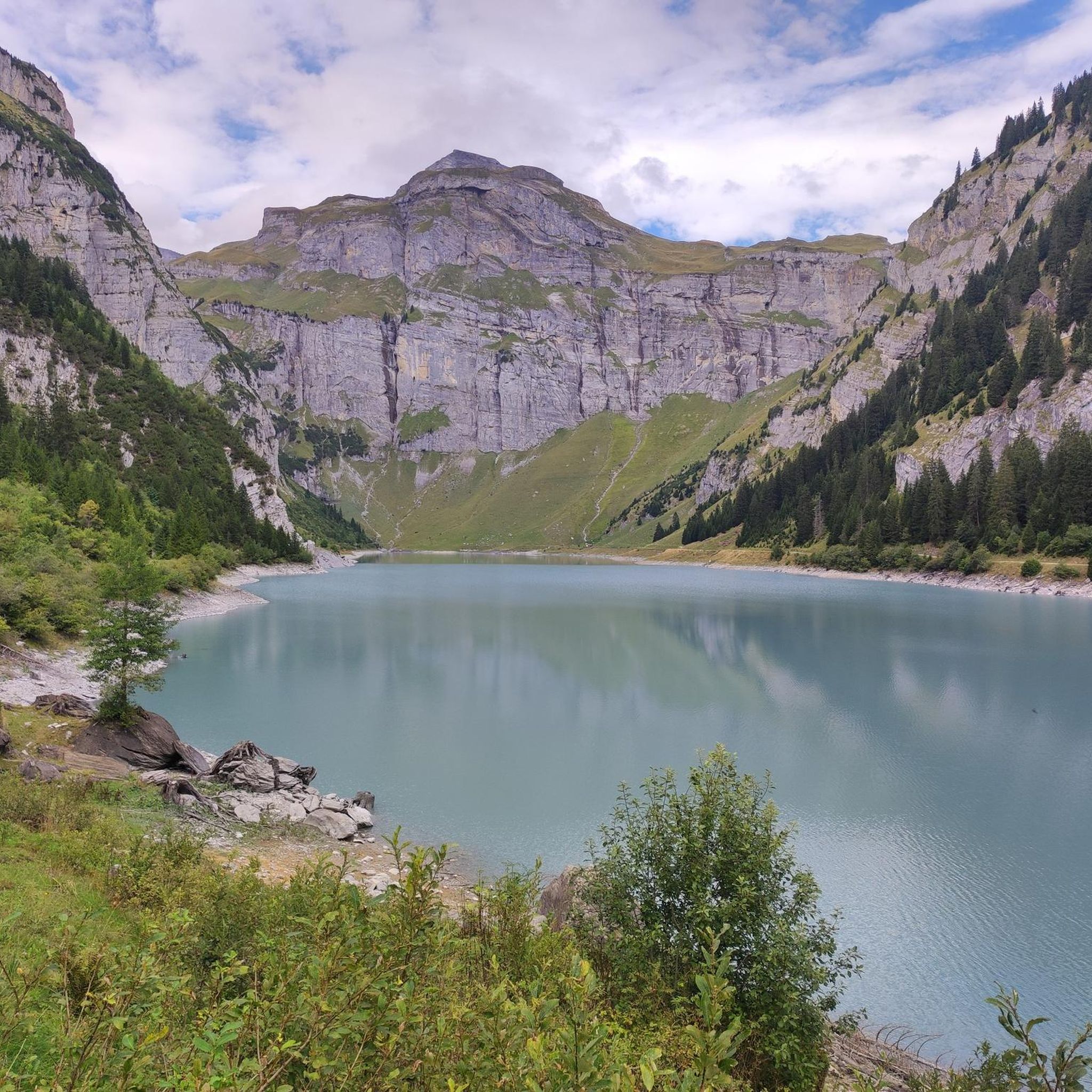
- Another must-see spot is Muttsee Reservoir, a lake and man-made monument. It features the longest dam wall in Switzerland, measuring 1054 meters, and is the highest reservoir in Switzerland when fully filled.
- Visitors also love Lake Brigels, a lake with a viewpoint. This lake offers mountain panoramas and has a path around its perimeter for walks.
- Andiast is known for its reservoirs, natural lakes, and family-friendly swimming lakes. The region offers a variety of lakes to see and explore, catering to different interests.
- The lakes around Andiast are appreciated by the komoot community, with more than 100 upvotes and 12 photos shared across the highlights.
Last updated: June 24, 2026
Muttsee Reservoir
Highlight • Lake
Translated by Google •
Tip by

Pigniu Dam
Highlight • Monument
TIP: Circumnavigation of the manageable reservoir!
Translated by Google •
Tip by

Sign up now to discover places like this
Get recommendations on the best single tracks, peaks, & plenty of other exciting outdoor places.
Sign up for free
Dachlisee
Highlight • Lake
Showing Translation
Tip by
Palius Pastg Forest Lake
Highlight • Lake
Translated by Google •
Tip by
Lake Brigels
Highlight • Lake
Translated by Google •
Tip by

Sign up for free to discover even more lakes around Andiast.
Sign up for free
Already have an account?
Start today with a free account
Your next adventure awaits.
Login or Signup
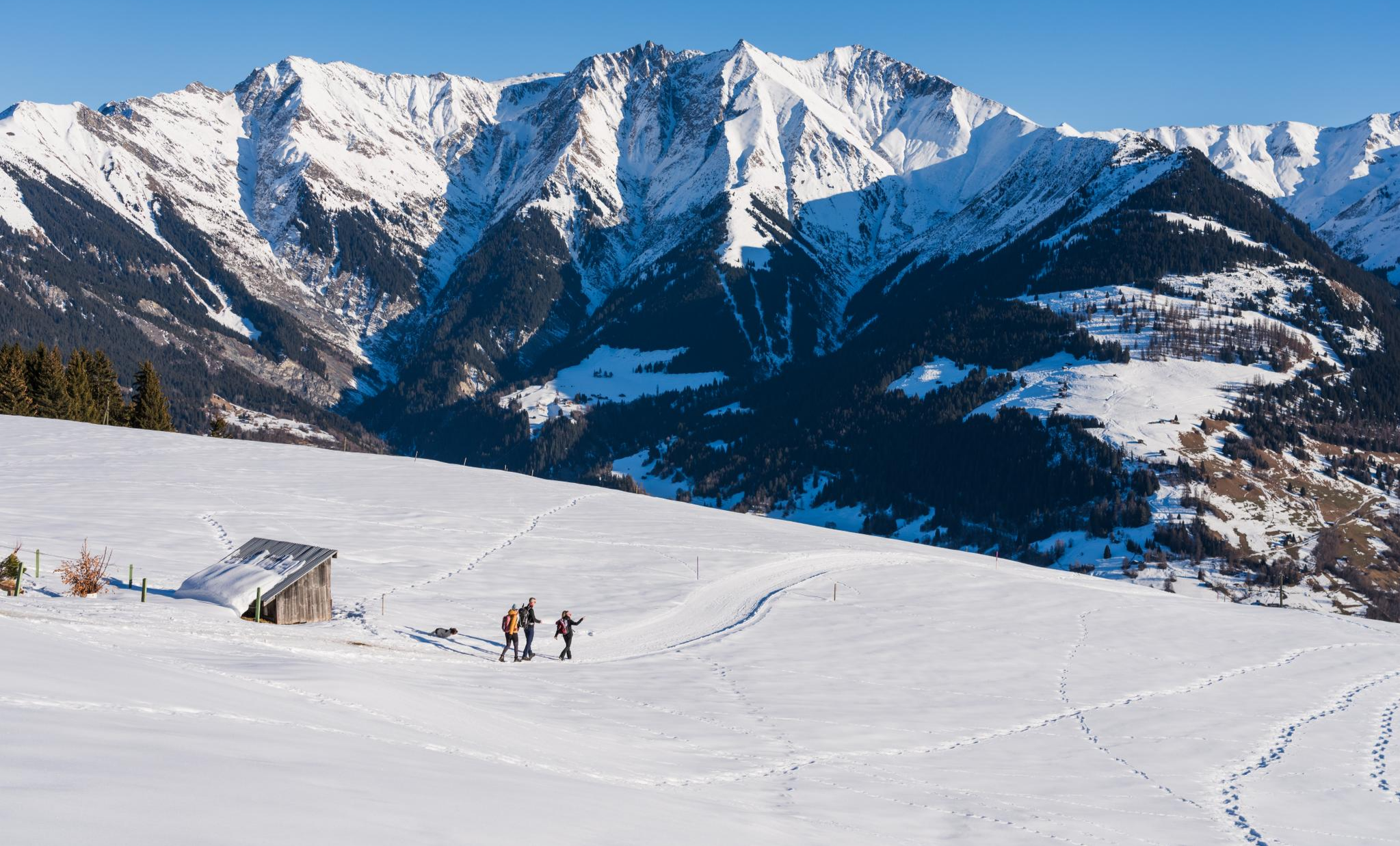
Other adventures around Andiast

Tips from the Community

The Muttsee (formerly Mutten See, Muttensee) is a reservoir on the Muttenalp in the southernmost part of the municipality of Glarus South in the canton of Glarus in Switzerland.
2
0
In 1957, the newly founded Kraftwerke Linth-Limmern AG (KLL) began to realize the power plants that had been planned since the beginning of the 1940s by the Nordostschweizerische Kraftwerke (NOK), into which the Muttensee was to be integrated.
2
0
Until 1917, the official name was "Mutten See", then the spelling "Muttensee" appeared. From 1963, the spelling "Muttsee" appeared. The Hühnerbühl is now known in dialect as Hüenderbüel.[3] The kidney-shaped mountain lake was about 1000 meters long and 400 to 500 meters wide. On the Muttenalp plateau known as Hühnerbühl, it covered an area of about 42 hectares. The height of the lake surface was given as 2442 m until 1899, and 2448 m from 1900 to 1962. In the southeast, the lake was drained by a stream, which after a few hundred meters, at about 2400 m, disappeared into the Muttsee cave in the karst subsoil of the Muttenalp.[6] A little to the south, from about 2450 m, the Muttenbach collected the snow water from the Latten via various small tributaries.[5] It led this into the Limmernbach via the Mörthal and the Ochsenblanken.
2
1
The lake is registered in the cantonal landscape register as a landscape of regional importance.[4] In the karst area of the Muttenalp there are - in addition to the Muttsee cave and the Muttsee hut - various other small lakes, most of them distributed southwest of the Muttsee over the Hüenderbüel. The largest neighbor, the Ober See, lies north of the Muttsee at 2474 m. It is the only lake on the Muttenalp that is connected to the Muttsee via its outflow.
2
0
The lake is located at the crossing from Linthal-Tierfehd over the Kistenpass to Brigels. It lies in the 2.95 square kilometer basin of the Muttenalp above the Hüenderbüel. The alp is surrounded by high mountains such as Nüschenstock (2892 m) in the west, Rüchi (2849 m) in the northwest, Hinter Sulzhorn (2737 m) in the northeast, Ruchi (3105 m) in the east and Muttenstock (3088 m) in the southeast. The arena opens to the southwest. It drops steeply over the Muttenwand into the Limmerental and over the Muttenchopf (2482 m) to the Limmerensee.
3
0
As part of significant expansion measures for the power plants between 2009 and 2017, the dam built in 1963 was replaced by a concrete dam wall. This has a length of 1054 meters, making it the longest dam wall in Switzerland. The water level reaches a height of 2474 m when fully filled. This makes the Muttsee the highest reservoir in Switzerland, with a capacity of more than 10 million m³. The highest reservoir under the supervision of the federal authorities is the Viderjoch reservoir in the Silvretta Arena, which lies at 2664 m.[1][2] Since 2021, the largest alpine photovoltaic system in Switzerland has been under construction on the dam wall.
4
0
The original mountain lake has been integrated into the concept of energy generation through hydropower of the Linth-Limmern power plants since 1968.
3
0

Frequently Asked Questions
What are the best lakes for families around Andiast?
The region offers several family-friendly options. The Brigelser Badesee is ideal for swimming with its heated, shallow water, playground, and various activities. Dachlisee is a hidden forest lake with a barbecue area and a path suitable for pushchairs from Affeier. Lag da Pigniu also has an eastern circular path that is wide enough for strollers and bikes.
Are there good hiking trails around the lakes near Andiast?
Yes, there are several hiking opportunities. Lag da Pigniu features a circular path of about 1.5 kilometers, taking roughly an hour to complete. The eastern side is a wide gravel road, while the western side is a narrower footpath. You can also find trails around Lake Brigels. For more extensive options, explore the running trails around Andiast, which include routes like the 'Lai da Pigniu – Lag da Pigniu Dam loop'.
What unique natural features can I expect to see at the lakes?
Lag da Pigniu is known for its often turquoise-colored water and impressive waterfalls that cascade over steep rock faces, especially during spring and early summer snowmelt. Lake Brigels offers beautiful mountain panoramas, with its water color changing daily. Muttsee Reservoir, while man-made, is situated in a stunning alpine setting.
Are there any historical landmarks associated with the lakes?
Yes, the Lag da Pigniu Dam is a significant historical landmark. Its 270-meter-long wall features a large, though now faded, historical painting by artist Martin Valär, depicting General Suvorov's army crossing the Panixer Pass in 1799. Muttsee Reservoir also has a notable history as part of the Linth-Limmern power plants, featuring the longest dam wall in Switzerland.
Can I swim in the lakes around Andiast?
You can swim in the Brigelser Badesee, which is specifically designed for bathing and features heated water. Swimming is generally not permitted in Lake Brigels, but the nearby Brigelser Badesee provides an excellent alternative.
What facilities are available at the lakes?
The Brigelser Badesee offers extensive facilities including changing rooms, WCs, a sunbathing meadow, a kiosk for snacks and drinks, a playground, volleyball field, and table tennis. Dachlisee has a wood fire pit, tables, benches, and a simple toilet. Lag da Pigniu provides picnic and barbecue spots with tables, benches, and a fountain.
What is the best time to visit the lakes near Andiast?
The summer months are ideal for visiting the Brigelser Badesee, especially for swimming, as its water is heated. Spring and early summer are excellent for Lag da Pigniu to witness the waterfalls at their most powerful due to snowmelt. Generally, late spring to early autumn offers the best conditions for hiking and outdoor activities around all the lakes.
Are the lakes accessible by public transport or car, and is parking available?
The Brigelser Badesee is conveniently located within a few minutes' walk from the village center and valley station, with free parking available. Access to Lag da Pigniu is also generally easy, with parking available near the dam. For specific routes and transport options, it's advisable to check local schedules.
Are there cafes or restaurants near the lakes?
Yes, there is an Excursion kiosk at the bathing lake (Brigelser Badesee) which offers food and drinks. Lag da Pigniu has picnic and barbecue areas, but no dedicated cafe directly at the lake.
Can I bring my dog to the lakes?
Some areas are dog-friendly. The Excursion kiosk at the bathing lake is noted as dog-friendly, even offering blankets for pets. For specific trails and lake areas, it's always best to check local regulations regarding dogs on leashes.
What other outdoor activities can I do near the lakes?
Beyond hiking and swimming, the Brigelser Badesee offers a summer tubing track and electro-Go-karts for children. The region is also popular for cycling; you can find various MTB trails and road cycling routes around Andiast that pass by or near some of the lakes.
What should I pack for a lake visit or hike in the Andiast region?
For lake visits, especially if swimming, pack swimwear, a towel, and sun protection. For hiking, comfortable walking shoes are essential. Depending on the season, layers of clothing are recommended, as mountain weather can change quickly. Don't forget water, snacks, and a camera to capture the scenic views.
Most popular routes around Andiast
Most popular attractions around Andiast

Get inspired with the komoot mobile app


Explore more
Still not found your perfect lake around Andiast? Check out the guides of these regions to see even more beautiful places.
