Top 5 Castles around Gingst
Best castles around Gingst are found within the charming village and its surrounding area on Rügen island. Gingst is known for its well-preserved historic town center, including the Market Square and St. Jacobi Church. The region offers historically significant sites and manor houses, providing insights into early medieval history and architectural heritage. These sites are nestled within the tranquil nature of West Rügen.
Best castles around Gingst
- The most popular castles is Libnitz Castle, a castle that was built…
Last updated: June 24, 2026
Libnitz Castle
Highlight • Castle
Translated by Google •
Tip by

Pansevitz Castle Ruins
Highlight • Historical Site
Translated by Google •
Tip by

Sign up now to discover places like this
Get recommendations on the best single tracks, peaks, & plenty of other exciting outdoor places.
Sign up for free
Karnitz Castle
Highlight • Castle
Translated by Google •
Tip by

Granskevitz Manor House
Highlight • Historical Site
Translated by Google •
Tip by

Start today with a free account
Your next adventure awaits.
Login or Signup
Popular around Gingst
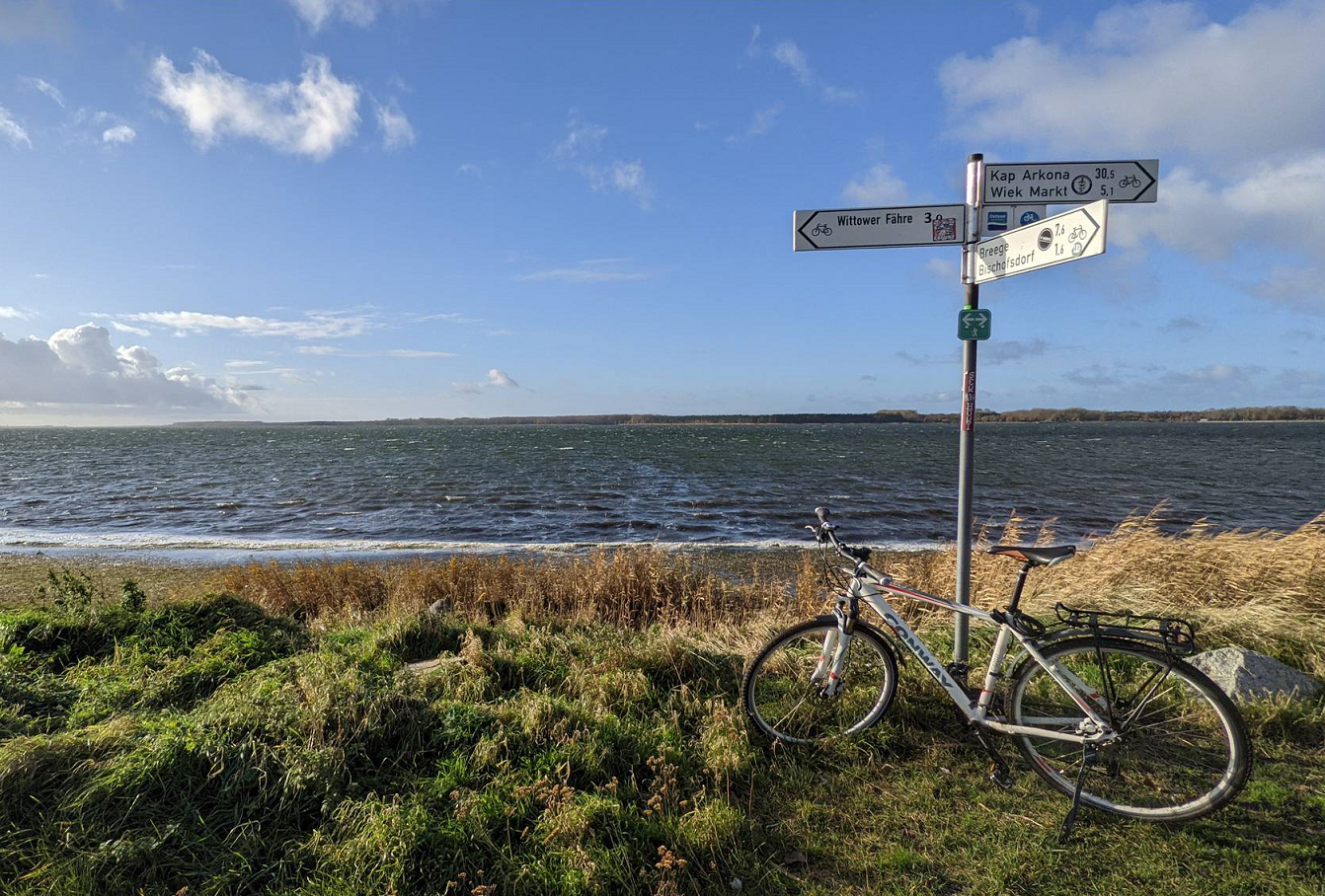
The Rügen circular route – Riding around Germany's largest island
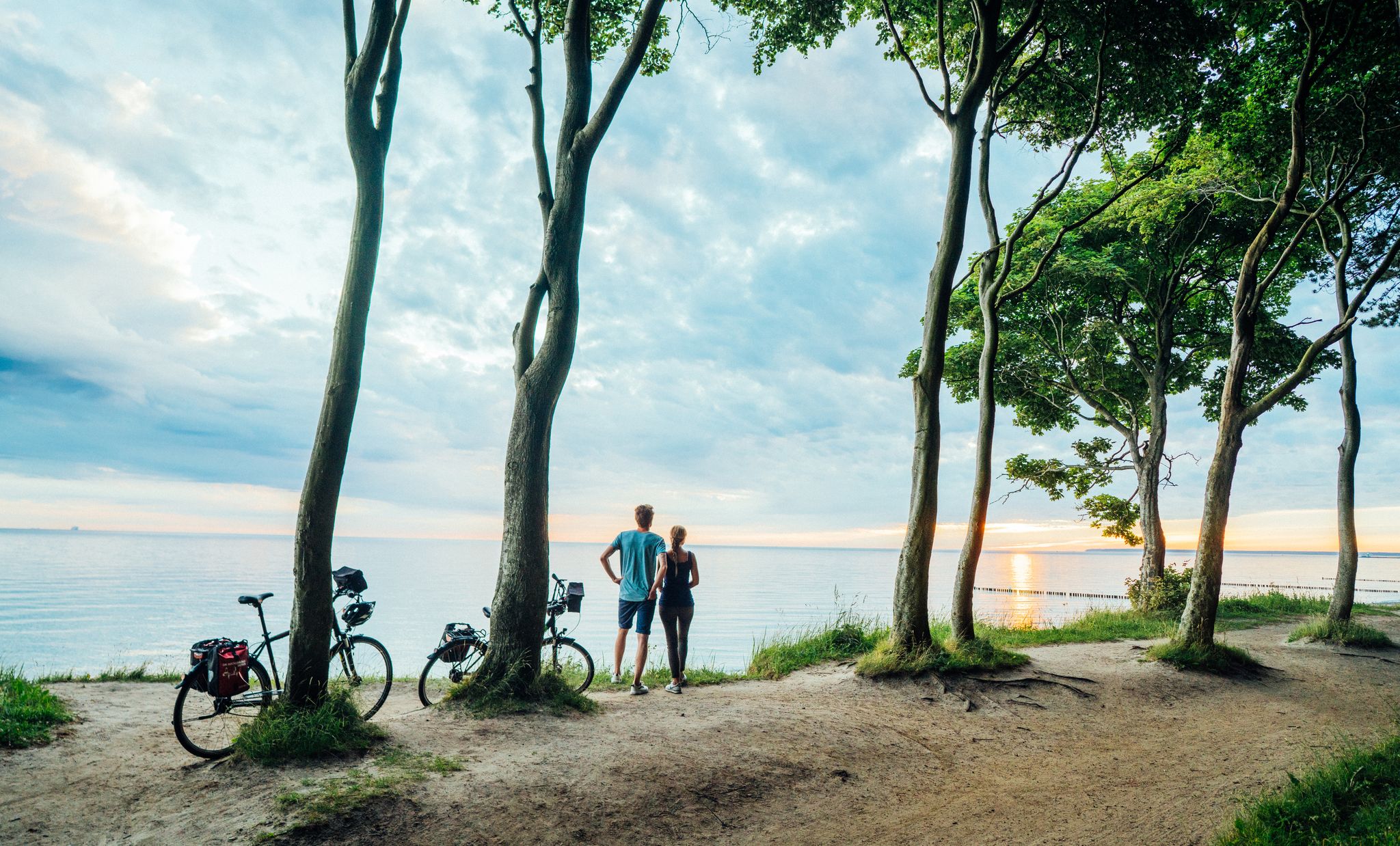
Bicycle touring on the Baltic Sea Cycle Path
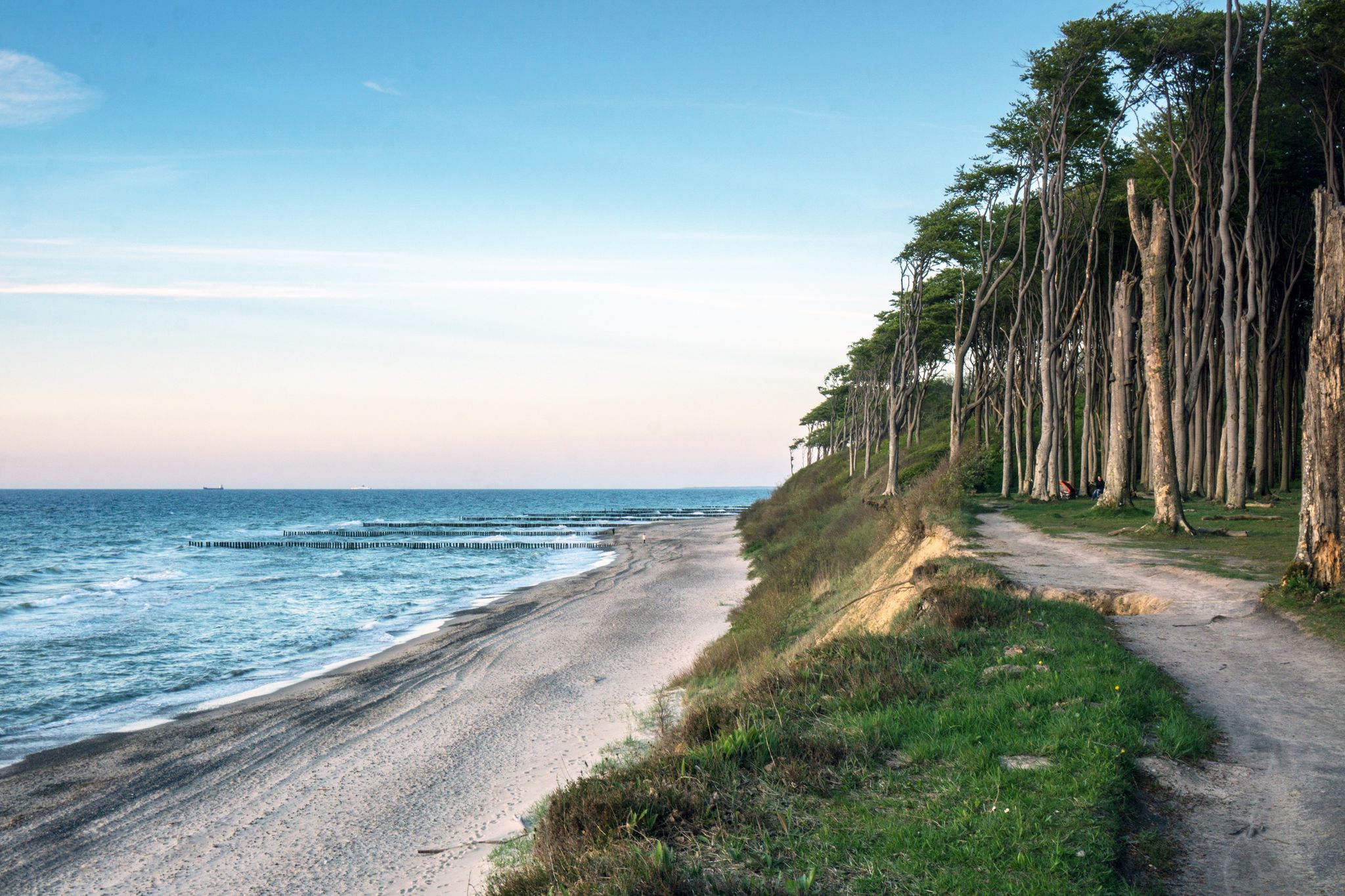
D-Route 2: Baltic Coast Route
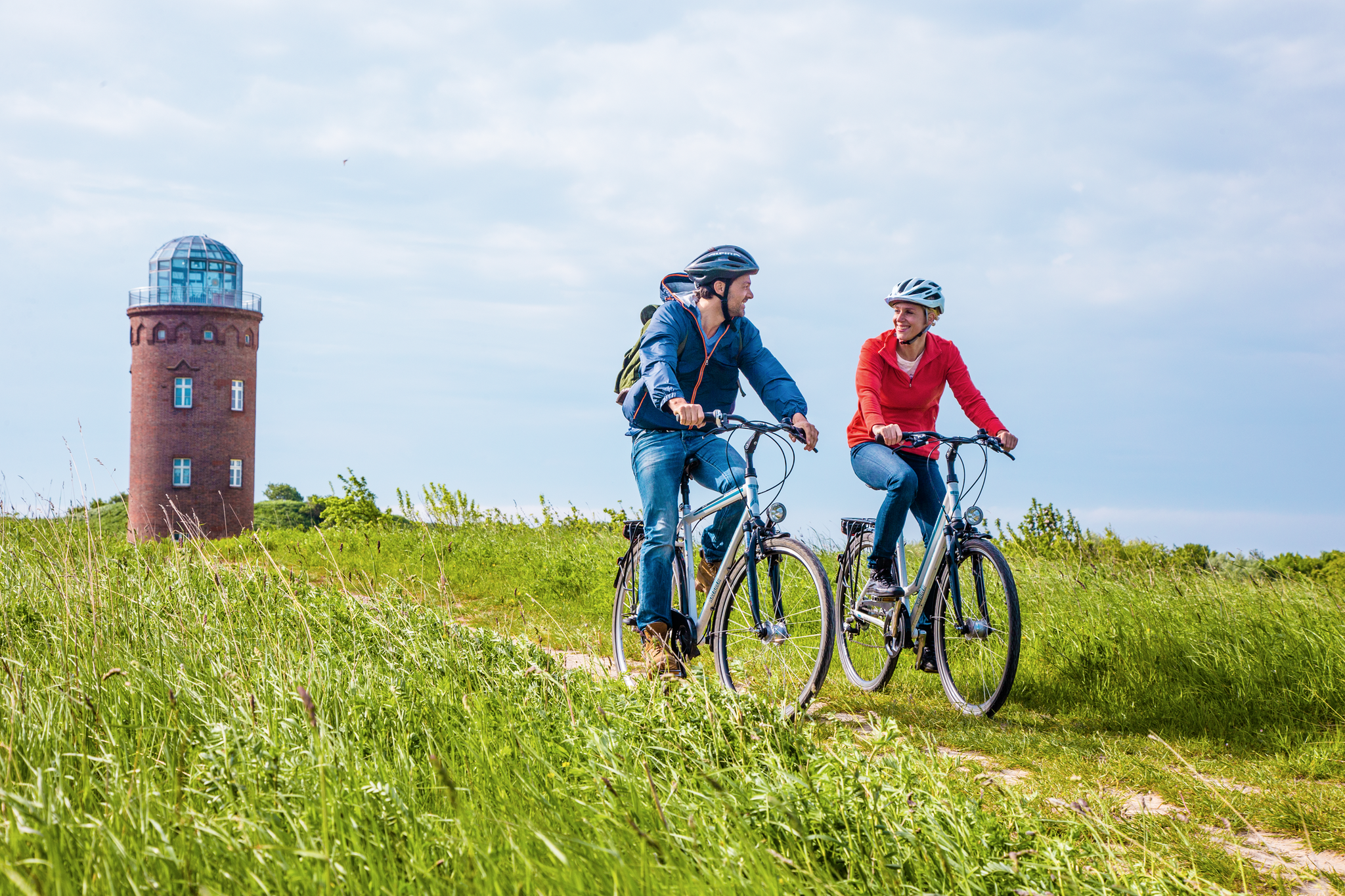
Rügen-Rundweg: Inselzauber auf zwei Rädern!

Ostseeküsten-Radweg: Radeln, wo die Wellen flüstern
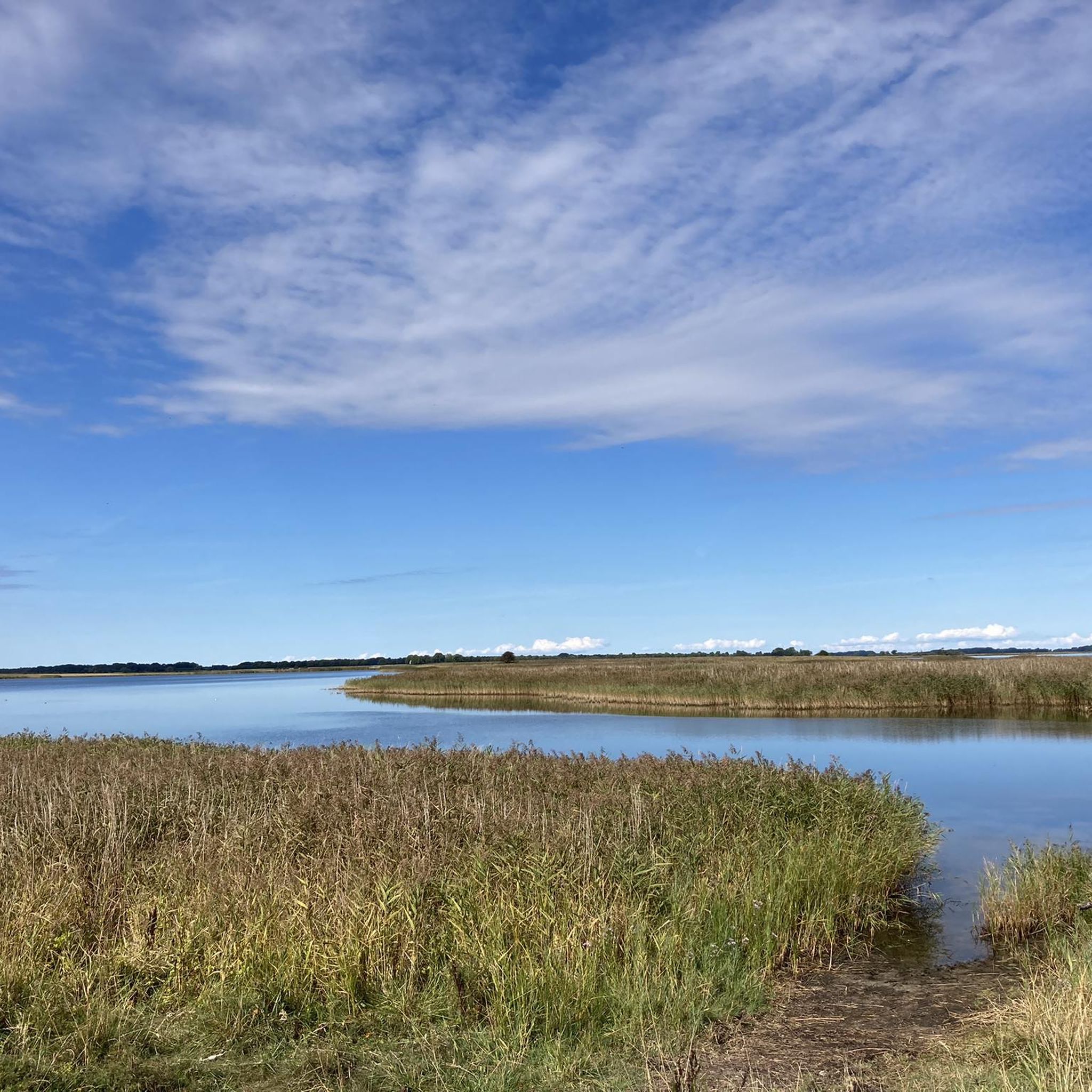
Cycling around Gingst
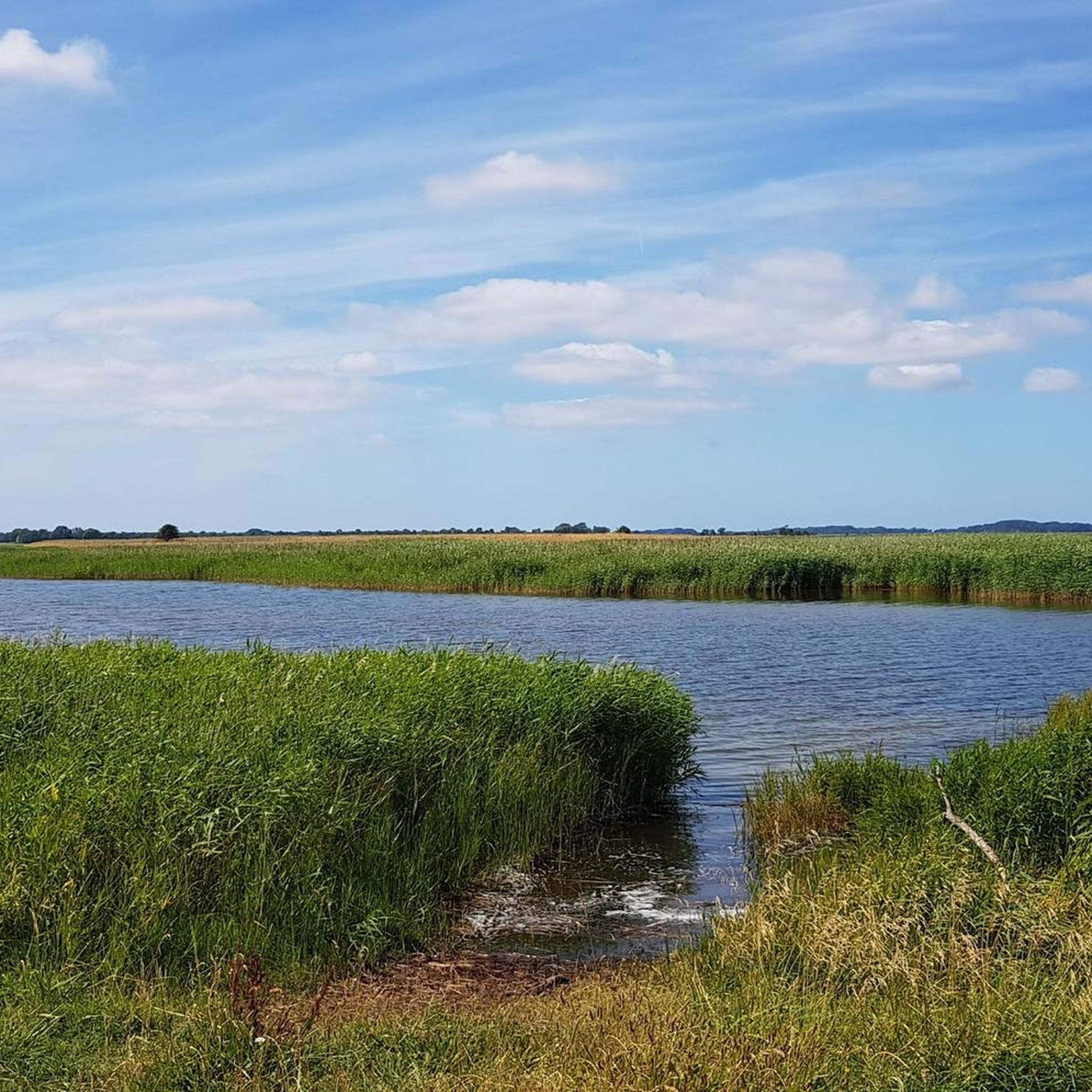
Hiking around Gingst
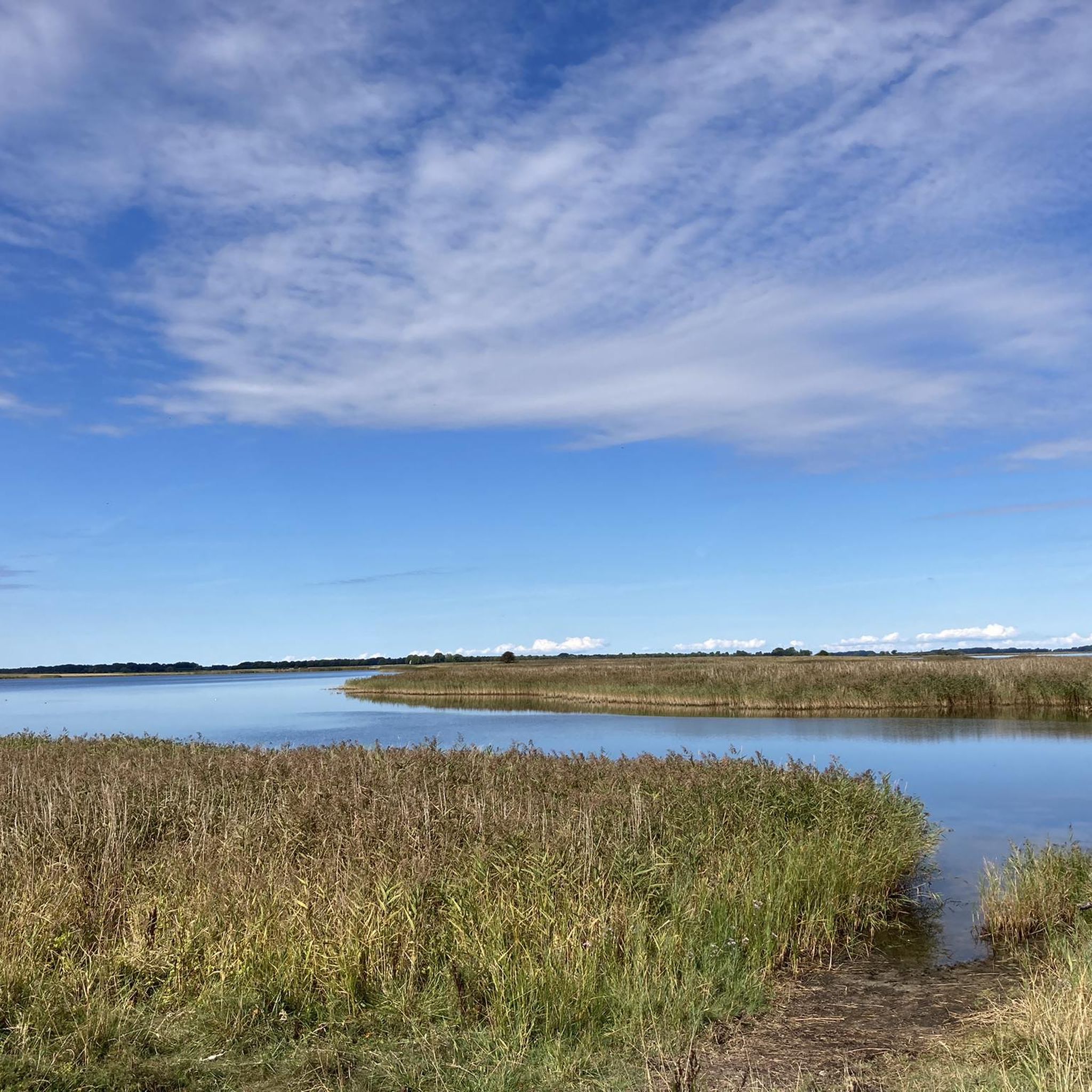
MTB Trails around Gingst
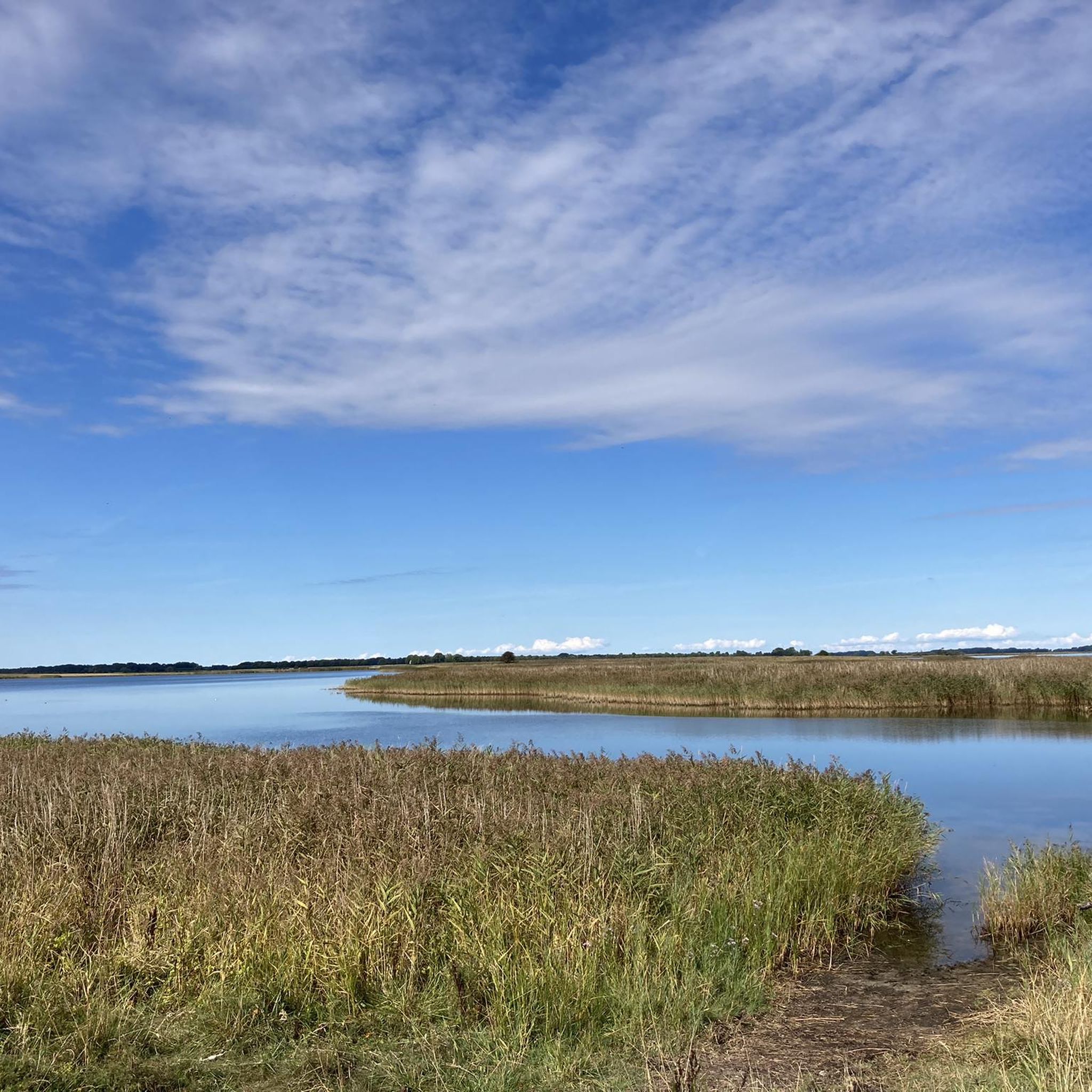
Road Cycling Routes around Gingst
Running Trails around Gingst
Other adventures around Gingst


Tips from the Community

The Pansevitz Castle ruin is a dilapidated manor house, completed in 1597. After World War II, during which it suffered virtually no damage, it was largely used by the local population as a source of building materials.
0
0

From there to MV de: The only preserved structure of its kind on the island of Rügen, with a beautiful, walkable rampart. The complex was founded in 1170 by Granza von Platen as the family's ancestral castle. The fieldstone foundations of the manor house were built before 1500. The moat and 5 m high and 6 m wide circular wall were built before 1600 as a "defensive wall." In the 17th century, the two-story manor house was built on the old foundations. In the 18th century, the octagonal upper story of the tower with its cap and the wide, south-facing projections were added. In 1910, the North German Seed Breeding AG "Nordsaat" was founded by Karl von Schultz. This seed breeding station existed until the end of World War II. In 1945, the family was expropriated as part of the land reform. During the GDR era, the manor house was initially inhabited by refugees and later used as a kindergarten and administrative building for the "People's Own Estate." In 1991, the estate was repurchased from the Treuhand (trusteeship) by the Schleswig-Holstein-based "Nordsaat GmbH." The manor house was subsequently renovated as a residential and administrative building.
0
0

The well-maintained grounds are part of the "Nordsaat Agrar GmbH" estate. The farm manager lives in the attractive building. Unique to all of Rügen: it features a moat with a circular rampart. No wonder, given that the current manor house was built in the 17th century on the foundations of a 15th-century castle. The property has had a typical history, including expropriation by the Soviet Army, nationalization during the GDR era, and reacquisition by Nordsaat in 1991.
4
0
The Libnitz manor house is for sale, and anyone with more than 3 million euros will be able to call themselves the "owner of the castle" in the future. Unfortunately, the surrounding buildings are not in good condition. The farm buildings, some of which look dilapidated, are used for agriculture and livestock farming and do not do the manor house justice.
3
1
A large part of the tower of the former estate is still standing; it has been renovated, is accessible via a spiral staircase, and serves as a small observation tower, offering a beautiful view over Pansevitz Palace Park. Otherwise, only the foundations remain, but I really like the atmosphere here.
4
0

The Pansevitz castle ruins are a former manor house that is freely accessible. The ruins are secured and can therefore be visited without any problems. The castle park is adjacent to the ruins and has also been used as a forest cemetery since 2006. There are sufficient parking spaces available.
8
0

The manor house in Libnitz was built in the first half of the 19th century. The builder was Fritz Alfred Meyer, son of Selma Schichau, whose father founded the Schichau works in Elbing in October 1837. Fritz Alfred Meyer was married to Friderike Sarnow. Together they bore the family name Meyer-Sarnow. The Meyer-Sarnow family managed the estate until the end of World War II in 1945. Before the arrival of the Red Army, the family fled to the West. After the expropriation, the building and the usable space became municipal property and several rental apartments were set up in the house. In 2000, the municipality sold the property to private investors, who carried out extensive renovations on the house from 2001 to 2003 in order to use it for tourist purposes.
3
1

Frequently Asked Questions
What historical sites are near Gingst, beyond traditional castles?
While Gingst itself is known for its historic town center, including the Market Square and St. Jacobi Church, the surrounding area on Rügen offers several significant historical sites. You can explore the Fort at Venz, believed to be the site of the crucial princely castle Charenza of the Slavic Rani tribe, dating back to 1168. The nearby Gutshaus Venz also features remnants of a medieval residential tower. Additionally, Granskevitz Manor House and Libnitz Castle are notable manor houses with rich histories.
Are there any actual castle ruins to explore near Gingst?
Yes, you can visit Schlosspark Pansevitz, not far from Gingst. This park contains the ruins of an old castle, which visitors can ascend via spiral staircases, offering peaceful views of the surrounding parkland.
What kind of historical manor houses can I visit around Gingst?
The region around Gingst is rich in historical manor houses. You can see Libnitz Castle, a Neoclassical brick structure from 1912. Granskevitz Manor House, built in the 17th century on 15th-century foundations, is unique for its moat and circular rampart. Karnitz Castle is a Tudor-style hunting lodge from 1834. Also, Gutshaus Haidhof, a beautifully restored manor house from 1780, is located in one of Gingst's districts.
What is unique about Granskevitz Manor House?
Granskevitz Manor House is particularly unique on Rügen because it features a moat with a circular rampart, remnants from the 15th-century castle it was built upon. The present manor house dates back to the 17th century, standing on these older foundations.
Can I visit Libnitz Castle?
Libnitz Castle, built around 1912 in the Neoclassical style, now contains apartments and holiday homes. While it is privately owned, its exterior can be admired, and it offers a glimpse into the region's architectural heritage.
What is the history of Karnitz Castle?
Karnitz Castle is a Tudor-style hunting lodge built in 1834 under Count Guido von Usedom. Over its history, it has served various purposes, including a school, a restaurant, and a summer café. The castle and its park have undergone several renovations and are now privately owned.
What outdoor activities can I do near these historical sites around Gingst?
The area around Gingst offers diverse outdoor activities. You can explore numerous cycling routes, including gravel biking and road cycling, with options ranging from easy to moderate difficulty. There are also several running trails that allow you to enjoy the tranquil nature of West Rügen.
Are there family-friendly historical sites near Gingst?
Yes, several sites offer family-friendly experiences. Gutshaus Haidhof, a beautifully restored manor house, provides family-friendly holiday apartments and a natural garden. While not a traditional castle, the historic town center of Gingst with its St. Jacobi Church and Historical Craftsmen's Houses offers an engaging historical experience for all ages. Exploring the ruins at Schlosspark Pansevitz can also be an adventurous outing for families.
What is the best time of year to visit the castles and historical sites around Gingst?
The best time to visit the castles and historical sites around Gingst is generally from spring to early autumn (April to October). During these months, the weather is pleasant for exploring the grounds and parks, and local attractions are typically fully operational. The natural beauty of Rügen is also at its peak, making outdoor activities more enjoyable.
Where can I find information about the ancient history of Rügen near Gingst?
For insights into Rügen's ancient history, particularly the Slavic period, the Fort at Venz is a key site. It is believed to be the location of Charenza, a significant princely castle and temple of the Slavic Rani tribe from 1168. While primarily an earthwork, its historical importance as a center of power and religion is immense.
Are there any cafes or restaurants near the historical sites around Gingst?
Gingst itself, with its well-preserved historic town center, offers various cafes and restaurants. While specific dining options directly adjacent to every historical site may vary, you'll find choices within a short drive or cycle, especially in Gingst and other nearby villages on West Rügen.
What do visitors enjoy most about the historical sites around Gingst?
Visitors appreciate the blend of historical significance and tranquil natural surroundings. The unique architecture of manor houses like Granskevitz Manor House and the historical depth of sites like the Fort at Venz offer compelling exploration. The peaceful atmosphere of places like Schlosspark Pansevitz and the charm of Gingst's historic village center are also highly valued.
Most popular routes around Gingst
Most popular attractions around Gingst

Get inspired with the komoot mobile app


Explore more
Looking for the best castles somewhere else? Discover other guides around Gingst:
