The best running trails around Kozje
4.2
(4)
128
runners
18
runs
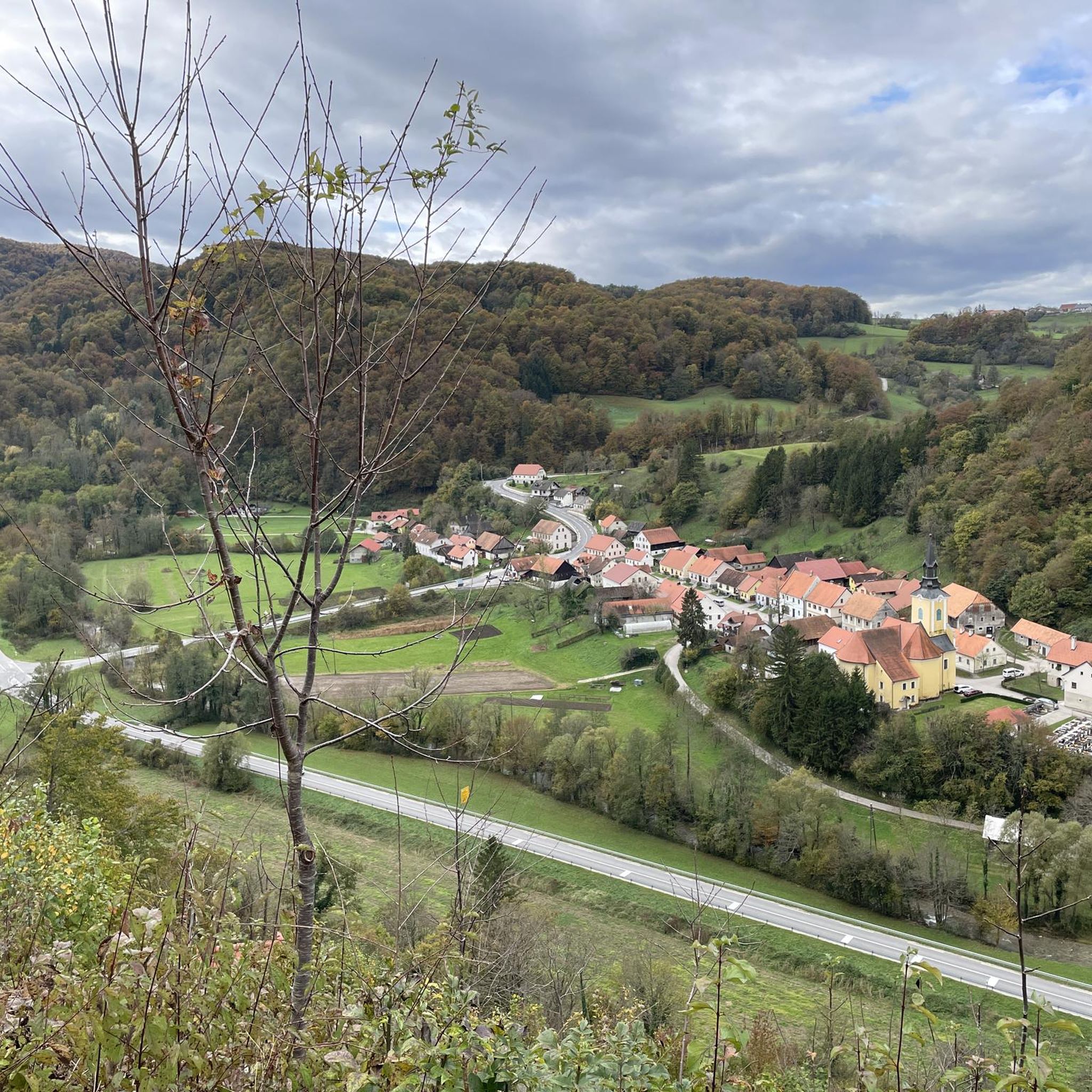
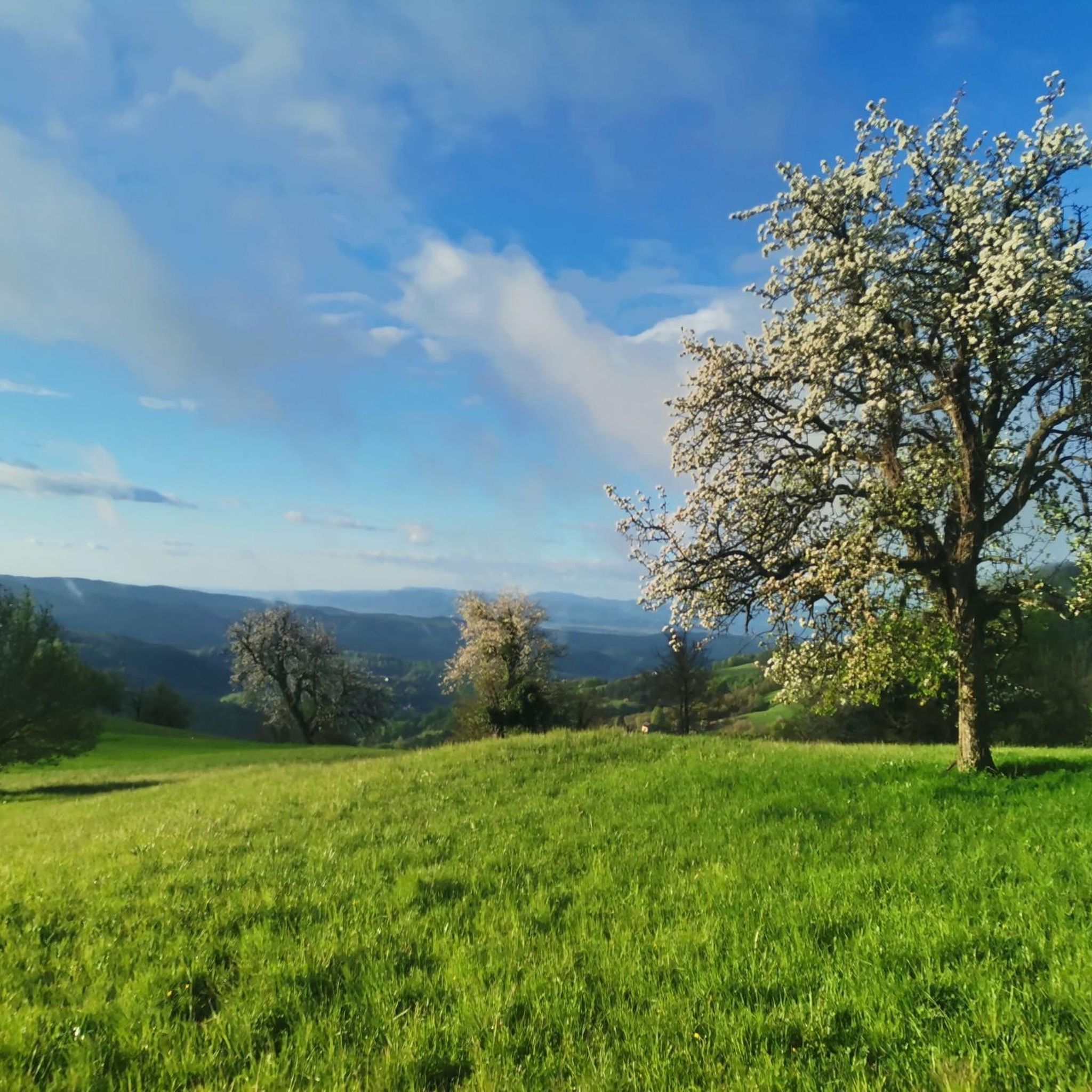
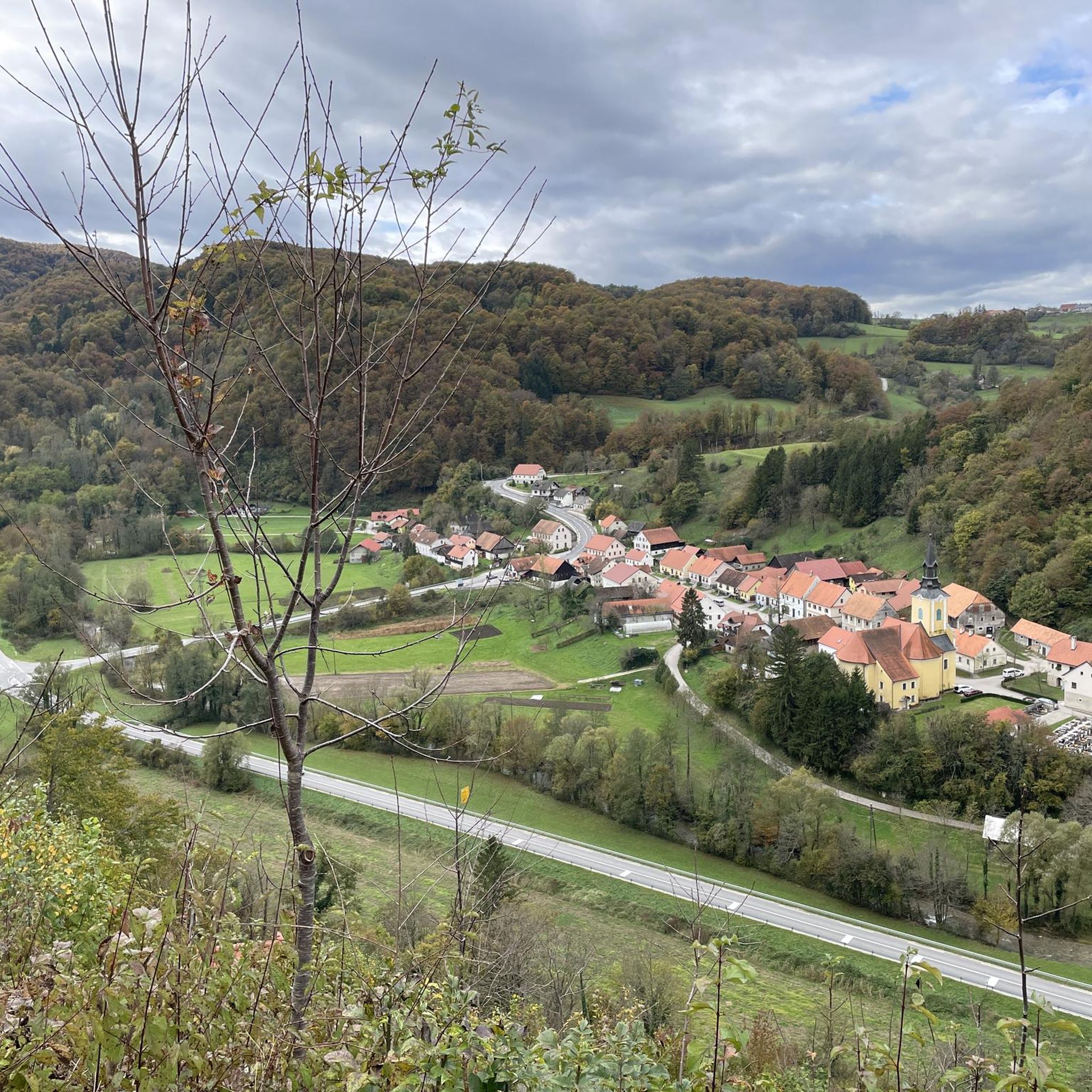
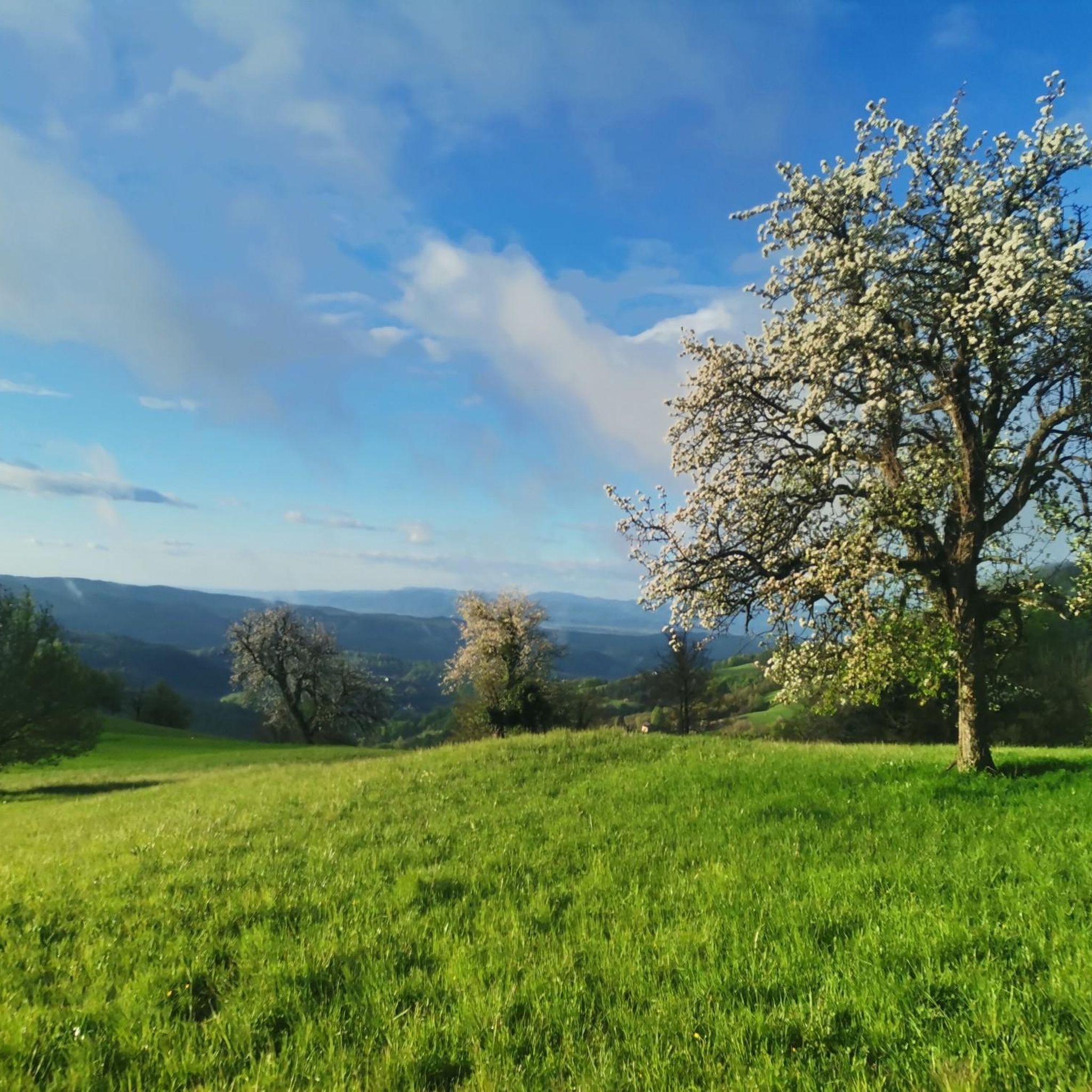
Jogging routes around Kozje traverse a diverse landscape within the Kozjansko Regional Park in eastern Slovenia. The region features rolling hills, extensive forests, and vineyards, offering varied terrain for running. Trails often follow river valleys and ascend to viewpoints, providing a mix of flat sections and moderate climbs. This area is characterized by its natural features, including distinct river gorges and dry grasslands.
Best jogging routes around Kozje
- The most popular jogging route is Podčetrtek Castle loop from Podčetrtek,…
Last updated: June 29, 2026
4.0
(1)
16
runners
10.1km
01:21
410m
410m
Hard run. Very good fitness required. Mostly paved surfaces. Suitable for all skill levels.
8
runners
14.6km
01:40
410m
410m
Hard run. Very good fitness required. Mostly paved surfaces. Suitable for all skill levels.

Sign up for free
4.5
(2)
14
runners
4.93km
00:37
170m
170m
Moderate run. Good fitness required. Mostly paved surfaces. Suitable for all skill levels.
7
runners
14.5km
01:50
470m
470m
Hard run. Very good fitness required. Mostly paved surfaces. Suitable for all skill levels.
5
runners
10.6km
01:37
600m
600m
Hard run. Very good fitness required. Mostly paved surfaces. Suitable for all skill levels.
4
runners
4.33km
00:29
90m
90m
Easy run. Great for any fitness level. Mostly paved surfaces. Suitable for all skill levels.
3
runners
7.63km
00:49
120m
120m
Moderate run. Good fitness required. Mostly paved surfaces. Suitable for all skill levels.
3
runners
5.69km
00:38
110m
110m
Moderate run. Good fitness required. Mostly paved surfaces. Suitable for all skill levels.
Get access to more routes and recommendations from other explorers.
Sign up for free
Already have an account?
Our route recommendations are based on thousands of hikes, rides, and runs completed by other people on komoot.
Start today with a free account
Your next adventure awaits.
Login or Signup
Tips from the Community

The mountain hut is located in the lovely Bohor Mountains below Plešivec, on a 925-meter-high peak. In addition to offering meals, the hut also offers overnight accommodation. It has 37 beds. More information can be found here: https://www.visitkrsko.com/namestitve-na-podezelju/koca-na-bohorju.
0
0

From 1881 to 1941, Rajhenburg Castle was a Trappist monastery. Today, the castle houses a museum and a gourmet restaurant.
2
0
The Church of St. Mary of Lourdes, built in 1914, is one of the largest churches in Slovenia.
1
1

Admission to the city tour is €5. Parking is free.
0
1
Basilica of Our Lady of Lourdes Slovenians also have our own Lourdes. With a mighty three-aisled basilica in a place with an extremely rich history. It was created at the place where the river Brestanica flows into the Sava and above which the Rajhenburg castle dominates, in which the Trappists had a monastery from 1881 to 1947. Originally, until 1953, Brestanica was called Rajhenburg, which in German means rich place. From any direction you drive into the place, your eyes are quickly drawn to the mighty church. The foundation stone was blessed on July 16, 1908. At that time, a parchment was embedded in the foundation stone, on which it was written: "Rise boldly from the blessed foundation of the house of Mary and bring the grace of Lourdes to the Slovenes!" At the beginning of the 20th century, the parish of Reichenburg missed a more spacious parish church . When Jožef Cerjak, until then a chaplain in the Maribor cathedral, came to Rajhenburg as a pastor, preparations for construction began. He founded the church building society of Maria Lurška, whose members from all over Slovenia pledged donations for construction. The biggest gift was the land donated by local woman Ana Korban. The church has the honorary title "Slovenian Lourdes" because Slovenians from all parts of our homeland participated in its construction. Construction of the church began in 1908 on the fiftieth anniversary of Mary's apparitions in Lourdes. Six years later, it was consecrated by the Bishop of Maribor, Dr. Mihael Napotnik. As an interesting fact - on the very day, July 2, 1914, when the new church was being consecrated, a train passed through Rajhenburg with the body of the Imperial Crown Prince Franz Ferdinand and his wife Zofia, who were the victims of the assassination in Sarajevo.
0
1


From a sixty-meter-high rocky pier above the confluence of the Brestanica stream and the Sava river, Rajhenburg Castle has been controlling the surrounding area for centuries. The castle building was built between 1131 and 1147 by the powerful owner of the estate, Archbishop Konrad of Salzburg, as evidenced by the oldest, Romanesque part of the building. For centuries, the building and the associated estate were managed by ministeriales, who were named after the castle – the Rajhenburg family. This was an influential family that achieved the title of knight in the 15th century. After their extinction, their successors added more modern elements to the building and gradually gave it the appearance we admire today. In 1881, Rajhenburg was purchased by Trappist monks and converted into a monastery, which operated until the occupation in April 1941, when the German occupation authorities established a camp for the expulsion of Slovenes in the castle and its associated outbuildings. In 1947, the Trappist order was dissolved and the castle was nationalized. A year later, in June, the Correctional Institution for Women was opened, and later other penal institutions. Since 1968, when an exhibition on Slovenian exiles was opened in it, it has been primarily intended for museum and event activities. After the denationalization process was completed in 2004, the castle is owned by the Municipality of Krško, and the completely renovated building is now managed by the Krško Cultural Center. During various events (concerts, theater performances, lectures, etc.), visitors can learn about the history of the castle, the town, and the entire area at permanent and temporary exhibitions. By walking through the building, they gain insight into the development of castle architecture from Romanesque, Gothic, and Renaissance to modern times. The castle boasts two chapels: Romanesque from the 12th century and Gothic from the 16th century. The Renaissance living area with a luxurious hall is completed by a room with rich fresco paintings. The museum exhibitions of the Museum of Contemporary History of Slovenia offer us an insight into the history of the Trappist monks, the fate of Slovenian exiles and the time when various penal institutions operated in the castle. Visitors can also see castle furniture from the collections of the National Museum of Slovenia, views of Brestanica from the end of the 19th century and motifs from social and community life presented on the presented postcards, and the castle also exhibits noble medals from the Olympic Games and world championships of the most famous Brestanica athlete Primož Kozmus. The Renaissance hall is enriched by the works of the academic painter Jože Ciuha, and art exhibitions are also organized in the large hall, which is marked by a four-winged Gothic window with a stone cross. Rajhenburg Castle is one of the most important monuments of medieval castle architecture in Slovenia, which is why we place great emphasis on the building history of the building. The castle cellar houses a sparkling wine library, and the museum shop offers exhibition catalogues, numerous local products and Brestanica chocolate. The completely renovated castle with its picturesque location and exemplary renovated interior is also an excellent setting for wedding ceremonies, and modern equipment makes the entire building accessible to people with disabilities. The complete renovation of the castle building, which took place between 2010 and 2012, was financed within the framework of the Operational Programme for Strengthening Regional Development Potentials for the period 2007–2013, development priorities Connecting natural and cultural potentials − priority directions Networking cultural potentials.
2
0

One of the oldest castles in Slovenia (first mentioned as early as 1261) invites us for a walk and a tour above the settlement of Podčetrtek. Unfortunately, it is in a rather poor condition and restoration work is currently being carried out on it. Unfortunately not for sightseeing. However, you can continue your trip from the castle to the Šmarnica shelter and on to Rudnica.
1
0
Frequently Asked Questions
How many running routes are available around Kozje?
There are over 15 dedicated running routes around Kozje, offering a diverse range of options for all fitness levels within the scenic Kozjansko Regional Park.
Are there any easy running routes suitable for beginners or a relaxed jog?
Yes, Kozje offers several easy running options. For a gentle introduction, consider the Running loop from Podčetrtek, which is 4.3 km long, or the Running loop from Atomske Toplice hotel, a shorter 3.3 km path. These routes feature minimal elevation gain, perfect for a relaxed pace.
What kind of terrain can I expect on the running trails in Kozje?
The running trails in Kozje traverse a diverse landscape, from rolling hills and extensive forests to vineyards and river valleys. You'll find a mix of paved sections and natural paths, with options ranging from flat stretches to moderate climbs, especially around areas like Špic hrib (Plešivec) and Veliki Javornik.
Are there any running routes that pass by historical sites or castles?
Absolutely! Many routes incorporate the region's rich history. You can explore the Podčetrtek Castle loop from Atomske Toplice hotel, a moderate 4.9 km path that takes you past the historical castle. Another option is the Rajhenburg Castle loop from Grad Brestanica - Rajhenburg, a 5.7 km moderate route offering views of the impressive Rajhenburg Castle.
Can I find circular running routes in the Kozje area?
Yes, many of the running routes in Kozje are designed as loops, allowing you to start and finish in the same location. Examples include the various Podčetrtek Castle loops and the Špic hrib (Plešivec) – Veliki Javornik loop from Dobrova, which offers a challenging 10.5 km circular run with significant elevation.
Are there any running trails with scenic viewpoints in Kozje?
The region is known for its panoramic views. The Vetrnik area, with its colorful dry grasslands, offers stunning vistas from the top (708m) of Boč and Donačka gora, Pilštanj square, and the Bistrica river valley. Routes ascending to areas like Špic hrib (Plešivec) and Veliki Javornik also provide rewarding scenic overlooks.
What do other runners say about the trails in Kozje?
The running routes in Kozje are highly rated by the komoot community, with an average score of 4.2 stars from over 4 reviews. More than 120 runners have used komoot to explore Kozje's varied terrain, often praising the natural beauty and diverse landscapes.
Are there any running routes that pass by natural features like waterfalls or gorges?
Yes, the Kozjansko Regional Park is rich in natural wonders. The Gruska Valley features a 30-meter-high overhanging wall and the source of the Gruska stream, which forms a beautiful waterfall during heavy rains. The Bistrica River Gorge, located between Podsreda and Bistrica ob Sotli, is also considered one of the most picturesque and well-preserved river gorges in eastern Slovenia, offering a stunning natural backdrop for a run.
Are the running routes in Kozje suitable for families?
While some routes are more challenging, there are easier, shorter loops that could be suitable for families looking for a gentle jog or walk. The Running loop from Podčetrtek (4.3 km) or the Running loop from Atomske Toplice hotel (3.3 km) are good starting points for a family-friendly outing.
What is the best season for running in Kozje?
Kozje offers beautiful running conditions throughout much of the year. Spring and autumn provide pleasant temperatures and vibrant scenery with blooming wildflowers or colorful foliage. Summer can be warm, so early morning or late afternoon runs are recommended. Winter running is possible, but some trails might be slippery or require appropriate gear, especially at higher elevations.
Are there any longer, more challenging running routes for experienced runners?
For experienced runners seeking a challenge, Kozje delivers. The Podčetrtek Castle loop from Olimje is a difficult 14.4 km trail with significant elevation gain, often completed in about 1 hour 49 minutes. Another demanding option is the Podčetrtek Castle loop from Podčetrtek, a 9.9 km difficult route with over 400 meters of ascent.
Are there places to park near the running trailheads in Kozje?
Many of the running routes in Kozje originate from towns or hotels, such as Podčetrtek or Atomske Toplice hotel, where parking facilities are generally available. It's advisable to check specific starting points for detailed parking information, but accessibility by car is common for most trailheads.

Get inspired with the komoot mobile app


Explore more
Browse the best Running Trails & Routes in other regions.
