The best MTB trails in Comanche Peak Wilderness
27
riders
3
rides
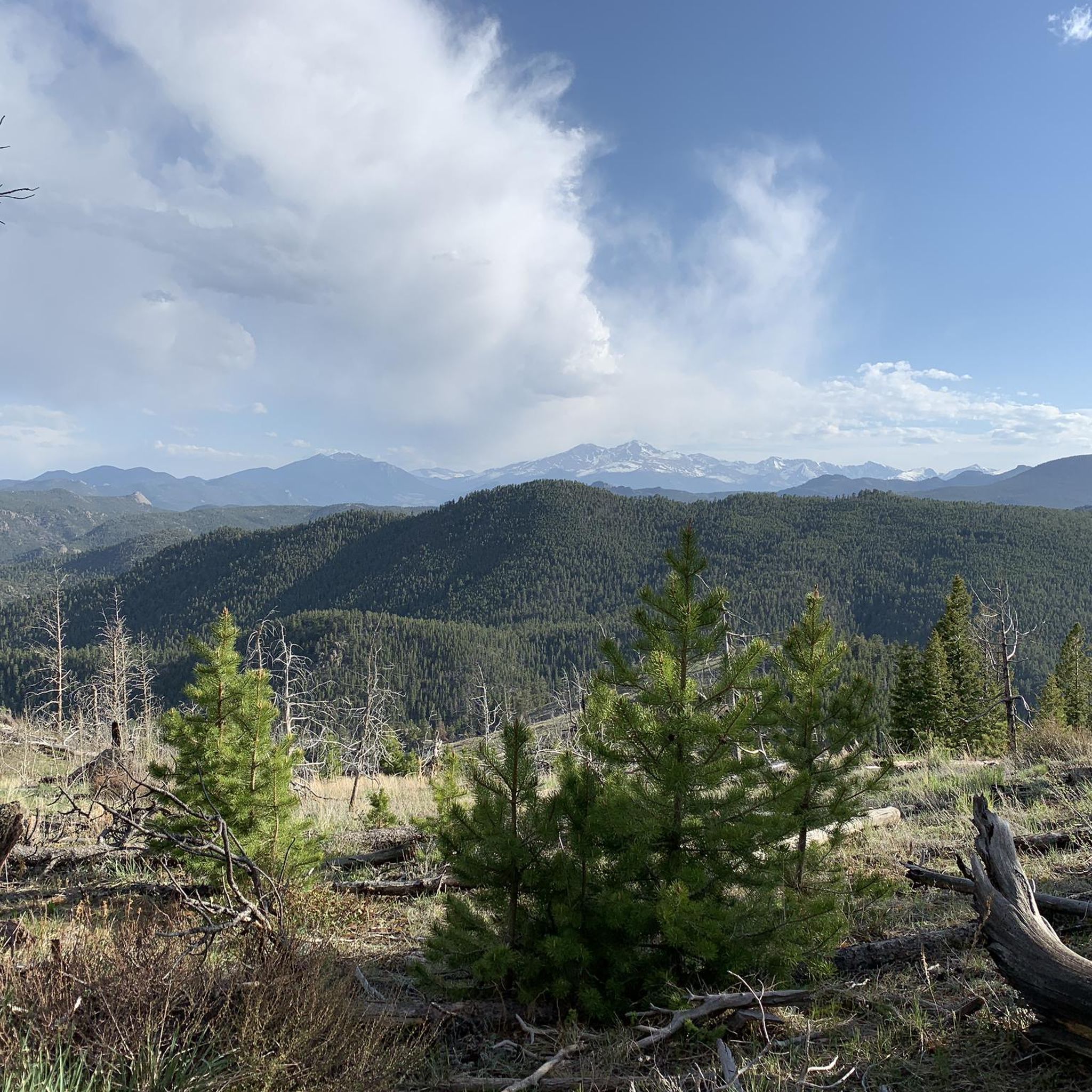
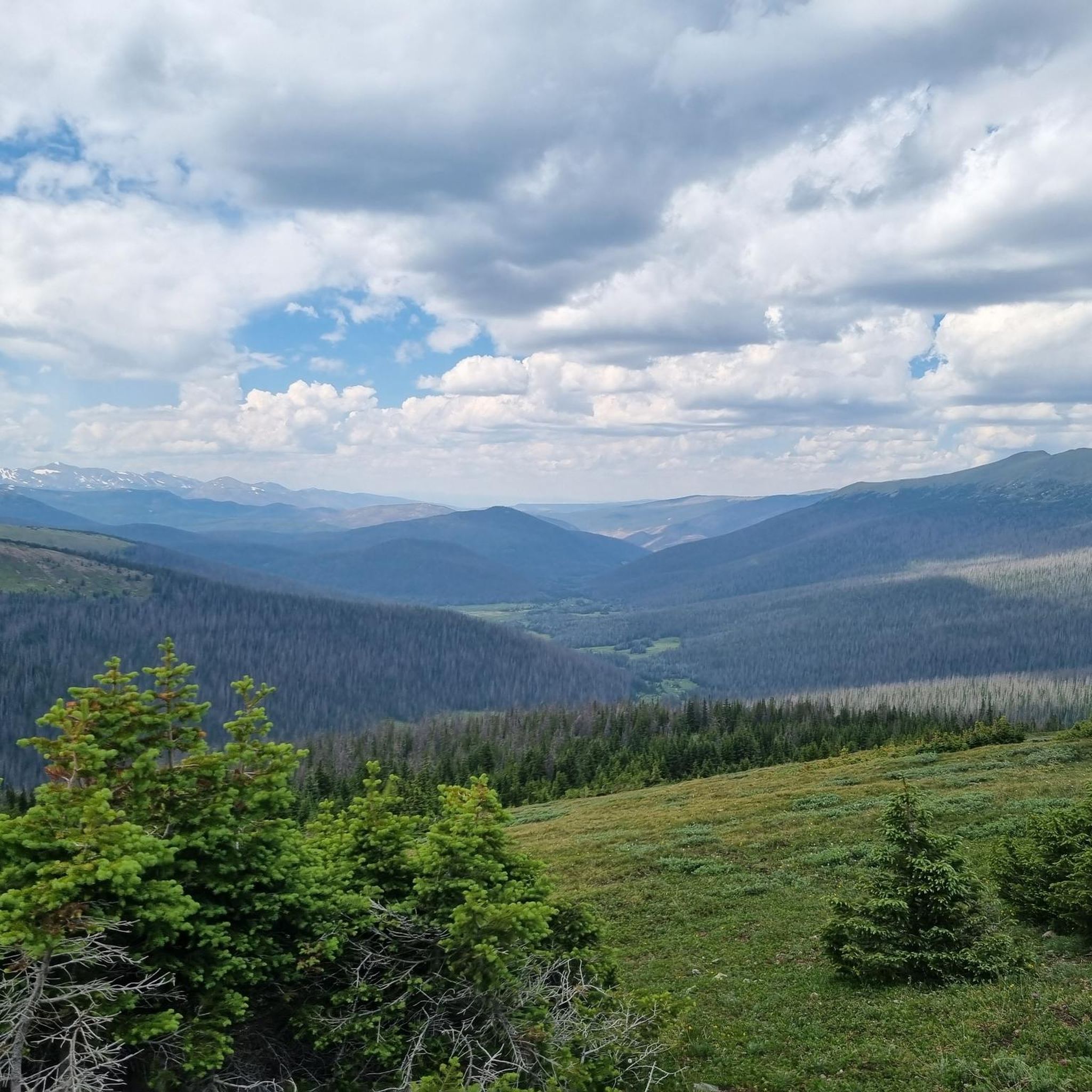
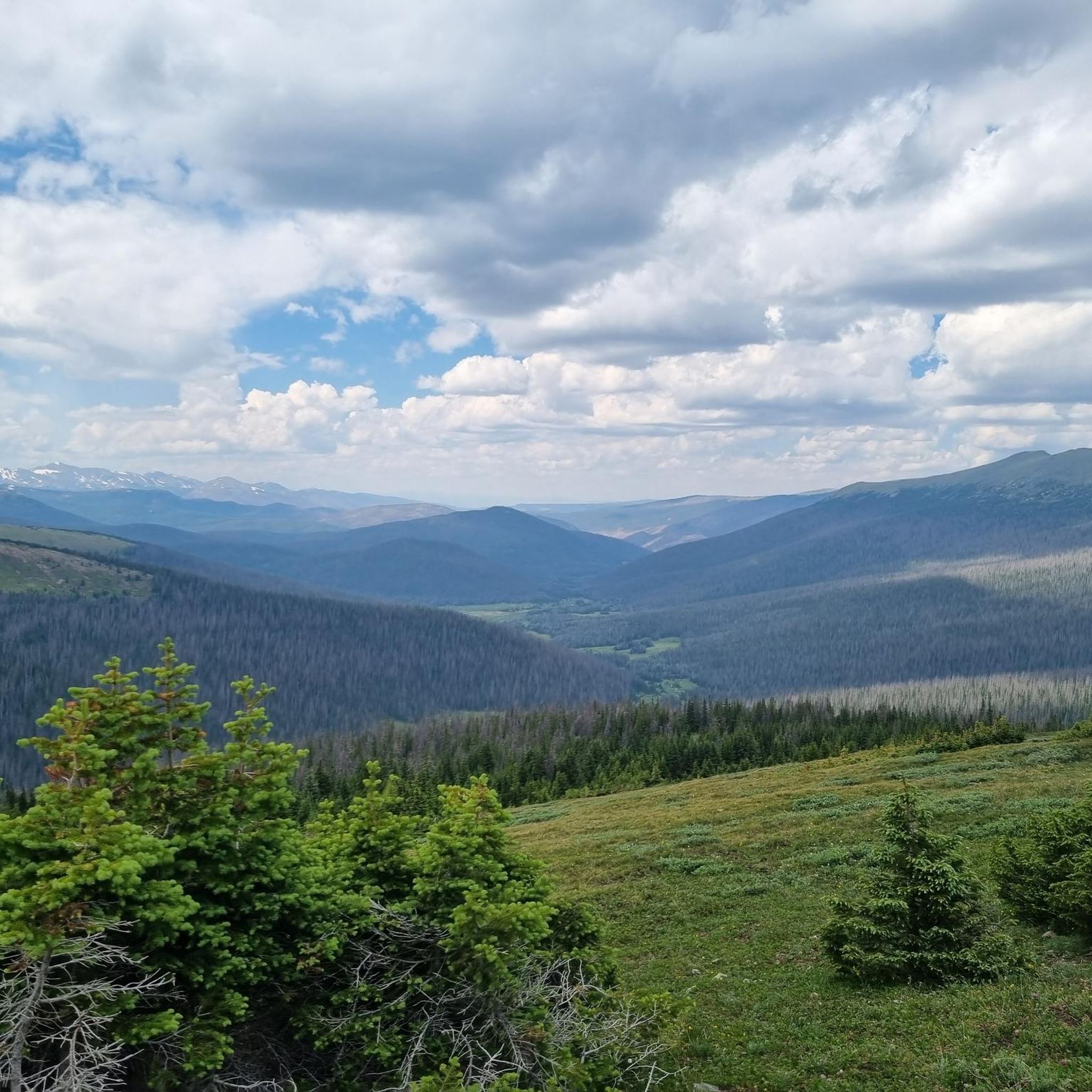
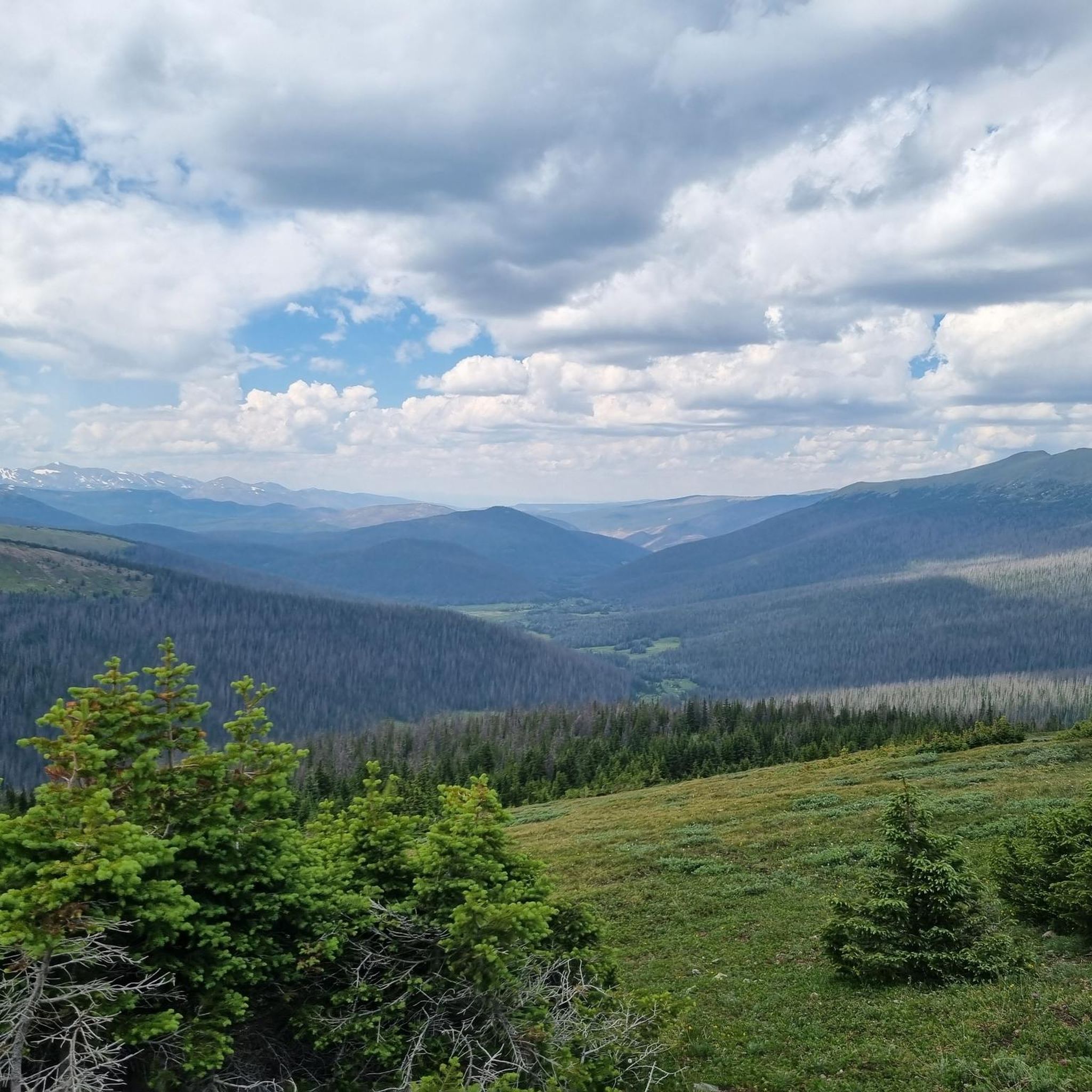
Mountain biking in Comanche Peak Wilderness offers diverse landscapes, transitioning from dense forests of ponderosa pine and spruce-fir at lower elevations to expansive alpine tundra. The region features elevations ranging from approximately 8,000 feet to 12,702 feet at Comanche Peak, providing varied terrain for mountain bikers. The rugged Mummy Range forms a dramatic backdrop to many of the area's routes.
Best mountain bike trails in Comanche Peak Wilderness
- The most popular mountain bike trail is Crosier Mountain Loop, an…
Last updated: October 14, 2026
19.1km
02:35
930m
930m
The Crosier Mountain Loop is a difficult 11.9-mile mountain biking trail in Roosevelt National Forest with 3066 feet of elevation gain.
25
riders
29.5km
02:34
550m
550m
Moderate mountain bike ride. Good fitness required. Advanced riding skills necessary.

2
riders
Hard mountain bike ride. Very good fitness required. Suitable for all skill levels.
Our route recommendations are based on thousands of hikes, rides, and runs completed by other people on komoot.
Start today with a free account
Your next adventure awaits.
Tips from the Community

Created by the construction of the Olympus Dam, Lake Estes is a 185-acre reservoir on the Big Thompson River. It's idyllic location is further heightened by the chance of spotting some truly majestic wildlife.
0
0

Limber Pine Trail is a fantastic trail through beautiful pine forests and large stands of aspen trees, with many alternate lines built in. This trail offers cross-country cruising through the forest with plenty of twists, turns, and rocks to navigate. Many of these lines feature switchbacks and large rocks, including drops and steep rollers.
0
0
The Crosier Mountain Garden Gate trailhead, located about two miles west of Drake along Hwy 43, has room for six to eight vehicles, but no restrooms. The Crosier Mountain Trail from the Garden Gate Trailhead begins with a very steep descent that you might need to hike whether riding it up or down from the small parking area, followed by a climb back up another steep hill before dropping again to pass the popular rock climbing area known as "The Monastery." After this, the trail evens out and climbs more steep grades with large rock obstacles, over rolling hills until reaching a picturesque meadow with camping spots. The meadow provides a mellow grade and great flow, which is a nice break from the climbing! From the meadow, the trail ascends through a gully, eventually leveling off in a dense pine forest where it intersects with the Rainbow Trail. The summit of Crosier Mountain is just 0.5 miles from this point, accessible via a spur trail.
0
0
Crosier Mountain is 9,250 feet tall and especially in comparison to the peaks in the nearby Rocky Mountain National Park, incredibly dry, open, and arid and offers amazing panoramic views of the Twin Sisters Peaks and Longs Peak to the south in RMNP, Signal Mountain to the northwest, and the foothills and plains of Front Range to the east. The short spur trail up to the summit is quite steep and you might need to hike your bike for a few sections. Crosier Mountain is accessible from three different trails Garden Gate, Rainbow Trail/Gravel Pit, and Glen Haven, the trailheads of which are all located within about 8 miles of each other. They are all popular with hikers and horseback riders, and dogs are allowed on all of these trails.
0
0
The Rainbow Trailhead or Gravel Pit trailhead is about 5.5 miles from Drake and is quite visible from the road due to the large gravel road. The trailhead and trail is surrounded by private property to please only park in the lot and stick to the trail. The trail climbs steadily upward, gaining a lot of altitude quickly right at the start as you head up a steep gully. It is steep and narrow in places with many root and rock steps. After gaining the top of the gully, the grade evens out a little bit as you switchback occasionally, following a creek until you meet up with the Glen Haven portion of the Crosier Mountain Trail. This trail can be ridden in either direction and is also popular with hikers so please be respectful as you ride.
0
0
Crosier Mountain is 9,250 feet tall and especially in comparison to the peaks in the nearby Rocky Mountain National Park, incredibly dry, open, and arid. Crosier Mountain is accessible from three different trails Garden Gate, Rainbow Trail/Gravel Pit, and Glen Haven, the trailheads of which are all located within about 8 miles of each other. Dogs are allowed on all of these trails, which are also popular with mountain bikers and horseback riders. Regardless of which trail you take, Crosier Mountain is a challenging hike, but it offers amazing panoramic views of the Twin Sisters Peaks and Longs Peak to the south in RMNP, Signal Mountain to the northwest, and the foothills and plains of Front Range to the east.
0
0

The Lake Estes is a water reservoir on the edge of Estes Park, in Northern Colorado. It sits at 7522 feet high.
0
0
Frequently Asked Questions
Is mountain biking permitted within the Comanche Peak Wilderness?
No, mountain biking is not permitted within the designated Comanche Peak Wilderness area. As a wilderness area, mechanized transportation, including bicycles, is prohibited to preserve its natural character. Travel within the wilderness is restricted to foot or horseback.
Where can I find mountain bike trails near the Comanche Peak Wilderness?
While mountain biking is restricted within the wilderness itself, there are trails available in the surrounding areas. For example, you can explore routes like the Crosier Mountain Loop or the Limber Pine Trail loop from Estes Park, which offer diverse terrain outside the wilderness boundary.
What are the typical difficulties of mountain bike trails near Comanche Peak Wilderness?
The mountain bike trails in the vicinity of Comanche Peak Wilderness offer a range of difficulties. You can find moderate routes, such as the Limber Pine Trail loop from Estes Park, as well as more challenging options like the Crosier Mountain Loop and the Crosier Mountain – Crosier Mountain Trail loop from North Fork Big Thompson River, which feature significant elevation gains.
Are there any loop trails for mountain biking near Comanche Peak Wilderness?
Yes, there are several loop trails available for mountain biking in the areas surrounding Comanche Peak Wilderness. Examples include the Crosier Mountain Loop and the Limber Pine Trail loop from Estes Park, which provide circular routes through varied landscapes.
What kind of landscapes can I expect on mountain bike trails near Comanche Peak Wilderness?
Mountain bike trails in the region often transition from dense forests of ponderosa pine and spruce-fir at lower elevations to more open sections. You can expect varied mountain terrain, including forested areas and sections with steady climbs, offering a diverse riding experience.
What other outdoor activities are popular in the Comanche Peak Wilderness?
Since mountain biking is not allowed, the Comanche Peak Wilderness is a prime destination for other activities. Popular options include hiking, backpacking, backcountry camping, fly fishing in pristine alpine lakes and rivers, and wildlife viewing. The area boasts an extensive trail system for foot travel.
Are there any notable natural features or attractions within the Comanche Peak Wilderness?
Yes, the Comanche Peak Wilderness is known for its rugged Mummy Range, pristine alpine lakes such as Emmaline Lake, Browns Lake, and Comanche Lake, and the Cache la Poudre River. The diverse landscapes range from dense forests to expansive alpine tundra, offering dramatic scenery and rich wildlife viewing opportunities.
What wildlife might I encounter in the Comanche Peak Wilderness area?
The Comanche Peak Wilderness supports a variety of wildlife. Visitors might spot elk, moose, mule deer, black bear, mountain lion, coyote, and beaver. Birdwatchers can look for species like chickadees, hummingbirds, grey jays, red-tailed hawks, ptarmigan, and golden eagles.
Are there any specific regulations for visiting the Comanche Peak Wilderness?
As a designated wilderness area, motorized equipment and mechanized transportation (including bicycles) are prohibited. Travel is restricted to foot or horseback. While backcountry camping is available, it's always advisable to practice Leave No Trace principles and be aware of any specific fire restrictions or seasonal closures.
What is the elevation range in the Comanche Peak Wilderness?
Elevations within the Comanche Peak Wilderness range significantly, from approximately 8,000 feet to 12,702 feet at Comanche Peak, which is the highest point. This variation contributes to the diverse ecosystems found in the area, from forests to alpine tundra.
Can I go fishing in the Comanche Peak Wilderness?
Yes, the pristine alpine lakes and tributary streams within the Comanche Peak Wilderness offer excellent fly fishing opportunities. Anglers can find cutthroat, brook, and rainbow trout, with some streams even containing the rare greenback cutthroat trout.
How many mountain bikers have explored routes near Comanche Peak Wilderness using komoot?
More than 19 mountain bikers have used komoot to explore the varied terrain on routes in the vicinity of Comanche Peak Wilderness, indicating a community of riders enjoying the area's offerings.
Most popular routes in Comanche Peak Wilderness

Get inspired with the komoot mobile app


Explore more
Browse the best MTB trails in other regions.
