Top 14 Castles in Brindisi
Castles in Brindisi and its surrounding areas offer insights into the region's history and architectural heritage. Brindisi is situated on the Adriatic coast of Puglia, known for its strategic port location. The area features a mix of coastal and inland landscapes, with historical structures reflecting centuries of different dominations. These castles served various purposes, from defensive strongholds to noble residences.
Best castles in Brindisi
- The most popular castles is Villanova Harbour and Castle, a castle built by the Angevins…
Last updated: October 2, 2026
Villanova Harbour and Castle
Highlight • Castle
Translated by Google •
Tip by

Torre Guaceto Tower
Highlight • Monument
Translated by Google •
Tip by

Sign up now to discover places like this
Get recommendations on the best single tracks, peaks, & plenty of other exciting outdoor places.
Carovigno Castle
Highlight • Castle
Translated by Google •
Tip by

Historic Center of Oria
Highlight • Historical Site
Translated by Google •
Tip by

Ceglie Messapica
Highlight • Settlement
Translated by Google •
Tip by

Dentice di Frasso Castle
Highlight • Castle
Translated by Google •
Tip by

Dentice di Frasso Castle
Highlight • Castle
Translated by Google •
Tip by

View of Castello Alfonsino (Aragonese Castle) in Brindisi
Highlight • Viewpoint
Translated by Google •
Tip by
Norman-Swabian Castle of Mesagne
Highlight • Castle
Translated by Google •
Tip by
San Vito dei Normanni
Highlight • Settlement
Translated by Google •
Tip by

Sign up for free to discover even more castles in Brindisi.
Already have an account?
Start today with a free account
Your next adventure awaits.
Popular around Brindisi
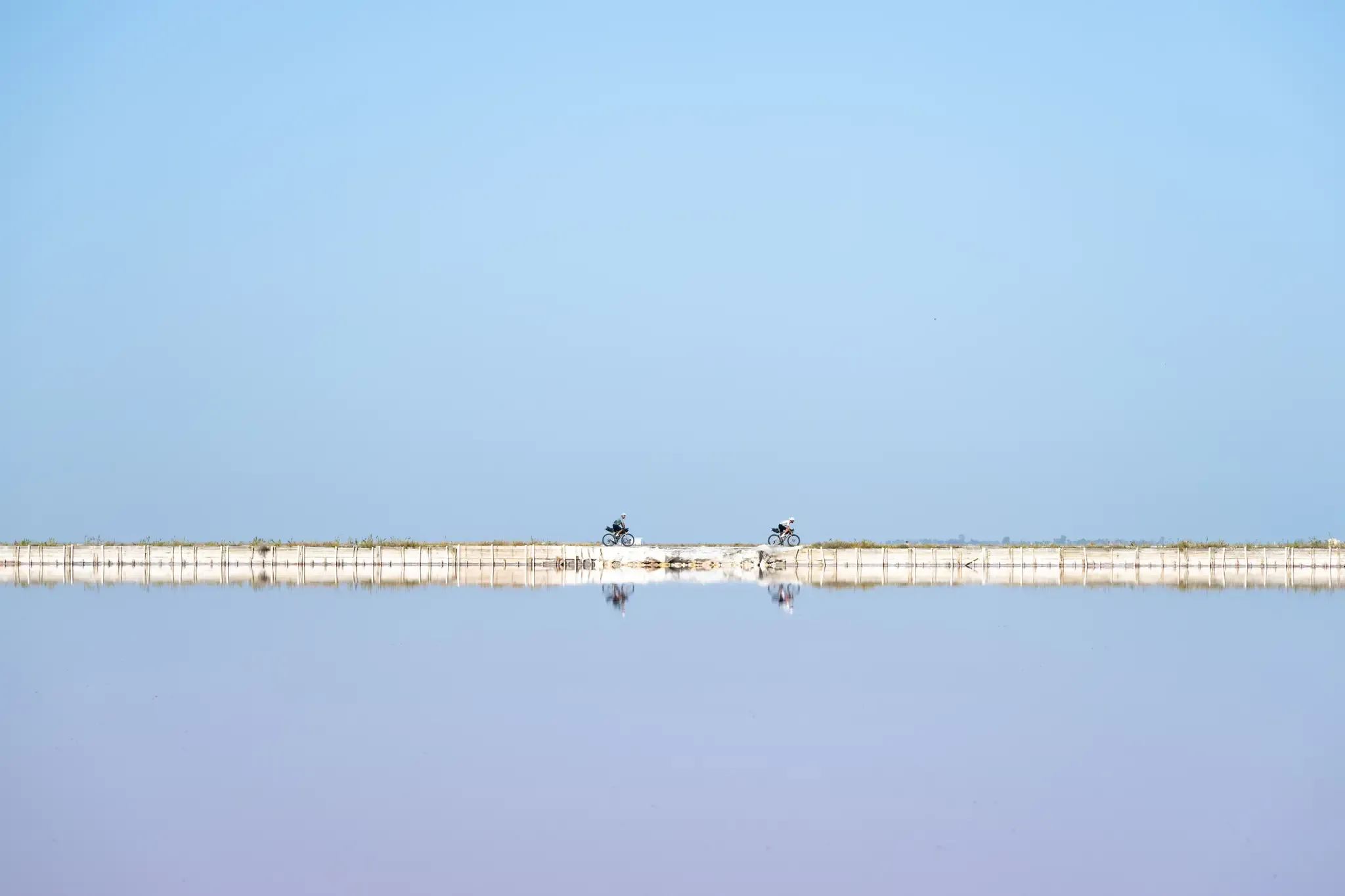
Trieste to Santa Maria di Leuca – the Adriatic Cycle Route
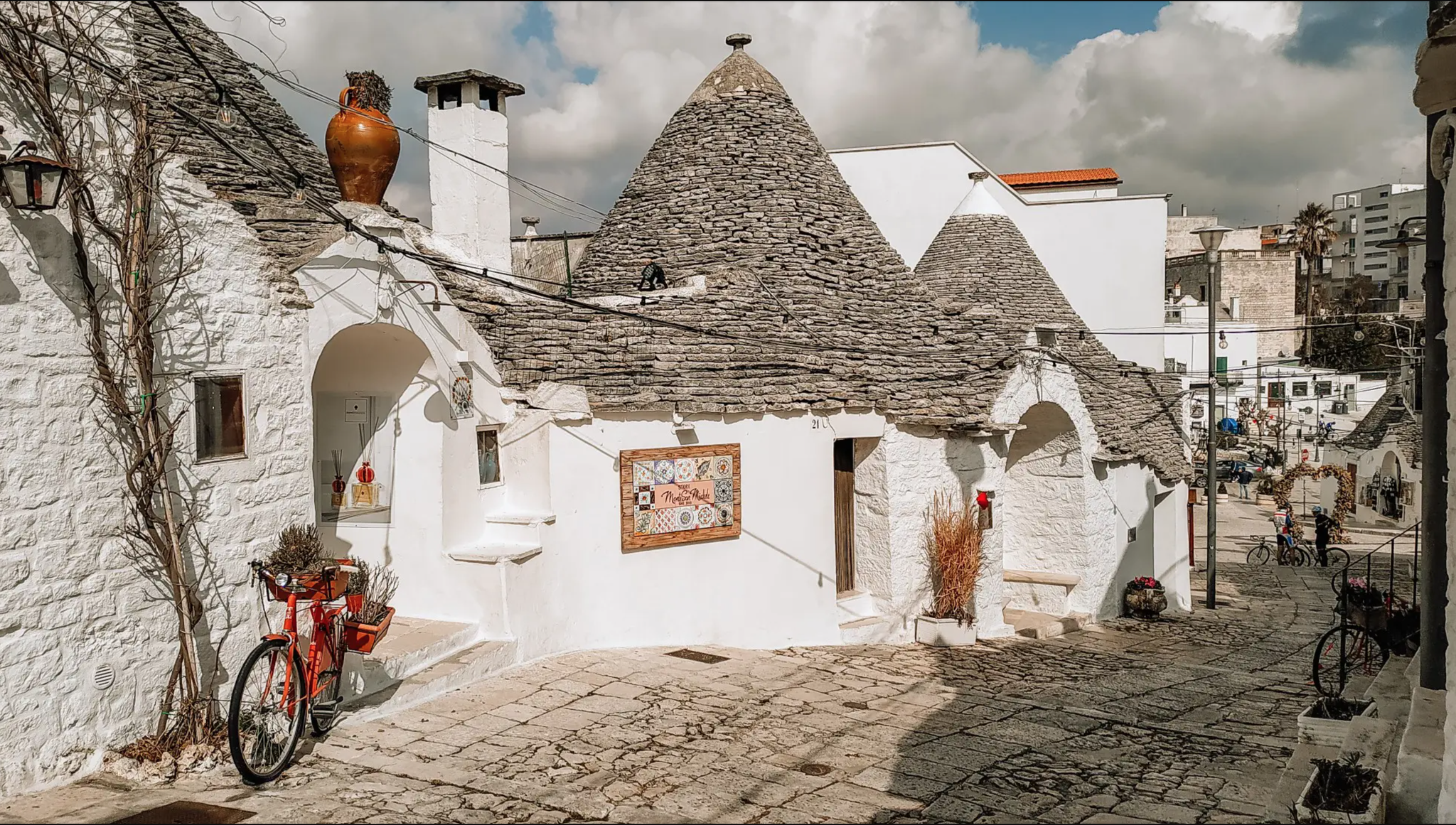
Cycle through the painted blue – a journey of discovery in Puglia
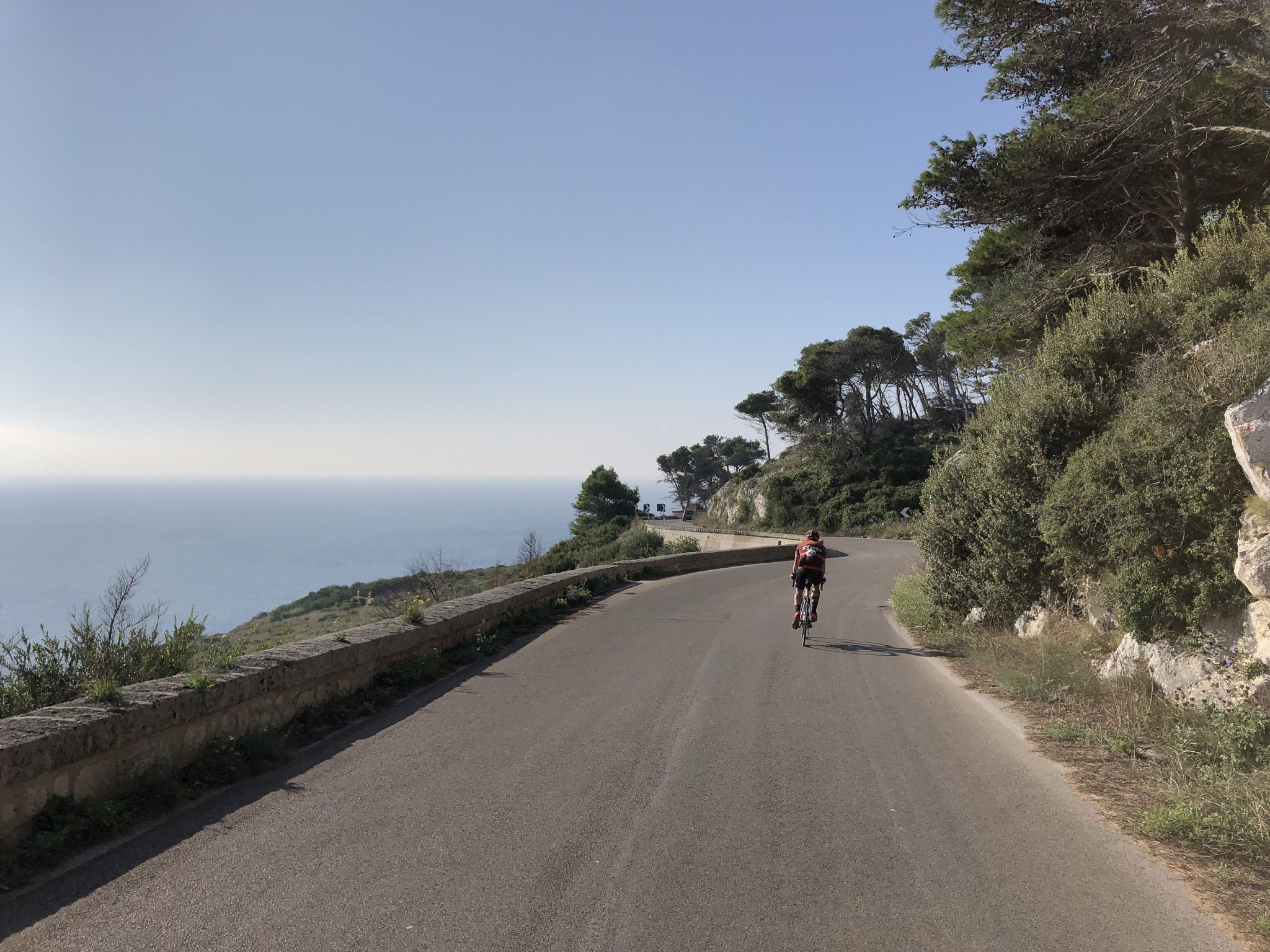
Italy’s Puglia from Bari to Santa Maria di Leuca — all the way south
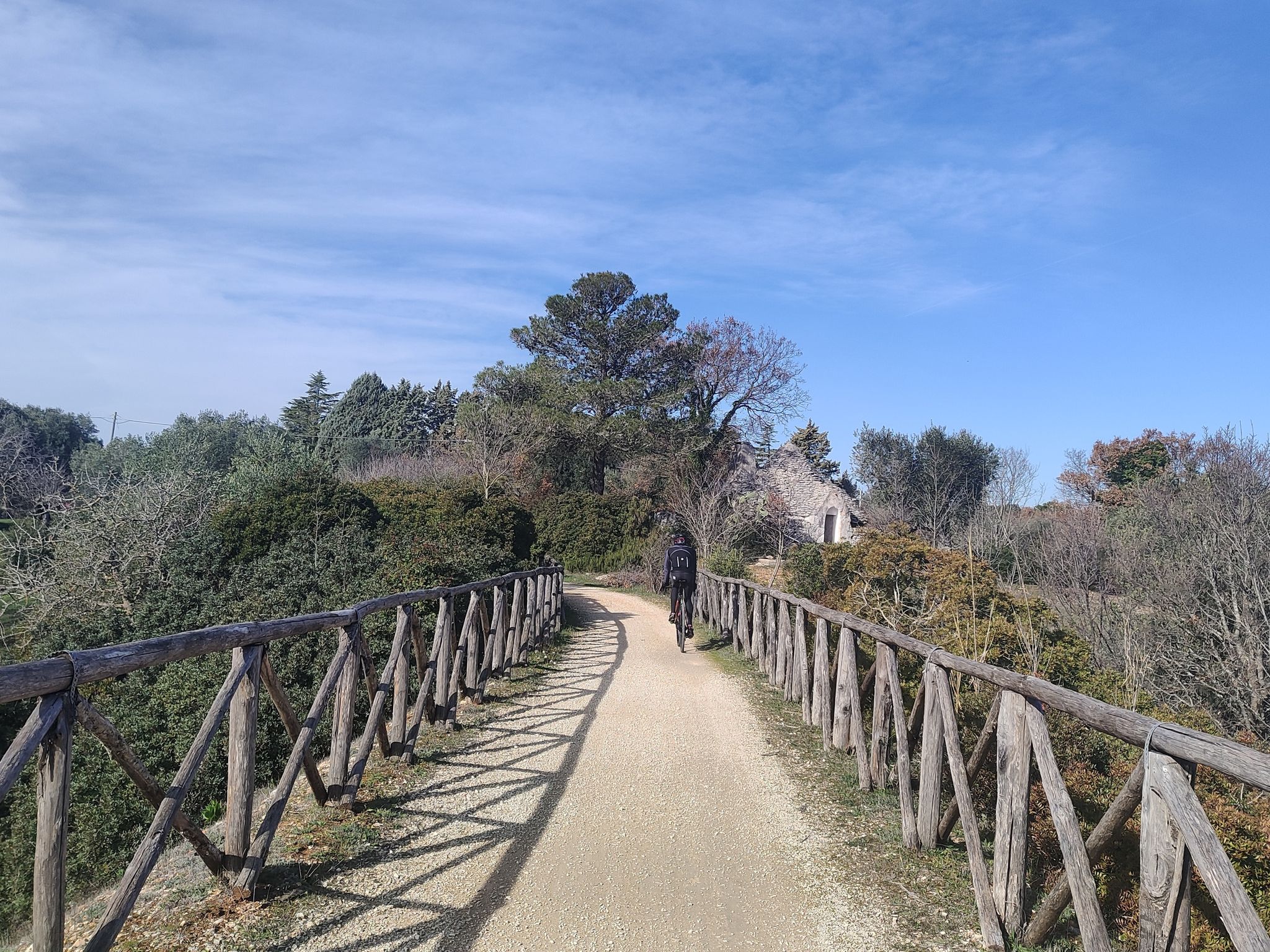
Ciclovia Anello d'oro di Puglia - Viaggio nella Puglia profonda
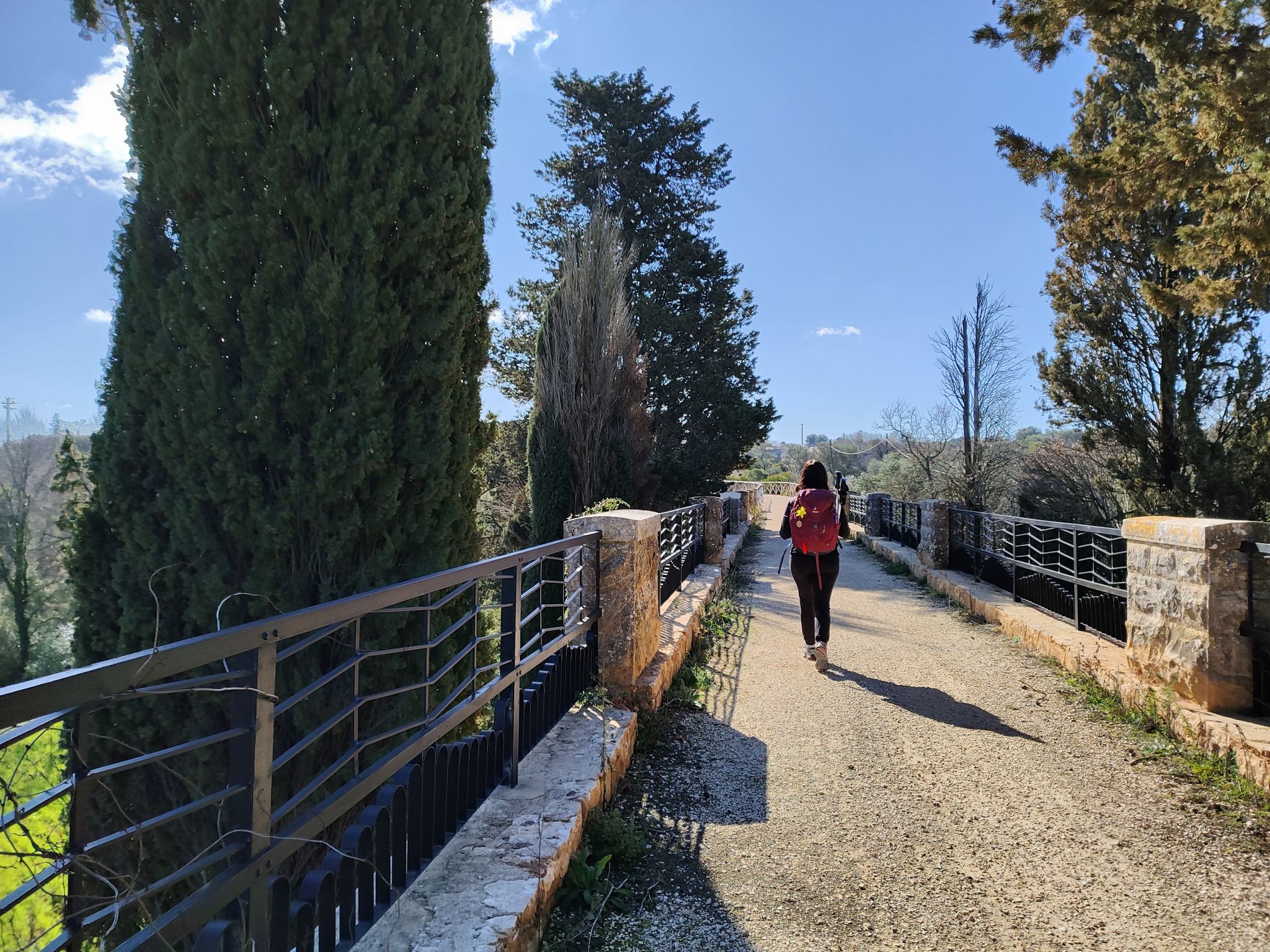
Anello d'oro di Puglia - Trekking nella Puglia profonda
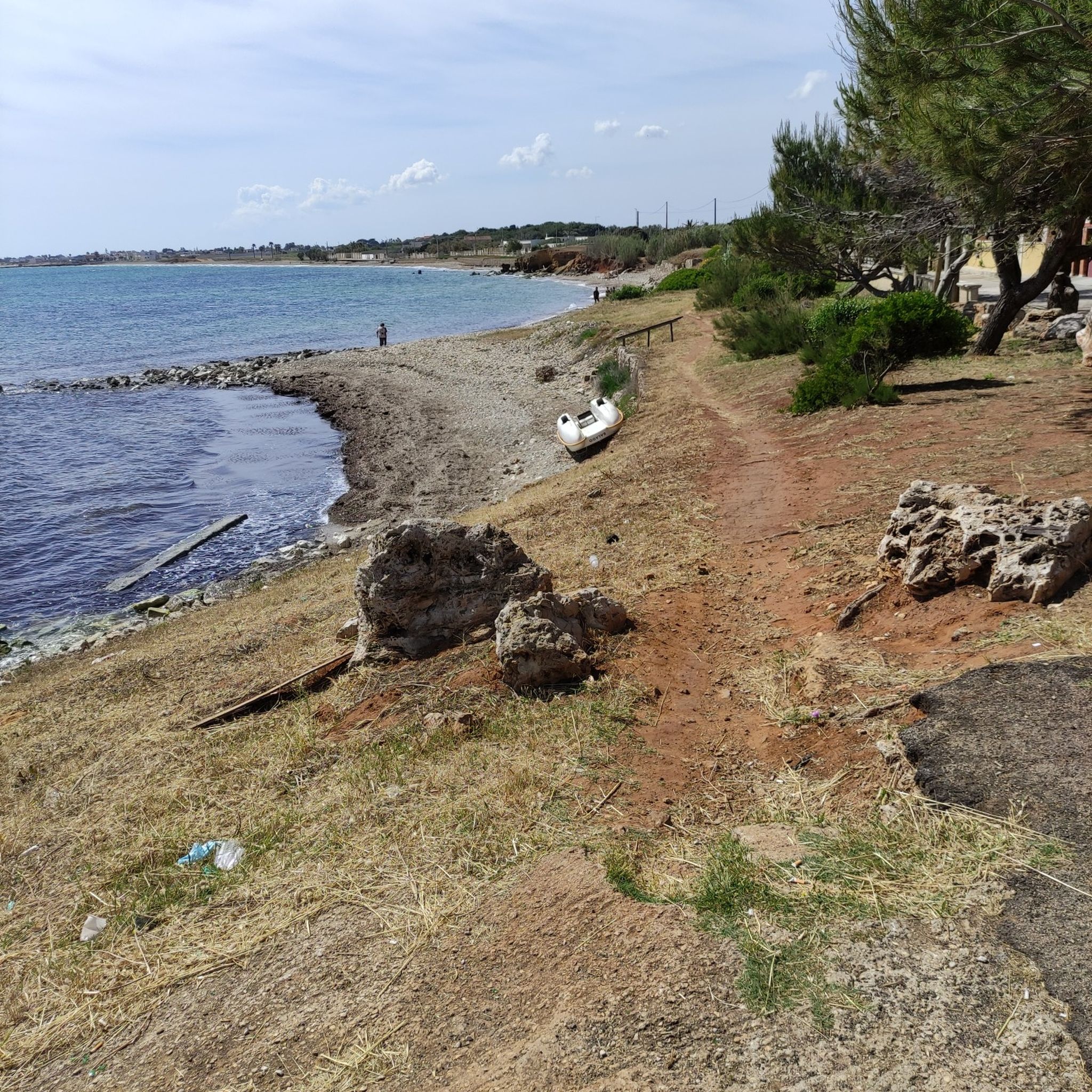
Hiking in Brindisi
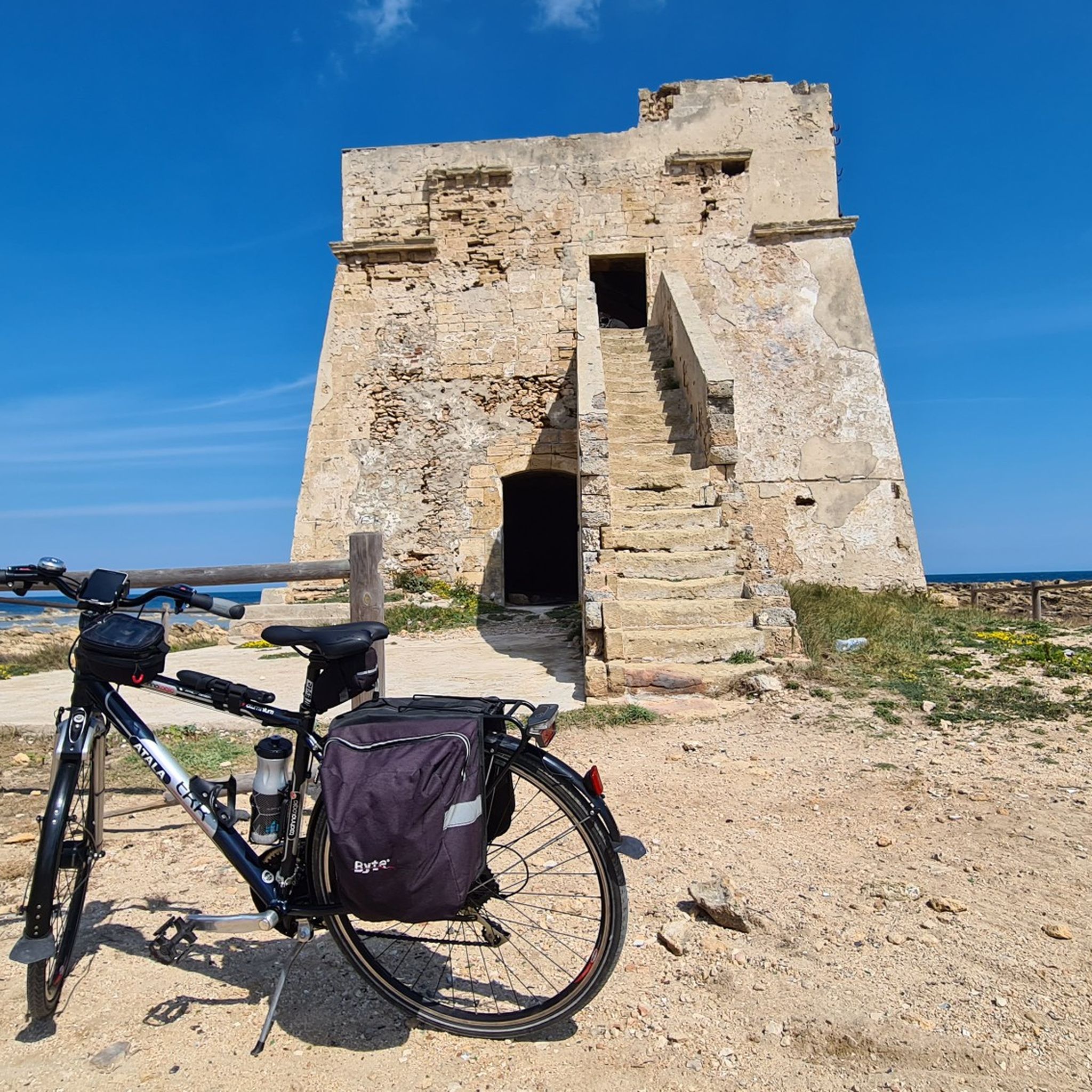
Cycling in Brindisi
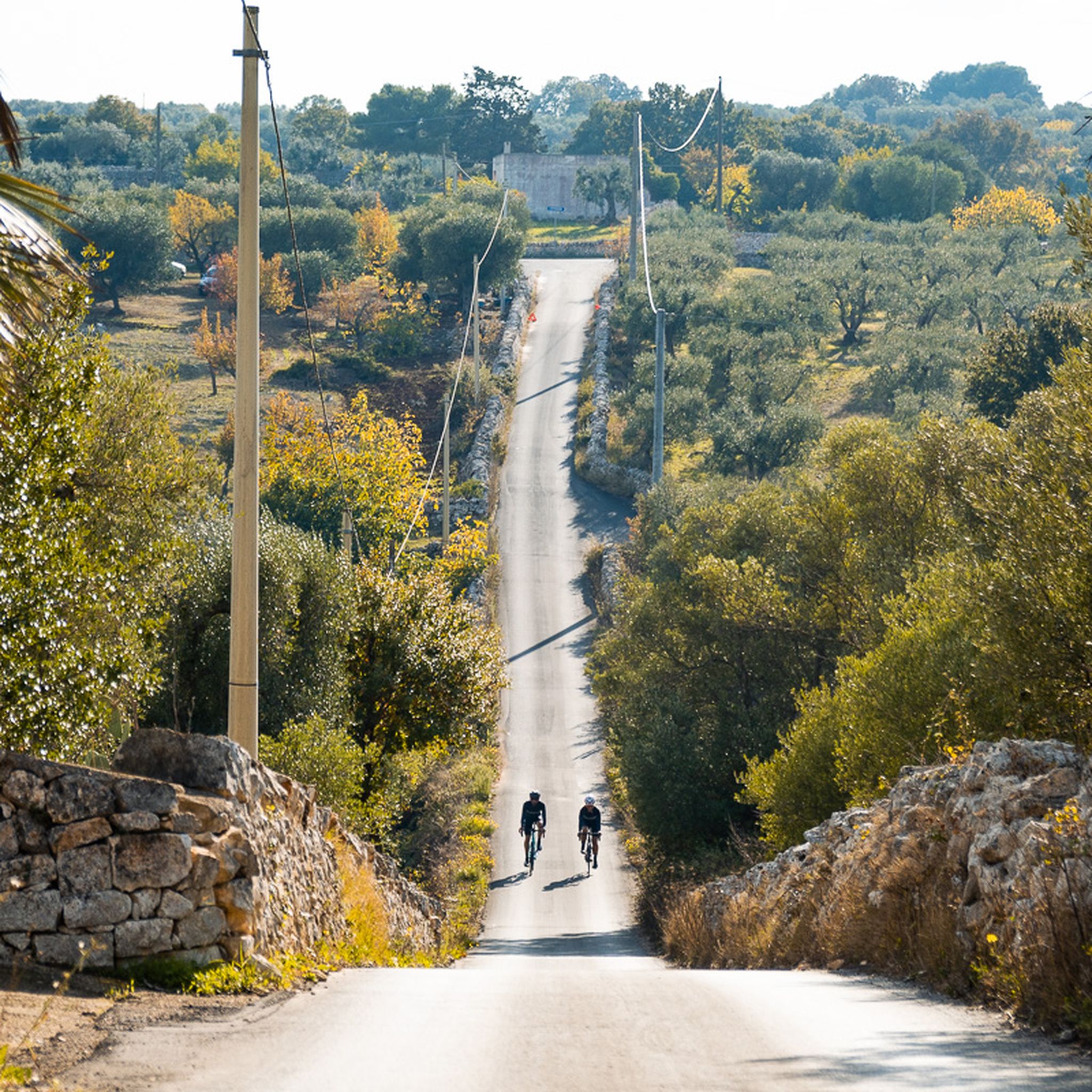
Road Cycling Routes in Brindisi
Running Trails in Brindisi
MTB Trails in Brindisi
Other adventures in Brindisi


Tips from the Community

A stroll along the seafront in the center of the Villanova marina
1
0

In 1278 the walls of Villanova were built, and about 20 years later the castle was built by the Angevins, who took over the domination of Ostuni from the Swabian-Normans, who were responsible for the intensification of olive cultivation. From surviving documents, demonstrating its strategic importance, it appears that around the 15th century the castle was a fully active defensive structure. In fact, the city of Ostuni under Aragonese domination, thanks also to the castle and the small port of Villanova, managed to maintain the status of a state city, therefore free from feudal duties. Due to the various destructions over time, little remains of the original 14th-century construction. Currently the castle is made up of three bodies that act as square towers with a sloped base. Around the building, at the height of the first floor, runs a tubular torus and from the roof of the building rises a turret modeled on the prototype of a lighthouse. Ref. https://fondoambiente.it/luoghi/castello-del-porto-turistico-di-villanova-ostuni
4
0
it is a tourist port protected by two piers: the eastern pier 70 m long with quayside and bollards and the western pier 280 m long. Inside the dock there are some docks reserved for pleasure boats
4
0

A pleasant medieval village. In addition to the historic center and the very characteristic Jewish quarter, the Castello Svevo and the Cathedral of S. Maria Assunta are definitely worth a visit.
2
0

The Castle is located in the historic center of Carovigno. From the portal, walking along narrow streets, you reach Corso Vittorio Emanuele
0
0

The natural oasis Torre Guaceto stands for beautiful sea and lots of nature. The landmark is this Aragonese tower Torre Guaceto
0
0

Pretty town in the upper Salento of very ancient times (the Messapi were the people who preceded the Romanization). Characteristic for its narrow alleys that climb up to the center and for the white color of the lime walls. It is also worth a stop to visit the Castle, the medieval village and the churches (especially that of S. Anna). Not to be missed, scattered around Ceglie and in Salento, are also the "specchie", large mounds of limestone slabs which in the Neolithic age perhaps served as defense or watchtowers
1
0

It is located close to the historic center of Brindisi, also known as the "big castle"
0
0
Frequently Asked Questions
Which castles in the Brindisi area are particularly rich in history?
The Brindisi area boasts several castles with deep historical roots. The Castello Svevo in Brindisi, built by Emperor Frederick II in the 13th century, served as a royal residence and military stronghold, even housing King Vittorio Emanuele III during WWII. Another significant site is the Castello Alfonsino, a masterpiece of defensive architecture constructed by Alfonso I of Aragon to defend against maritime attacks. The Castello di Villanova, initially built by Charles I of Anjou, was crucial in the Aragonese coastal defense system.
Are there any family-friendly castles to visit in the Brindisi region?
Yes, several castles in the Brindisi region are suitable for families. The Villanova Harbour and Castle is listed as family-friendly, offering a blend of history and a coastal setting. The Dentice di Frasso Castle in Carovigno, with its unique architecture and panoramic views, is also noted as family-friendly. Additionally, the Historic Center of Oria and Ceglie Messapica, both featuring castles, are highlighted as family-friendly destinations.
What are the best times of year to visit the castles in Brindisi?
The Brindisi region generally enjoys a Mediterranean climate. Spring (April-May) and early autumn (September-October) are often ideal for visiting castles, as the weather is pleasant for exploring without the intense heat of summer. These periods offer comfortable temperatures for walking around the castle grounds and enjoying the scenic views.
Can I find castles with unique architectural features in the Brindisi area?
Absolutely. The Castello Alfonsino, also known as the Red Castle, is striking with its red brick, trapezoidal plan, pentagonal bastions, and a distinctive internal harbor. The Castello Dentice di Frasso in Carovigno stands out with its unique triangular shape and a variety of towers, including a lance-shaped or 'almond-shaped' tower. The Castello di Villanova features three main square towers with scarped bases and a turret resembling a lighthouse.
Are there any castles in Brindisi that offer guided tours?
Yes, guided tours are available for some castles. The Castello Alfonsino offers guided tours, providing an immersive historical experience. For the Castello Svevo, while primarily used by the Italian Navy, guided tours are occasionally available by reservation, offering a rare opportunity to explore its historic halls.
What kind of natural features or viewpoints can be found near Brindisi's castles?
Many castles in the Brindisi area offer stunning natural views. The Castello Alfonsino is located on Sant'Andrea Island at the entrance to Brindisi's port, providing picturesque sea views. The Castello Svevo overlooks Brindisi's inner harbor. The Castello Dentice di Frasso in Carovigno is situated on a hill, offering panoramic views of the coastal strip from Torre Canne to Brindisi.
What outdoor activities can I do near the castles in Brindisi?
The Brindisi region offers various outdoor activities. You can find easy hikes, such as 'La Spiaggia di Penna Grossa – loop hike in the Torre Guaceto Nature Reserve' or 'The Lungomare Regina Margherita of Brindisi'. For cycling enthusiasts, there are road cycling routes like 'The Brindisi waterfront and the Torre Guaceto Nature Reserve' or gravel biking options such as 'Ulmo Pine Grove'. You can explore more routes in the Easy hikes in Brindisi, Road Cycling Routes in Brindisi, and Gravel biking in Brindisi guides.
Are there any castles that transitioned from military fortresses to noble residences?
Yes, the Castello Dentice di Frasso in Carovigno is a prime example. Likely Norman in origin, it evolved from a military fortress to an elegant stately residence over time, with additions like doors, windows, and balconies. Visitors can explore its Hall of Representation, which showcases this transformation.
How can I get to the Castello Alfonsino in Brindisi?
The Castello Alfonsino is located on Sant'Andrea Island at the entrance to Brindisi's port. Access is typically via boat, and guided tours often include transportation to the island. For specific details on access and booking tours, it's advisable to check local tourist information or the official Brindisi tourism website: visitbrindisi.it.
What is the significance of the Castello di Villanova?
The Castello di Villanova, near Ostuni, played a crucial role in the Aragonese coastal defense system during the 15th and 16th centuries. Its strategic position allowed it to protect both the village of Villanova and the city of Ostuni, making it a significant testament to medieval defensive architecture and military history in the region.
Are there other historical sites or towns with castles worth visiting near Brindisi?
Beyond the main castles in Brindisi, you can explore other historical towns. The Historic Center of Oria features a castle and offers a rich historical experience. Ceglie Messapica, one of the oldest municipalities in the region, also boasts a castle and a charming medieval village. San Vito dei Normanni is another settlement with historical significance and a castle.
Most popular routes in Brindisi
Most popular attractions in Brindisi

Get inspired with the komoot mobile app


Didn’t find what you were looking for?
Explore Brindisi’s best castles region by region:
Explore more
Looking for the best castles somewhere else? Discover other guides in Brindisi:
