Top 15 Castles in Setúbal
Best castles in Setúbal are found in a region characterized by its diverse landscapes, from the Sado River estuary to the Serra da Arrábida hills. This area of Portugal offers a rich historical tapestry, with fortifications strategically placed to guard trade routes and defend against various incursions. The castles provide insights into centuries of Portuguese history, reflecting Moorish, Roman, and medieval influences. Many are situated on elevated positions, offering expansive views of the surrounding countryside and coastline.
Best castles in Setúbal
- The most popular castles is Fort of São Filipe, Setúbal, a castle that stands in a dominant position on the right bank of the mouth of the Sado River. It offers panoramic views over the city of Setúbal and the estuary.
- Another must-see spot is Castle of Palmela, a medieval hilltop complex with a mix of architectural styles. Visitors can explore its walls and enjoy views of the Arrábida hills and Sado estuary.
- Visitors also love Fortress of Santiago in Sesimbra, a historical site overlooking the coastal town of Sesimbra. It provides extensive battlements and views over the coastline.
- Setúbal is known for its medieval castles, coastal fortresses, and historical ruins. The region offers a variety of fortifications, from those with Moorish origins to 16th-century military strongholds.
- The castles in Setúbal are appreciated by the komoot community, with more than 40 upvotes and over 40 photos shared across 14 highlights.
Last updated: October 4, 2026
Fort of Pessegueiro
Highlight • Historical Site
The 1755 earthquake caused considerable damage to this group of forts and although they have been classified as national monuments, they are abandoned.
The fort has no opening hours to the public.
There are fantastic sunsets.
Translated by Google •
Tip by

Castle and Main Church of Santiago do Cacém
Highlight • Castle
Translated by Google •
Tip by

Sign up now to discover places like this
Get recommendations on the best single tracks, peaks, & plenty of other exciting outdoor places.
Fort of São Filipe, Setúbal
Highlight • Castle
Tip by

Castle of Sines
Highlight • Castle
Translated by Google •
Tip by
View of Alcácer do Sal
Highlight • Viewpoint
Translated by Google •
Tip by

Castle of Palmela
Highlight • Castle
en.m.wikipedia.org/wiki/Castle_of_Palmela
The architectural style is mixed, including Moorish.
The view is magnificent, you can see the large 25th of April Bridge, for example.
Translated by Google •
Tip by

Fortress of Santiago in Sesimbra
Highlight • Historical Site
Tip by
São Filipe Fort
Highlight • Historical Site
Translated by Google •
Tip by

Pessegueiro Fort
Highlight (Segment) • Castle
The earthquake of 1755 caused considerable damage to this group of fortresses, and although they were classified as national monuments, they are abandoned.
The fort has no opening hours for the public.
There are fantastic sunsets.
Translated by Google •
Tip by
Sun Gate (Sesimbra Castle)
Highlight • Castle
Translated by Google •
Tip by

Sign up for free to discover even more castles in Setúbal.
Already have an account?
Start today with a free account
Your next adventure awaits.
Popular around Setúbal

Triathlon 360 – my journey around the world
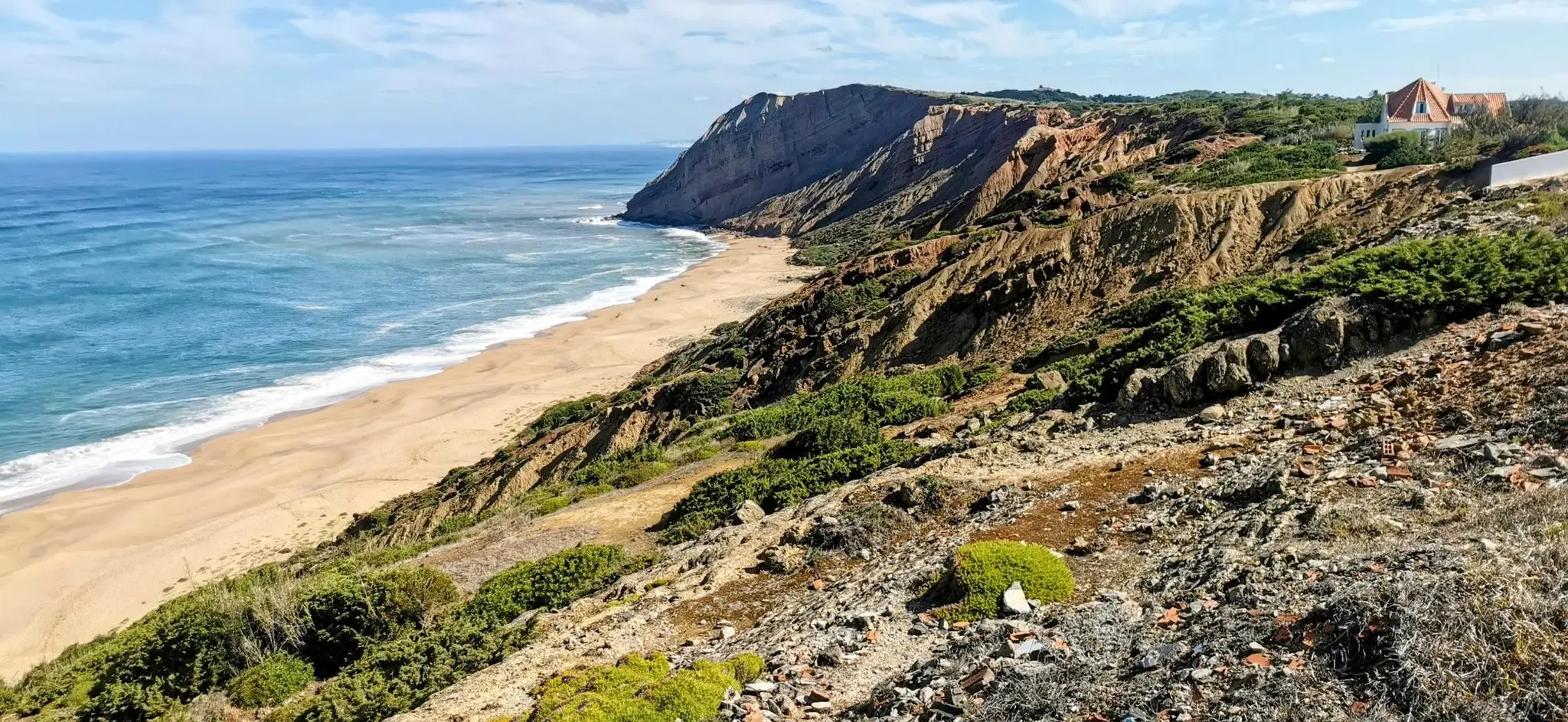
EuroVelo 1 Portugal – Cycle the Atlantic Coast
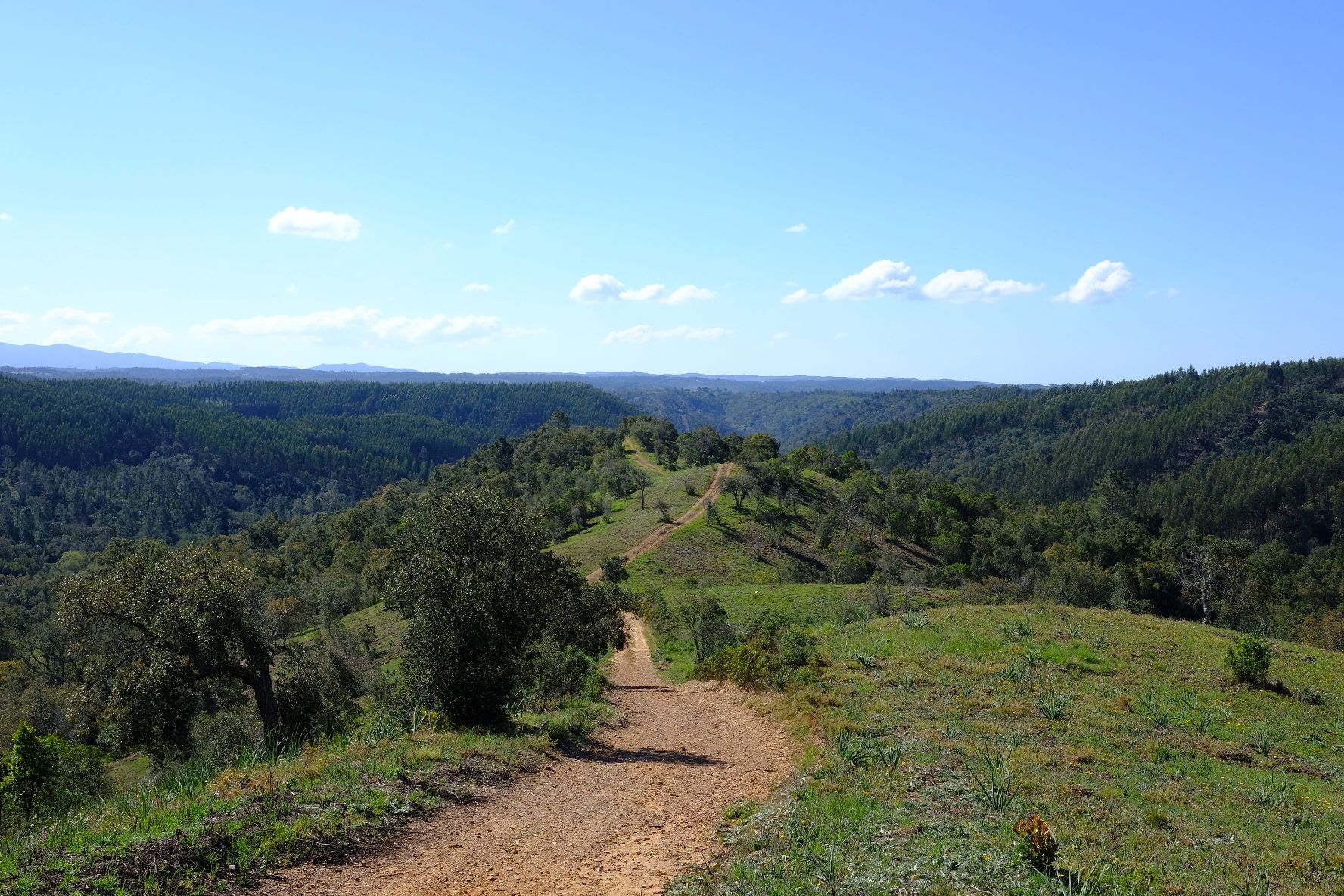
Caminho Histórico – Discover Portugal's beauty and history
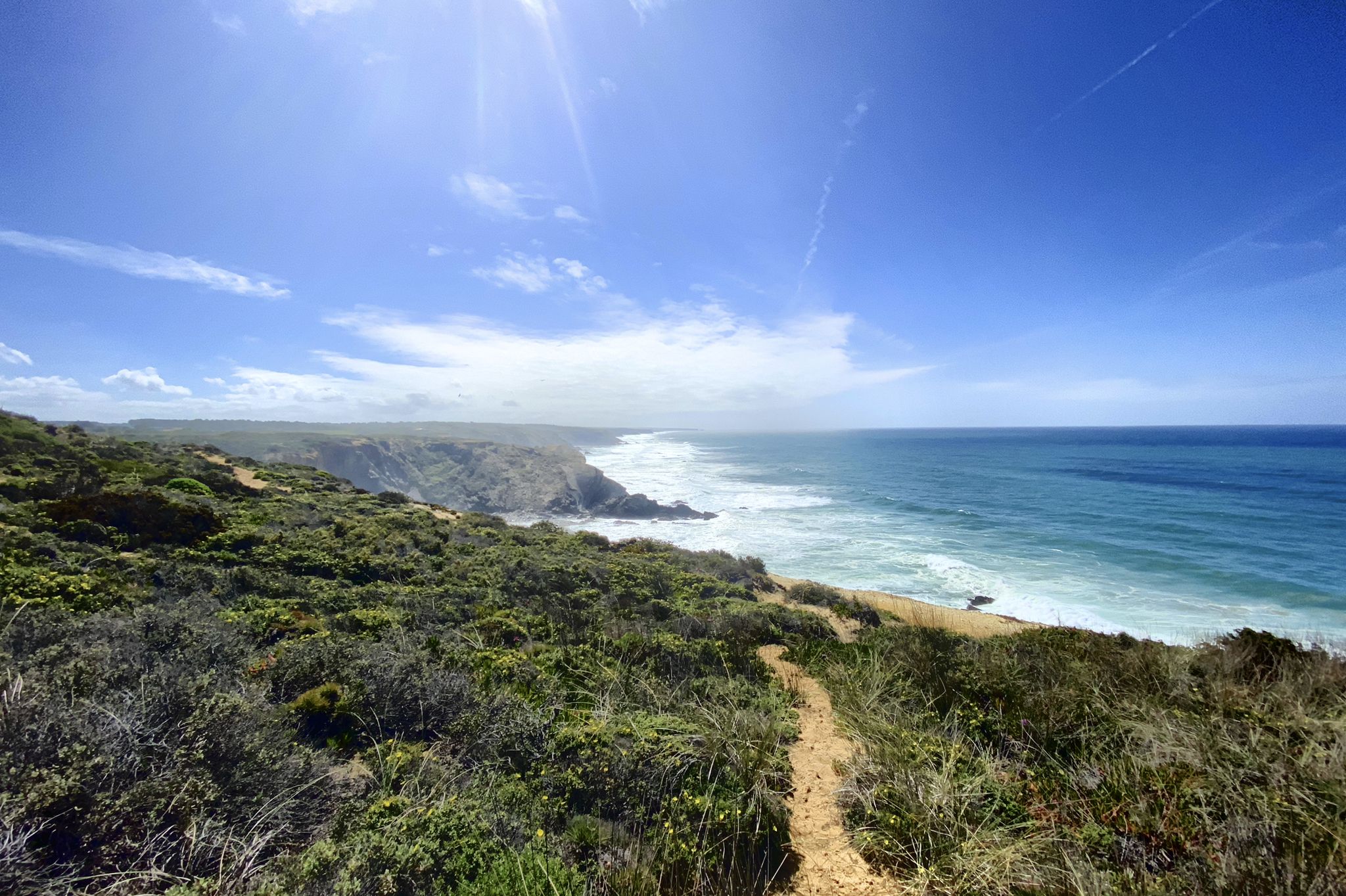
Trilho dos Pescadores – Portugal's Fishermen's Trail
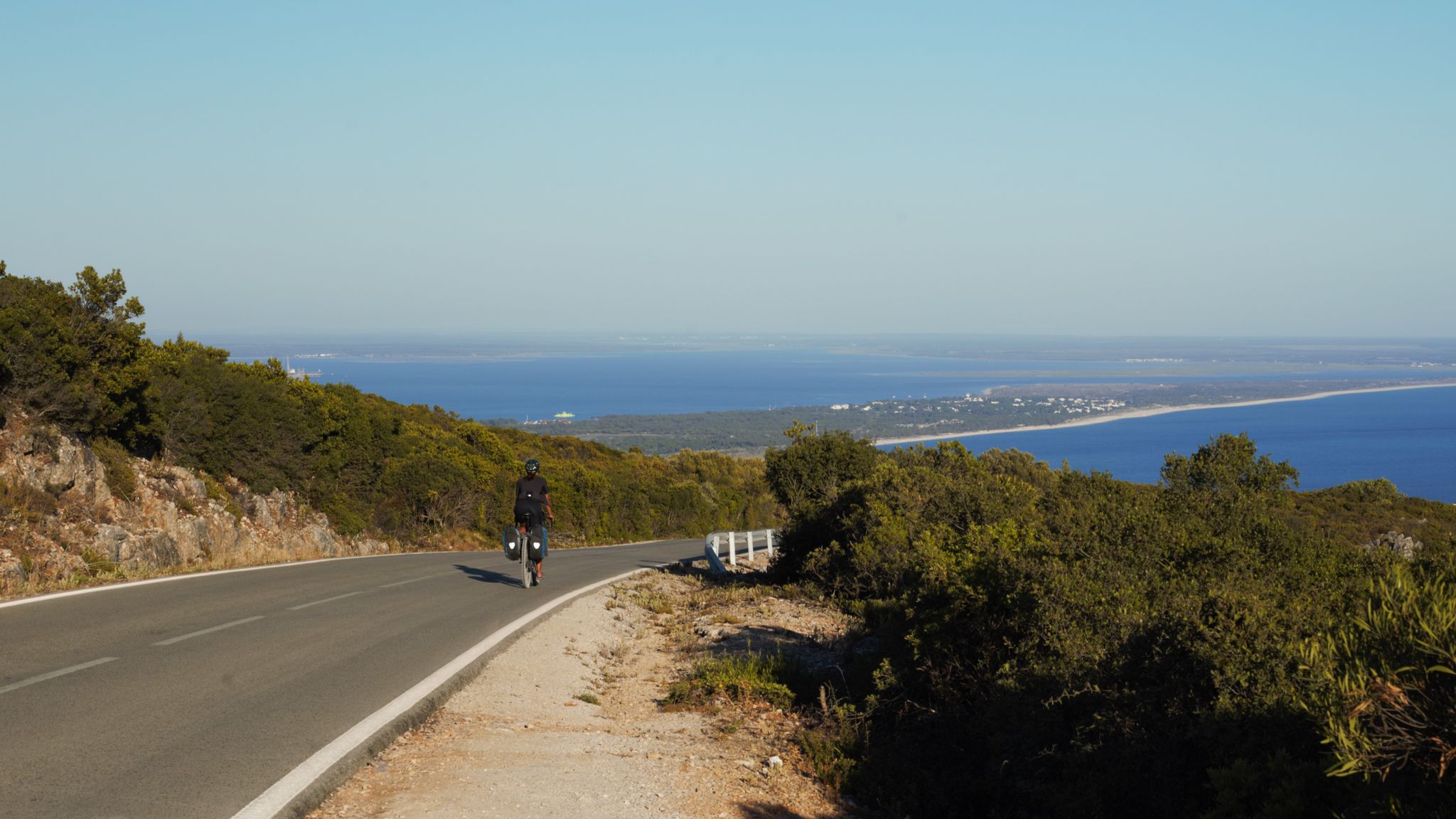
The breaking waves – cycle along the Atlantic coast of Portugal
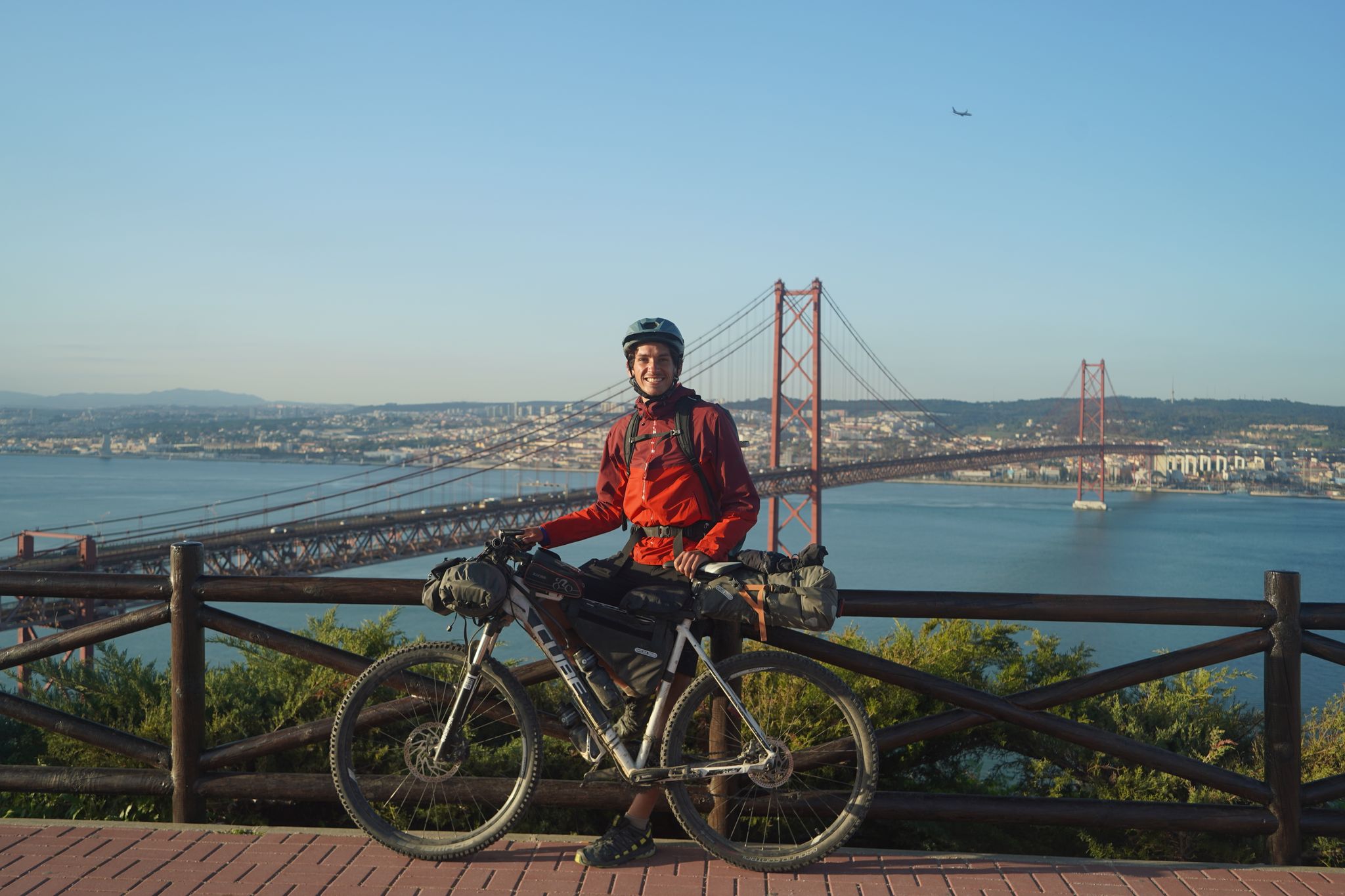
Road to Lisbon – bikepacking the Alps, Pyrenees and Picos de Europa
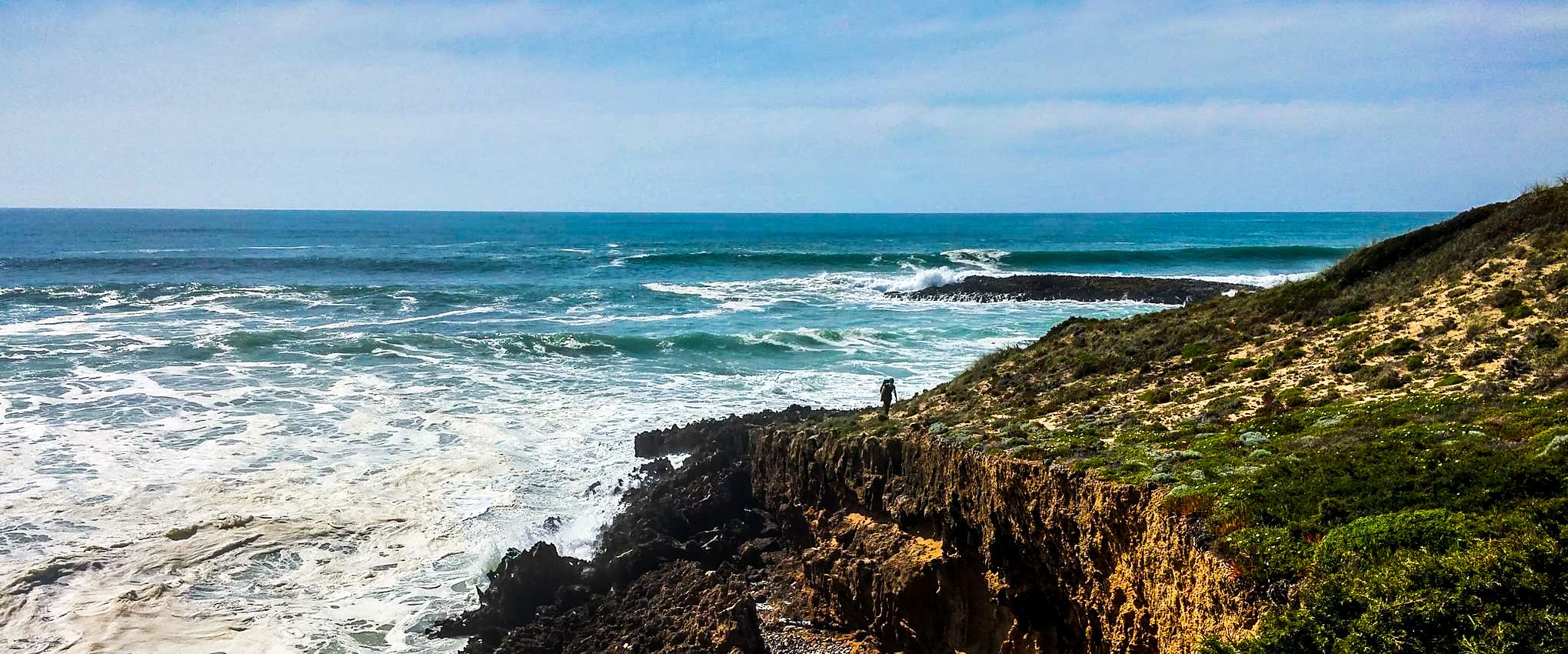
Fishermen's Trail – Discover Portugal's Atlantic Coast
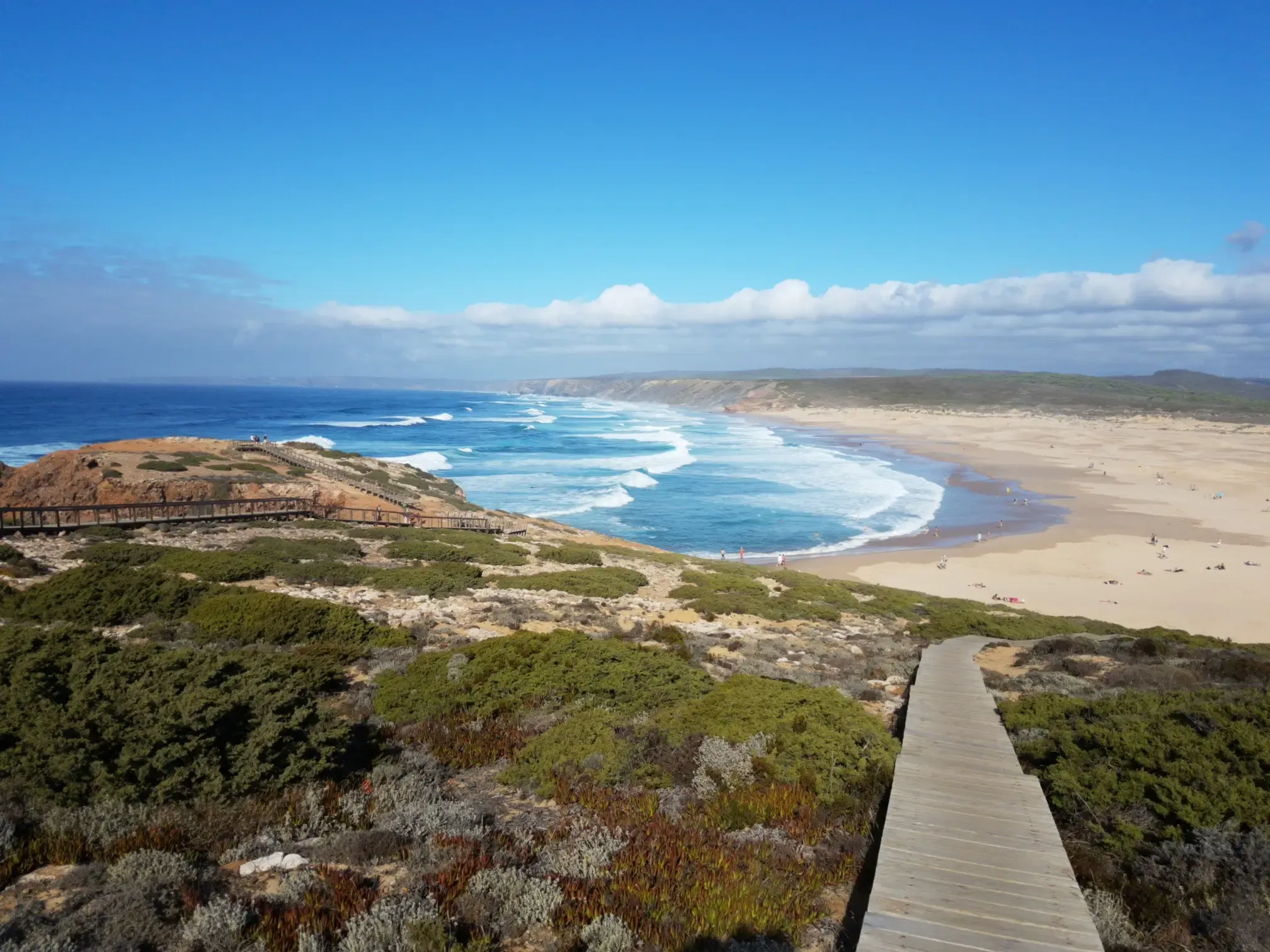
Lisbon to Santo António – The Atlantic Coast of Portugal (south)
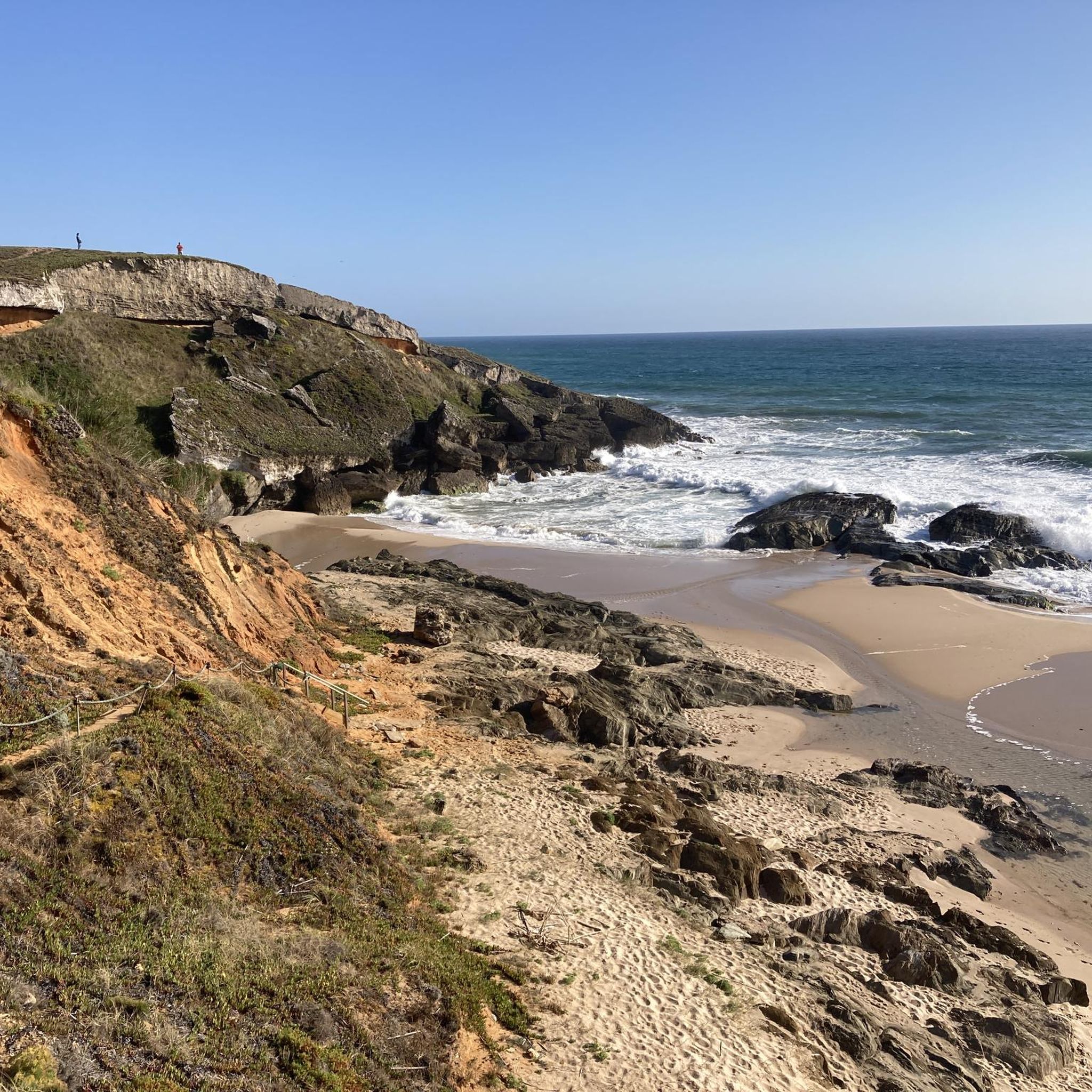
Hiking in Setúbal
Running Trails in Setúbal
Other adventures in Setúbal


Tips from the Community

In wartime situations, it controlled the space between Lisbon and the South, between the Tagus and Sado rivers. During the Islamic period and the Christian offensive in the 12th and 13th centuries, this geostrategic position was compatible with other fortified sites—Coina, Sesimbra, and the Sado riverbank. In the surrounding area—with good conditions for grazing and a large area of agricultural land—some rural communities settled during the Islamic period, such as the village of Alto da Queimada (Serra do Louro). Inside the wall, the ruins of the Church of Santa Maria do Castelo welcome visitors: Palmela's first parish church, probably from the 12th century (founded by King Afonso Henriques?), subject to interventions mainly in the 16th and 17th centuries and severely damaged by the 1755 earthquake. The walls, the pentagonal Keep—a 16th-century construction—are part of the original structure. The castle dates back to the 14th century, where the Bishop of Évora, D. Garcia de Meneses, was imprisoned in the waterless cistern for conspiring against King John II. The bishop died there from poisoning in 1484. The parade ground and barracks are worth visiting. As it stands, the castle is the result of several construction campaigns—repairs, reconstructions, and expansions—up until the 18th century. Archaeological work has identified some sections of the wall from the Islamic period, and other construction phases are recognized, likely dating from the post-reconquest period and, later, from the reign of King John I. The bastion system that surrounds the first line of fortification was commissioned by King Pedro II. In the house of the Prior-Major of the Order, or the military commander of the fortress—after the abolition of the orders (in 1834)—the explorer of African lands, Hermenegildo Carlos de Brito Capelo, son of the fortress's governor, was born on February 4, 1841. Palmela Castle was classified as a National Monument by Decree-Law of June 16, 1910. Parking outside the walls is recommended.
7
0

The name Alcácer do Sal comes from the combination of "Alcácer", from the Arabic al-Qasr (meaning castle or palace), and "do Sal", referring to the importance of salt mining in the region since Roman times, when the city was known as Salacia.
1
0
Alcácer do Sal is the seat of the municipality of Alcácer do Sal, the second largest municipality in Portugal, with an area of 1,499.87 km² but only 11,112 inhabitants (2021), and is subdivided into four parishes. The municipality is bordered to the north by the municipalities of Palmela, Vendas Novas, and Montemor-o-Novo, to the east by Viana do Alentejo and Alvito, to the southeast by Ferreira do Alentejo, to the south and west by Grândola, and to the northwest, across the Sado Estuary, by Setúbal. The Sado riverside area is a very pleasant place for a walk or bike ride. Here you can also see the immense rice fields.👍🥾
13
0

During the summer months, it's possible to visit the island. Unfortunately, access to the Fort of Nossa Senhora da Queimada is not possible. There's a sign in front of the fortress stating its opening hours.
2
0

Sesimbra Castle is a rare gem: the last Portuguese castle by the sea to preserve its medieval essence. Classified as a National Monument, it holds stories and breathtaking views. Walking along its walls is like traveling back in time, with the town of Sesimbra and the vast blue of the ocean stretching out before your eyes.
1
0

Epic and very impressive castle
1
0
Very massive tower at Sesimbra Castle
3
0
The Fort of Santo Alberto do Pessegueiro, also known as the Fort of Pessegueiro Island or the Fort of Ilha de Fora, is located on the Alentejo coast, on the island of Pessegueiro, in the parish of Porto Covo, municipality of Sines, district of Setúbal, in Portugal. It crossed fires, on the mainland, with another maritime fort: the Fort of Nossa Senhora da Queimada do Pessegueiro, also known as the Fort of Praia do Pessegueiro or the Fort of Ilha de Dentro, in a dominant position over Pessegueiro beach. Both were part of a larger project to defend the Costa Vicentina, which included an artificial port sheltered by a stone breakwater that would connect the island of Pessegueiro to the bordering islet of Penedo do Cavalo and this islet to the mainland. They are currently located in the area of the Southwest Alentejo and Costa Vicentina Natural Park.
4
0
Frequently Asked Questions
Which castles in the Setúbal region offer the best panoramic views?
For breathtaking panoramic views, visit the Fort of São Filipe, Setúbal, which overlooks the city and the Sado River estuary. The Castle of Palmela also provides stunning vistas of the Arrábida hills and Sado estuary, and on clear days, you can even see Lisbon. Additionally, the Fortress of Santiago in Sesimbra offers expansive views over the coastal town and its surrounding coastline.
What is the historical significance of the castles in Setúbal?
The castles in Setúbal are rich in history, reflecting centuries of strategic importance. The Fort of São Filipe, built in the late 16th century, was crucial for protecting maritime trade and defending against naval incursions. The Castle of Palmela, with Roman and Moorish origins, was a vital stronghold during the Portuguese Reconquista and headquarters for the Military Order of Saint James. The Fortress of Santiago in Sesimbra, originally a Muslim settlement, played a key role in the defense of early Portugal after its Christian reconquest.
Are there family-friendly castles to visit in the Setúbal region?
Yes, several castles are suitable for families. The Fortress of Santiago in Sesimbra is considered family-friendly, offering extensive battlements to explore and great views. The Castle of Sines also welcomes families and provides good access to the nearby Vasco da Gama beach, which is excellent for children.
What outdoor activities can I do near the castles in Setúbal?
The Setúbal region offers various outdoor activities near its castles. You can find numerous gravel biking, running, and road cycling routes. For example, explore gravel biking trails like the 'Pedreira Trail loop' or challenging road cycling routes such as the 'Loop tour from Setúbal to Cabo Espichel'. You can find more details on these and other routes in the Gravel biking in Setúbal, Running Trails in Setúbal, and Road Cycling Routes in Setúbal guides.
What is the best time of year to visit the castles in Setúbal?
The Setúbal region generally enjoys a mild climate. Spring (April to June) and early autumn (September to October) are often ideal, offering pleasant temperatures for exploring the outdoor castle grounds and enjoying the views without the intense heat of summer or the heavier rains of winter. These periods are also great for combining castle visits with hiking in the nearby Serra da Arrábida.
Is there public transport available to reach the castles from Setúbal city center?
Yes, public transport options are available. For the Fort of São Filipe, it is located about 2 km west of central Setúbal, making it accessible by local transport or a short taxi ride. The Castle of Palmela is situated in Palmela, which can be reached by train or bus from Setúbal. For the Fortress of Santiago in Sesimbra, buses connect Sesimbra to Setúbal and other nearby towns.
Are the castles in Setúbal wheelchair accessible?
Accessibility varies by castle due to their historical nature and hilltop locations. The Fort of São Filipe, while on a hill, has a pousada (hotel) within its walls, which may offer some accessible areas, but exploring the battlements might be challenging. The Castle of Palmela is a medieval hilltop complex, and while its grounds are extensive, some areas may have uneven terrain. It's advisable to check specific accessibility details directly with each site before visiting.
Are there any cafes or restaurants near the castles?
Yes, visitors can find dining options. The Fort of São Filipe houses a cafeteria with a terrace offering captivating views. Near the Castle of Palmela, the village of Palmela has various cafes and restaurants. The coastal town of Sesimbra, where the Fortress of Santiago is located, offers numerous dining establishments, especially seafood restaurants.
What are the typical entrance fees for castles in the Setúbal region?
Many of the prominent castles in the Setúbal region offer free entry. For instance, both the Fort of São Filipe and the Castle of Palmela are free to enter, allowing visitors to explore their grounds and enjoy the views without a charge. The Fortress of Santiago in Sesimbra also has no entrance fee, allowing free access to its battlements and the Church of Santa Maria do Castelo.
How long should I plan for a visit to a castle like Castelo de Palmela?
For a comprehensive visit to a castle like the Castle of Palmela, plan for at least 1.5 to 2 hours. This allows time to explore the walls, visit the Igreja de Santiago church, and enjoy the panoramic views. If you wish to visit the museum or have a meal at the pousada, you might extend your visit to half a day.
Are there any less crowded castles near Setúbal for a more peaceful experience?
While the main castles are popular, you might find a more peaceful experience at sites like the Castle and Main Church of Santiago do Cacém. This castle, located further south in the Setúbal district, offers historical ruins and wonderful views of the Alentejo coast, often with fewer visitors than the more central locations.
Can I bring my dog to the castles in Setúbal?
Policies regarding dogs can vary. While many outdoor historical sites in Portugal are generally dog-friendly, especially in their exterior grounds, it's always best to check specific regulations for each castle. For example, while you might be able to walk your dog around the exterior grounds of the Castle of Palmela, access to interior buildings or churches might be restricted.
Most popular routes in Setúbal
Most popular attractions in Setúbal

Get inspired with the komoot mobile app


Didn’t find what you were looking for?
Explore Setúbal’s best castles region by region:
Explore more
Looking for the best castles somewhere else? Discover other guides in Setúbal:
