The best gravel rides around Fontaine-La-Mallet
4.6
(10)
28
riders
5
rides
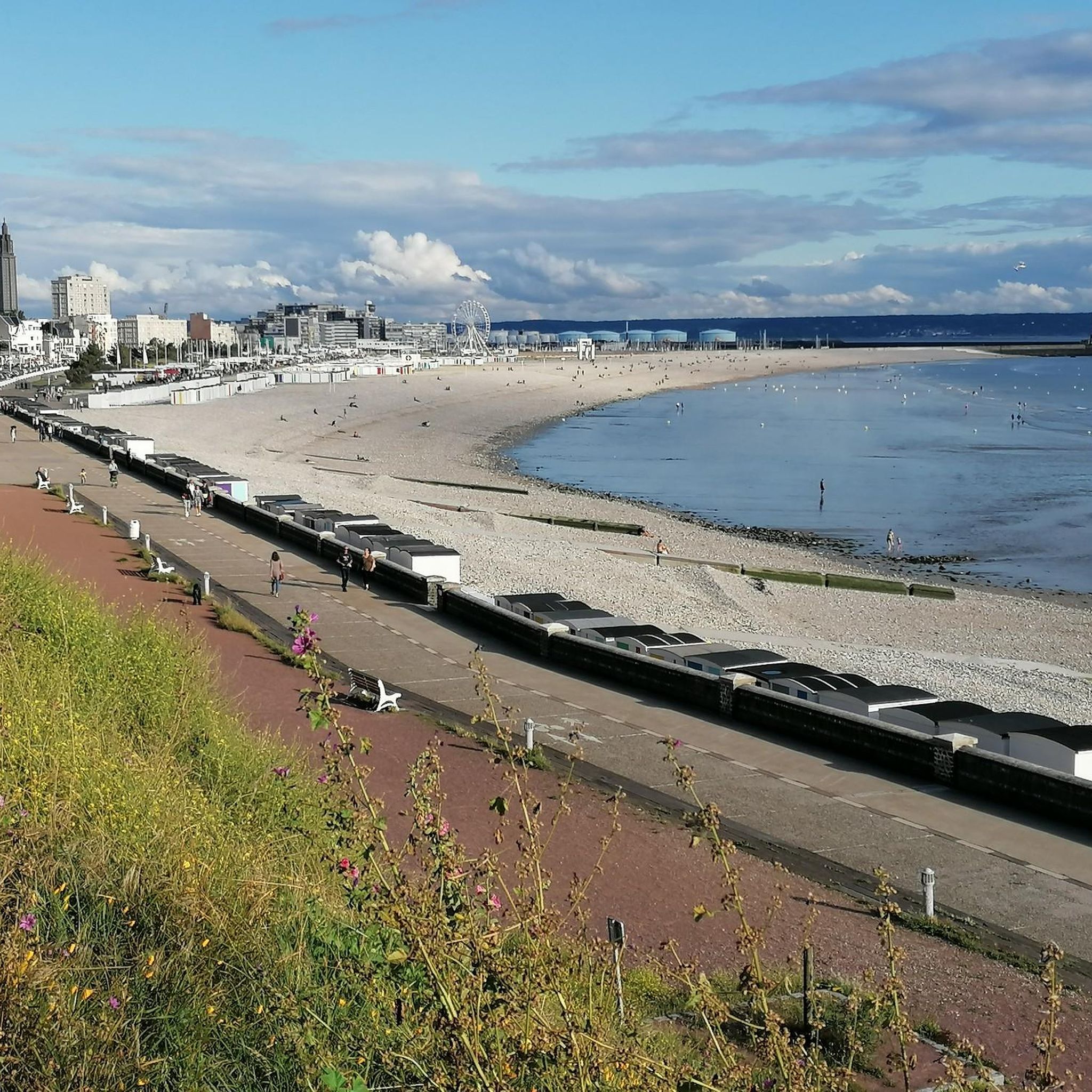
Gravel biking around Fontaine-La-Mallet offers routes that navigate a landscape characterized by urban green spaces, forest paths, and coastal influences near Le Havre. The terrain includes varied surfaces suitable for gravel bikes, from compacted earth to paved sections connecting natural areas. Elevation changes are present, providing a mix of flat stretches and moderate climbs. The region's proximity to the coast and forested areas ensures diverse scenery for gravel bike trails.
Best gravel bike trails around Fontaine-La-Mallet
- The most popular gravel…
Last updated: October 20, 2026
4.8
(5)
10
riders
23.0km
01:28
250m
250m
Moderate gravel ride. Good fitness required. Mostly paved surfaces. Suitable for all skill levels.
4
riders
11.9km
00:54
140m
140m
Hard gravel ride. Great for any fitness level. You may need to push your bike for some segments of this route.

4.0
(1)
4
riders
22.3km
01:27
210m
210m
Hard gravel ride. Good fitness required. You may need to push your bike for some segments of this route.
5.0
(4)
6
riders
28.1km
01:51
320m
320m
Hard gravel ride. Good fitness required. You may need to push your bike for some segments of this route.
4
riders
15.9km
01:01
170m
170m
Moderate gravel ride. Good fitness required. Mostly paved surfaces. Suitable for all skill levels.
Our route recommendations are based on thousands of hikes, rides, and runs completed by other people on komoot.
Start today with a free account
Your next adventure awaits.

Tips from the Community

Great course. Watch out, it's uphill!!!!
0
0

Saint Valery is the monk Walaric who is said to have celebrated baptisms to the north of the village, near a spring. He was nicknamed the evangelist of the cliffs for having been the first missionary on the Channel coast in the 7th century. At the beginning of the 12th century, Guillaume Malet de Graville donated the Saint-Valery church to the monks of the Graville priory. On September 10, 1944, the village of Fontaine-la-Mallet was 99% destroyed during Operation Astonia intended to liberate Le Havre. Placed under the aegis of the Ministry of Reconstruction and Urban Planning, the reconstruction of the town was implemented by architects who participated, in parallel, in the construction of the city center of Le Havre. The church was entrusted to the architect Serge Zoppi. The first stone having been laid on October 25, 1954, the church, which is distinguished by its 31 m high concrete spire in the shape of wheat ears, was completed in 1957. The church has a single-volume nave preceded by a porch with a bell tower on the side. The building is traditional in its shape and regionalist style: the exterior facing is made of materials from the Pays de Caux (bricks and pebbles) while the design of the spire in the shape of wheat ears recalls local agricultural production. On the other hand, the use of reinforced concrete allows for the development of a modern aesthetic, of which the bell tower offers a remarkable example with its openwork lacework. Since November 26, 2001, the church, its presbytery, the staircase, the terrace and enclosure walls have been listed in the supplementary inventory of historic monuments.
0
0


The Parc de Rouelles in Le Havre is a beautiful 198-hectare urban park, laid out on the site of a former farm. It retains its 17th-century manor house and dovecote, and also features a perennial garden, a deciduous tree park, themed exhibitions on nature, and a collection of tools and traditional objects from rural life. Since 2010, Scottish oxen have been used to maintain the meadows, and there are three playgrounds, a sports field, a petanque court, 22 km of footpaths and picnic areas.
1
0

A small island of greenery in the heart of the city that hosted the Belgian government during the First World War.
1
0


St. Joseph is a Catholic parish church in Le Havre. Very simple but worth seeing
7
0

Almost completely destroyed during the war, the reconstruction of Le Havre, which began in 1945, was entrusted to the office of the French architect Auguste Perret. Concrete specialists (Le Corbusier went to learn concrete construction from them), the Perret brothers decided to make Le Havre the place to implement their urban planning and construction thinking. Walking through the city and marveling at the typological richness of their buildings, visiting the Auguste Perret show apartment, and stopping at the Saint-Joseph church, is to fully experience the success of a utopia. The church, which is designed as a beacon for the city, implements the incredible stylistic richness of concrete, its raw strength, its capacity for elevation, the freedom it offers to the creation of free volumes: all of this staged in the service of worship: a jewel!
0
0
Frequently Asked Questions
What kind of terrain can I expect on gravel bike trails around Fontaine-La-Mallet?
The gravel biking routes around Fontaine-La-Mallet feature a diverse landscape, including urban green spaces, forest paths, and coastal sections near Le Havre. You'll encounter varied surfaces, from compacted earth to paved sections, with moderate elevation changes providing a mix of flat stretches and climbs.
Are there any easy gravel bike trails suitable for beginners or families in Fontaine-La-Mallet?
While many routes in the area present a challenging profile, the region does offer options that can be enjoyed by those looking for a less strenuous ride. For instance, the Small park – Palace of Justice loop from Le Havre, though rated difficult, is a popular choice that navigates urban green spaces and historical landmarks, offering a scenic experience.
What are the typical lengths and durations of gravel bike routes in this area?
Gravel bike routes around Fontaine-La-Mallet vary in length, with many popular options ranging from approximately 22 km to 28 km. For example, the Rouelles Park – Forêt de Montgeon loop from Le Havre is about 22.2 km and typically takes around 1 hour 40 minutes to complete, while the Small park – Saint-Vincent loop from Dollemard covers 27.7 km and usually takes about 2 hours 12 minutes.
Are there challenging gravel bike trails for experienced riders near Fontaine-La-Mallet?
Yes, the area is well-suited for experienced gravel bikers looking for a challenge. Most of the routes around Fontaine-La-Mallet are rated as difficult, featuring varied terrain and elevation changes. The Rouelles Park – Forêt de Montgeon loop from Le Havre, for instance, offers a demanding mix of parkland and forest trails.
What kind of scenic viewpoints or attractions can I find along the gravel bike routes?
The routes often pass by interesting landmarks and natural features. You might encounter coastal views, especially on routes near Dollemard, or urban green spaces and historical sites like those found on the Small park – Palace of Justice loop from Le Havre. Nearby attractions include The Beach, Le Havre, and the unique Le Havre Port Center, Container Art. You can also explore natural areas like Forêt de Montgeon.
Are there any circular gravel bike routes available?
Yes, many of the gravel bike routes in the Fontaine-La-Mallet area are designed as loops, allowing you to start and end at the same point. Examples include the Small park – Palace of Justice loop from Le Havre and the Rouelles Park – Forêt de Montgeon loop from Le Havre.
What is the best time of year for gravel biking around Fontaine-La-Mallet?
The region's proximity to the coast means conditions can vary. Generally, spring and autumn offer pleasant temperatures and beautiful scenery for gravel biking. Summer can also be enjoyable, though coastal areas might be busier. It's always advisable to check local weather forecasts before heading out.
Are there places to stop for refreshments or cafes along the gravel bike trails?
Given the routes often pass through or near urban areas like Le Havre, you will find opportunities for cafes and refreshments. Routes that traverse urban green spaces or connect to towns are likely to have amenities nearby. Planning your route in advance can help identify suitable stops.
What do other gravel bikers enjoy most about the trails in Fontaine-La-Mallet?
The gravel biking routes in Fontaine-La-Mallet are highly rated by the komoot community, with an average score of 4.75 stars. Reviewers often praise the diverse scenery, which includes a mix of urban parks, forest paths, and coastal sections, providing varied experiences for riders.
Are there specific starting points or trailheads for gravel biking in Fontaine-La-Mallet?
Many routes originate from accessible points within or near urban centers, making them convenient to start. For example, popular loops often begin from areas within Le Havre or nearby towns like Dollemard, allowing for easy access to the varied terrain.
Most popular routes around Fontaine-La-Mallet
Most popular attractions around Fontaine-La-Mallet

Get inspired with the komoot mobile app


Explore more
Browse the best Gravel rides in other regions.
