Top 13 Mountain Passes around La Vall De Bianya
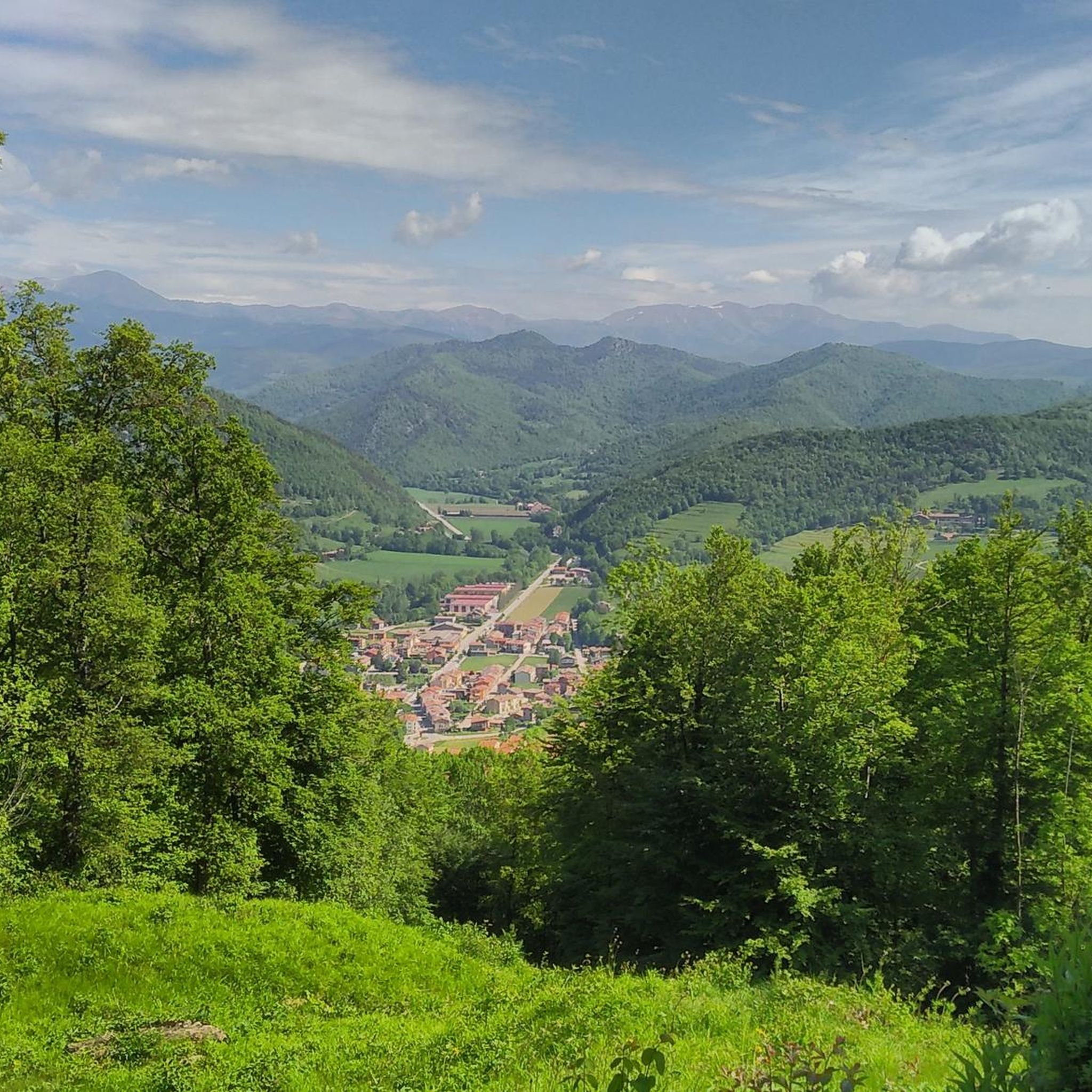
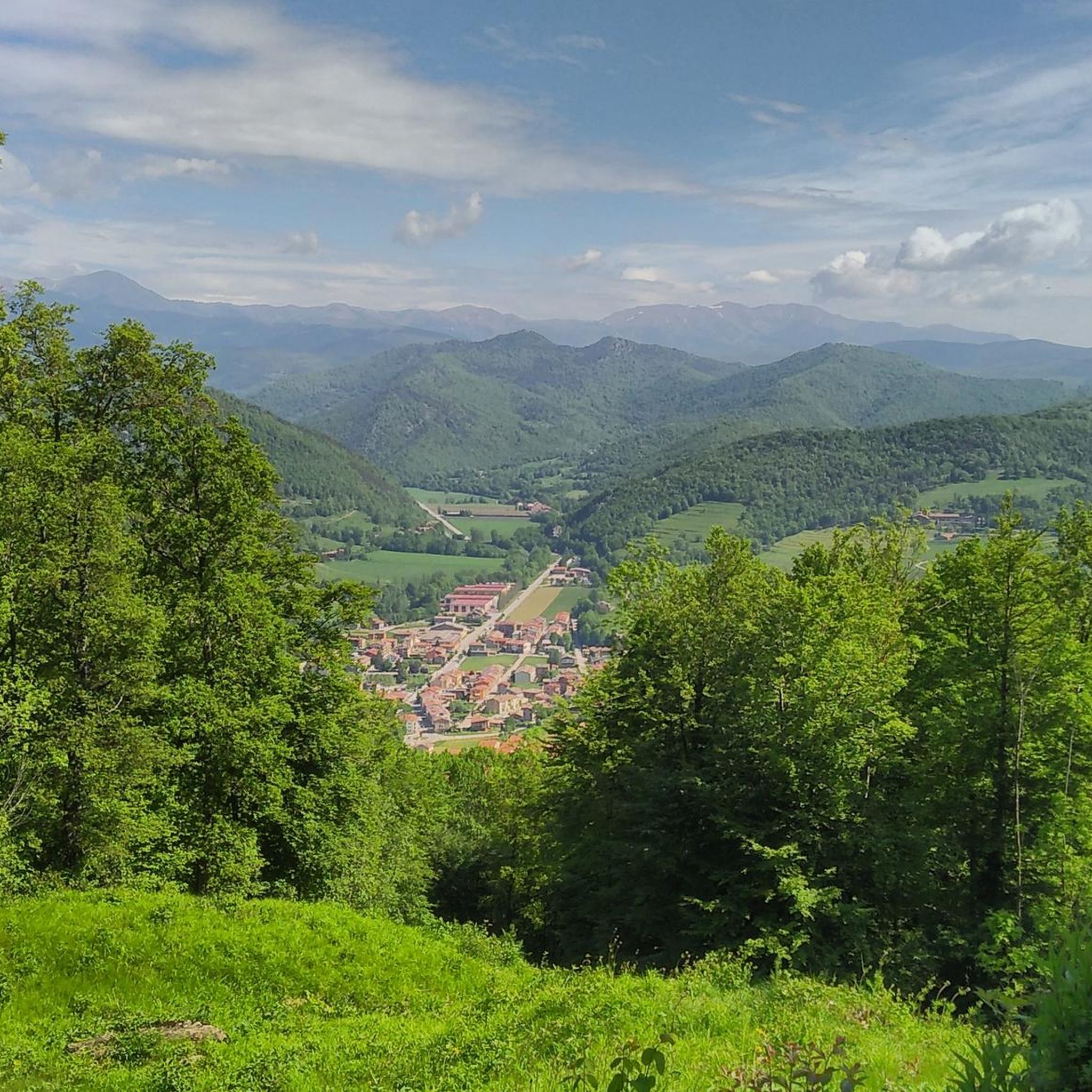
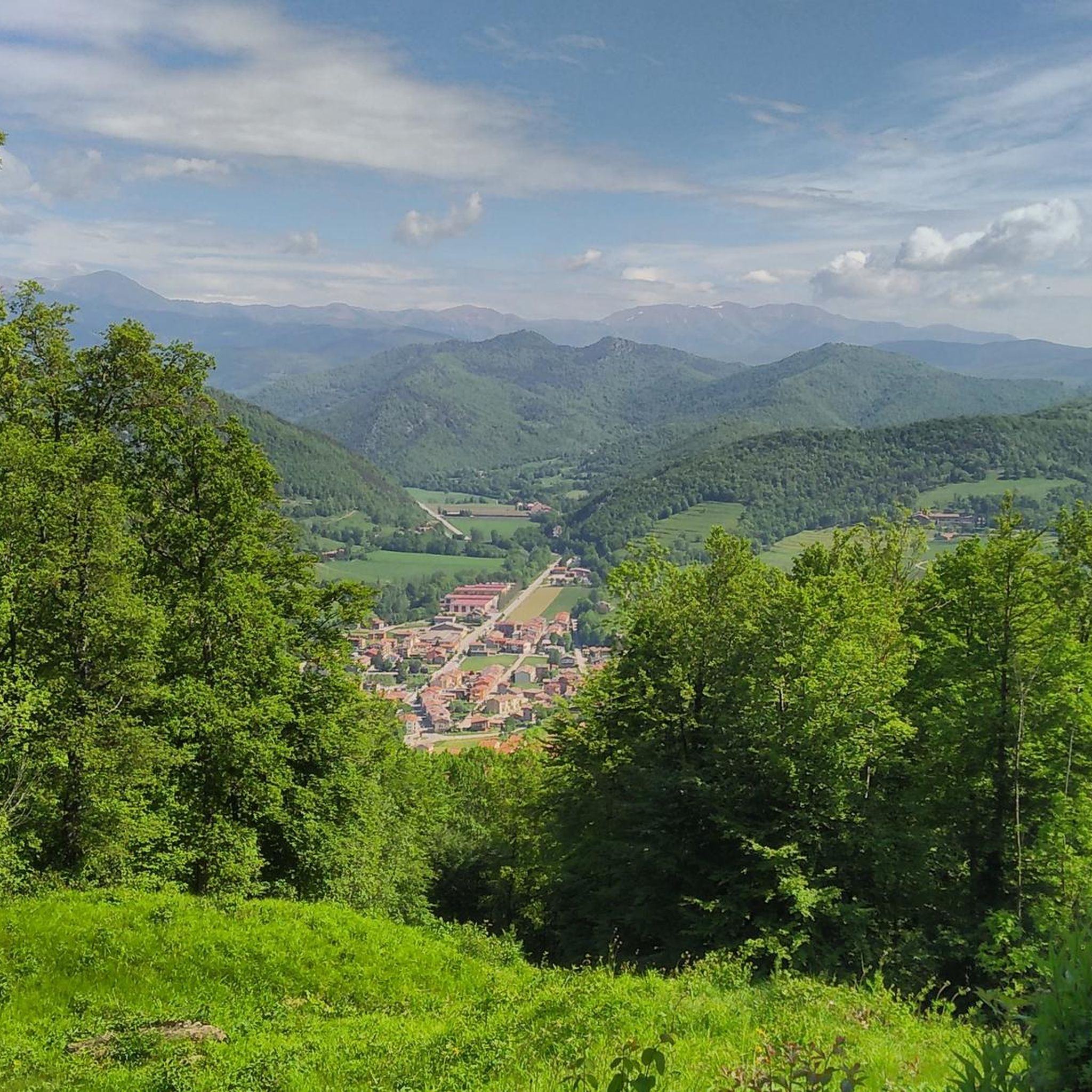
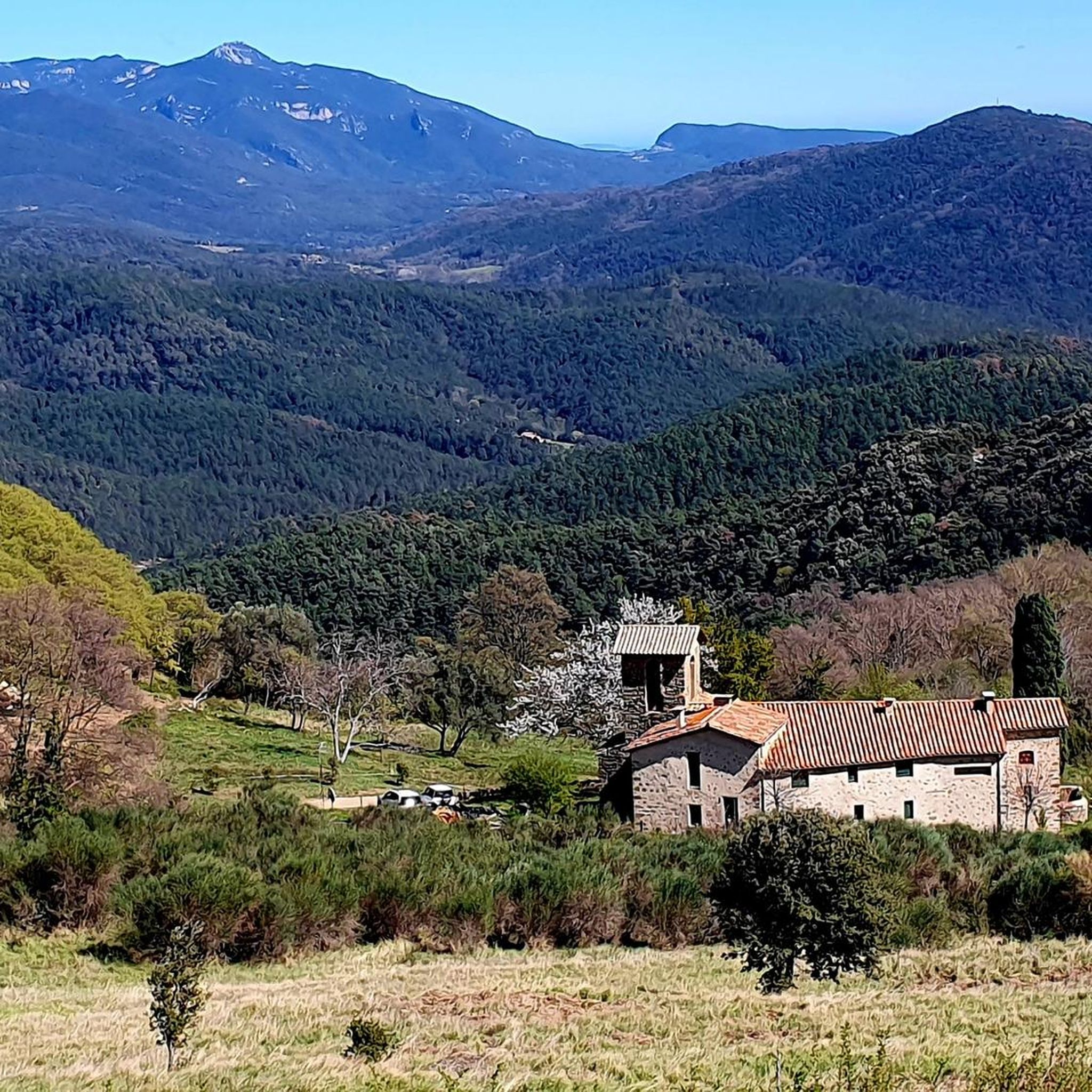
Best mountain passes around La Vall De Bianya are found within a region characterized by a series of valleys, diverse landscapes, and historical routes. This area features meadows, forests, and streams, with parts located within the Natural Park of the Volcanic Zone. The region offers numerous opportunities for exploring its natural beauty and cultural heritage. Ancient Roman roads and traditional farmhouses contribute to the area's significance.
Best mountain passes around La Vall De Bianya
- The most popular mountain passes is…
Last updated: October 13, 2026
Coll d'Arès
Highlight • Mountain Pass
Translated by Google •
Tip by

Coll de Canes (1120 m)
Highlight • Mountain Pass
Translated by Google •
Tip by

Sign up now to discover places like this
Get recommendations on the best single tracks, peaks, & plenty of other exciting outdoor places.
Coll de Santigosa
Highlight • Mountain Pass
Translated by Google •
Tip by

Col de Bas
Highlight • Mountain Pass
Translated by Google •
Tip by

Capsacosta Pass
Highlight • Mountain Pass
Translated by Google •
Tip by

Sign up for free to discover even more mountain passes around La Vall De Bianya.
Already have an account?
Start today with a free account
Your next adventure awaits.


Tips from the Community

Beautiful climb, good percentages leaving Prat de Mollo, climbed in 36/28, steep at the end.
0
0

from the French side a regular ascent to the pass
0
0

Fantastic route for autumn, in summer we find the Pastor spring which refreshes
0
0

1064 m. Coll de Santigosa. On the road that connects Sant Joan de les Abadesses with Coll de Coubet. Very little trafficked road.
0
0

The part of the route near Riera de Santa Llucia de Puigmal is very dangerous and many sections are not passable by mountain bike.
0
0

Side road to avoid the tunnel. Recommended route for cyclists.
0
0
Use this road to avoid the tunnel on the main road. It is steep, though.
0
0

A pass that is not too difficult to climb and offers a magnificent landscape when crossing the border at the summit.
0
0
Frequently Asked Questions
Beyond the most popular, what other notable mountain passes can I explore around La Vall de Bianya?
While Coll d'Arès is a well-known highlight, you can also explore Coll de Canes (1120 m), which connects Ripollès with Garrotxa and is known for its beautiful, uncommon terrain. Another option is Coll de Santigosa, a little-traveled road perfect for cycling through a forest. For a smaller pass marking the entrance to the Garrotxa volcanic zone, consider Col de Bas.
Are there any historically significant routes or passes in the La Vall de Bianya area?
Yes, the Capsacosta Pass is part of an ancient Roman road, historically known as Pas dels Traginers. This route served as a vital connection between the plain and the Pyrenees for centuries. It features impressive engineering like cloakrooms, drains, and dry-stone walls, offering a unique opportunity to experience the region's rich cultural and historical heritage on foot, horseback, or bicycle.
What kind of views can I expect from the mountain passes in this region?
The mountain passes around La Vall de Bianya offer diverse and spectacular views. From Coll d'Arès, you'll find excellent panoramic views of the Pyrenees. Col de Bas provides magnificent views of Puigsacalm and the surrounding mountains, especially on the descent towards Olot. Generally, the region's varied landscape of meadows, forests, and valleys ensures picturesque scenery throughout your journey.
Are there mountain passes suitable for cycling in La Vall de Bianya?
Absolutely. Many passes in the area are popular with cyclists. Coll d'Arès is a significant pass in the nearby Pyrenees, known for being a challenging but rewarding climb with spectacular views. Coll de Santigosa is a little-traveled road that can be perfectly reached by bike, offering a forest ascent. The Capsacosta Pass is also a quiet road with little traffic, ideal for combining in circular routes.
What outdoor activities can I do near these mountain passes?
The region around La Vall de Bianya is excellent for various outdoor activities. You can find numerous hiking trails, including moderate options like the Hostal de la Vall de Bianya loop or more challenging mountain hikes such as the Puig del Soi – Puigsacalm loop. For cyclists, there are gravel biking routes like the Vía Verde Olot–Girona – Col de Bas loop. Explore more options on the Hiking around La Vall De Bianya, Mountain Hikes around La Vall De Bianya, and Gravel biking around La Vall De Bianya guide pages.
Are there any family-friendly routes or activities near the mountain passes?
While many mountain passes involve significant climbs, the broader La Vall de Bianya area offers family-friendly options. The ancient Roman road at Capsacosta Pass can be explored on foot or bicycle, providing an engaging historical experience. The region's overall rural landscape, with its Romanesque churches and farmhouses, makes for picturesque and accessible walks. Look for routes described as 'easy' or 'low-difficulty' in nearby hiking guides, such as the House loop from Sant Joan les Fonts.
What natural features characterize the area around La Vall de Bianya's mountain passes?
The region is known for its diverse natural beauty, including meadows, dense forests (holm oak, oak, pine, and beech), and numerous streams. A significant portion of the area lies within the Natural Park of the Volcanic Zone, offering unique geological formations and lush landscapes. Many routes, like those around Coll de Santigosa, take you through beautiful forested sections, and you might even find natural water sources along the way.
What is the best time of year to visit the mountain passes around La Vall de Bianya?
The region can be enjoyed throughout the year, but spring and autumn generally offer the most pleasant conditions for exploring the mountain passes. These seasons provide mild temperatures, vibrant foliage, and comfortable weather for hiking and cycling. Passes like Coll de Canes (1120 m) are noted as being well-oriented for year-round use, suggesting good sun exposure. Always check local weather conditions before your visit, especially for higher elevations.
Are there challenging routes for experienced hikers or cyclists?
Yes, the area offers several challenging routes. For cyclists, the ascent to Coll d'Arès is considered demanding, especially from the north side. The Capsacosta Pass also features significant climbs. For hikers, ascending peaks like Puigsacalm, while not a pass itself, involves navigating challenging mountain terrain and offers a rewarding experience. You can find difficult mountain and gravel biking routes listed in the nearby guides, such as the Puig del Soi – Puigsacalm loop or the Gravel tour from Olot through the Garrotxa natural park.
What do visitors enjoy most about the mountain passes and routes in La Vall de Bianya?
Visitors frequently praise the spectacular views and the sense of accomplishment after completing a climb, particularly at passes like Coll d'Arès. The quiet, little-traveled roads, often winding through forests, are also highly appreciated for their tranquility and natural beauty. The historical significance of routes like the Capsacosta Pass also adds a unique dimension to the experience, allowing visitors to 'soak up history' while enjoying the outdoors.
Can I find circular routes that incorporate these mountain passes?
Yes, many of the passes and routes in the La Vall de Bianya area are ideal for integrating into circular tours. For instance, the Capsacosta Pass is famous for being part of the Terra de Remences Cycling Tour and is ideal for combining in circular routes across La Garrotxa and Ripollès counties. The diverse network of trails and roads allows for creating varied loops suitable for different activity levels.
Are there any specific tips for cycling the mountain passes in this region?
When cycling, be aware that some passes, like Coll d'Arès, can be challenging but offer sections that allow for rest and provide good views. The Camprodon slope of Coll d'Arès is generally less difficult than the northern side. Coll de Santigosa is a little-traveled road, offering a peaceful ride through the forest. Always check the elevation gain and average gradient for your chosen route, as some, like the 14.7 km ascent to Coll de Santigosa from Olot, require good fitness.
Most popular routes around La Vall De Bianya
Most popular attractions around La Vall De Bianya

Get inspired with the komoot mobile app


Explore more
See even more epic mountain passes by checking out these guides around La Vall De Bianya:
