Attractions and Places To See in Braga - Top 20
Best attractions and places to see in Braga include a rich array of historical, religious, and natural sites. This region in northern Portugal is characterized by its ancient Roman heritage, significant religious sanctuaries, and serene gardens. Visitors can explore a diverse landscape that combines urban historical centers with accessible natural features. Braga offers a blend of cultural depth and outdoor exploration opportunities.
Best attractions and places to see in Braga
- The most popular attractions is Sanctuary of Bom Jesus do Monte, a religious building that is a UNESCO World Heritage site. It is known for its elaborate Baroque stairway and offers panoramic views of Braga.
- Another must-see spot is Palace of the Dukes of Braganza, a castle. This imposing medieval estate served as the former residence of the first Dukes of Braganza.
- Visitors also love Stone Bridge over the Neiva River, a bridge located in an idyllic setting within a eucalyptus forest. The bridge is a notable crossing point with views of small waterfalls.
- Braga is known for its historical sites, religious buildings, and natural monuments. The region offers a variety of attractions to see and explore, from ancient structures to scenic river crossings.
- The attractions in Braga are appreciated by the komoot community, with more than 420 upvotes and 218 photos shared.
Last updated: October 10, 2026
Stone Bridge over the Neiva River
Highlight • Bridge
Translated by Google •
Tip by

Fão Bridge
Highlight • Bridge
Translated by Google •
Tip by

Sign up now to discover places like this
Get recommendations on the best single tracks, peaks, & plenty of other exciting outdoor places.
São João Baptista Fort and Lighthouse, Esposende
Highlight • Historical Site
Translated by Google •
Tip by
Apúlia Church
Highlight • Religious Site
If you are doing the Camino de Santiago, here they stamp the credential.
Translated by Google •
Tip by
Barcelos Medieval Bridge
Highlight • Viewpoint
Over the Cávado River, this Gothic stone bridge, commissioned by Count Pedro between 1325 and 1330, connects Barcelos to Barcelinhos and has been classified as a National Monument since 1910.
And if the heat gets too much, right next door awaits a river beach perfect for a refreshing dip.
Translated by Google •
Tip by

Barcelos city centre
Highlight • Settlement
Translated by Google •
Tip by

Sanctuary of Bom Jesus do Monte
Highlight • Religious Site
Translated by Google •
Tip by

Barcelos Rooster statue
Highlight • Monument
Translated by Google •
Tip by

Palace of the Dukes of Braganza
Highlight • Castle
Tip by

Blue Pool
Highlight • Natural Monument
If the parking spaces are occupied you can follow the hiking trail over the small bridge. In the following bend there is another parking lot.
Tip by

Sign up for free to discover even more attractions in Braga.
Already have an account?
Start today with a free account
Your next adventure awaits.
Popular around Braga
EuroVelo 1 Portugal – Cycle the Atlantic Coast
Portugal's Atlantic coast (north) – from Caminha to Lisbon
The breaking waves – cycle along the Atlantic coast of Portugal
The challenge that knows no frontiers — Portuguese Coast Path
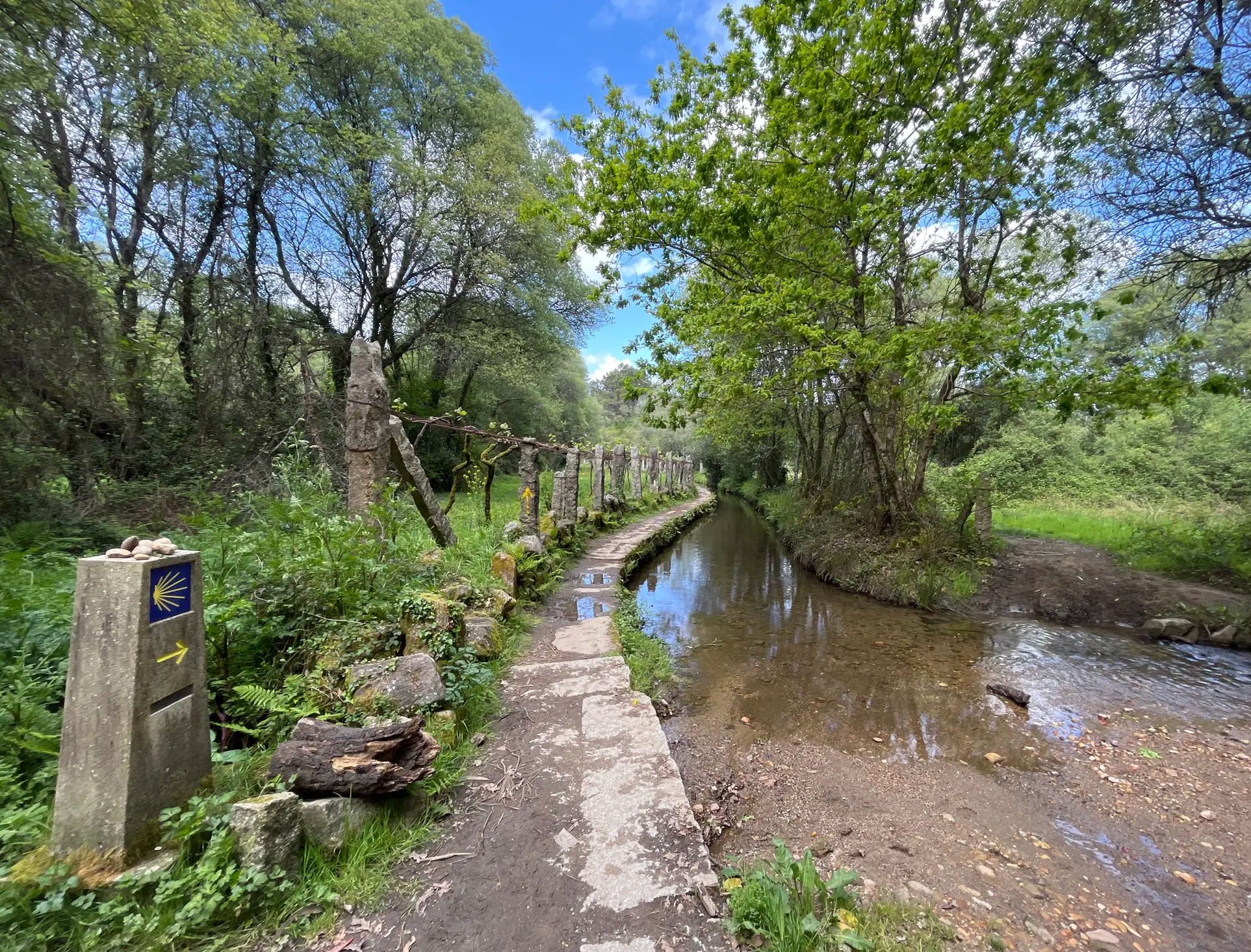
Na Rota dos Peregrinos – o Caminho Central Português
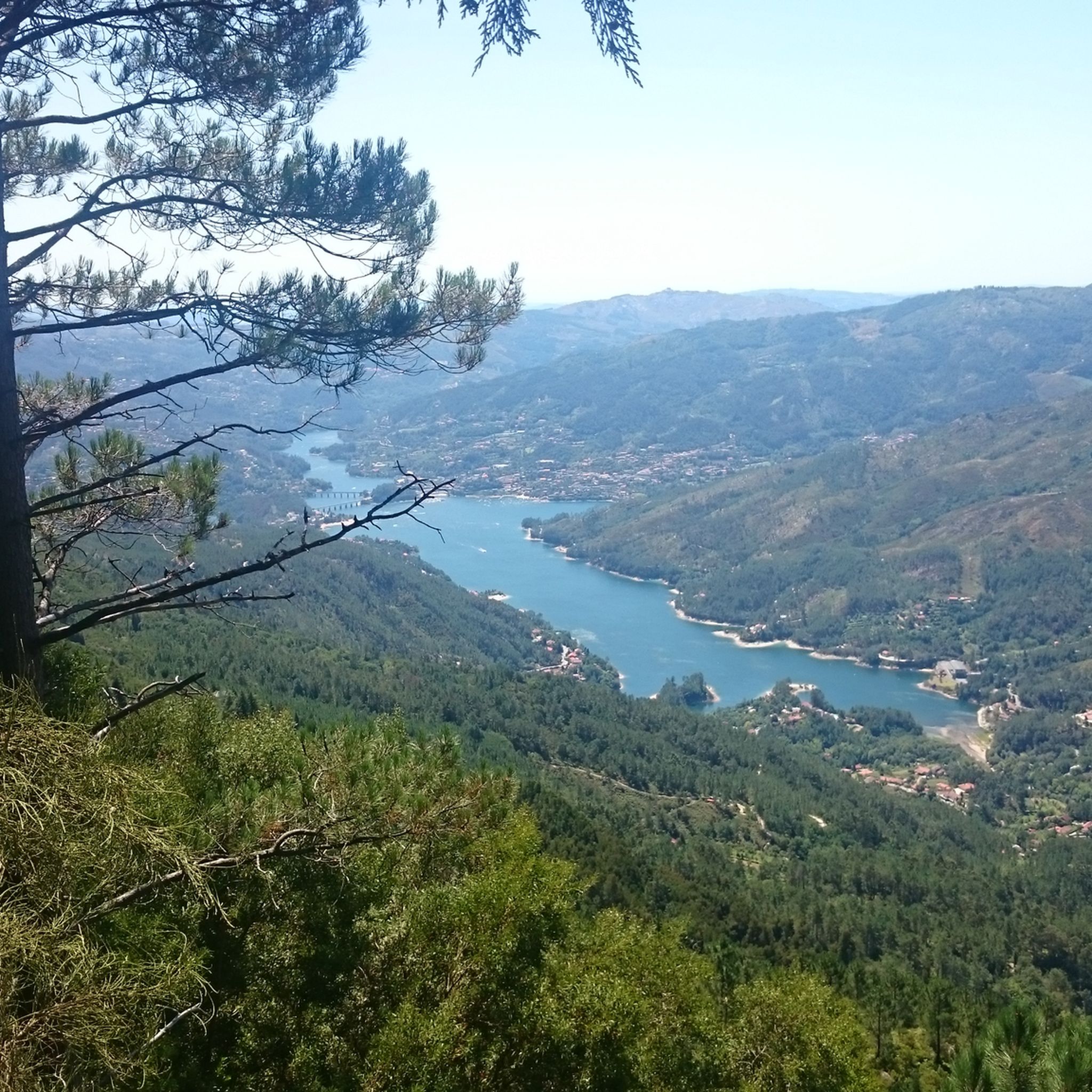
Hiking in Braga
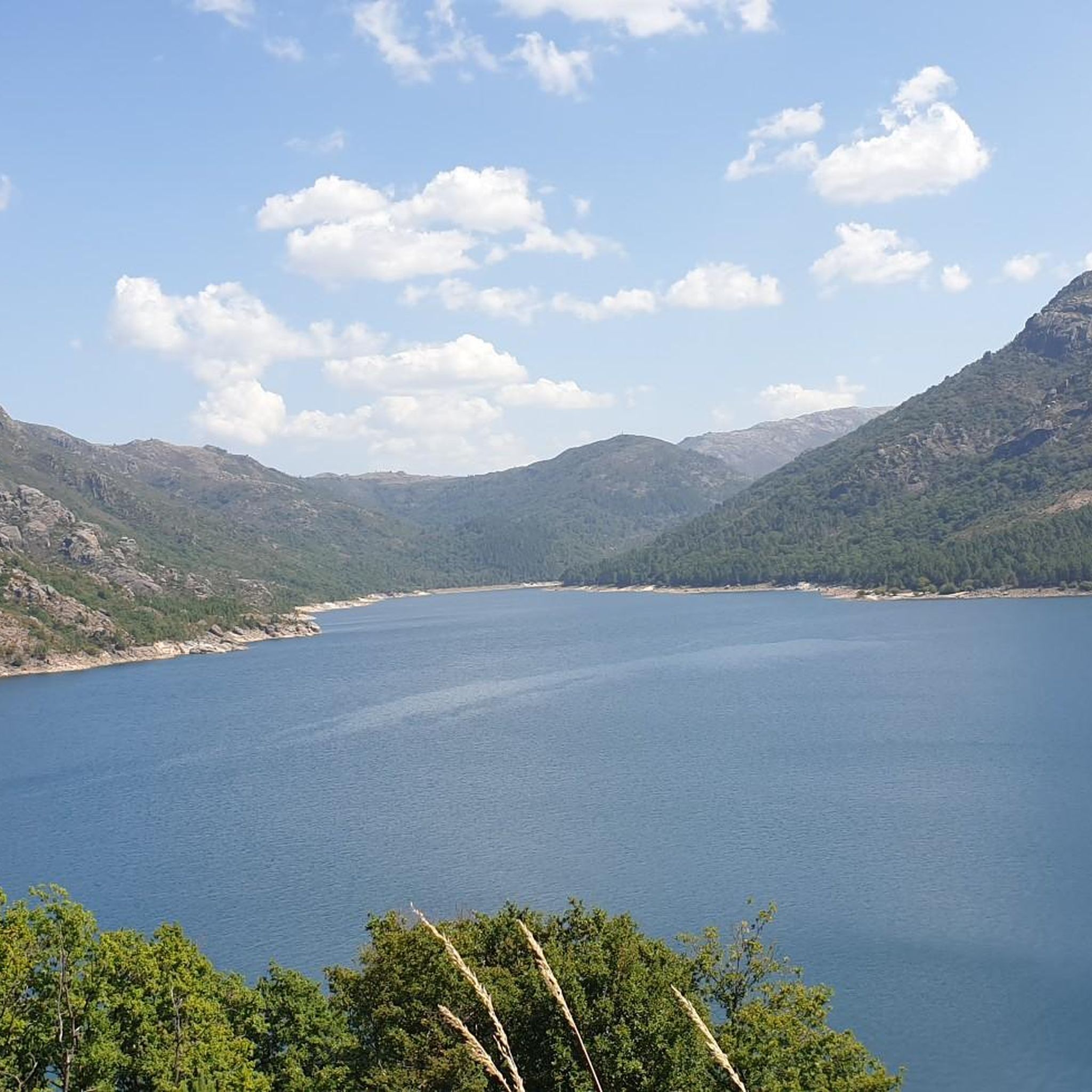
Running Trails in Braga
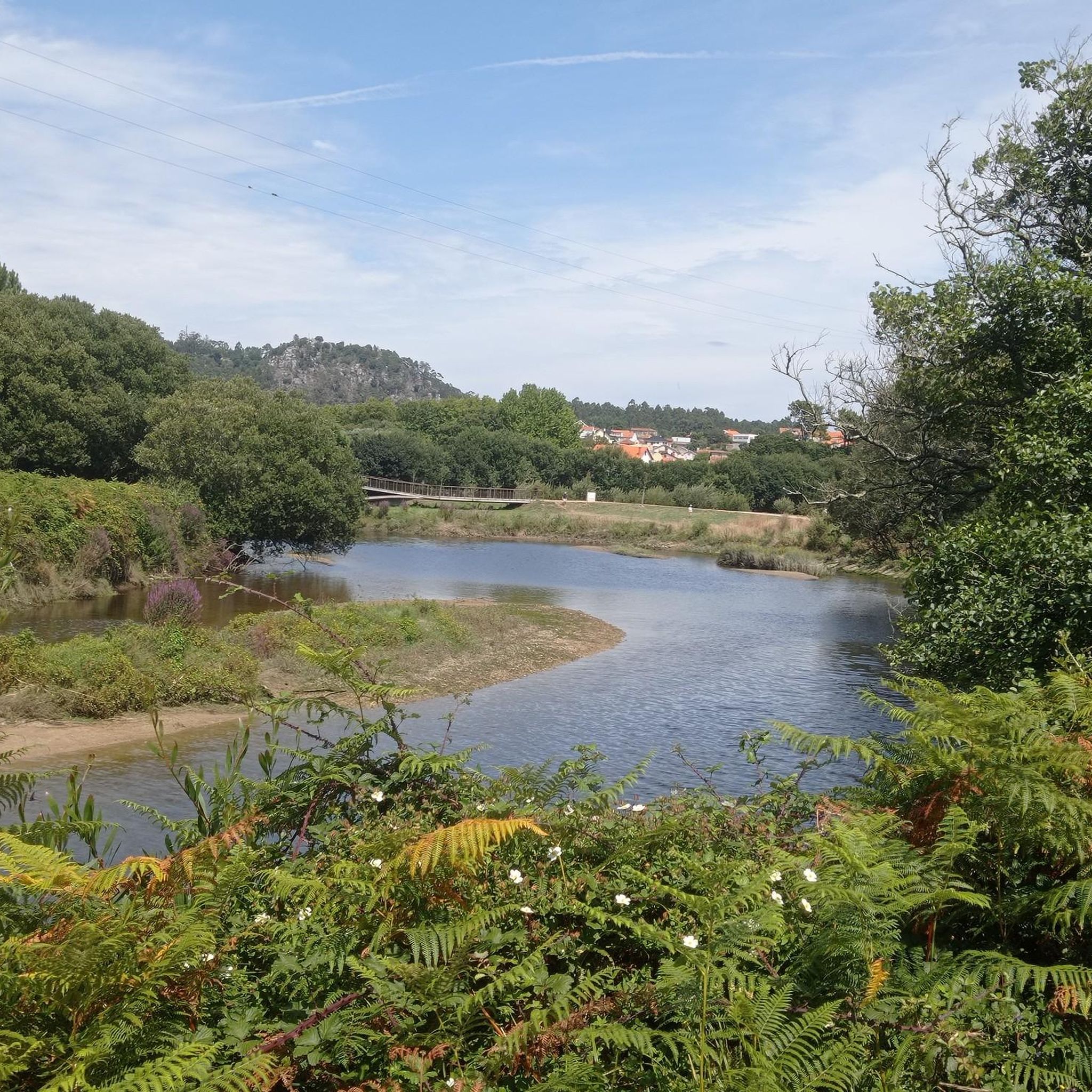
Cycling in Braga
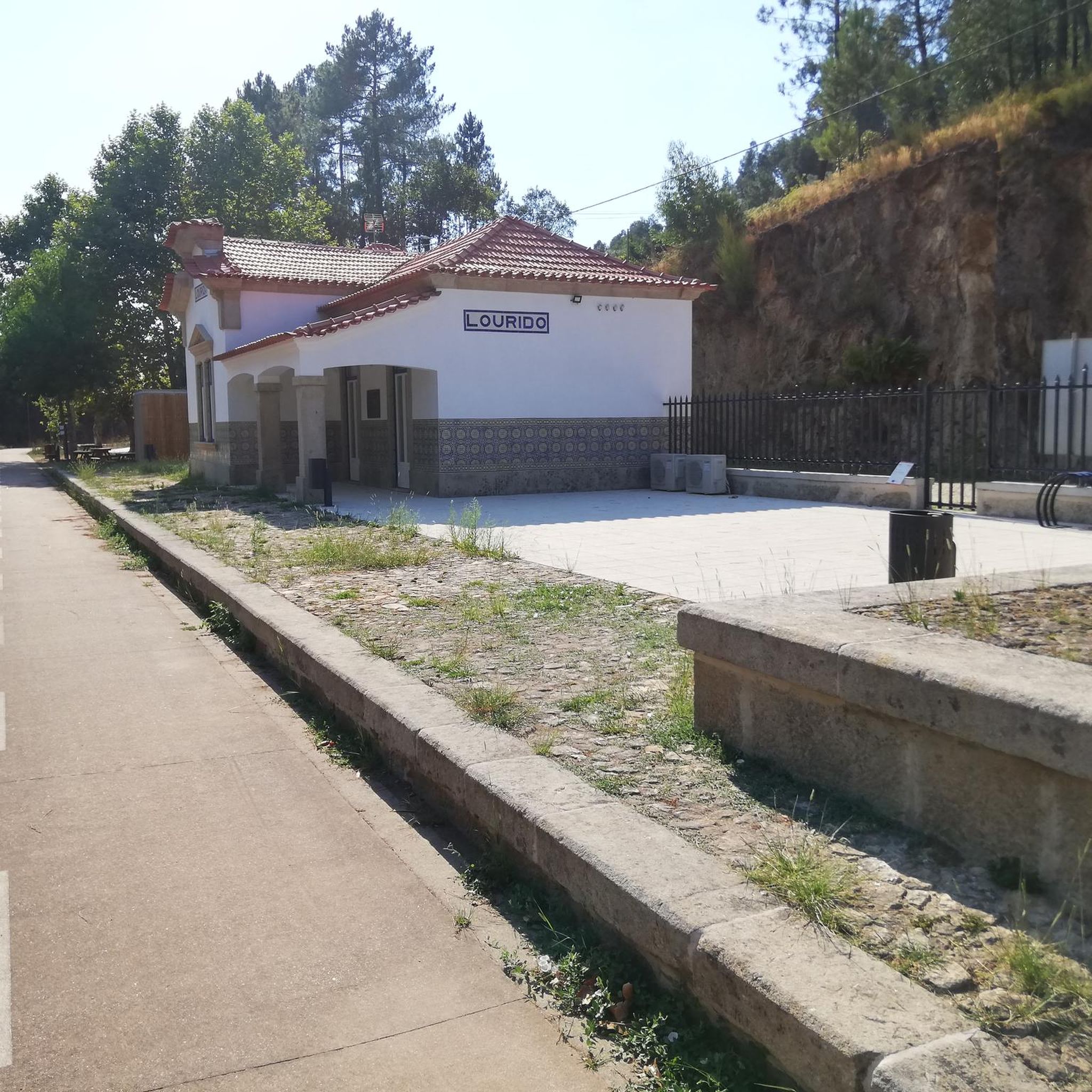
Road Cycling Routes in Braga
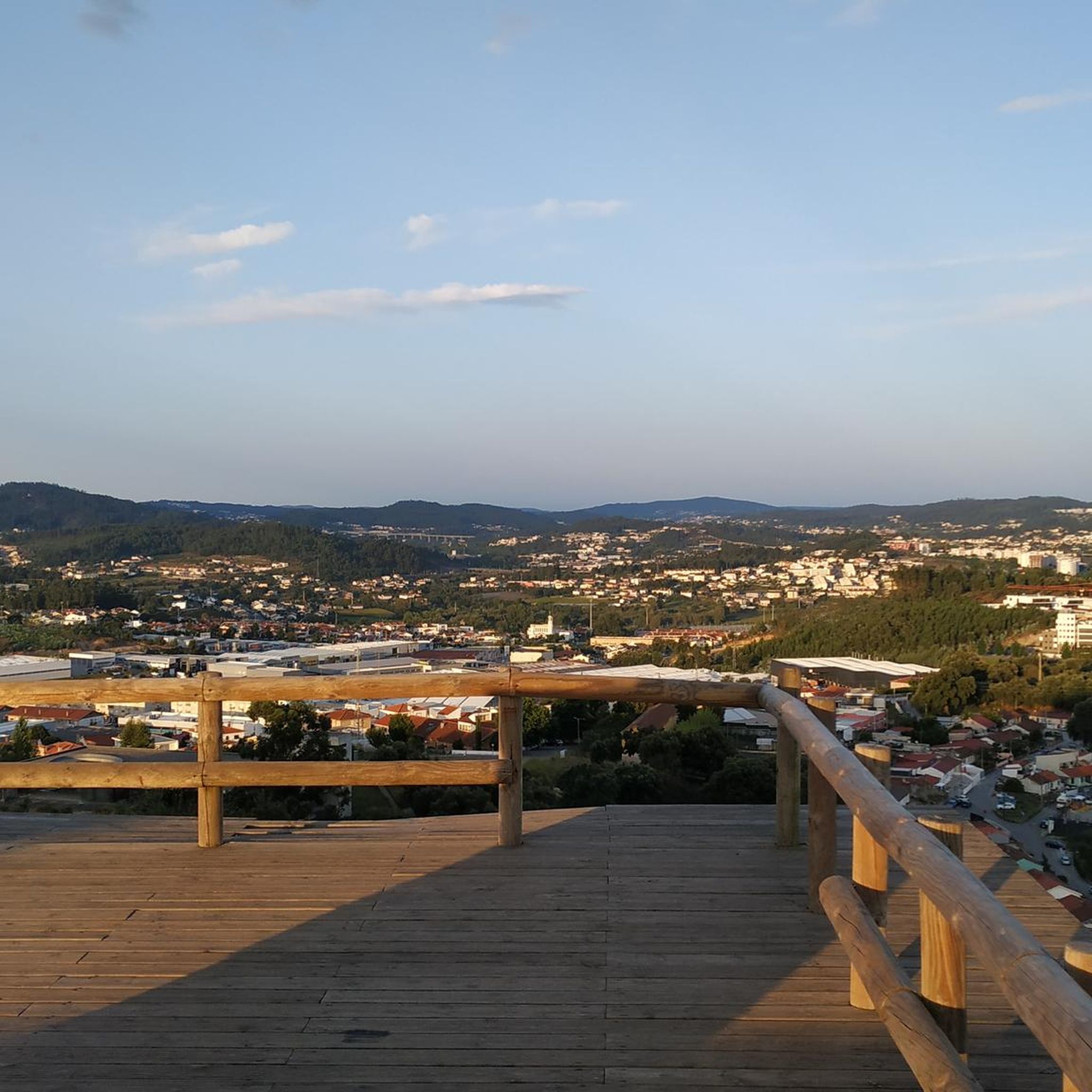
MTB Trails in Braga
Other adventures in Braga


Tips from the Community

The Metal Bridge of Fão (Esposende) Location: It crosses the Cávado River, on National Road 13 (EN13), in the parish of Fão, in Esposende. Alternative Name: It is frequently referred to as the D. Luís Filipe Bridge. History: It is a significant example of iron architecture in Portugal, inaugurated on August 7, 1892. Characteristics: The bridge, which is a Property of Public Interest, has an extensive metal structure and has recently been rehabilitated.
2
0
In Esposende, the main historical bridge that crosses the Cávado River is the Ponte Metálica de Fão, also known locally as Ponte D. Luís Filipe.
2
0
Key Information Location: Neiva River, on the border of the municipalities of Esposende and Viana do Castelo, Portugal. History: The original bridge was built in 1930 at the behest of the owner of a watermill and a fishing lodge that existed on the site at that time. Renovation: Over time, the bridge suffered damage due to the impact of fallen trees during storms. In 2020, the reconstruction of the bridge was announced, in a project financed in equal parts by the two neighboring municipalities. North Coast Ecovia: The stone bridge (reconstructed or restored) is part of a set of green infrastructures that make up the North Coast Ecovia, a pedestrian and cycle path that enhances the Neiva River estuary and connects the two municipalities, offering a bucolic and tranquil environment for walks. The bridge is a picturesque spot, frequently visited by those traveling along the ecovia, inviting a peaceful stroll and observation of the surrounding nature.
2
0
The Stone Bridge over the Neiva River, also known as Sebastião's Bridge, is a historic bridge that connects the banks of the Neiva River, serving as a border between the municipalities of Esposende (Antas parish) and Viana do Castelo (Castelo do Neiva parish), in Portugal.
2
0

A site well worth seeing. It looks more impressive from a distance than up close.
1
0

The Palace of the Dukes of Braganza was commissioned by Dom Afonso around 1420—the year of his second marriage to Constança de Noronha. Dom Afonso was the illegitimate son of King João I and acquired the titles of 8th Count of Barcelos, 2nd Count of Neiva, and 1st Duke of Braganza! It is considered a unique architectural example on the Iberian Peninsula!
2
0

The Barcelos Bridge is more than just an entrance to the city. It's a gateway to its legends, like that of the rooster. Over the Cávado River, this Gothic stone bridge, commissioned by Count Pedro between 1325 and 1330, connects Barcelos to Barcelinhos and has been classified as a National Monument since 1910. And if the heat gets too much, right next door awaits a river beach perfect for a refreshing dip.
3
0

Very beautiful and pleasant historic center/medieval village and very well-preserved castle. Medieval atmosphere/festivities a few days before the June 24th celebration (date of the founding of Portugal)
2
1
Frequently Asked Questions
What are the main historical and religious sites to visit in Braga?
Braga is rich in history and religious heritage. You can explore the ancient Sanctuary of Bom Jesus do Monte, a UNESCO World Heritage site known for its elaborate Baroque stairway and panoramic views. Other significant sites include the Braga Cathedral (Sé de Braga), one of Portugal's oldest cathedrals, and the Arco da Porta Nova, an impressive archway marking the entrance to the old city. The Palace of the Dukes of Braganza, an imposing medieval estate, also offers a glimpse into the region's past.
Are there any natural attractions or parks in Braga?
Yes, Braga offers several beautiful natural spots. The Sanctuary of Bom Jesus do Monte is set on a lush hillside, offering not just religious significance but also stunning natural surroundings. Within the city, you can find the charming Santa Barbara Gardens, known for their vibrant flowers, and Parque do Monte do Picoto, which provides breathtaking panoramic views of the region. The Blue Pool is another natural highlight, featuring a waterfall and swim spot.
What kind of outdoor activities can I do near Braga?
The region around Braga is excellent for outdoor enthusiasts. You can find various routes for different activities. For mountain biking, explore trails like the 'Geira and Arrieiros Trail Loop' or the 'Formiga Trail – Church of São Pedro de Rates loop'. If you prefer hiking, there are options ranging from easy walks like the 'Bom Jesus Park – Bom Jesus do Monte Funicular loop' to more challenging mountain hikes in the nearby Peneda-Gerês National Park, such as the 'View of Cascata do Arado – Blue Pool loop'. You can find more details on these and other routes in the Mountain Hikes in Braga, MTB Trails in Braga, and Easy hikes in Braga guides.
Are there family-friendly attractions in Braga?
Many attractions in Braga are suitable for families. The Palace of the Dukes of Braganza is a great historical site for all ages. The Sanctuary of Bom Jesus do Monte offers a funicular ride, which can be an exciting experience for children, and the surrounding park is pleasant for walks. The Santa Barbara Gardens and Parque da Ponte provide green spaces for relaxation and play. The Apúlia Church and Barcelos Medieval Bridge are also noted as family-friendly.
What are some unique cultural experiences in Braga?
Braga offers several unique cultural experiences. The Palácio dos Biscainhos (Biscainhos Museum) provides a glimpse into 17th and 18th-century noble lifestyles with its art, furniture, and formal gardens. The Termas Romanas do Alto da Cividade (Roman Baths) and Fonte do Ídolo (Fountain of the Idol) connect visitors to the city's ancient Roman and pre-Roman past. The Theatro Circo is a significant cultural venue hosting various performances, and the Museu Nogueira da Silva is a hidden gem with antique collections and beautiful gardens.
How can I get to the main attractions like Bom Jesus do Monte?
Many of Braga's main attractions, including the Sanctuary of Bom Jesus do Monte, are accessible by public transport. For Bom Jesus, you can take a bus from Braga city center directly to the site. Once there, you have the option to climb the elaborate Baroque stairway or take the world's oldest water-powered funicular to the summit. Other central attractions are often within walking distance or a short bus ride from the city center.
What are the best places to enjoy panoramic views in Braga?
For breathtaking panoramic views, the summit of the Sanctuary of Bom Jesus do Monte is unparalleled, offering expansive vistas of Braga and the surrounding countryside. Parque do Monte do Picoto also provides excellent elevated views of the Braga region. Additionally, the Sanctuary of Our Lady of Sameiro (Santuário de Nossa Senhora do Sameiro), the second-largest Marian shrine in Portugal, offers magnificent views, especially from its zimbório viewpoint.
Are there any Roman ruins or ancient sites in Braga?
Yes, Braga, known as Bracara Augusta in Roman times, has significant Roman heritage. You can visit the Termas Romanas do Alto da Cividade (Roman Baths), which are remnants of the ancient city. The Fonte do Ídolo (Fountain of the Idol) is a unique pre-Roman cave sanctuary located within the historic center, offering a connection to the region's earliest inhabitants.
What is the best time of year to visit Braga for outdoor activities?
The best time to visit Braga for outdoor activities is generally during the spring (April to June) and early autumn (September to October). During these months, the weather is typically mild and pleasant, ideal for hiking, cycling, and exploring the natural parks and gardens without the intense heat of summer or the heavier rains of winter. The lush landscapes are particularly vibrant in spring.
Can I find easy walking trails suitable for all fitness levels?
Yes, Braga offers several easy walking trails. For example, the 'Bom Jesus Park – Bom Jesus do Monte Funicular loop' is an easy 2.5 km walk. Another accessible option is the 'Bom Jesus Park – Levant Chapel loop'. These trails are perfect for a leisurely stroll and are suitable for most fitness levels, allowing you to enjoy the scenery without strenuous effort. More easy hikes can be found in the Easy hikes in Braga guide.
Are there any dog-friendly attractions in Braga?
While specific dog-friendly policies can vary, many outdoor areas in Braga are generally welcoming to dogs on a leash. Parks like Santa Barbara Gardens and Parque do Monte do Picoto are good options for walks with your pet. When visiting historical sites or religious buildings, it's best to check individual policies, as access might be restricted to outdoor areas only. Always ensure your dog is well-behaved and kept on a leash.
Where can I find local food or cafes near major attractions?
Braga's city center, particularly around Praça da República and Rua do Souto, is bustling with cafes and restaurants. Near the Sanctuary of Bom Jesus do Monte, you'll find cafes and eateries catering to visitors. A notable spot in the city center is Café A Brasileira, an iconic coffee shop with a long history, perfect for experiencing local culture and enjoying a traditional Portuguese coffee or pastry.
What are some lesser-known or 'hidden gem' attractions in Braga?
Beyond the major landmarks, Braga holds several hidden gems. The Palácio do Raio is renowned for its striking blue-and-white tilework (azulejos) and is a captivating cultural heritage site. The Museu Nogueira da Silva, with its well-kept collection of antique furniture, art, and beautiful gardens, offers a tranquil escape. The Monastery of São Martinho de Tibães, an 11th-century Benedictine monastery, is another historical site known for its solitude and significance.
Most popular routes in Braga
Most popular attractions in Braga

Get inspired with the komoot mobile app


Didn’t find what you were looking for?
Are you keen on exploring more awesome places nearby? Browse our guides:
Explore more
Still not found the Highlight you’re looking for? See guides of the top attractions in other regions:
