Top 16 Natural Monuments around Dour
Best natural monuments around Dour offer diverse ecological features and recreational opportunities within the Belgian province of Hainaut. The region is characterized by unique landscapes, including peat moors, extensive wetlands, and reclaimed mining sites. These natural landmarks near Dour provide varied terrain for exploration and observation. The area's natural features make it a destination for those seeking outdoor experiences.
Best natural monuments around Dour
- The most popular natural monuments is Le Caillou-qui-Bique, a natural monument that features a 20 to 25 meter high rock composed of fragments of several natural elements. This site is known for its distinctive rock formation and local legends.
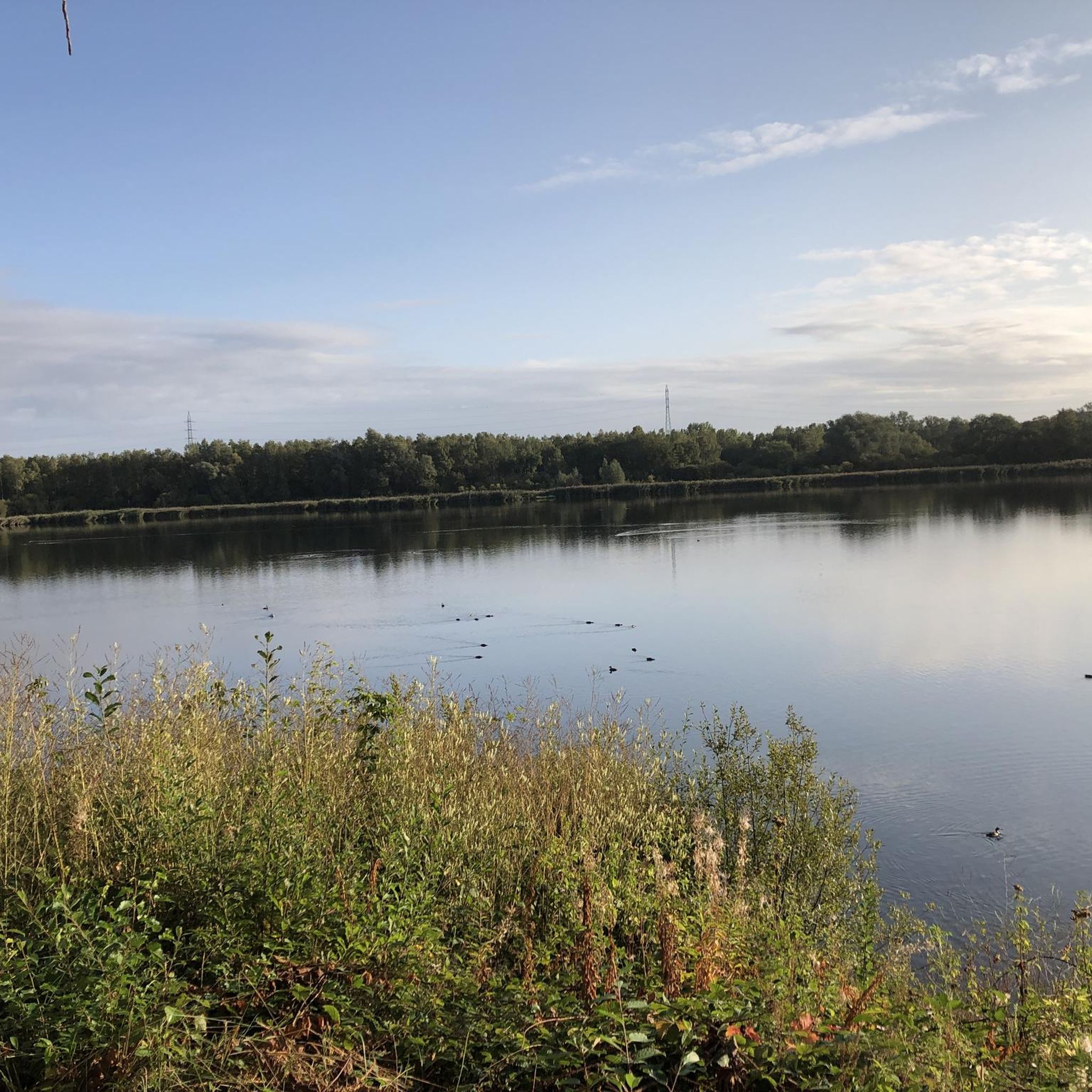
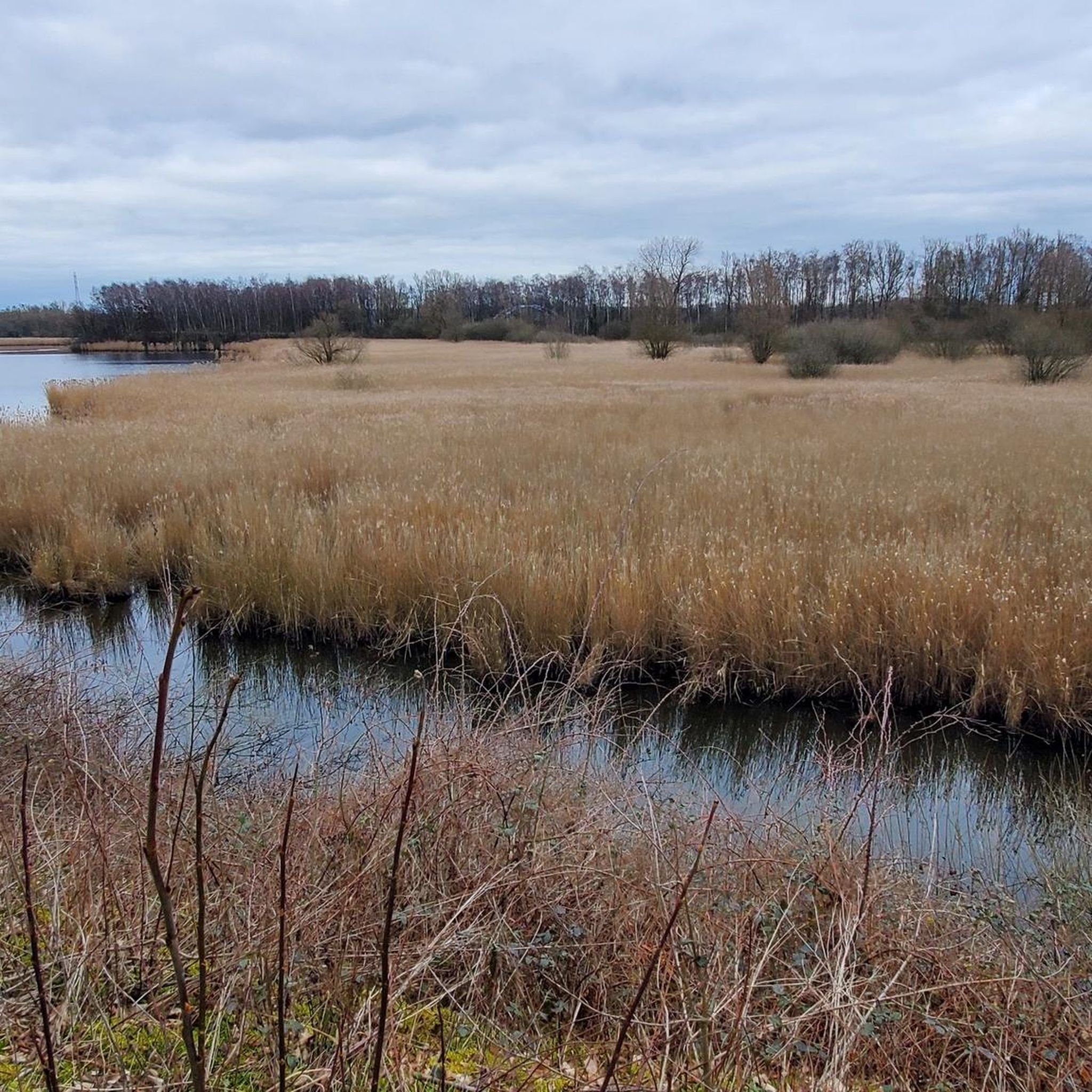
- Another must-see spot is Marais d'Harchies-Hensies-Pommerœul Nature Reserve, an extensive wetland area. Visitors can expect to find the largest reed-covered area in Wallonia, providing habitat for a significant number of animal species, making it a crucial site for birdwatching.
- Visitors also love Mer de Sable State Reserve, a protected area renowned for its distinctive landscape of peat moors and young birch forests. This reserve is special for its exceptional flora, including heather and carnivorous plants, and offers marked trails for observing local biodiversity.
- Dour is known for its unique rock formations, extensive wetlands, and protected peat moors. The region offers a variety of natural monuments to see and explore, from ancient geological features to vital ecological reserves.
- The natural monuments around Dour are appreciated by the komoot community, with more than 220 upvotes and 70 photos shared by visitors.
Last updated: June 26, 2026
Le Caillou-qui-Bique
Highlight • Natural Monument
A little step back in time...
Saint-Ghislain completes the construction of its abbey.
The devil decides that he will take advantage of the inauguration day to destroy the abbey and its occupants, by throwing an enormous stone found in the Pyrenees at the community.
An angel warns Saint-Ghislain of the imminent danger weighing on the abbey.
He gathers as many pairs of worn shoes as possible, which he slips into a huge bag and takes to the road to meet the evil one.
Coming across a poor fellow in rags with holes in his shoes at this place, the devil, quite exhausted by the heavy load, questions him: “Is the abbey of Saint-Ghislain still far away? ".
- “I’m coming from there, if it’s far!” » replies the old man while emptying his bag, filled with threadbare shoes, in front of the devil.
Discouraged and disappointed, Satan preferred to give up, dropping his heavy stone on the ground and walking away blaspheming, fooled by the subterfuge.
An hour and a half.
N.B.: some historians say that this is the legend of Saint Remacle, during the construction of Stavelot Abbey.
You are therefore free to substitute Remacle for Saint-Ghislain since this substitution does not modify the spirit of the story.
In both cases, the devil is defeated.
Cfr de informatiesteen ter hoogte van Le Chalet de Garde.
Translated by Google •
Tip by

Mer de Sable State Reserve
Highlight • Natural
Translated by Google •
Tip by

Sign up now to discover places like this
Get recommendations on the best single tracks, peaks, & plenty of other exciting outdoor places.
Sign up for free
Marais d'Harchies-Hensies-Pommerœul Nature Reserve
Highlight • Natural Monument
Source: visitwapi.be/nl/moeras-van-harchies
Translated by Google •
Tip by

The Nail Tree of Stambruges
Highlight • Natural Monument
There are now two of them carrying the wishes and hopes of recovery. The oldest, a black locust tree, fell to the ground in 2009. However, we continue to drive nails into it and leave personal objects, toys, clothes, shoes, bandages... These are the famous "rags" that we also find hanging to chapels, calvaries, springs in the region… The second, a younger oak, its “replacement” is right next door. Some “rags” also hang from the trunk to end up on the ground, a sign of healing according to tradition. But obviously, the old locust tree, even dead, still largely retains the votes of pilgrims.
You will notice the nails embedded in the bark. The rag trees of Stambruges would in fact be related to the tradition of nail trees, a tradition formerly common in northern France and Belgium. Originally, we just drove a nail into the tree, the menhir or the statue... By reciting a prayer or making a wish. Easier to deposit, more personal, rags have gradually taken over.
The rag trees of Stambruges are both invoked for the healing of skin diseases, rheumatism, childhood illnesses, to make it easier for babies to walk or the healing of wounds... We do not know when this belief dates back. On the other hand, when we look at the photos taken at the beginning of the 20th century, the locust tree, to the right of the chapel, does not yet seem to be covered in rags.
Translated by Google •
Tip by

Bois d'Angre
Highlight • Forest
Translated by Google •
Tip by
Sign up for free to discover even more natural monuments around Dour.
Sign up for free
Already have an account?
Start today with a free account
Your next adventure awaits.
Login or Signup

Other adventures around Dour

Tips from the Community

Attention change of regulation, a part of the reserve is forbidden to bicycles. I saw it this morning.
0
0

Michel Raulier: The Nail Tree of Stambruges Tree worship in our region is very ancient. Proof of this is the discovery in Blicquy, in the place called "Ville d'Anderlecht," of a set of 120 posts up to 90 cm in diameter. These may have served as supports for offerings, as evidenced by the numerous iron pins found in the filling holes. This could correspond to an artificial sacred grove housing deities, similar to Lucan's description of petrified forests in Pharsalia. In the past, trees, with their longevity and majestic shape, aroused a sense of sacredness in the minds of our ancestors. They were also believed to be capable of helping people solve their problems, particularly health problems. Many customs exist: walking around the tree, driving nails to fix the ailment, and tying cloths or fabrics to bind it. These trees were often Christianized by the installation of religious images or a chapel nearby. One example among others is that of Notre Dame de Foy. In Foy, near Dinant, a woodcutter discovered a 15th-century statuette in the heart of a very ancient oak tree in 1609. Long forgotten, the figurine bearing the image of the Virgin had been placed in a niche carved into the trunk. Over time, the wood completely covered it and erased its memory. In Stambruges, there is one of these remarkable trees, and beside it is a chapel, called "the chapel of Erconpuch" or, by another name, "the chapel of Arc-au-Puche," dedicated to the Virgin Our Lady of Arc-au-Puits, formerly called the Virgin of the Woods.
1
0

The Bois d'Angre, located in Honnelles, is a forest renowned for the Caillou-qui-Bique, a 370 million year old pudding rock. This forest is home to rich biodiversity with oaks, ash trees and various rare species. A place of legends and hikes, the Angre woods is a precious natural site in Wallonia, managed by Natagora and other organizations to preserve its unique fauna and flora.
2
0
The Mer de Sable nature reserve is a 22-hectare protected area, renowned for its peat moors and young birch forests. Formerly a pond that dried up in the 19th century, the site is home to exceptional flora, including heather and carnivorous plants such as the sundew. The reserve, classified as a major heritage site in Wallonia, offers marked trails for hiking and observing local biodiversity.
2
0

Ornithological nature reserve, with magnificent species. Several observation points set up for bird watching. accessible to PMR.
3
0

Special, that sandy area and a nice place to eat (there is also a restaurant)
2
1

This rock formation is very special in the forest!
2
0

There are two viewing huts on the route. But especially many ornithologists. This must clearly be a special place!
9
0
Frequently Asked Questions
What are some unique natural features to explore around Dour?
The Dour region offers a variety of unique natural features. You can explore the distinctive landscape of peat moors and young birch forests at the Mer de Sable State Reserve, or discover the extensive wetlands and reed-covered areas of the Marais d'Harchies-Hensies-Pommerœul Nature Reserve. Another notable site is the Le Caillou-qui-Bique, a striking 20 to 25 meter high rock formation with local legends.
Are there family-friendly natural monuments in the Dour region?
Yes, several natural monuments around Dour are suitable for families. The Mer de Sable State Reserve offers marked trails that are easy to navigate. The The Nail Tree of Stambruges is a unique historical and natural site that can be interesting for children due to its folklore. Additionally, the Bois d'Angre provides accessible trails for leisurely walks.
Can I go hiking near the natural monuments around Dour?
Absolutely. The Dour region is excellent for hiking. You can find numerous trails, including moderate routes like the Vhello – Blaugies Chapel loop or the Le Sauwartan slag heap loop from Dour. For more options, explore the Hiking around Dour guide.
What kind of wildlife can I expect to see in Dour's natural reserves?
The Marais d'Harchies-Hensies-Pommerœul Nature Reserve is a crucial site for birdwatching and wildlife enthusiasts, home to over 300 species, with about 100 known to breed there. You might spot rare or endangered animal species. The Mer de Sable State Reserve also boasts exceptional flora, including heather and carnivorous plants like the sundew, and supports local biodiversity.
Are there any historical or cultural natural monuments in the area?
Yes, the The Nail Tree of Stambruges is a significant site, known for its unique tradition of driving nails into the tree for healing wishes, and is associated with a chapel and local legends. The Le Caillou-qui-Bique also has a rich local legend about its formation involving Saint-Ghislain and the devil.
What is the best time of year to visit the natural monuments around Dour?
The natural monuments around Dour can be enjoyed throughout the year. Spring and autumn offer pleasant temperatures for hiking and observing flora and fauna. Summer is ideal for longer days outdoors, while winter can provide a unique, tranquil experience, especially in areas like the Mer de Sable or Bois d'Angre.
Are there options for cycling or mountain biking near these natural sites?
Yes, the Dour region provides opportunities for both cycling and mountain biking. You can find routes like the Terril Saint-Antoine – Colfontaine Wood loop for mountain biking, or the Bois d’Angre loop for cycling. For detailed routes and difficulty levels, refer to the MTB Trails around Dour guide and the Cycling around Dour guide.
Where can I find panoramic views of the Dour region's natural landscapes?
The Le Caillou-qui-Bique is a viewpoint offering scenic vistas. Additionally, the Saint-Antoine slag heap (mentioned in region research) provides panoramic views from its summit, which has been reclaimed by nature and offers easy trails.
Are the natural monuments around Dour accessible by public transport?
While specific public transport routes to each monument may vary, Dour is a municipality in the Belgian province of Hainaut. For detailed information on public transport options to specific sites, it's advisable to check local transport schedules or visit the official tourism website for the region, such as VisitMons.
Are there any natural monuments suitable for visitors with limited mobility?
The Marais d'Harchies-Hensies-Pommerœul Nature Reserve is noted as being wheelchair accessible, offering paths that allow visitors with limited mobility to enjoy the extensive wetlands and observe wildlife. The Saint-Antoine slag heap also features easy and accessible trails.
What do visitors typically enjoy most about the natural monuments in Dour?
Visitors frequently appreciate the unique ecological diversity, from the peat moors of Mer de Sable to the rich birdlife of Marais d'Harchies-Hensies-Pommerœul. The striking geological formations like Le Caillou-qui-Bique and the historical folklore surrounding sites like The Nail Tree of Stambruges also captivate many. The komoot community has shown its appreciation with over 220 upvotes and 70 photos shared, highlighting the region's natural beauty and varied outdoor experiences.
Can I bring my dog to the natural monuments around Dour?
Many natural areas and trails in Belgium are dog-friendly, especially if dogs are kept on a leash. For specific rules regarding each natural monument, such as the Mer de Sable State Reserve or Marais d'Harchies-Hensies-Pommerœul Nature Reserve, it's best to check local signage or official park guidelines to ensure compliance.
Most popular attractions around Dour

Get inspired with the komoot mobile app


Explore more
Extend your search for the best caves by checking out these guides of the top ones around Dour:
