Top 4 Castles around Tonezza Del Cimone
Best castles around Tonezza Del Cimone are predominantly historical fortifications from World War I. This mountainous region held significant strategic importance during the Great War, featuring numerous military structures. While traditional medieval castles are not found directly within the municipality, the area offers well-preserved WWI-era forts and memorial sites. These locations provide insight into the region's past and the realities of mountain warfare.
Best castles around Tonezza Del Cimone
- The most popular castles is Forte Dosso delle Somme, a…
Last updated: June 28, 2026
Forte Dosso delle Somme
Highlight • Historical Site
Translated by Google •
Tip by

Fort Belvedere-Gschwent
Highlight • Historical Site
Translated by Google •
Tip by

Sign up now to discover places like this
Get recommendations on the best single tracks, peaks, & plenty of other exciting outdoor places.
Sign up for free
Forte Verena
Highlight • Historical Site
Translated by Google •
Tip by

Fort Corbin (WWI)
Highlight • Historical Site
Translated by Google •
Tip by

Castello di Meda and Hermitage
Highlight • Historical Site
Translated by Google •
Tip by
Start today with a free account
Your next adventure awaits.
Login or Signup
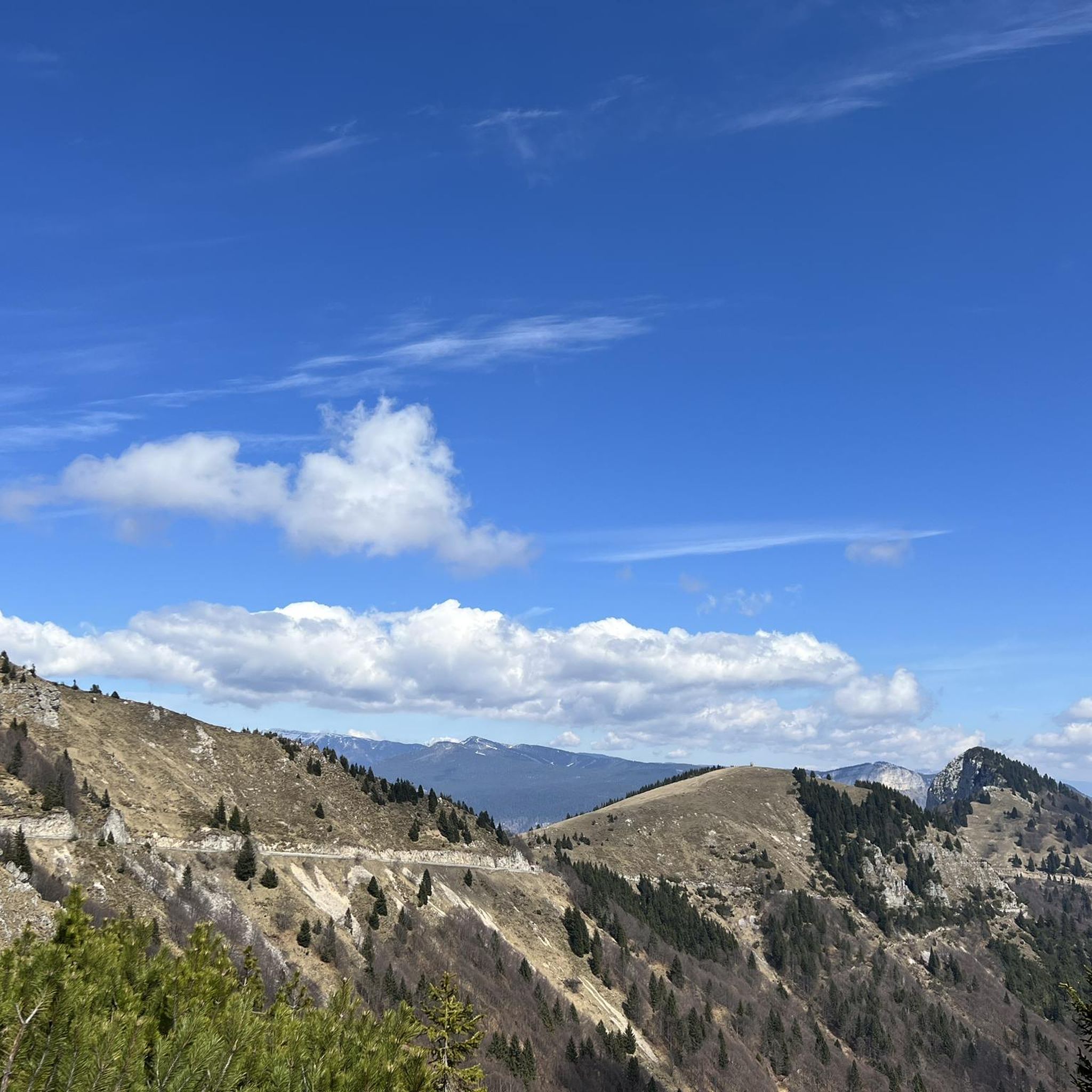
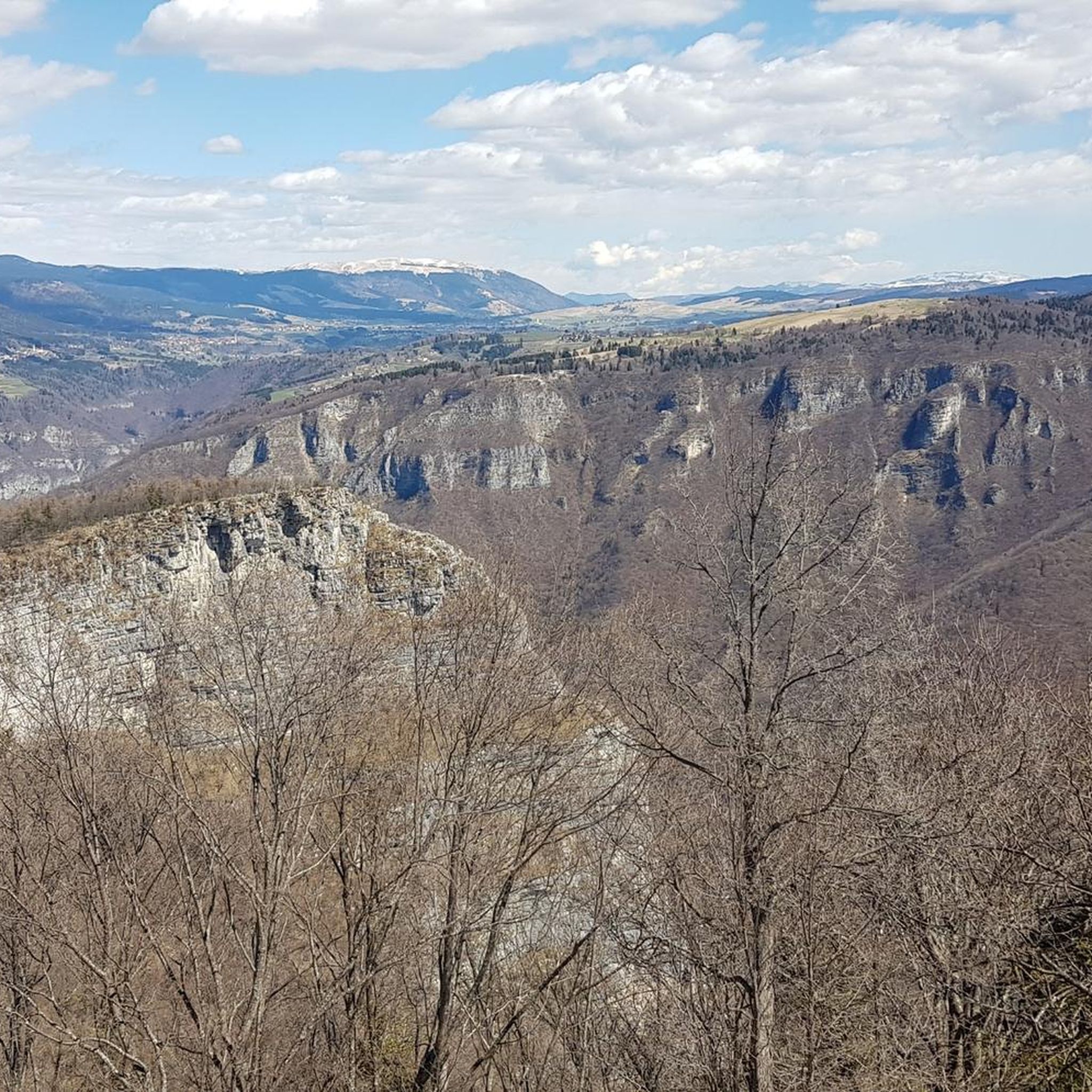
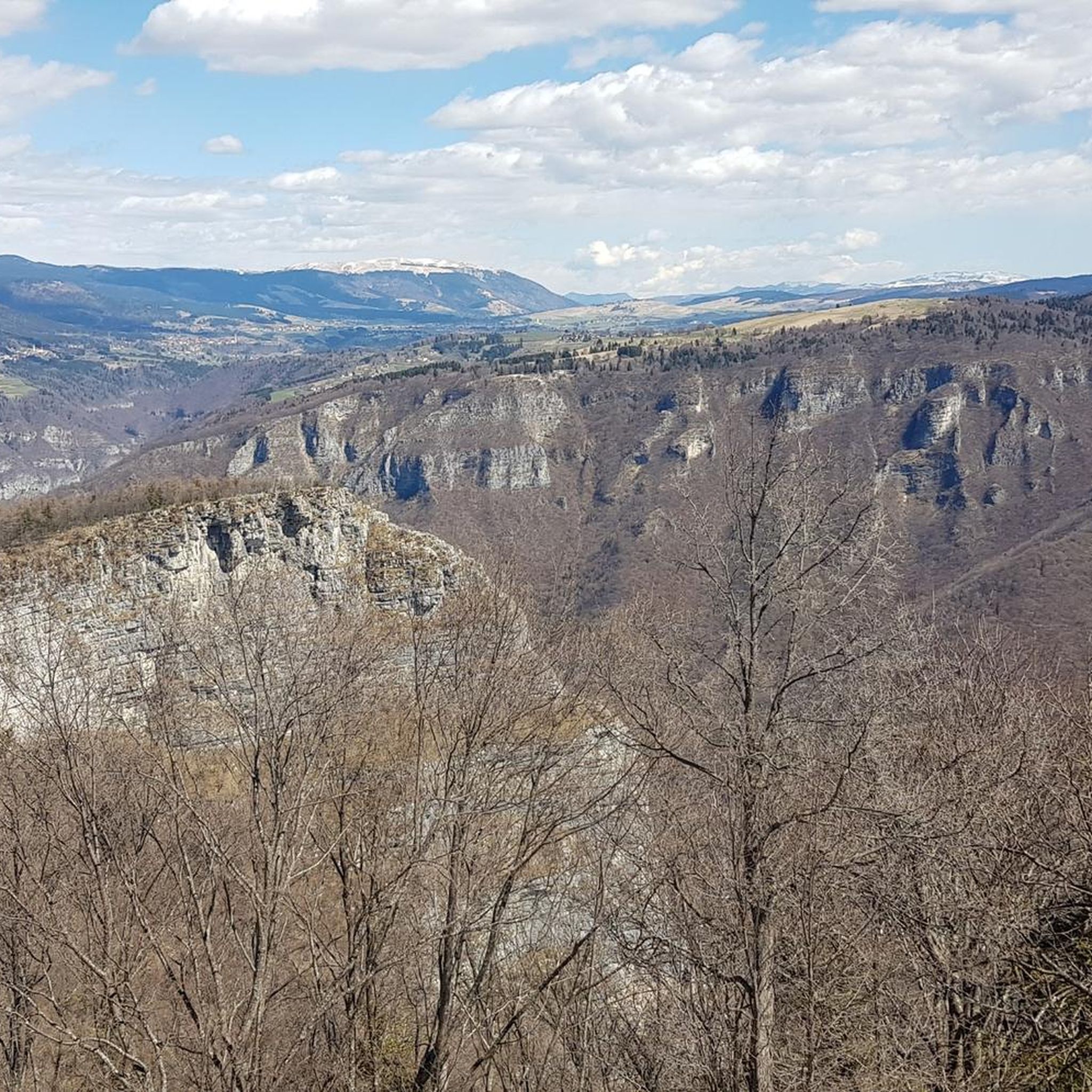

Tips from the Community

The Italian fort that seems to have fired the first cannon shot against the Habsburg army and from there the war on the plateau began. It was immediately bombarded and put out of action by the Habsburg army which bombarded it from the fort of cima Vezzena, Spitz Verle
0
0
The Dosso della Somme fort was the most important technological outpost of the defensive line of the plateaus
0
0

"...The fort was still, austere. A place that spoke of men tested by cold, fear, and anticipation. In that moment I felt small, but also strangely attuned..."
0
0

Entrance to the actual fort is subject to a fee.
0
0

Remains of Fort Dosso delle Somme
0
0

Just below the summit of Mount Verena is the Mount Verena fort, a defensive bastion on the plateau of the 7 municipalities.
0
0

military fort of the great war. remarkable and well detailed information both on the fort and on the period of the great war.
0
0

Spectacular testimony to the presence of a massive defensive line, 30 km long, established by the Austro-Hungarian empire before 1914, which consists of seven fortifications.
1
0
Frequently Asked Questions
What kind of 'castles' can I expect to find around Tonezza Del Cimone?
The region around Tonezza Del Cimone is primarily known for its historical fortifications from World War I, rather than traditional medieval castles. These sites offer a profound glimpse into the area's strategic importance during the Great War, featuring well-preserved military structures and memorial sites.
Which are some of the most significant WWI fortifications to visit in the area?
You can explore several important WWI sites. Forte Dosso delle Somme, an Austrian fortification, and Fort Belvedere-Gschwent, which now houses a museum, are highly rated. Another key site is Forte Verena, an Italian fortress famous for firing the first Italian cannon shot of WWI.
Are there any family-friendly historical sites or fortifications?
Yes, Fort Belvedere-Gschwent is noted as family-friendly and includes a museum, making it an engaging visit for all ages to learn about the history of the region.
What historical context should I know before visiting these WWI sites?
Tonezza del Cimone and its surrounding mountains, like Monte Cimone, were critical strategic points during World War I. The area saw intense battles, and many fortifications were built by both Italian and Austro-Hungarian forces. Visiting these sites offers a direct connection to the harsh realities of mountain warfare and the immense sacrifices made.
What outdoor activities can I do near these historical fortifications?
The mountainous terrain around Tonezza Del Cimone is excellent for outdoor activities. You can find numerous mountain hikes, such as the challenging Cima Summano loop, or moderate routes like the Monte Cengio – Osservatorio loop. For mountain biking, there are trails like the Tonezza del Cimone – Trail to Malga Zolle loop. You can find more details on these activities in the Mountain Hikes around Tonezza Del Cimone and MTB Trails around Tonezza Del Cimone guides.
Is there a museum dedicated to the Great War in Tonezza del Cimone?
Yes, the Tonezza Great War Museum is located in Tonezza del Cimone. It's part of the Great War Ecomuseum project and houses artifacts, historical photos, and a relief map illustrating the front lines, providing valuable context to the battles in the area.
What is the significance of Monte Cimone in the region's history?
Monte Cimone was a pivotal strategic point during WWI, often called the 'Gibraltar of the Italian front.' It was the site of a massive mine detonation in 1916, resulting in significant loss of life. Today, it's considered a 'Sacred Mountain' with an ossuary and historical trails, offering panoramic views and a place for reflection.
Are there any sites that combine historical interest with natural beauty or viewpoints?
Many of the fortifications, due to their strategic locations, offer stunning panoramic views. For example, Forte Verena is situated at 2,019 meters and dominates the Asiago plateau. Castello di Meda and Hermitage, though primarily a WWI stronghold now, is on a rocky peak offering wide views of the Astico Valley.
What do visitors appreciate most about these historical sites?
Visitors often highlight the profound historical experience and the well-preserved nature of the WWI fortifications. The opportunity to walk through history, understand the realities of mountain warfare, and witness the strategic importance of the landscape are frequently mentioned. The panoramic views from many of these elevated sites are also a major draw.
How accessible are these WWI fortifications for visitors?
Accessibility varies by site. Some, like Fort Belvedere-Gschwent, are well-maintained and include a museum, making them generally more accessible. Others, like Forte Verena, are at higher altitudes and may require hiking on trails. It's advisable to check specific site information for details on parking and trail conditions.
Can I visit these sites during winter?
Visiting during winter can be challenging due to snow and ice, especially at higher altitude sites like Forte Verena or Monte Cimone. Some roads or trails might be closed or require specialized equipment. Museums like Fort Belvedere-Gschwent might have specific winter opening hours. It's best to check local conditions and opening times before planning a winter visit.
Most popular routes around Tonezza Del Cimone
Most popular attractions around Tonezza Del Cimone

Get inspired with the komoot mobile app


Explore more
Looking for the best castles somewhere else? Discover other guides around Tonezza Del Cimone:
