The 20 Most Amazing Peaks in Asturias
Best mountain peaks in Asturias are characterized by their diverse terrain, ranging from rugged summits to lush valleys, often in proximity to the Cantabrian Sea. This region, part of the larger Cantabrian Mountains, offers a variety of peaks suitable for different activity levels. Asturias is known for its green landscapes and rich biodiversity, providing a unique natural environment for exploration. The area features prominent ranges like the Picos de Europa, offering both challenging climbs and accessible viewpoints.
Best mountain peaks in Asturias
- The most popular mountain peaks is Pienzu Peak, a summit that offers spectacular views of the Asturian coast and Picos de Europa. The contrast between sea and mountains from its summit provides a rewarding experience.
- Another must-see spot is Sacred Heart of Jesus Monument (Monte Naranco), a man-made monument located on Monte Naranco. From this exposed location, the statue offers views of Oviedo and the surrounding area.
- Visitors also love Mofrechu Peak, a summit with panoramic views of the Bay of Biscay and the Cantabrian Mountains. It is the highest peak in Ribadesella and provides views of the Picos de Europa.
- Asturias is known for its summits, mountain passes, and peaks within national parks. The region offers a variety of mountain peaks to see and explore, from high-altitude challenges to accessible viewpoints.
- The mountain peaks in Asturias are appreciated by the komoot community, with 127 upvotes and 75 photos shared across various highlights.
Last updated: October 10, 2026
Sacred Heart of Jesus Monument (Monte Naranco)
Highlight • Monument
Translated by Google •
Tip by

Vega de Urriellu Refuge
Highlight • Mountain Hut
To reserve a bed, keep in mind that you have to call in advance!
Translated by Google •
Tip by

Sign up now to discover places like this
Get recommendations on the best single tracks, peaks, & plenty of other exciting outdoor places.
Torre de los Horcados Rojos
Highlight • Summit
Translated by Google •
Tip by

Alto de La Marta
Highlight • Mountain Pass
Translated by Google •
Tip by
Alto de la Farrapona
Highlight • Mountain Pass
Translated by Google •
Tip by
La Cubilla Pass
Highlight • Mountain Pass
By MTB you can get there from San Emiliano (ten kilometers and 500 meters of positive gradient) or from Caldas de Luna (17 kilometers and 730 meters of positive gradient). It is part of the TransCantábrica BTT route.
Translated by Google •
Tip by

Pozo de las Mujeres Muertas Pass
Highlight • Mountain Pass
Translated by Google •
Tip by

Ventana Pass
Highlight • Mountain Pass
From the pass, you can enjoy a breathtaking view of the San Emiliano Valley, known as Babia de Yuso.
Translated by Google •
Tip by

Pienzu Peak
Highlight • Summit
EYE to the area marked as full of ticks.
Translated by Google •
Tip by

Jou de los Cabrones Refuge
Highlight • Mountain Hut
His approaches from any place that is attempted are all difficult, for any of them we will always find a place where we will have to use our hands. For this reason, it makes it a special refuge, not only because of its views but also because of the sensation of arriving at a place in a unique enclave.
If you want to reserve a room or meals, the contact telephone number is 650 780 381 and 985 925 200. You can also do it through reservarefugios.com. The summer season is the busiest in Picos so keep that in mind!
Translated by Google •
Tip by
Sign up for free to discover even more peaks in Asturias.
Already have an account?
Start today with a free account
Your next adventure awaits.
Popular around Asturias
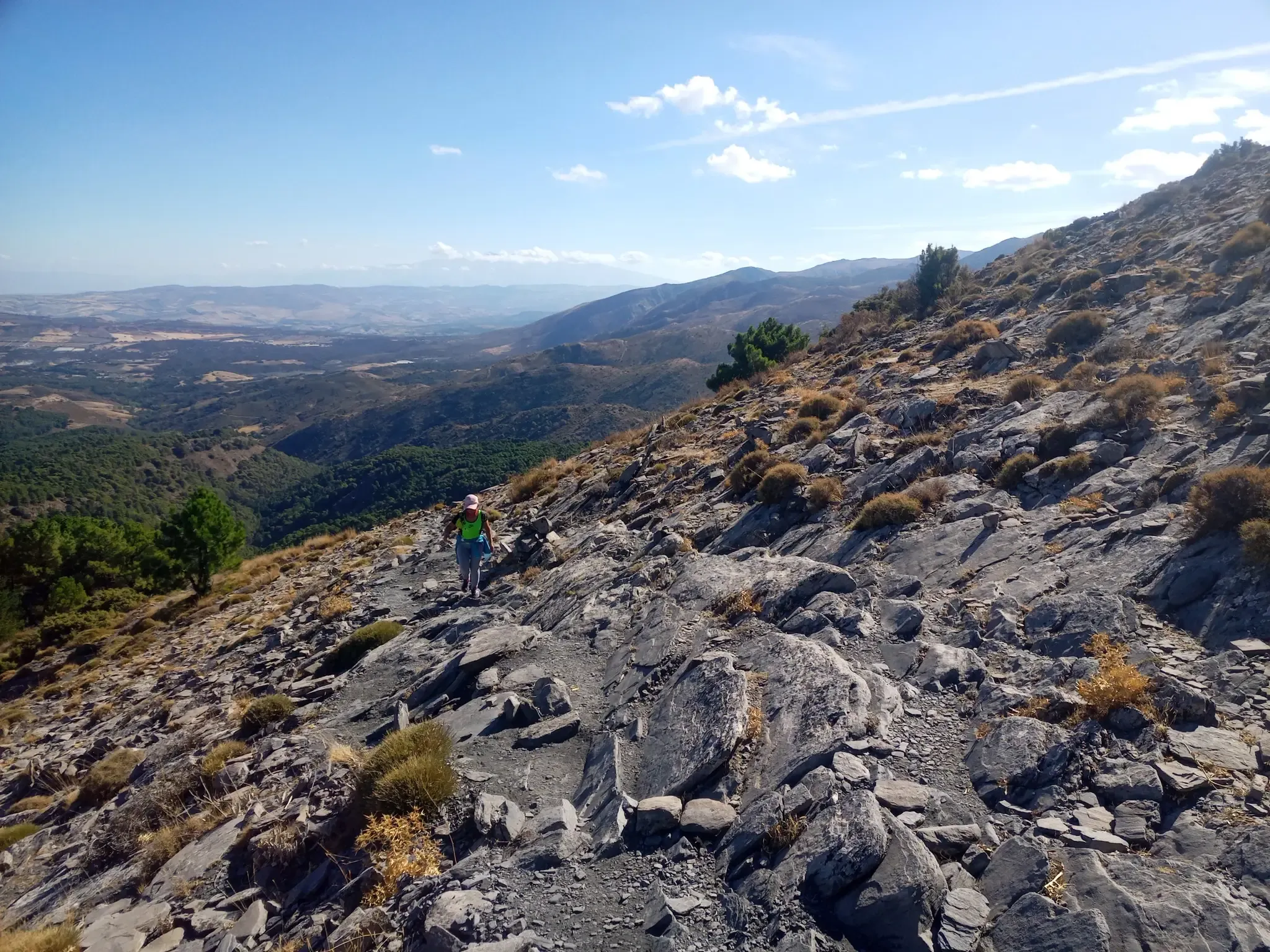
12 hiking gems throughout Spain
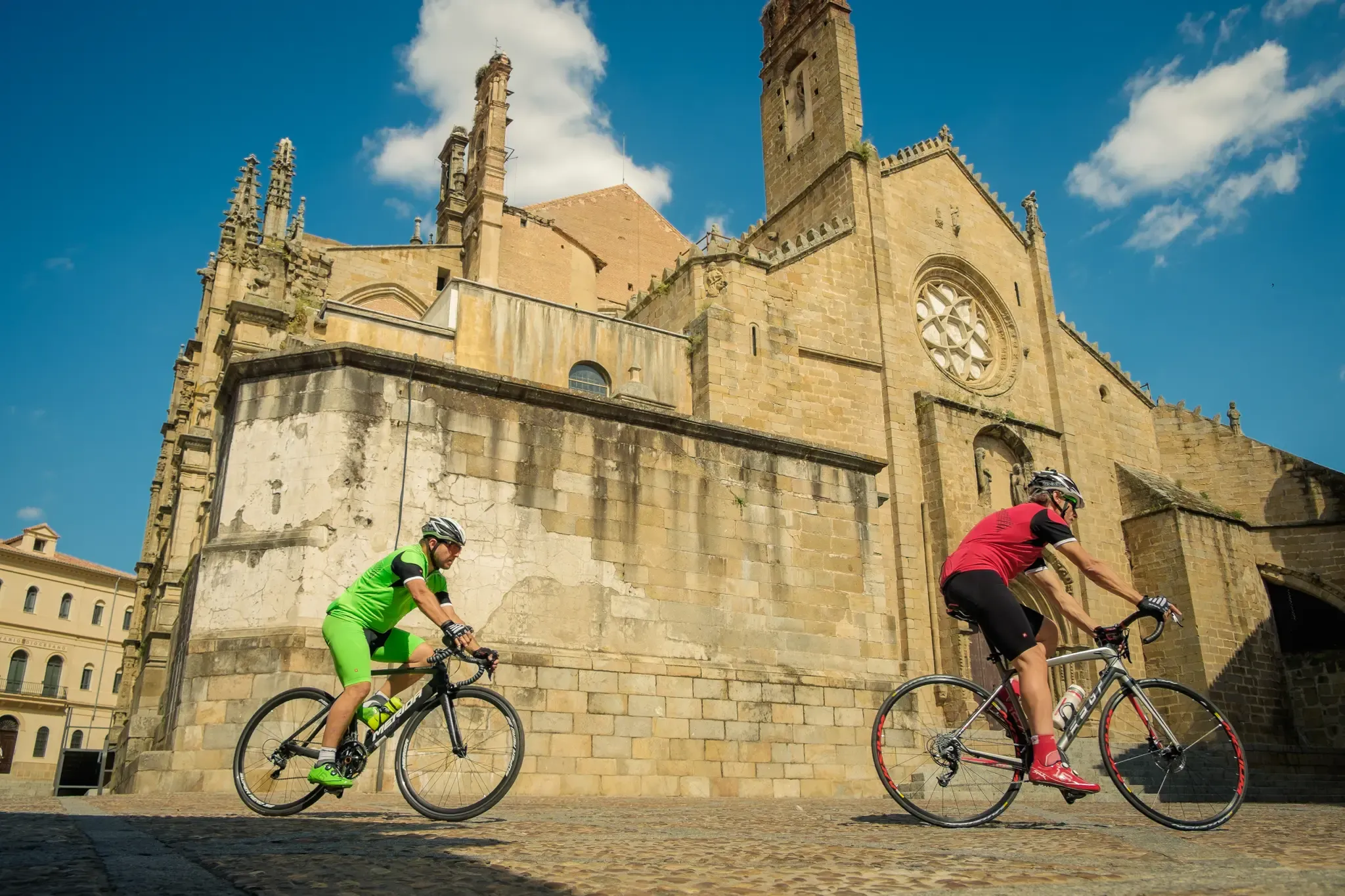
Vía de la Plata – from Seville to Gijón by bike
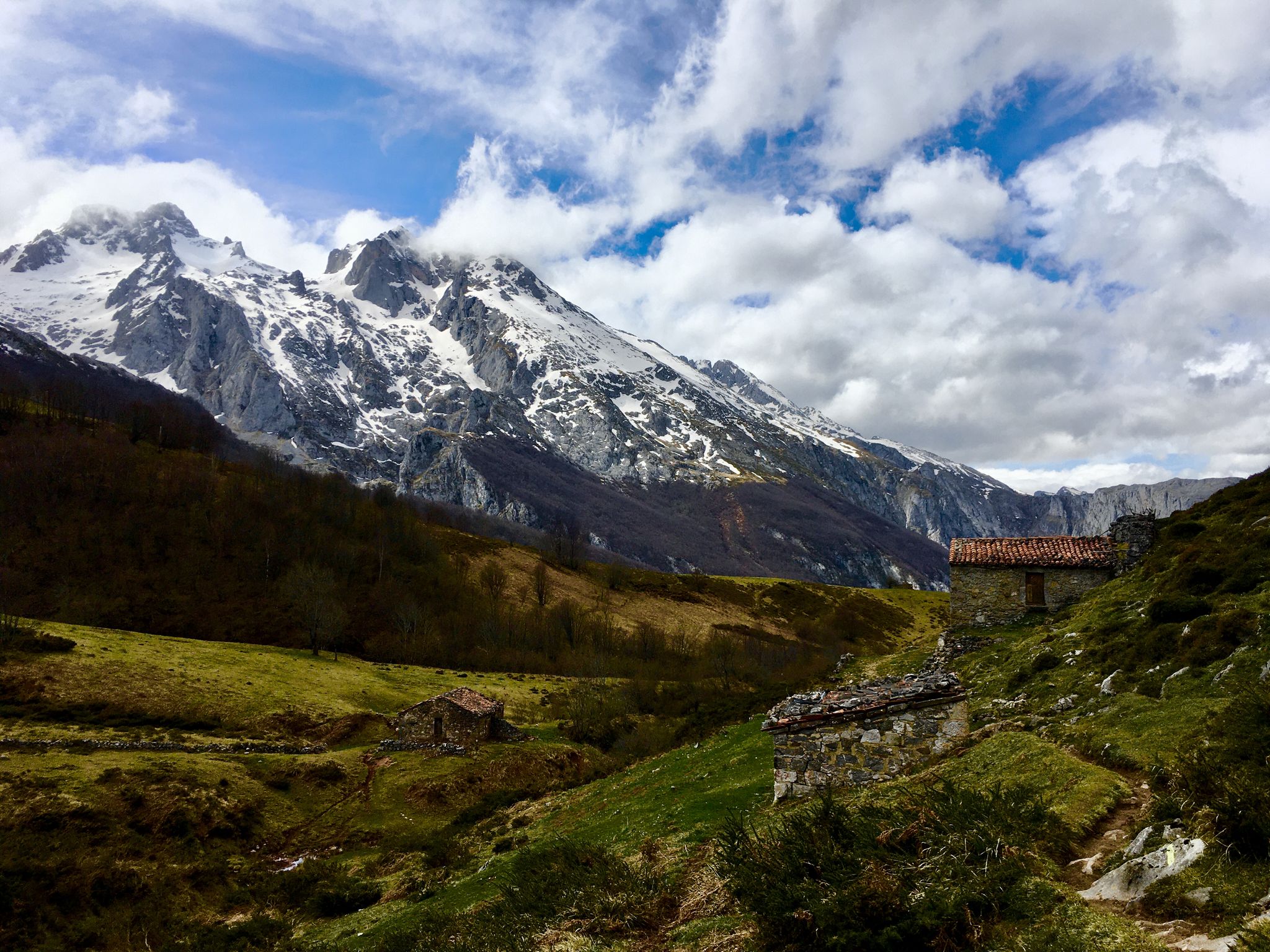
Route of the Reconquest (GR 202) – In the footsteps of an army
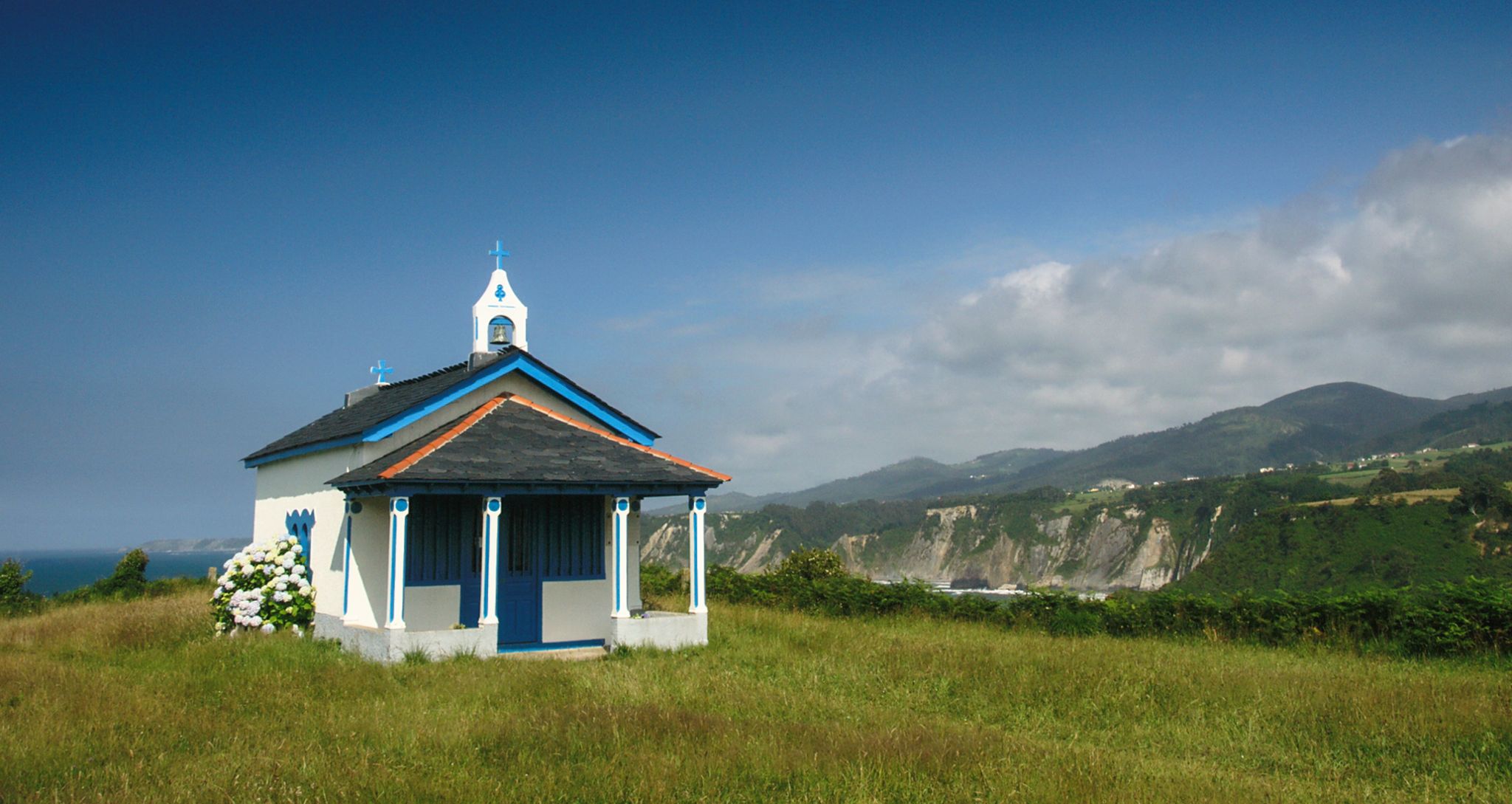
Camino del Norte – 15 stages
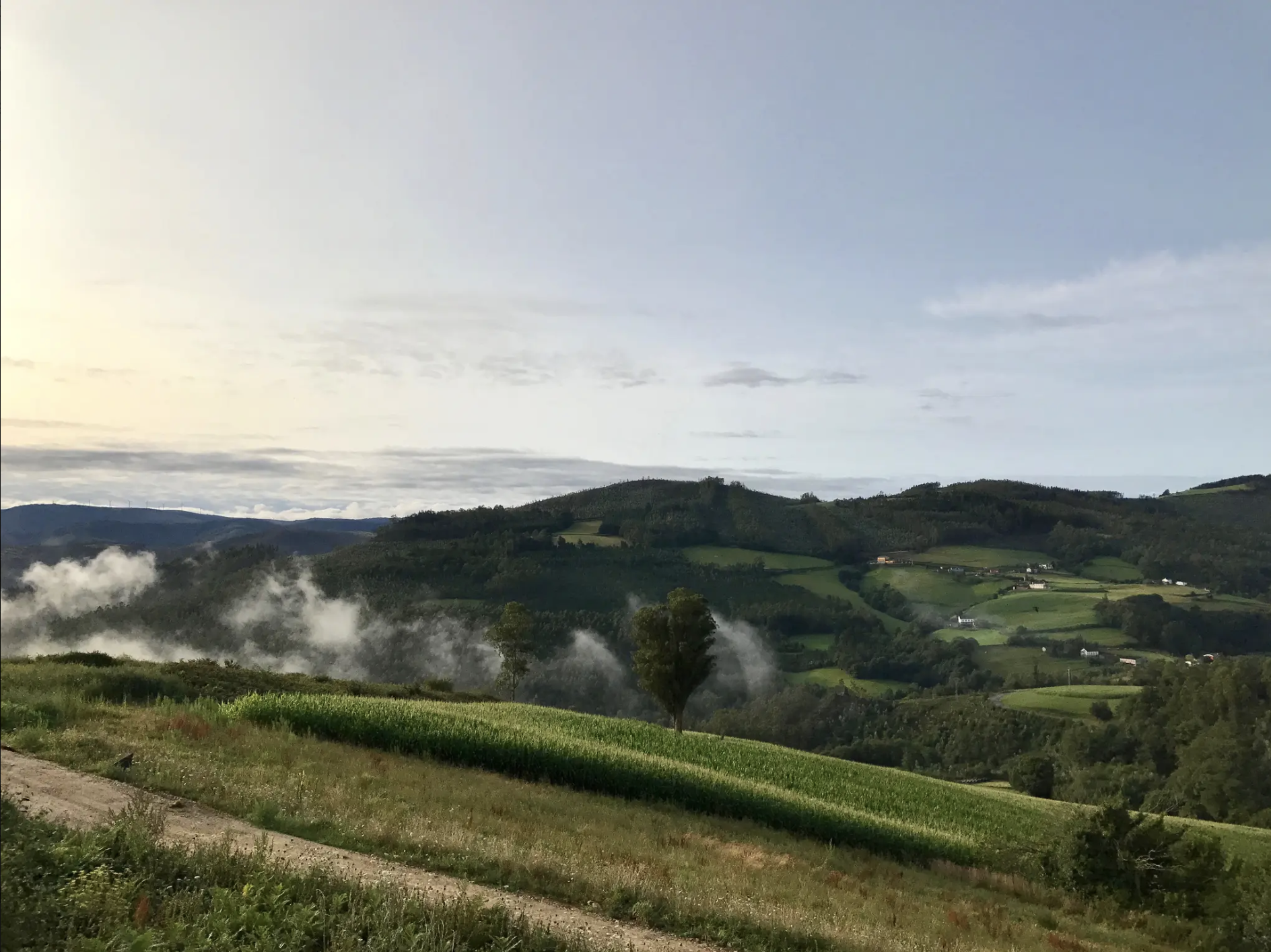
Camino del Norte (in reverse) – Discovering northern Spain's stunning coastline
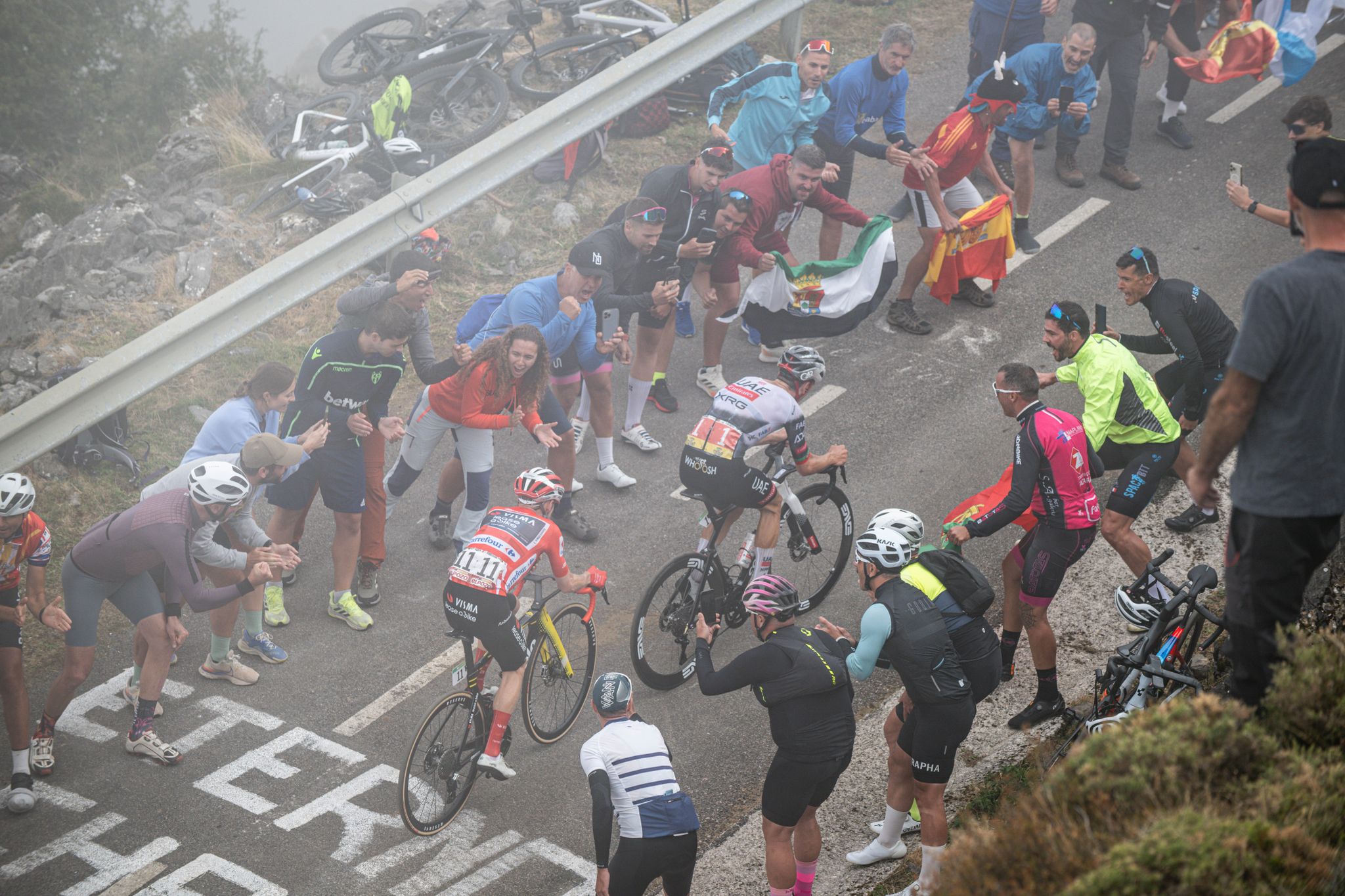
Mythical Passes and Sections of La Vuelta
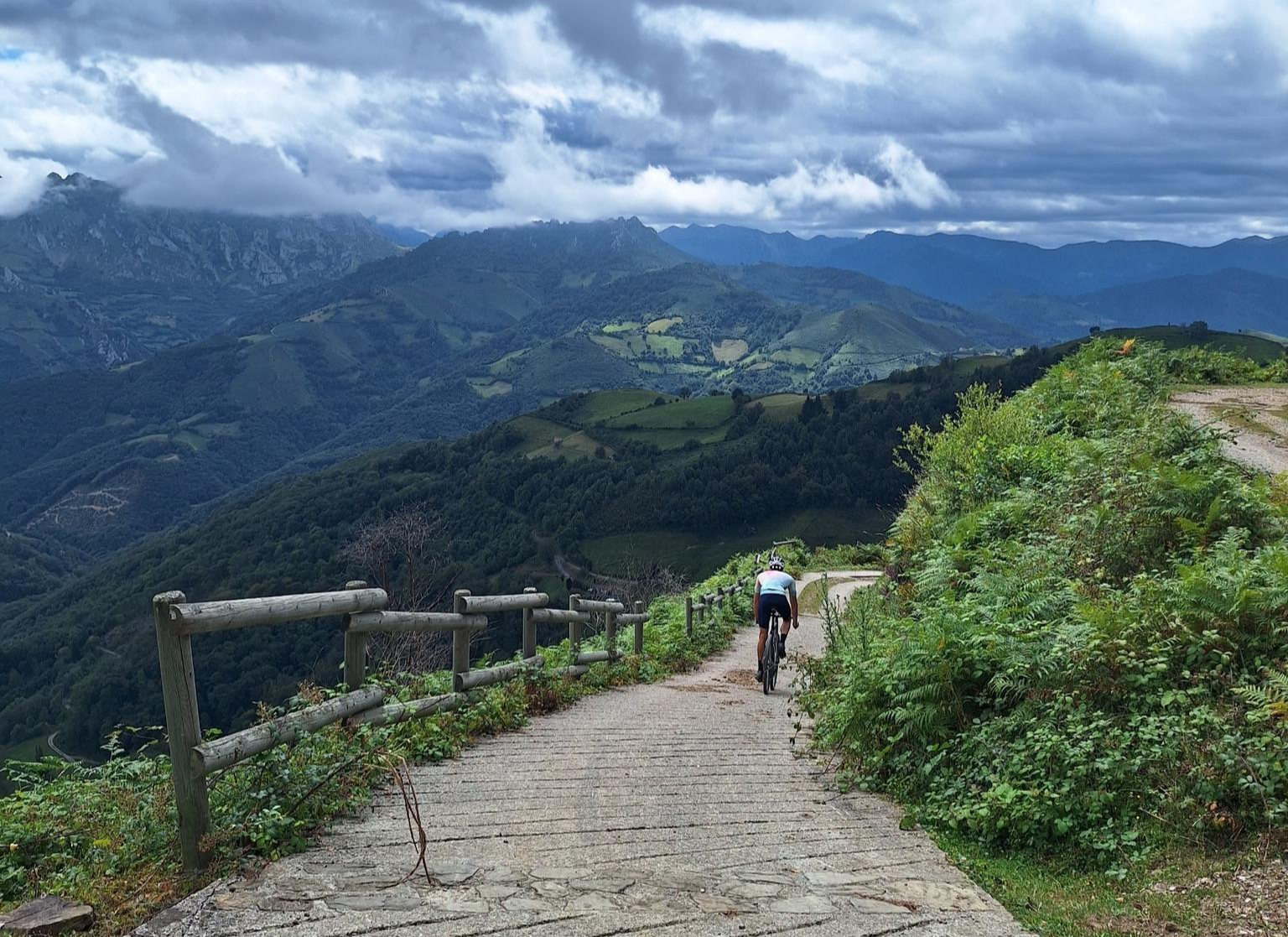
Central Mountain Cycling Ring GR 208 - Tour of the Asturian Mountains
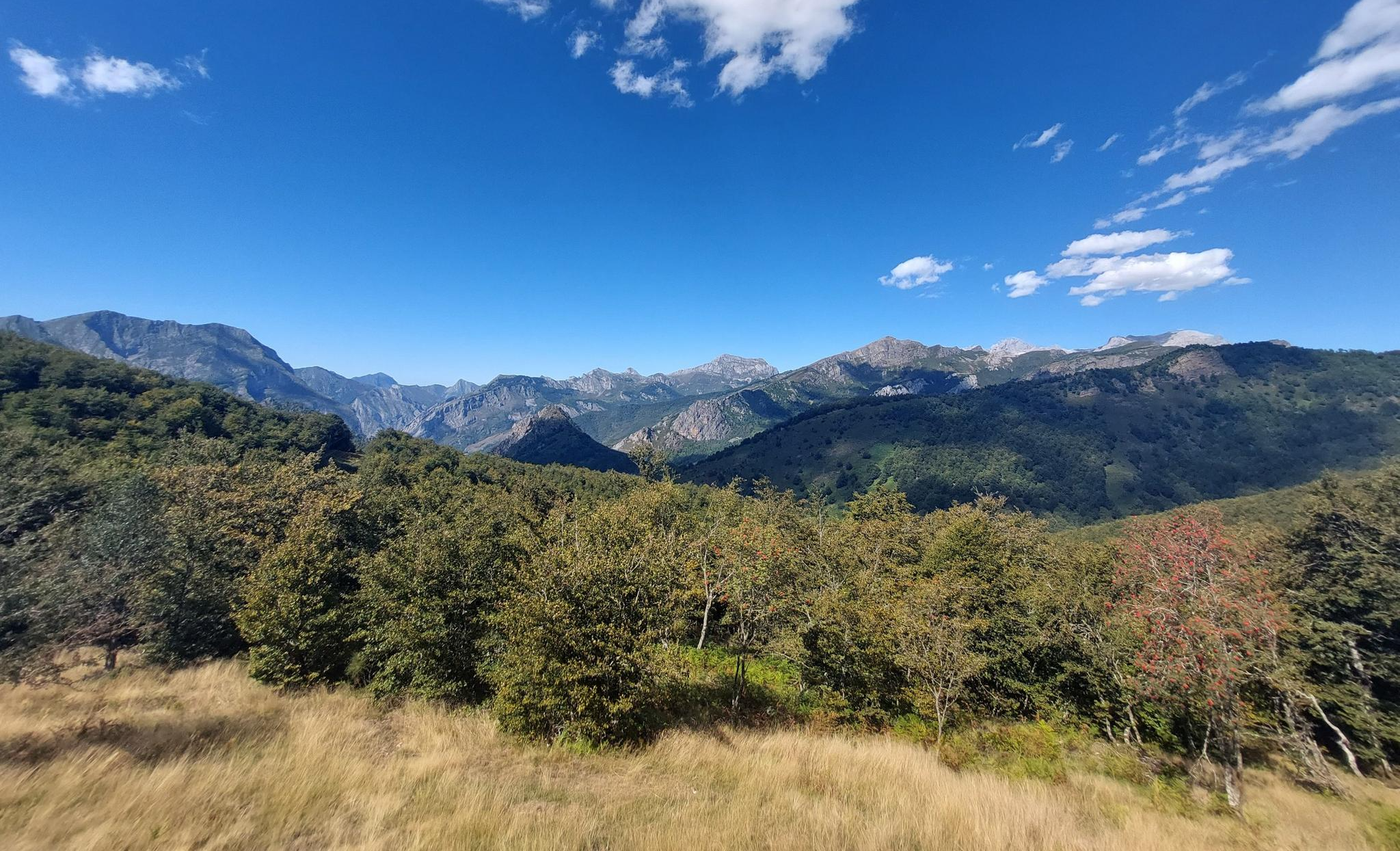
Senda del Arcediano (GR 210) - A historical hike through the Picos del Picos
Great mountain passes of Picos de Europa on road bikes
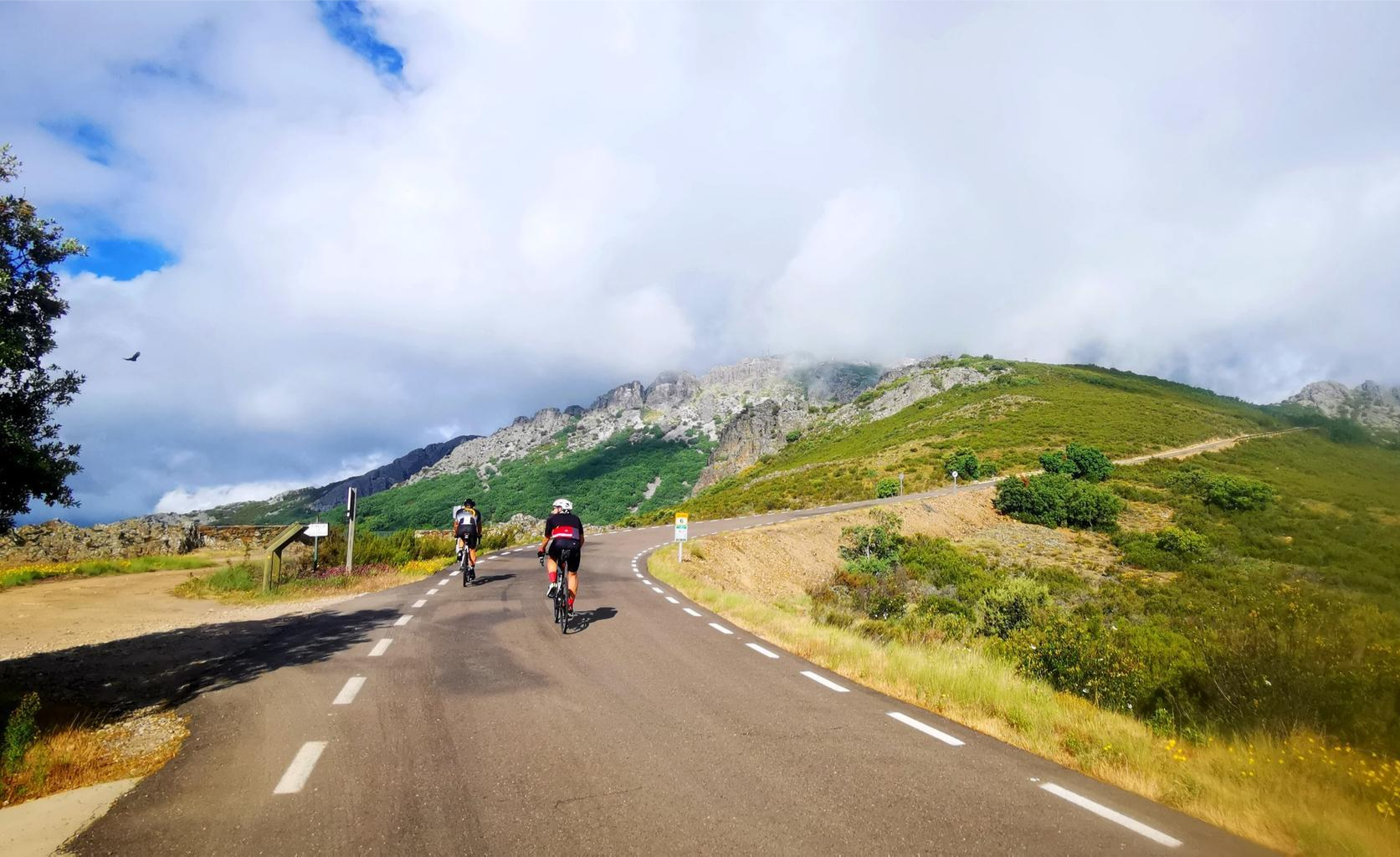
Legendary climbs - Ports of La Vuelta a España
Other adventures in Asturias


Tips from the Community

The 2500m high Torre de los Horcados Rojos was quite challenging for me but doable, a great destination at the end of an obviously very popular tour starting from the mountain station of the Fuente Dé cable car - the king tour of my holiday this year. Partially breathtaking views in all directions, even if you don't stand dangerously close to the edge. Shortly before the summit, there is a somewhat hairy crossing from a fore-summit to the very top - I went to the left and then up, but some others also went straight up on the right side.
0
0

The ascent of Pico Pienzu can be one of the most rewarding routes you'll find in the Asturian mountains. The contrast between sea and mountains at its summit will leave you speechless, and any route you choose for the climb will offer a fantastic day in the mountains.
0
0

The pass is now paved and can be driven on by car.
1
0

During the mining era, this pass served as a discreet link between mines on either side, and minimal traces of old cart and mule traffic remain, though they don't coincide with the current road. From above, the wind is almost constant, and the view towards the Saliencia lakes has that air of a "natural viewpoint" before the term even existed. It's perfect to mark on Komoot as a key point on your route due to its spaciousness, its somewhat hidden history, and its character as a natural border.
1
0
Upon reaching the summit, you don't arrive at a village or a tourist center, but rather at a kind of natural balcony overlooking the Lena mountain passes, which gives a strange feeling, as if you've stepped onto an empty stage. And on clear days, the wind is louder among the mountain passes than any car, because traffic is minimal.
0
0
For decades, La Cubilla was practically a ghost town: a road built to connect mining valleys, used more by livestock farmers and scattered trucks than by travelers. This lack of traffic left a remarkably clean route, free of curves, absurd straights, and modern widenings: pure mountain design from another era. That's why many cyclists say it "looks more like an Alpine pass than a Cantabrian one," with those giant limestone walls silently accompanying you.
0
0

The La Cubilla mountain pass is located at an altitude of 1,683 meters, on the border between Asturias and León. Its rugged terrain and the beauty of its surroundings have earned it the title of stage finisher of the Vuelta a España, making it one of the most iconic climbs among cyclists.
0
0
Among the theories surrounding the unusual name of this mountain pass, one is the popular legend that some shepherdesses were caught in a blizzard and died in a nearby shelter. In any case, the pass is located in a stunning setting.
0
0
Frequently Asked Questions
What are some of the most iconic mountain peaks to visit in Asturias?
Asturias offers a diverse range of iconic peaks. The Picos de Europa National Park is home to prominent peaks like Torre Cerredo, the highest in the Cantabrian Mountains, and the iconic Naranjo de Bulnes (Picu Urriellu), famous for its challenging climbing routes. Other notable peaks include Pienzu Peak in the Sierra del Sueve, known for its unique sea-to-mountain views, and Mofrechu Peak, offering panoramic views of the Bay of Biscay.
What makes the Picos de Europa National Park a significant mountain destination in Asturias?
The Picos de Europa National Park is a jewel in Asturias, celebrated for its dramatic landscapes, high peaks exceeding 2,500 meters, and rich biodiversity. It's a haven for mountaineers, climbers, and hikers, featuring stunning glacial lakes like those at Covadonga and iconic trails such as the Ruta del Cares. The park's rugged terrain and unique geology make it a world-renowned outdoor destination.
What is the highest mountain peak in Asturias?
The highest peak in Asturias, and indeed the entire Cantabrian Mountains, is Torre Cerredo, standing at 2,649 meters. It is located within the Picos de Europa National Park and is a significant draw for serious climbers.
Are there any mountain peaks in Asturias accessible by car?
Yes, Alto del Gamoniteiro, located in the Sierra del Aramo, is the highest peak in Asturias that is accessible by car. Standing at 1,786 meters, it offers expansive panoramic views of the surrounding region.
What kind of terrain and difficulty can I expect when hiking in the Picos de Europa?
The Picos de Europa offers a wide range of terrain, from lush valleys and forests to rugged limestone peaks and challenging rock faces. Hiking difficulties vary significantly; you can find accessible trails around areas like the Lakes of Covadonga, but also extremely challenging routes and climbs on peaks like Naranjo de Bulnes. Many trails are considered intermediate to difficult, often involving significant elevation changes and rocky paths.
What outdoor activities can I do near the mountain peaks in Asturias?
Beyond hiking and climbing, the Asturian mountains offer various outdoor activities. Cycling is popular, with challenging routes like those found at La Cubilla and Ventana Pass, some featured in the Tour of Spain. You can also explore mountain biking trails or enjoy trail running. For specific routes, consider the Mountain Hikes in Asturias guide, the Running Trails in Asturias guide, or the Cycling in Asturias guide for detailed options.
Are there family-friendly hiking options in the Asturian mountains?
Yes, Asturias provides family-friendly hiking options, particularly in areas with gentler terrain or well-maintained paths. While the Picos de Europa has challenging routes, there are also easier walks around the Lakes of Covadonga. The region's diverse landscape means you can find trails suitable for various ages and fitness levels, often with stunning views and natural features to enjoy.
What cultural or historical sites are located near the mountain peaks?
Near the mountains, you can find significant cultural and historical sites. For example, at the base of Monte Naranco, which is crowned by the Sacred Heart of Jesus Monument, you can explore important Asturian pre-Romanesque architecture like Santa María del Naranco and San Miguel de Lillo. The area around Covadonga also holds historical and religious significance.
What is the best time of year to hike in the Asturian mountains?
The best time to hike in the Asturian mountains, especially in higher elevations like the Picos de Europa, is generally from late spring to early autumn (May to October). During these months, the weather is typically milder, with less snow and more stable conditions. Summer offers the warmest temperatures, but also more visitors. Spring and autumn provide beautiful scenery with fewer crowds, though weather can be more unpredictable.
Can I bring my dog on trails in the Asturian mountains?
Dog-friendly policies vary across the Asturian mountains, especially within protected areas like national parks and nature reserves. While many trails outside these areas may be accessible, it's crucial to check specific regulations for places like the Picos de Europa, Somiedo Natural Park, or Redes Natural Park, as there might be restrictions on where dogs are allowed, particularly during certain seasons or in sensitive wildlife habitats. Always keep dogs on a leash and clean up after them.
What unique natural features can I expect to see in the Asturian mountains?
The Asturian mountains are rich in unique natural features. You'll encounter dramatic limestone formations, deep valleys, glacial lakes like those at Covadonga, and lush forests. The region is also known for its rich biodiversity, including crucial habitats for wildlife such as Cantabrian brown bears and Iberian wolves, particularly in reserves like Somiedo Nature Reserve. Many peaks, like Pienzu Peak, offer stunning viewpoints where mountains meet the Cantabrian Sea.
Where can I find panoramic views of the Asturian coast and mountains?
For spectacular panoramic views, consider ascending Pienzu Peak in the Sierra del Sueve, which offers a unique contrast between the sea and the Picos de Europa. Another excellent spot is Mofrechu Peak, the highest in Ribadesella, providing unbeatable views of the Bay of Biscay and the Cantabrian Mountains. Additionally, viewpoints like El Fitu offer expansive vistas where the mountains merge with the sea.
Are there mountain refuges or accommodation options available for multi-day hikes?
Yes, for multi-day hikes, especially in areas like the Picos de Europa, there are mountain refuges available. An example is the Jou de los Cabrones Refuge, which provides accommodation and sometimes food services for hikers tackling challenging routes. It's advisable to book these in advance, especially during peak season.
Most popular routes in Asturias
Most popular attractions in Asturias

Get inspired with the komoot mobile app


Didn’t find what you were looking for?
Discover Asturias’s best peaks and summits by region:
Explore more
See even more amazing summits in Asturias with these guides:
