Top 20 Castles in Murcia
Castles in Murcia offer a journey into the region's medieval past, with numerous strongholds strategically located across its diverse landscape. This southeastern Spanish region features a mix of coastal and inland fortifications, many perched on hilltops. These structures played crucial roles in defense and control of trade routes, reflecting centuries of historical significance. The terrain varies from mountainous elevations to coastal areas, providing varied settings for these historical sites.
Best castles in Murcia
- The most popular castles is View from Castillo de la Asomada, a viewpoint that offers panoramic views of Murcia and the Mar Menor. Its strategic location on a mountainous elevation controlled a vital pass connecting the Campo de Cartagena and the Huerta de Murcia.
- Another must-see spot is Batería de Castillitos, a historical site known for its architecture designed like a medieval castle. This coastal artillery fortification features well-preserved rooms and cannon emplacements, offering insight into 20th-century military history.
- Visitors also love Cope Tower, a man-made monument built in the 16th century. This unique defense tower is on the Spanish heritage list and was intended to protect shepherds and fishermen from invaders.
- Murcia is known for its medieval fortresses, coastal defense towers, and historical sites with castle-like architecture. Visitors can explore structures ranging from ancient Moorish origins to 20th-century fortifications, showcasing diverse architectural styles and historical periods.
- The castles in Murcia are appreciated by the komoot community. With more than 140 upvotes and over 50 photos, these historical sites are popular destinations for exploration.
Last updated: October 16, 2026
View from Castillo de la Asomada
Highlight • Viewpoint
Showing Translation
Tip by

Cope Tower
Highlight • Monument
Translated by Google •
Tip by

Sign up now to discover places like this
Get recommendations on the best single tracks, peaks, & plenty of other exciting outdoor places.
Batería de Castillitos
Highlight • Historical Site
Translated by Google •
Tip by

San Julián Castle
Highlight • Castle
Translated by Google •
Tip by

Christ of Monteagudo
Highlight • Monument
You reach the top of the castle through what is known as the "old path of Monteagudo" that used to join the paths of Alicante and Castile, giving importance to the town over the years and the different cultures (Argaric, Iberian, Roman and Arabs).
Translated by Google •
Tip by

Castle of Caravaca de la Cruz
Highlight • Castle
During the day the sun illuminates a large part of its secrets. When night falls, its recesses are filled with magic.
Translated by Google •
Tip by
Lorca Castle
Highlight • Castle
Translated by Google •
Tip by

Tower of Homage of Aledo
Highlight • Castle
Translated by Google •
Tip by

Aledo
Highlight • Settlement
Showing Translation
Tip by

San Juan Castle of Águilas
Highlight • Castle
Translated by Google •
Tip by
Sign up for free to discover even more castles in Murcia.
Already have an account?
Start today with a free account
Your next adventure awaits.
Popular around Murcia
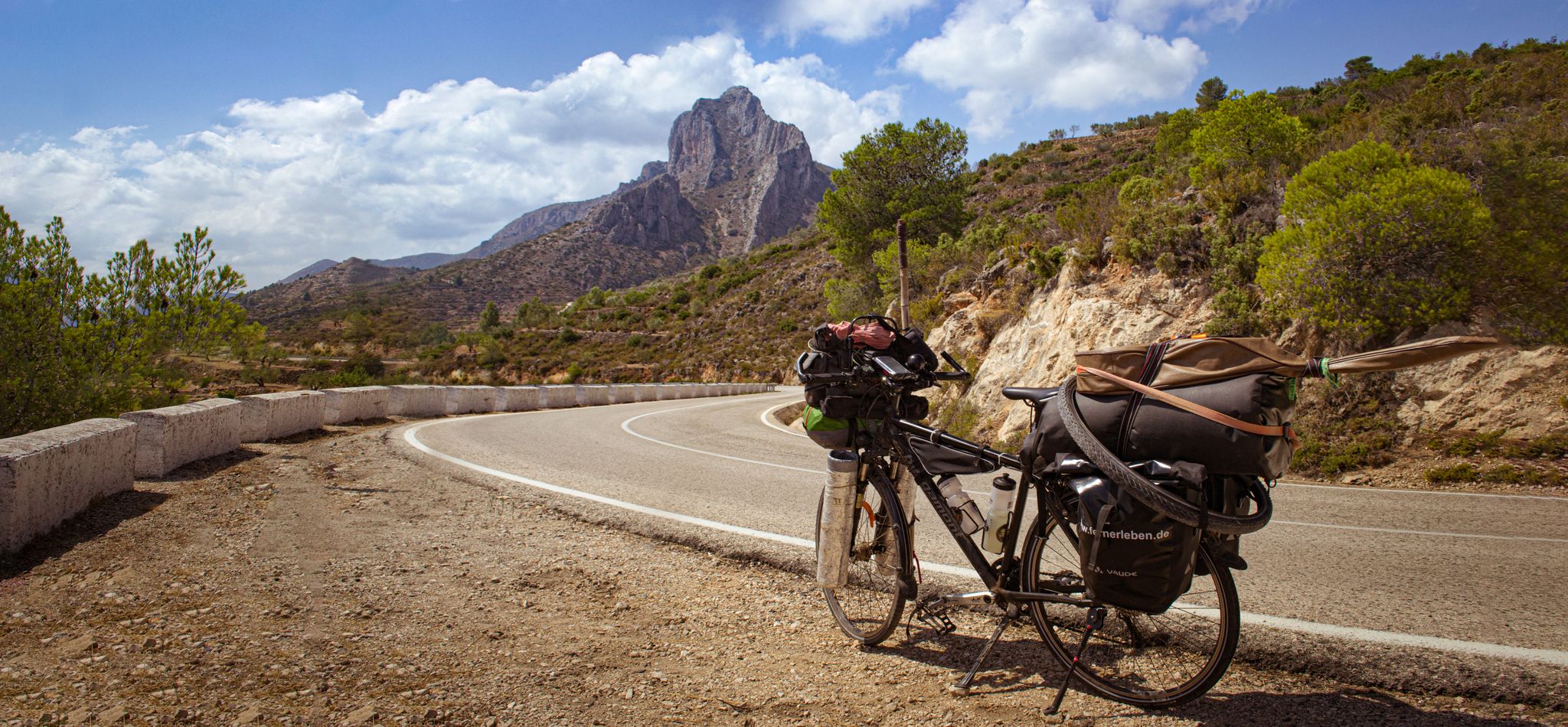
On the road to the sun — bikepacking to southeast Spain
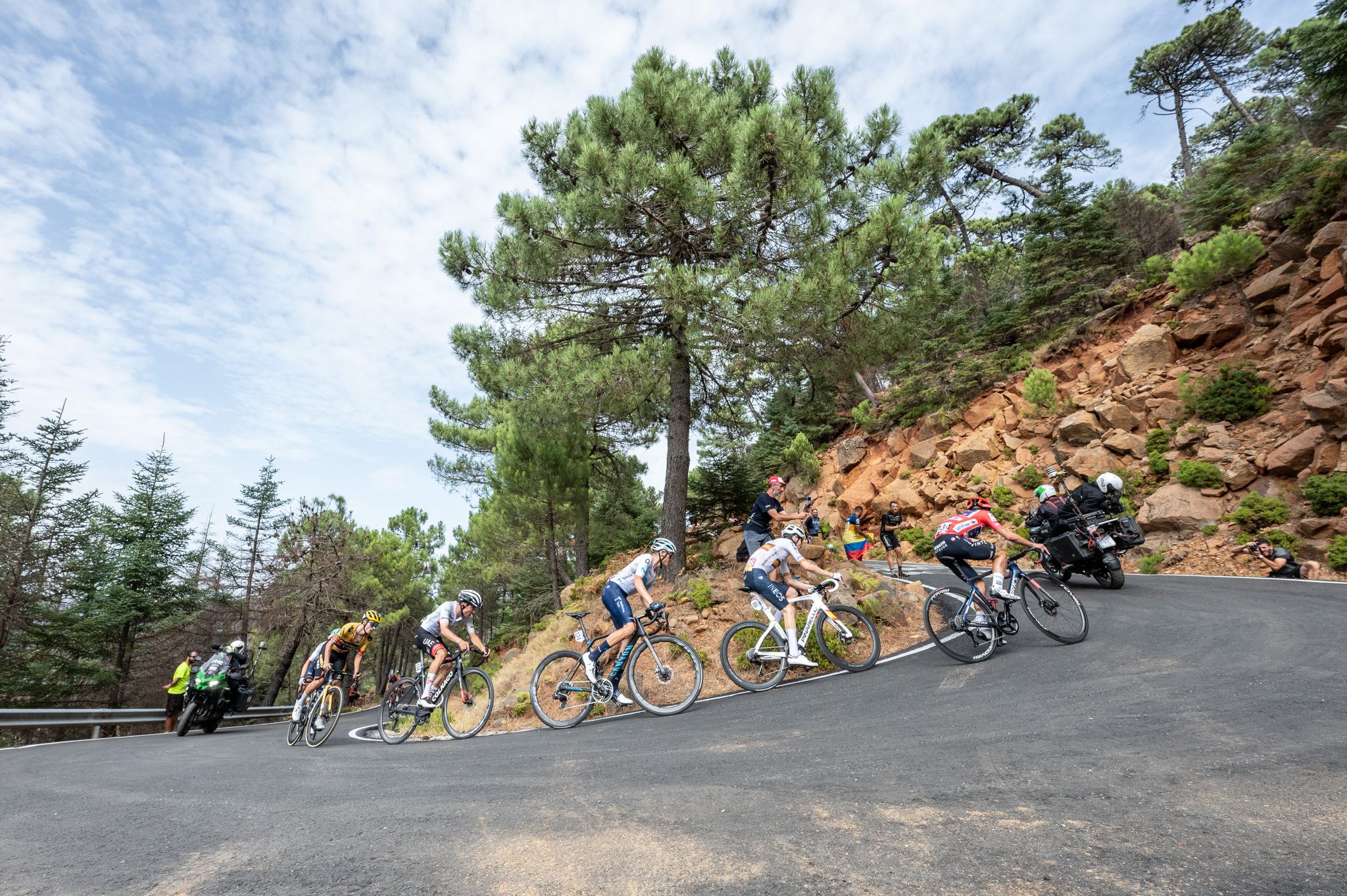
La Vuelta 26 — All Official Stages
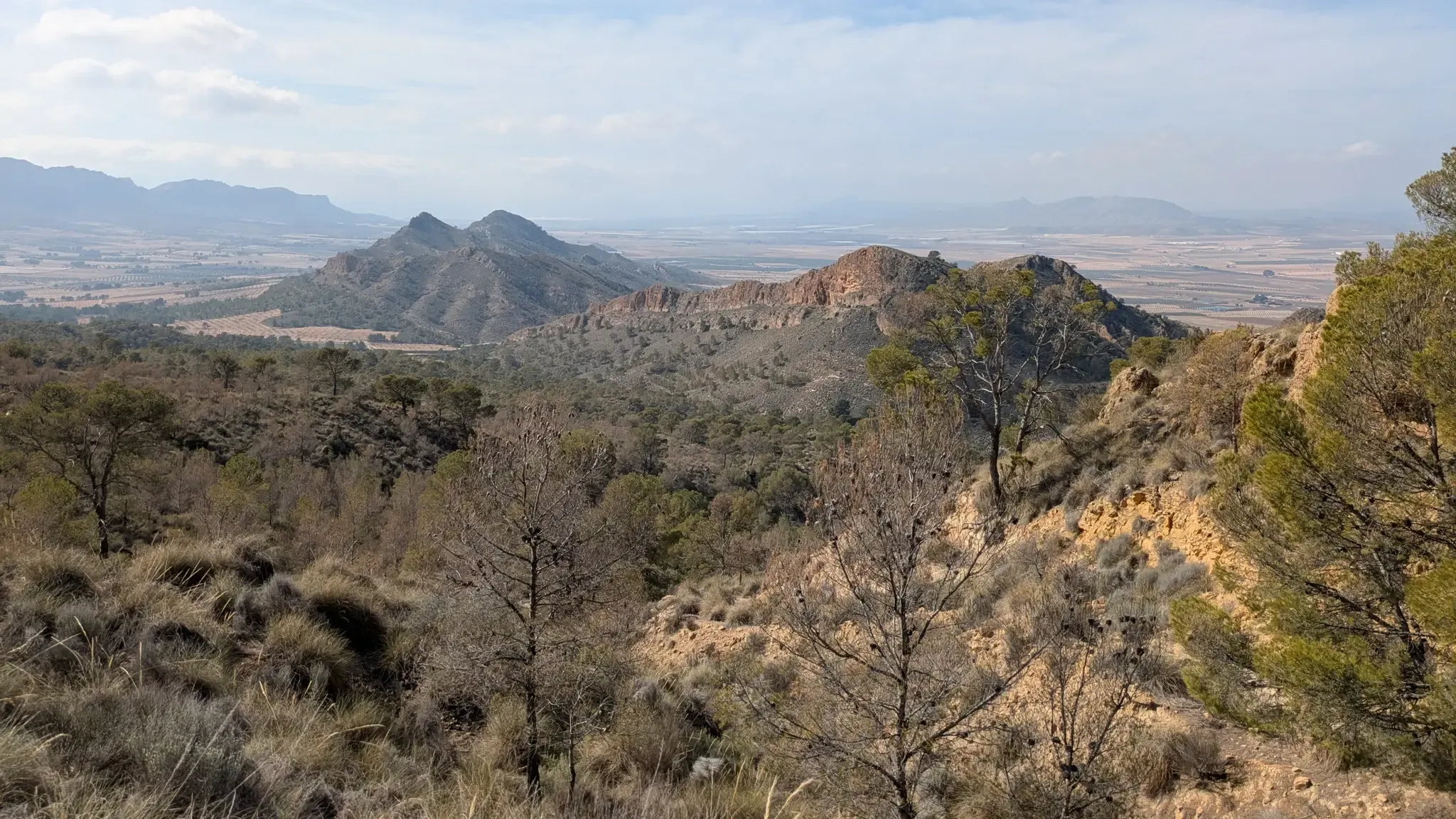
Path of the Cross of the Altiplano – GR 251

European D̶I̶V̶I̶D̶E̶ Connect Trail Project – a journey across Europe
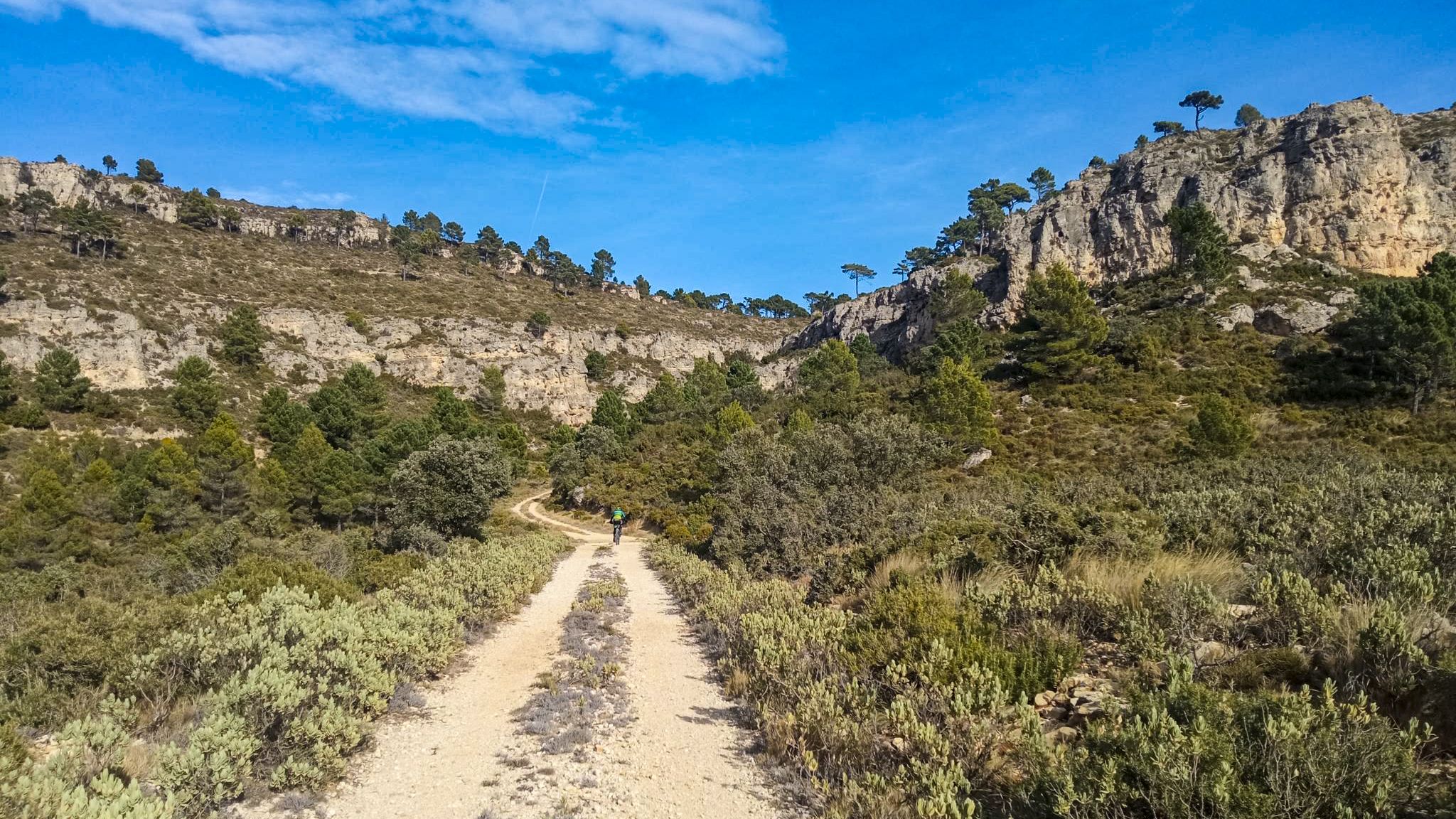
10 gravel routes to discover hidden gems in Spain
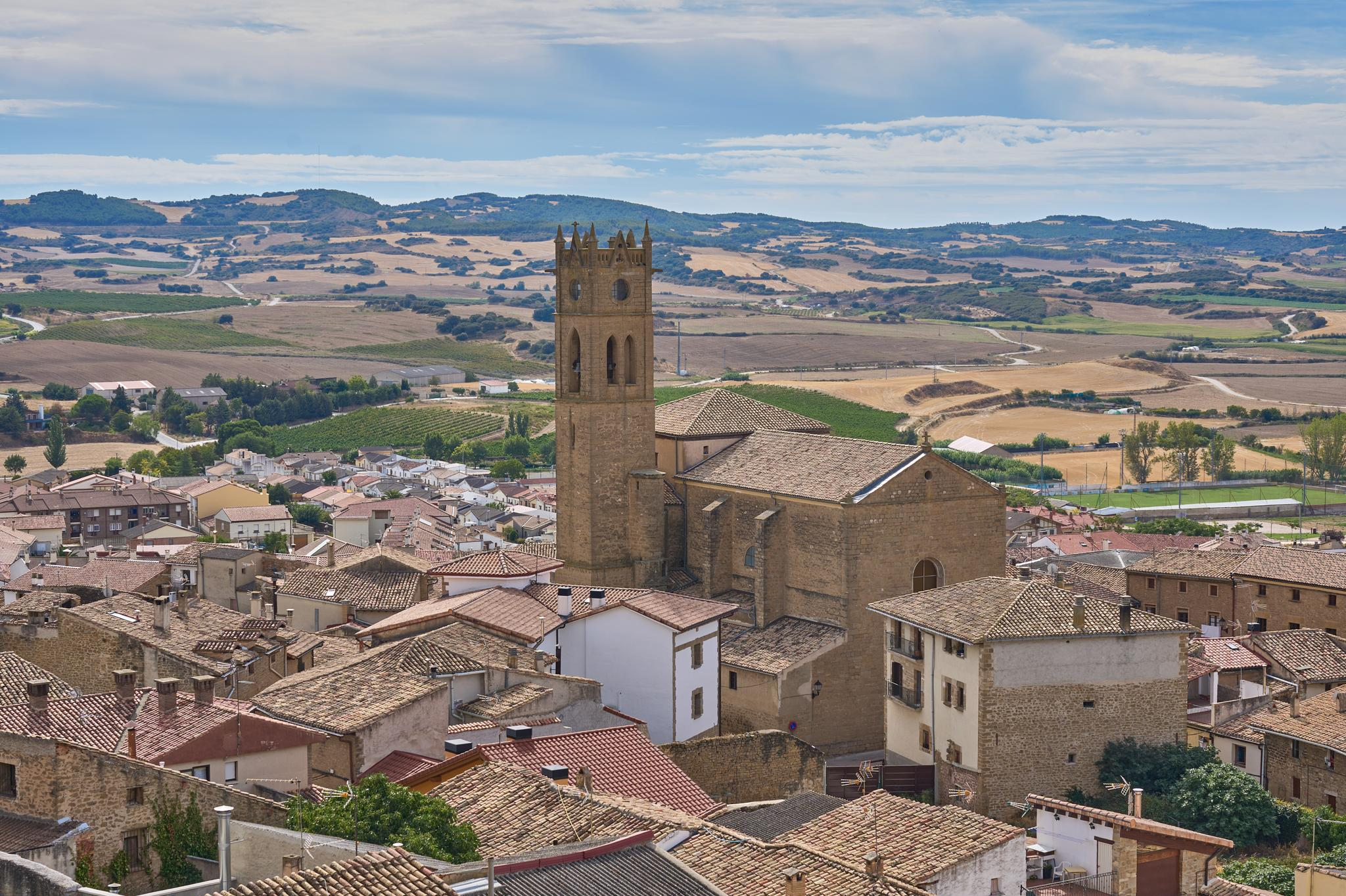
Path of the Templars — Path of the True Cross (GR 250)
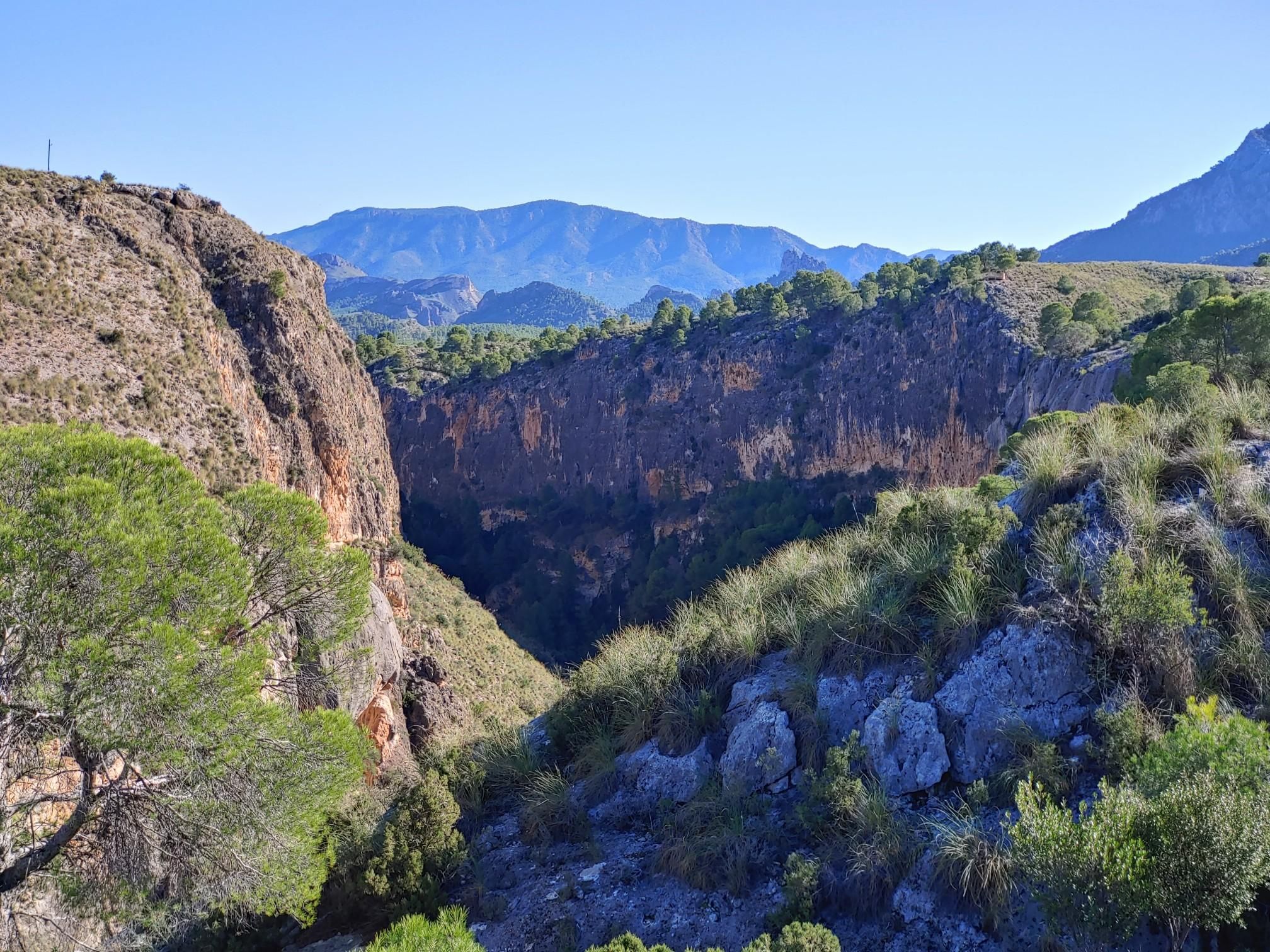
Gorges, valleys and orchards — BTT along the Segura River (GR 127)
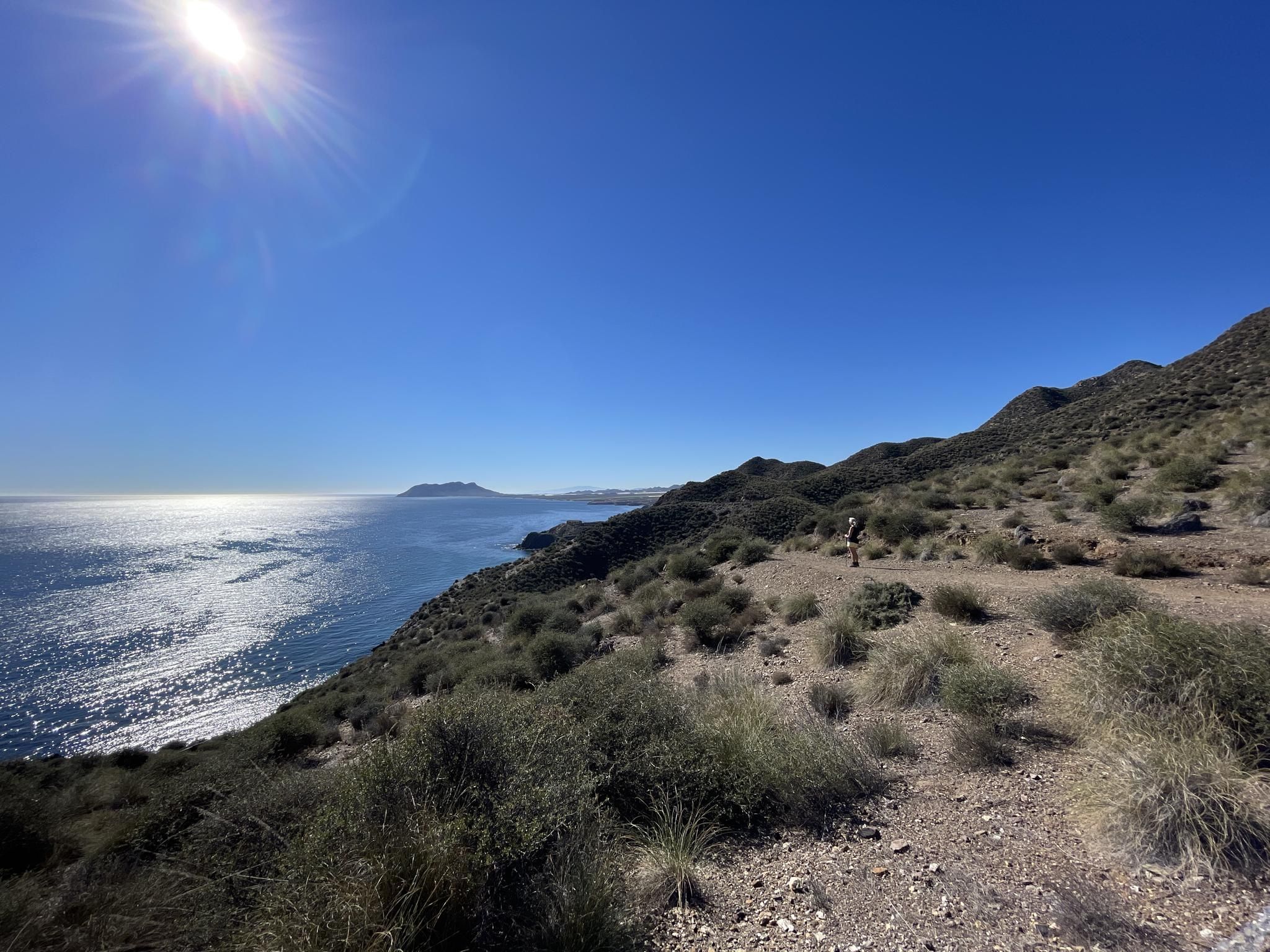
Mediterranean industry and nature – hike the GR 92 in Murcia
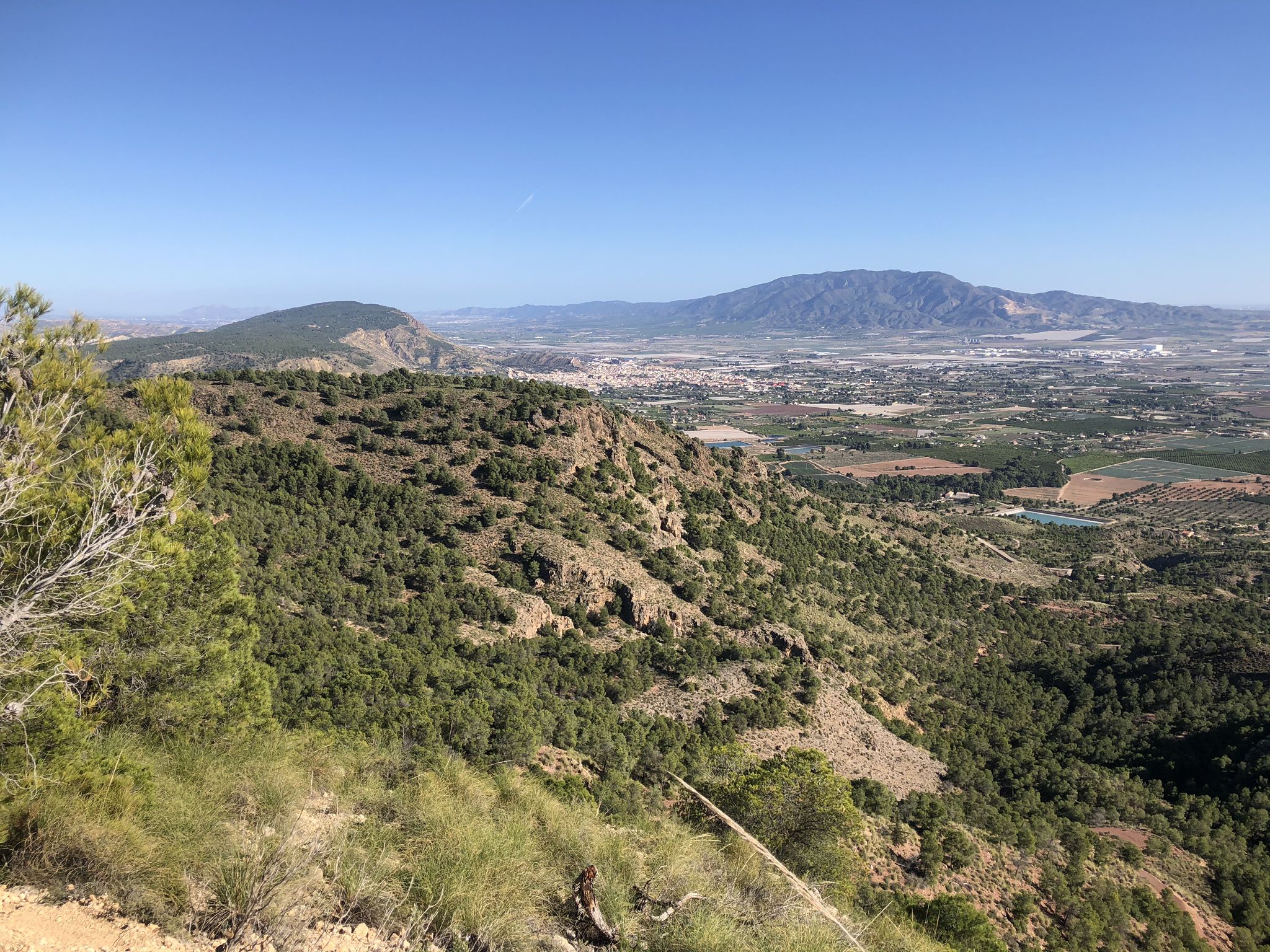
The lungs of Murcia in Spain – Sierra Espuña
Disconnection in the mountains – Sierra Espuña by MTB
Other adventures in Murcia


Tips from the Community

Stop in Aledo to explore its narrow streets and get closer to the Torre del Homenaje, the main vestige of its old fortress. From the upper part of the town, wide views open up towards Sierra Espuña and the fields of the Guadalentín valley.
1
0

Spectacular views of the Sierra from the Tower of Homage
0
0

In 1257, the castles of Aledo and Totana were transferred to the Order of Santiago by King Alfonso X, which led to an expansion of the castle. The Torre de Homenaje (keep, literally "tower of honour") in its current form dates back to the expansion in the 13th century. The emblem of the Caballeros de Santiago, the Cross of St. James, is also still preserved in the city's coat of arms.
0
0
Aledo is a charming small town with an excellent view from the "Torre de Homenaje" (keep, literally "Tower of Homage"). Also worth seeing are numerous beautiful murals that adorn the otherwise bare walls.
0
0
The castle is worth a visit. Incredibly great views and a wonderful basilica.
1
0
Medieval castle with spectacular views of the entire valley and mountains of Tercia, Chichar, Tirieza and Sierra Espuña
1
0

The Castillo de San Julián, also called San Julian's Fort, was built between the 18th and 19th centuries. The Castillo de San Julián is located on the Monte de San Julián and is named after him. In 1706, the British conquered Cartagena during the War of the Spanish Succession and built a cylindrical tower on the hill. After the war, the Spanish began building a fort on the hill to protect the mouth of Cartagena's harbor. The new fort included the British tower and was completed in 1883.
0
0
The fortress is known for its extraordinary architecture, designed like a medieval castle, with battlements and towers, making it very different from other military installations of its time. Particularly impressive are the two gigantic Vickers-Armstrongs cannons with a caliber of 38.1 cm and a range of up to 35 kilometers. These cannons were capable of hitting enemy ships far offshore and were considered technologically advanced at the time. The well-preserved complex allows visitors to explore the rooms and cannon emplacements, gaining an insight into the military history and defense strategies of the early 20th century. The fortress is now a popular tour destination and offers spectacular views over the Mediterranean.
1
0
Frequently Asked Questions
Which castles in Murcia are particularly good for families?
For a family-friendly experience, consider visiting Lorca Castle, known as the "Fortress of the Sun." It offers a castle museum, guided tours, and cultural events that engage visitors of all ages. Another option is Cope Tower, a 16th-century defense tower on the Spanish heritage list, which provides an interesting historical context in a unique setting.
What are some castles in Murcia with the best panoramic views?
Many castles in Murcia are strategically located on hilltops, offering spectacular views. The View from Castillo de la Asomada provides panoramic vistas of Murcia and the Mar Menor. Batería de Castillitos, with its medieval-like architecture, also offers spectacular views over the Mediterranean. Additionally, San Julián Castle provides great views of Cartagena and its dock, while Tower of Homage of Aledo overlooks the entire Tercia, Chichar, Tirieza, and Sierra Espuña valleys.
Are there any castles in Murcia that are particularly significant historically?
Murcia is rich in historical castles. Lorca Castle is one of Spain's most significant medieval fortresses, playing a crucial role during the Reconquista. The Castle of Caravaca de la Cruz is deeply intertwined with the city's unique history as a pilgrimage center. The 11th-century Castillo de Monteagudo, crowned by a statue of Christ, was notably the Murcian residence of Alfonso X the Wise. The 20th-century Batería de Castillitos offers insights into modern military history with its unique design and massive cannons.
What kind of outdoor activities can I do near castles in Murcia?
Many castles are situated in areas perfect for outdoor exploration. For hiking, you can find routes near castles such as the 'Castillo del Puerto de la Cadena Trail' which is an easy hike. For more challenging options, consider the 'Viewpoint of Portman Bay – Portmán Roman Road loop' or 'Cala del Barranco de la Muela – Playa de El Portús loop' in the mountain hiking guides. Road cycling enthusiasts can explore routes like 'Puerto Cabezo de la Plata and Puerto del Garruchal' or 'Morrón de Sierra Espuña Loop'. You can find more details on these activities in the Easy hikes in Murcia, Mountain Hikes in Murcia, and Road Cycling Routes in Murcia guides.
Are there any castles in Murcia with unique architectural features?
Absolutely. Batería de Castillitos is renowned for its extraordinary architecture, designed like a medieval castle with battlements and towers, despite being a 20th-century coastal artillery fortification. Cope Tower is a unique 16th-century defense tower. The Castillo de Jumilla, with its 15th-century Gothic style built on Roman remains, also showcases an interesting evolution of architectural styles.
What is the best time of year to visit castles in Murcia?
The best time to visit castles in Murcia is generally during the spring (March to May) and autumn (September to November). During these seasons, the weather is milder and more pleasant for exploring outdoor sites. Summers can be very hot, especially inland, while winters are generally mild but can have occasional rain. Visiting outside of peak summer months also helps avoid larger crowds.
Can I find cafes or amenities near the castles in Murcia?
Many castles, especially those in or near towns, have amenities nearby. For example, Castillo de Jumilla is close to the town of Jumilla, famous for its wine production, allowing for wine-tasting experiences and local cafes. Lorca Castle often has facilities or events within its grounds. For castles located in more remote areas, it's advisable to check local information or plan to bring your own refreshments.
Are there any less crowded or 'hidden gem' castles in Murcia?
While popular sites draw crowds, you might find a more tranquil experience at places like the Castillo de Moratalla, which, despite being a consolidated ruin, offers significant medieval charm and beautiful views without the same level of visitor traffic as larger sites. The Castillo de Alhama de Murcia, an 11th-century fortress, also provides breathtaking views and a rich history, often with fewer visitors.
What kind of terrain can I expect when visiting castles in Murcia?
The terrain around Murcia's castles varies significantly. Many are perched on rocky hilltops, like the Castillo de Monteagudo and the View from Castillo de la Asomada, which can involve intermediate to challenging climbs. Coastal fortifications like Batería de Castillitos may involve paths with elevation changes leading to stunning sea views. Inland castles might be surrounded by agricultural landscapes, such as the vineyards near Castillo de Jumilla, or mountainous regions like the Sierra Espuña near Tower of Homage of Aledo.
Are there any castles in Murcia that are particularly known for their role in the Reconquista?
Yes, several castles in Murcia played pivotal roles during the Reconquista. Lorca Castle was a key point of contention between Christian and Muslim forces for 250 years. The Castillo de La Encomienda near Abanilla, built by the Knights of Santiago in the 13th century, was also crucial during this period. The Tower of Homage of Aledo, part of the Castillo de Aledo, was transferred to the Order of Santiago in 1257 and expanded, serving as a significant Christian defense point.
What should I wear when visiting castles in Murcia?
Given the varied terrain and often elevated locations of the castles, comfortable walking shoes are highly recommended. Layers of clothing are also advisable, especially during spring and autumn, as temperatures can change throughout the day. If visiting in summer, light, breathable clothing and sun protection (hat, sunscreen) are essential. For castles involving more challenging climbs, appropriate hiking attire would be beneficial.
Most popular routes in Murcia
Most popular attractions in Murcia

Get inspired with the komoot mobile app


Didn’t find what you were looking for?
Explore Murcia’s best castles region by region:
Explore more
Looking for the best castles somewhere else? Discover other guides in Murcia:
