Top 20 Caves in Santander
Caves in Santander offer a diverse range of geological features within the Cantabrian landscape. The region, known for its rugged coastline and inland mountains, provides numerous opportunities for exploring natural subterranean formations. Many of these sites are accessible, with some offering family-friendly caves Santander experiences. Visitors can explore various types of caves, from sea caves carved by erosion to inland karstic systems.
Best caves in Santander
- The most popular caves is Devil's Eye, a natural monument that offers panoramic views from a cliff framed by a natural rock window. The route to this site is challenging and picturesque.
- Another must-see spot is Culebre Cave, a cave located on the crest of the cliffs. This challenging site provides views of the surrounding natural landscape.
- Visitors also love La Ojerada Caves, a cave and natural monument with distinctive rock formations. These caves are easily accessible, located near a parking area.
- Santander is known for sea caves, natural rock formations, and historical cave sites. The region offers a variety of caves to see and explore, catering to different interests and difficulty levels.
- The caves in Santander are appreciated by the komoot community, with over 100 upvotes and 46 photos shared across various highlights.
Last updated: October 16, 2026
Devil's Eye
Highlight • Natural Monument
Getting here has its challenging part, but you will enjoy a spectacular and picturesque route with impressive views.
Translated by Google •
Tip by

Somocuevas Beach
Highlight • Beach
Its name comes from the caves between the rocks at the tip of Somocuevas. Nearby there is an islet that is frequented by seagulls and cormorants.
It has a length of 100 meters and its access is through a staircase of 139 steps that descends from a high cliff located to the west of the beach. This staircase is reached by a narrow path that comes from the parking area located a few hundred meters from the stairs. The slope of access to the water is gentle and the waves are also gentle because it is protected from the open sea by an inlet. The bottom is partly rocky although fine sand is also abundant. It is frequented by nudists, it is not official nudist as such. It is freely accessible.
The surroundings are made up of Atlantic meadows and residential developments. To the west is the natural park of the Dunas de Liencres, one of the most important coastal points of the Cantabrian Sea.
Translated by Google •
Tip by

Sign up now to discover places like this
Get recommendations on the best single tracks, peaks, & plenty of other exciting outdoor places.
Altamira Cave
Highlight • Cave
Translated by Google •
Tip by

Ramales de la Victoria
Highlight • Settlement
Showing Translation
Tip by

Liencres Blowhole
Highlight • Natural Monument
When the sea is calm, all you can see are the huge holes at the top of the coast and, with a bit of luck, like at Bufon de Liencres, the opening to the sea.
Translated by Google •
Tip by

La Ojerada Caves
Highlight • Cave
Translated by Google •
Tip by

Cullalvera Cave
Highlight • Cave
Translated by Google •
Tip by

Culebre Cave
Highlight • Cave
Translated by Google •
Tip by
Aguanaz River and Frenchman’s Cave
Highlight (Segment) • River
Translated by Google •
Tip by

Menhir Yelso de Hayas
Highlight • Monument
Translated by Google •
Tip by
Sign up for free to discover even more caves in Santander.
Already have an account?
Start today with a free account
Your next adventure awaits.
Popular around Santander
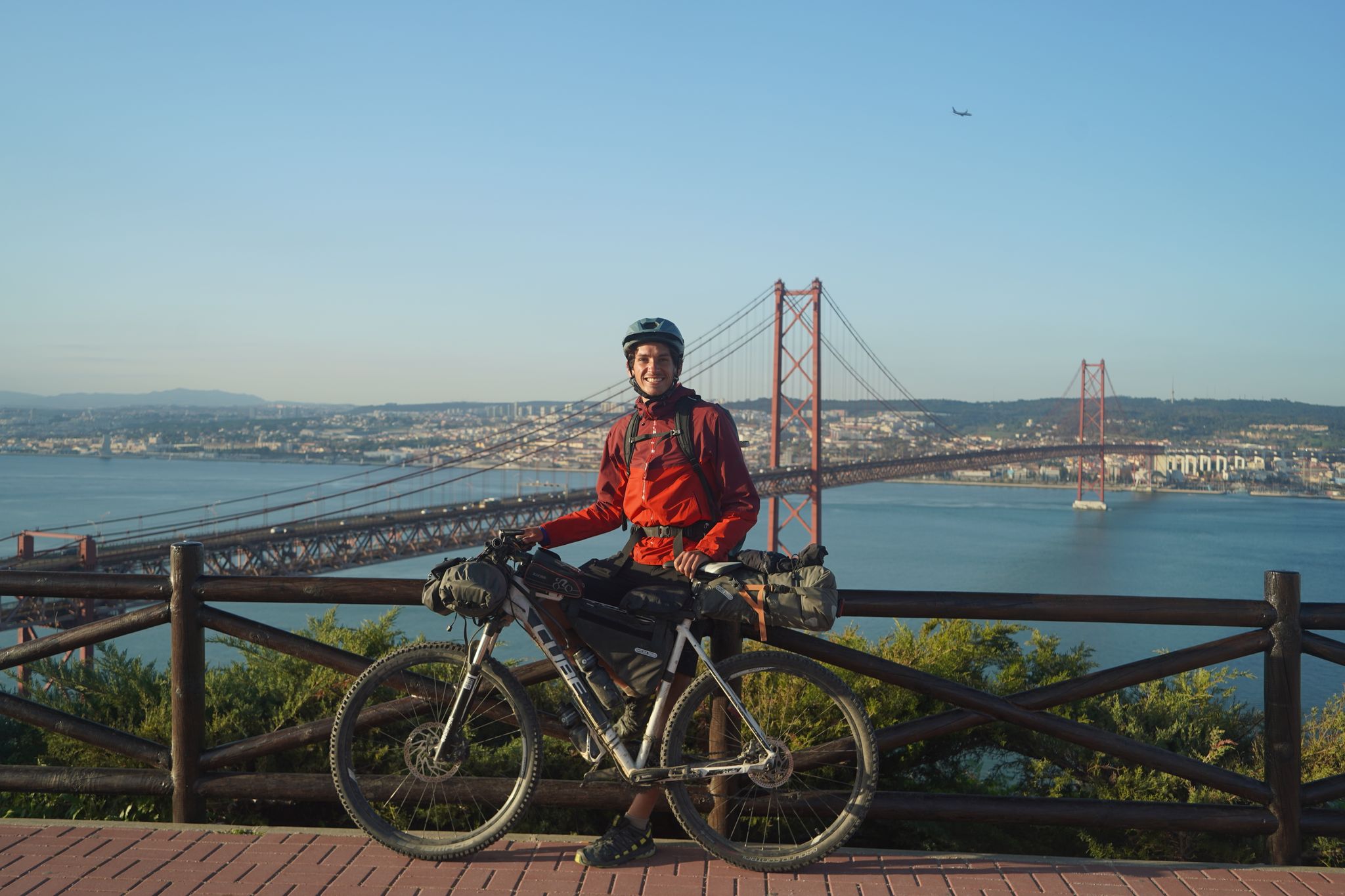
Road to Lisbon – bikepacking the Alps, Pyrenees and Picos de Europa
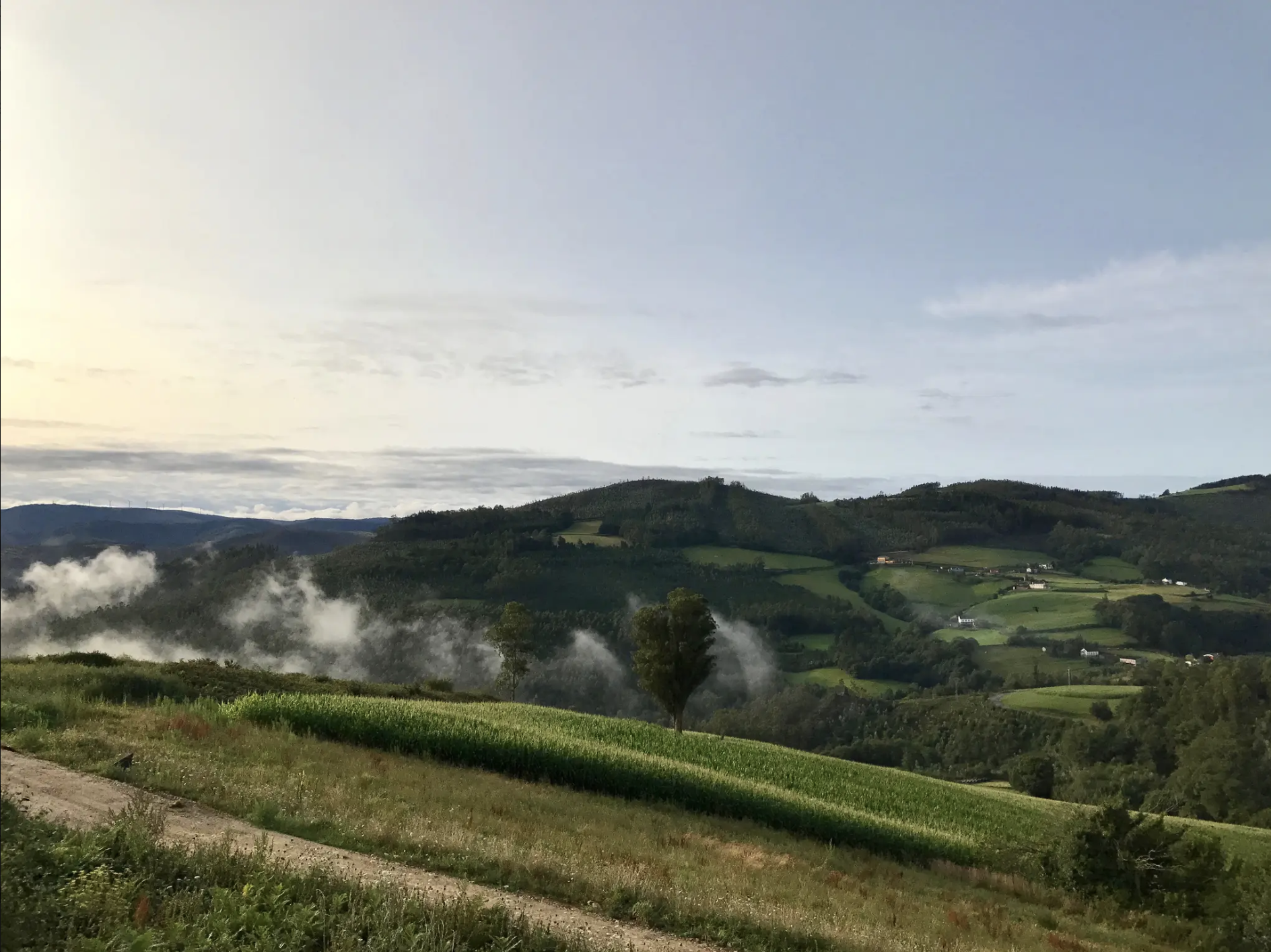
Camino del Norte (in reverse) – Discovering northern Spain's stunning coastline

Mythical Passes and Sections of La Vuelta
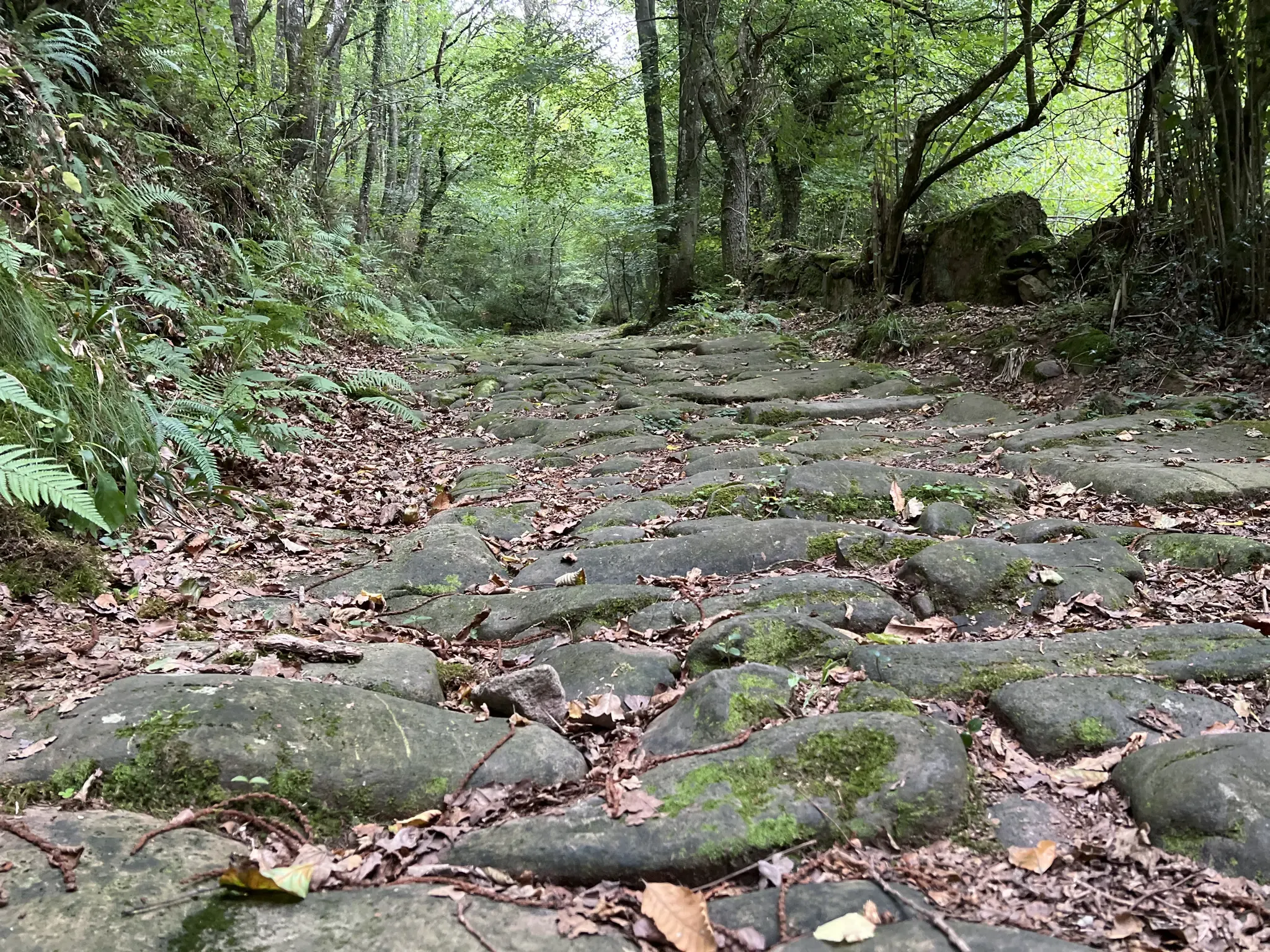
La Calzada de los Blendios (GR 73) — From the plateau to the sea
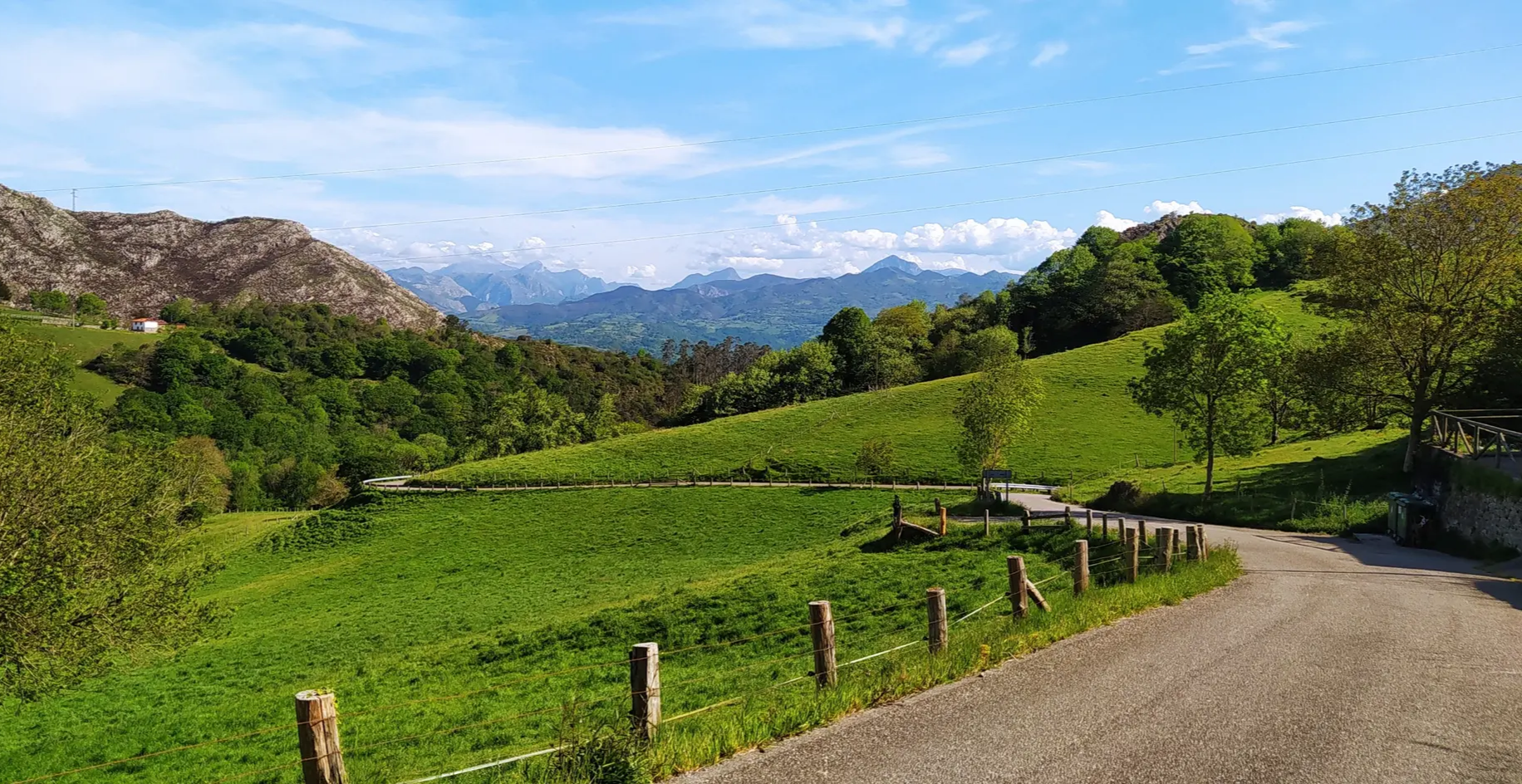
Great mountain passes of Picos de Europa on road bikes
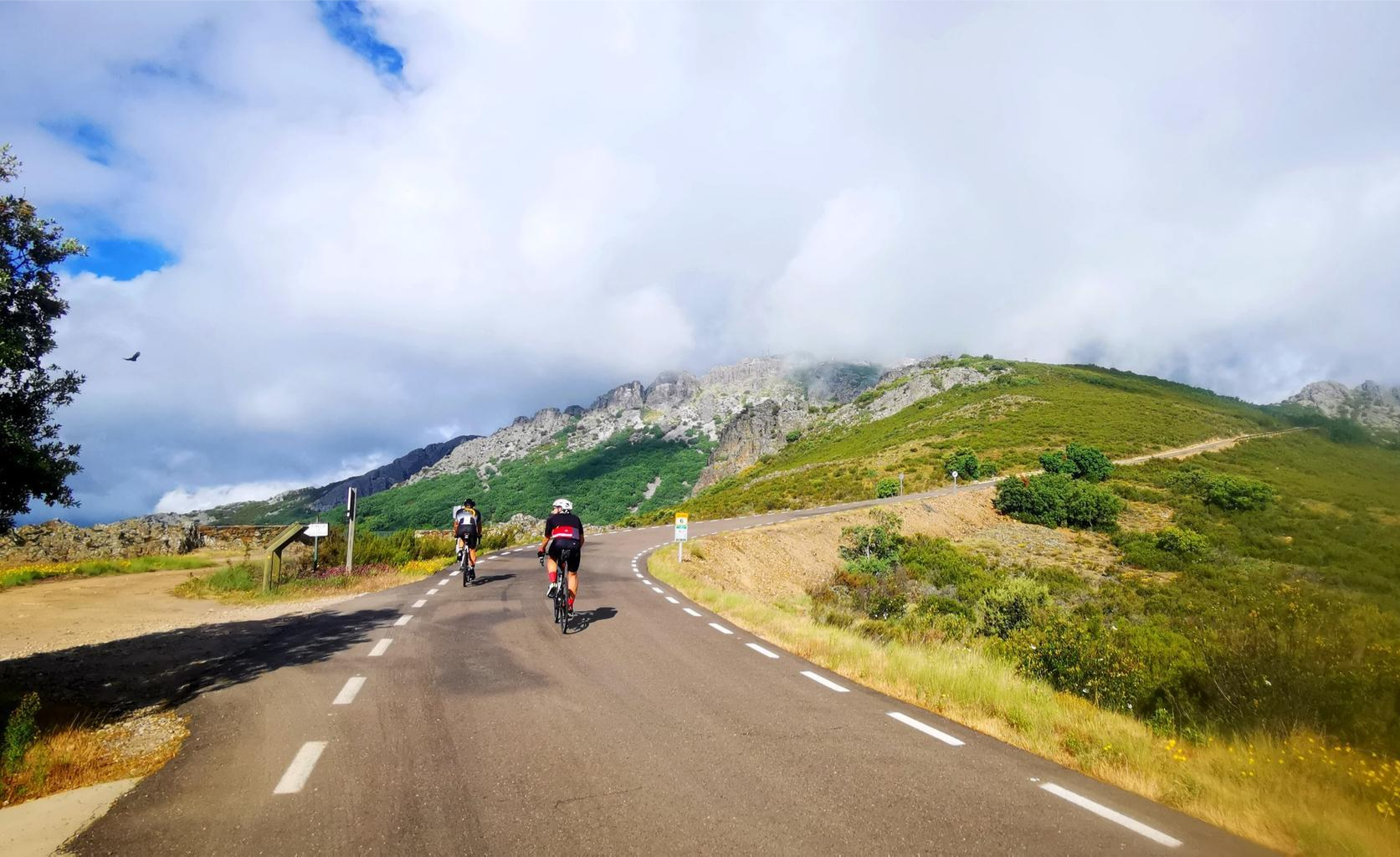
Legendary climbs - Ports of La Vuelta a España
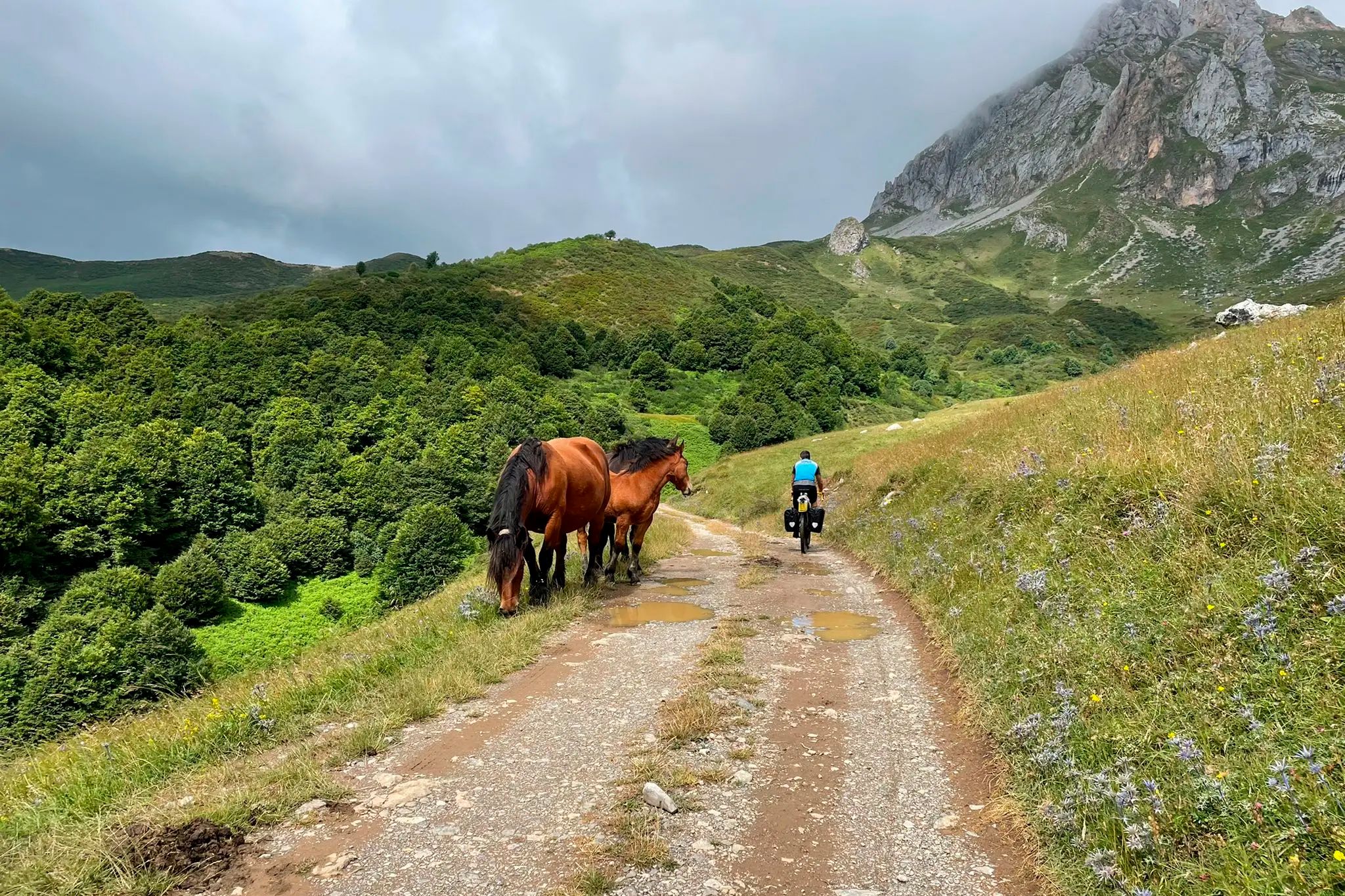
TransCantabrica – Extreme mountain biking in northern Spain
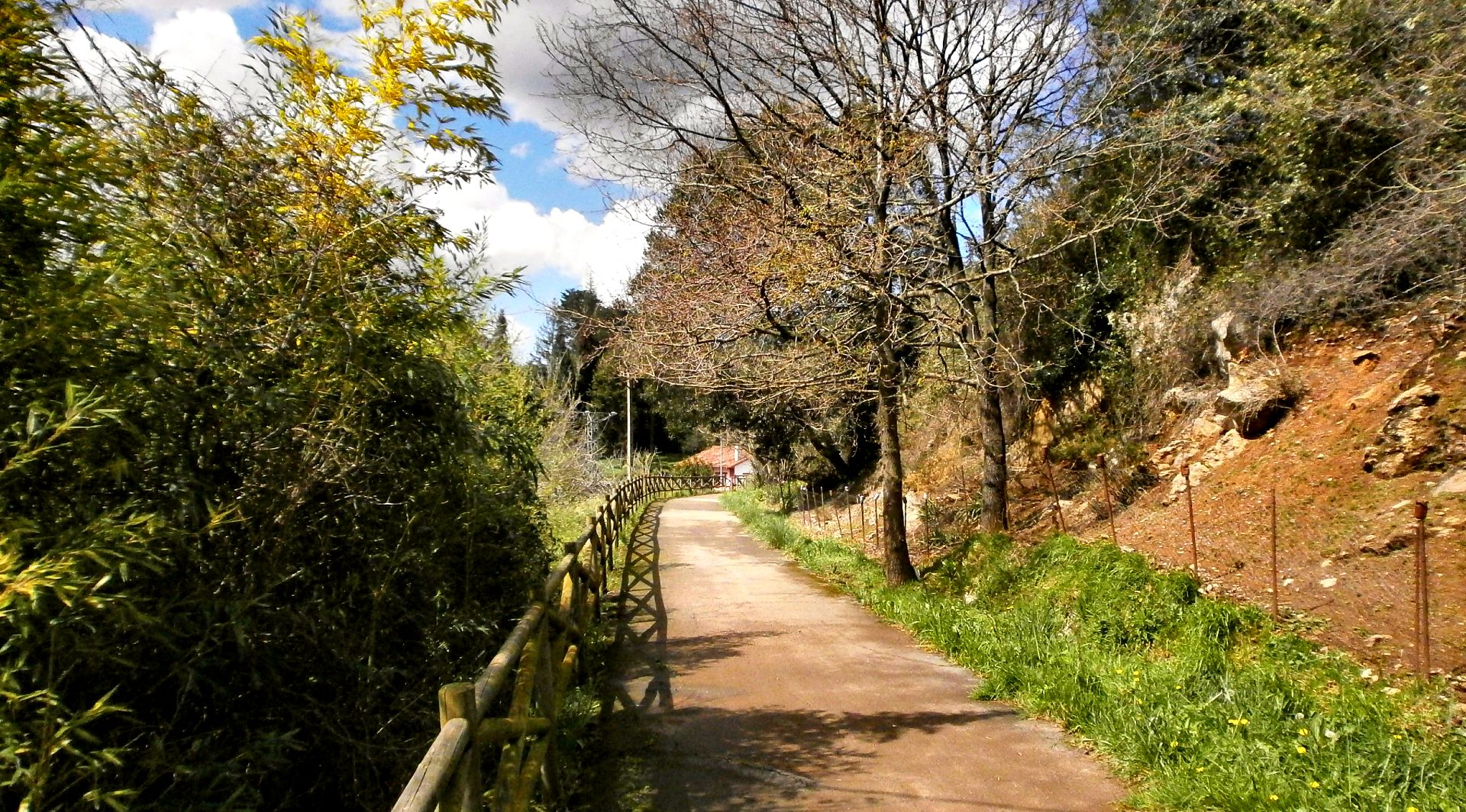
Vía Verde del Pas - Along the Riverbank through Cantabria
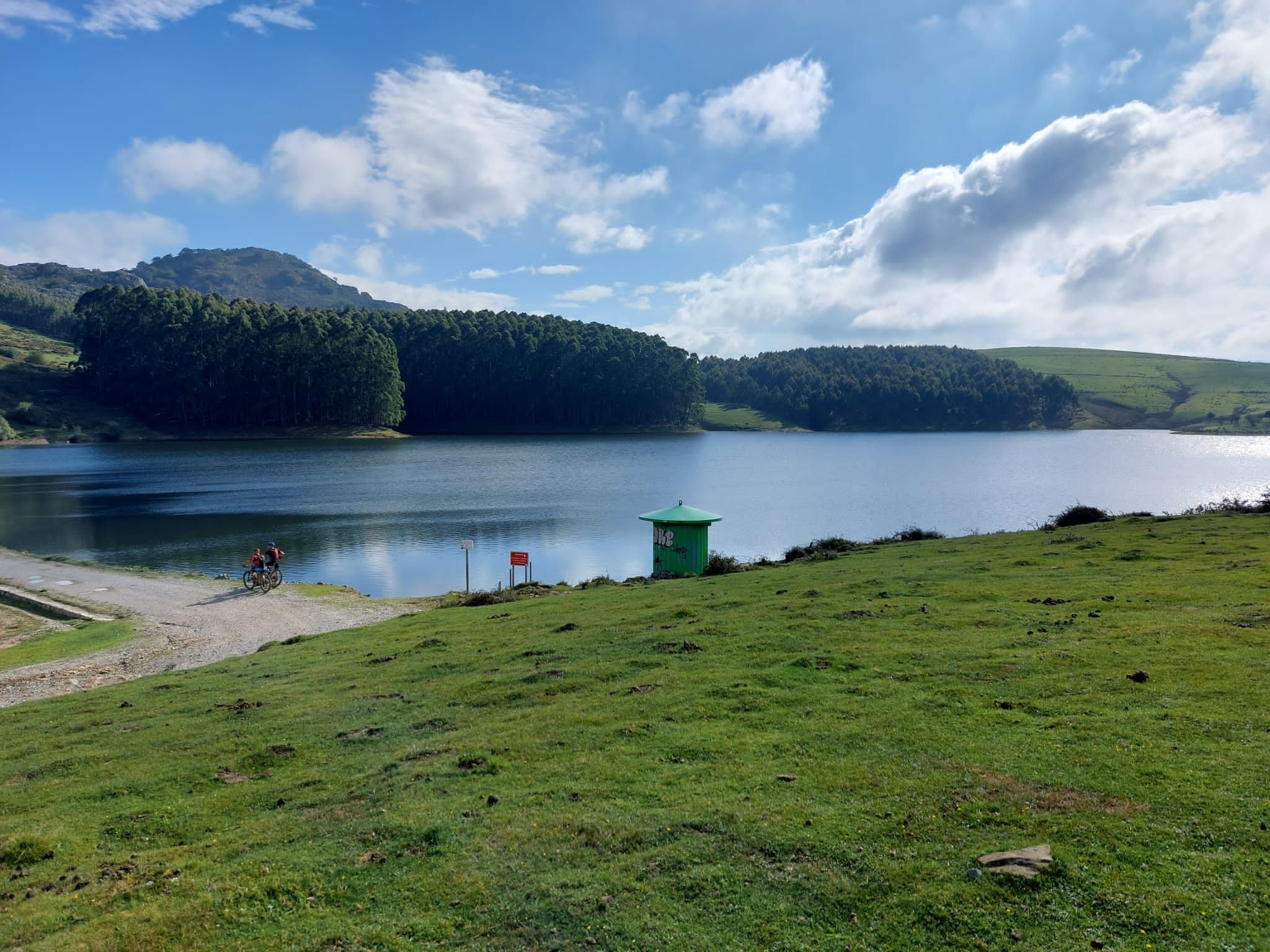
Cycle between land and sea in northern Spain – Pedales de Cantabria
Paths and waves – surf trip by bike in Cantabria
Other adventures in Santander


Tips from the Community

The view through the devil's eye onto the coast at Sonabia is breathtakingly beautiful and rewards the strenuous journey here. The stone arch can be reached either via the coastal path between Sonabia and Villanueva or, less spectacularly, through the mountains to the south from a parking lot near the A8. An absolute postcard motif!
0
0

RAMALES has a history closely linked to the victory of the liberals over the Carlists (1839), which earned General Espartero the title Duke of Victory. This battle would forever mark the capital of the Boven-Asón region, and since then the town has been known as "de la Victoria" (of Victory).
11
0

These caves always impress me.
0
0

The Costa Quebrada is a magnificent coast for hiking. The access to the bay is currently closed (13.4.26).
1
0

I wanted to go down, but it seemed slippery and too steep.
1
0

Very good views. When there are strong waves, there is a small blowhole inside the Ojerada.
2
0
Frequently Asked Questions
Are there family-friendly caves to visit in Santander?
Yes, Santander offers several family-friendly cave experiences. La Ojerada Caves are easily accessible and located near a parking area, making them convenient for families. Other options include Cullalvera Cave, National Museum and Research Center of Altamira, and Aguanaz River and Frenchman’s Cave, which also features a waterfall and forest trail.
What are some of the more challenging cave experiences in Santander?
For those seeking a challenge, Devil's Eye offers a picturesque but challenging route to a natural rock window with panoramic views. Culebre Cave is another challenging site located on the crest of cliffs, providing impressive views. The Cave of the Virgen del Mar also presents a challenging experience with its coastal location.
Can I find historical cave sites in the Santander region?
Yes, the region is rich in historical cave sites. The National Museum and Research Center of Altamira is a significant historical site related to ancient cave art. The settlement of Ramales de la Victoria is also known for its historical caves.
Are there caves near beaches in Santander?
Yes, Santander's coastline features several caves near beaches. Somocuevas Beach is notable for the caves nestled between its rocks. The Cave of the Virgen del Mar is another cave located near a beach, offering a challenging experience with coastal views.
What unique geological features can be found in Santander's caves?
Santander's caves showcase diverse geological formations. La Ojerada Caves are known for their distinctive rock formations. The Liencres Blowhole is a unique natural monument where strong waves create spectacular water fountains, similar to geysers, through narrow coastal openings.
What outdoor activities can I do near the caves in Santander?
The area around Santander's caves offers various outdoor activities. You can explore numerous hiking trails, from easy walks to more challenging mountain hikes. For specific routes and guides, check out the Mountain Hikes in Santander, Waterfall hikes in Santander, and Easy hikes in Santander guides.
Is there parking available near the caves?
Parking availability varies by cave. For instance, La Ojerada Caves are conveniently located very close to a parking area, making them easily accessible. For other sites like Somocuevas Beach, a parking area is available a few hundred meters from the access stairs.
What is the best time to visit caves in Santander?
The best time to visit caves in Santander generally depends on the specific cave and your preferences. Many caves, especially those with guided tours, are accessible year-round. For sea caves or coastal formations like the Liencres Blowhole, strong surf conditions (often in autumn or winter) enhance the spectacle, but calm seas allow for closer observation of the openings. Summer offers pleasant weather for exploring the surrounding areas.
Do I need special equipment or clothing for caving in Santander?
For general visits to accessible caves, comfortable walking shoes and appropriate clothing for potentially cooler, damp conditions inside the cave are usually sufficient. For more challenging or unguided cave explorations, specialized caving gear such as helmets, headlamps, and protective clothing would be necessary. Always check specific requirements for each cave or tour you plan to undertake.
Are there any caves in Santander with viewpoints or panoramic views?
Yes, several caves and related natural formations offer stunning viewpoints. Devil's Eye is a natural monument providing majestic panoramic views from a cliff framed by a natural rock window. Culebre Cave also offers views of the surrounding natural landscape from its location on the cliffs. The Cave of the Virgen del Mar is another viewpoint-rich cave near the coast.
What do visitors enjoy most about the caves in Santander?
Visitors frequently praise the impressive landscapes and unique natural beauty of Santander's caves. Highlights like Devil's Eye are celebrated for their 'spectacular views' and being 'worthy of a postcard.' The distinctive rock formations at La Ojerada Caves are often described as 'awesome' and a 'must-visit.' The region's blend of sea caves, natural rock formations, and historical sites caters to diverse interests.
Most popular routes in Santander
Most popular attractions in Santander

Get inspired with the komoot mobile app


Didn’t find what you were looking for?
Discover more caves in Santander region by region:
Explore more
Extend your search for the best caves by checking out these guides of the top ones in Santander:
