Top 6 Castles around Allmannsweiler
Best castles around Allmannsweiler are found in the surrounding region, as the municipality itself is characterized by Baroque farmhouses and half-timbered buildings. While Allmannsweiler does not host castles directly, the surrounding area offers several historical attractions. The region provides a setting for exploring cultural landmarks, including reconstructed medieval fortresses and city fortifications. These landmarks near Allmannsweiler offer insights into the area's historical significance.
Best castles around Allmannsweiler
- The most popular castles is Bachritterburg Kanzach Open-Air Museum, a historical site…
Last updated: October 12, 2026
Aulendorf Castle Brewery
Highlight • Pub
Internet:schlossbrauerei-aulendorf.de
Showing Translation
Tip by

Monastery Church of Bad Buchau
Highlight • Religious Site
774 - 1776 converted from a Gothic church in the style of French classicism for the noble canonesses. Josef Christian from …
Translated by Google •
Tip by

Sign up now to discover places like this
Get recommendations on the best single tracks, peaks, & plenty of other exciting outdoor places.
Katzentürmle (City Fortifications), Bad Saulgau
Highlight • Historical Site
The city fortifications were probably of poor quality from the beginning - also due to the notorious lack of money. As early …
Translated by Google •
Tip by
Altshausen Castle
Highlight • Castle
Translated by Google •
Tip by

Hotel Arthus and Ritterkeller
Highlight • Castle
Translated by Google •
Tip by

Sign up for free to discover even more castles around Allmannsweiler.
Already have an account?
Start today with a free account
Your next adventure awaits.
Tips from the Community

We were there for a knight's banquet, a fantastic experience. I highly recommend it. The staff was super friendly and the atmosphere was fantastic. The food was truly amazing.
0
0

Great church, which belongs to the castle
2
0

The castle is privately owned and cannot be visited. However, a walk through the castle courtyard is always worthwhile.
0
0

Be sure to take a stroll through the park.
0
0

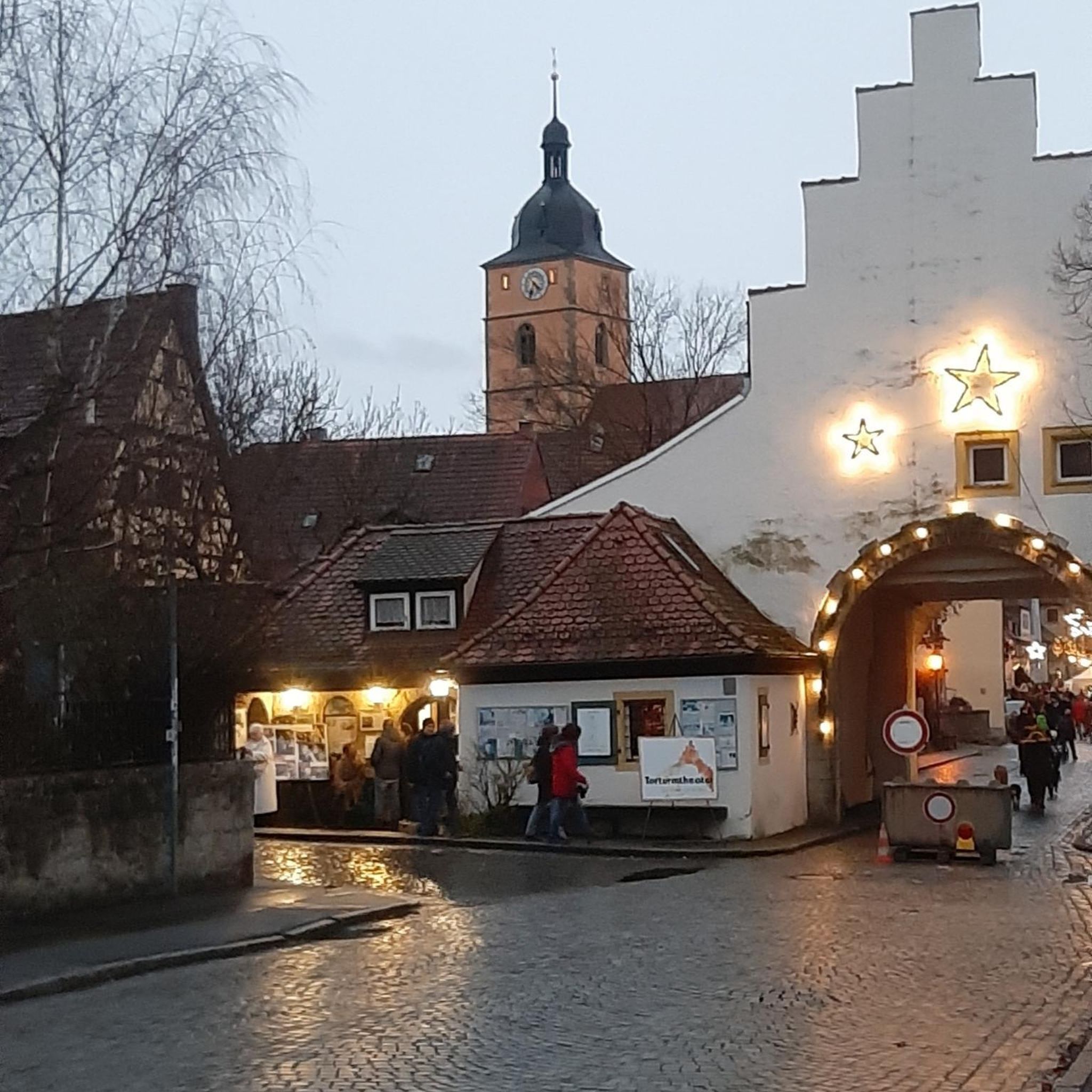
From the history of the city and the guild Saulgau, still called Sulgen in the Middle Ages, was surrounded by a city wall in the 14th century, into which 3 gate towers were built. Source and further information: https://www.dorauszunft.de/ueber-uns/geschichte.html
4
0

One of the last remaining towers of the city wall. Worth seeing from inside and outside the city walls
0
0

Collegiate Church of St. Cornelius and Cyprian", Bad Buchau 774 - 1776 converted from a Gothic church in the style of French classicism for the noble canonesses. Josef Christian from Riedlingen created the sculptures in the church, and Andreas Brugger painted the ceiling paintings in the choir and central nave. The church patrons Cornelius and Cyprianus still refer to the Carolingian tradition today. Adelindis, revered as a Swabian folk saint, rests with her three sons in the crypt of the collegiate church. Text / Source: Upper Swabia's sights https://www.oberschwaben-tourismus.de/attractions/stiftskirche-st.-cornelius-und-cyprian-b4c91cc6ec#:~:text=The%20Stiftskirche%20was%20not%20as%20Pfarrkirche%20built%2C%20but, and%20Cyprianus%20refer%20to%20the%20time%20of the%20Carolingians.
12
0
Beverage tax for the city wall, Bad Saulgau The city fortifications were probably of poor quality from the beginning - also due to the notorious lack of money. As early as 1372, therefore, Duke Leopold III. the city the privilege of collecting a "wine fee", i.e. a kind of beverage tax, in order to be able to pay for repairs to the wall. The city's statutes also mention fines that anyone who breaks the wall has to pay. In any case, the Saulgau people seem to have had no confidence in the defensive effectiveness of their city walls. Because in 1641 the people of Riedlingen were informed on request, "... since the city wall had collapsed, one did not want to and could not defend oneself in the slightest." Text / Source: Tourist Information, Hauptstraße 56, 88348 Bad Saulgau https://bad-saulgau.de/tourismus/inspirieren/virtueller-stadtrundgang/qr-code-stadtfuehrung/katzentuermle-und-alte-stadtmauer/ Music school (old monastery), Bad Saulgau
16
0
Frequently Asked Questions
What types of historical sites can I explore around Allmannsweiler?
The region around Allmannsweiler offers a diverse range of historical sites. You can visit reconstructed medieval fortresses like the Bachritterburg Kanzach Open-Air Museum, explore monastic complexes such as Bad Schussenried Monastery, or discover remnants of city fortifications like the Katzentürmle in Bad Saulgau.
Are there any family-friendly castles or historical sites near Allmannsweiler?
Yes, the Bachritterburg Kanzach Open-Air Museum is highly recommended for families. It's a scientifically reconstructed medieval wooden fortress where visitors can experience 13th-century daily life through hands-on displays and 'Living History' events. The paths are well-maintained, making it accessible for all ages.
What is unique about the Bachritterburg Kanzach Open-Air Museum?
The Bachritterburg Kanzach is a unique, scientifically reconstructed medieval wooden fortress that offers an authentic glimpse into 13th-century life and defensive architecture. It features furnished living spaces, replica farmhouses, and hosts 'Living History' events where groups demonstrate medieval daily life with scientific accuracy. You can find more details about its history on oncastles.com.
Can I find food and drink options at or near these historical sites?
Yes, for example, the Aulendorf Castle Brewery offers hand-brewed beer and delicious food, and there's also an ice cream parlor. The Bachritterburg Kanzach also has a castle tavern serving good food.
What kind of activities can I do in the town of Aulendorf, besides visiting its castle museum?
Beyond the Schlossmuseum Aulendorf, the town offers various activities. You can enjoy nature trails around the Steeger See (Steeger Lake), play mini-golf in the idyllic Hofgarten, or relax at the Schwaben-Therme thermal bath, making it a great destination for a day trip.
Are there hiking or cycling routes near the castles around Allmannsweiler?
Yes, the region offers numerous outdoor activities. You can find various cycling routes, including easy gravel biking tours like the 'Federsee Boardwalk' loop or moderate road cycling routes such as the 'Bachritterburg Kanzach – View of Seekirch' loop. For more options, explore the Gravel biking around Allmannsweiler or Cycling around Allmannsweiler guides.
What is the Bad Schussenried Monastery known for?
The Bad Schussenried Monastery is known for showcasing the history of the monastery, the role of science, and religious life. It features a museum detailing its history and hosts changing exhibitions, offering insights into monastic traditions.
What do visitors appreciate most about the castles and historical sites in this area?
Visitors frequently praise the historical authenticity and immersive experiences, particularly at the Bachritterburg Kanzach with its 'Living History' events. The variety of sites, from medieval fortresses to monastic complexes, and the opportunity to combine historical exploration with outdoor activities like hiking and cycling, are also highly valued.
Is there a castle that also offers accommodation or a unique dining experience?
Yes, the Hotel Arthus and Ritterkeller offers a unique experience, with visitors describing knight's banquets as fantastic, complete with super friendly staff, a great atmosphere, and amazing food.
What is the Katzentürmle in Bad Saulgau?
The Katzentürmle is the smallest and only preserved tower of the former city fortifications of Bad Saulgau. Historically, it may have served as a detention cell, and its arrow slits suggest it also had defensive purposes.
When is the best time to visit the castles and historical sites around Allmannsweiler?
Many sites, like the Bachritterburg Kanzach Open-Air Museum, are open from April to September, with specific hours in October and November. Visiting during these months allows you to enjoy the full experience, including outdoor events and pleasant weather for exploring the surrounding nature trails.
Most popular attractions around Allmannsweiler

Get inspired with the komoot mobile app


Explore more
Looking for the best castles somewhere else? Discover other guides around Allmannsweiler:
