Top 13 Mountain Passes in Zaragoza
Best mountain passes in Zaragoza are primarily found within the Iberian System, notably around the Moncayo Massif, the highest peak in the region. This area offers diverse landscapes, from forests to high-mountain pastures, providing varied routes for exploration. The province features numerous passes that connect different valleys and offer scenic views. These routes cater to both hikers and cyclists seeking challenging ascents and natural beauty.
Best mountain passes in Zaragoza
- The most popular mountain pass is Alto de San Esteban…
Last updated: June 26, 2026
Alto de San Esteban
Highlight • Mountain Pass
Translated by Google •
Tip by

Collado de la Luz
Highlight • Mountain Pass
Translated by Google •
Tip by
Sign up now to discover places like this
Get recommendations on the best single tracks, peaks, & plenty of other exciting outdoor places.
Sign up for free
Collado Sillón Cairn
Highlight • Mountain Pass
Translated by Google •
Tip by

Collado del Tío Francisco
Highlight • Mountain Pass
Translated by Google •
Tip by
Viver de Vicort
Highlight • Settlement
Translated by Google •
Tip by

Puerto de Balconchán
Highlight (Segment) • Mountain Pass
Translated by Google •
Tip by

Puerto de Murero
Highlight • Mountain Pass
Translated by Google •
Tip by

Puerto de Cavero
Highlight (Segment) • Mountain Pass
Translated by Google •
Tip by

Moncayo North-South Gravel Route
Highlight (Segment) • Trail
Translated by Google •
Tip by

Collado de Valdetiñoso
Highlight • Mountain Pass
Translated by Google •
Tip by
Sign up for free to discover even more mountain passes in Zaragoza.
Sign up for free
Already have an account?
Start today with a free account
Your next adventure awaits.
Login or Signup
Popular around Zaragoza
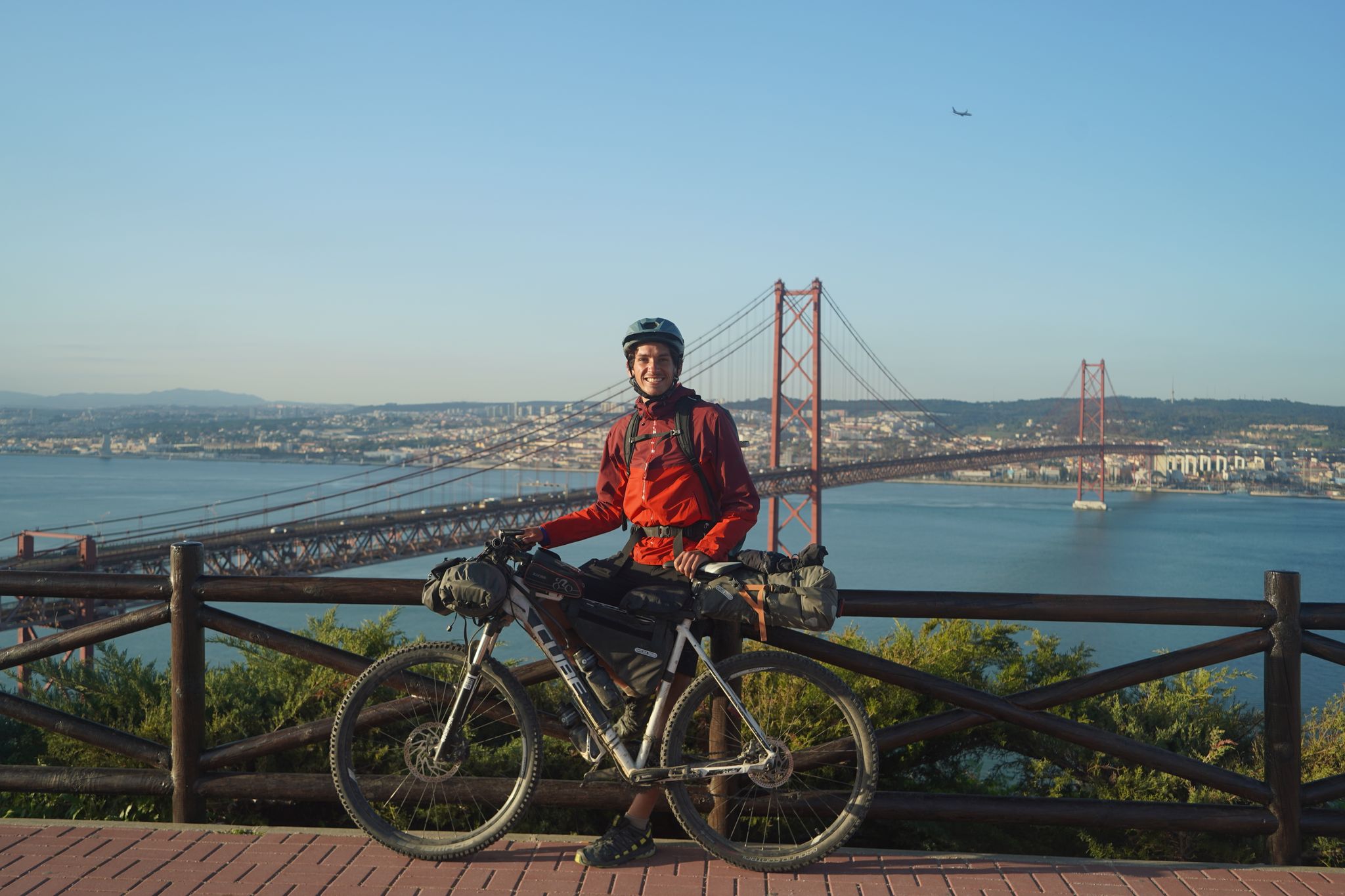
Road to Lisbon – bikepacking the Alps, Pyrenees and Picos de Europa
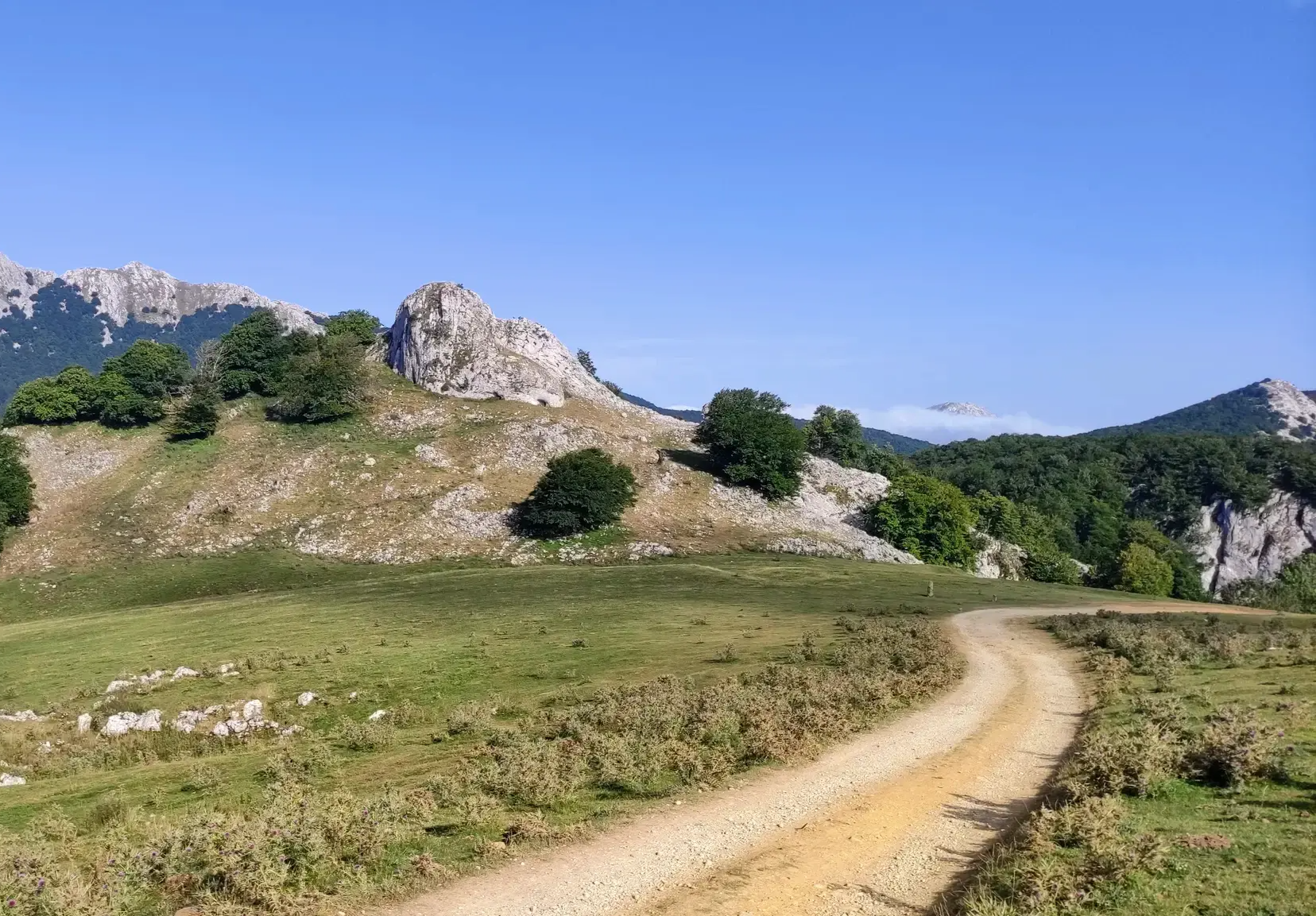
The Ignatian Way - In the footsteps of Ignatius of Loyola
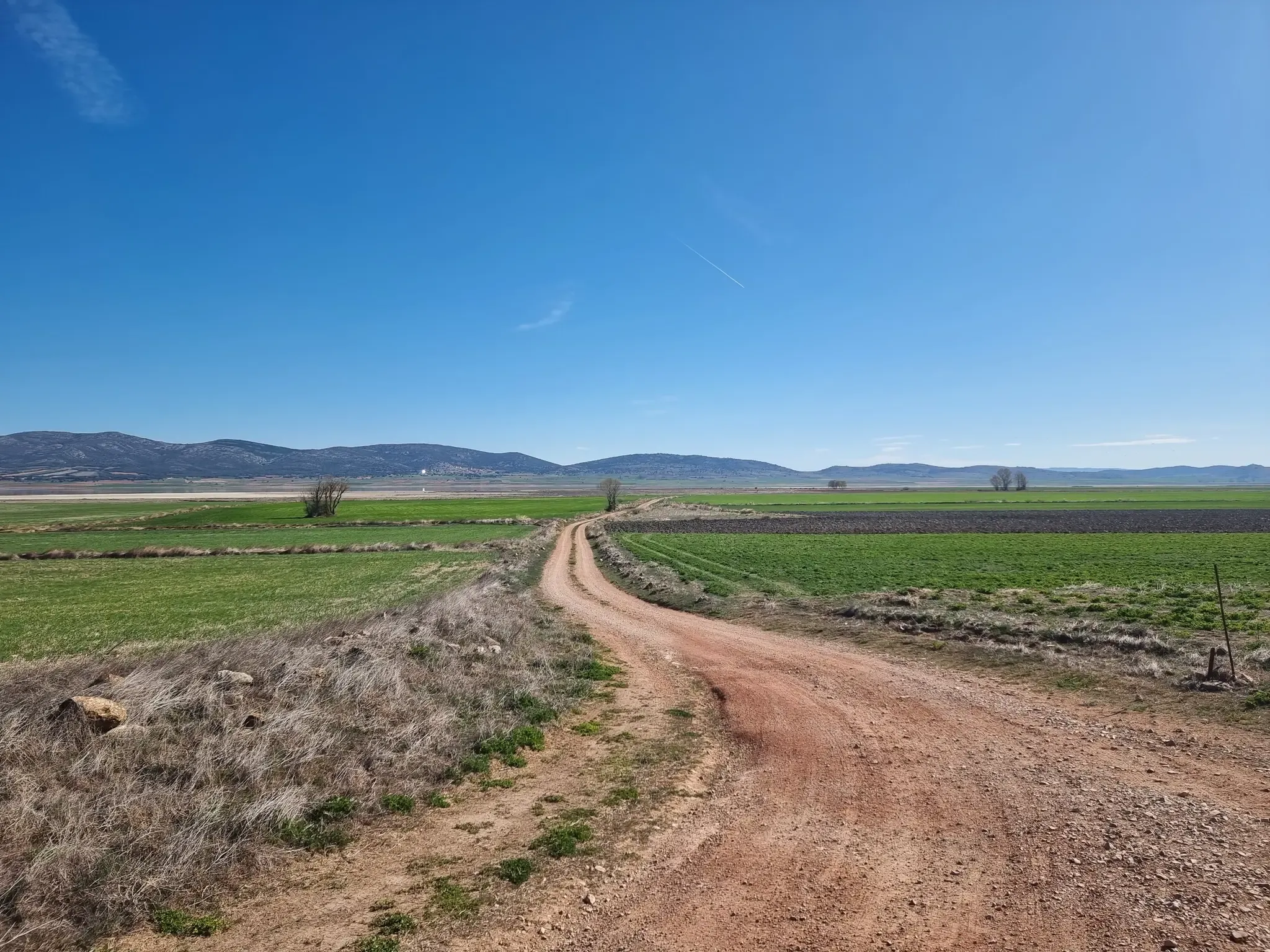
The paradise of the cranes - Gallocanta Ring
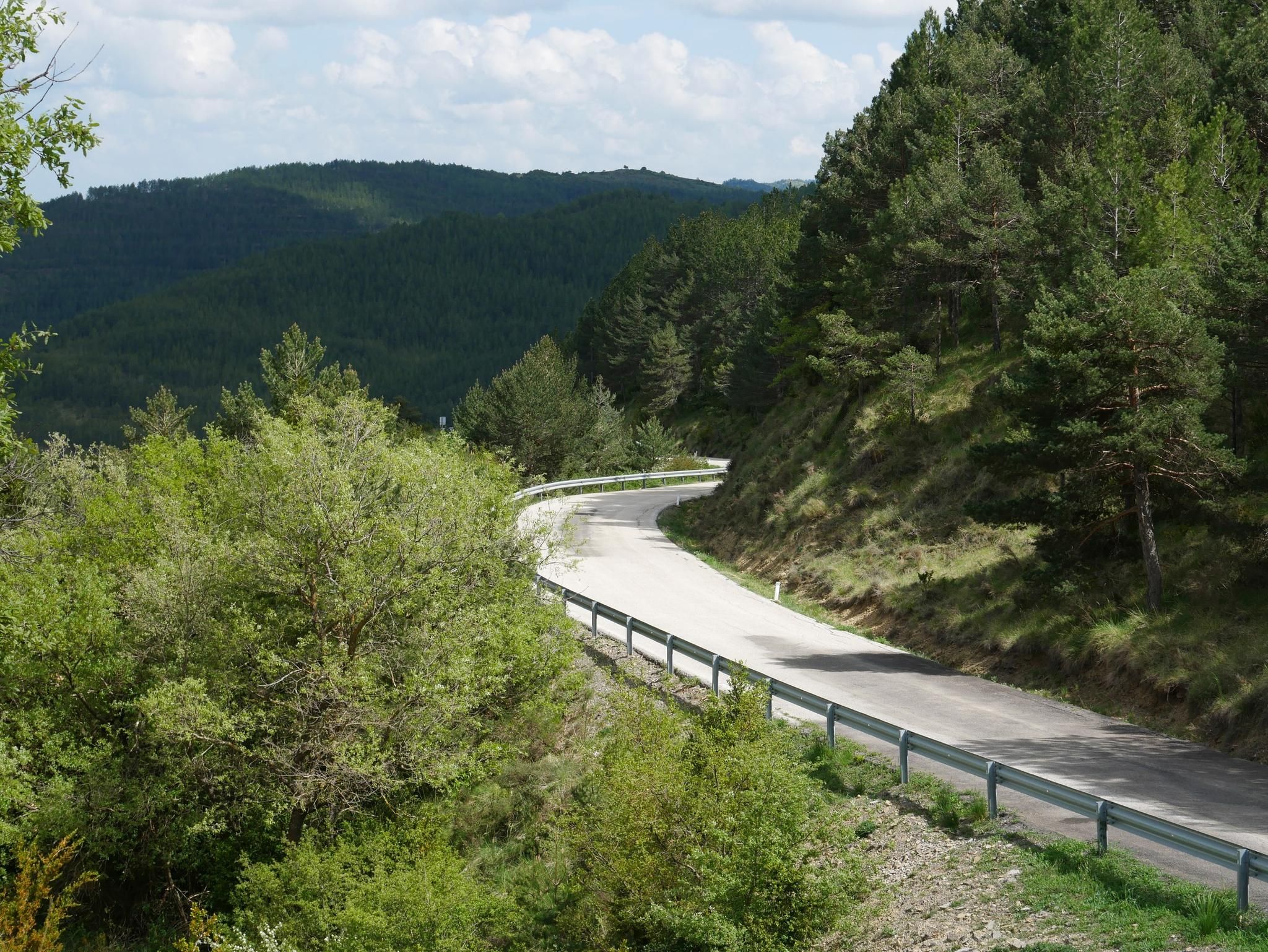
Challenge and beauty on a Road Bike — Pre-Pyrenees Gran Tour
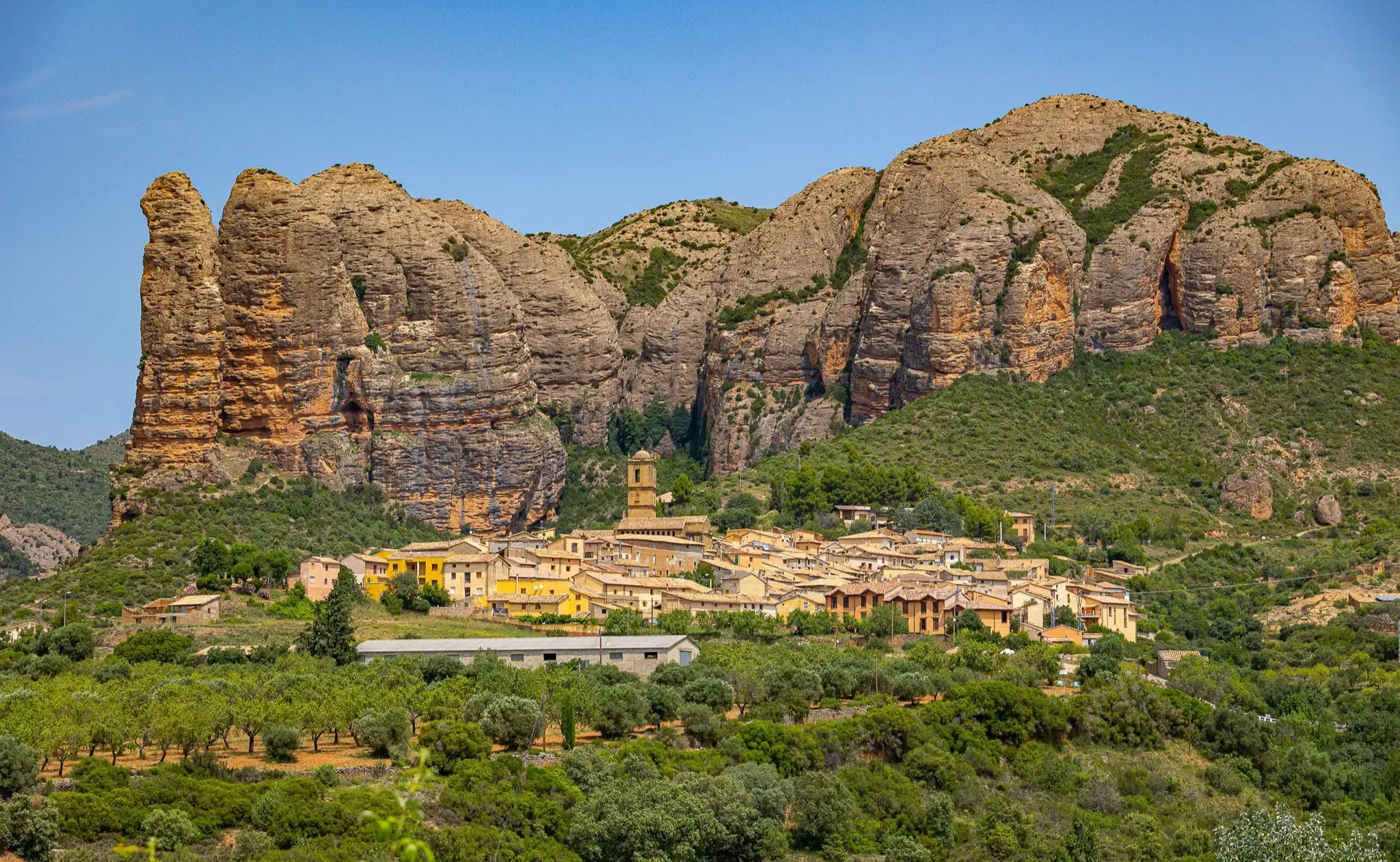
Hiking between geology and history – GR1 in Aragón
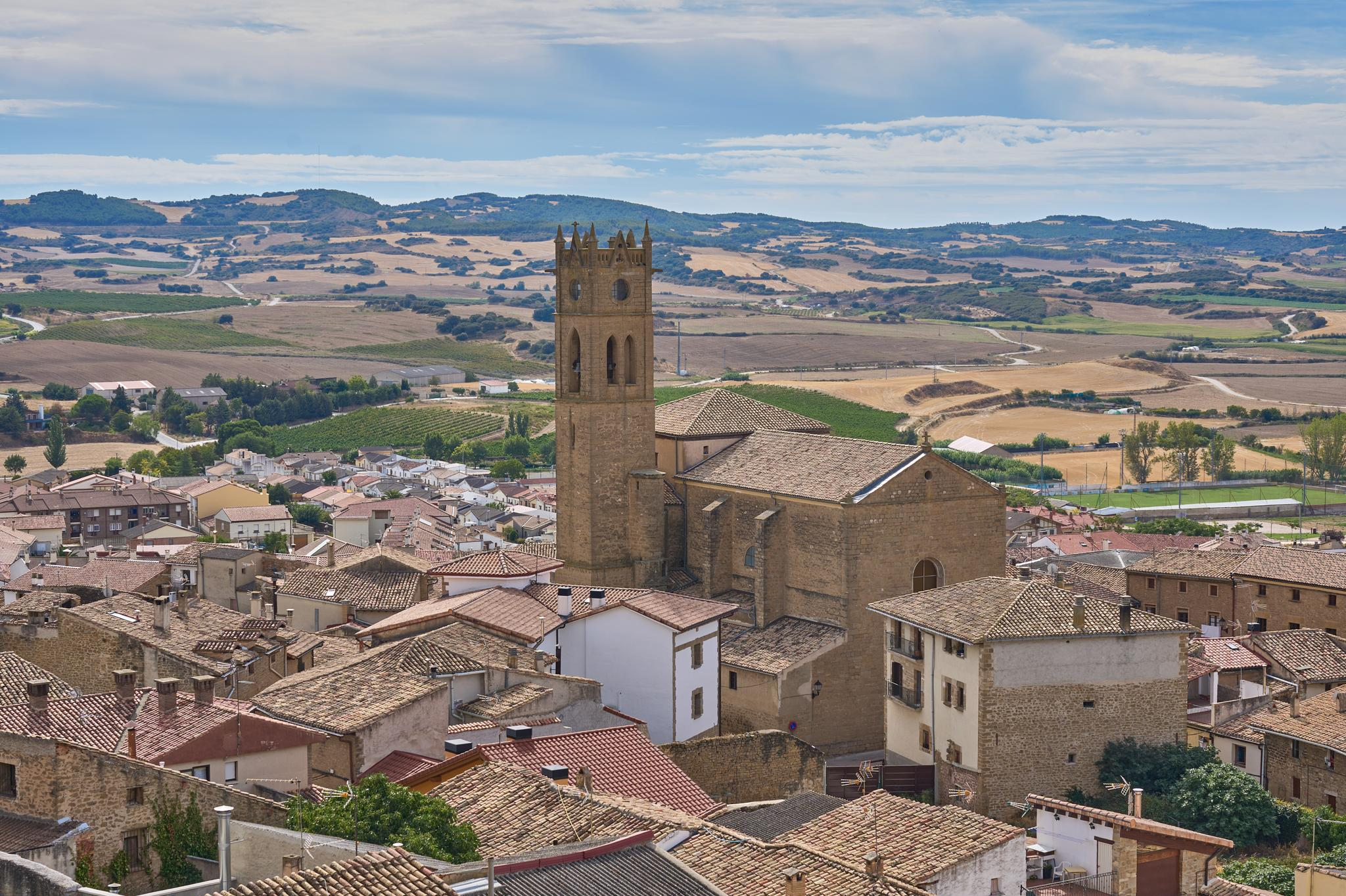
Path of the Templars — Path of the True Cross (GR 250)
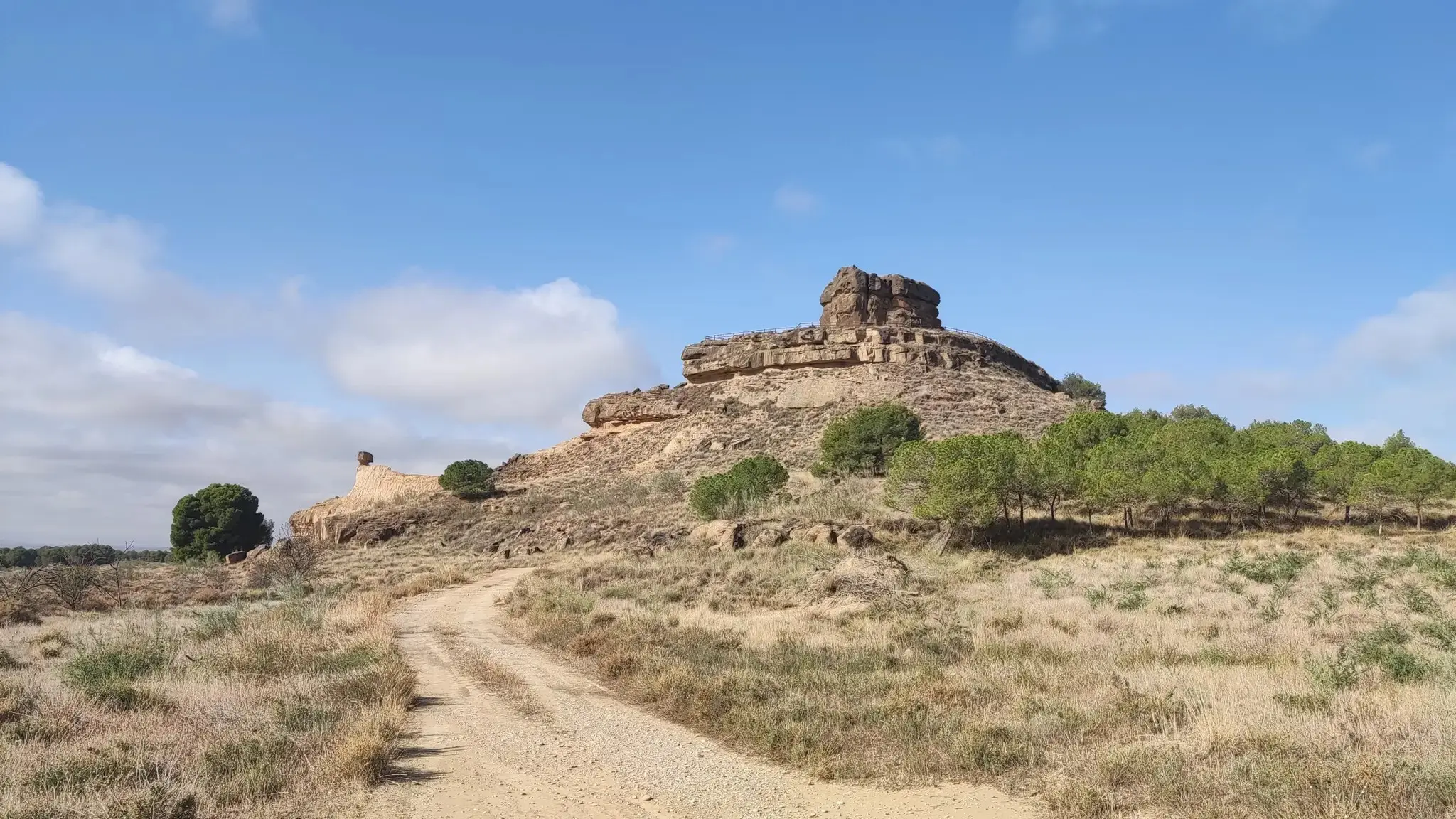
Rock formations, deserts and lagoons - Gravel round in Aragon
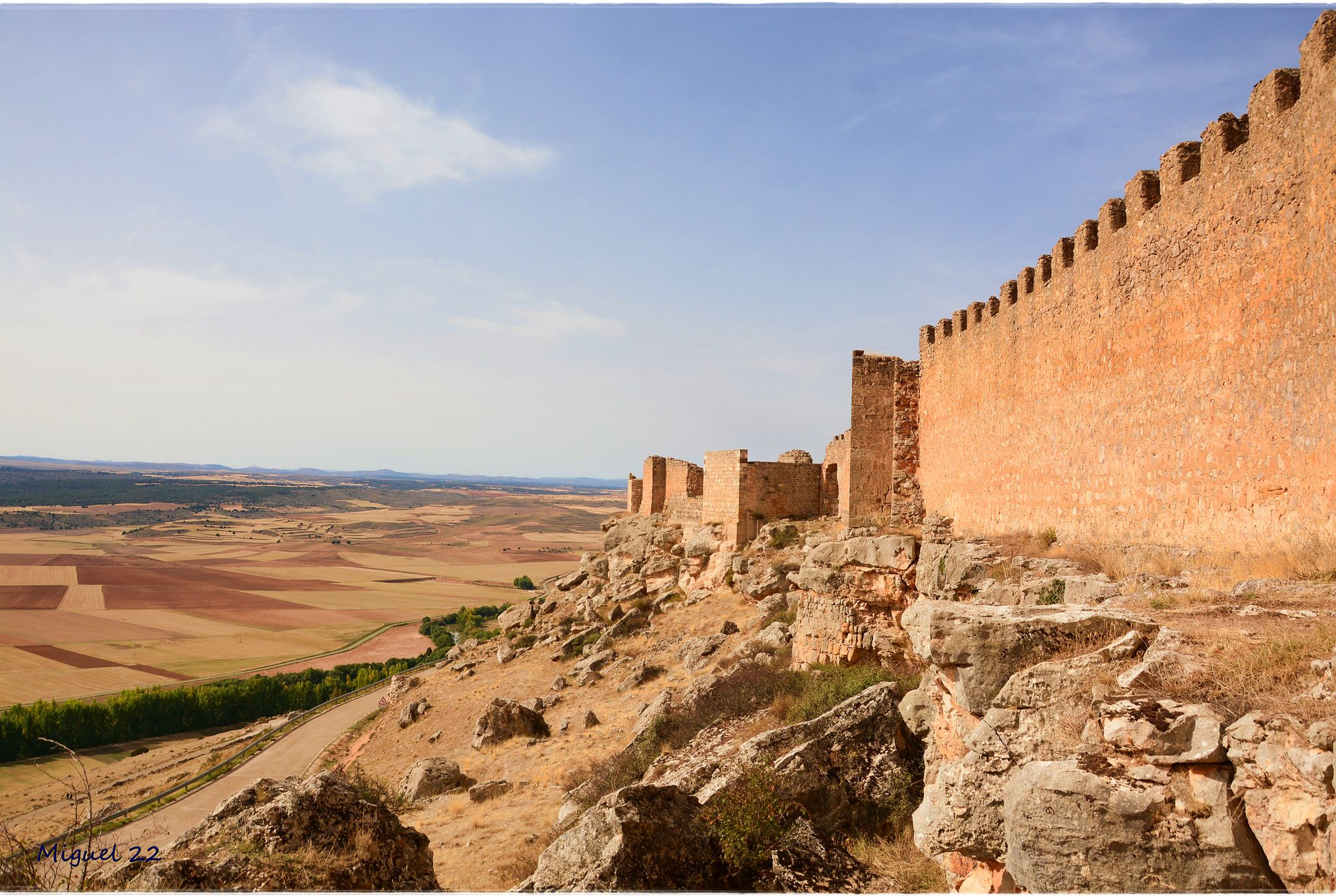
A journey through mediaeval Spain – El Camino del Cid (GR 160)
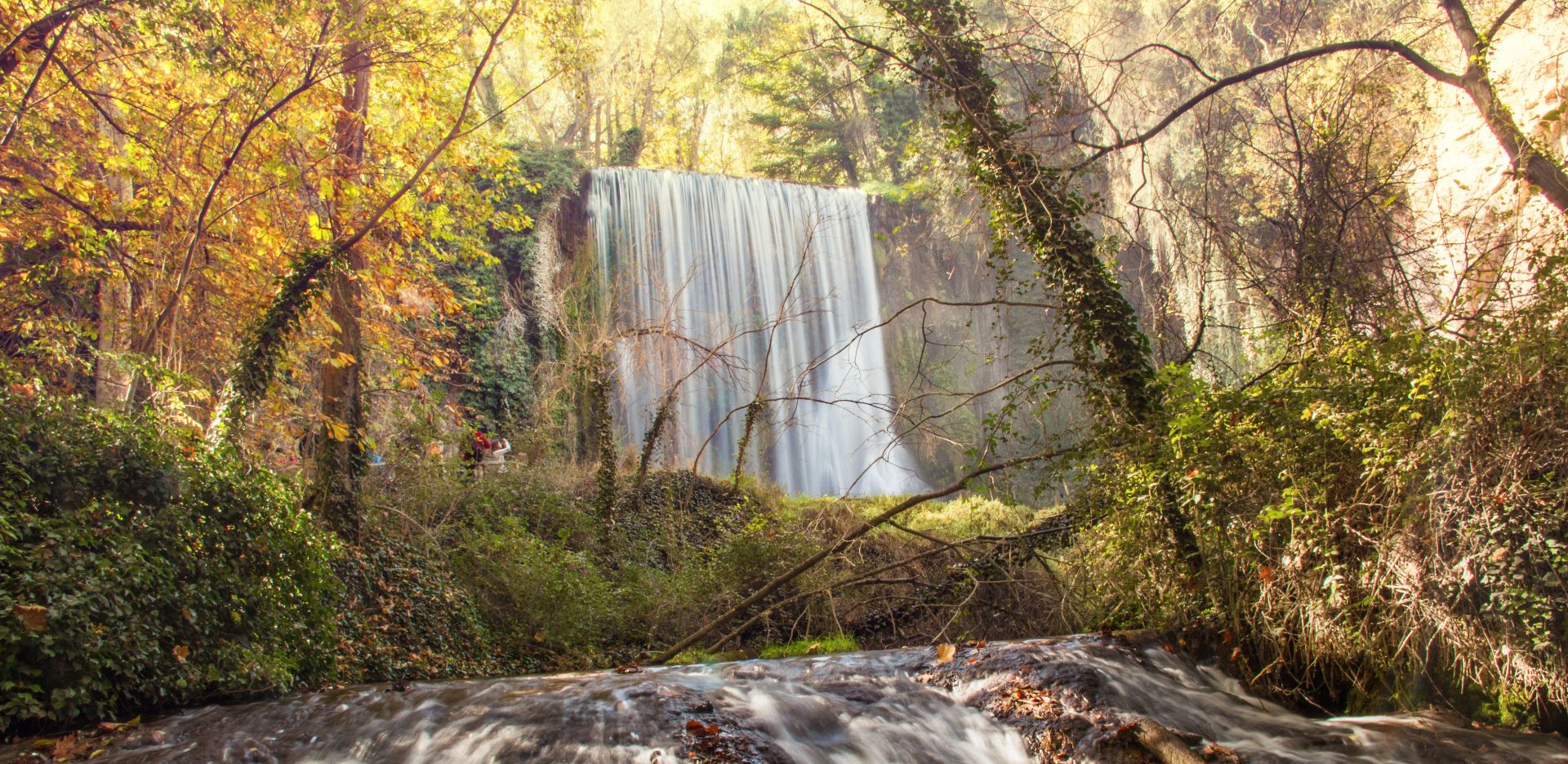
Landscapes of water and rock – Spain’s Jalón and Jiloca Trail (GR 24)
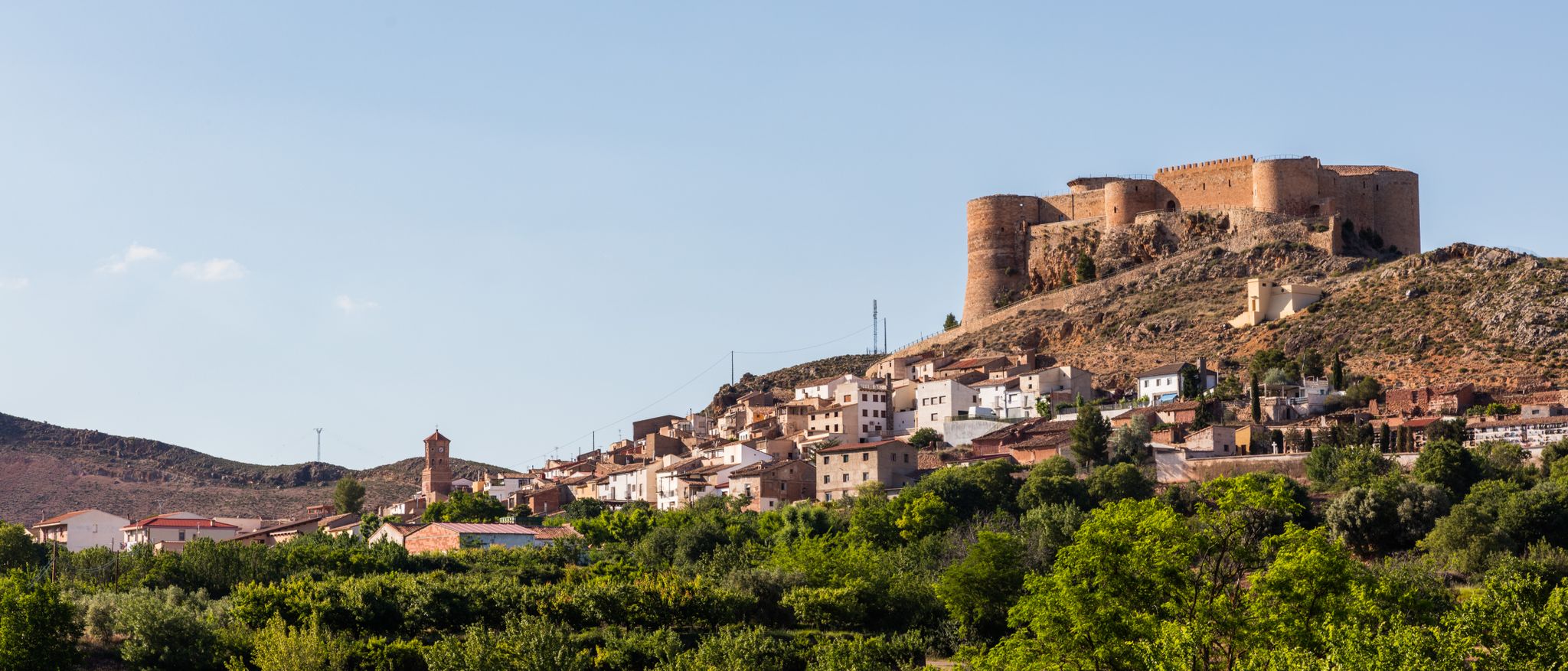
Moncayo to Daroca – Iberian Zaragoza Path (GR 90)
Other adventures in Zaragoza


Tips from the Community

Crossroads between the Valdemadera peak, the Tiermas valley and Cerro del Espino
0
0

From the beautiful spring at the last parking lot (at the end of the asphalt), the trail climbs mostly over good gravel, sometimes somewhat steeply, to an elevation of 1,880 m. Some sections are in light forest, some with beautiful views over the Ebro lowlands and the surrounding rocky mountain landscapes. You also pass the Baja Majada Refuge, but our favorite in the area is the Cerrogordo Refuge, located a little further south.
0
0

The Sillón Pass is a mountain pass located near María de Huerva, Aragon, Spain. It is part of several hiking and mountaineering routes that pass through natural sites such as the María de Huerva Castle, the Cabezo del Sillón, and the Sillón Ridge. These routes are ideal for experienced hikers, as some are considered advanced.
1
0

Beautiful hill located in the middle of a long trail.
0
0
A mountain pass with beautiful views of the Aljairén mountain range. It can be accessed via a well-maintained forest trail that ends at the pass, and then there are several trails to continue. The pass can also be accessed via a very long trail.
0
0
The Collado del Sillón in María de Huerva is a very interesting hiking trail that offers spectacular views and an enriching experience. From the summit, you can enjoy panoramic views of Moncayo and the Pyrenees.
3
0

Old pass road in good condition but with little traffic. The beautiful views of the surrounding mountains and the first parts of the Pyrenees make up for the additional climbs compared to the lower motorway
1
0

Viver de Vicort is the access to many of the most important points of the Sierra de Vicort both to explore its northern and southern slopes. You can access Pico del Rayo by tracks that leave from this district. It is also the hill that you can pass through to make a route between the Grío valley and the Perejiles valley.
0
0
Frequently Asked Questions
What are some of the most scenic mountain passes in Zaragoza?
Many mountain passes in Zaragoza offer stunning views. For panoramic vistas of the surrounding mountains, consider Collado de la Luz in the Sierra de Algairén. Collado del Tío Francisco also provides beautiful views, connecting different valleys. In the Moncayo Massif, the highest peak of the Iberian System, you can find expansive and spectacular panoramic views, with some passes like Collado del Sillón offering sights of Moncayo itself and even the distant Pyrenees.
What kind of terrain and difficulty can I expect on Zaragoza's mountain passes?
The mountain passes in Zaragoza offer varied terrain and difficulty levels. Many, like Alto de San Esteban, feature long but manageable climbs suitable for intermediate levels. Others, particularly in the Moncayo Massif, can involve challenging ascents, especially for cyclists, with sustained efforts and sometimes compact dirt tracks. You'll encounter diverse landscapes ranging from forests and high-mountain pastures to limestone formations shaped by water.
Are there any historical or cultural points of interest near Zaragoza's mountain passes?
While Zaragoza's passes are primarily known for natural beauty, the Moncayo Massif itself holds significant natural and cultural symbolism for Aragon. Historically, the wider Aragon region, particularly the Pyrenees in Huesca, features passes like Somport Pass, known as a crucial crossing point and a European gateway to the Way of St. James. Within Zaragoza, the passes often connect traditional routes and offer glimpses into the region's rural heritage.
What is the best time of year to visit the mountain passes in Zaragoza?
The best time to visit Zaragoza's mountain passes generally depends on your activity. Spring and autumn offer pleasant temperatures for hiking and cycling, with vibrant flora or rich autumnal colors. Summer can be warm, especially at lower altitudes, but higher passes provide cooler air. Winter can bring snow to the Moncayo Massif, making some routes challenging or requiring specific gear, but also offering unique snowy landscapes.
Are there family-friendly options among Zaragoza's mountain passes?
While specific 'family-friendly' categorizations for individual passes aren't always explicit, many passes can be incorporated into routes suitable for families, especially those with well-maintained forest trails or moderate gradients. For example, the ascent to Alto de San Esteban is described as a long climb without difficulty, which might be manageable for active families. When planning, look for routes with shorter distances and less elevation gain.
What other outdoor activities can I do near the mountain passes in Zaragoza?
Beyond exploring the passes themselves, the Zaragoza region offers a variety of outdoor activities. You can find numerous hiking trails, including the Moncayo Circular Trail, and various routes for mountain biking and road cycling. For more detailed information on routes, you can explore guides such as Hiking in Zaragoza, MTB Trails in Zaragoza, and Cycling in Zaragoza.
Where can I find challenging climbs for cycling in Zaragoza's mountain passes?
For challenging cycling climbs, the Moncayo Massif is a prime destination. The ascent to Moncayo from Tarazona, for instance, is a long and constant climb covering over 24 km with a significant elevation gain, offering a sustained effort. While the average gradient is moderate, the final kilometers can be on compact dirt tracks, adding to the challenge. Other passes like Puerto de Murero also offer notable climbs.
Are there any lesser-known or 'hidden gem' mountain passes in Zaragoza worth exploring?
While not always widely publicized, Zaragoza province has numerous passes beyond the most popular ones. The 'Reto CIMA' website lists 37 passes, suggesting many routes for cycling enthusiasts. Passes like Collado de Valdetiñoso or Puerto de Cavero might offer quieter, more secluded experiences. Exploring the Sierra de Vicort, accessible via places like Viver de Vicort, can also lead to less-trafficked routes.
What kind of wildlife and flora can I observe around Zaragoza's mountain passes?
The diverse ecosystems around Zaragoza's mountain passes, especially in the Moncayo Natural Park, are rich in wildlife and flora. You can find ancient oak groves, beech forests, and high-mountain pastures. The landscape transitions between the Castilian plateau and the Ebro valley, supporting a variety of plant species. Keep an eye out for local birdlife and other small animals that inhabit these natural environments.
Are there facilities like cafes or accommodation near the mountain passes?
While many mountain passes are in natural, undeveloped areas, you can often find facilities in nearby towns and villages. For instance, Viver de Vicort serves as an access point to the Sierra de Vicort and would likely have some basic services. For more extensive options, larger towns like Tarazona near Moncayo, or Daroca near Puerto de Balconchán, will offer cafes, restaurants, and accommodation.
How accessible are the mountain passes in Zaragoza, regarding parking or public transport?
Accessibility varies by pass. Many passes are reached via roads, and some, like Puerto de Balconchán, might have narrow roads where stopping to enjoy the landscape is recommended. Parking is often available at trailheads or nearby villages. Public transport options directly to remote passes are limited, so a car is generally recommended for exploring the wider region and accessing specific starting points for hikes or rides.
What makes the Moncayo Massif area unique for mountain passes in Zaragoza?
The Moncayo Massif is unique as it hosts the highest peak of the Iberian System, reaching over 2,300 meters. This area offers a dramatic landscape transition between the Castilian plateau and the Ebro valley, providing expansive panoramic views. It's characterized by diverse ecosystems, including ancient oak groves, beech forests, and high-mountain pastures, making it ideal for mountaineers, hikers, and cycle tourists seeking challenging ascents and significant natural beauty.
Most popular routes in Zaragoza
Most popular attractions in Zaragoza

Get inspired with the komoot mobile app


Didn’t find what you were looking for?
Find even more amazing mountain passes in Zaragoza organized by region:
Explore more
See even more epic mountain passes by checking out these guides in Zaragoza:
