Attractions and Places To See in Sevilla - Top 20
Best attractions and places to see in Sevilla include a diverse range of historical sites, architectural marvels, and natural spaces. The city, situated on the Guadalquivir River, is known for its rich cultural heritage and significant landmarks. Visitors can explore a variety of urban parks and natural areas, including the Sierra Norte de Sevilla Natural Park to the north. This region offers numerous opportunities to experience both urban history and natural landscapes.
Best attractions and places to see in Sevilla
…Last updated: October 9, 2026
Seville Cathedral
Highlight • Religious Site
Showing Translation
Tip by

Plaza of Spain
Highlight • Monument
Translated by Google •
Tip by
Sign up now to discover places like this
Get recommendations on the best single tracks, peaks, & plenty of other exciting outdoor places.
The Giralda and the cathedral
Highlight • Religious Site
Translated by Google •
Tip by
Torre del Oro
Highlight • Monument
Translated by Google •
Tip by
Metropol Parasol (Las Setas de Sevilla)
Highlight • Monument
Translated by Google •
Tip by
Real Alcázar of Seville
Highlight • Historical Site
Showing Translation
Tip by
Fountain of Plaza de España
Highlight • Monument
Translated by Google •
Tip by
Plaza de España, Seville
Highlight • Monument
A must visit on every trip to Seville.
It doesn't matter what time it is or what day of the week it …
Translated by Google •
Tip by

Plaza de San Francisco
Highlight • Historical Site
Translated by Google •
Tip by
View from the Triana Bridge
Highlight • Viewpoint
It was …
Translated by Google •
Tip by
Sign up for free to discover even more attractions in Sevilla.
Already have an account?
Start today with a free account
Your next adventure awaits.
Popular around Sevilla
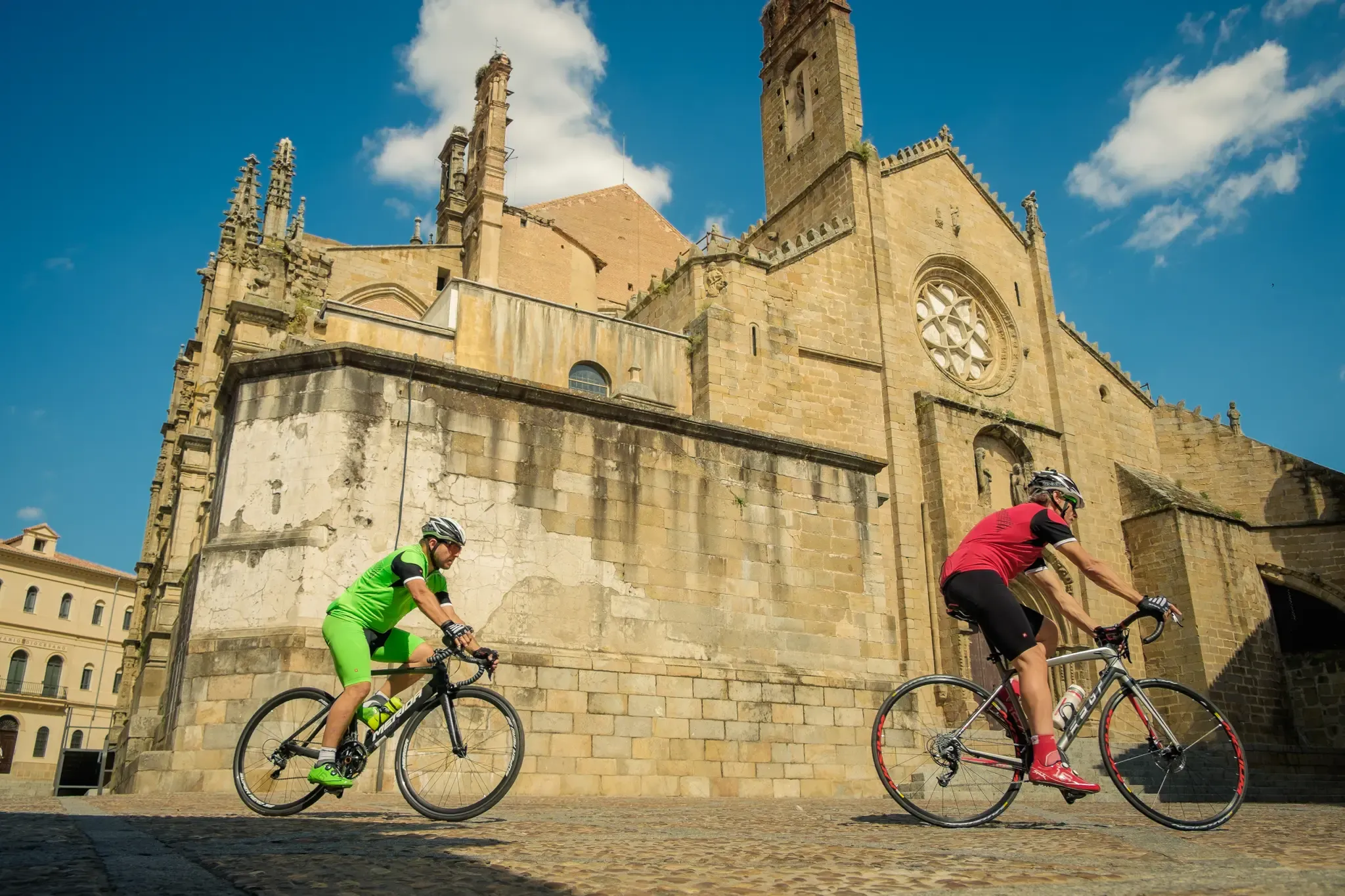
Vía de la Plata – from Seville to Gijón by bike

Triathlon 360 – my journey around the world
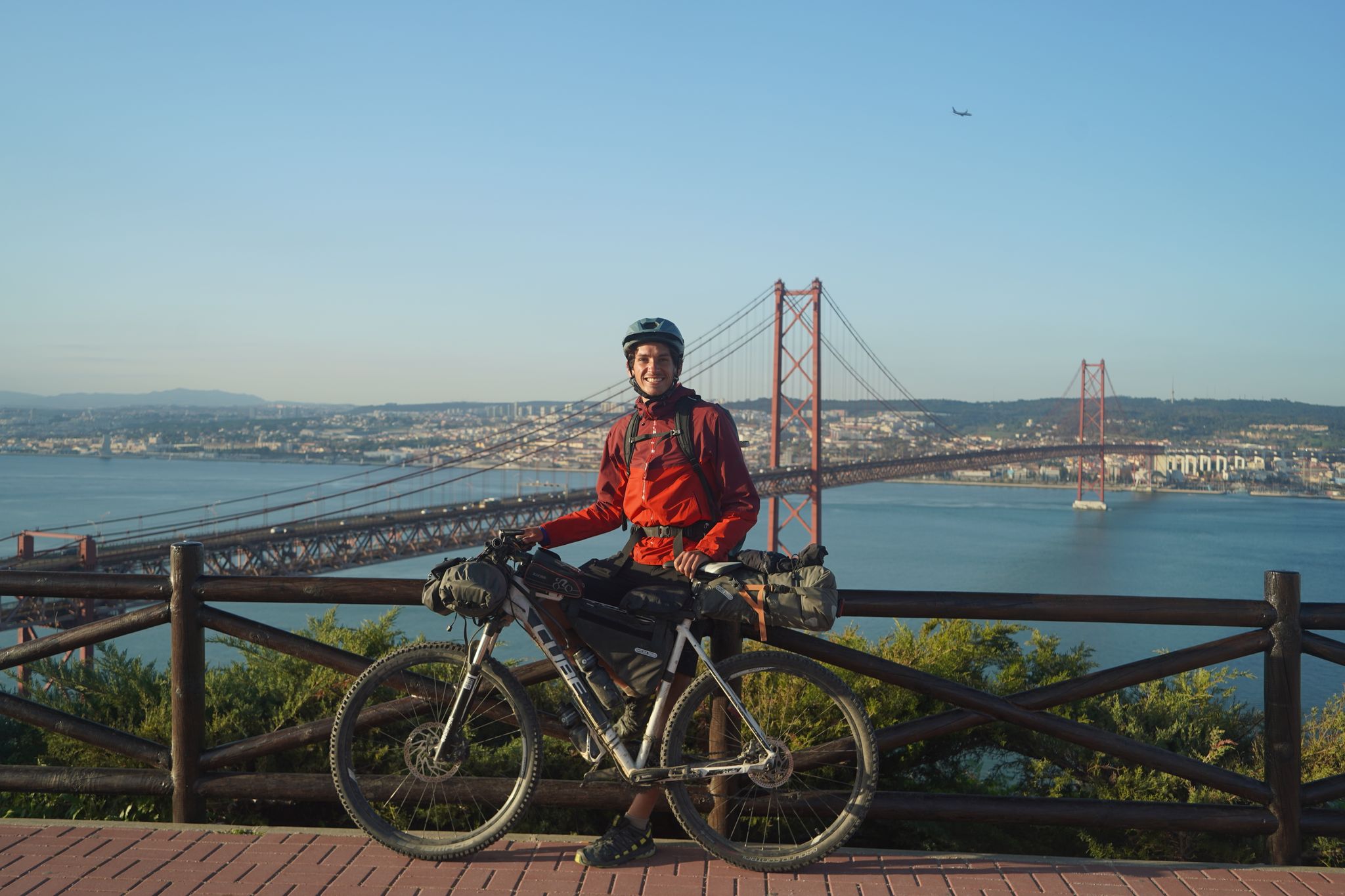
Road to Lisbon – bikepacking the Alps, Pyrenees and Picos de Europa
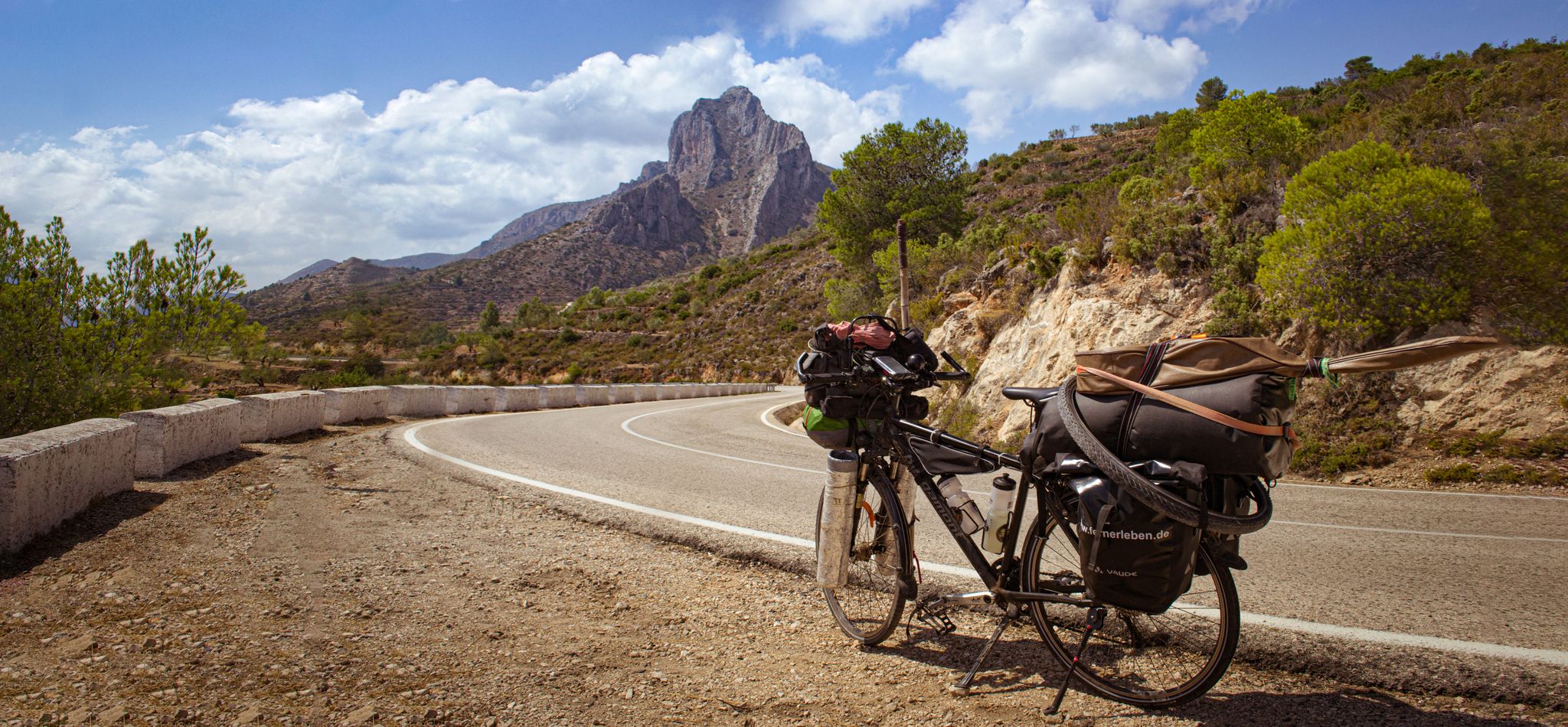
On the road to the sun — bikepacking to southeast Spain
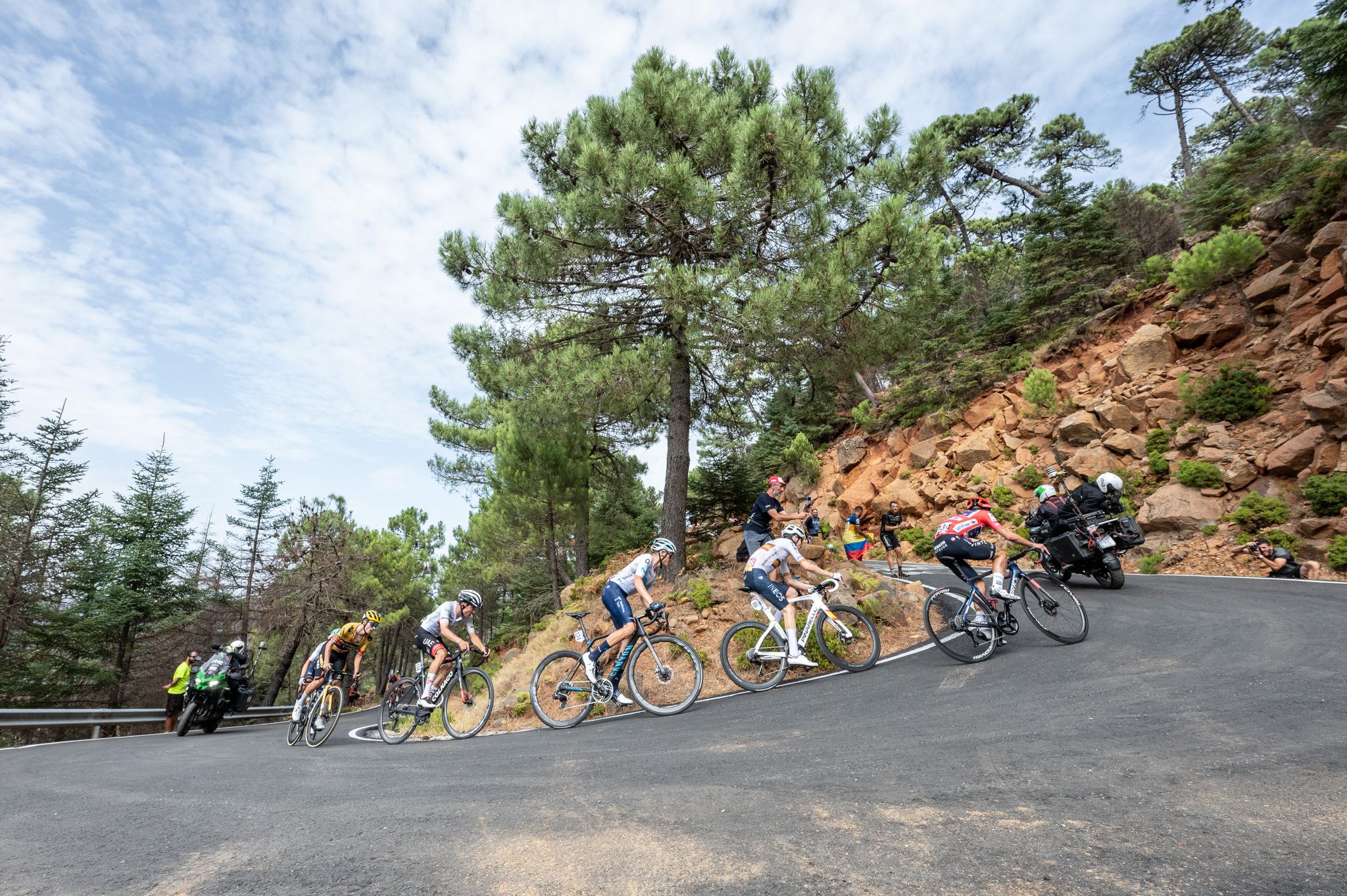
La Vuelta 26 — All Official Stages

European D̶I̶V̶I̶D̶E̶ Connect Trail Project – a journey across Europe
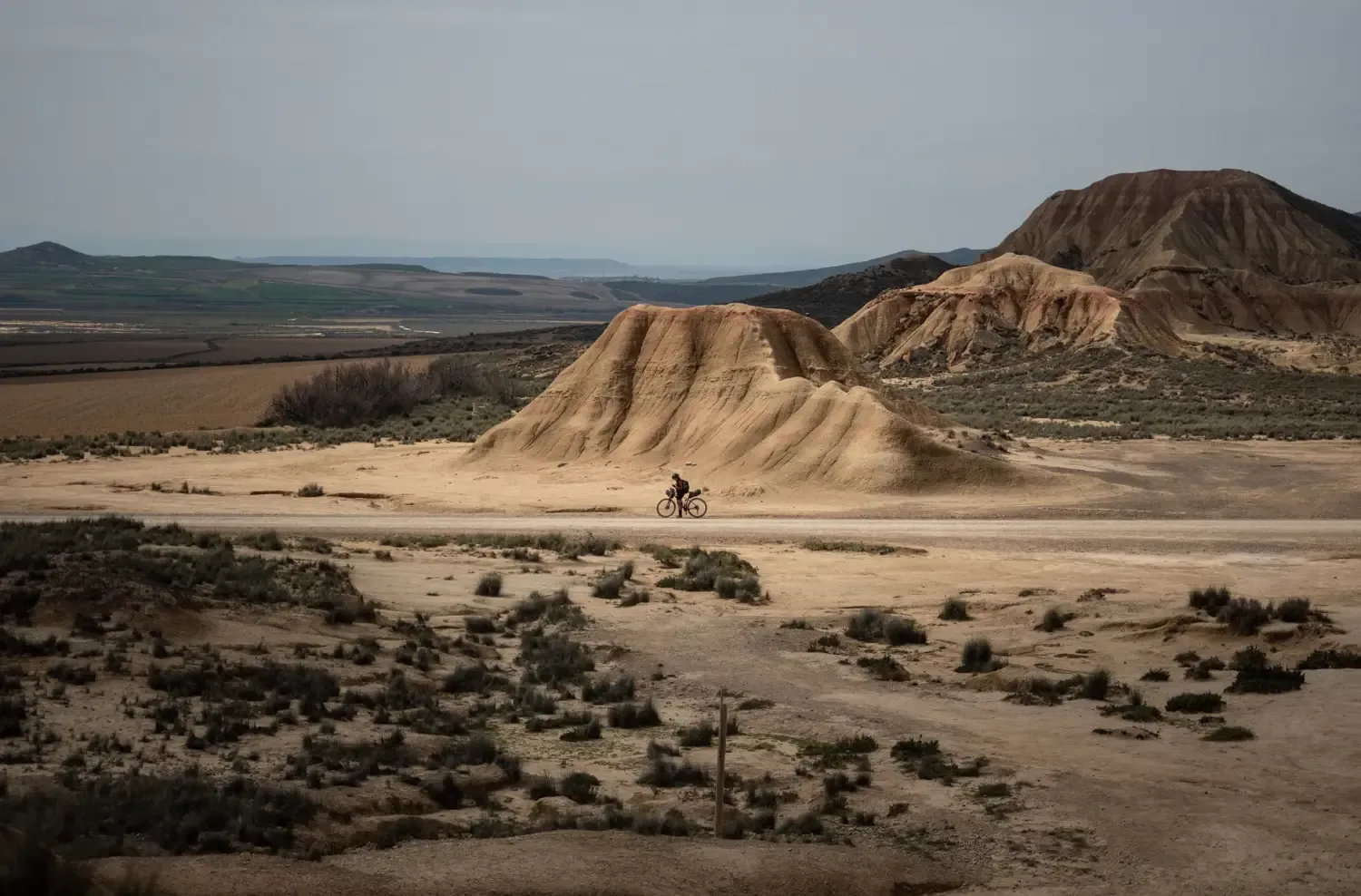
9 mountain biking routes in undiscovered Spain
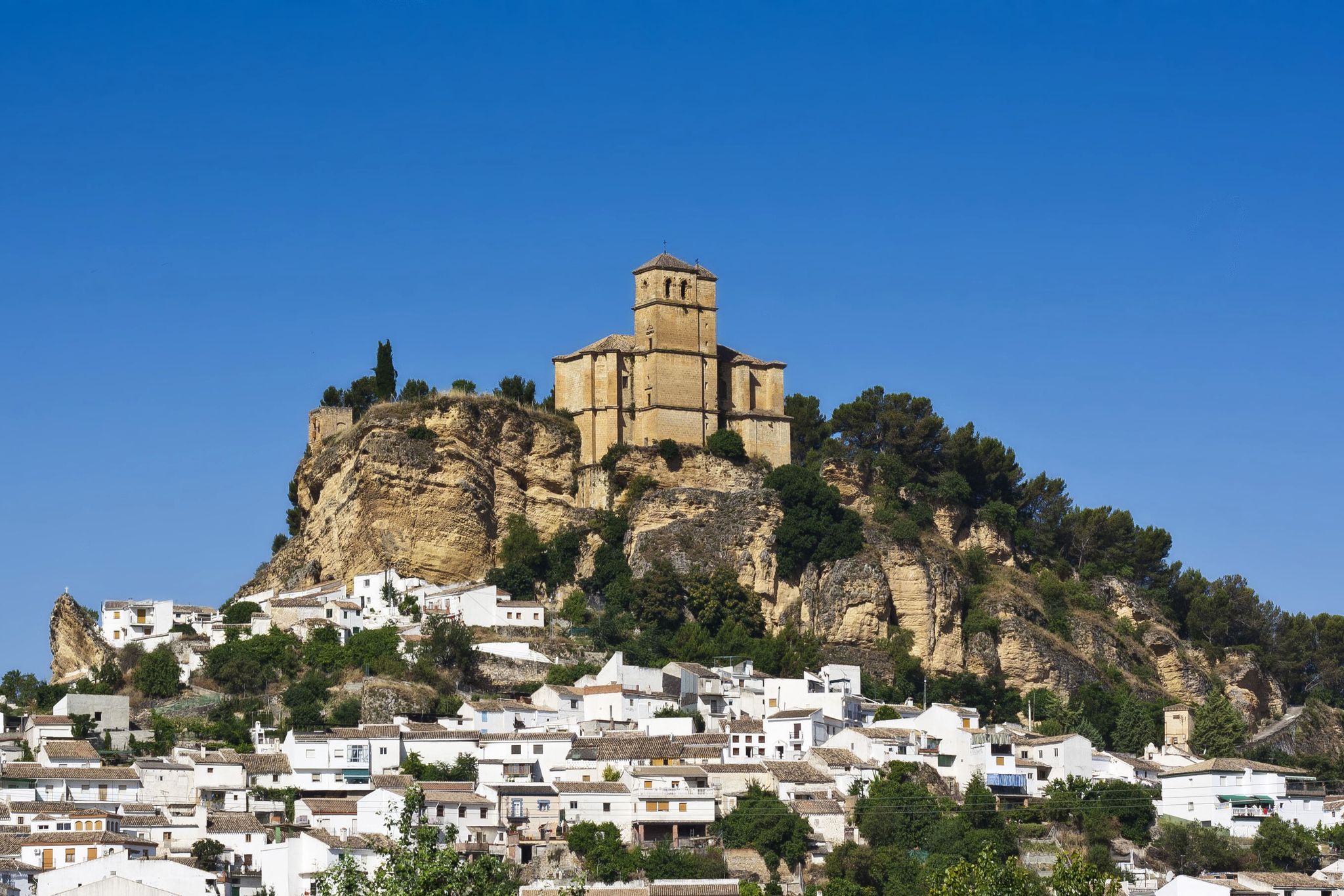
Washington Irving – cycle through the Arab vestiges of Andalusia
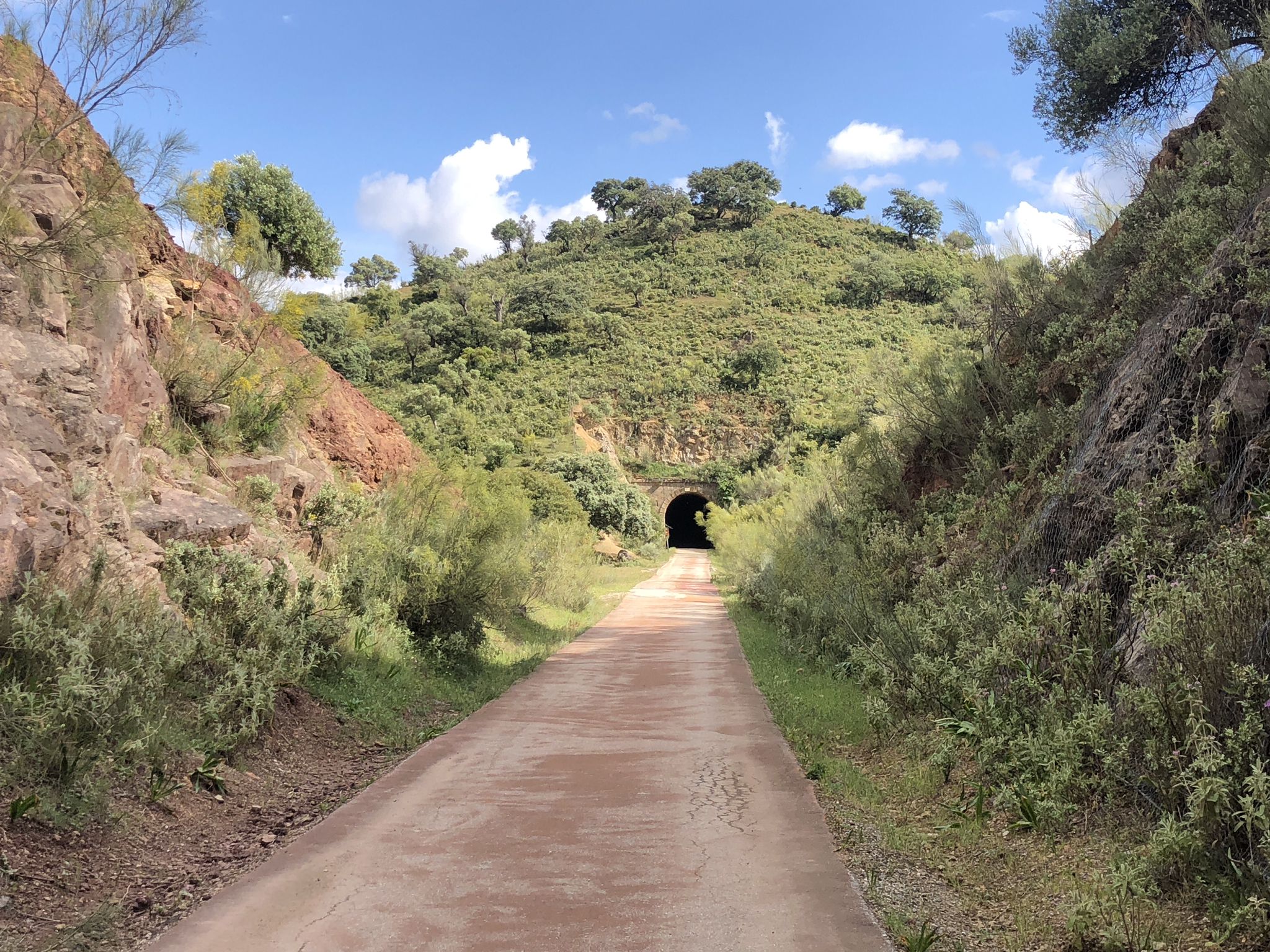
A magical bike Tour in Andalusia – Sierra Greenway in Spain
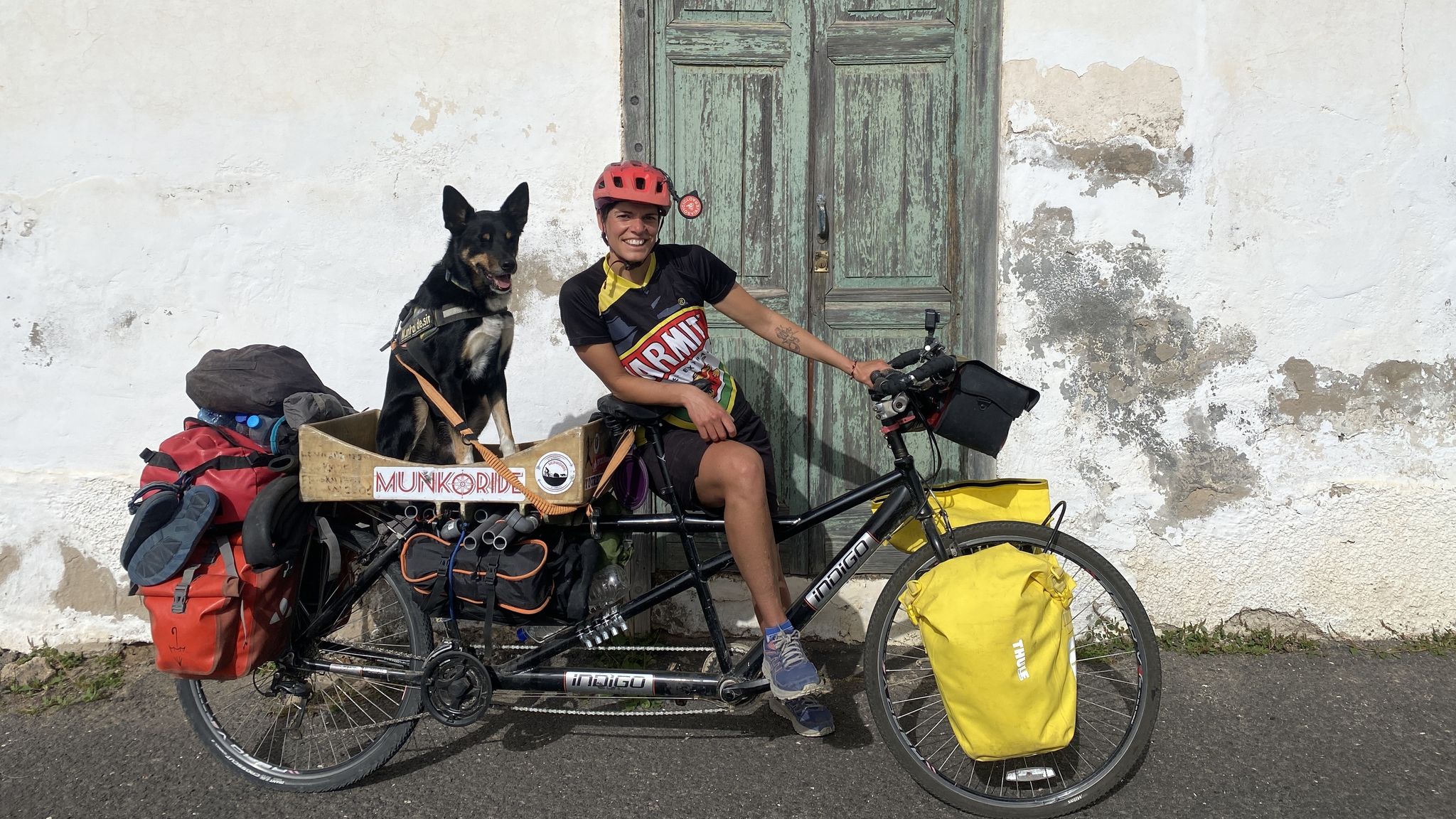
A winter getaway along the greenways of Andalusia in Spain
Other adventures in Sevilla


Tips from the Community

Plaza de San Francisco is a historic and central square in Seville, located in the Casco Antiguo, and it is famous for hosting the magnificent Town Hall building (Ayuntamiento) and for being the political and social heart of the city since the 16th century.
0
0

If you start looking around here, one day is not enough to admire it all. You constantly discover new details and the quality of the work is quite astonishing.
0
0

You can spend an eternity here, it never gets boring. The square was built in 1929 and has space for many hundreds of visitors without seeming crowded. In a semicircle, all the federal states of Spain are presented alphabetically, very photogenic. In the middle, there is a fountain, and at its edge, a larger covered area where flamenco dancers like to show their skills.
2
0

A place full of history and romance! The Plaza de España in Seville is one of my favorite places – the neo-Mudéjar architecture, the romantic canals, and the lively atmosphere remind me of the era of Spanish grandeur. Visiting the Plaza de España during Seville's famous "Feria de Abril" festival is highly recommended.
4
0

Beautiful surroundings with many alleys
3
1

A very beautiful square with many beautiful old houses and many cafes that invite you to linger...some of them quite expensive. Nevertheless, it's always very crowded. Also, be careful of the trams and all the carriages. They head for the square behind the cathedral.
4
1
A truly impressive tower. It was actually a minaret before being converted into a bell tower after the Christian reconquest of Spain.
5
0
An impressive fountain that provides cooling with its spray on hot days.
4
0
Frequently Asked Questions
What are the most significant historical sites to visit in Sevilla?
Sevilla is rich in history. Key historical sites include the stunning Real Alcázar of Seville, a royal palace complex showcasing Moorish, Renaissance, and Mudéjar architectural styles. The majestic Seville Cathedral (Cathedral of Seville), the world's largest Gothic cathedral, and its bell tower, The Giralda, are also essential. Don't miss the 13th-century defensive Tower of Gold along the Guadalquivir River.
Are there any family-friendly attractions in Sevilla?
Yes, Sevilla offers several family-friendly attractions. The Plaza of Spain, with its grand architecture, canals for boat rides, and ceramic benches, is a favorite. Many historical sites like the Seville Cathedral and Real Alcázar of Seville are also suitable for families. The Metropol Parasol (Seville's Mushrooms) offers an elevated walkway with city views that children often enjoy.
What natural features or parks can I explore in Sevilla?
Sevilla boasts beautiful green spaces. The Parque de María Luisa, home to the Plaza of Spain, is a large urban park with landscaped gardens and fountains. The Murillo Gardens, adjacent to the Real Alcázar, offer serene pathways. For a more extensive natural experience, the Sierra Norte de Sevilla Natural Park, north of the city, provides opportunities for hiking and birdwatching amidst Mediterranean woodlands and charming villages.
What outdoor activities are available near Sevilla's attractions?
Beyond the city's attractions, you can find various outdoor activities. For hiking, consider easy trails like the 'Alcazar of Seville, Cathedral of Santa Maria and Setas de Sevilla - walk through the old town' or 'The four bridges of the Guadalquivir River' which are accessible from the city center. You can find more options on the Easy hikes in Sevilla guide. For cycling, there are numerous road cycling and gravel biking routes, including those from Sevilla to Aznalcóllar or along the Vía de la Plata. Explore these on the Road Cycling Routes in Sevilla and Gravel biking in Sevilla guides.
What is the best time of year to visit Sevilla for sightseeing and outdoor activities?
The best time to visit Sevilla is typically during spring (March to May) and autumn (September to November). During these seasons, the weather is pleasant and mild, ideal for exploring historical sites, walking through parks, and engaging in outdoor activities without the intense heat of summer. Summers can be very hot, while winters are generally mild but can be rainy.
Are there any attractions in Sevilla that offer panoramic city views?
Yes, several attractions provide excellent city views. The bell tower of the Seville Cathedral, La Giralda, offers panoramic vistas after ascending its ramp-style path. The Metropol Parasol (Seville's Mushrooms) also features an architectural walkway on its upper levels with exquisite views of the city. Additionally, the Tower of Gold provides good views of the Guadalquivir River and surrounding areas.
What cultural experiences, such as flamenco, can I find in Sevilla?
Sevilla is the birthplace of flamenco, and experiencing a live performance is a must-do cultural highlight. You can find passionate flamenco shows at various venues throughout the city. Beyond flamenco, exploring the Santa Cruz District, Seville's old Jewish quarter, offers a glimpse into traditional Andalusian architecture and atmosphere. The Museo de Bellas Artes (Museum of Fine Arts of Seville) houses a significant collection of Sevillian Baroque painters.
How accessible are Sevilla's main attractions for visitors with mobility needs?
Many of Sevilla's main attractions offer some level of accessibility. The Plaza of Spain and its central fountain are generally wheelchair accessible. The Metropol Parasol also provides wheelchair-friendly access to its upper walkways. While some historic sites may have limitations due to their age, efforts are often made to improve accessibility where possible. It's advisable to check specific venue details in advance.
Where can I find local markets or authentic food experiences in Sevilla?
For an authentic local experience, visit the Mercado de Triana. Located above the remains of the Castillo de San Jorge, this vibrant market offers fresh produce, local foods, and a lively atmosphere. It's a great place to sample regional delicacies and observe daily life in the Triana neighborhood.
What are some lesser-known or 'hidden gem' attractions in Sevilla?
Beyond the major landmarks, consider visiting the Casa de Pilatos, an impressive palace combining Mudéjar, Gothic, and Renaissance styles with beautiful patios and gardens. The Archivo General de Indias, a UNESCO World Heritage Site, contains invaluable documents from the American colonies. Exploring the narrow, winding streets of the Santa Cruz District itself can also reveal charming hidden squares and traditional architecture.
How long should I plan for visiting the main attractions in Sevilla?
To comfortably visit Sevilla's main attractions like the Real Alcázar, Seville Cathedral, and Plaza of Spain, it's recommended to allocate at least 3 to 4 full days. This allows time to explore each site thoroughly, wander through neighborhoods, enjoy local cuisine, and perhaps experience a flamenco show without feeling rushed.
Are there any attractions in Sevilla that are free to visit?
Yes, several attractions in Sevilla can be enjoyed for free. The Plaza of Spain and the surrounding Parque de María Luisa are free to enter and explore. You can also walk across the Triana Bridge for scenic views of the Guadalquivir River. Many of the charming streets and squares in the Santa Cruz District are also free to wander and soak in the atmosphere.
Most popular routes in Sevilla
Most popular attractions in Sevilla

Get inspired with the komoot mobile app


Didn’t find what you were looking for?
Are you keen on exploring more awesome places nearby? Browse our guides:
Explore more
Still not found the Highlight you’re looking for? See guides of the top attractions in other regions:
