Attractions and Places To See in Almería - Top 20
Best attractions and places to see in Almería include a diverse range of historical landmarks, unique natural landscapes, and cultural sites. The region is characterized by its arid Tabernas Desert, the protected coastal area of Cabo de Gata-Níjar Natural Park, and significant historical structures. Visitors can explore ancient fortresses, geological formations, and picturesque coastal areas. Almería offers a variety of experiences across its varied terrain, from mountains to the Mediterranean coast.
Best attractions and places to see in Almería
- The most popular attractions is Alcazaba of Almería, a castle that overlooks the entire city. This Moorish fortress, built in the 10th century, is one of the most important monumental and archaeological complexes on the Iberian Peninsula.
- Another must-see spot is Tabernas Oasis, an other natural feature located in Europe's only desert. This area is famous for its western movie sets and unique desert landscape, offering a combination of entertainment and nature.
- Visitors also love Views from the Granatilla viewpoint, a viewpoint offering spectacular vistas of the Cabo de Gata Natural Park. From here, one can observe the protected space, the old thermal power plant, and the Carboneras desalination plant in the distance.
- Almería is known for its historical sites, natural parks, and unique geological formations. The region provides a wide variety of attractions to see and explore, from ancient fortresses to desert landscapes and coastal views.
- The attractions in Almería are appreciated by the komoot community, with more than 190 upvotes and over 50 photos shared across various highlights.
Last updated: October 9, 2026
Los Genoveses Beach
Highlight • Beach
Translated by Google •
Tip by

Tabernas Oasis
Highlight • Natural
The vegetation consists only of scattered shrubs and grasses.
But even palm trees grow in this spot. The oasis was the scene of famous films and served as a backdrop for "Lawrence of Arabia" and "Indiana Jones", among others. Yes, you can sniff the Wild West air here!
Numerous film companies use the dramatic landscape of the Tabernas Desert with its bizarre rock formations as a filming location. The Italo-Westerns of the 1970s were filmed here, as were films like "Der Schuh des Manitu", "Game of Thrones", or "Conan the Barbarian".
This ancient seabed holds many secrets and a lot of life.
Showing Translation
Tip by

Sign up now to discover places like this
Get recommendations on the best single tracks, peaks, & plenty of other exciting outdoor places.
San Miguel Tower, Cabo de Gata
Highlight • Monument
Translated by Google •
Tip by

Views from the Granatilla viewpoint
Highlight • Viewpoint
Translated by Google •
Tip by
Cabo de Gata Salt Pans
Highlight • Natural Monument
The ancient lagoon, on which the current salt mines are located, is separated from the Mediterranean Sea by a dune barrier 200 to 400 metres wide; there is also a rugged terrain that separates it from the surrounding mountains. It was formed by the flooding of a plain that was below sea level and allowed the infiltration of salt water by simple gravity and wind action. The water came from the boulevards on the western slope of the Cabo de Gata mountains, mainly from Higueras Boulevard and Sabinar Boulevard.
Translated by Google •
Tip by

Collado de la Vela Blanca
Highlight • Mountain Pass
Translated by Google •
Tip by

Mónsul Beach
Highlight • Beach
Translated by Google •
Tip by
Alcazaba of Almería
Highlight • Castle
The Alcazaba was built under Caliph Abd ar-Rahman III in the 10th century. built on a 85 m high hill in the center of the city. Since the city was formally founded in 955, it has housed the residence of the city lords. During the Taifa period from 1012 to 1091, when the city was independent, it became the residence of sovereign princes who temporarily claimed the title of caliph. Al-Mutasim in particular made a name for himself as a builder from 1051 to 1091.
The Alcazaba was used by Muslim governors up until the 15th century. In 1522 the palace complex was destroyed by an earthquake and partially replaced by new buildings. In the course of these reconstruction measures, parts of the Alcazaba were shaped by Christian architecture and the mosque was converted into a chapel.
Translated by Google •
Tip by
Pirulico Tower
Highlight • Monument
The tower has a truncated cone shape and stands 10 meters high. At its base, there is an arch that allows one to pass through it, giving it its name Torre Horadada. Entrance is through a door located approximately 7 meters high, accessible via a fixed metal staircase. From the tower's roof, one can enjoy stunning views of the sea and the surrounding landscape.
Translated by Google •
Tip by
Almería Cathedral Square
Highlight • Historical Site
Translated by Google •
Tip by
Sign up for free to discover even more attractions in Almería.
Already have an account?
Start today with a free account
Your next adventure awaits.
Popular around Almería

Triathlon 360 – my journey around the world
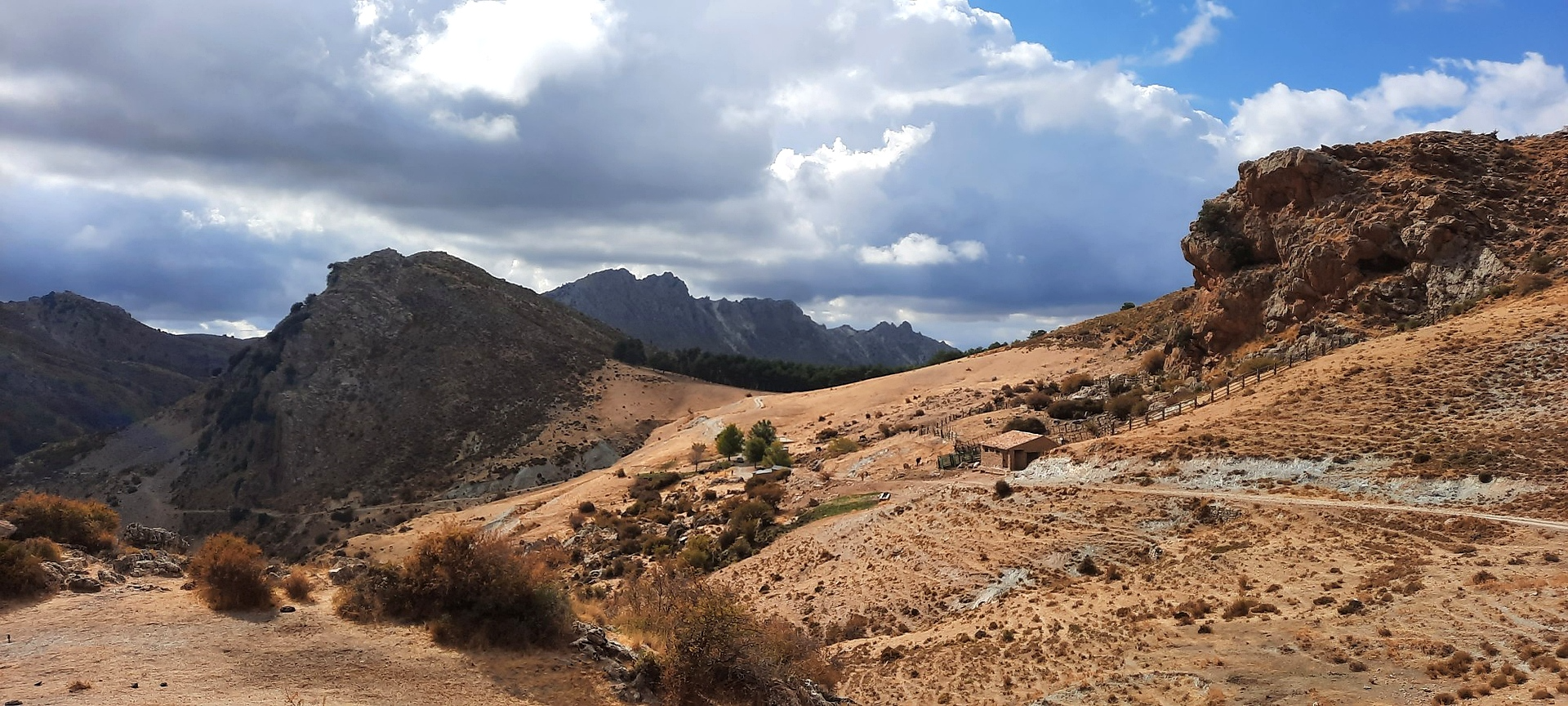
Sulayr Trail (GR 240) — 300 kilometers in the mountain of the sun
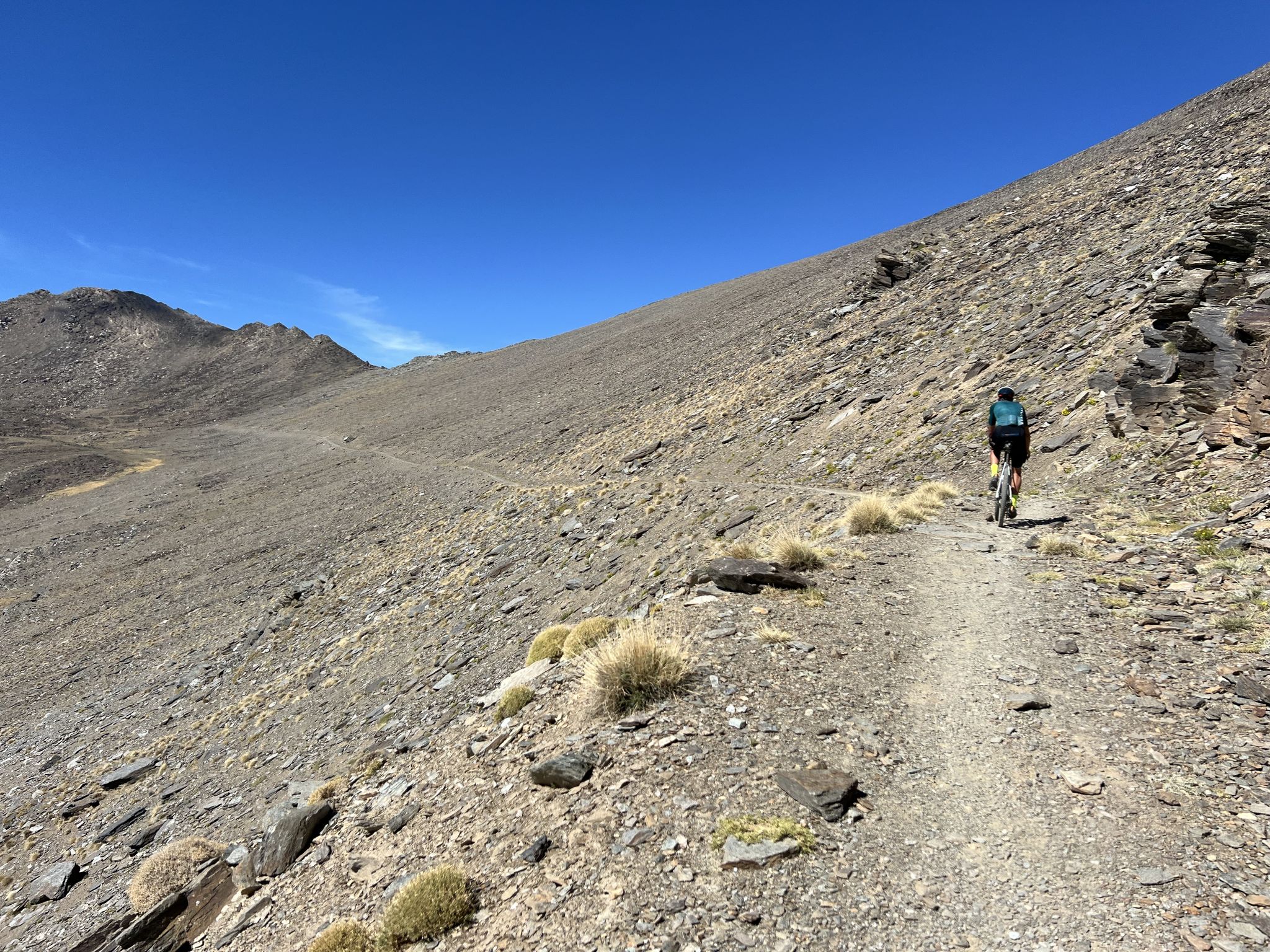
Badlands 2024 – extreme experiences and a sense of joy
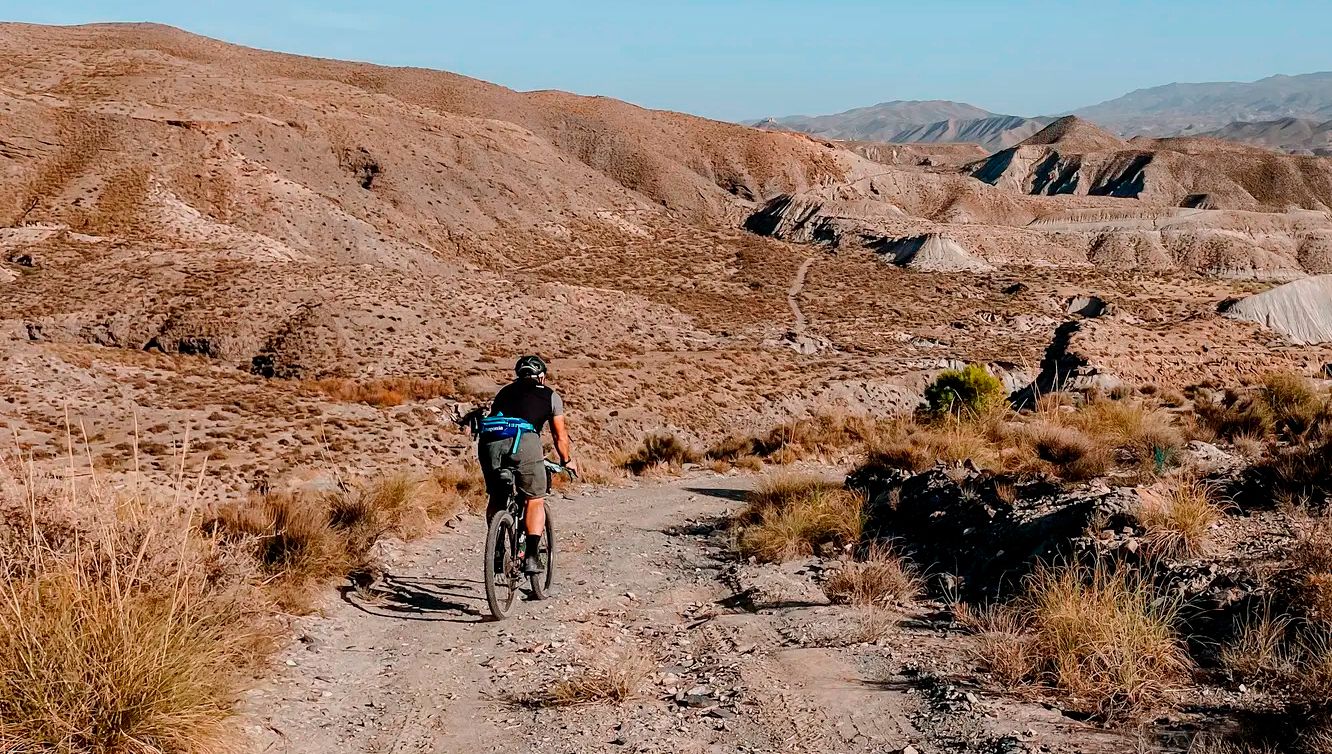
TransAlmería Gravel – Summits, dry riverbeds and deserts
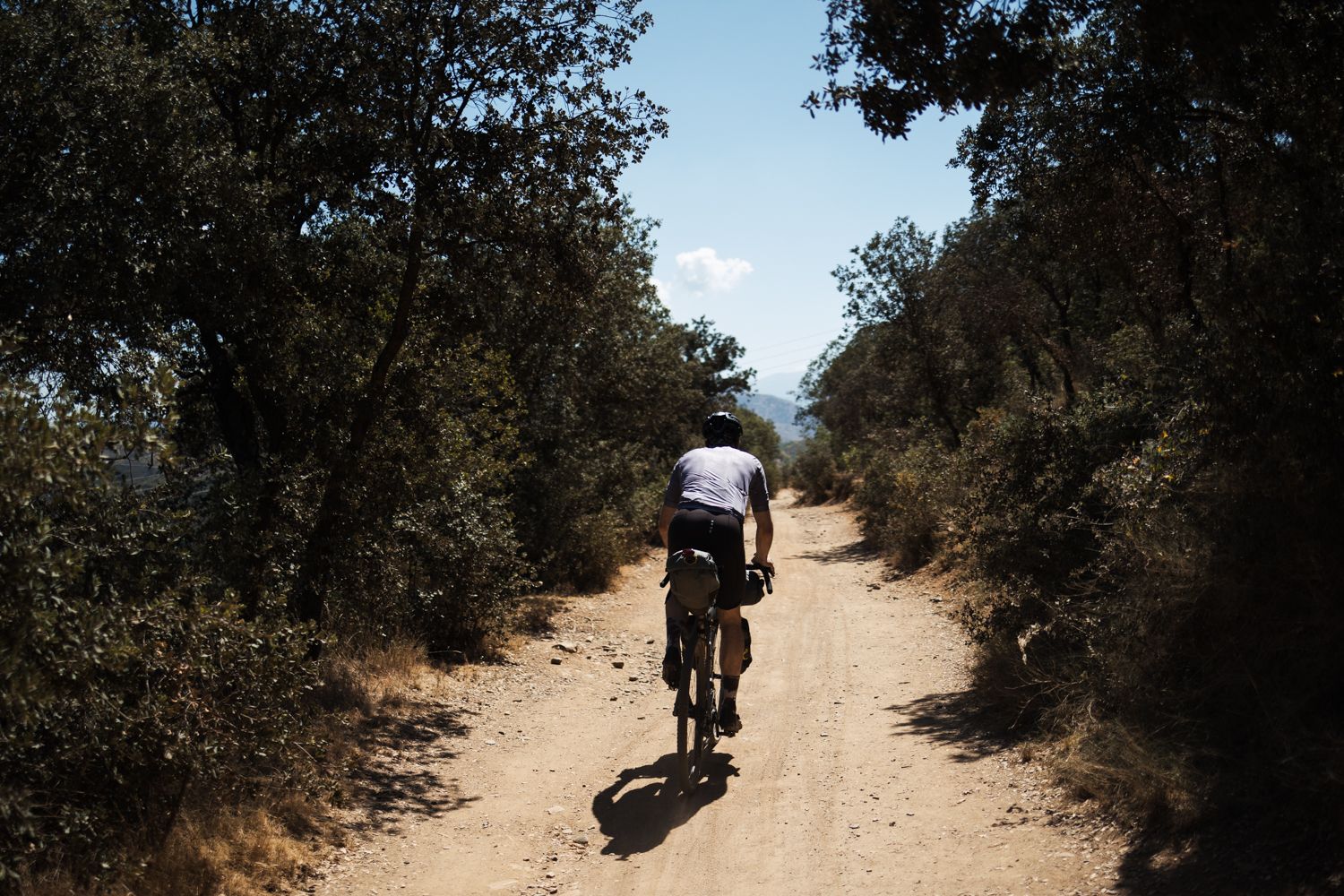
Mozarabic Way to Santiago – Gravel between two worlds
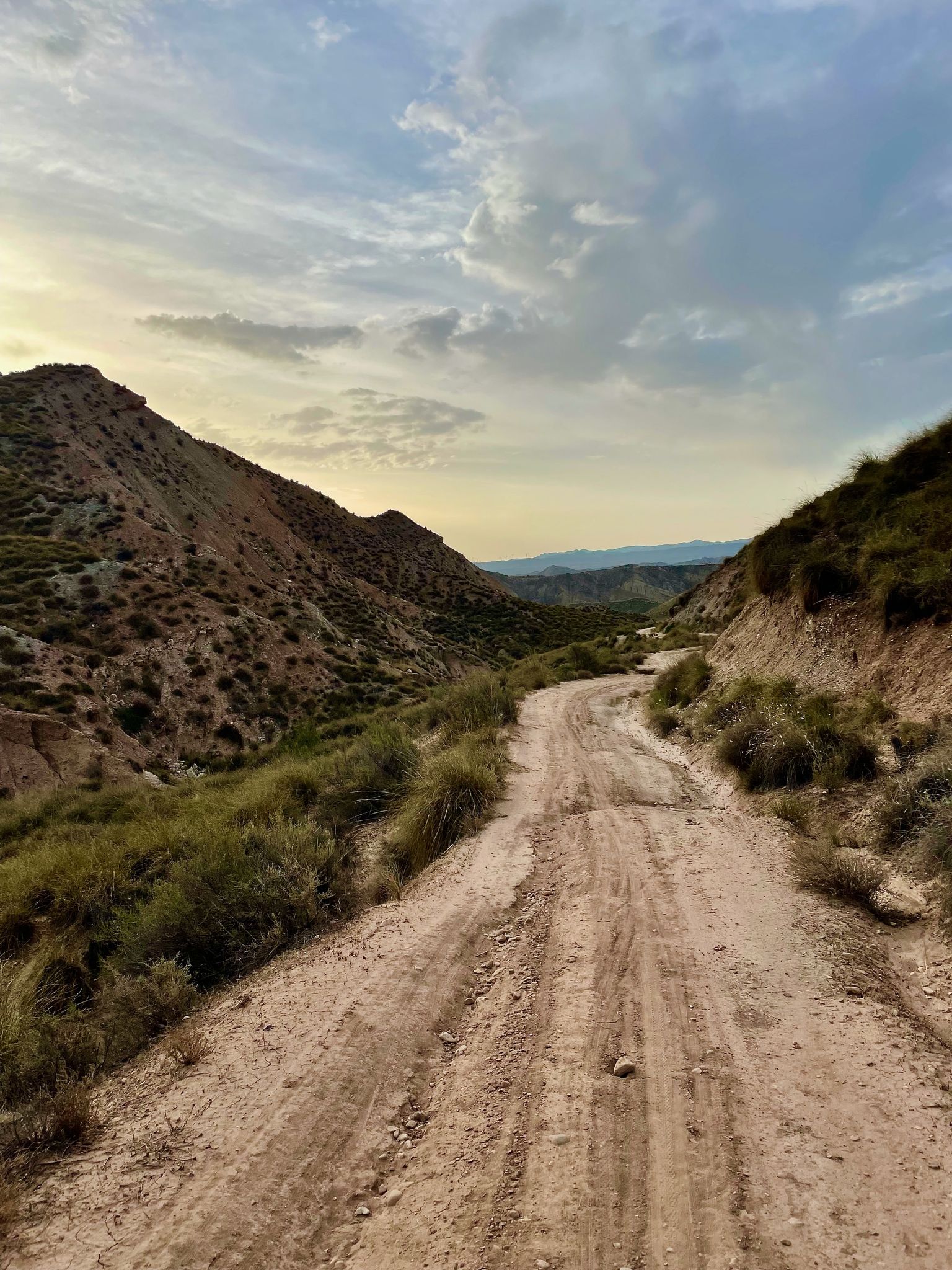
Badlands 2021 — 750km of gravel in the Spanish deserts
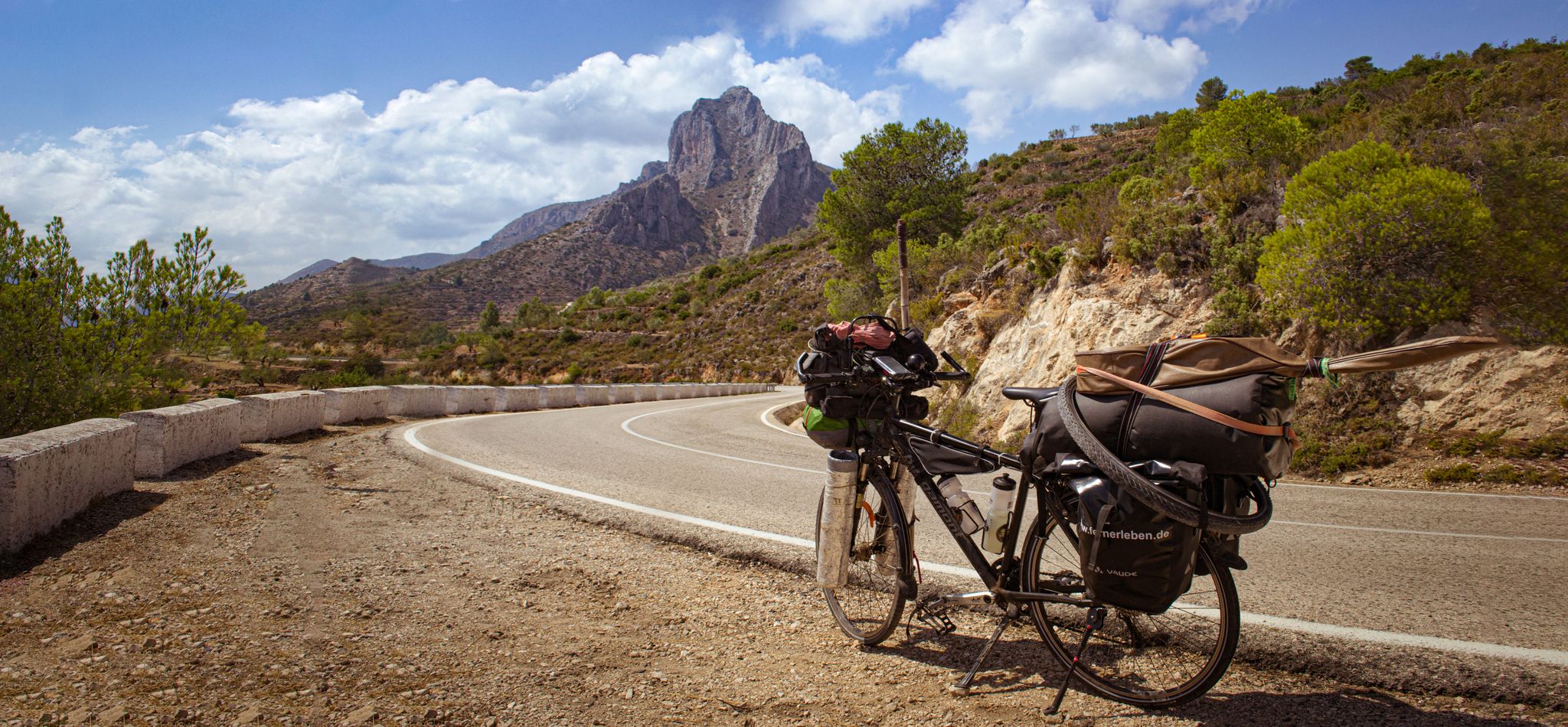
On the road to the sun — bikepacking to southeast Spain
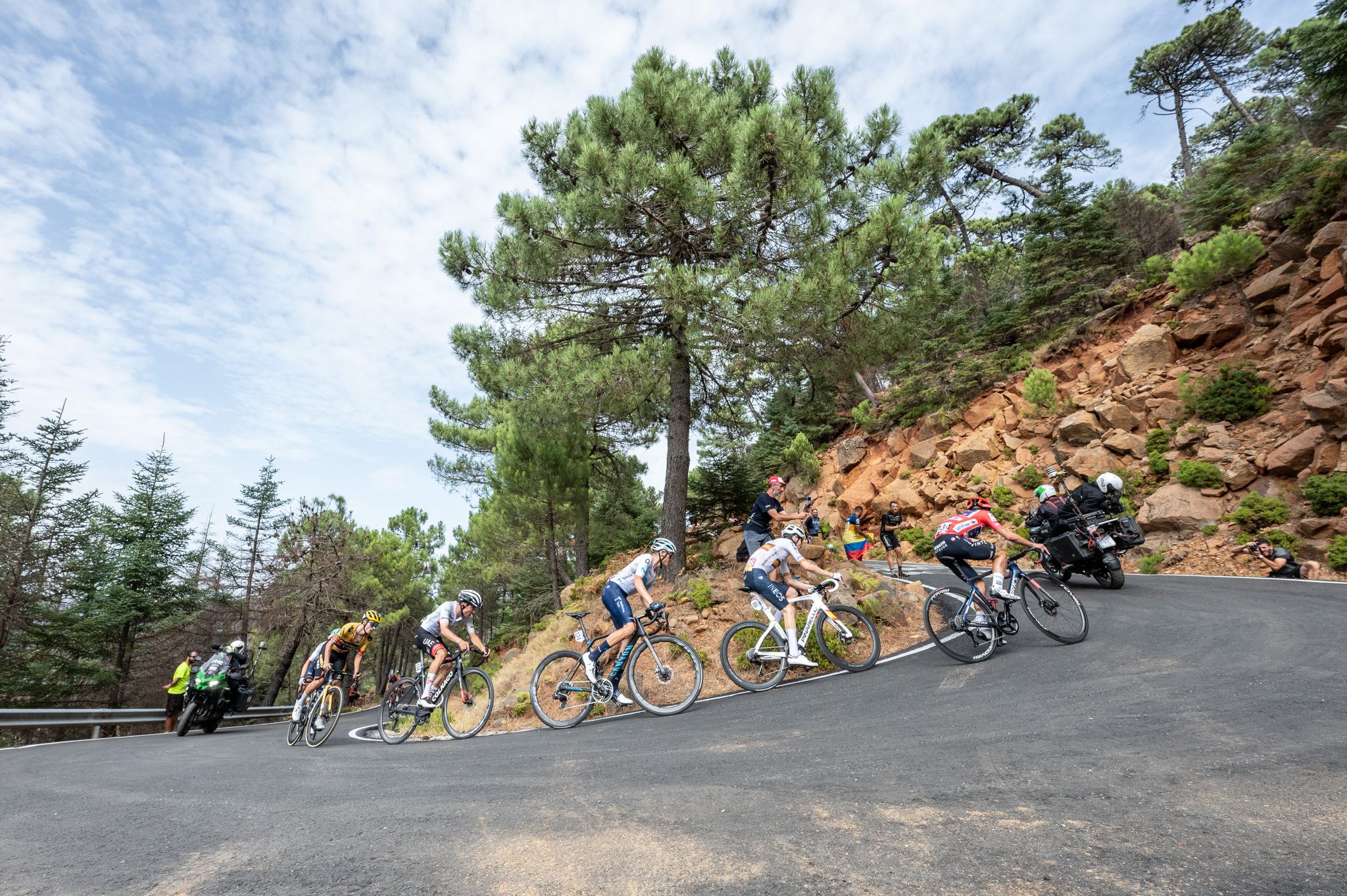
La Vuelta 26 — All Official Stages
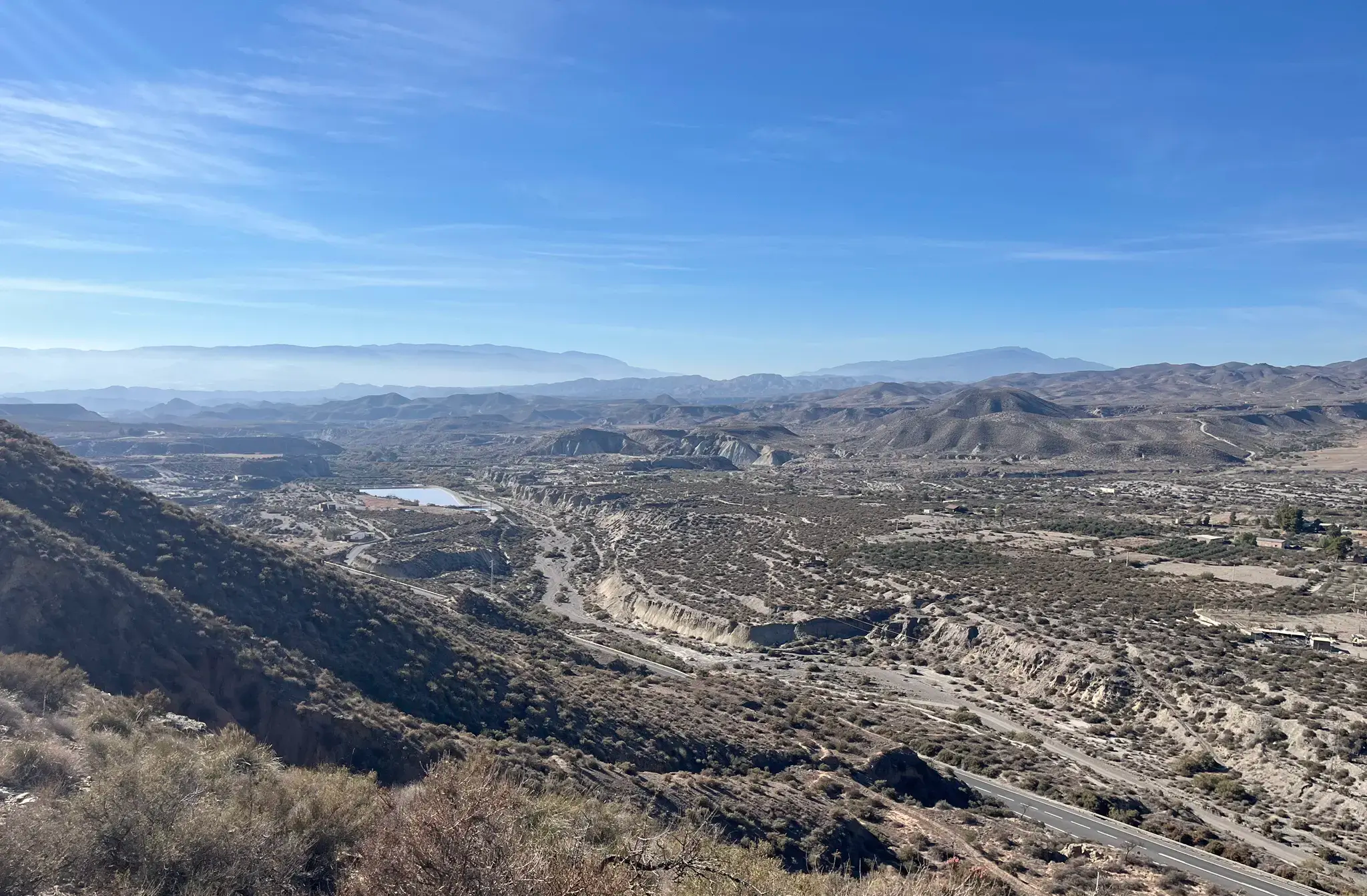
Discover the secrets of Almeria - Inland Villages (GR 244)
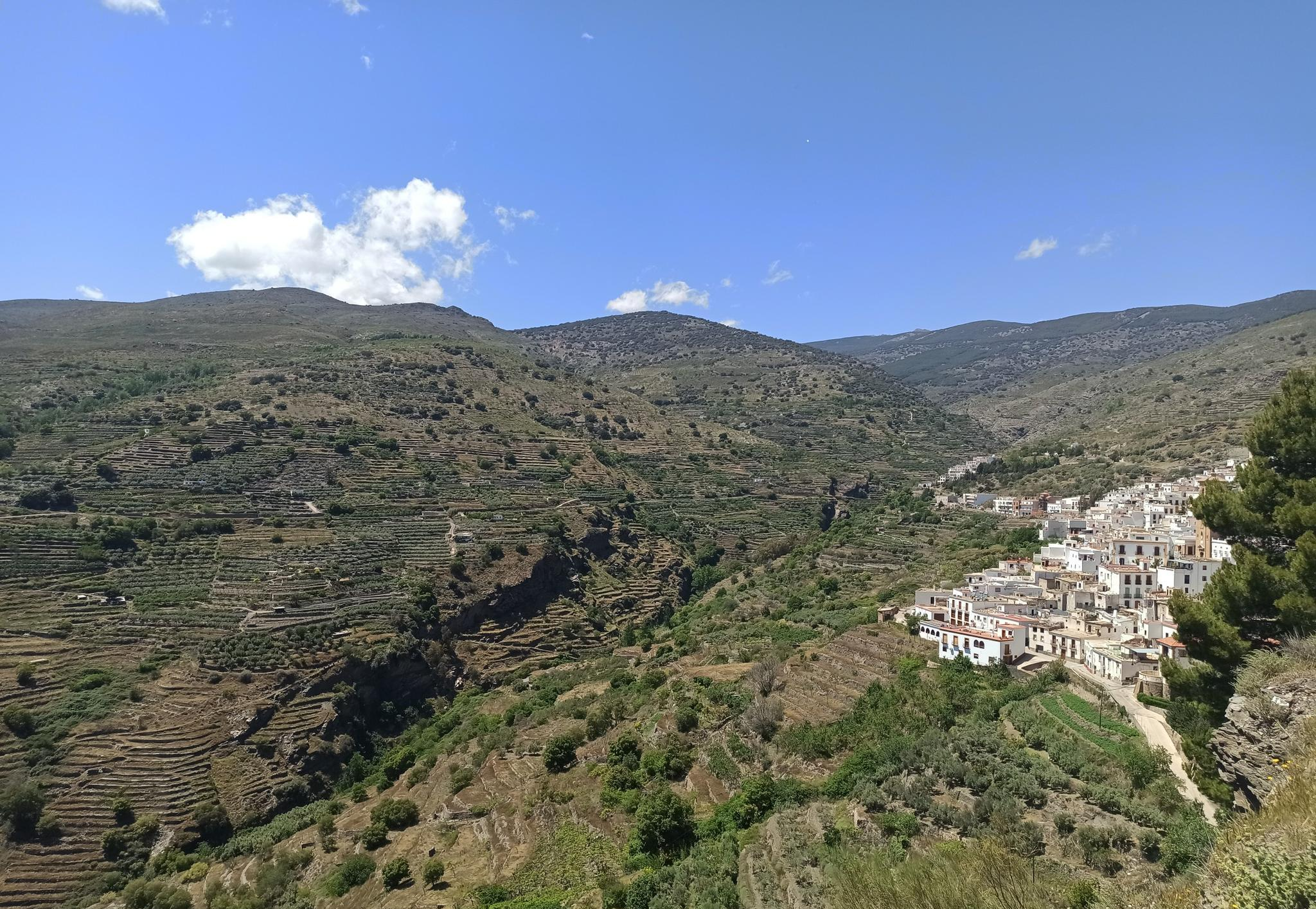
Among white villages - Path of the Alpujarra (GR 142)
Other adventures in Almería


Tips from the Community

What a shame it was closed when we were there.
2
1

Just a half-hour drive from Mojácar, you can visit the Torre del Pirulico. This tower once served as a lookout post, allowing for a clear view of enemy attacks from the sea. Today, you can climb the tower for free. From the top, you'll enjoy the most beautiful views of the Mediterranean Sea.
9
0

Great views from the Granatilla Pass
0
0

Spectacular views. But the best part was the descent on a well-paved road with some really fun curves.
0
0

An ideal place to enjoy views of the Mediterranean Sea lapping against the cliffs, the coast of the Cabo de Gata–Níjar Natural Park, and closer to home, the Rambla bridge.
1
0

Tower of San Miguel (Cabo de Gata) Almeria
2
0

The Torreón de San Miguel, also known as the Torreón de Cabo de Gata, is an 18th-century military watchtower located in Cabo de Gata, Almería, Andalusia. It was built in 1756 by order of Ferdinand VI to protect the settlement of La Almadraba de Monteleva and its salt mines.
2
0
The Torreón de San Miguel, also known as the Torreón de Cabo de Gata, is an 18th-century military watchtower located in San Miguel de Cabo de Gata. It was built in 1756 by order of King Ferdinand VI to protect the settlement of La Almadraba de Monteleva and its salt mines, following the destruction of an earlier tower of Andalusian origin. Although it is currently abandoned, there is a municipal project for its restoration and possible use as a tourist office, as part of the Plan for Large Cities.
3
0
Frequently Asked Questions
What are the most significant historical sites to visit in Almería?
Almería boasts a rich history. You can explore the impressive Alcazaba of Almería, a Moorish fortress offering panoramic city views. The Almería Cathedral, built in the 16th century, also served as a defensive fortress. For a unique historical perspective, visit the Civil War Shelters, an underground network used to protect civilians. The Los Millares Archaeological Site showcases a significant Copper Age settlement, and the province is dotted with traditional white villages like Mojácar and Vélez-Blanco, each with its own historical charm.
Where can I experience Almería's unique natural landscapes?
Almería is home to diverse natural landscapes. The Cabo de Gata-Níjar Natural Park is a protected coastal area with volcanic landscapes, secluded coves, and pristine beaches like Los Genoveses Beach and Mónsul Beach. Europe's only desert, the Tabernas Desert, offers arid ravines and badlands, famously used as a film set. You can also discover the Pulpí Geode, a giant geode with large gypsum crystals, or the impressive underground formations of the Karst en Yesos de Sorbas (Sorbas Caves).
Are there any family-friendly attractions or activities in Almería?
Yes, Almería offers several family-friendly options. In the Tabernas Desert, Oasys MiniHollywood is a cowboy-themed amusement park with mock shootouts, a zoological park, and an aquatic zone. Many of the beaches within the Cabo de Gata-Níjar Natural Park, such as Los Genoveses Beach and Mónsul Beach, are also considered family-friendly for a day out by the sea.
What kind of outdoor activities can I do near Almería's attractions?
Almería is excellent for outdoor enthusiasts. You can find numerous routes for cycling, gravel biking, and hiking. For cycling, explore options like the 'Salinas de Cabo de Gata — circular from San José' or the 'Transandalus Trail: Agua Amarga Loop' in the Cycling in Almería guide. Gravel biking routes include the 'TransAlmeria gravel circular to Velez-Blanco' or loops around Cabo de Gata Lighthouse, detailed in the Gravel biking in Almería guide. For hiking, consider easy trails like the 'Tour of Calarreona beaches' or routes in the Cabo de Gata Natural Park, available in the Easy hikes in Almería guide.
Where can I find the best viewpoints in Almería?
For breathtaking vistas, visit Views from the Granatilla viewpoint, which offers spectacular sights of the Cabo de Gata Natural Park, including the old thermal power plant and the Carboneras desalination plant. Cerro San Cristobal also provides impressive views over the city, with remnants of the Jayrán Wall. Additionally, the Alcazaba of Almería itself offers panoramic views of the city and the Mediterranean Sea.
What are the best beaches in Almería province?
Almería province is renowned for its stunning beaches, particularly within the Cabo de Gata-Níjar Natural Park. Some of the most beautiful include Los Genoveses Beach, known for its pristine natural beauty, and Mónsul Beach, famous for its unique rock formations and as a filming location. Playa de los Muertos is another highly regarded beach for its clear waters. These beaches are ideal for swimming, sunbathing, and enjoying the natural coastal environment.
Can I explore Almería's industrial heritage?
Yes, Almería has notable industrial heritage sites. El Cable Inglés, a large iron railway bridge in the port area, stands as a significant piece of early 20th-century industrial architecture. It was built by a British mining company and is currently undergoing restoration to become a tourist attraction. This site offers a glimpse into the region's mining and trade past.
What cultural experiences can I have in Almería city?
In Almería city, you can immerse yourself in local culture. The Almería Museum houses an extensive archaeological collection from the Paleolithic Age to the present, showcasing the region's rich heritage. The Mercado Central provides a vibrant experience, allowing visitors to taste local produce and observe daily life. The Plaza Vieja (Plaza de la Constitución) is the main historic square, perfect for soaking in the city's atmosphere.
What is the best time of year to visit Almería for outdoor activities?
Almería enjoys a hot desert climate, making spring (April-May) and autumn (September-October) ideal for outdoor activities like hiking and cycling. During these seasons, temperatures are milder and more comfortable than the intense summer heat, and there's less chance of rain than in winter. This allows for more enjoyable exploration of natural parks and historical sites.
Are there any unique geological formations to see in Almería?
Absolutely. Beyond the volcanic landscapes of Cabo de Gata, Almería is home to the Pulpí Geode, the largest geode in the world accessible to the public, filled with giant gypsum crystals. The Karst en Yesos de Sorbas features an impressive network of gypsum caves with stalactites, stalagmites, and columns. The Tabernas Desert itself, with its arid ravines and badlands, is a unique geological formation as Europe's only desert.
What are some of the traditional white villages worth visiting in Almería province?
Almería province is dotted with charming traditional white villages that reflect its Moorish past and local culture. Notable villages include Mojácar, known for its picturesque hillside setting and vibrant arts scene; Níjar, famous for its traditional pottery and crafts; Vélez-Blanco, with its impressive castle; Vélez-Rubio; and Agua Amarga, a beautiful coastal village. Each offers unique charm, local crafts, and a glimpse into authentic Andalusian life.
Most popular routes in Almería
Most popular attractions in Almería

Get inspired with the komoot mobile app


Didn’t find what you were looking for?
Are you keen on exploring more awesome places nearby? Browse our guides:
Explore more
Still not found the Highlight you’re looking for? See guides of the top attractions in other regions:
