Attractions and Places To See in Lugo - Top 20
Best attractions and places to see in Lugo include ancient landmarks, significant cultural sites, and natural features. Lugo is a city in northwest Spain, situated on a hill by the Miño River, recognized as a UNESCO World Heritage site for its preserved Roman past. The city offers a rich array of points of interest, from its historic Roman Walls to various cultural institutions. Visitors can explore a blend of Roman history and Galician culture throughout the region.
Best attractions and places to see in Lugo
- The most popular attractions is Portomarín Bridge, a bridge that was historically one of the few ways to cross the Miño River. This bridge is significant for pilgrims on the Camino de Santiago, as it was a crucial crossing point.
- Another must-see spot is Cathedral of Saint Mary of Lugo, a religious building. This 12th-century cathedral showcases a mix of Romanesque, Gothic, Baroque, and Neoclassical architectural styles.
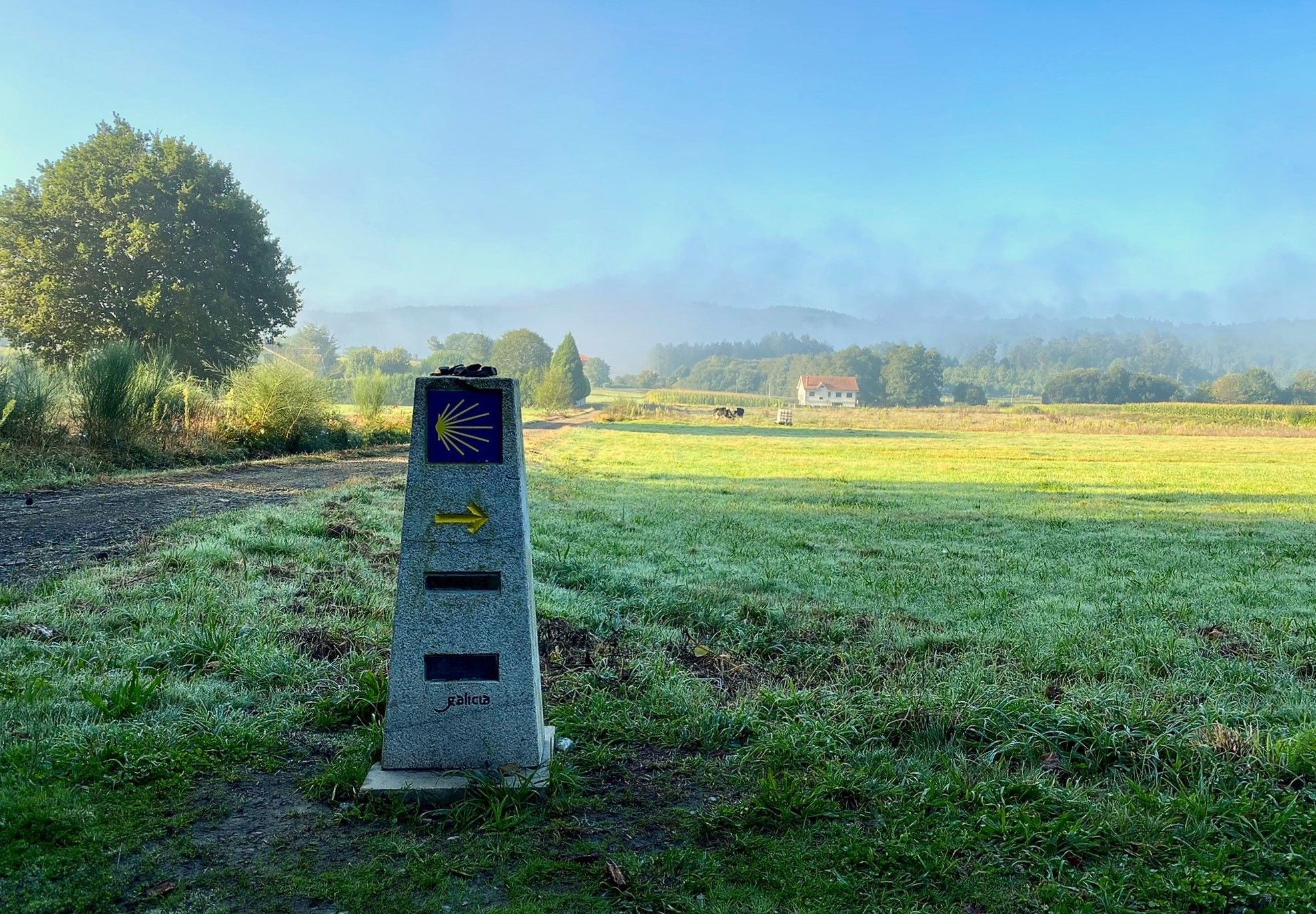
- Visitors also love 100 km Marker on the Camino de Santiago, a man-made monument. This milestone indicates that pilgrims are 100 km from Santiago de Compostela, marking a significant point on the journey.
- Lugo is known for its historical sites, religious buildings, and natural monuments. The region offers a variety of attractions to see and explore, from ancient Roman structures to significant pilgrimage markers.
- The attractions in Lugo are appreciated by the komoot community, with more than 450 upvotes and over 150 photos shared by visitors.
Last updated: October 11, 2026
Portomarín Bridge
Highlight • Bridge
Translated by Google •
Tip by

100 km Marker on the Camino de Santiago
Highlight • Monument
Translated by Google •
Tip by
Sign up now to discover places like this
Get recommendations on the best single tracks, peaks, & plenty of other exciting outdoor places.
Church of Santa María la Real in O Cebreiro
Highlight • Religious Site
Translated by Google •
Tip by
Ancient Chestnut Tree in Ramil
Highlight • Natural Monument
Translated by Google •
Tip by
Pilgrim Statue at Alto de San Roque
Highlight • Monument
The silhouette of the pilgrim whipped by the wind represents the effort of all the people who make the Camino de Santiago, it does not matter if it is on foot or by bicycle.
From here you can enjoy a unique panoramic view of the surrounding mountains and one of the most photographed images of the Camino: the monument to the pilgrim against the background of the landscape.
Translated by Google •
Tip by

Church of St John of Portomarín
Highlight • Religious Site
Translated by Google •
Tip by

Cathedral of Saint Mary of Lugo
Highlight • Religious Site
Translated by Google •
Tip by

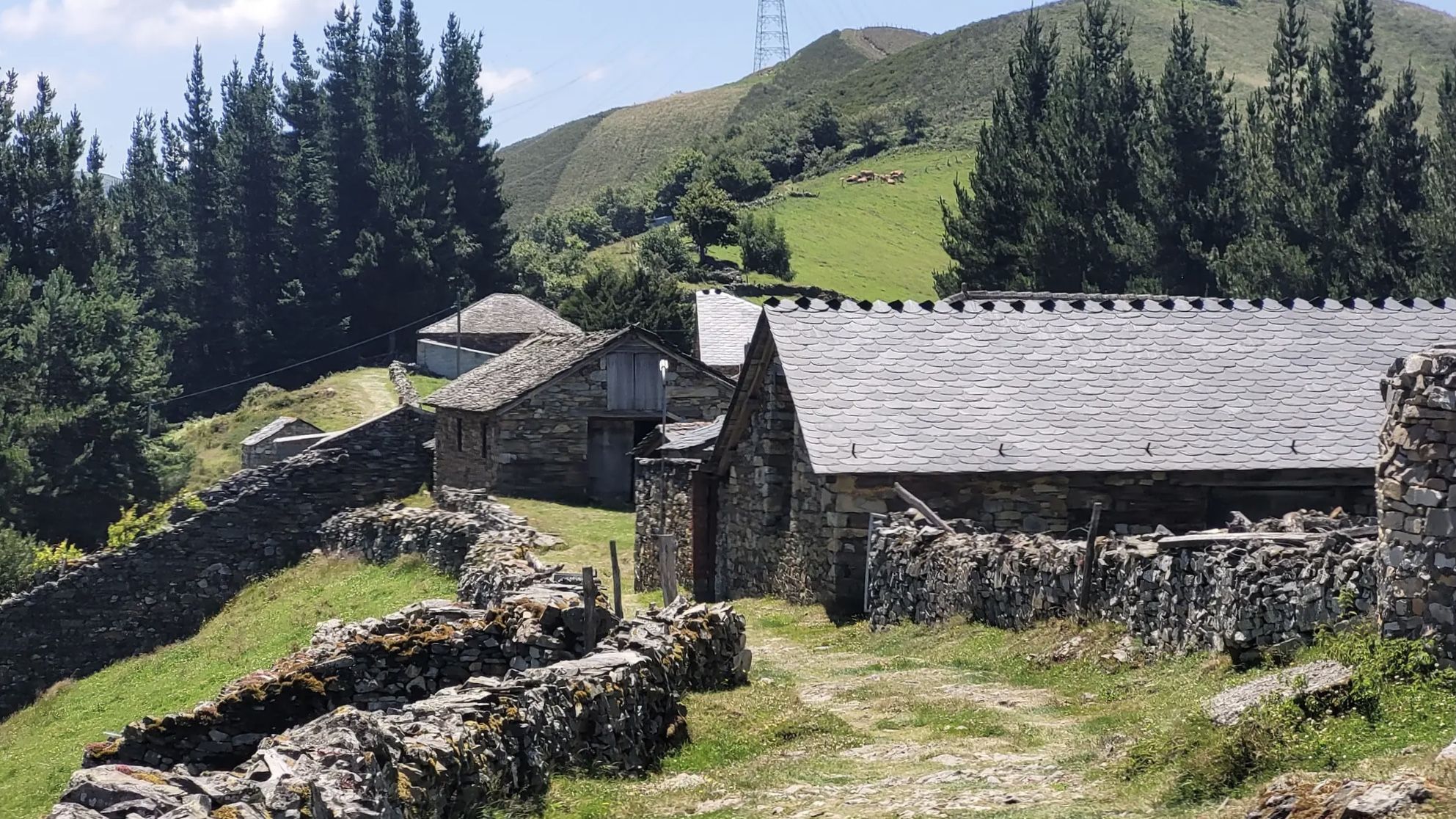
old granaries
Highlight • Monument
Translated by Google •
Tip by
Alto do Poio
Highlight • Mountain Pass
Here you will find a hostel and a hostel with bar service, so you can enjoy a reward by having a drink on one of its terraces and regaining strength before facing the descent.
The landscape, both going up and down, is unforgettable.
Translated by Google •
Tip by
Ribadeo
Highlight • Settlement
Translated by Google •
Tip by
Sign up for free to discover even more attractions in Lugo.
Already have an account?
Start today with a free account
Your next adventure awaits.
Popular around Lugo
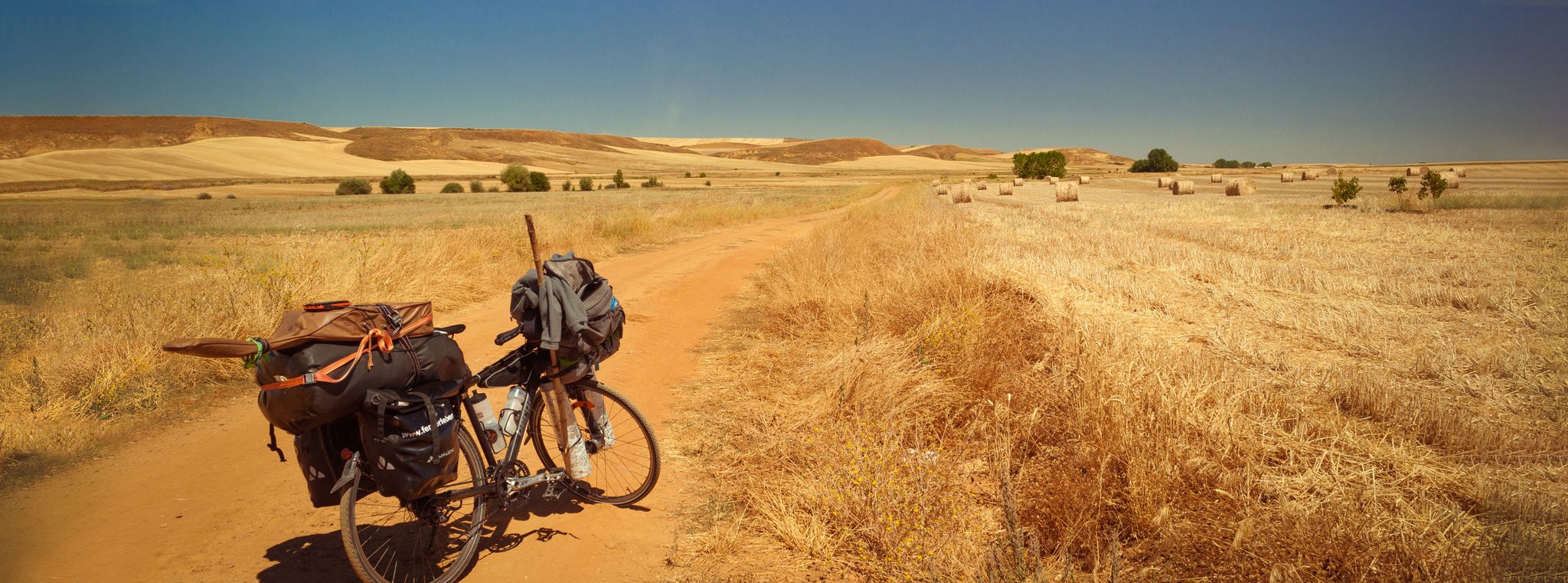
Camino Francés and Camino Finisterre – Cycling pilgrimages in Spain
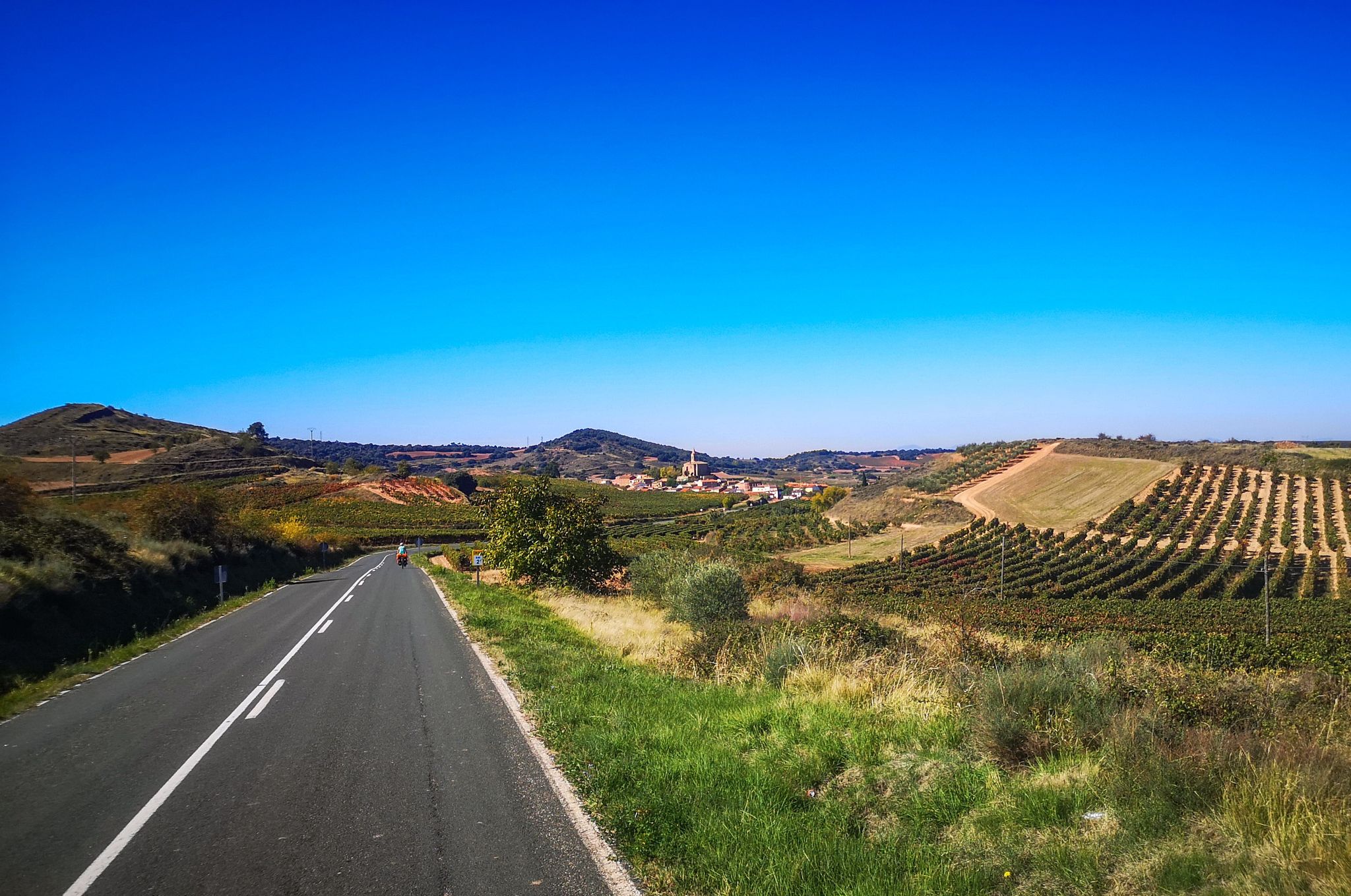
Santiago de Compostela – A journey through northern Spain (10 days)
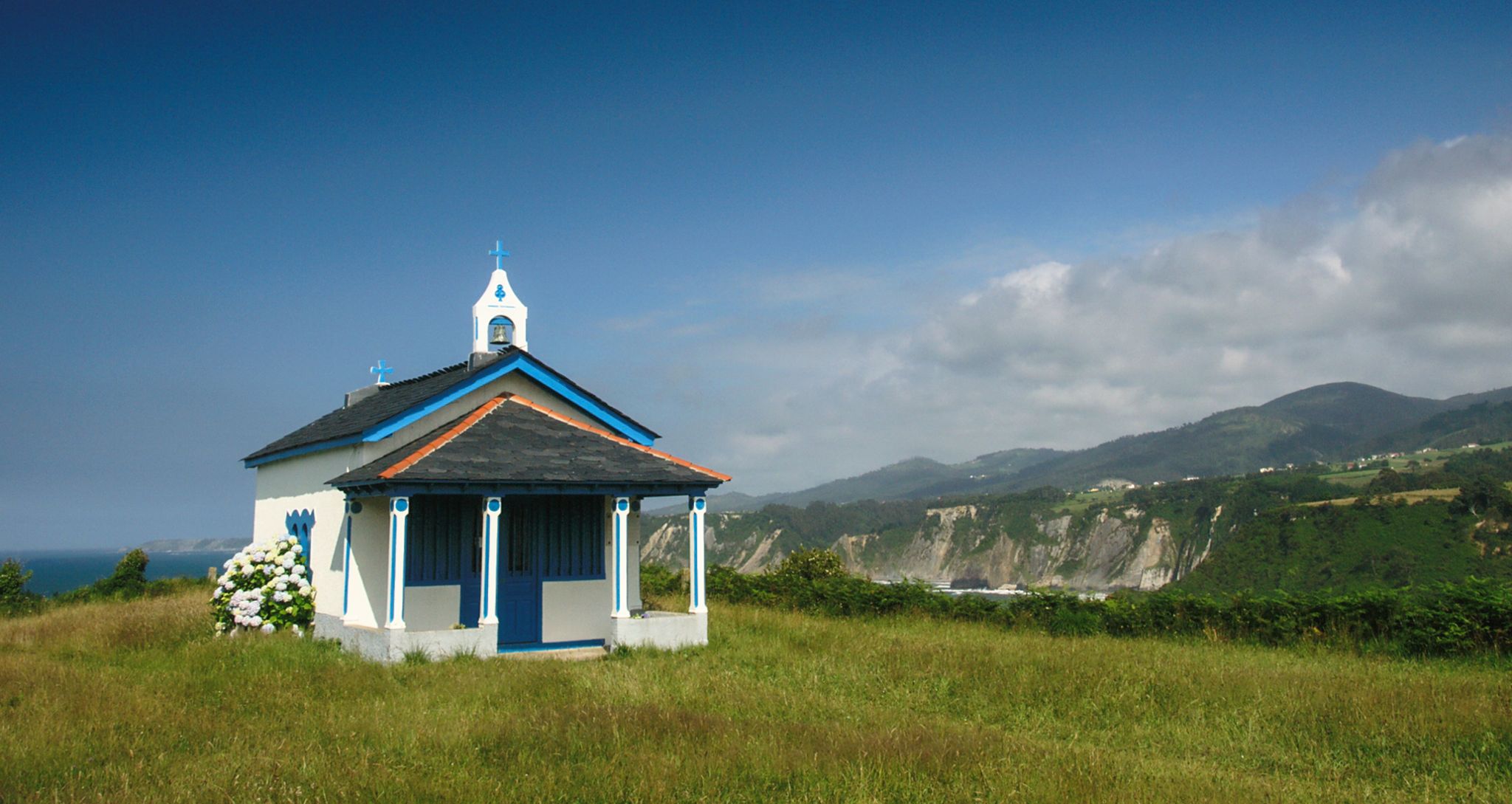
Camino del Norte – 15 stages
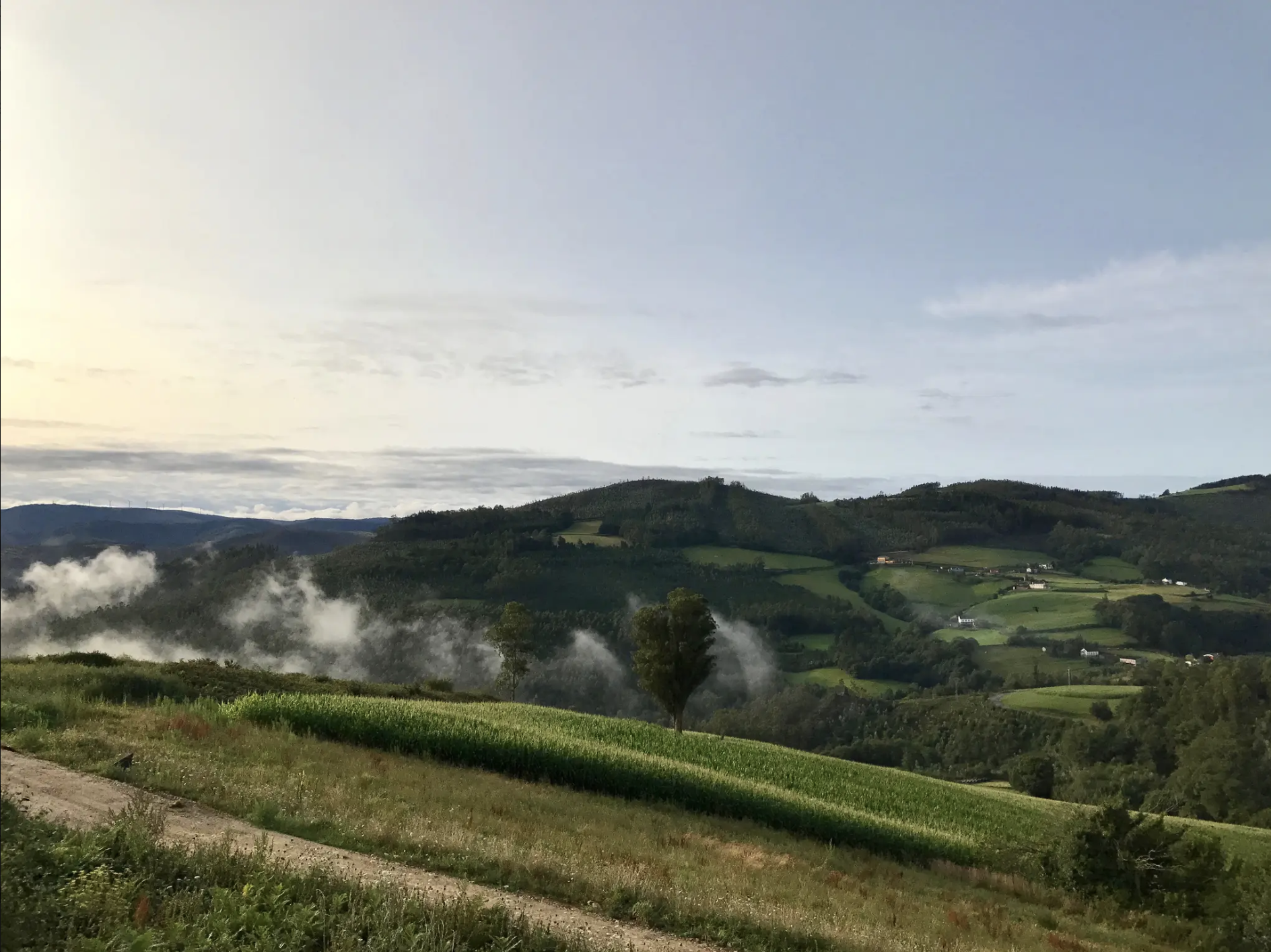
Camino del Norte (in reverse) – Discovering northern Spain's stunning coastline
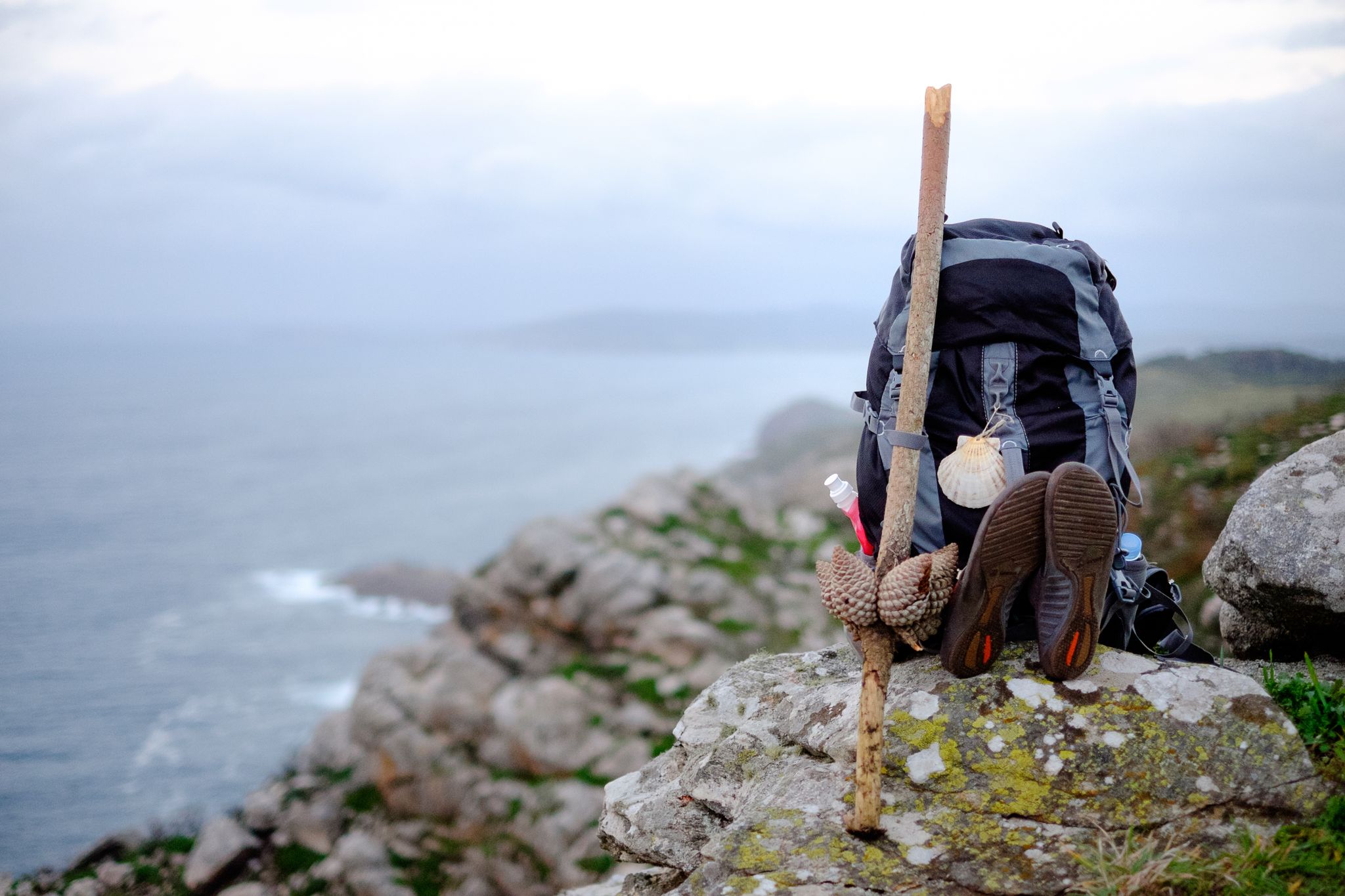
Way of St. James – 60 miles
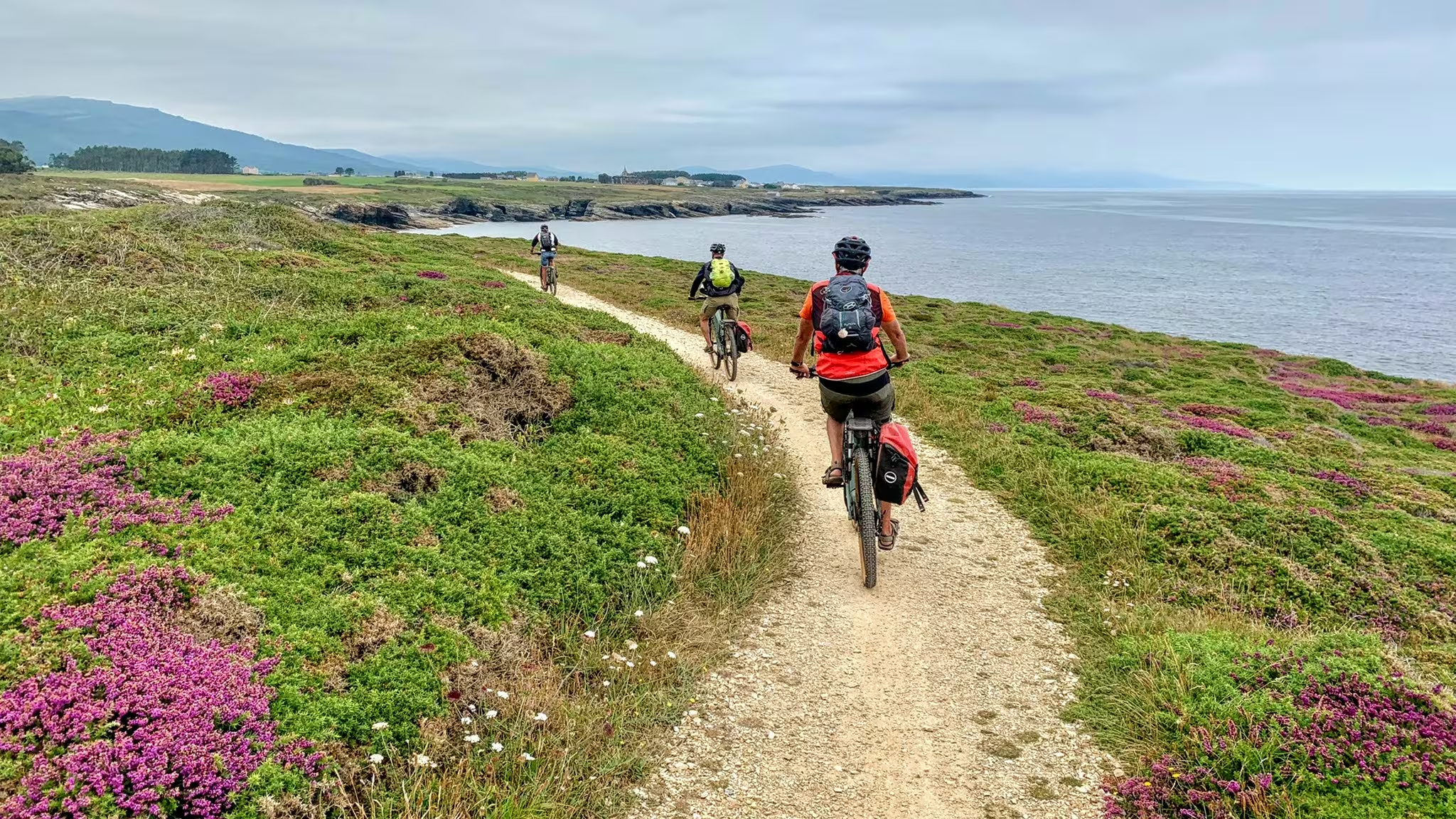
Galician coast by bike – Cantabrian Route nature trail
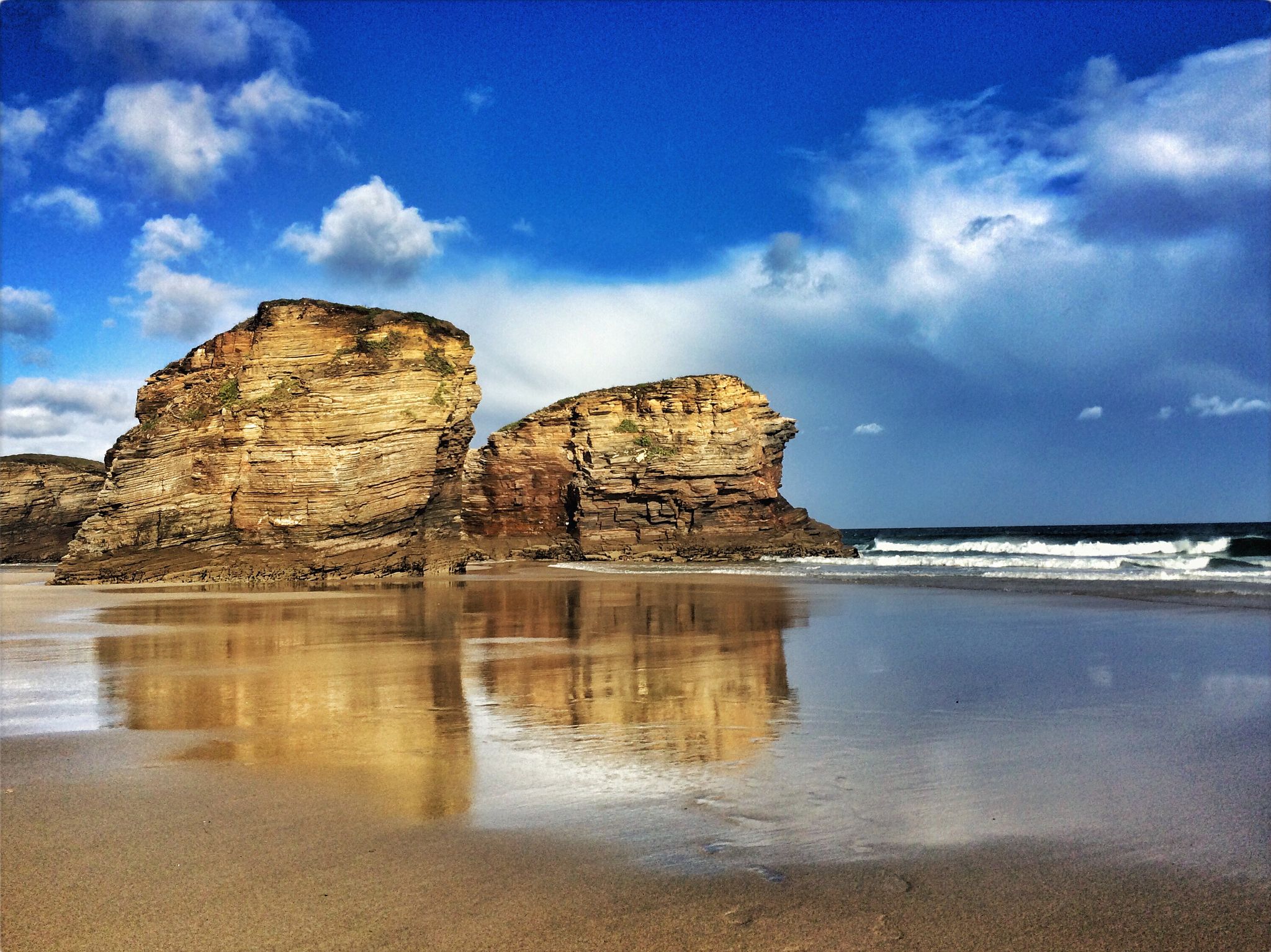
Along the Galician Coast - Camino Natural de la Ruta del Cantábrico
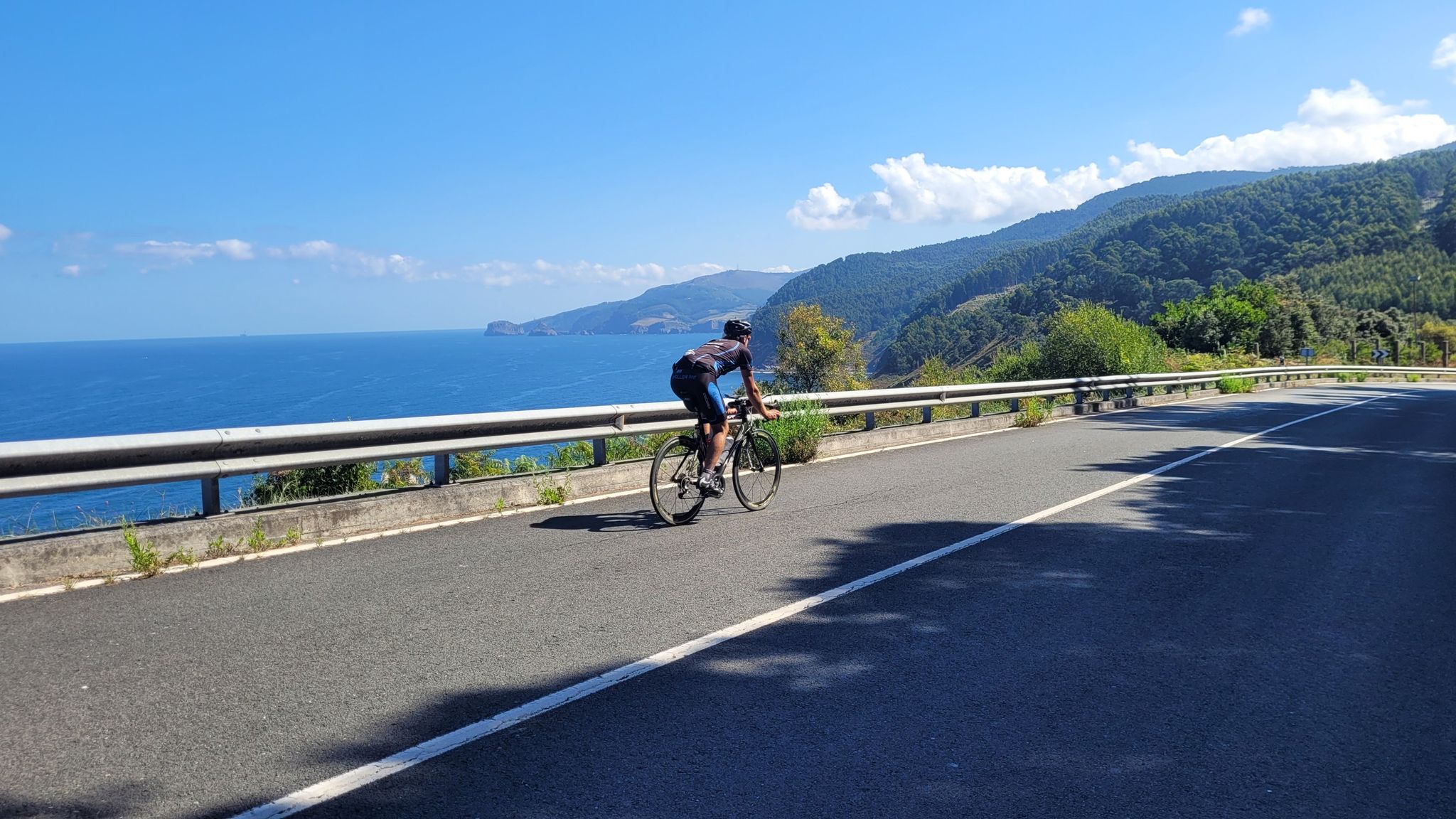
Cycling along the Cantabrian coast – the Northern Way
A pilgrimage on foot – Spain’s Primitive Way
The Camino Primitivo — From Oviedo to Santiago through history
Other adventures in Lugo


Tips from the Community

One of the highest points on the French Way of the Camino de Santiago, located between Triacastela and Fonfría, already in the province of Lugo. At 1,335 meters above sea level, this peak offers a natural viewpoint overlooking the Galician mountains. The area is often exposed to wind and changeable weather, even in summer, but the views and the feeling of having reached a milestone more than compensate. There's a hostel/bar right at the summit, useful as a stopping point for pilgrims and cyclists. Dress warmly before reaching the top: the temperature here can drop suddenly, even on sunny days. If you're on a mountain bike or e-bike, make sure you have good traction on descents and that your brakes are checked: the descent towards Fonfría is fast and winding. It's a good place to rest and refill your water or coffee before continuing.
1
0

A rare sight! A magical moment! Seeing two bridges from different eras standing side by side. Low water levels make this possible.
2
0

Beautiful old Galician granaries that you can see here in all shapes and sizes.
2
1


In the small village of Ramil at the foot of the Camino, just before Triacastela, stands one of Galicia's most beautiful century-old chestnut trees. Its trunk spans 8.5 meters and, with its hollow spaces and thick branches that seem to embrace the tree, resembles an X-ray of time.
0
1

A magnificent work from the outside. You have to pay to see it from the inside.
2
0

It is a fortress-church dedicated to St. Nicholas
4
0
Frequently Asked Questions
What historical sites can I explore in Lugo?
Lugo is rich in history, particularly its Roman past. You can walk along the remarkably preserved Roman Walls of Lugo, a UNESCO World Heritage site, which encircle the old town. Other significant historical sites include the Cathedral of Saint Mary of Lugo, showcasing various architectural styles, and the ancient Old Roman Bridge over the Miño River. Don't miss the archaeological site of Domus do Mitreo, revealing Roman temple and house remains, or the Provincial Museum, housed in a former convent, which displays Roman mosaics and pre-Roman jewelry.
Are there any natural attractions or outdoor spaces to visit in Lugo?
Yes, Lugo offers several beautiful natural spots. The city is situated by the Miño River, providing scenic beauty. You can visit Parque Rosalía de Castro, a spacious green area with a lake and views of the Miño valley. Further afield, the Ribeira Sacra region to the south is famous for its dramatic Sil River canyons and vineyards. On the coast, As Catedrais Beach features unique natural arches and sea caves visible at low tide. For mountain enthusiasts, the Os Ancares and O Courel Mountains offer impressive peaks and rich flora.
What are some family-friendly attractions in Lugo?
Many of Lugo's attractions are suitable for families. Walking along the top of the Roman Walls of Lugo offers an engaging historical experience with panoramic views. The Parque Rosalía de Castro provides a pleasant green space for relaxation and play. For a unique natural experience, consider a trip to As Catedrais Beach, especially at low tide, to explore its impressive rock formations. The Ancient Chestnut Tree in Ramil is also a popular and memorable stop for families.
What outdoor activities can I do near Lugo's attractions?
Lugo and its surrounding areas are excellent for outdoor activities. You can find numerous routes for hiking, road cycling, and mountain biking. For hiking, explore options like the 'Augacaída Waterfall and Castro de Marce' or 'Pico O Mostallar – circular from Piornedo'. Cyclists can enjoy routes such as the 'Cantabrian Route Natural Trail' for both road cycling and mountain biking. You can find detailed guides and routes for hiking, road cycling, and mountain biking in Lugo.
What is the best time to visit Lugo?
Lugo can be enjoyed year-round, but the best time often depends on your preferred activities. Spring (April-May) and Autumn (September-October) offer pleasant weather for exploring historical sites and outdoor activities, avoiding the peak summer heat. The city also hosts cultural events like the Arde Lucus festival in June, celebrating its Roman heritage, and the Saint Froilan Festivity in October, which are vibrant times to visit.
Where can I experience local culture and gastronomy in Lugo?
To immerse yourself in local culture, wander through the pedestrianized streets within the Roman Walls, which are filled with shops, cafes, and restaurants renowned for their excellent tapas. The Praza Maior is a lively central hub surrounded by traditional Galician architecture. For a taste of local culinary scene, visit the Mercado de Abastos. Additionally, the Provincial Museum offers insights into Galician art and history.
What is the significance of the Camino de Santiago in Lugo?
Lugo plays a significant role in the Camino de Santiago pilgrimage routes. The Porta Miñá, one of the Roman Wall gates, was traditionally used by pilgrims. Several key markers and sites related to the Camino are found in the region, such as the 100 km Marker on the Camino de Santiago, a significant milestone for pilgrims. Other notable stops include the Portomarín Bridge, a crucial crossing point, and the Pilgrim Statue at Alto de San Roque, symbolizing the journey's effort.
Are there any unique viewpoints or scenic spots in Lugo?
For scenic views, walking along the top of the Roman Walls of Lugo provides panoramic vistas of the city and its surroundings. Parque Rosalía de Castro also features a viewing point overlooking the Miño valley. Outside the city, the Ribeira Sacra region offers dramatic canyon views, and the Os Ancares Mountains provide impressive natural landscapes. The Pilgrim Statue at Alto de San Roque is also known for its unique panoramic views.
How long does it take to walk the Roman Wall in Lugo?
The Roman Walls of Lugo are over 2 kilometers long and fully intact. Walking the entire circuit typically takes about 30 to 45 minutes, depending on your pace and how often you stop to admire the views and historical details. It's a relatively easy and highly recommended walk.
What are the opening hours for the Cathedral of Saint Mary of Lugo?
The Cathedral of Saint Mary of Lugo is a significant religious and historical site. For the most current opening hours and any ticket requirements for visiting the interior, it is best to check the official website: catedraldelugo.es.
Are there any hidden gems or lesser-known attractions in Lugo's Old Town?
Beyond the main landmarks, Lugo's Old Town holds several charming spots. Explore the smaller squares like Praza do Campo, or seek out the remnants of Roman Baths found beneath a hotel. The Archaeological Centre of San Roque and the Centro de Interpretación de la Muralla offer deeper dives into the city's past. Don't forget to simply wander the pedestrianized streets to discover quaint cafes and unique local shops.
Most popular routes in Lugo
Most popular attractions in Lugo

Get inspired with the komoot mobile app


Didn’t find what you were looking for?
Are you keen on exploring more awesome places nearby? Browse our guides:
Explore more
Still not found the Highlight you’re looking for? See guides of the top attractions in other regions:
