Top 10 Castles in Monmouthshire
Best castles in Monmouthshire are found in a county rich in history, offering a glimpse into Wales' past. The region features a diverse landscape, including the Wye Valley, and is known for its strategic location along the Welsh Marches. These sites are notable for their architectural significance and historical narratives.
Best castles in Monmouthshire
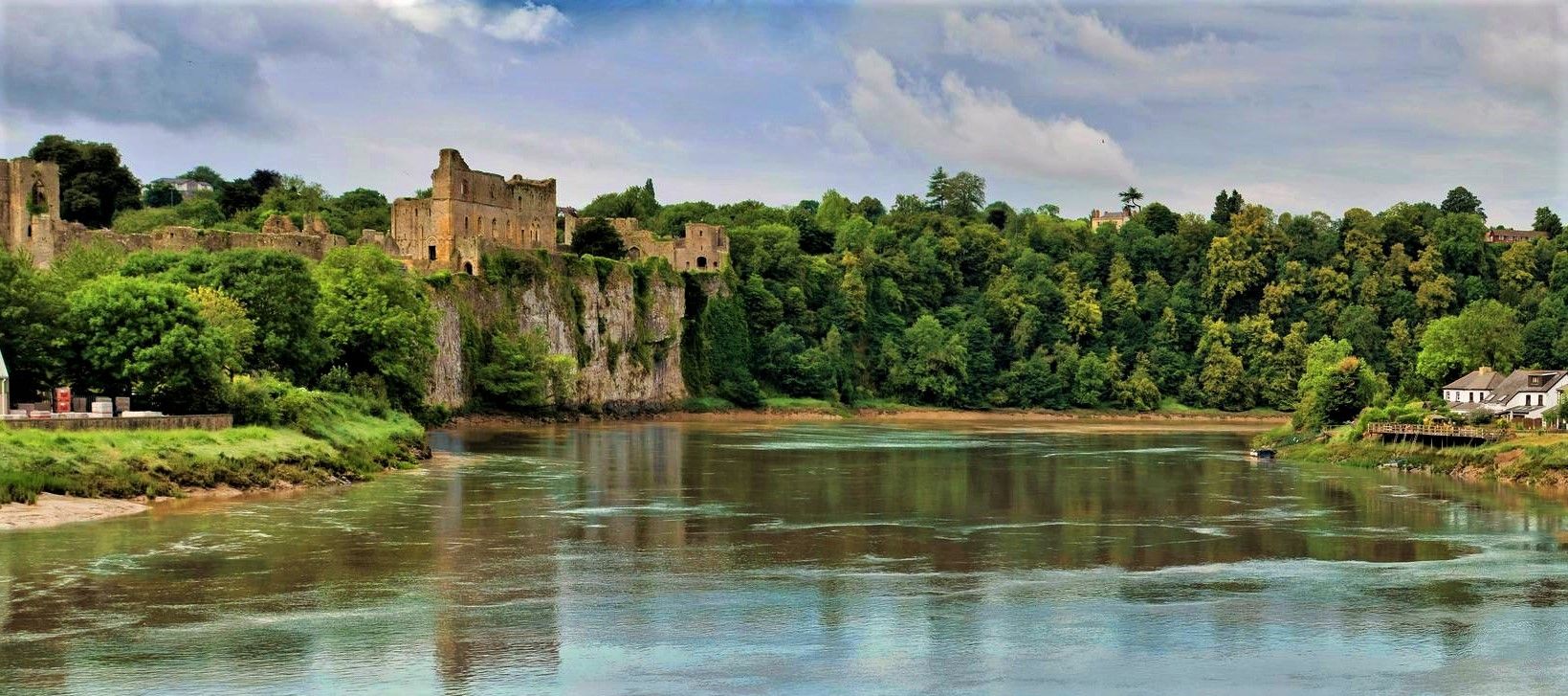
- The most popular castles is Chepstow Castle, a historical site that stands on a limestone cliff above the River Wye. It is the oldest post-Roman stone castle in Britain, with construction beginning in 1067.
- Another must-see spot is Skenfrith Castle, a 13th-century Norman castle. This castle is set in a riverside location and is managed by the National Trust.
- Visitors also love White Castle, a historical site that is considered the best preserved of the 'Three Castles' in Monmouthshire. Much of its current structure was built by King Edward I.
- Monmouthshire is known for its Norman strongholds, medieval fortresses, and fortified manor houses. Visitors can explore a variety of castle types, from early defensive structures to later, more elaborate designs.
- The castles in Monmouthshire are appreciated by the komoot community, with 91 upvotes and 62 photos shared across the highlights.
Last updated: July 6, 2026
Chepstow Castle
Highlight • Viewpoint
Tip by

Skenfrith Castle
Highlight • Castle
Tip by

Sign up now to discover places like this
Get recommendations on the best single tracks, peaks, & plenty of other exciting outdoor places.
Sign up for free
Monmouth Town Centre
Highlight • Settlement
Notable landmarks in the town include its medieval stone gated bridge, the last of its kind left in Britain, and Monmouth Castle, the birthplace of King Henry V in 1386.
Tip by

White Castle
Highlight • Historical Site
The fort was established by the Normans in the wake of the invasion of England in 1066 and would have initially been built from wood and earth. Much of what you see today was built by King Edward I, who took possession of the castles in 1254. His renovations on White Castle are a precursor to the mighty fortresses he would go on to build.
Tip by
Abergavenny Castle and Museum
Highlight • Historical Site
Tip by
Clytha Castle
Highlight • Castle
The folly was built in 1790 by William Jones as a memorial to his late wife Elizabeth. It stands proud on Clytha Hill to the backdrop of a grove of chestnut trees.
Tip by
Grosmont Castle Ruins
Highlight • Historical Site
The original earth-and-timber stronghold was built on a "gros mont" (French for ‘big hill’) and later replaced in stone.
Access is free, year round.
Tip by
The Kymin Roundhouse and view over Monmouth
Highlight • Monument
Tip by
Raglan Castle
Highlight • Castle
Tip by

Usk Castle Ruins
Highlight • Castle
Tip by
Sign up for free to discover even more castles in Monmouthshire.
Sign up for free
Already have an account?
Start today with a free account
Your next adventure awaits.
Login or Signup
Popular around Monmouthshire
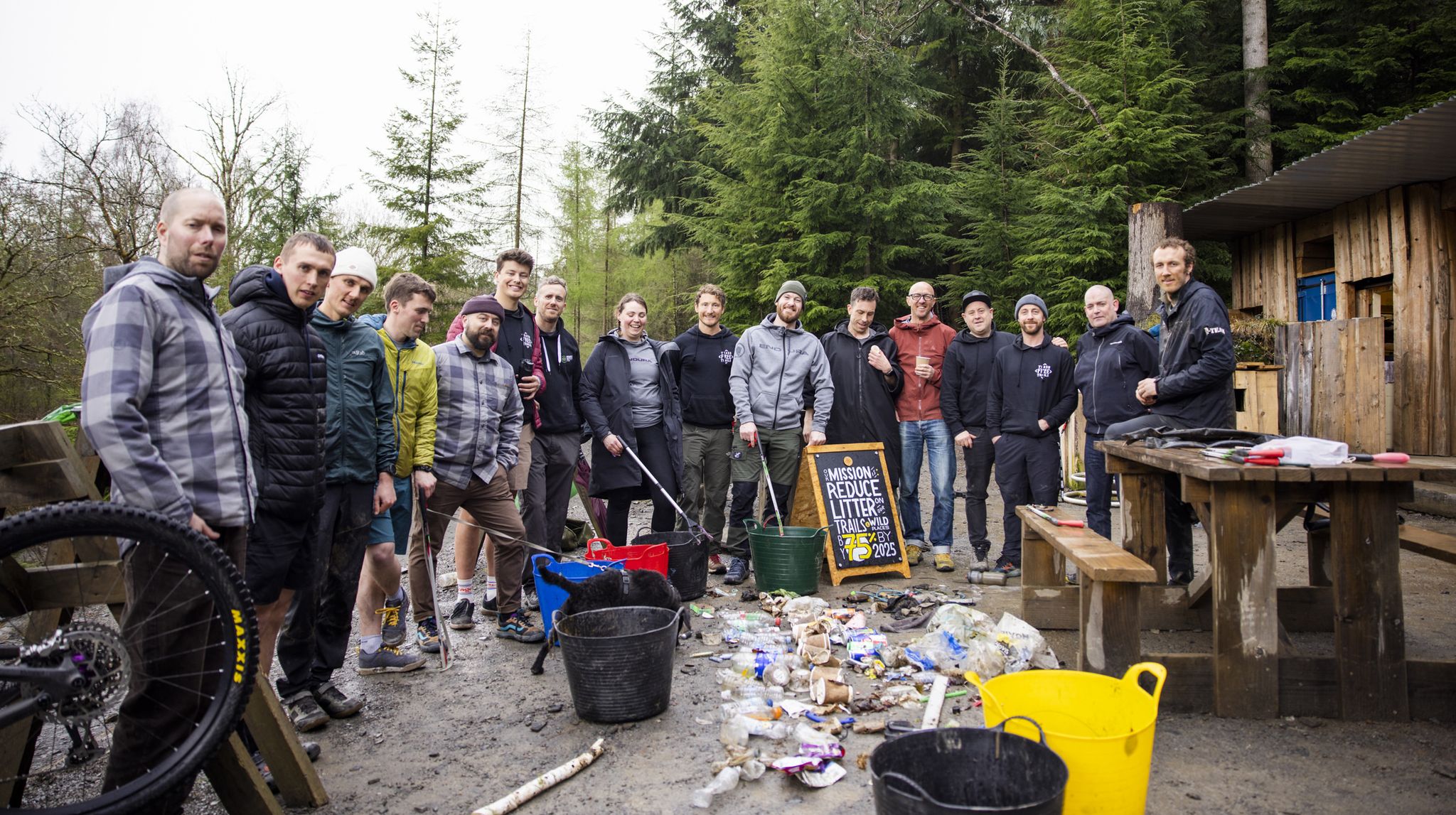
Adventures with a Purpose – our A-TEAMers’ best routes
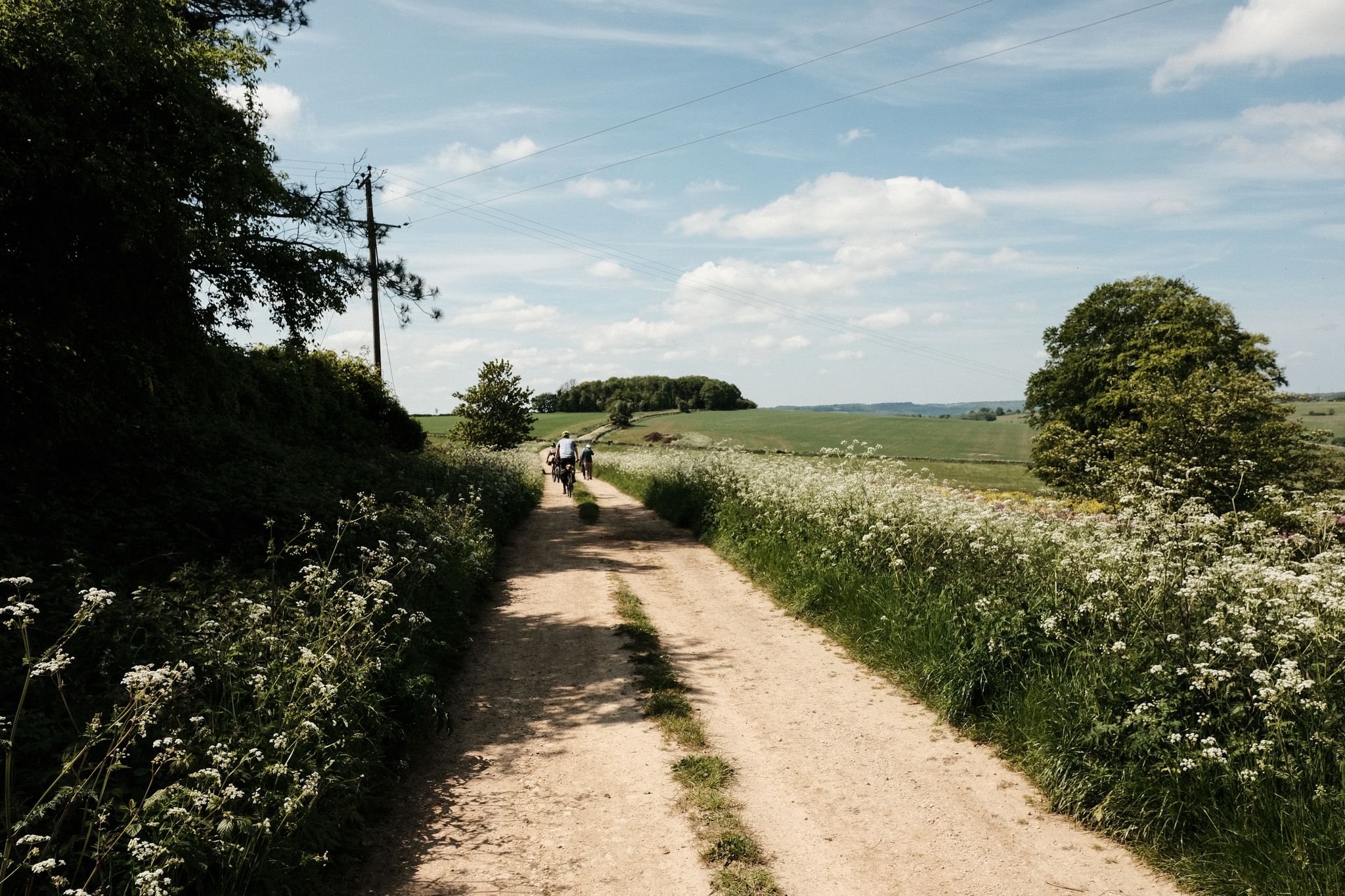
Middle Earth Loop — bikepacking the Wye, Malverns and Cotswolds
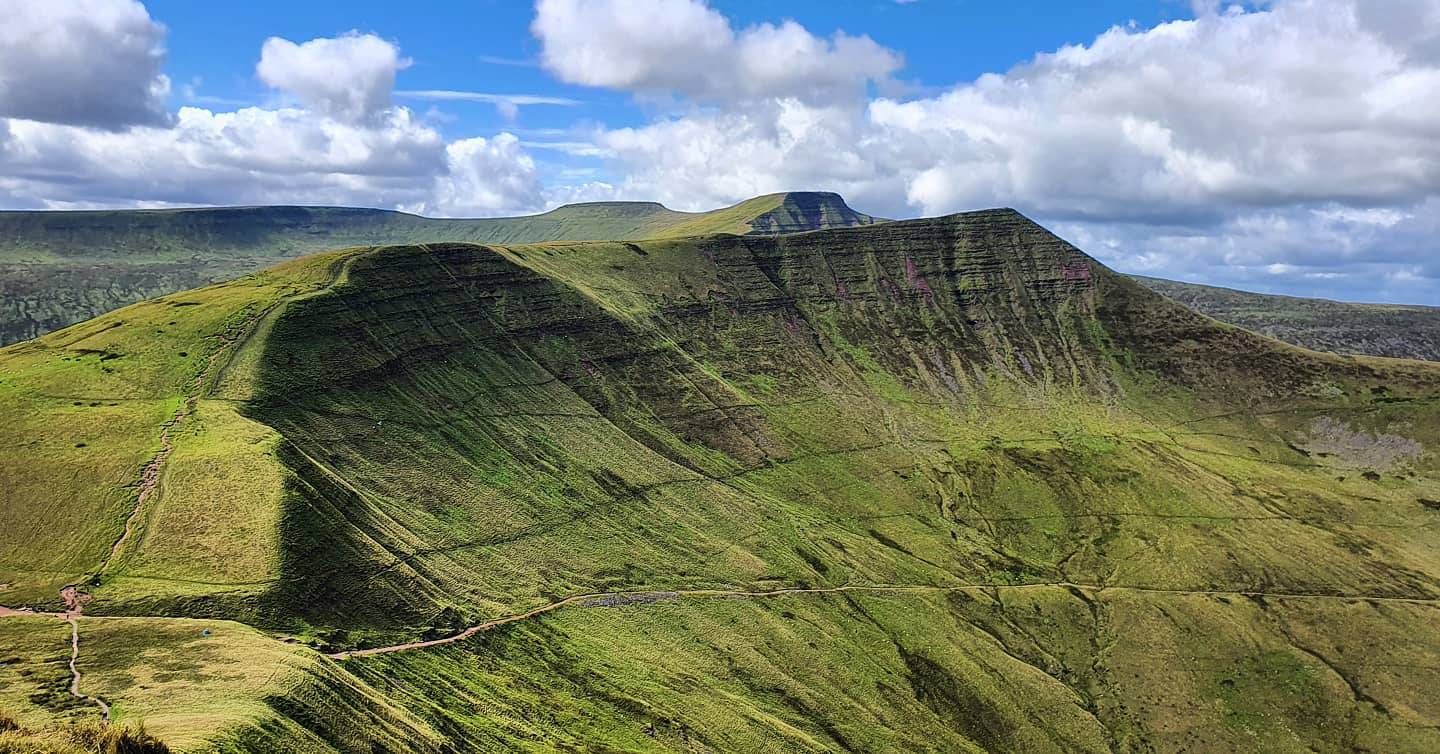
Beacons Way — Hike the high, emerald spine of South Wales
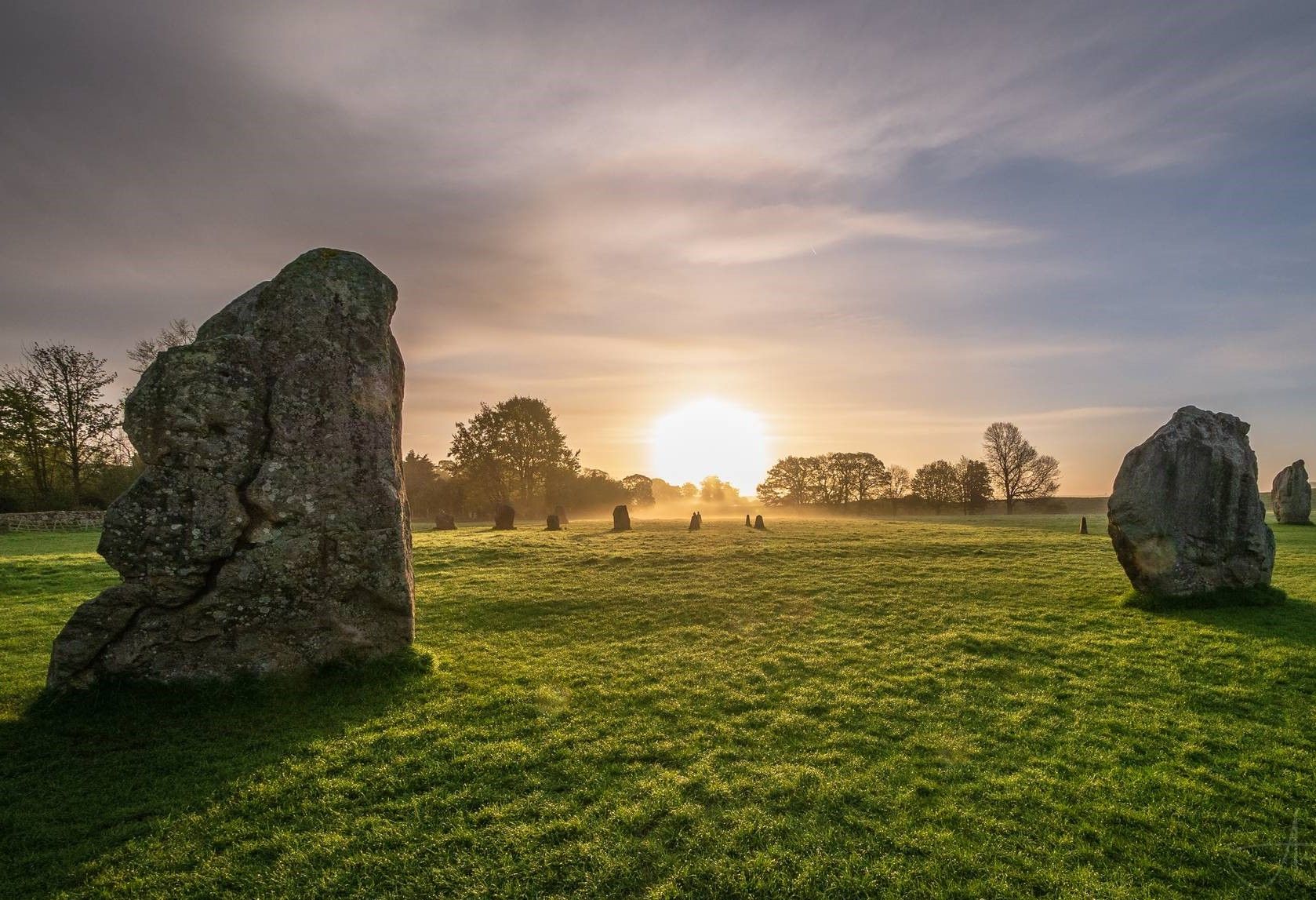
Celtic Way — An epic pilgrimage through prehistory and wild beauty
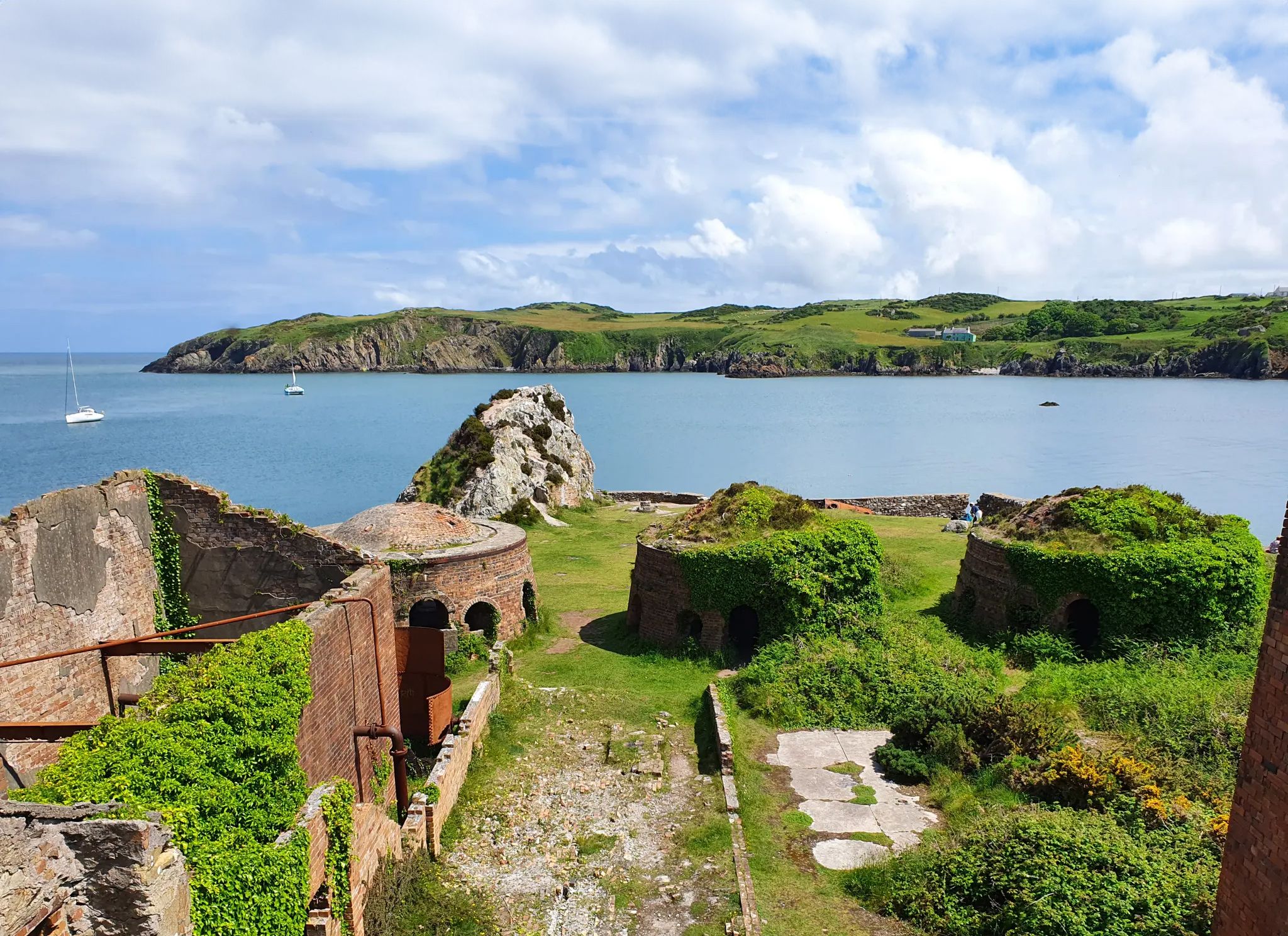
O Fon i Fynwy — Exploring Wales on foot from top to bottom
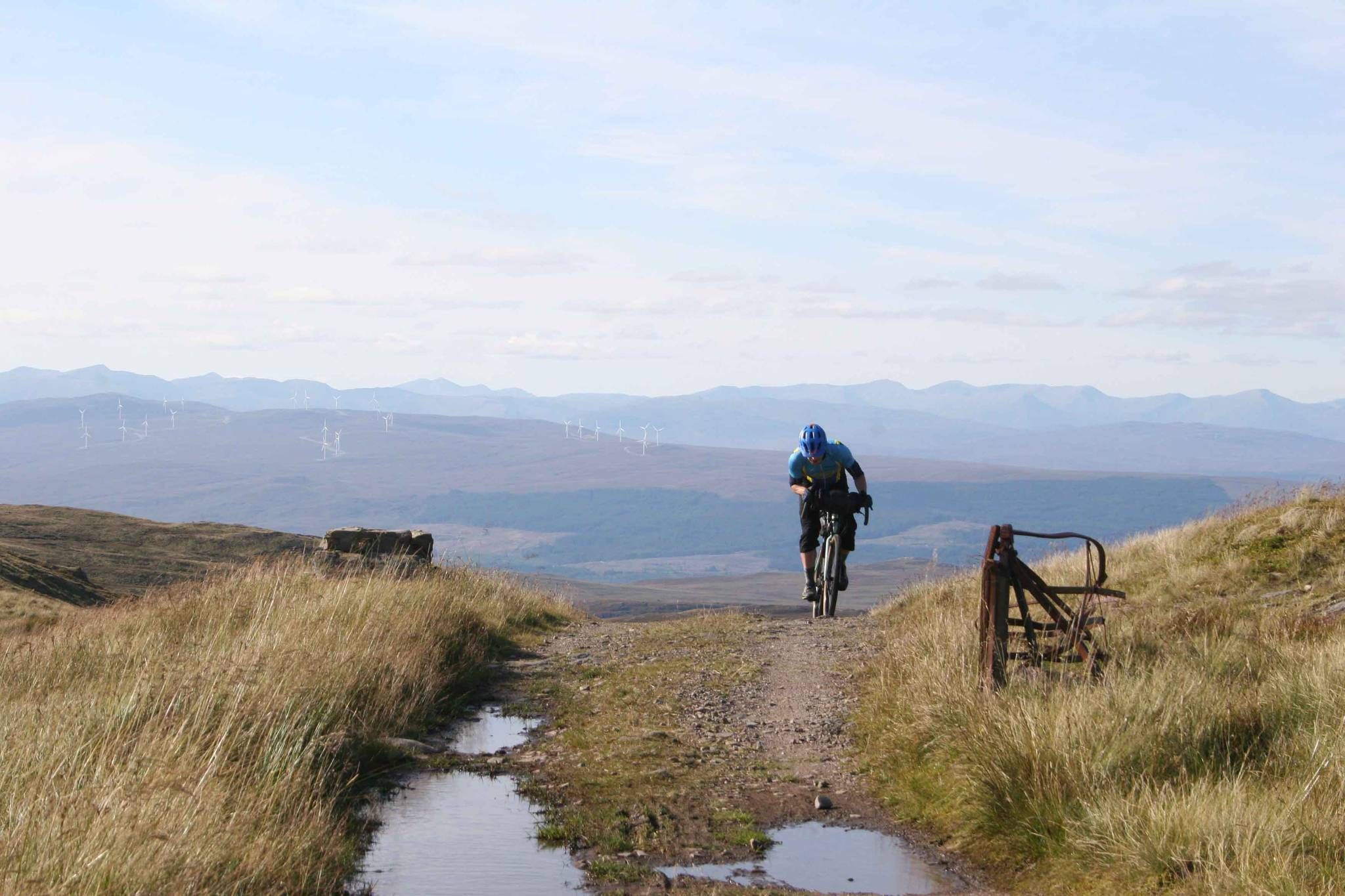
GB Divide — Great Britain end to end off-road on GBDURO
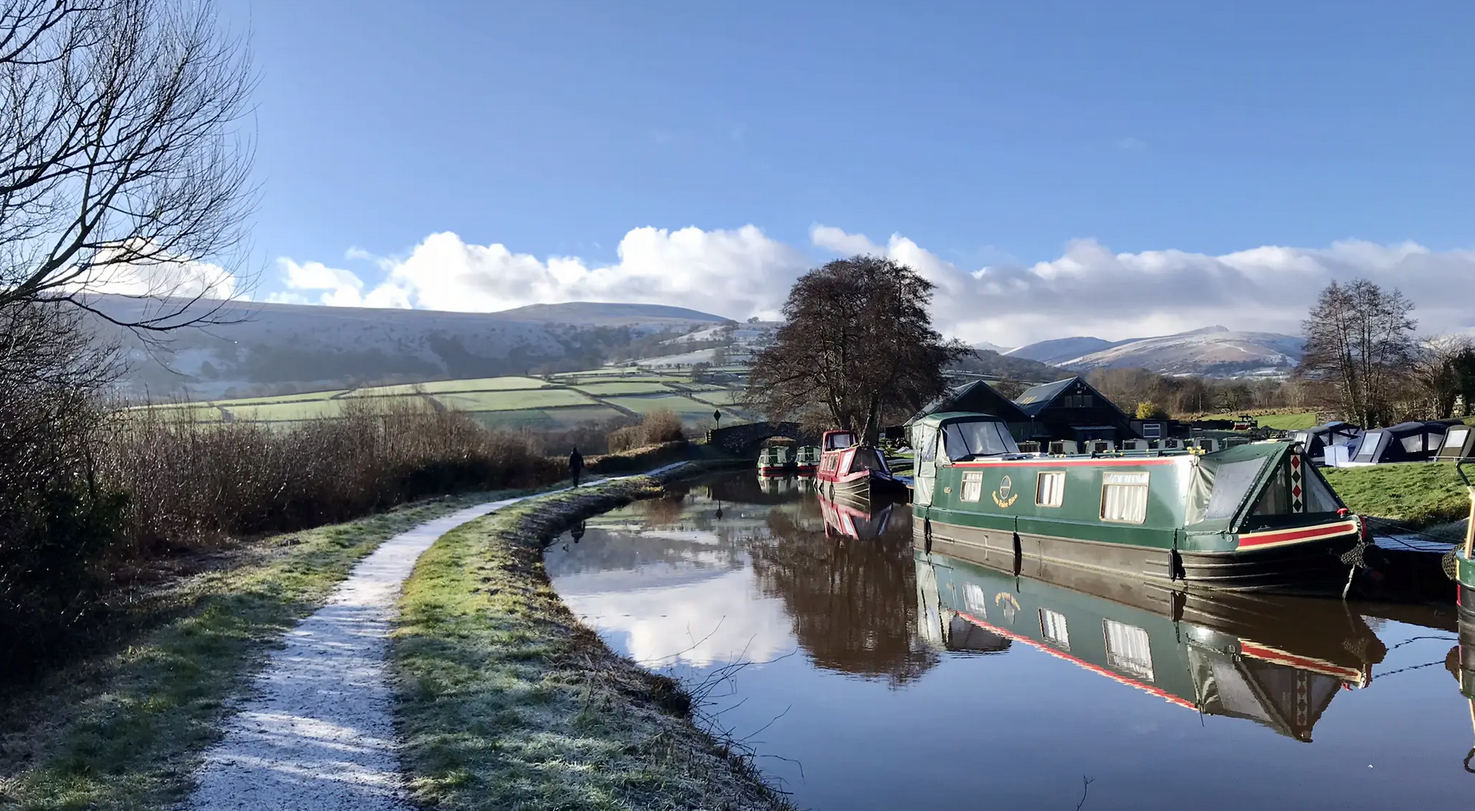
Usk Valley Walk — A river ramble into the Brecon Beacons
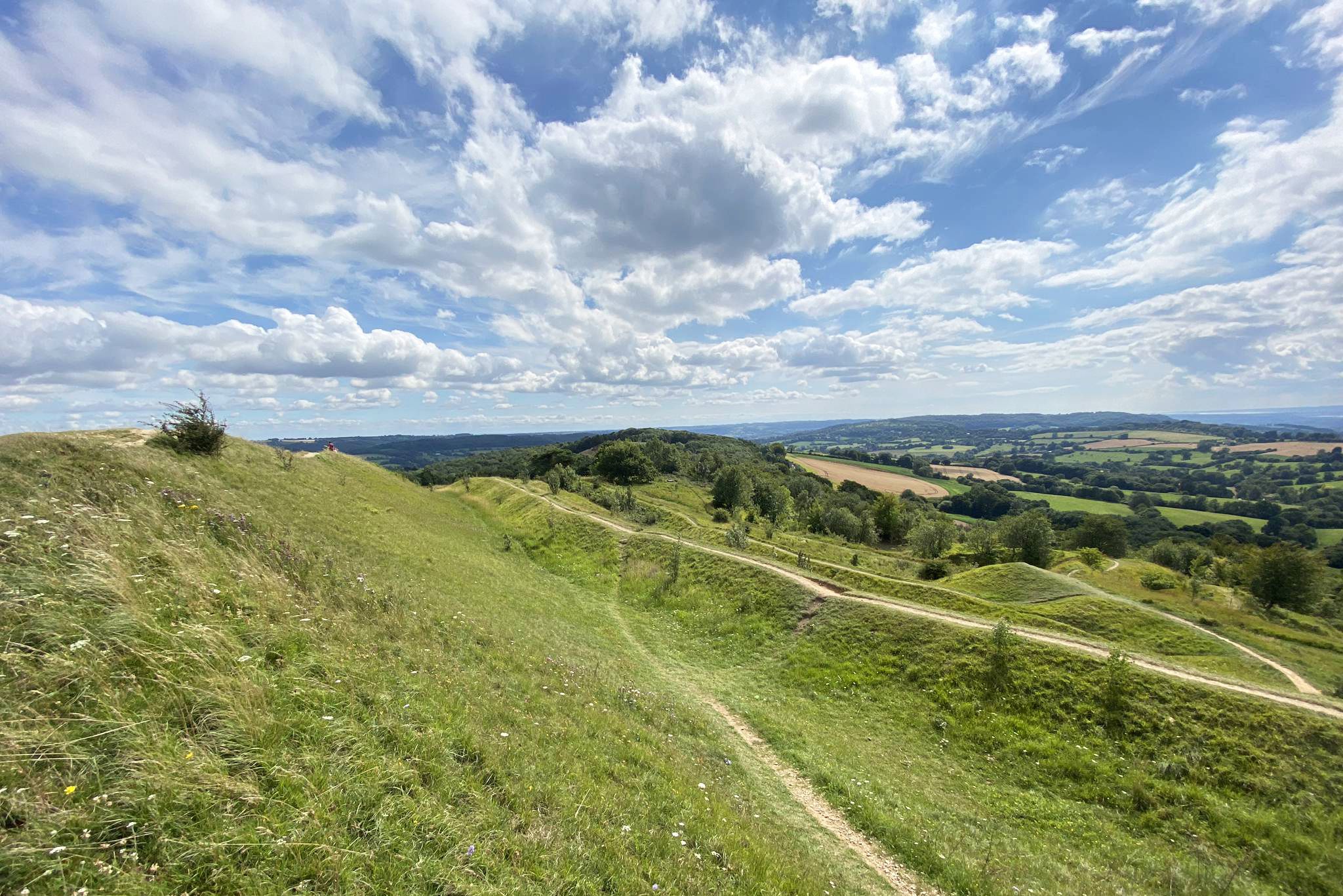
Wysis Way — Hike the golden link between the Wye and Thames
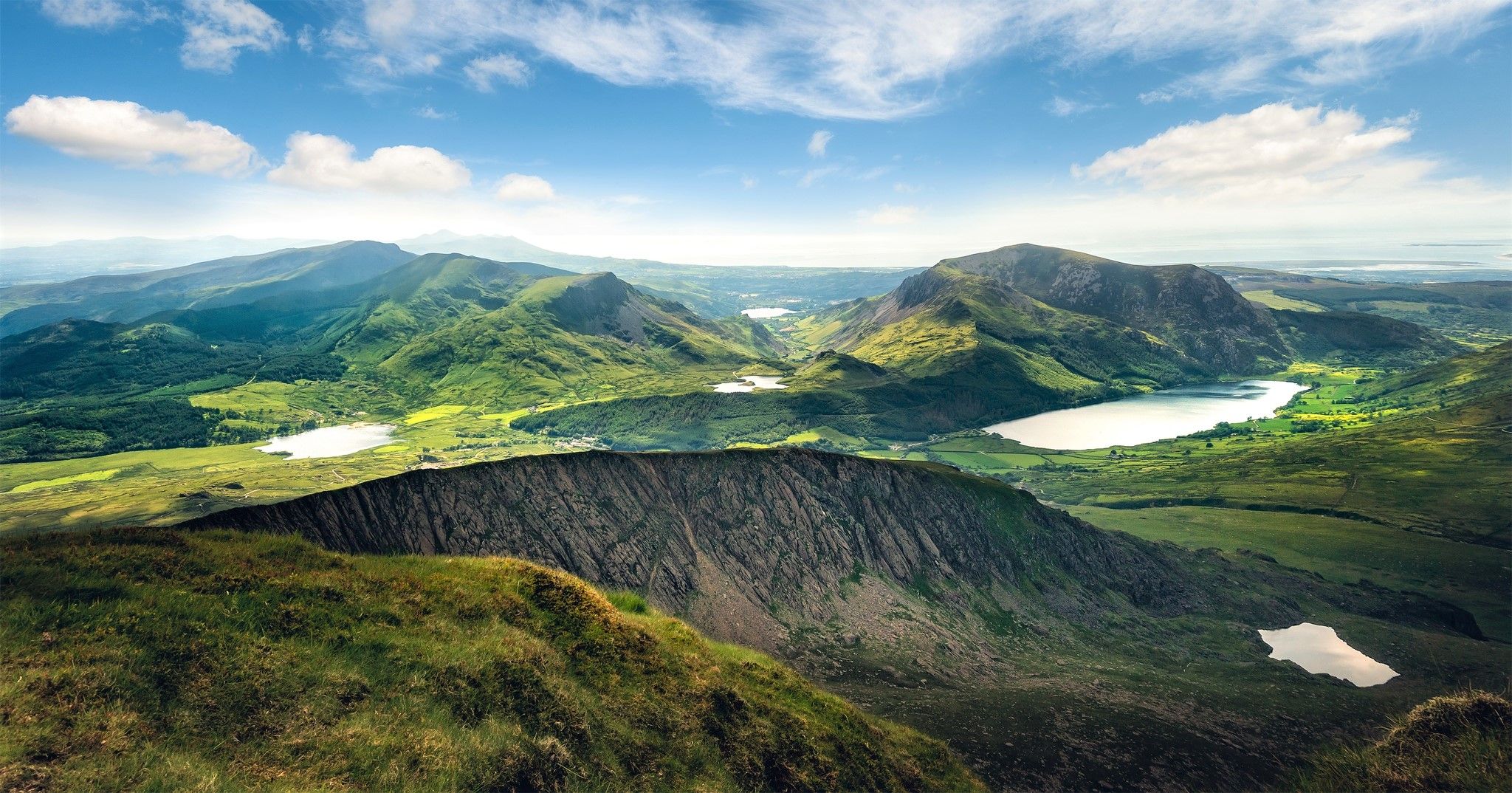
Cambrian Way — Hike the highest, wildest and most beautiful trail in Wales
Wye Valley Walk — A riverside hike from lowlands to mountains
Other adventures in Monmouthshire


Tips from the Community

Monmouth is a charming historic market town that sits right on the confluence of Rivers Wye and Monnow. It's noted for its 13th-century gated bridge and being the birthplace of Henry V. The River Wye separates the town of Monmouth to the east from Wyesham to the west and provides a scenic wonderland for many river activities. I have finished many a DOE gold award canoe trip at this point.
0
0
Grosmont Castle is maintained by Cadw, and at the moment there is a lot of work going on with the refurbishment of the timber footbridge spanning the castle ditch, i.e., the entrance. Therefore, the castle is closed between February 2026 and September 2026. It is still worth a visit as you can still walk around it and get some impression of mediaeval life from viewing this grand structure.
0
0
White Castle is a ruined but super nice castle to visit and sits between the villages of Llantilio Crossenny and Llanvetherine. It is part of the 'Three Castles' group, along with nearby Grosmont and Skenfrith. These historic Norman fortresses were built to control the border region, and White Castle is known as the most imposing due to a strong inner and outer ward. It also has an imposing, water-filled, stone-lined moat. It is free to enter and maintained by Cadw.
0
0
Skenfrith Castle is a beautiful ruined castle owned and run by the National Trust in the quaint village of Skenfrith. It's a lovely valley setting next to the River Monnow, and right next door is the equally charming St Bridget's Church. The castle was originally established by the Normans in the wake of the invasion of England in 1066 to protect the route from Wales to Hereford. In 1135, a major Welsh revolt took place, and in response, King Stephen brought together Skenfrith Castle and its sister fortifications of Grosmont and White Castle to form a lordship known as the "Three Castles", which continued to play a role in defending the region from Welsh attack for several centuries. It is obviously a ruin now, but the walls are still substantial, and the fulcrum of the place is the imposing, commanding keep. This is a three-storey, 12-metre-high circular keep built around 1219–1244 by Hubert de Burgh. There is good parking there and plenty of green space for picnics and parking. There is also no charge for entry. A great place to visit, along with nearby Grosmont and White Castle.
0
0

This 13th century Norman Castle is set in a beautiful riverside location. It's managed by the National Trust and has free parking and free entry. It's also a good starting point for exploring the area.
1
0
A temple that was inspired by Britain’s naval supremacy at the height of the British Empire and built in 1800. This was inspired by Nelson's victory in the Battle of the Nile in 1798. Nelson came to see it in 1802 with Lady Hamilton and her husband Sir William. That must have been an interesting weekend!
1
0


Interesting C13th castle. Beautiful setting by river. Well worth a visit. Free parking. I used it as a starting point.
0
0
Frequently Asked Questions
What types of castles can I explore in Monmouthshire?
Monmouthshire offers a diverse range of castles, from early Norman strongholds to later medieval fortresses and fortified manor houses. You can see structures like Chepstow Castle, which is the oldest post-Roman stone castle in Britain, to the more refined Raglan Castle, one of the last true medieval castles built in Wales with Renaissance influences. The region's castles showcase the evolution of military architecture and aristocratic living over centuries.
Which castles in Monmouthshire are particularly good for understanding Norman history?
For a deep dive into Norman history, Chepstow Castle is an excellent choice, with construction beginning in 1067. The 'Three Castles' – White Castle, Grosmont Castle, and Skenfrith Castle – also provide a strong example of Norman military design and their strategic network in the Welsh Marches.
Are there family-friendly castles to visit in Monmouthshire?
Yes, several castles in Monmouthshire are great for families. Chepstow Castle, Skenfrith Castle, White Castle, Raglan Castle, and Abergavenny Castle and Museum are all listed as family-friendly. Caldicot Castle, though not a highlight in this guide, is also known for its family-oriented activities and events, including replica costumes.
Can I combine a castle visit with outdoor activities or walking routes?
Absolutely. Many castles are situated in scenic areas perfect for outdoor exploration. For instance, you can find numerous hiking routes in Monmouthshire, including easy hikes around areas like Sugar Loaf and Skirrid Fawr. There are also cycling routes and running trails, such as the Wye Valley trail near Chepstow. You can find more details on these activities in the Cycling in Monmouthshire, Easy Hikes in Monmouthshire, and Running Trails in Monmouthshire guides.
Are there specific walking trails that connect multiple castles?
Yes, the 'Three Castles' – White Castle, Grosmont Castle, and Skenfrith Castle – were built as a defensive network and are located in close proximity, making them ideal for a walking route that connects all three. This allows you to experience their strategic relationship and individual features in one outing.
What is the best time of year to visit the castles in Monmouthshire?
The castles in Monmouthshire can be visited year-round. Spring and summer offer pleasant weather for exploring the grounds and enjoying the scenic views, while autumn provides beautiful foliage. Some castles, like Grosmont Castle and Skenfrith Castle, are open year-round with free entry, making them accessible even in quieter seasons. Always check specific castle opening times before your visit.
Are there any castles with free entry in Monmouthshire?
Yes, Skenfrith Castle and Grosmont Castle, both part of the 'Three Castles' network, offer free entry and are open year-round. This makes them accessible historical experiences.
What are the unique features of Chepstow Castle?
Chepstow Castle is notable for being the oldest post-Roman stone castle in Britain, with construction starting in 1067. It's dramatically perched on a limestone cliff overlooking the River Wye. Key features include its strategic cliffside location, the Great Tower built in 1067, and it houses some of the oldest surviving castle doors in Europe, dating back to the 1190s.
What makes Raglan Castle stand out from other castles in the region?
Raglan Castle is distinctive as one of the last true medieval castles built in Wales, starting in the 1430s. It represents a shift towards fortified manor houses with Renaissance influences, blending military strength with luxurious living. Its impressive hexagonal Great Tower, known as the Yellow Tower of Gwent, surrounded by its own moat, and its grand gatehouse are particularly striking.
Are there cafes or pubs near the castles for refreshments?
Many of Monmouthshire's castles are located in or near villages and towns that offer local amenities. For example, Skenfrith Castle is in a peaceful village with local options, and Chepstow Castle is within the town of Chepstow, which has numerous cafes and pubs. It's always a good idea to check local listings for specific establishments near your chosen castle.
How can I get to the castles using public transport?
While some castles are more accessible by public transport than others, options vary. Larger towns like Chepstow and Abergavenny, which host Chepstow Castle and Abergavenny Castle respectively, are generally well-served by bus and sometimes train routes. For more rural castles like the 'Three Castles' or Raglan Castle, public transport might be limited, and a car or taxi may be more practical. It's advisable to check local bus schedules and routes for specific castle locations.
Which castles offer the best viewpoints of the surrounding area?
Chepstow Castle, perched on a cliff above the River Wye, offers stunning views of the Wye Valley. Similarly, Abergavenny Castle provides good vantage points. For a broader scenic experience, consider visiting The Kymin Roundhouse and view over Monmouth, which, while not a castle itself, offers breathtaking views over the Wye Valley and Monmouth town, with historical significance.
Most popular routes in Monmouthshire
Most popular attractions in Monmouthshire

Get inspired with the komoot mobile app


Didn’t find what you were looking for?
Explore Monmouthshire’s best castles region by region:
Explore more
Looking for the best castles somewhere else? Discover other guides in Monmouthshire:
