Top 8 Castles in Staffordshire
Castles in Staffordshire are found across a diverse landscape, from the moorlands bordering the Peak District to the agricultural plains of the West Midlands. This region offers a blend of historical sites, including genuine medieval ruins and 18th-century follies. Staffordshire's varied terrain provides unique settings for these structures, often with expansive views. The area's history is reflected in its castles, which range from Norman earthworks to later reconstructions.
Best castles in Staffordshire
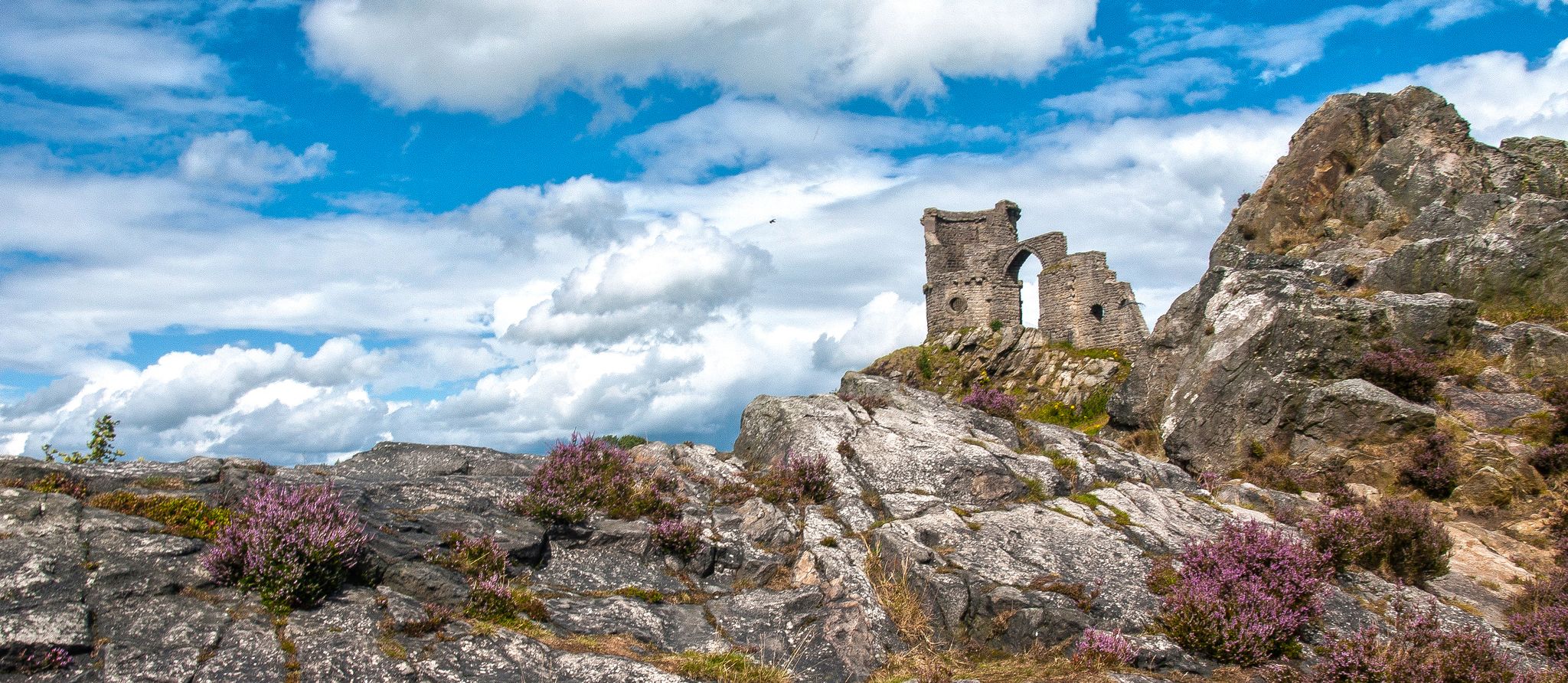
- The most popular castles is Mow Cop Castle, a viewpoint that is actually a folly summerhouse built in 1754. From this landmark, panoramic views of the Staffordshire moorlands and the Cheshire Plain are visible.
- Another must-see spot is Tamworth Castle and Gardens, a historical site with family-friendly features. Visitors can explore the castle and its surrounding gardens, which are noted for their flower beds.
- Visitors also love Pilsbury Castle Earthworks, a natural monument and historical site. This location features a limestone craggy outcrop strategically used to create a rampart for an ancient settlement and motte and bailey castle.
- Staffordshire is known for its variety of castles, including medieval ruins, Norman earthworks, and 18th-century follies. The region offers a range of historical structures, from those with significant historical events to those built for aesthetic purposes.
- The castles in Staffordshire are appreciated by the komoot community. There are over 170 upvotes and 190 photos shared by visitors, highlighting the appeal of these historical locations.
Last updated: July 13, 2026
Mow Cop Castle
Highlight • Viewpoint
Tip by

Tamworth Castle and Gardens
Highlight • Historical Site
Tip by

Sign up now to discover places like this
Get recommendations on the best single tracks, peaks, & plenty of other exciting outdoor places.
Sign up for free
Alton Castle
Highlight • Historical Site
Tip by

Pilsbury Castle Earthworks
Highlight • Natural Monument
Tip by

Tutbury Castle
Highlight • Historical Site
Scenic church next to the castle with a number of picnic benches.
Mary Queen of Scots was held here at one time (but then she seems to have been imprisoned in nearly every old house in the country!).
More information at tutburycastle.com
Tip by

Warden's Tower (Knypersley Castle)
Highlight • Monument
It is sometimes referred to as Knypersley Castle.
Tip by

Technical Bridleway in Peak District National Park
Highlight (Segment) • Cycleway
Tip by

Lapley Village Highlights
Highlight • Settlement
Other notable buildings include the Grade II-listed Lapley Court, originally a 16th-century farmhouse; Lapley Hall, sporting tall chimneys; and Lapley Castle.
There was also once a Benedictine priory in the village, the moat of which is still clearly defined by a depression in one of the village's meadows.
Tip by
Pilsbury Castle and Panoramic Views of the Dove Valley
Highlight (Segment) • Castle
The Normans built a substantial motte-and-bailey castle on the site, and several theories have been put forward as to when and who did so. One theory is that the castle was built in the years following the Norman conquest of England. The area around Pilsbury was granted to Henry de Ferrers by King William; the area was devastated during the harrying of the North, and the castle may have been built in the aftermath by Henry to establish control.
Tip by

Start today with a free account
Your next adventure awaits.
Login or Signup
Popular around Staffordshire
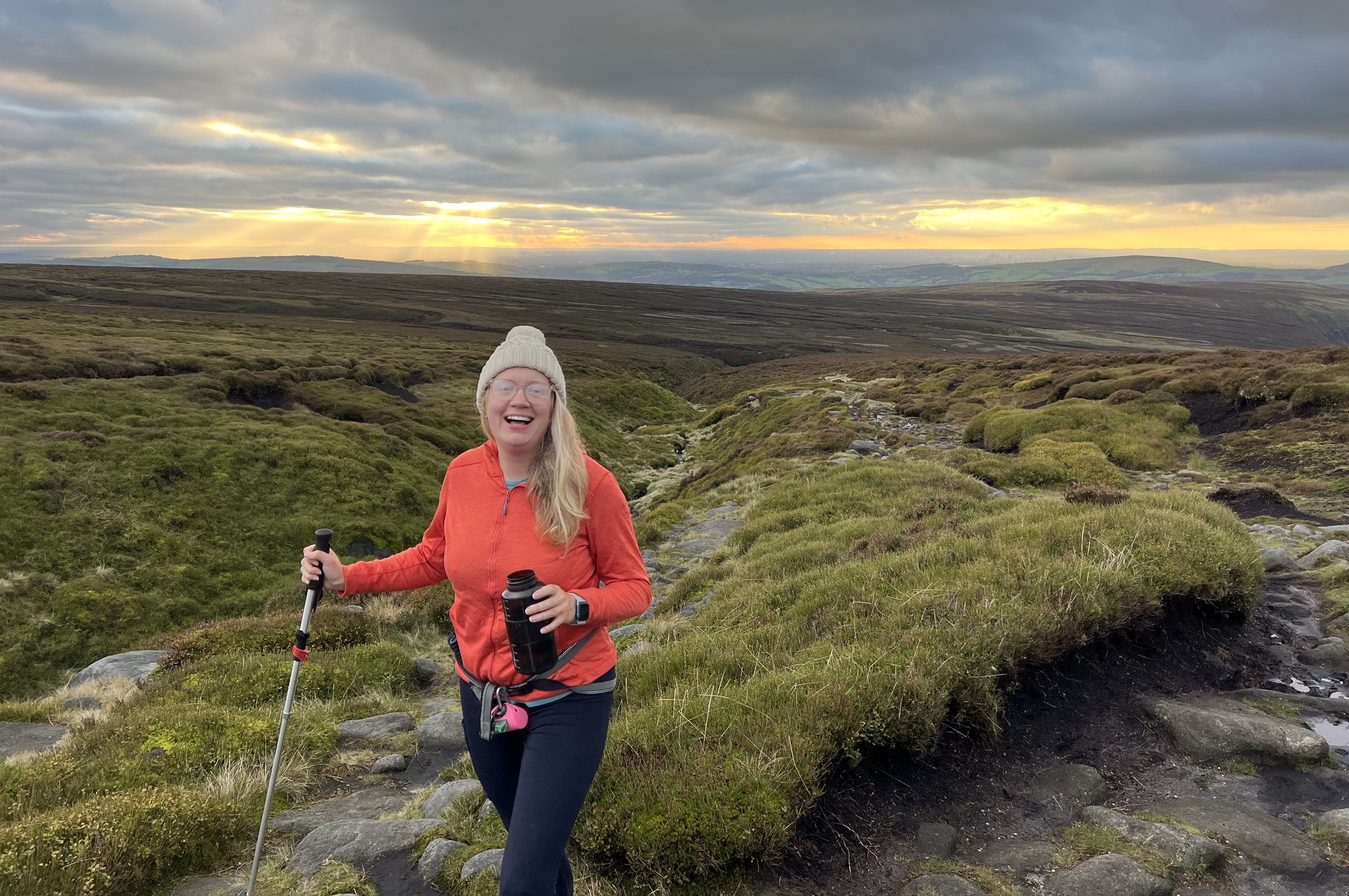
Peak District National Park – A Walk in the Parks
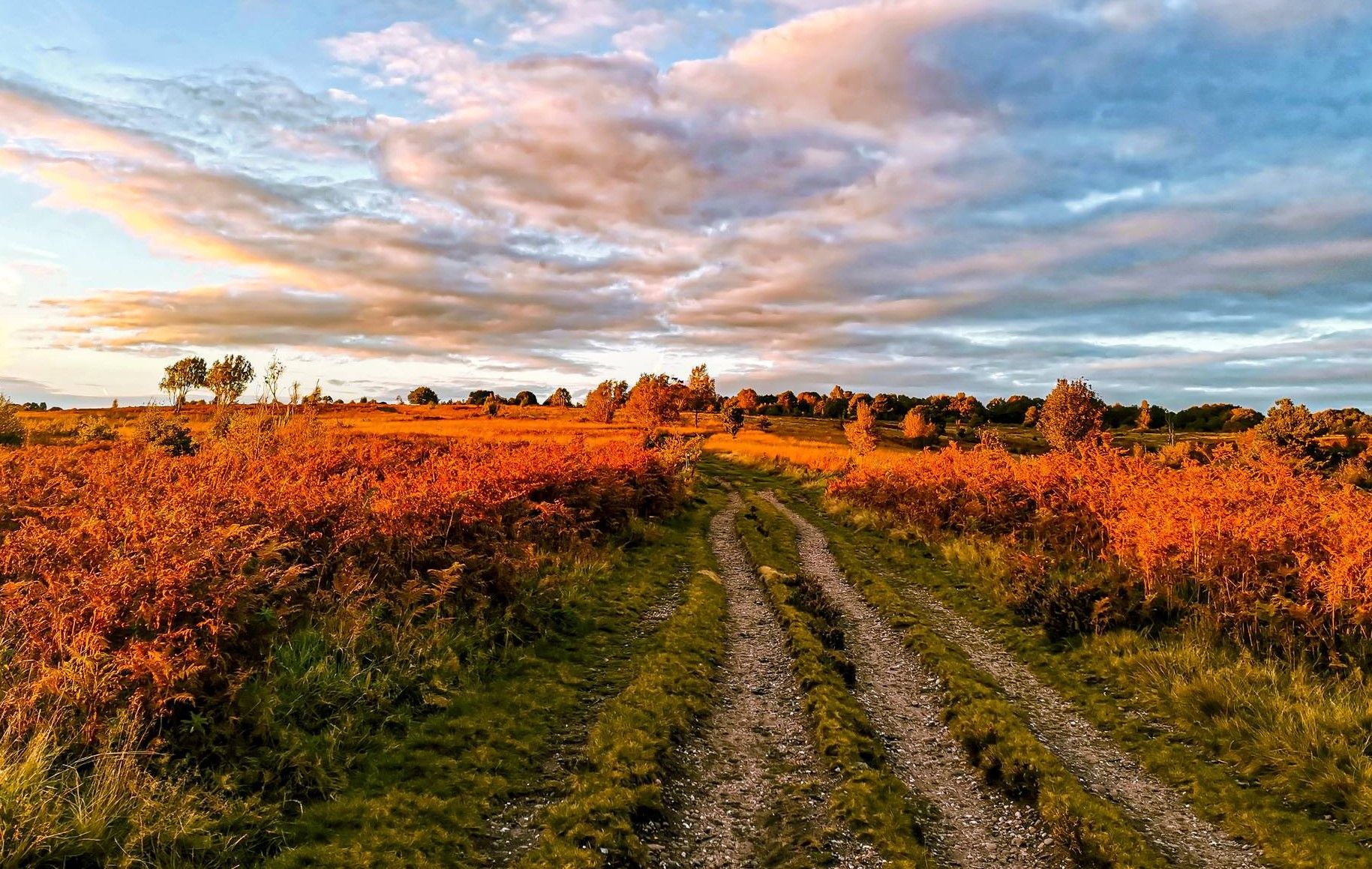
Staffordshire Way — Hike gritstone, woods, heath and scarps
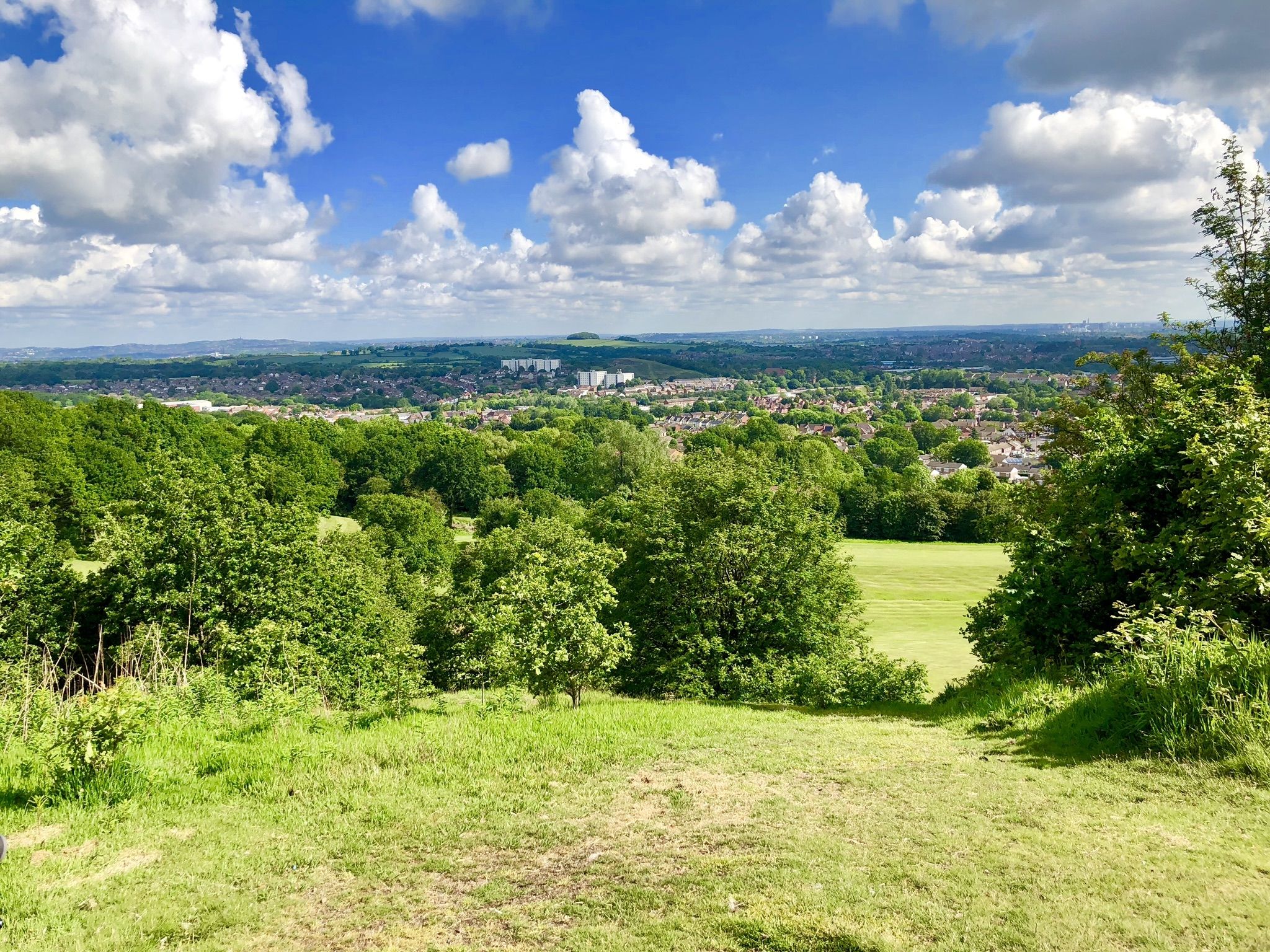
Heart of England Way — A historic hike filled with wildlife and beauty
Monarch's Way: Part 1 — Conquer the longest inland trail in England
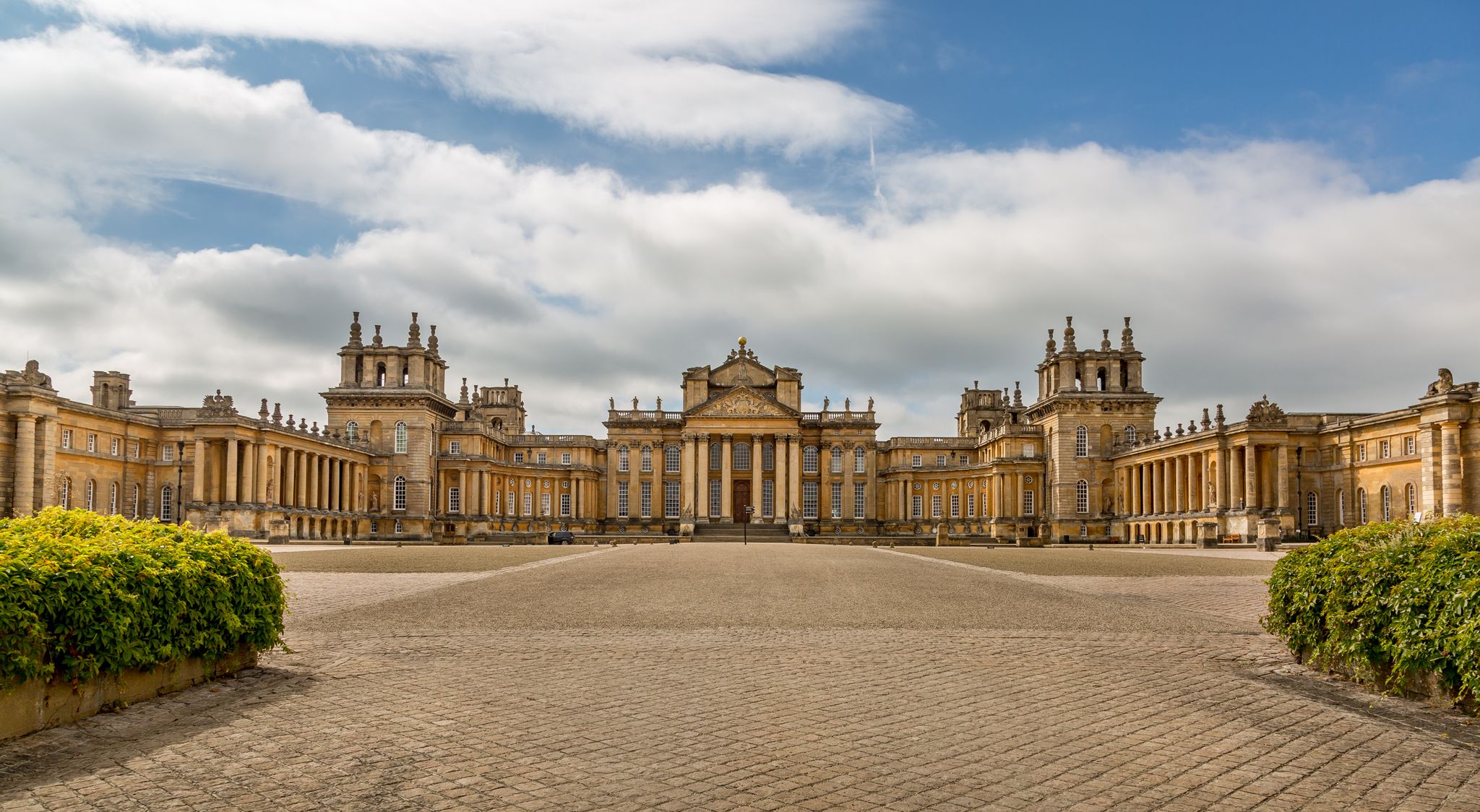
West Midlands Cycle Route – Where history comes alive
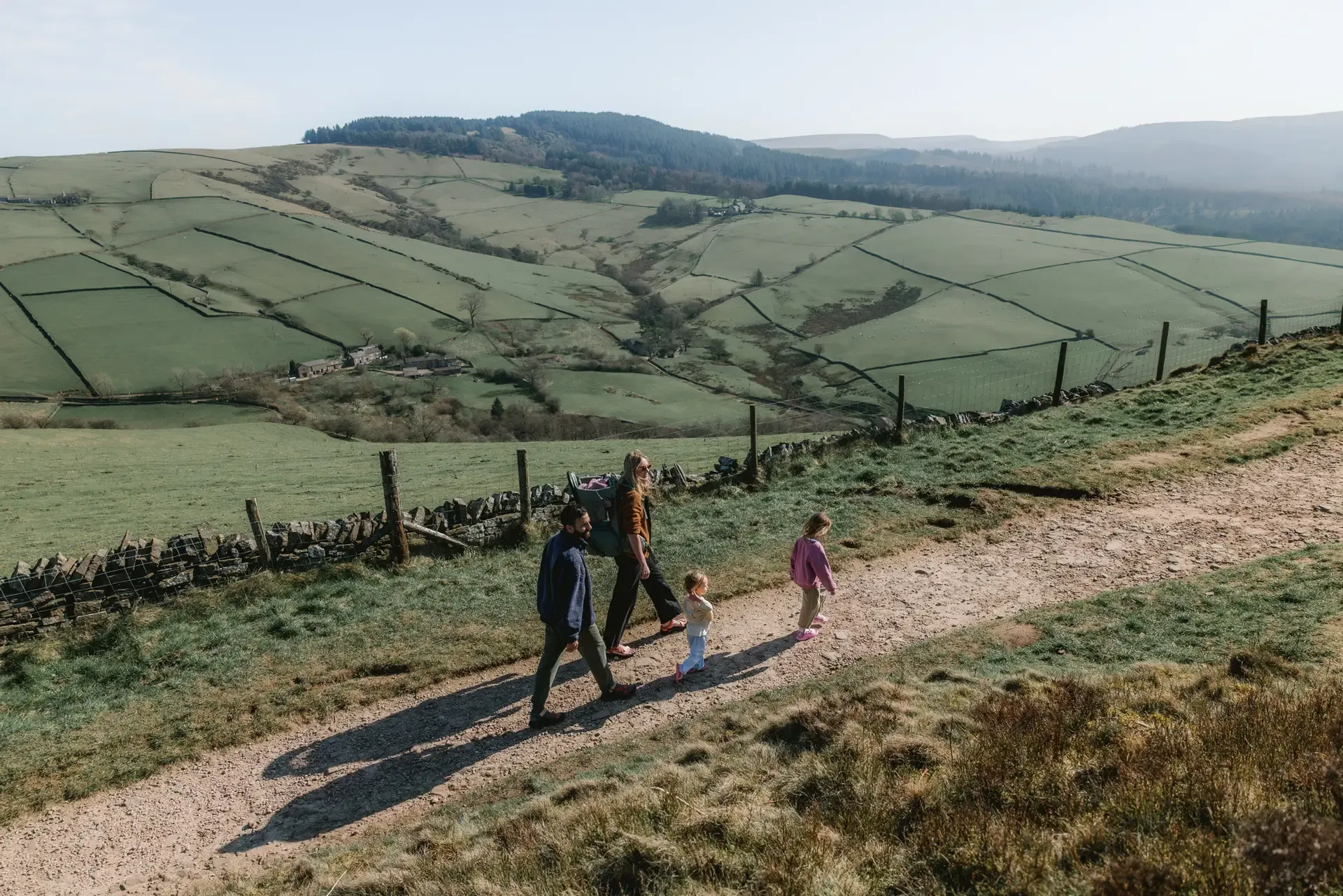
Family friendly UK trails for little explorers
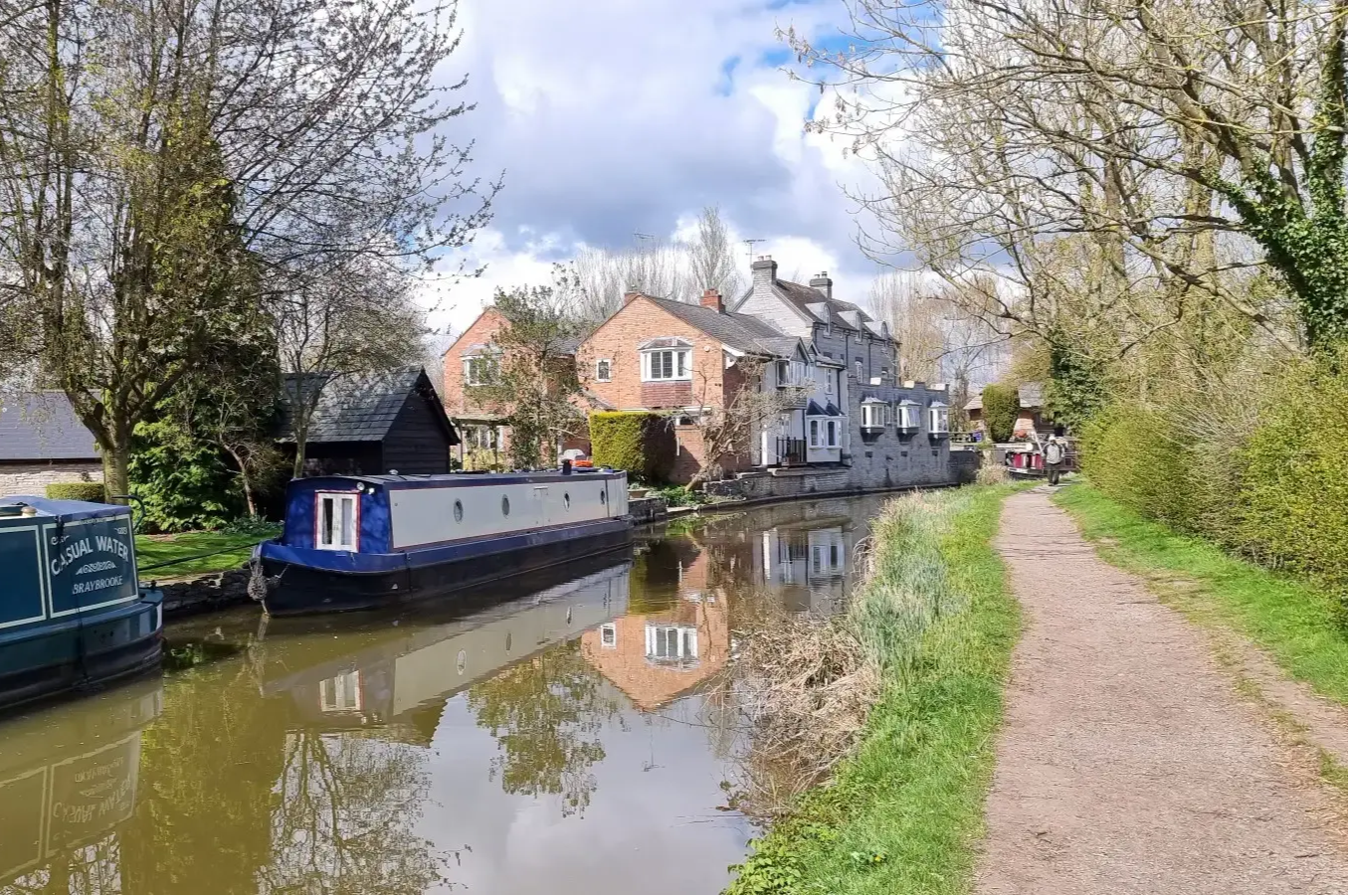
Industrial heartlands on NCN Route 5 – Reading to North Wales
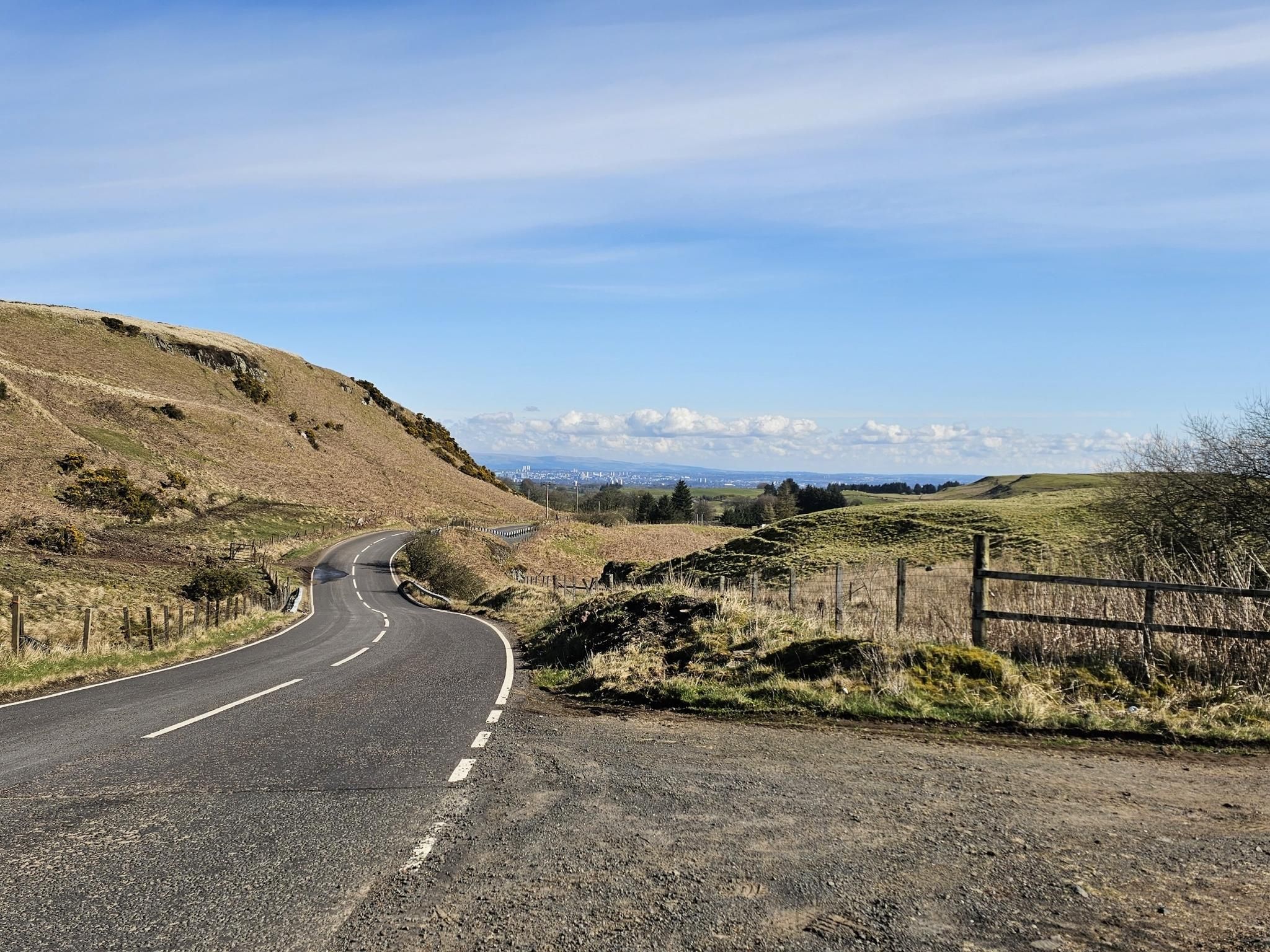
Pedal through time – Britain’s landscapes & history by bike
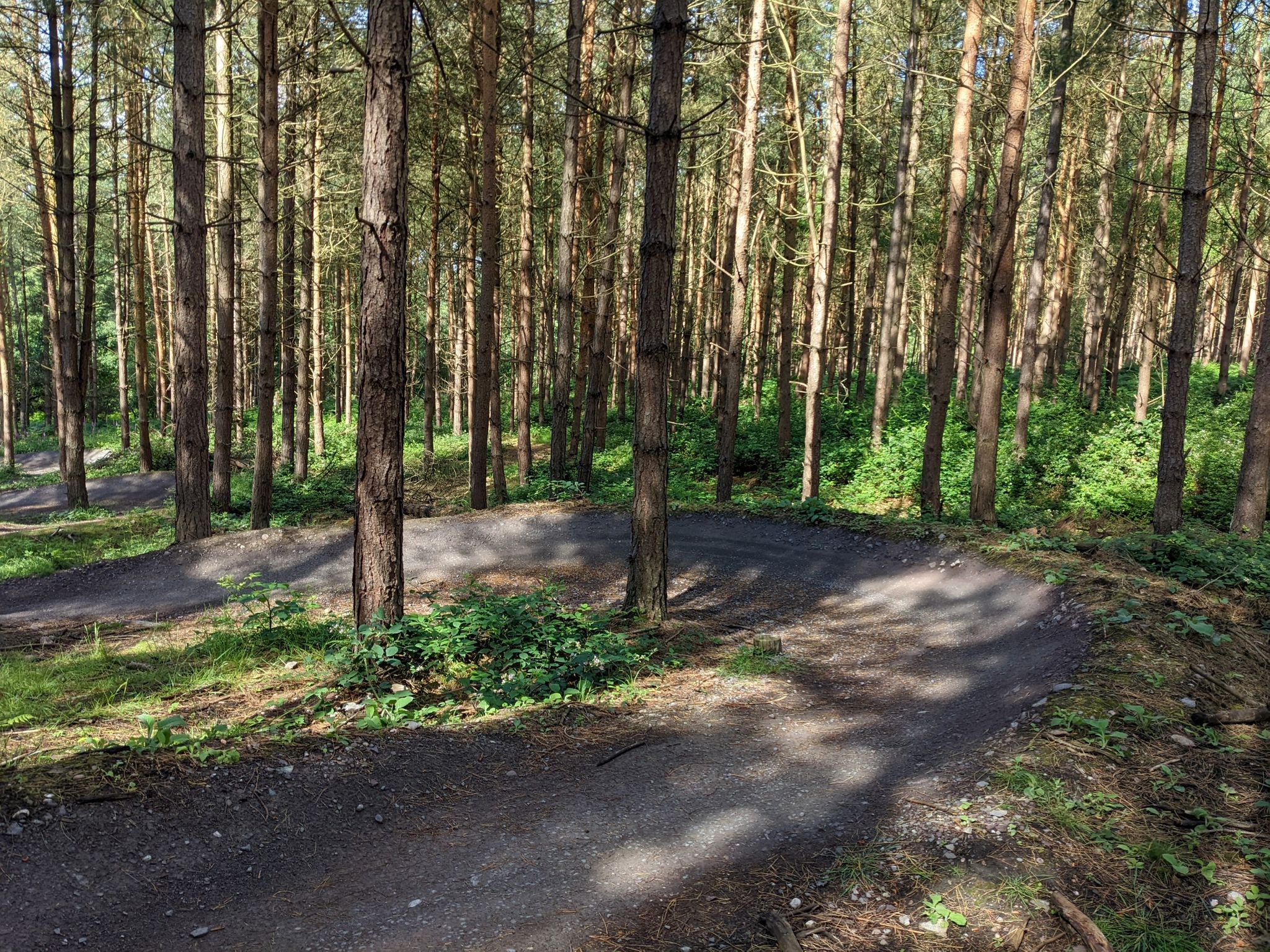
Trail magic in the Midlands — Cannock Chase and Stile Cop MTB

Spectacular rides in Central England – e-bike trials by Halfords
Other adventures in Staffordshire


Tips from the Community

Stop off to admire the historic castle, which was originally a Motte and Bailey. It has been added to since. Also see the statue of Ethelfleda, the queen of Mercia, the bandstand, flower beds and the tribute to the Watchmen of the Staffordshire Regiment in the castle grounds... There is parking here to start the course if you prefer. Lots of nice cafes and places to eat. Recommend the castle grounds cafe, Christopher's at the Peel, no 18 coffee House and the Book Nook and Bakery.
0
0

An alternative suggestion is that it was built by Robert de Ferrers or his father, around the period known as The Anarchy for, while the de Ferrers supported Stephen of England, the neighbouring Earl of Chester supported Empress Matilda. The castle itself includes a motte and two bailey enclosures, approximately 40 metres and 45 metres across respectively. It had timber defences, ditches and additional flanking earthworks. The castle appears to have been abandoned in subsequent years, and it may be that it was destroyed after William de Ferrers' part in the Revolt of 1173–74, or it might have become abandoned when the land passed to the Duchy of Lancaster after the sixth Earl was dispossessed. Alternatively, it may simply have become redundant as nearby Hartington grew in importance and the village of Pilsbury became increasingly depopulated.
0
0
Pilsbury Castle occupied an area of high ground approximately 175 by 150 yards overlooking the River Dove, near the village of Pilsbury. The castle was probably originally an Iron Age fortification before being used by the Normans, and the name "Pilsbury Castle" forms from the Celtic pil, the Saxon bury and the Norman castel, all meaning "fortified site". In early medieval times, the site would have been located along the River Dove routeway, and would also have overlooked a key crossing point. The Normans built a substantial motte-and-bailey castle on the site, and several theories have been put forward as to when and who did so. One theory is that the castle was built in the years following the Norman conquest of England. The area around Pilsbury was granted to Henry de Ferrers by King William; the area was devastated during the harrying of the North, and the castle may have been built in the aftermath by Henry to establish control.
0
0

Pilsbury Castle was a Norman Timber settlement, moat and Bailey Castle overlooking the River Dove. The limestone craggy outcrop was strategically used to create a rampart for the ancient settlement
1
0

Great views at the top of the hill, can get muddy and does have a few gates
1
0

Superb views up the valley, plus the fantastic ruins of Pillsbury castle. When we visited it was guarded by a cat who wouldn't let us pass until we'd fussed her plenty
0
0

Beautifully laid out flower beds around the motte down to the former moat.
2
0

Frequently Asked Questions
Which castles in Staffordshire are suitable for families?
For a family-friendly experience, Tamworth Castle and Gardens is an excellent choice, noted for its historical site and beautiful flower beds. Tutbury Castle also offers family-friendly activities, and the Lapley Village Highlights include a historical site suitable for families.
Are there any castles in Staffordshire that are less crowded or considered hidden gems?
While popular sites draw crowds, you might find a quieter experience at places like Pilsbury Castle Earthworks, a natural monument and historical site featuring ancient ramparts. Another less-known spot is Warden's Tower (Knypersley Castle), a unique 19th-century prospect tower.
What kind of views can I expect from Staffordshire's castles?
Many castles offer expansive views. Mow Cop Castle, a folly, provides panoramic vistas of the Staffordshire moorlands and the Cheshire Plain. From Pilsbury Castle and Panoramic Views of the Dove Valley, you can enjoy sweeping views of the scenic Dove Valley.
What is the best time of year to visit castles in Staffordshire?
The best time to visit castles in Staffordshire is generally during the spring and summer months (April to September) when the weather is milder and gardens are in bloom. Autumn also offers beautiful scenery with changing foliage. Winter visits can be atmospheric but require warmer clothing, as many sites are outdoors.
Are there opportunities for outdoor activities or walks near these castles?
Yes, the region offers various outdoor activities. You can find easy hikes in Staffordshire, including routes like 'Three Shire Heads circular from Flash' or 'Chasewater Country Park loop'. For more challenging options, consider running trails such as the 'Tolkien Trail Cannock Chase Walk'. Gravel biking is also popular, with routes like 'Tissington Trail – Manifold Valley Trail loop from Waterhouses'. You can explore more options on the easy hikes guide, running trails guide, or gravel biking guide for Staffordshire.
What historical significance do Staffordshire's castles hold?
Staffordshire's castles reflect a rich history, ranging from Norman earthworks to 18th-century follies. Sites like Alton Castle, though largely rebuilt in the 19th century, stand on the site of a much older Saxon castle. Pilsbury Castle Earthworks showcases a Norman timber settlement and motte and bailey castle.
What do visitors enjoy most about the castles in Staffordshire?
Visitors appreciate the diverse historical structures, from genuine medieval ruins to unique follies like Mow Cop Castle, which offers stunning panoramic views. The komoot community has shared over 190 photos and given 174 upvotes, highlighting the appeal of these locations for their history, scenic beauty, and opportunities for exploration.
Are there any castles in Staffordshire that are dog-friendly?
While specific dog-friendly policies vary by site, many outdoor castle ruins and earthworks, such as Pilsbury Castle Earthworks, often allow dogs on leads in their outdoor areas. It's always best to check the specific castle's website before visiting with your dog, especially for those with indoor exhibits or formal gardens.
How long should I plan for a visit to a Staffordshire castle?
The duration of a visit depends on the castle. For extensive sites like Tamworth Castle and Gardens, which includes indoor exhibits and grounds, you might spend 2-4 hours. For outdoor ruins or follies like Mow Cop Castle, a visit could be shorter, around 1-2 hours, often combined with a walk in the surrounding area.
Are there cafes or pubs located near Staffordshire castles?
Many castles in Staffordshire are situated near towns or villages, offering access to local amenities. For example, Tamworth Castle is located in Tamworth, where you'll find various cafes and pubs. Similarly, castles like Alton Castle are near villages that typically have local establishments.
What is the difference between Mow Cop Castle and other castles in Staffordshire?
Mow Cop Castle is unique in Staffordshire as it is not a true medieval castle but an 18th-century folly, built to resemble a ruined castle. It serves primarily as a viewpoint, offering extensive panoramic views, whereas sites like Tamworth Castle are historical structures with significant medieval origins and preserved interiors.
Most popular routes in Staffordshire
Most popular attractions in Staffordshire

Get inspired with the komoot mobile app


Explore more
Looking for the best castles somewhere else? Discover other guides in Staffordshire:
