The best cycling routes around Kirchwald
4.6
(3442)
15,688
riders
570
rides
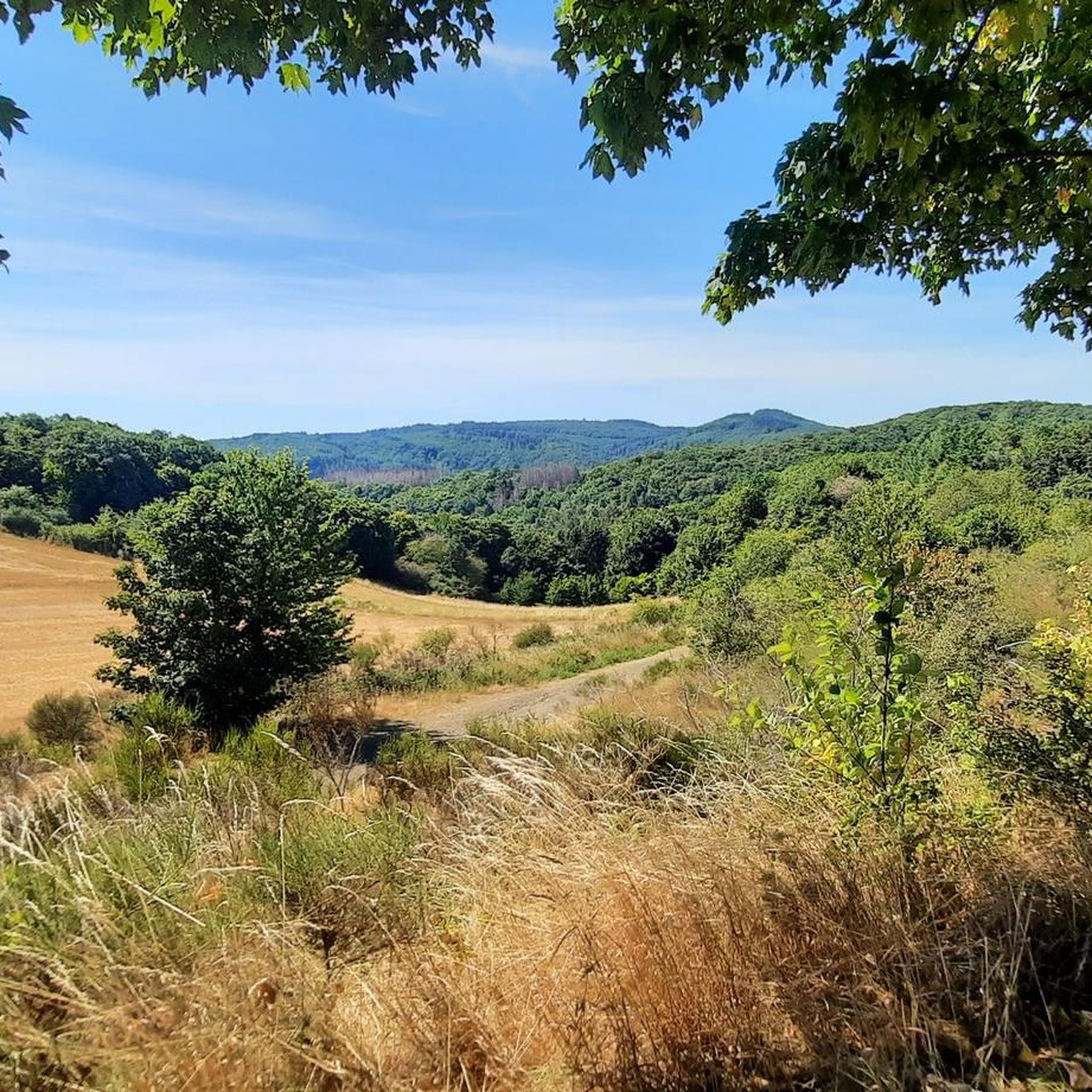
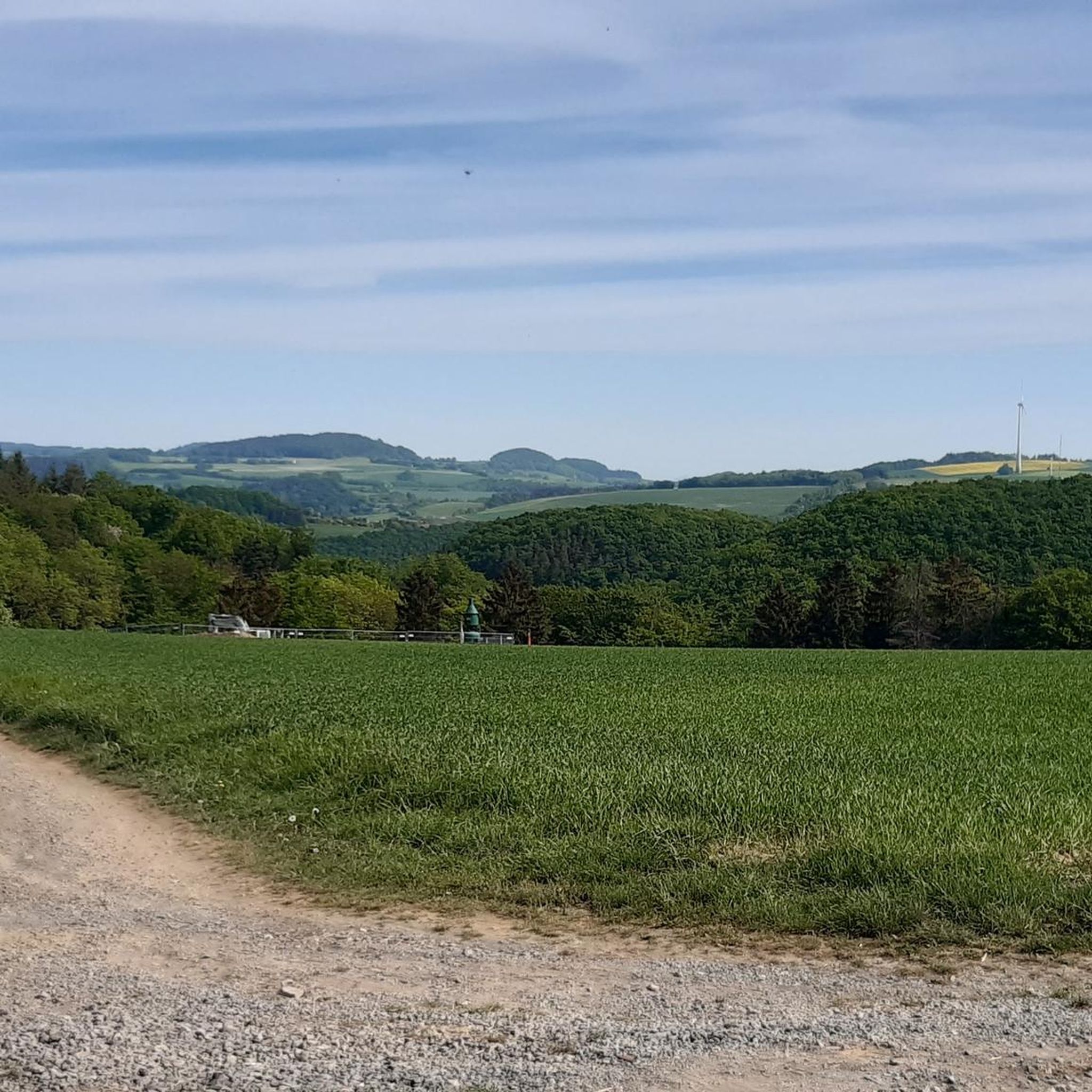
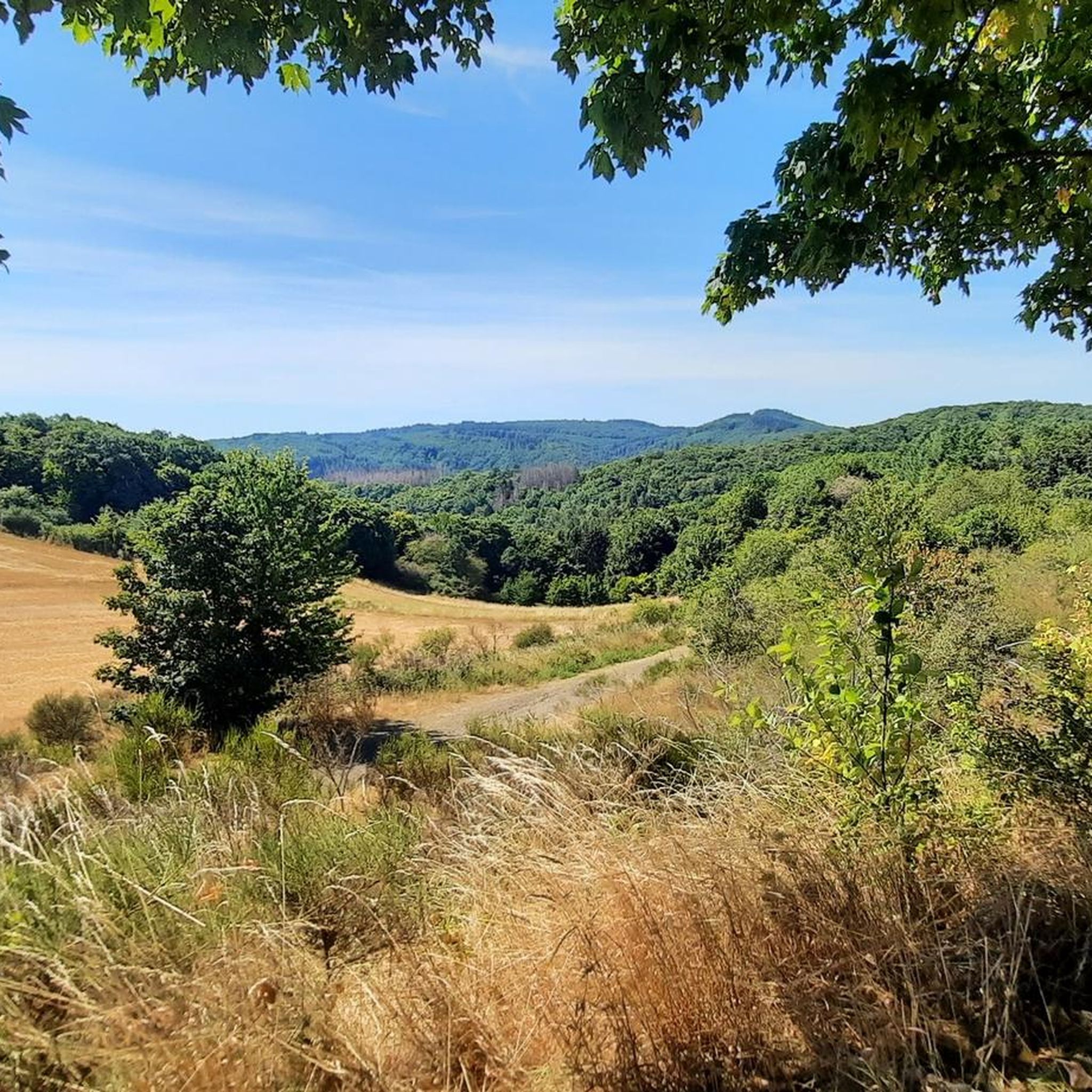
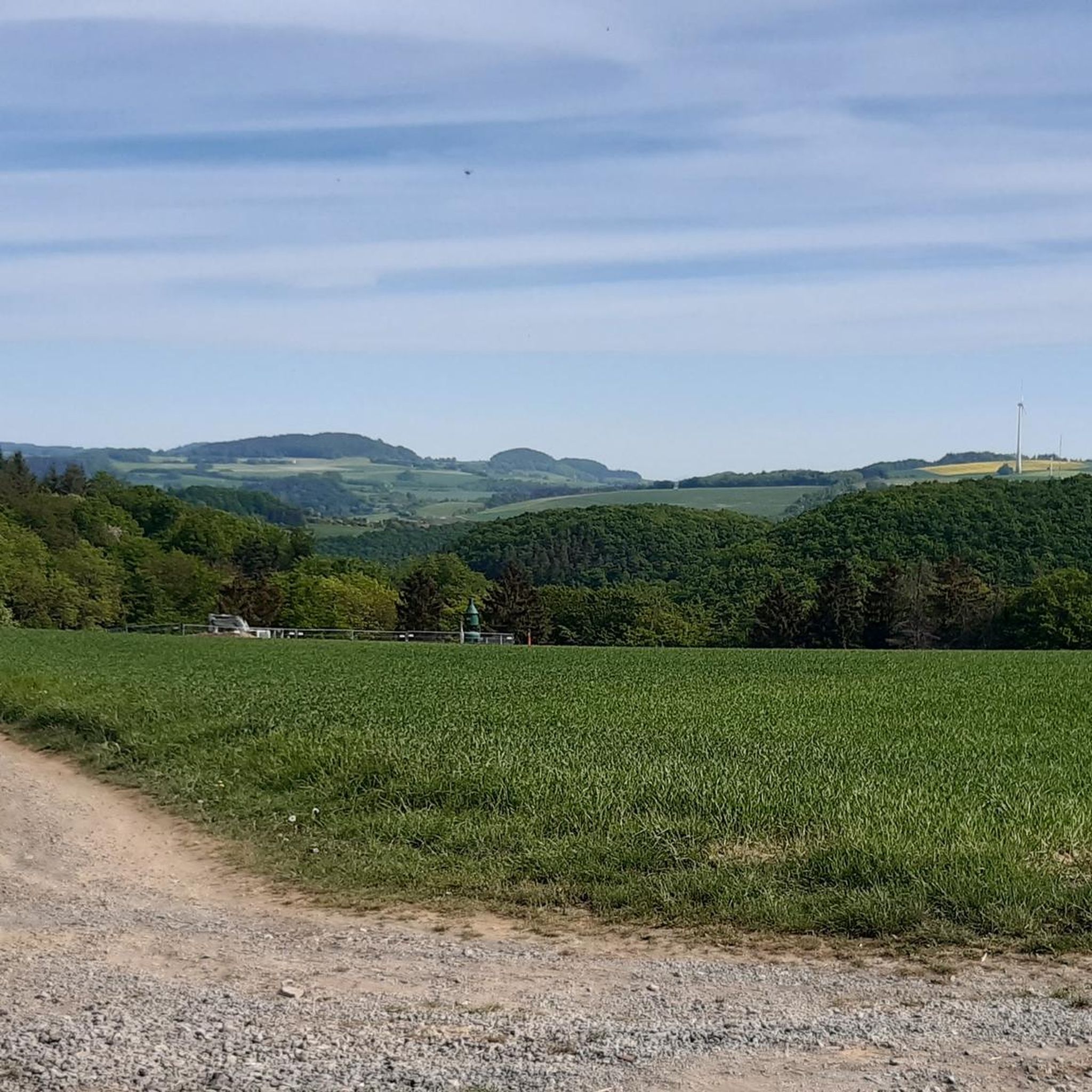
Touring cycling around Kirchwald offers routes through the impressive Eifel landscapes, characterized by diverse natural features. The region features dense forests, tranquil valleys like the Nitzbach, and elevated plateaus reaching 500 meters, providing extensive vistas. Its volcanic origins contribute to a varied terrain, with routes traversing past juniper heaths and daffodil meadows.
Best touring cycling routes around Kirchwald
- The most popular touring cycling route is Bendisberg Mine Wheel Monument – Bürresheim Castle loop from Kirchwald, a 23.6 miles (38.0…
Last updated: July 1, 2026
4.6
(25)
57
riders
38.0km
03:03
630m
630m
Hard bike ride. Very good fitness required. Mostly paved surfaces. Suitable for all skill levels.
4.7
(3)
22
riders
Moderate bike ride. Good fitness required. Mostly paved surfaces. Suitable for all skill levels.

Sign up for free
4.8
(5)
25
riders
Moderate bike ride. Good fitness required. Mostly paved surfaces. Suitable for all skill levels.
5.0
(2)
18
riders
36.7km
03:02
760m
760m
Hard bike ride. Very good fitness required. You may need to push your bike for some segments of this route.
4.0
(3)
17
riders
28.5km
02:28
540m
540m
Hard bike ride. Very good fitness required. Mostly paved surfaces. Suitable for all skill levels.
Get access to more routes and recommendations from other explorers.
Sign up for free
Already have an account?
Our route recommendations are based on thousands of hikes, rides, and runs completed by other people on komoot.
Start today with a free account
Your next adventure awaits.
Login or Signup
Tips from the Community

The northern gate of the city fortifications, which still exists today, is the gatehouse located on the Nette river, built between 1299 and 1354. It secured the crossing of the Nette and primarily served as the city entrance from the direction of Koblenz, which is why it also bears the name "Koblenzer Tor" (Koblenz Gate). Since there are no signs of a slot in the wall for a portcullis, it is assumed that a drawbridge to the bridge pier on the Nette was used to secure the gate. Due to the flood in 1598, the gatehouse collapsed along with the outer gate. However, the chiseled number 1599 testifies that the gatehouse was rebuilt just one year later. From the beginning of the 19th century until 1855, the gatehouse was used as a prison. The city coat of arms, added in 1911, is still visible today. Source: Jonas Breithaupt, University of Koblenz-Landau, 2015
3
0

The oldest part of Bürresheim Castle is the imposing keep, a 12th-century tower that clearly reflects the castle's defensive origins. Over time, the castle developed into a complex double complex, consisting of the so-called Cologne Castle and the Trier Castle, which underwent different construction and expansion phases. While the Cologne Castle formed the older part and primarily served economic purposes—leading to its eventual decline—the Trier Castle was transformed into a prestigious residential palace, which continues to shape the character of the entire complex to this day.
2
0

NOTE: The observation tower was closed at the end of October 2025. It is unclear when the tower will reopen.
1
0

The Brückentor (Bridge Gate) is one of Mayen's few remaining medieval city gates and once served as the most important entrance for travelers coming from Koblenz. Today, this historic building houses the Mayen Carnival Museum, which brings the city's long tradition of "Faasenaacht" (Carnival Night) to life.
0
0

"Rodder Maar" refers to a geographic location in Germany, specifically near Niederdürenbach in the Eifel region. It is a maar, a wide, low-relief volcanic crater https://www.mycard-statement.com
4
0

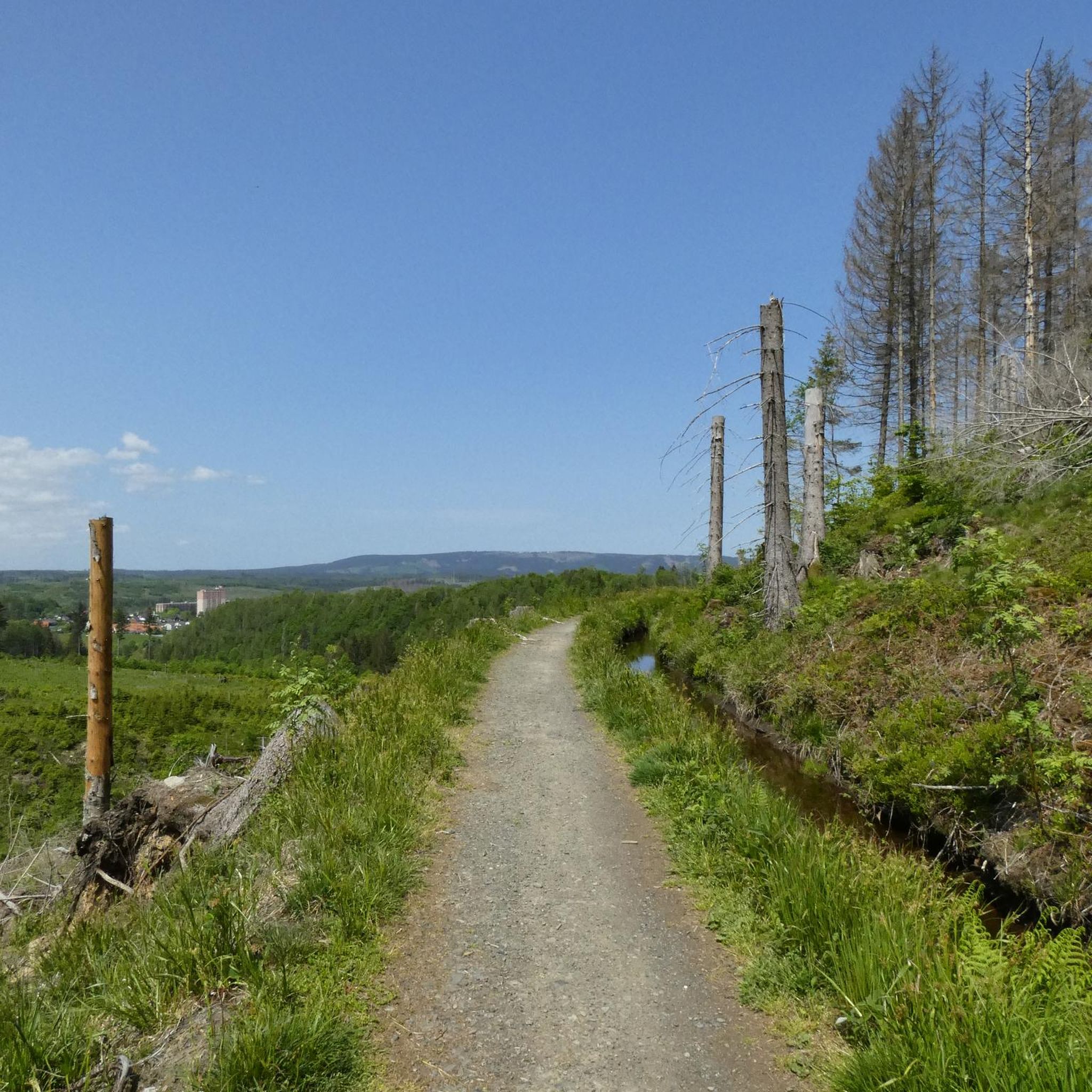
From the campsite north of the lake and along the eastern shore, there's a forest path around the lake. The path is unpaved and, in places, very dusty. This path is shared with pedestrians, so it can be busy on nice weekends, so please be considerate of others.
8
0
Unfortunately, you have to cycle on a country road without a bike path. In heavy traffic, caution is advised when crossing the Abtei road.
10
1
The castle belongs to the municipality of Sankt Johann in Rhineland-Palatinate and is located northwest of Mayen on a rocky outcrop at the confluence of the Nitzbach and Nette rivers. Along with Eltz Castle and Lissingen Castle, Bürresheim Castle is one of the few aristocratic residences in the Eifel region that was never conquered or destroyed, surviving unscathed both the wars of the 17th and 18th centuries and the social upheavals resulting from the French Revolution. Its history was largely shaped by its location on the border between the two ecclesiastical electorates of Cologne and Trier.
9
0
Frequently Asked Questions
How many touring cycling routes are available around Kirchwald?
There are over 550 touring cycling routes around Kirchwald, catering to various skill levels. You'll find a good mix of easy, moderate, and difficult trails to explore the impressive Eifel landscapes.
Are there any long-distance or multi-day touring cycling options from Kirchwald?
Yes, Kirchwald is well-positioned to access longer routes. The renowned Eifel-Höhen-Route, a challenging 230-kilometer multi-day route with significant elevation gain, passes through stunning Eifel landscapes and past reservoirs. While primarily asphalt, some sections are unpaved, making it suitable for touring or gravel bikes. For more details, you can visit the Nordeifel Tourismus website.
What kind of landscapes can I expect to see while cycling around Kirchwald?
Cycling around Kirchwald offers a diverse range of Eifel landscapes. You'll traverse dense forests, tranquil valleys like the Nitzbach, and elevated plateaus reaching 500 meters, providing extensive panoramic vistas across to the Hunsrück, Taunus, and Westerwald regions. The routes also feature vibrant juniper heaths, picturesque daffodil meadows, and terrain shaped by the region's volcanic origins.
Are there any circular touring cycling routes in the area?
Yes, many routes around Kirchwald are designed as loops. For instance, the Bendisberg Mine Wheel Monument – Bürresheim Castle loop from Kirchwald is a challenging 38 km ride that includes historical landmarks. Another option is the Finnenhütte Barbecue Area – Bendisberg Mine Wheel Monument loop from Kirchwald, a moderate 17.9 km path perfect for a recreational stop.
What are some notable natural attractions or viewpoints along the touring cycling routes?
The region boasts several natural highlights and viewpoints. You can cycle past the serene Laacher Lake, explore the Nette Waterfall, or discover the Genoveva Cave. Many routes, like the Gänsehals Transmission Tower – Udelshecke Hut and Viewpoint loop from Volkesfeld, specifically lead to panoramic spots offering extensive views of the Eifel landscape.
Are there historical landmarks or castles I can visit while touring cycling?
Absolutely. The Eifel region is rich in history. You can encounter impressive sites such as Bürresheim Castle, which is part of a cycling loop directly from Kirchwald. The serene Maria Laach Abbey is also a significant cultural attraction often accessible via cycling routes, for example, on the Gänsehalsturm Observation Tower – Maria Laach Abbey loop from Volkesfeld. Further afield, but within the broader Eifel, you might find routes leading near Eltz Castle or Genovevaburg.
What is the best time of year for touring cycling in Kirchwald?
The Eifel region, including Kirchwald, is beautiful throughout the warmer months. Spring brings vibrant daffodil meadows, while summer offers lush forests and pleasant temperatures. Autumn provides stunning foliage. Given the varied terrain and potential for challenging ascents, checking weather conditions and planning for appropriate gear is always recommended.
Are there any easy touring cycling routes suitable for beginners or families?
Yes, while the region offers challenging routes, there are also easier options. Many cycle paths in the Eifel are built on old railway lines, providing largely gradient-free routes away from traffic. These paths, like the Maare-Moselle cycle path and the Kyll cycle path, offer relaxed cycling experiences through verdant valleys and charming villages, making them suitable for beginners or families.
What do other touring cyclists enjoy most about the routes around Kirchwald?
The touring cycling routes around Kirchwald are highly rated by the komoot community, with an average score of 4.6 stars from over 2,900 reviews. Cyclists often praise the impressive and diverse Eifel landscapes, the well-integrated network of paths, and the variety of routes that cater to different skill levels, from tranquil valley rides to challenging climbs with panoramic views.
Can I find routes that feature lakes or water bodies?
Yes, the region includes several beautiful water features. The volcanic origins of the Eifel have created unique maars (lakes), such as the well-known Laacher Lake. You can also find routes that pass by other water bodies, like the Riedener Waldsee – Rodder Maar loop from Volkesfeld, which takes you past two scenic maars.
Are there routes that avoid heavy traffic?
Many cycling paths in the Eifel, particularly those built on old railway lines or designated river cycle paths, are designed to be away from heavy traffic. These routes offer a more peaceful and safer cycling experience, allowing you to enjoy the natural surroundings without interruption.
What is the typical duration for a touring cycling route in Kirchwald?
The duration varies significantly depending on the route's length and difficulty. For example, a moderate route like the Finnenhütte Barbecue Area – Bendisberg Mine Wheel Monument loop from Kirchwald (17.9 km) typically takes around 1 hour 27 minutes. More challenging routes, such as the Bendisberg Mine Wheel Monument – Bürresheim Castle loop from Kirchwald (38 km), can take over 3 hours.
Most popular routes around Kirchwald
Most popular attractions around Kirchwald

Get inspired with the komoot mobile app


Explore more
Browse the best Cycling routes in other regions.
