Top 15 Castles in County Durham
Castles in County Durham offer a glimpse into the region's rich history, set amidst diverse landscapes. County Durham features a mix of rolling hills, river valleys, and a coastline, providing varied backdrops for its historical sites. The area's cultural significance is rooted in its medieval past, with numerous fortifications and religious buildings. This northern English county provides opportunities to explore historical architecture within natural settings.
Best castles in County Durham
- The most popular castles is Egglestone Abbey Ruins, a religious building that features spectacular crumbling ruins situated above the River Tees. This Premonstratensian monastery, founded in the late 12th century, is free to enter.
- Another must-see spot is Bowes Castle Ruins, a historical site. Visitors can explore the magnificent ruins of Henry II's 12th-century keep, built on the foundations of a Roman fortification, which is free to enter.
- Visitors also love Durham Castle, a significant historical castle. This UNESCO World Heritage Site is part of Durham University and offers insights into centuries of history.
- County Durham is known for its medieval castles, historical ruins, and stately mansions. The region offers a variety of fortifications to explore, from well-preserved structures to picturesque remnants.
- The castles in County Durham are appreciated by the komoot community, with more than 90 upvotes and over 60 photos shared by visitors.
Last updated: October 10, 2026
Durham Castle
Highlight • Castle
Tip by

Bowes Castle Ruins
Highlight • Historical Site
Tip by

Sign up now to discover places like this
Get recommendations on the best single tracks, peaks, & plenty of other exciting outdoor places.
Lumley Castle
Highlight • Castle
Tip by
Barnard Castle ruins
Highlight • Historical Site
Translated by Google •
Tip by

Egglestone Abbey Ruins
Highlight • Religious Site
Tip by
Auckland Castle and Deer Park
Highlight • Castle
Tip by

Croxdale Hall and Chapel
Highlight • Religious Site
Tip by
Castle Eden Mansion
Highlight • Monument
Tip by

View of Durham Cathedral from Prebends Bridge
Highlight • Viewpoint
Tip by

Auckland Castle and Deer House
Highlight • Historical Site
There's plenty to see and do. As well as the bustling town centre, there's the impressive Auckland Castle, which has recently undergone extensive renovation work. Also of interest is the 150-acre (60 ha) deer park and the Gothic Revival sylings of its 18th-century Deer House.
Tip by
Sign up for free to discover even more castles in County Durham.
Already have an account?
Start today with a free account
Your next adventure awaits.
Popular around County Durham
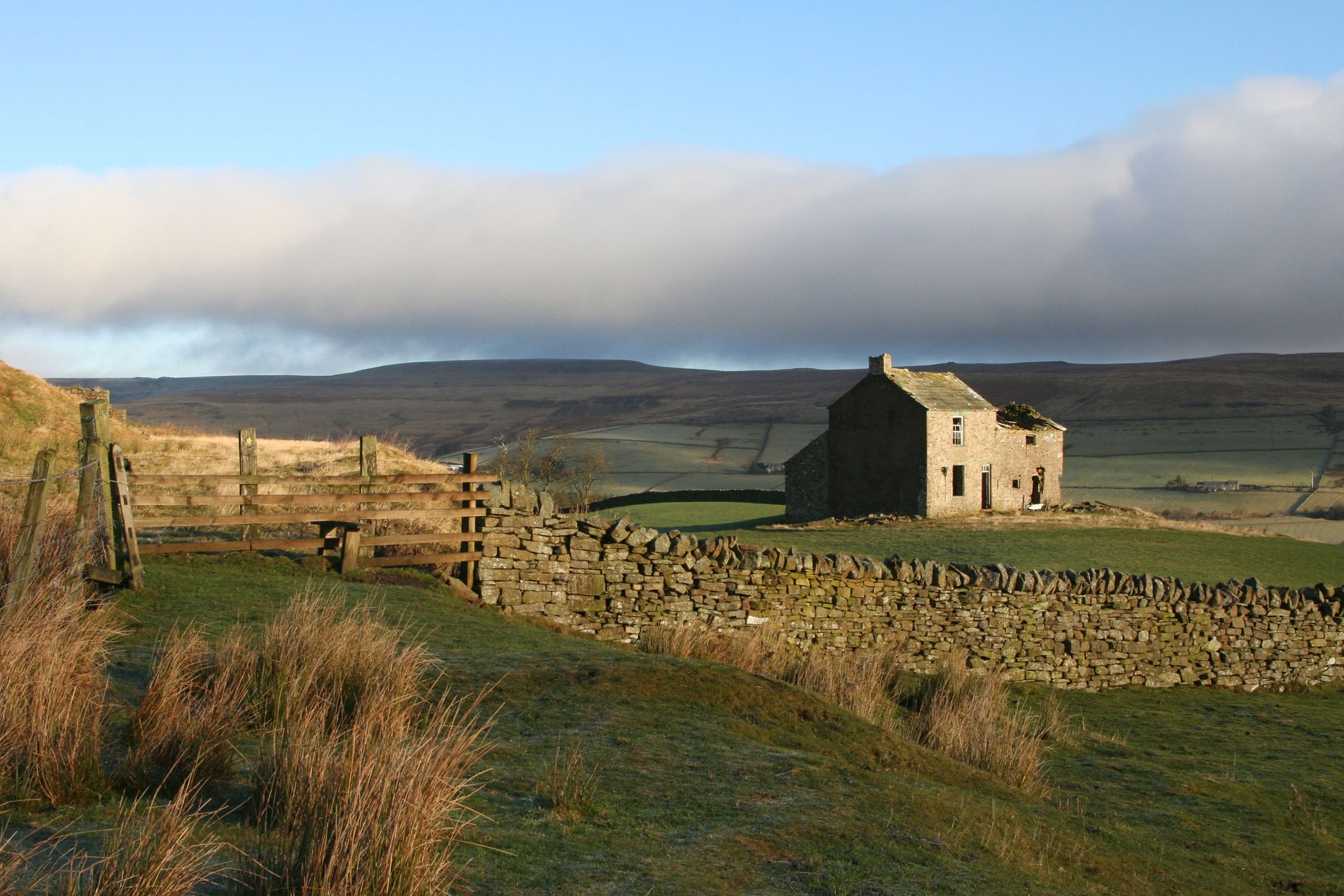
Weardale Way — Hike from the North Sea to the wild Pennines
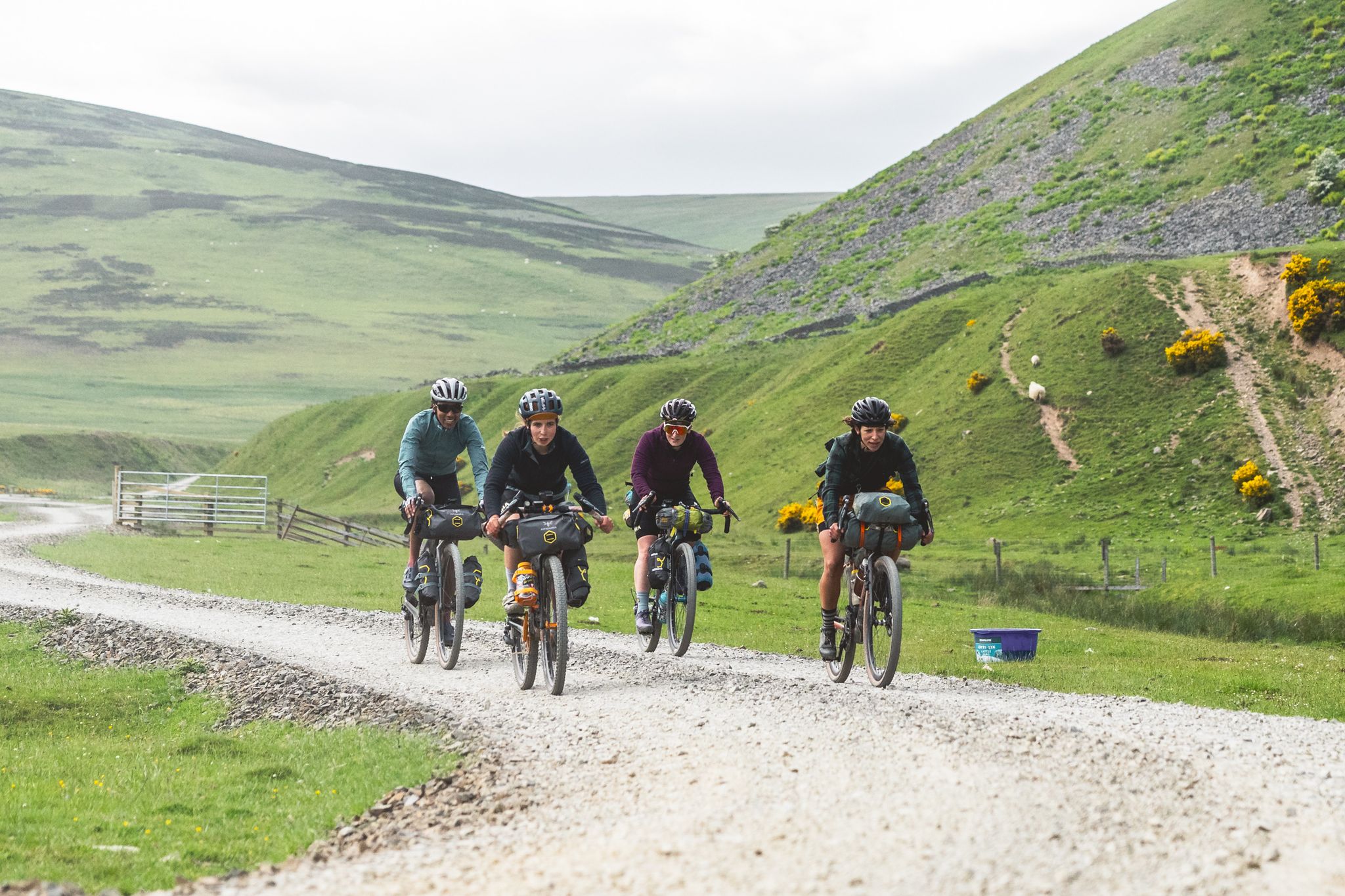
The Pennine Rally — Bikepacking Edinburgh to Manchester
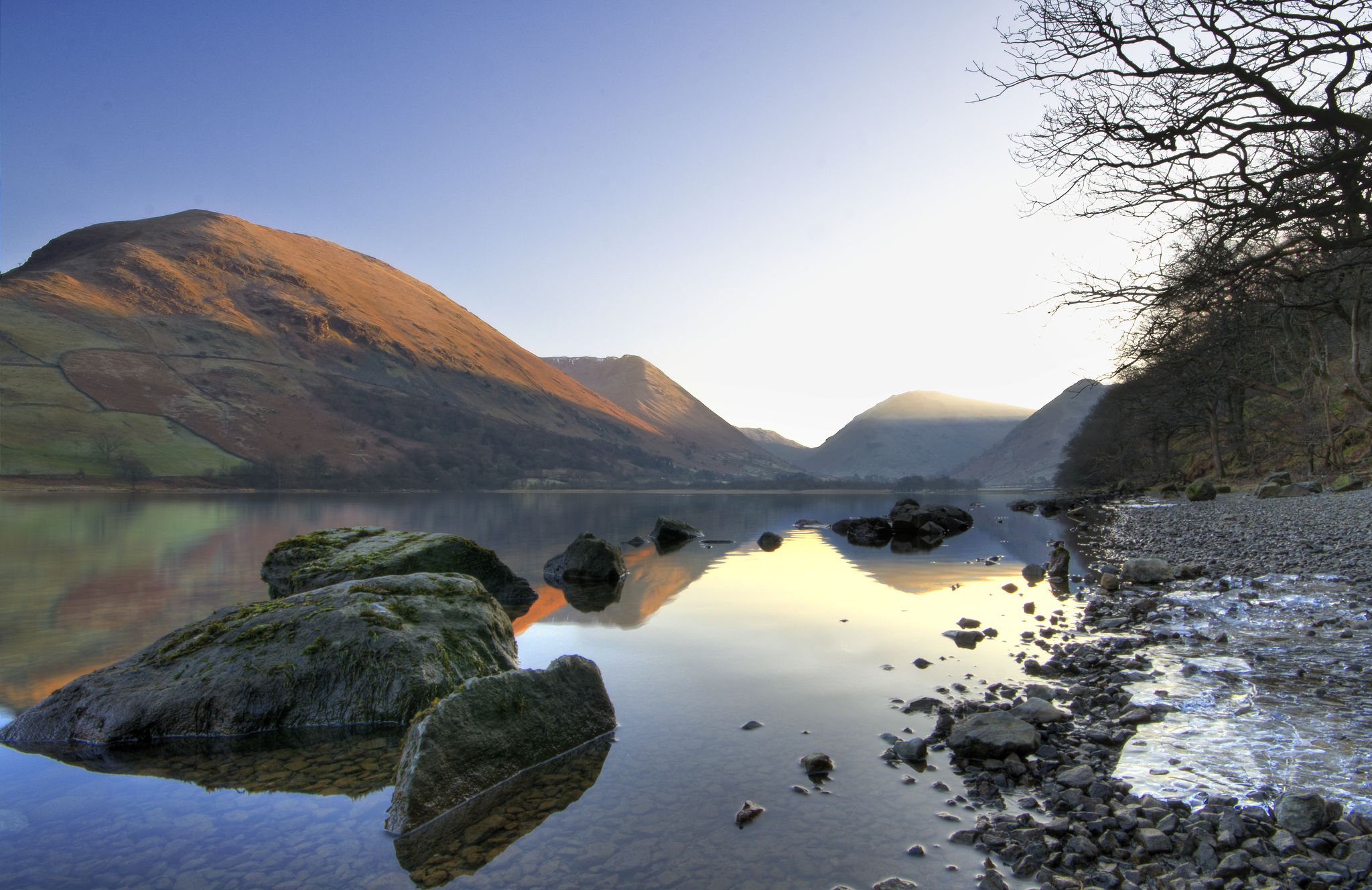
Lake to Lake Walk — Windermere to Kielder across the beautiful North
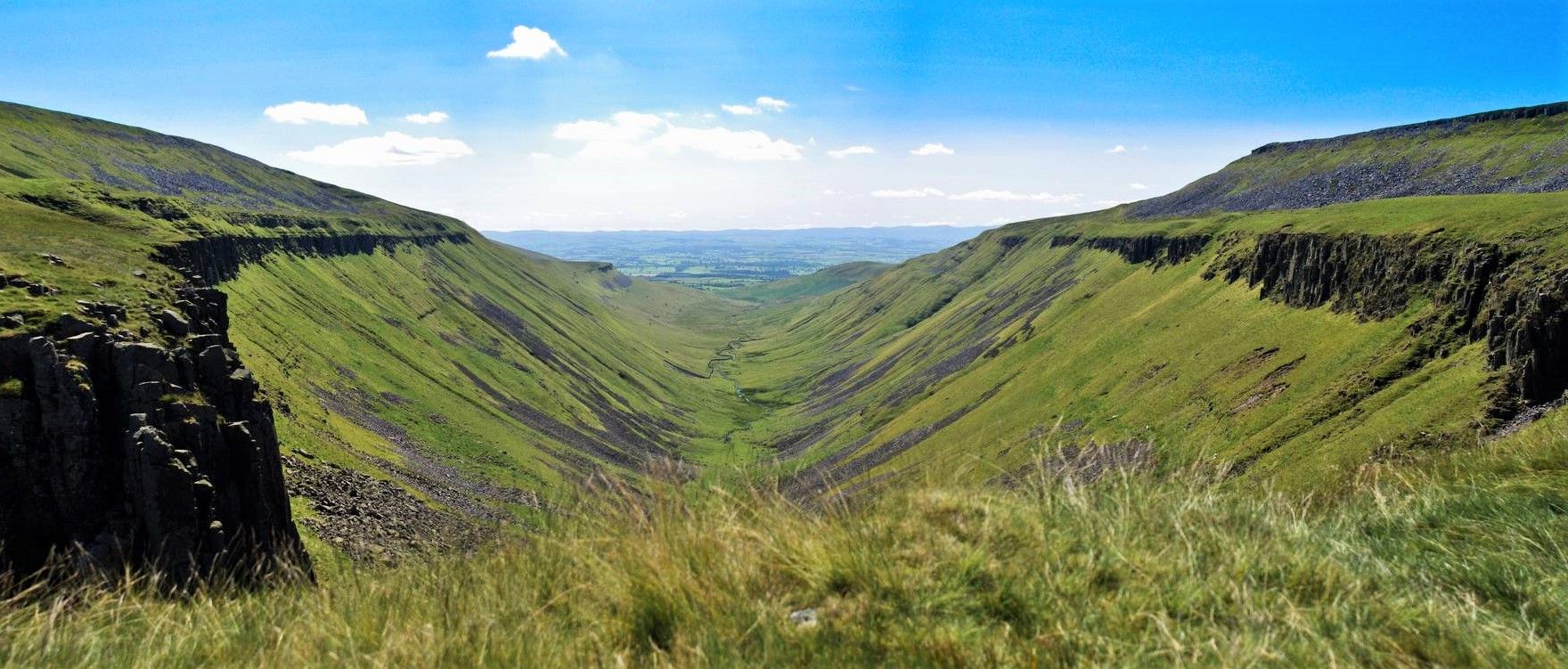
Teesdale Way — A riverside hike from wild Pennines to the North Sea
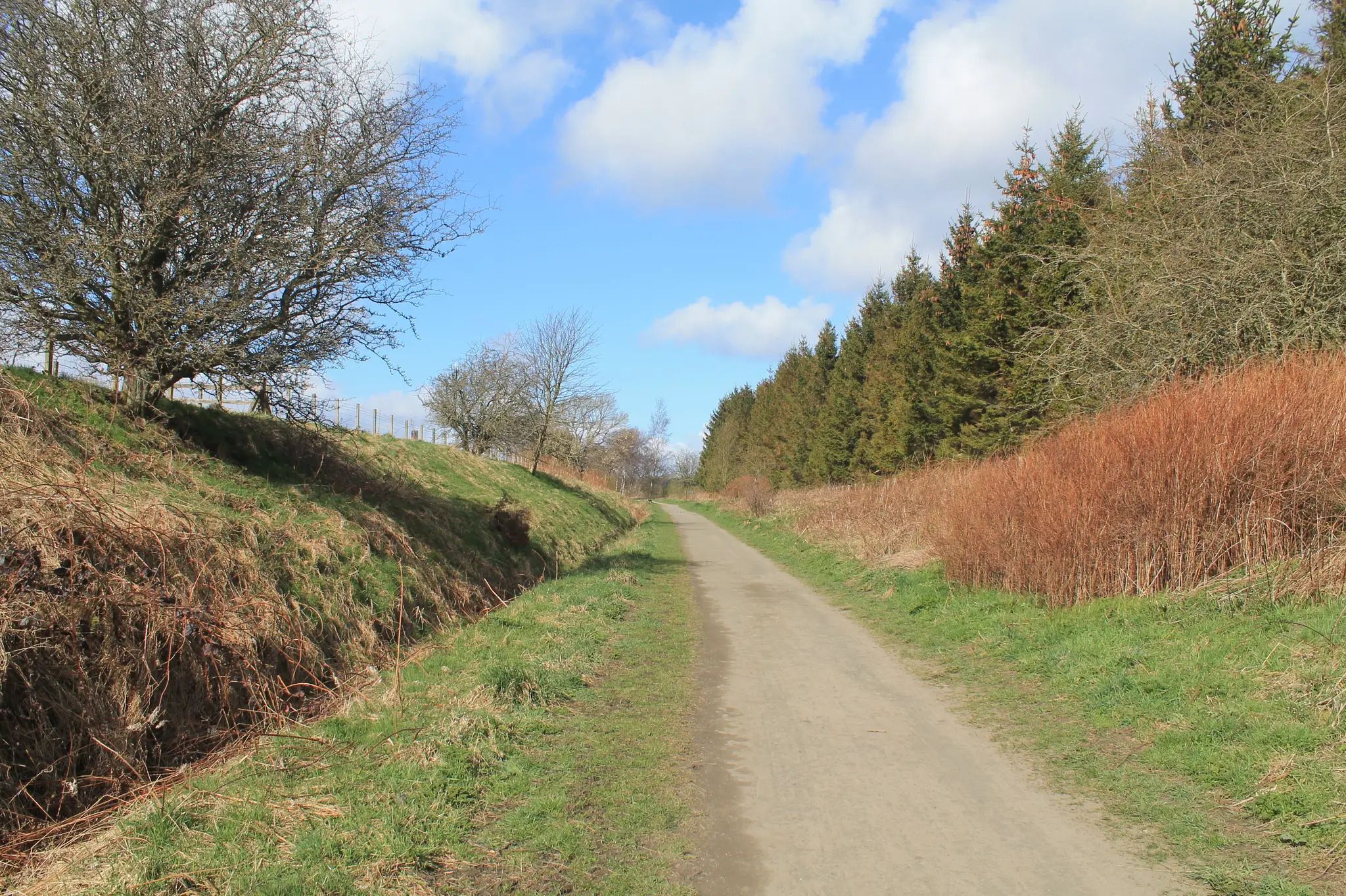
Three Rivers – Spectacular traffic-free riding through the North
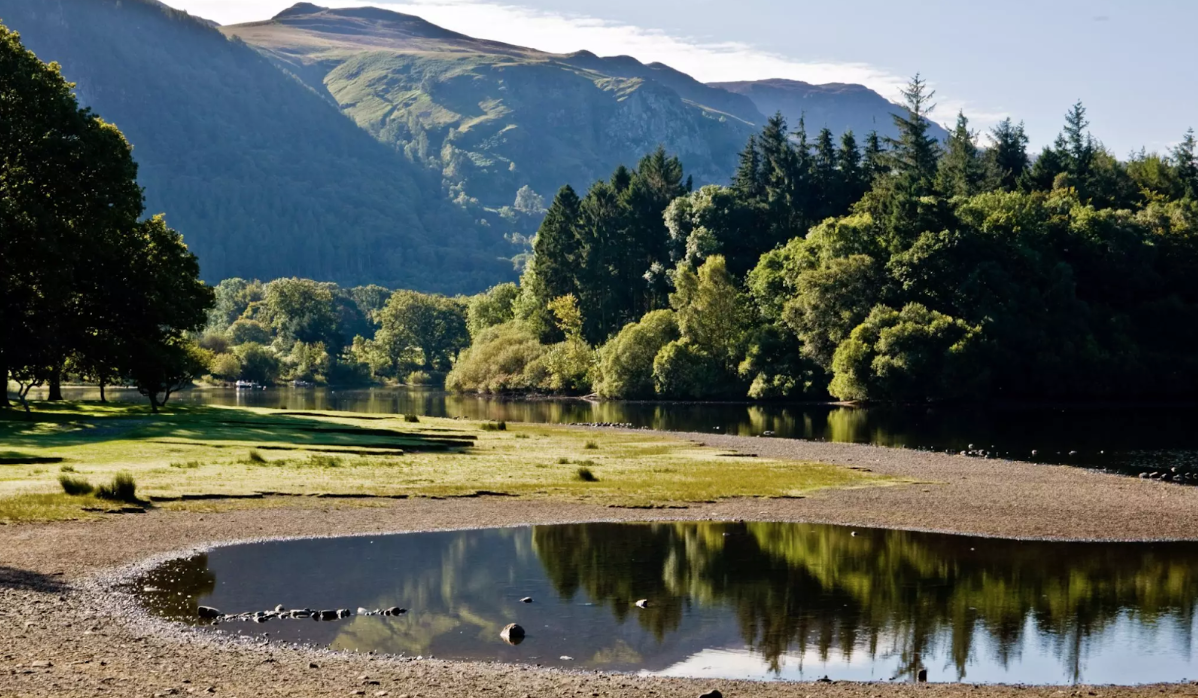
C2C — Cycling spectacular wilderness from coast to coast
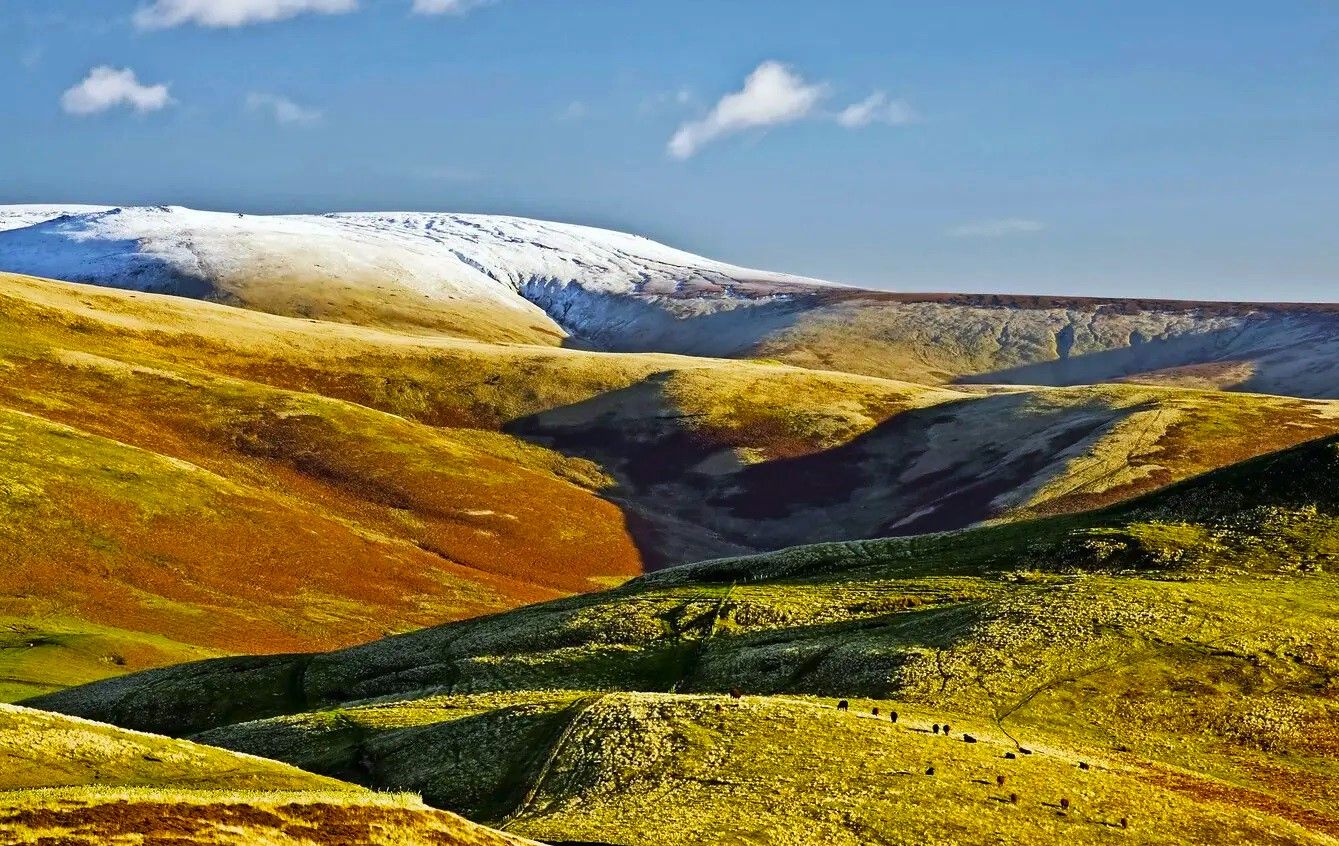
Pennine Way – Take on England's ultimate long-distance hike

Around the edge in 80 days — cycling the coastline of Britain

Spectacular rides in Scotland and Northern England – e-bike trials by Halfords
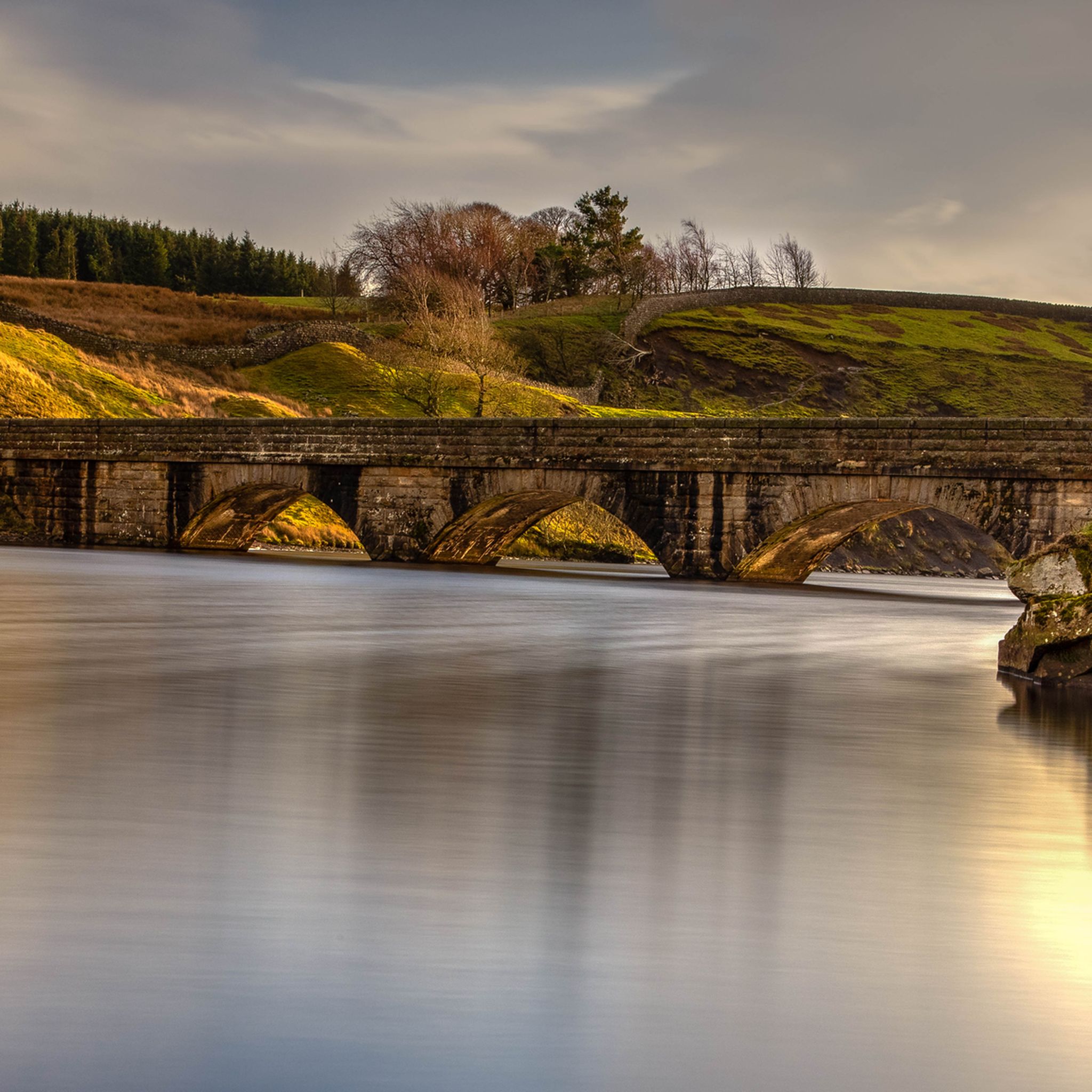
Hiking in County Durham
Other adventures in County Durham


Tips from the Community

Lumley Castle is a 14th-century castle in County Durham, England, that has been converted into a 73-bedroom hotel. It overlooks the River Wear and the Durham County Cricket Ground.
0
0
From the 18th-century stone bridge, you can see Durham Cathedral and Castle on top of a rocky peninsula, wrapped by the River Wear.
0
0
The cathedral was originally constructed to house the relics of St Cuthbert, a beloved Northumbrian saint. His shrine is a significant pilgrimage destination.
0
0

Fantastically beautiful old hotel to spend the night
0
0

These impressive Bowes Castle ruins are free to visit. Although not much of the fort is left standing, you can visit the interior of the castle and imagine yourself back in time. The current castle dates from 1187 but was built on what was once the foundations of a Roman fortification. For more information visit: https://www.english-heritage.org.uk/visit/places/bowes-castle/history/
1
0

The country park in the grounds of Auckland Castle is mostly in the area between the River Wear and the River Gaunless. The castle is the home for the Prince Bishops of Durham. It's open to the public (paid entry) to visit and view over q 1000 years of history. The castle sits in an area of deer park which you can walk through. There is also a deer shelter built in the style of a castle or folly that was designed to provide feeding and shelter for the deer and a place for a picnic for the wealthy residents.
0
0
An 18th Century Palladian style mansion set above the woodland of Castle Eden Burn. It's an impressive site although not open to the public. Viewable from many points on a walk around nearby Castle Eden Dene nature reserve.
1
0

The view from the bridge over the river is nice, but concerning the cathedral you actually have a better view from the riverbank.
2
0
Frequently Asked Questions
Which castles in County Durham are family-friendly?
Several castles in County Durham are great for families. Durham Castle, a UNESCO World Heritage Site, offers historical insights. The ruins of Bowes Castle Ruins and Egglestone Abbey Ruins are free to enter and provide open spaces for exploration. Auckland Castle and Deer Park also welcomes families, offering both historical buildings and natural surroundings.
Are there castles in County Durham with easy access or free entry?
Yes, several historical sites offer easy access and free entry. Egglestone Abbey Ruins are free to enter and situated above the River Tees. Similarly, Bowes Castle Ruins, a 12th-century keep built on Roman foundations, is also free to visit during daylight hours.
What is the best time of year to visit castles in County Durham?
The best time to visit castles in County Durham is generally during the spring and summer months (April to September). The weather is milder, making it more pleasant to explore outdoor ruins and castle grounds. Many sites also extend their opening hours during this period. Autumn can also be beautiful with changing foliage, though weather can be more unpredictable.
Are there indoor activities at County Durham castles for rainy days?
For rainy days, Durham Castle, as part of Durham University, offers guided tours that provide indoor exploration of its historic rooms. Auckland Castle, a stately home, also provides extensive indoor exhibitions and art collections, making it an excellent option for shelter and historical learning.
Can I find wildlife walks or natural areas near castles in County Durham?
Yes, many castles in County Durham are set within or near beautiful natural landscapes. For example, Auckland Castle and Deer Park offers opportunities to observe wildlife within its extensive grounds. The area around Castle Eden Mansion is close to Castle Eden Dene nature reserve, providing scenic walks. You can also find various hiking routes in the region, such as the Barnard Castle & Egglestone Abbey loop, which combines historical sites with natural beauty.
Are there walking routes connecting castles in County Durham?
While there aren't dedicated routes connecting all castles, you can find trails that link specific historical sites. For instance, the Barnard Castle & Egglestone Abbey loop is an easy 7.2 km hike that allows you to explore both the town of Barnard Castle and the picturesque Egglestone Abbey Ruins. Many castles are also situated near public footpaths and scenic trails.
What outdoor activities can I do near these castles?
County Durham offers a variety of outdoor activities near its castles. You can enjoy hiking, with options like the Three Becks Walk loop in Hamsterley Forest or the High Force and Low Force Circular. Cycling is also popular, with routes such as the Willington and Esh Winning loop. Many castles are integrated into these natural settings, allowing for combined historical and outdoor exploration.
Are there any lesser-known or 'hidden gem' castles in County Durham?
Beyond the major sites, County Durham has some less prominent but equally fascinating historical locations. The crumbling ruins of Egglestone Abbey Ruins offer a picturesque and free-to-enter experience. Bowes Castle Ruins, with its Roman foundations, is another intriguing, free site. While not always open to the public, Castle Eden Mansion can be viewed from walks in the nearby nature reserve.
What do visitors enjoy most about County Durham's castles?
Visitors frequently appreciate the blend of rich history and stunning natural settings. The opportunity to explore ancient ruins like Bowes Castle Ruins and Egglestone Abbey Ruins, often with free access, is highly valued. The impressive architecture of sites like Durham Castle and the scenic views of the River Wear from places like Prebends Bridge also receive high praise.
Can I visit castles in County Durham during winter?
Many castles and historical sites in County Durham remain open during the winter months, though opening hours may be reduced, and some outdoor areas might be less accessible due to weather. Indoor attractions like Durham Castle and Auckland Castle are good options. Always check the specific site's website for current winter opening times before planning your visit.
Are there pubs or places to eat near castles in County Durham?
Many of County Durham's castles are located near towns and villages that offer dining options. For example, Auckland Castle is situated in Bishop Auckland, which has various pubs, cafes, and restaurants. Similarly, Durham Castle is in the heart of Durham city, providing a wide array of choices for food and drink.
Most popular routes in County Durham
Most popular attractions in County Durham

Get inspired with the komoot mobile app


Explore more
Looking for the best castles somewhere else? Discover other guides in County Durham:
