The 4 Most Amazing Peaks in Oxfordshire
Best mountain peaks in Oxfordshire offer a blend of natural beauty, historical intrigue, and recreational opportunities. The county features notable high points that provide expansive views and ecological significance. These areas are characterized by rolling hills, ancient woodlands, and chalk grasslands, particularly within the Berkshire Downs and Chiltern Hills. Visitors can explore sites with rich history and diverse flora and fauna.
Best mountain peaks in Oxfordshire
- The most popular mountain peaks is Uffington Castle Hillfort, a summit that is an exceptionally well-preserved Iron Age hillfort. It lies next to the extraordinary Uffington White Horse, making for a remarkable historical and scenic site.
- Another must-see spot is Uffington White Horse, a man-made monument. This prehistoric chalk figure is carved into the northern slope of Whitehorse Hill and is estimated to be over 3,000 years old.
- Visitors also love Watlington Hill, a forest and summit managed by the National Trust. This hill is a nationally important wildlife site, home to a large array of wildflowers, butterflies, and birds.
- Oxfordshire is known for its chalk hills, ancient hillforts, and natural monuments. These areas offer a variety of mountain peaks and high points to see and explore, from historic sites to significant wildlife habitats.
- The mountain peaks in Oxfordshire are appreciated by the komoot community. The guide features 6 highlights, with more than 80 photos and over 150 upvotes from visitors.
Last updated: October 18, 2026
Uffington White Horse
Highlight • Monument
Tip by

Uffington Castle Hillfort
Highlight • Summit
Tip by

Sign up now to discover places like this
Get recommendations on the best single tracks, peaks, & plenty of other exciting outdoor places.
Watlington Hill
Highlight • Forest
nationaltrust.org.uk/chilterns-countryside/trails/watlington-hill-and-the-wormsley-estate--an-emblematic-chilterns-walk
Tip by

Dragon Hill
Highlight • Natural Monument
Translated by Google •
Tip by

View from Chinnor Hill Nature Reserve
Highlight • Natural
Tip by
Badbury Clump Bluebell Woods
Highlight • Natural Monument
Tip by

Start today with a free account
Your next adventure awaits.
Popular around Oxfordshire
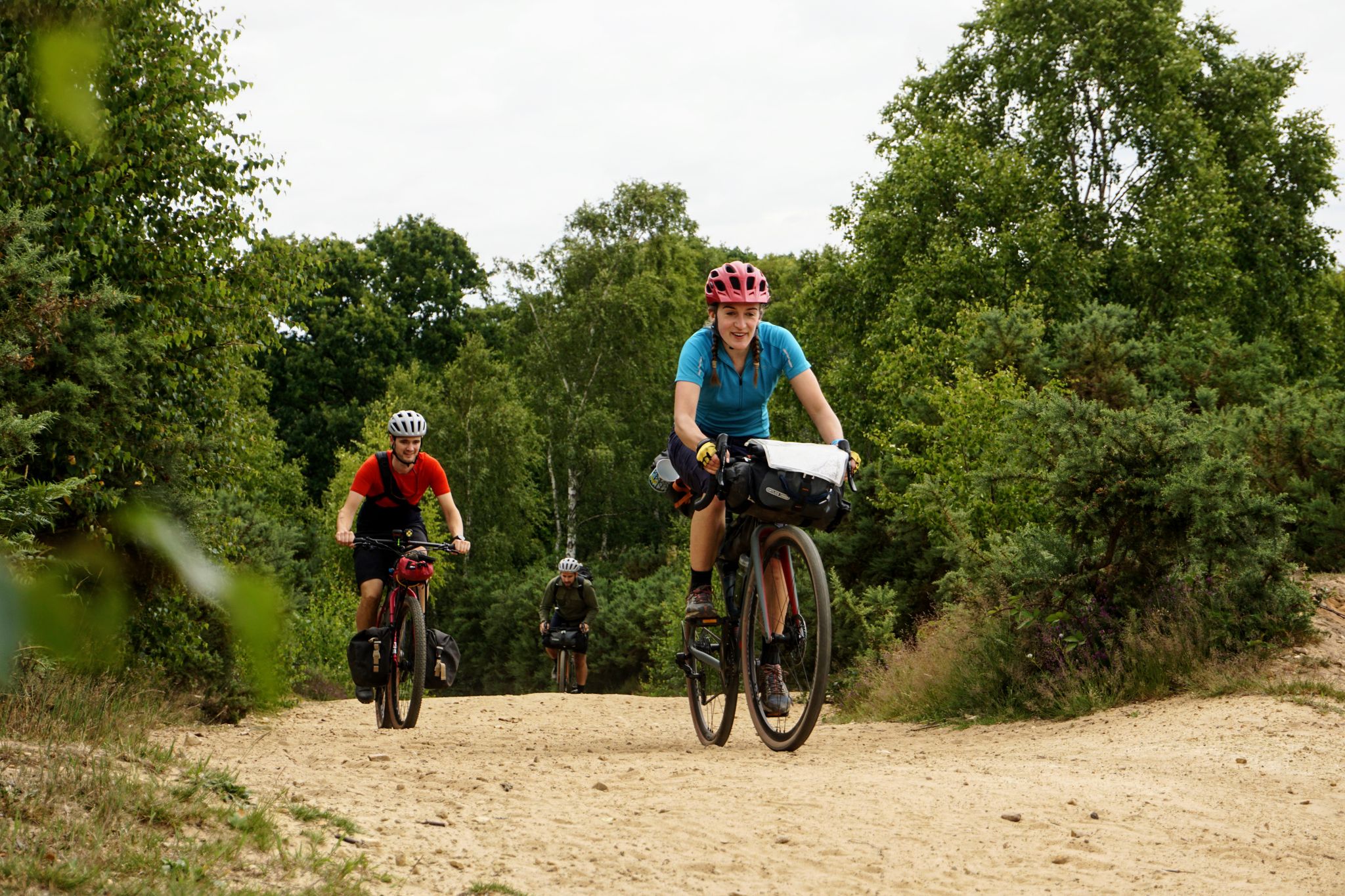
King Alfred's Way — History, chalk, grassland and forest
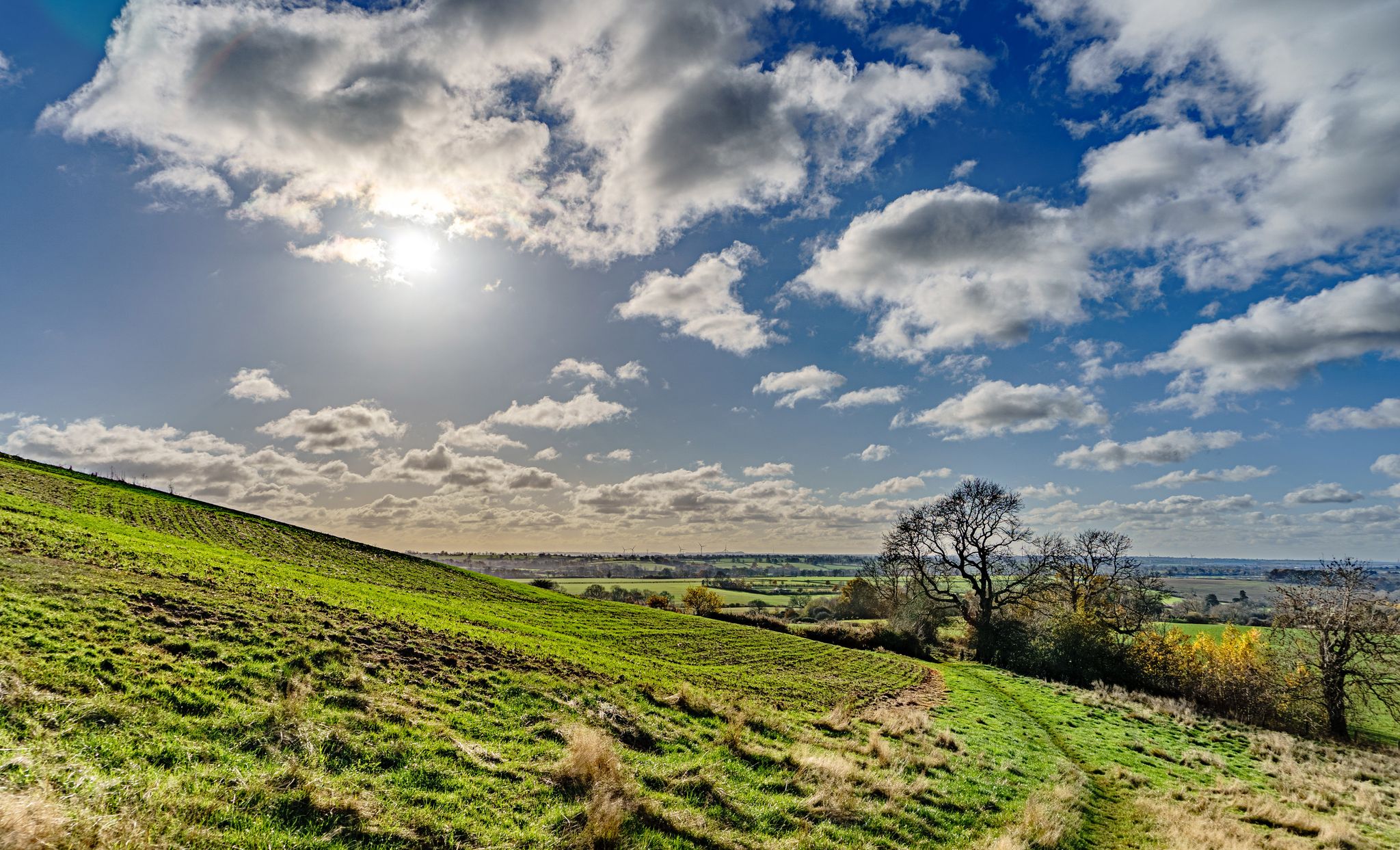
Jurassic Way — A hiking trail 150 million years in the making
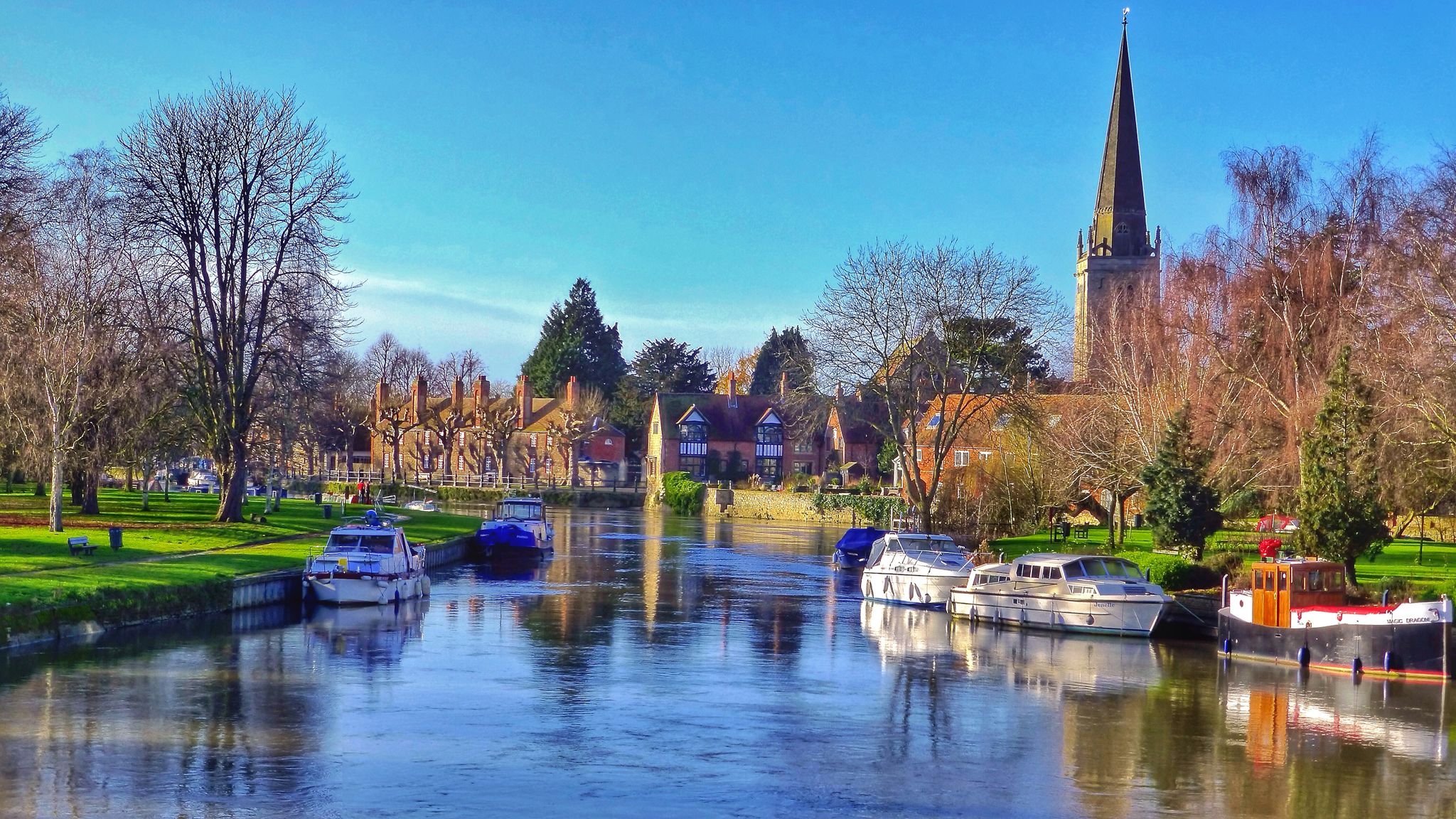
Hiking the Oxford Green Belt Way — Rivers, abbeys, manors and woods
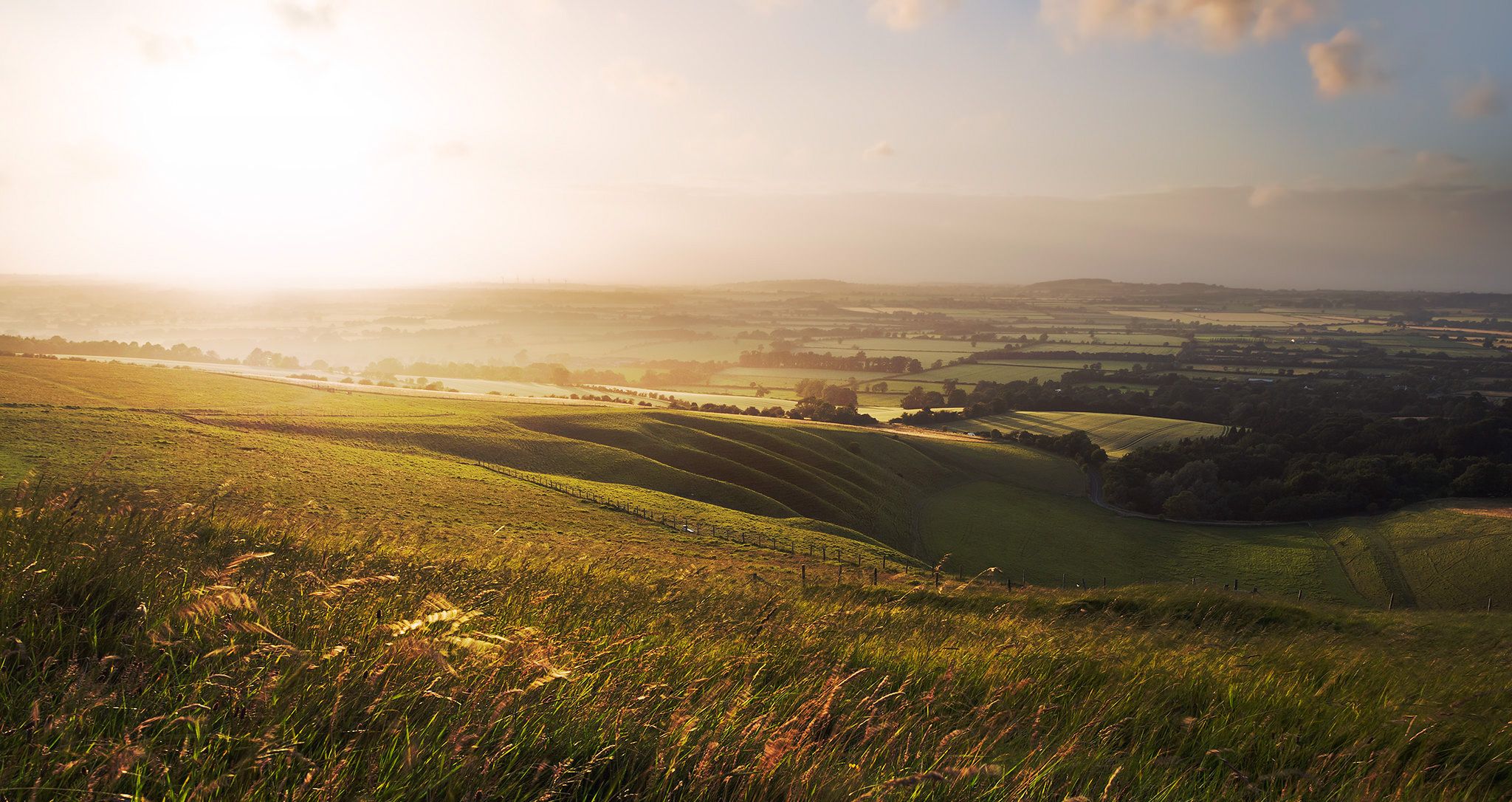
Hiking the Greater Ridgeway — Following Roman roads across England
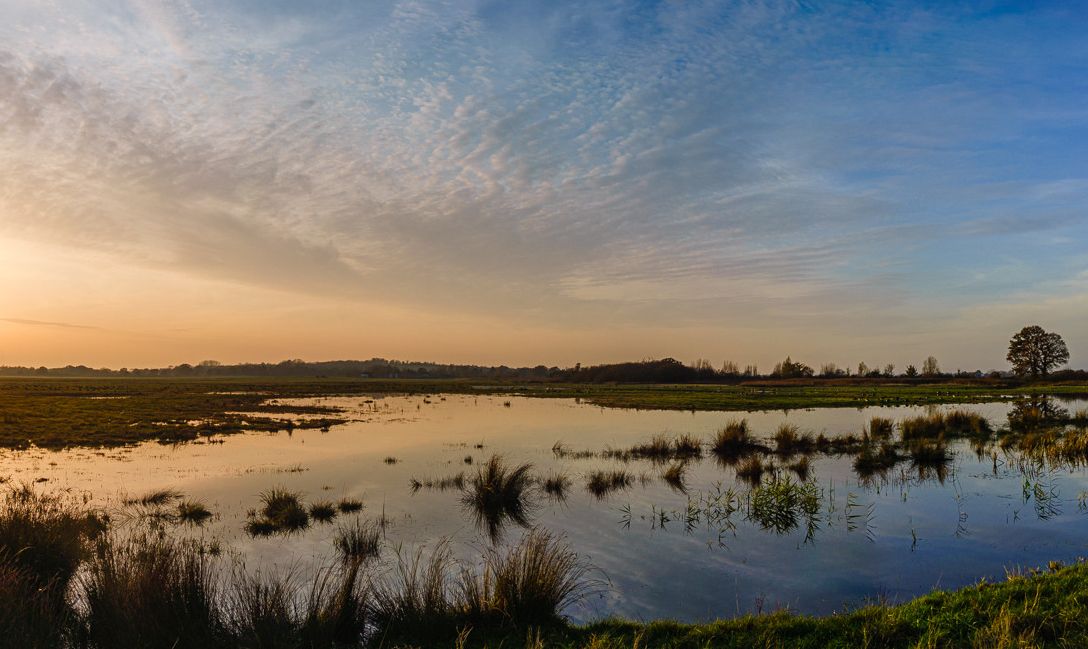
Oxfordshire Way — An idyllic walk in the heart of rural England
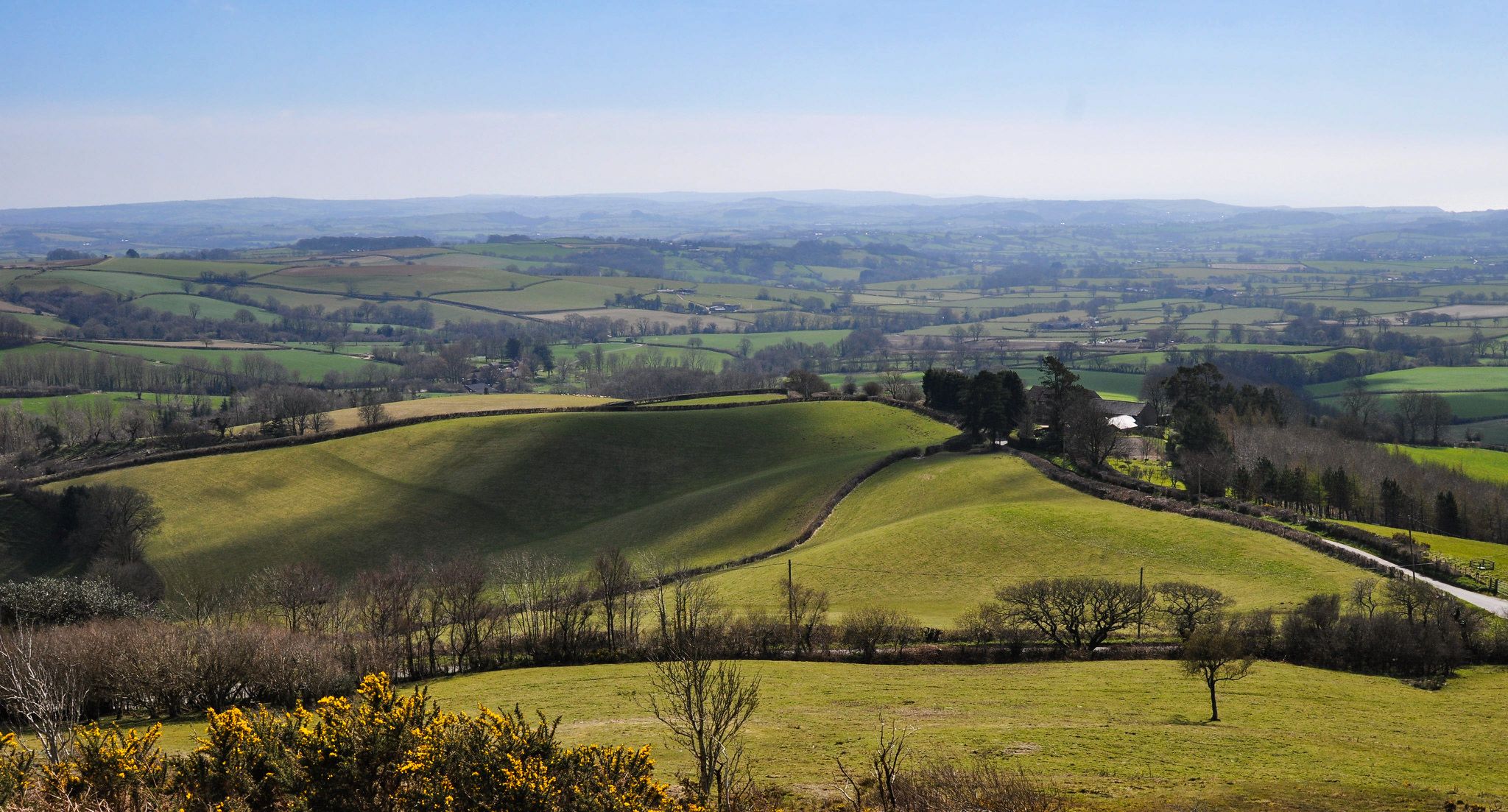
Hiking the Orange Way — Southern England in the footsteps of a king
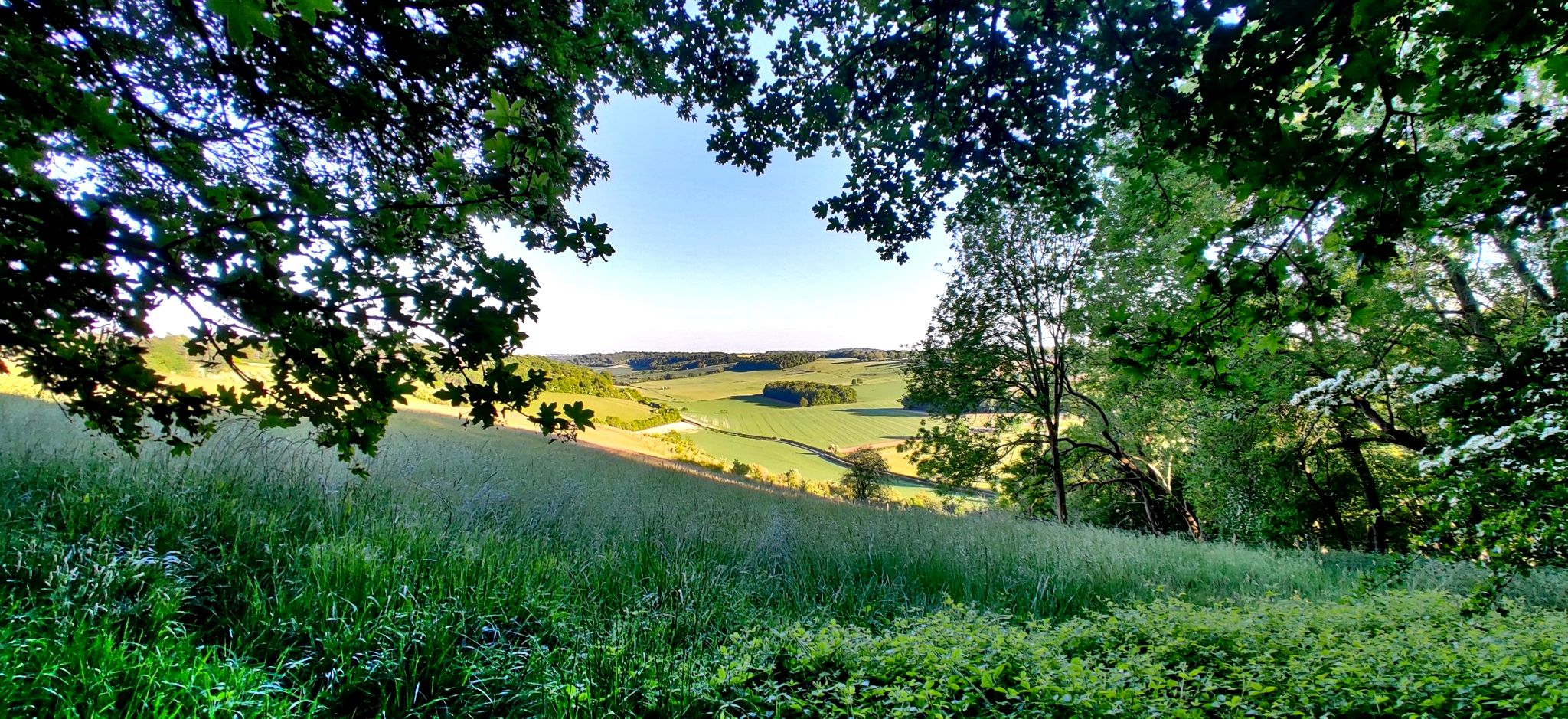
Chiltern Way — Hike some of the prettiest scenery in England
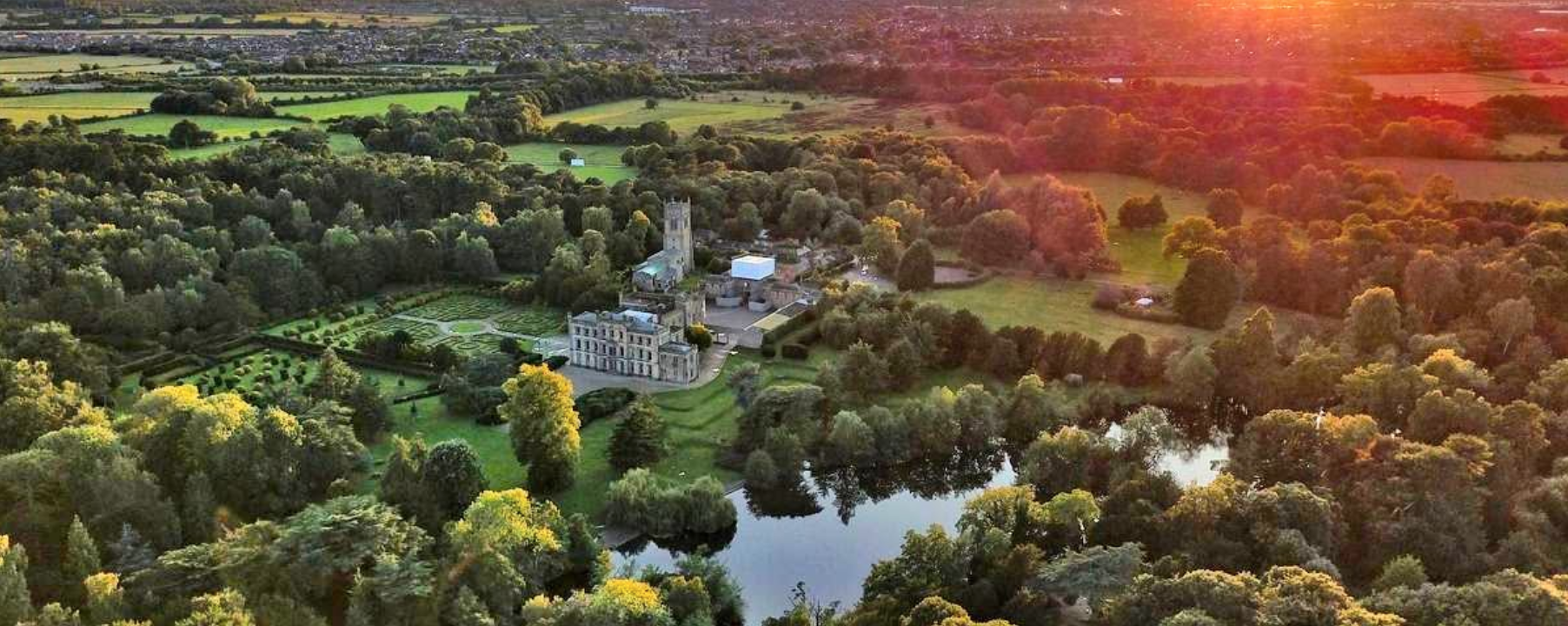
South Midlands Cycleway – Explore the heart of England by bike
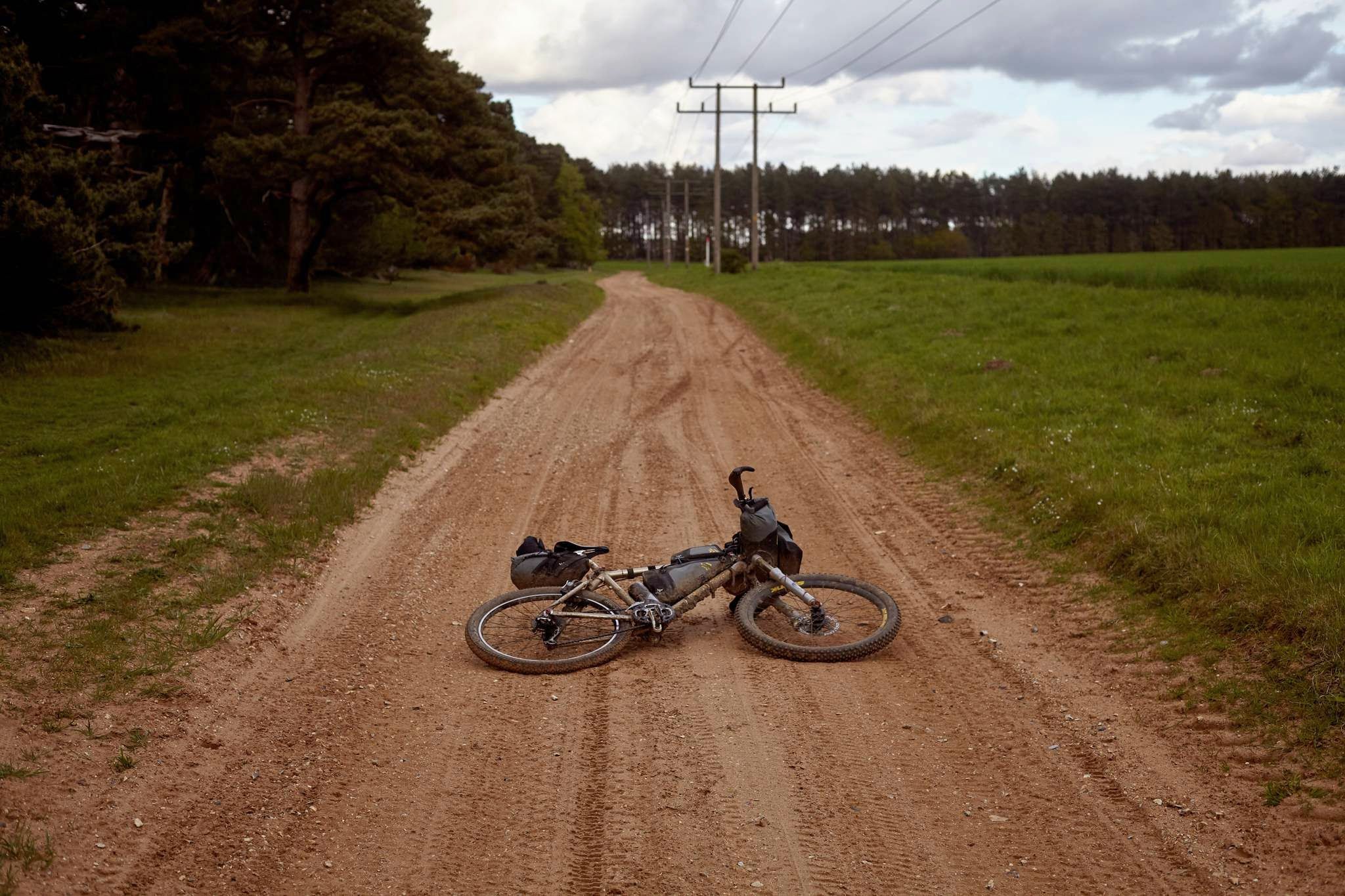
Cycle the Greater Ridgeway Trail — English Channel to North Sea
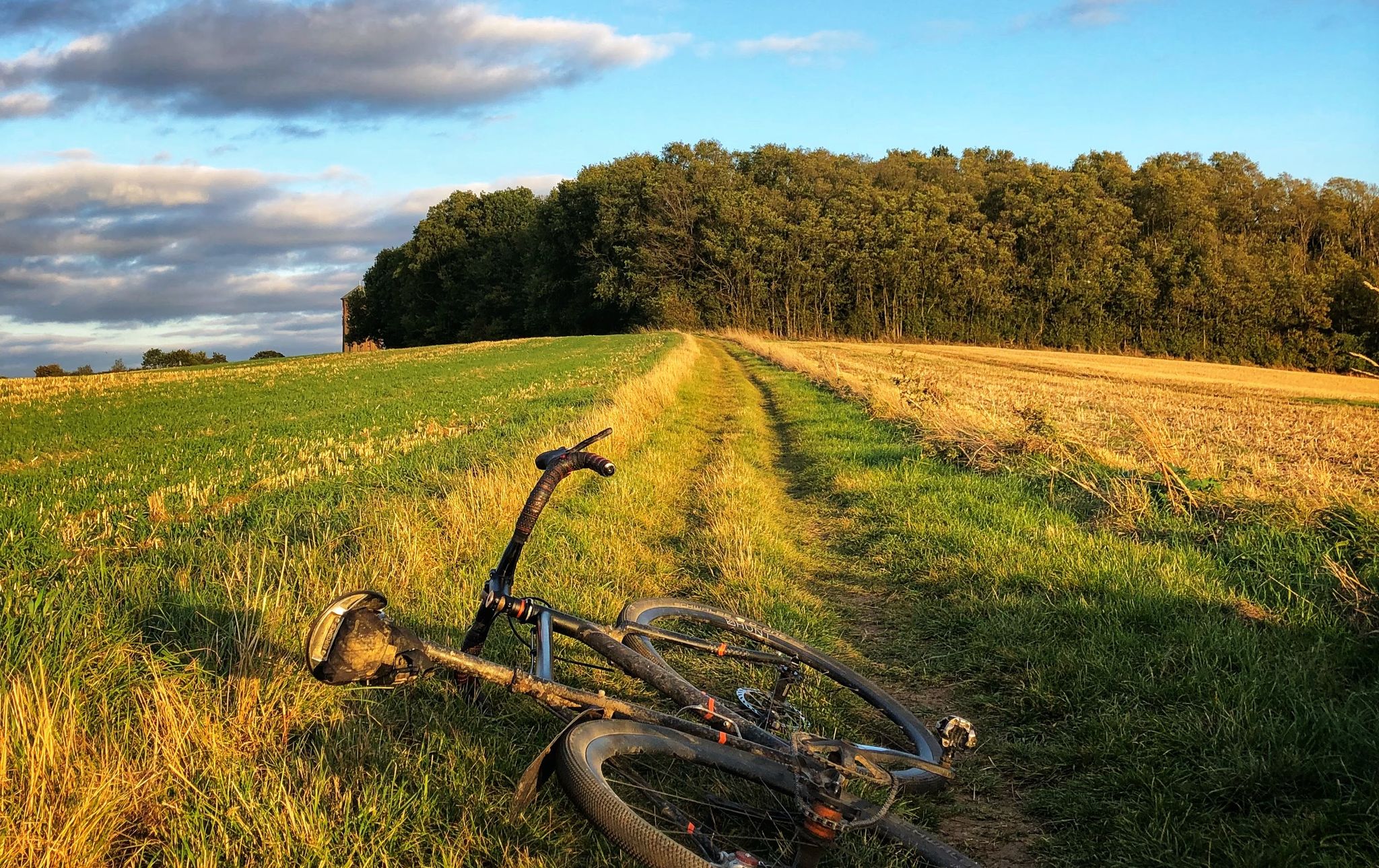
Icknield Way Trail — Ancient bridleways of Central England
Other adventures in Oxfordshire


Tips from the Community

Really inspiring location on the Ridgeway National trail
0
0

Tip: If you're hiking at White Horse Hill in Uffington, take your time to soak in the ancient history and breathtaking views. The hill is home to the famous Uffington White Horse, a prehistoric chalk figure carved into the hillside over 3,000 years ago. Hike: The trail around the hill offers stunning panoramas of the Vale of White Horse and beyond. You can extend your walk to Dragon Hill, a small flat-topped hill linked to legends of St. George, and even further to Wayland’s Smithy, a Neolithic burial chamber. The open landscape and rolling hills make for a refreshing and scenic hike!
0
0
small, flat-topped hill near White Horse Hill in Uffington, shrouded in myth and legend. One of the most famous stories claims that this is where St. George slew the dragon. The bare patch of chalk at the top is said to be the spot where the dragon’s blood spilled, making the grass unable to grow there. Geologically, the hill is a natural chalk formation, but its unusual shape and connection to local folklore make it a fascinating stop on any hike in the area. From the top, you get a great view of the surrounding countryside, adding to the mystical feel of the place!
0
0
If you're hiking at White Horse Hill in Uffington, take your time to soak in the ancient history and breathtaking views. The hill is home to the famous Uffington White Horse, a prehistoric chalk figure carved into the hillside over 3,000 years ago. The trail around the hill offers stunning panoramas of the Vale of White Horse and beyond. You can extend your walk to Dragon Hill, a small flat-topped hill linked to legends of St. George, and even further to Wayland’s Smithy, a Neolithic burial chamber. The open landscape and rolling hills make for a refreshing and scenic hike!
0
0
If you're hiking at White Horse Hill in Uffington, take your time to soak in the ancient history and breathtaking views. The hill is home to the famous Uffington White Horse, a prehistoric chalk figure carved into the hillside over 3,000 years ago. The trail around the hill offers stunning panoramas of the Vale of White Horse and beyond. You can extend your walk to Dragon Hill, a small flat-topped hill linked to legends of St. George, and even further to Wayland’s Smithy, a Neolithic burial chamber. The open landscape and rolling hills make for a refreshing and scenic hike! Attention - no drones allowed
0
0
If you're hiking near Uffington Castle Hillfort, take a moment to explore the surrounding landscape. The views from the top are incredible, and you're right next to the famous Uffington White Horse. It's a great spot for a break and some amazing photos! Atention - no drones allowed.
0
0

Badbury Hill is home to the Iron Age Badbury Camp, a circular hill fort partially leveled in the 19th century. It’s thought to be a possible site of the Battle of Mons Badonicus. The hill also has a WWII firing range on its west side. Today, Badbury Clump, a nine-acre wooded area, is known for its bluebells in May and is a popular spot for walkers and dog owners. It’s now managed by the National Trust.
2
0

Not much to see, but it great to walk along the ramparts and imagine what it would have looked like inside the area you're walking around.
1
0
Frequently Asked Questions
What is the highest point in Oxfordshire?
The highest point in Oxfordshire is Whitehorse Hill, reaching 261 meters (856 ft). It is part of the Berkshire Downs and is famous for the prehistoric Uffington White Horse carved into its slope and the Iron Age Uffington Castle Hillfort on its summit.
Are there any historic sites among Oxfordshire's peaks?
Yes, Oxfordshire's peaks are rich in history. Uffington Castle Hillfort on Whitehorse Hill is an exceptionally well-preserved Iron Age hillfort. Nearby, the Uffington White Horse is a remarkable prehistoric chalk figure over 3,000 years old. Bald Hill is also recognized as the historic county top of Oxfordshire.
Which peaks offer the best views in Oxfordshire?
Many peaks in Oxfordshire offer stunning views. From Uffington Castle Hillfort, you get wonderful panoramic views. Dragon Hill, near Whitehorse Hill, also provides fantastic all-around views. Additionally, Chinnor Hill Nature Reserve affords spellbinding panoramic views over the rolling landscape.
Are there family-friendly walks among the Oxfordshire hills?
Absolutely. Watlington Hill is a great option, managed by the National Trust, offering varied habitats and wildlife spotting. Chinnor Hill Nature Reserve also features a family-friendly circular walk of 1 mile, marked by badger waymarks. Badbury Clump Bluebell Woods is another excellent choice for families, especially during bloom season.
What kind of wildlife can I expect to see on Oxfordshire's peaks?
Oxfordshire's peaks are rich in biodiversity. Watlington Hill is a nationally important wildlife site, home to a large array of wildflowers, butterflies, birds, mosses, lichens, and fungi. Chinnor Hill Nature Reserve is known for wildflowers like orchids and the scarce Chiltern gentian, as well as birds like red kites and kestrels.
What walking opportunities are available on Whitehorse Hill?
Whitehorse Hill is crossed by The Ridgeway National Trail, considered Britain's oldest road, offering excellent walking opportunities with panoramic views. The area around Uffington Castle Hillfort and the Uffington White Horse is perfect for rambling and exploring ancient history.
Where can I find tranquil walks in the Chiltern Hills part of Oxfordshire?
Bald Hill, part of the Chiltern Hills, offers a classic Chiltern walking experience with rolling hills and scenic woodlands. The area is part of the Chiltern Way and Oxfordshire Way, providing tranquil routes. Walks often start from Cowlease Woods Car Park and can include stops at traditional English pubs.
Are there any long-distance trails that pass through Oxfordshire's high points?
Yes, The Ridgeway National Trail, an ancient trackway, crosses Whitehorse Hill. Additionally, the Chiltern Way and Oxfordshire Way pass through areas like Bald Hill, offering extensive walking routes through the region's scenic landscapes.
What outdoor activities can I do near the peaks in Oxfordshire?
Beyond hiking, you can explore various outdoor activities. For running, check out the Running Trails in Oxfordshire guide, which includes routes like the Watlington Hill and Wormsley Estate Walk. If you enjoy cycling, there are options for Gravel biking in Oxfordshire and Road Cycling Routes in Oxfordshire, with trails passing through scenic areas and near some of the peaks.
What is the significance of Watlington Hill?
Watlington Hill is a 45-hectare site managed by the National Trust, known for its diverse wildlife and short chalk grassland turf. It's a nationally important wildlife site, hosting rare wildflowers, butterflies, birds, mosses, lichens, and fungi. The landscape is maintained by rabbits and deer, with ancient ant-hills adding to its unique character.
What is the best time to visit Oxfordshire's peaks for wildflowers?
The best time to visit for wildflowers is during spring and summer. Sites like Watlington Hill and Chinnor Hill Nature Reserve are particularly vibrant then, showcasing a rich variety of flora, including orchids and the scarce Chiltern gentian.
Most popular routes in Oxfordshire
Most popular attractions in Oxfordshire

Get inspired with the komoot mobile app


Explore more
See even more amazing summits in Oxfordshire with these guides:
