The 20 Most Amazing Peaks in Dorset
Best mountain peaks in Dorset, while not reaching alpine heights, feature prominent hills and coastal cliffs that offer diverse natural landscapes. This region is characterized by its rolling countryside, dramatic coastline, and significant historical sites, including numerous Iron Age hill forts. These elevated points provide expansive views and opportunities to explore ancient history and varied ecosystems. Dorset's highest points are classified as hills, with the highest reaching under 300 meters.
Best mountain peaks in Dorset
- The most popular mountain peaks is Golden Cap Summit, a summit that stands as the highest point on the South Coast at 191 meters. From its summit, views extend over Lyme Bay and the Jurassic Coast.
- Another must-see spot is Pilsdon Pen Summit and Trig Point, a natural monument and Dorset's second-highest summit. It offers expansive views across the rolling Dorset countryside, including Golden Cap and the ocean, and features an Iron Age fort.
- Visitors also love Hambledon Hill Iron Age hill fort, one of Britain's best-preserved Iron Age hill forts. This site provides views into neighboring Wiltshire and Somerset and is known for its diverse ecology.
- Dorset is known for coastal cliffs, ancient hill forts, and rolling inland hills. These locations offer diverse walking routes and viewpoints across the landscape.
- The mountain peaks in Dorset are appreciated by the komoot community, with more than 300 upvotes and 160 photos shared by users.
Last updated: October 9, 2026
Golden Cap Summit
Highlight • Summit
Tip by

Pilsdon Pen Summit and Trig Point
Highlight • Natural Monument
Tip by
Sign up now to discover places like this
Get recommendations on the best single tracks, peaks, & plenty of other exciting outdoor places.
Doghouse Hill
Highlight (Segment) • Summit
Translated by Google •
Tip by

Hambledon Hill Iron Age hill fort
Highlight • Viewpoint
Tip by
Colmer's Hill
Highlight • Viewpoint
Tip by

Woolsbarrow Hillfort
Highlight • Historical Site
Tip by

Hambledon Hill Ramparts
Highlight • Historical Site
Tip by

Thorncombe Beacon: Smugglers' Song, Beacon, and Watering Well
Highlight (Segment) • Summit
A Smugglers song by Rudyard Kipling
IF you wake at midnight, and hear a horse's feet,
Don't go drawing back the blind, or looking in the street,
Them that ask no questions isn't told a lie.
Watch the wall my darling while the Gentlemen go by.
Five and twenty ponies,
Trotting through the dark -
Brandy for the Parson, 'Baccy for the Clerk.
Laces for a lady; letters for a spy,
Watch the wall my darling while the Gentlemen go by!
Running round the woodlump if you chance to find
Little barrels, roped and tarred, all full of brandy-wine,
Don't you shout to come and look, nor use 'em for your play.
Put the brishwood back again - and they'll be gone next day !
If you see the stable-door setting open wide;
If you see a tired horse lying down inside;
If your mother mends a coat cut about and tore;
If the lining's wet and warm - don't you ask no more !
If you meet King George's men, dressed in blue and red,
You be careful what you say, and mindful what is said.
If they call you " pretty maid," and chuck you 'neath the chin,
Don't you tell where no one is, nor yet where no one's been !
Knocks and footsteps round the house - whistles after dark -
You've no call for running out till the house-dogs bark.
Trusty's here, and Pincher's here, and see how dumb they lie
They don't fret to follow when the Gentlemen go by !
'If You do as you've been told, 'likely there's a chance,
You'll be give a dainty doll, all the way from France,
With a cap of Valenciennes, and a velvet hood -
A present from the Gentlemen, along 'o being good !
Five and twenty ponies,
Trotting through the dark -
Brandy for the Parson, 'Baccy for the Clerk.
Them that asks no questions isn't told a lie -
Watch the wall my darling while the Gentlemen go by !
Tip by

Melbury Beacon
Highlight • Viewpoint
Tip by

Coney's Castle Hillfort and Bluebell Woods
Highlight • Forest
Check out the earthwork ramparts on the north, south and east sides. The western edge used the natural slope of the hill as a defense. Managed by the National Trust, this hillfort is free to roam around and served by a car park. Its only downside is that there’s a road right through the middle of it.
Tip by
Sign up for free to discover even more peaks in Dorset.
Already have an account?
Start today with a free account
Your next adventure awaits.
Popular around Dorset
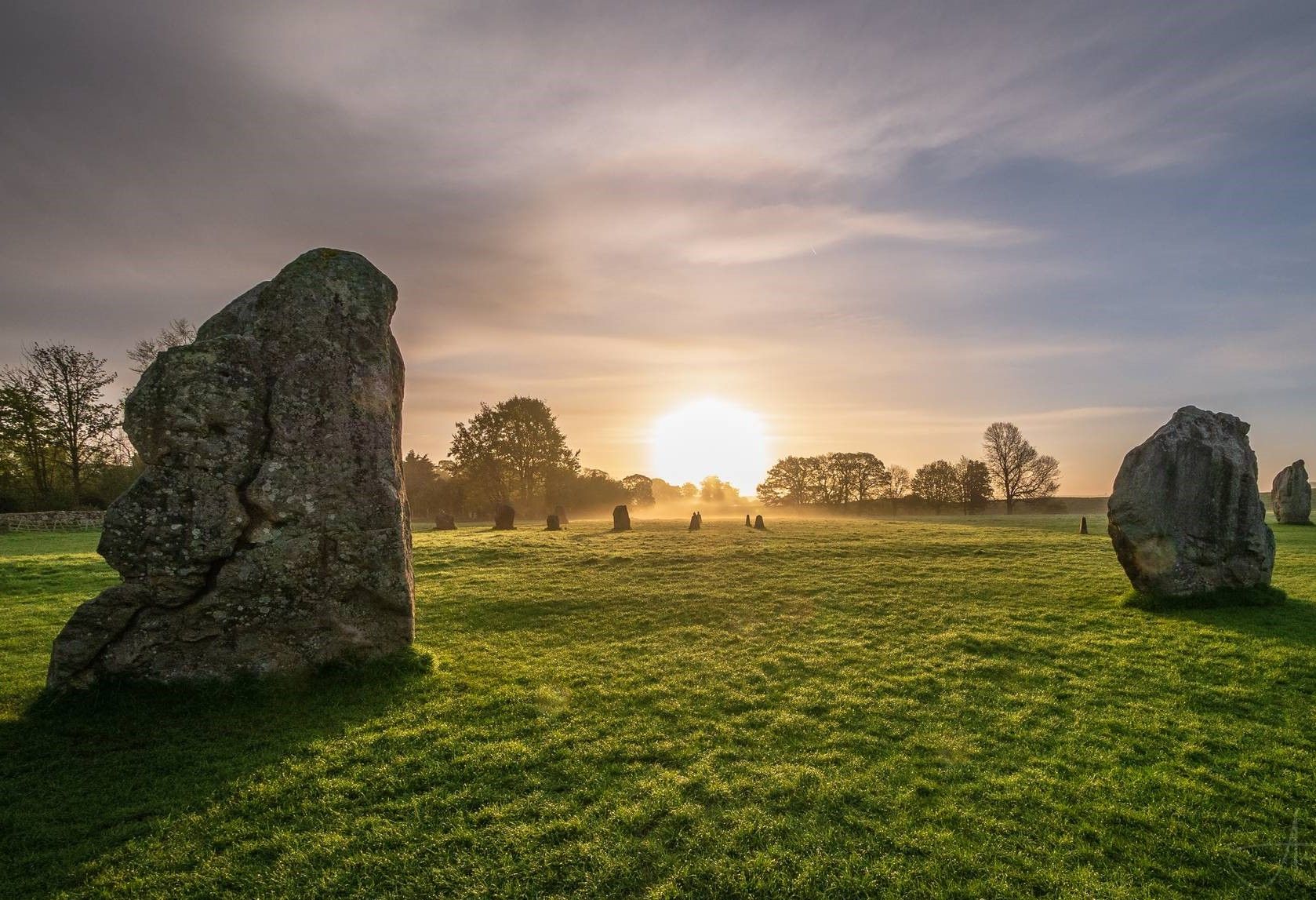
Celtic Way — An epic pilgrimage through prehistory and wild beauty
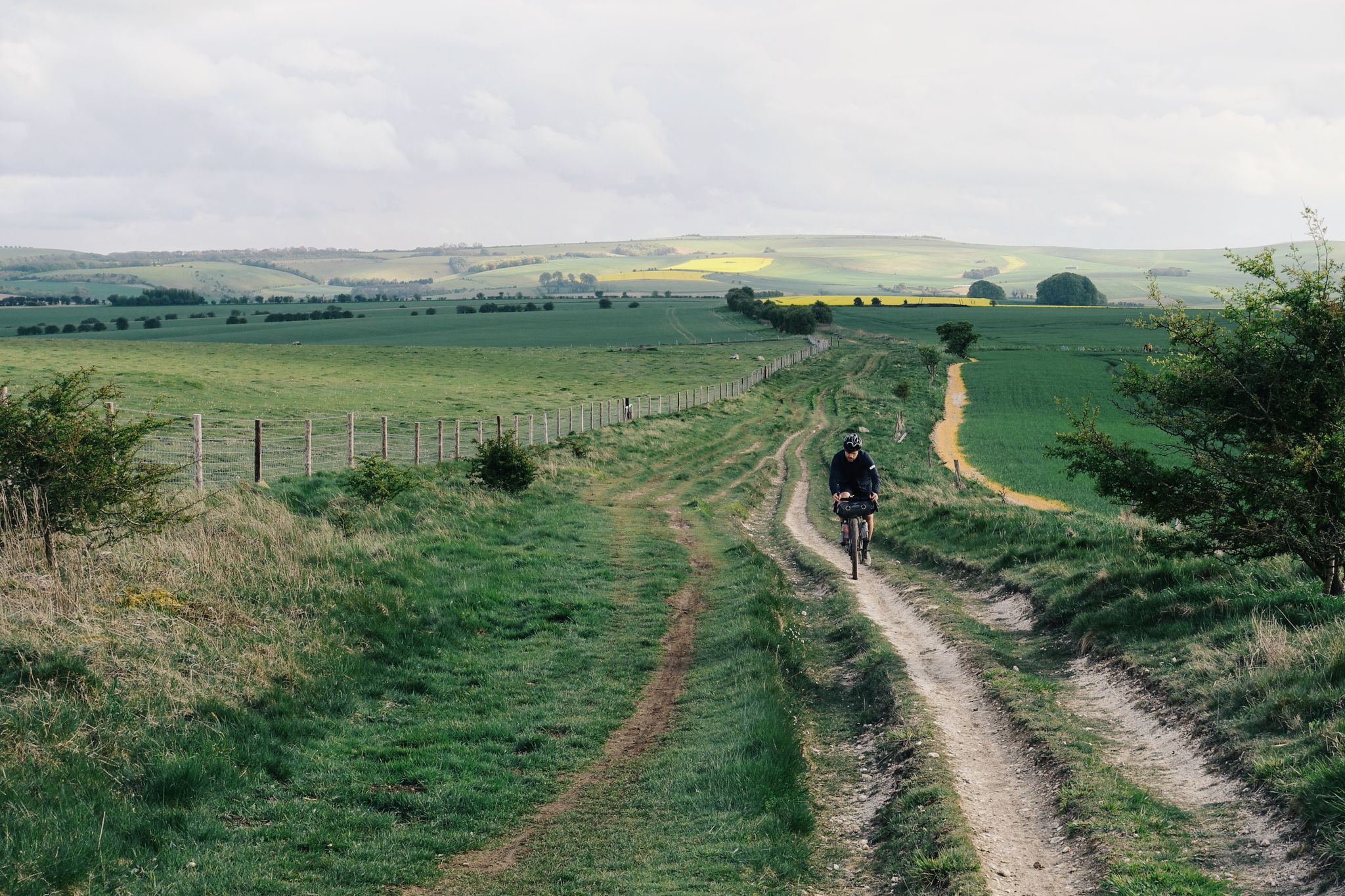
The Old Chalk Way
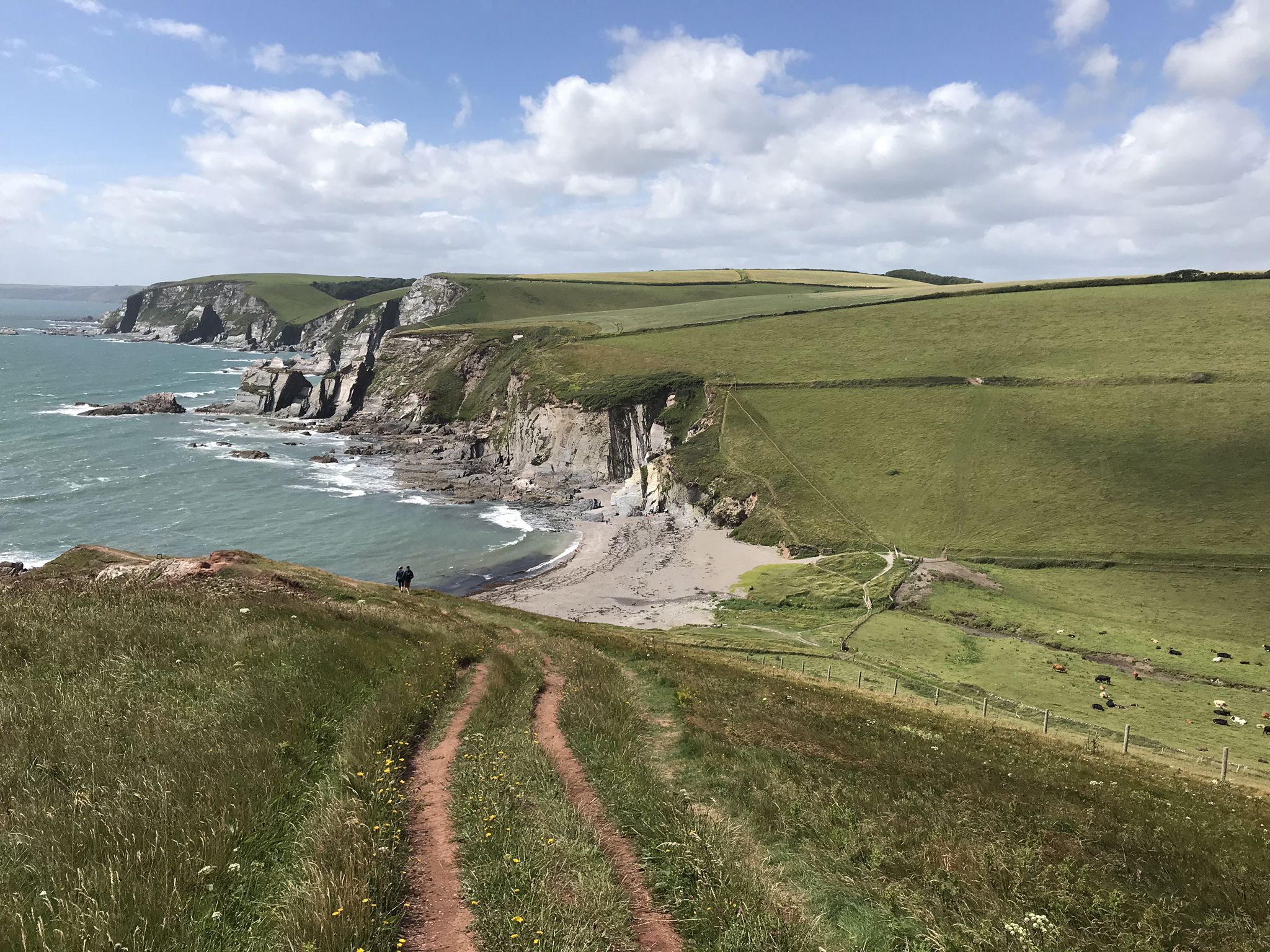
E9 Plymouth to Dover — An epic exploration of England's south coast
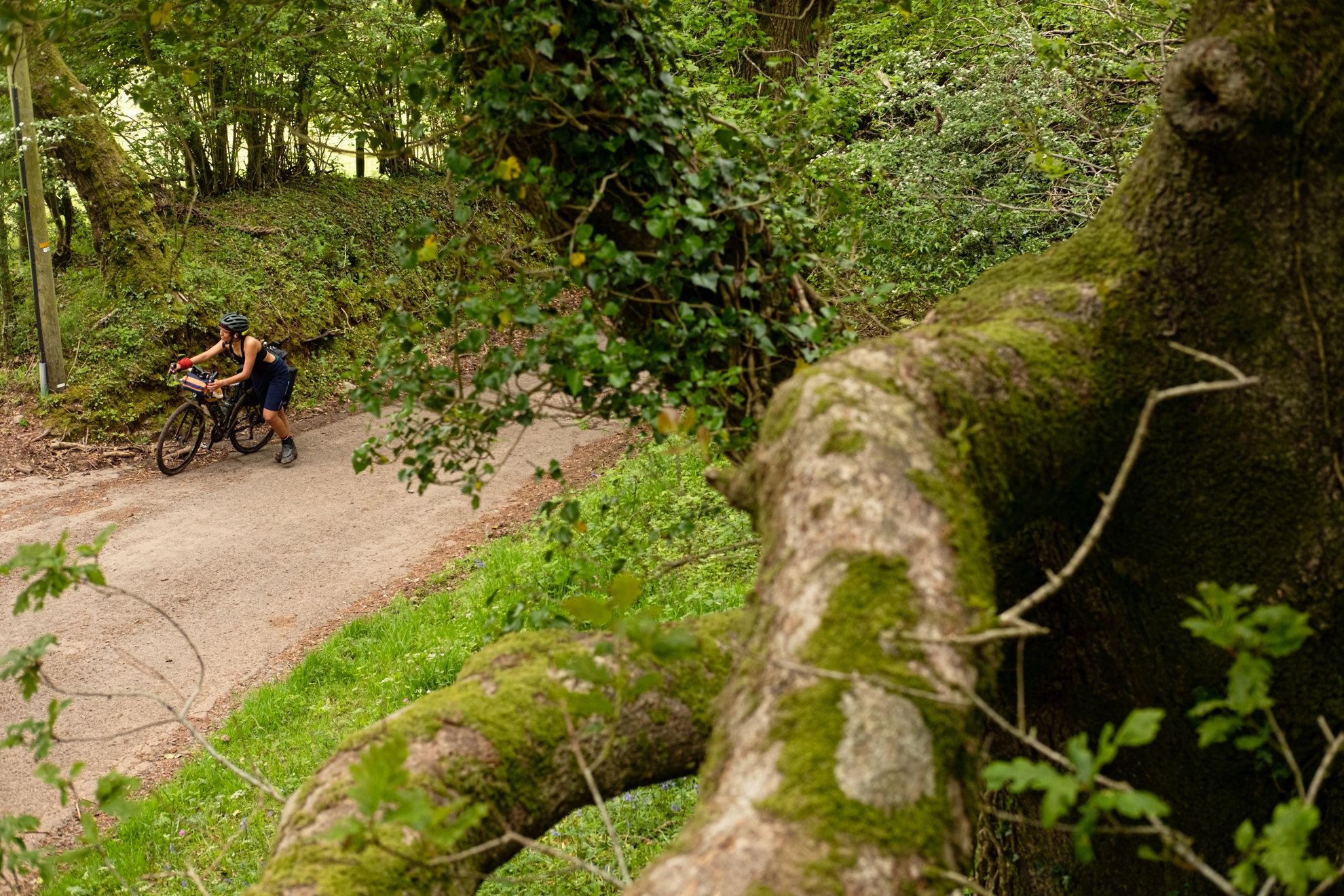
Just Around The Corner — exploring the best of the South West by bike
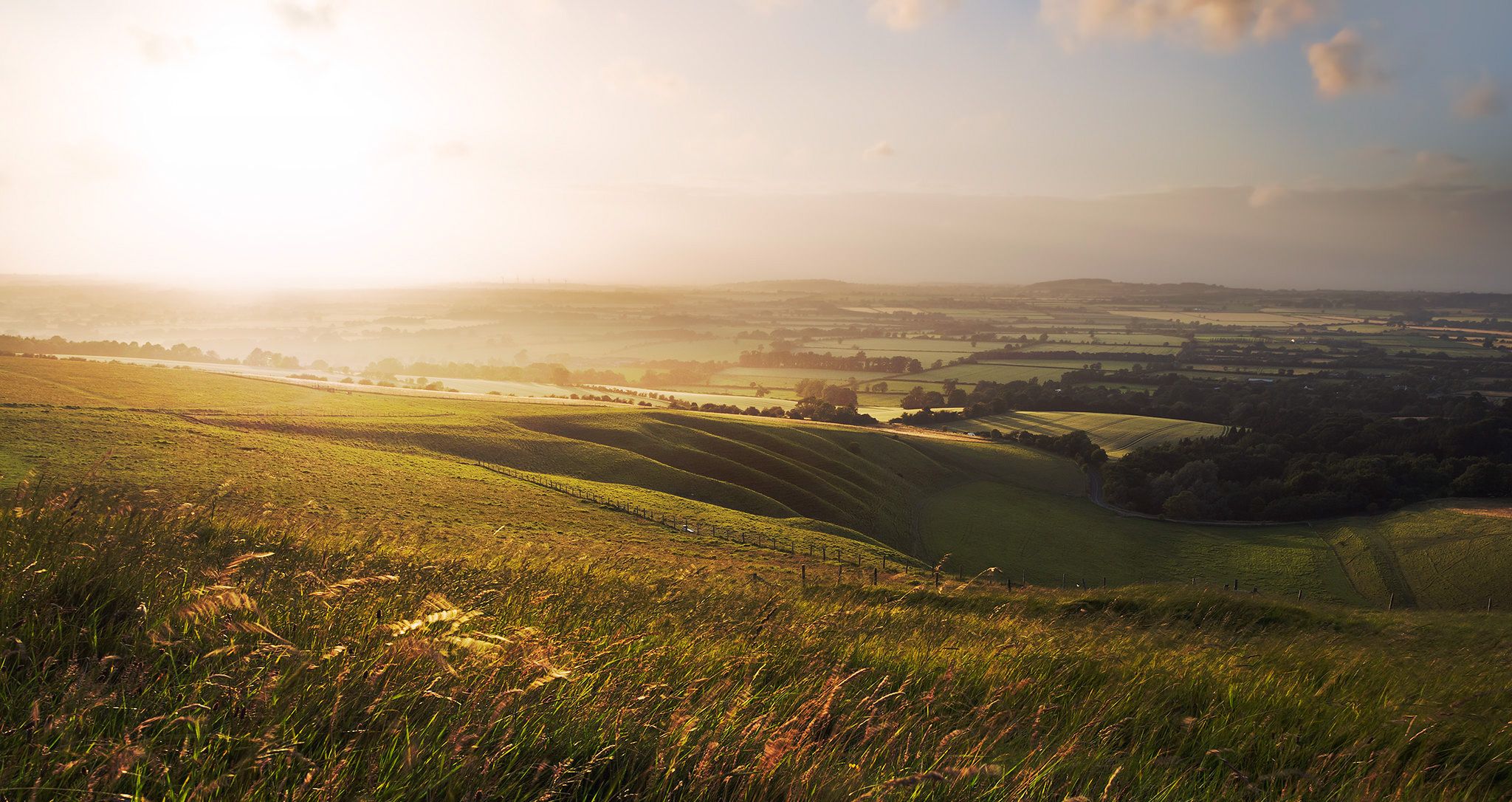
Hiking the Greater Ridgeway — Following Roman roads across England
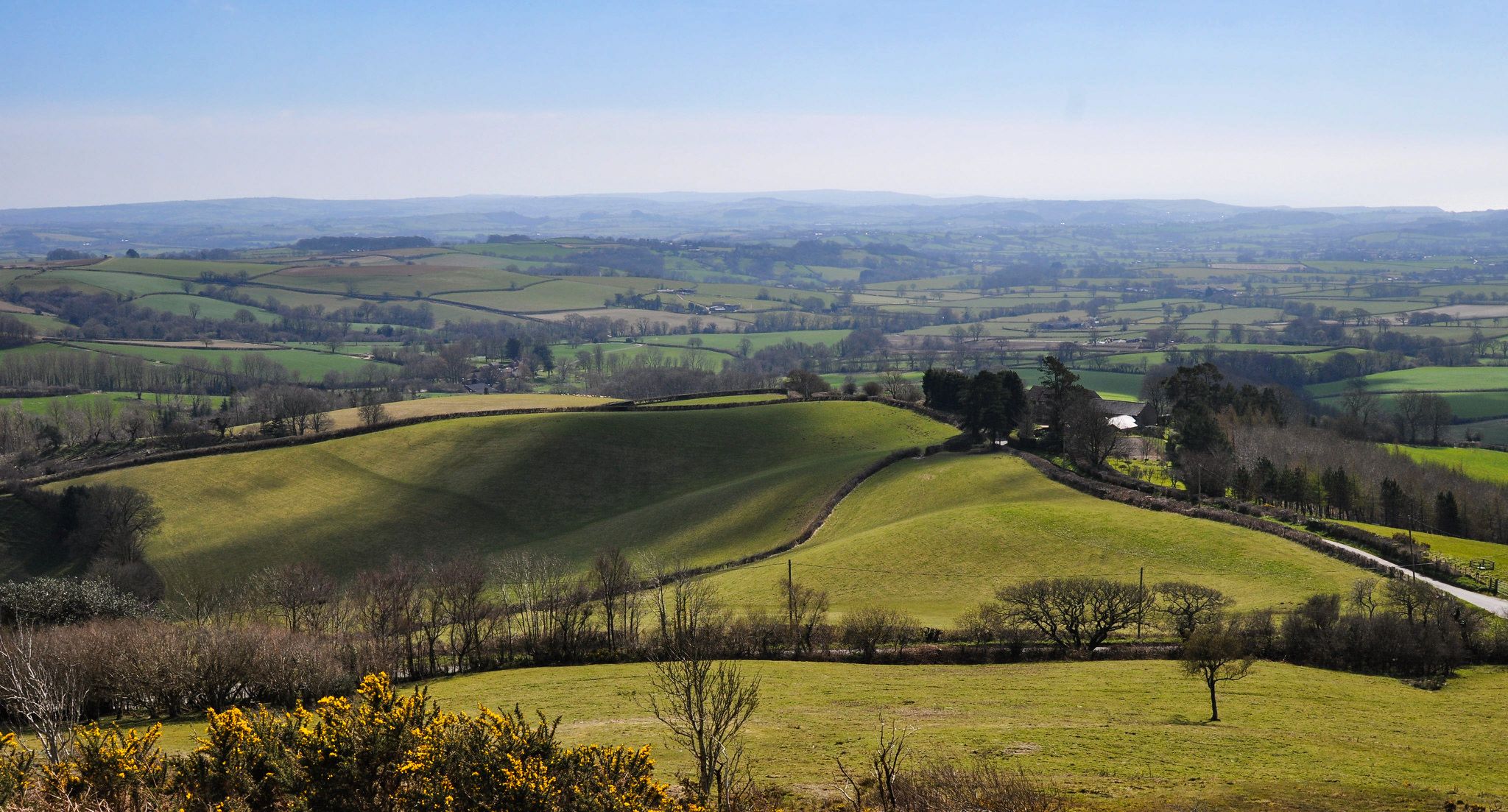
Hiking the Orange Way — Southern England in the footsteps of a king
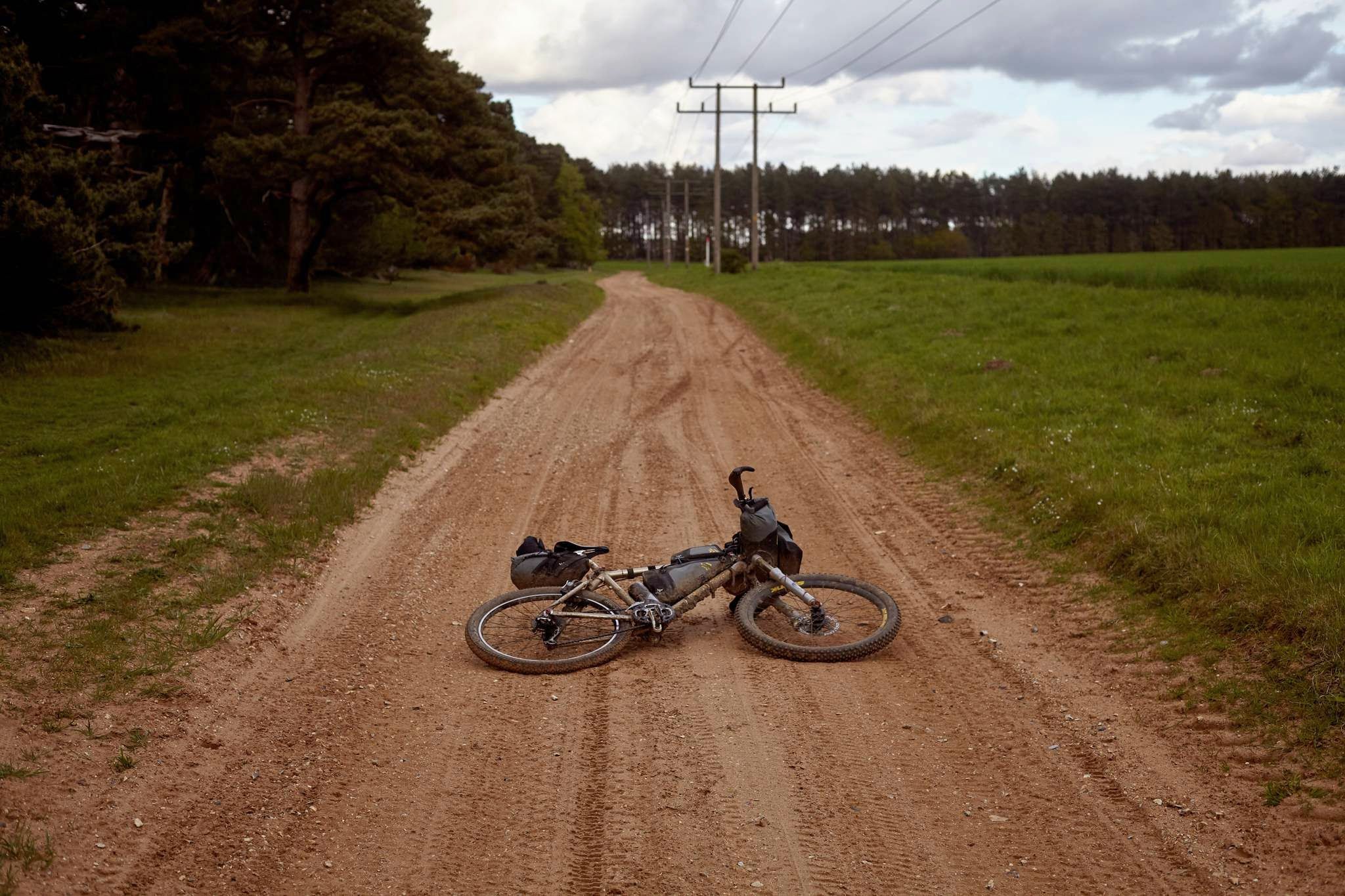
Cycle the Greater Ridgeway Trail — English Channel to North Sea
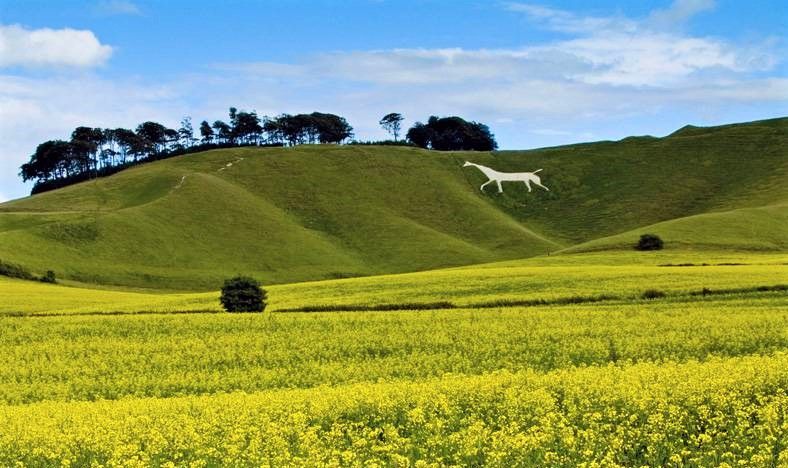
Wessex Ridgeway — An ancient and beautiful ridge hike
Jurassic Coast – Long Distance Walking in the South of England
Monarch's Way: Part 3 — Conquer the longest inland trail in England
Other adventures in Dorset


Tips from the Community

From the trig point at Pilsdon Pen summit, you get spectacular, wide-open views across Dorset. Looking south, the eye sweeps over the lush farmlands and rolling hills of the Marshwood Vale, extending all the way down to Bridport and the dramatic cliffs of the Jurassic Coast.
0
0

Pop into the cricketers pub before or after your hike it’s in the village (shroton)
0
0
Melbury beacon is one of the highest points in north Dorset and the views are amazing I would recommend parking on spread eagle hill if you plan to hike x
1
0
The highest point on the south coast of England. quite the lung opener and leg burner to reach. well worth it with the views though. Just be careful near the cliff edge. Constantly eroding away.
3
0
Quite the climb up, regardless of which side you choose. Experts now believe people lived on Doghouse Hill on the Golden Cap estate up to 10,000 years ago. Finds included a stone hearth, fire pit and pot shards from Bronze Age periods (2,500 to 1,000BC) and others from the Mesolithic Age (10,000 to 4,000BC) Martin Papworth, from the National Trust, said: "Although it's a stunning coastal site now, 6,000 to 8,000 years ago this area would have been over a mile inland. To find ancient pottery decorated with fingernail impressions and touch them with one's own hand, that's real contact with the past Martin Papworth, National Trust "The Mesolithic people who lived on top of Doghouse hill would have pre-dated farming, so would have been hunter-gatherers using these flints to work hides, cut meat and scrape fat from animal skins. "After millennia of erosion, it's at risk of disappearing into the sea itself."
0
0
The watering well. Man made well with rocks and piping, I imagine that this is a watering spot for the wildlife in the area. mainly deer. clear and clean water.
0
0
Frequently Asked Questions
What are the highest points in Dorset?
While Dorset doesn't have mountains over 2,000 feet, it boasts significant hills. The highest point in Dorset is Lewesdon Hill at 279 meters, followed closely by Pilsdon Pen at 277 meters. These offer expansive views across the rolling countryside.
Which peaks in Dorset are known for their historical significance?
Dorset's hills are rich in history. Pilsdon Pen Summit and Trig Point features an Iron Age fort and evidence of flint tools dating back 10,000 years. Hambledon Hill Iron Age hill fort is considered one of Britain's best-preserved Iron Age hill forts and a significant Neolithic landscape. Maiden Castle, though lower at 134 meters, is one of the largest and most complex Iron Age hill forts in Europe.
Where can I find the best panoramic views in Dorset?
For breathtaking panoramic views, consider visiting Golden Cap Summit, the highest point on the South Coast, offering vistas over Lyme Bay and the Jurassic Coast. Pilsdon Pen Summit and Trig Point provides views stretching to Golden Cap, the Marshwood Vale, and the ocean. Bulbarrow Hill also offers panoramic views of the Dorset Area of Outstanding Natural Beauty.
Are there family-friendly walks among Dorset's hills?
Many of Dorset's hills offer accessible paths suitable for families. While specific 'family_friendly' tags aren't always present, locations like Golden Cap, with its 40-minute walk from Seatown to the summit, can be enjoyed by families. Always check the specific trail difficulty before heading out.
What kind of natural features can I expect to see on Dorset's peaks?
Dorset's peaks showcase diverse natural beauty. You'll find dramatic coastal cliffs like Golden Cap Summit, known for its distinctive yellow sandstone. Inland, hills like Hambledon Hill feature unimproved calcareous grassland, hosting rare plant and animal species. Woodland, rolling farmland, and heathland are also common sights.
What outdoor activities can I do near Dorset's peaks?
Beyond hiking, Dorset offers various outdoor activities. You can find numerous hiking routes, including easy options like the Old Harry Rocks Loop or more challenging ones such as the Golden Cap Circular Trail. For cyclists, there are gravel biking routes like those found in the Gravel biking in Dorset guide.
What is the best time of year to hike Dorset's hills?
The best time to hike Dorset's hills is generally during spring, summer, and early autumn when the weather is milder and the views are clearer. Spring brings wildflowers, while autumn offers beautiful foliage. Coastal paths, like those near Golden Cap, can be enjoyed year-round, though conditions can be windy and wet in winter.
Are there dog-friendly trails on Dorset's peaks?
Many of Dorset's outdoor spaces and hills are dog-friendly, allowing you to explore with your canine companion. However, it's always advisable to keep dogs on leads, especially near livestock, cliff edges, and in areas with sensitive wildlife. Check local signage for specific restrictions.
Where can I find pubs or cafes near Dorset's hill walking routes?
Many villages nestled around Dorset's hills offer welcoming pubs and cafes. For example, after exploring Hambledon Hill Ramparts, you can find the Cricketers pub in the nearby village of Shroton. Seatown, near Golden Cap, also has amenities for visitors.
What makes Golden Cap a unique peak to visit?
Golden Cap Summit is unique as the highest point on the South Coast and the Jurassic Coast, standing at 191 meters. Its name comes from its distinctive yellow sandstone. It's recognized as England's only natural World Heritage Site for its outstanding geology and offers breathtaking views over Lyme Bay and the Jurassic Coast.
Can I explore ancient hill forts in Dorset?
Yes, Dorset is home to several impressive ancient hill forts. Besides Pilsdon Pen Summit and Trig Point and Hambledon Hill Iron Age hill fort, you can also visit Maiden Castle near Dorchester, one of the largest and most complex Iron Age hill forts in Europe. Eggardon Hill and Woolsbarrow Hillfort are other notable examples.
What is the significance of Melbury Beacon?
Melbury Beacon, at 263 meters, offers impressive panoramas over Fontmell and Melbury Downs. This area is preserved by the National Trust and has been immortalized in Thomas Hardy's novels, adding a literary and historical layer to its natural beauty.
Most popular routes in Dorset
Most popular attractions in Dorset

Get inspired with the komoot mobile app


Didn’t find what you were looking for?
Discover Dorset’s best peaks and summits by region:
Explore more
See even more amazing summits in Dorset with these guides:
