Attractions and Places To See in Tasmania - Top 20
Best attractions and places to see in Tasmania include a diverse range of natural landscapes, significant historical sites, and cultural experiences. This island state features ancient rainforests, dramatic coastlines, and unique geological formations. Visitors can explore national parks, heritage-listed sites, and vibrant urban areas. Tasmania offers a variety of environments, from alpine regions to coastal beaches.
Best attractions and places to see in Tasmania
- The most popular attractions is Wineglass Bay Lookout, a viewpoint offering views of the curved…
Last updated: October 9, 2026
Wineglass Bay Lookout
Highlight • Viewpoint
Tip by

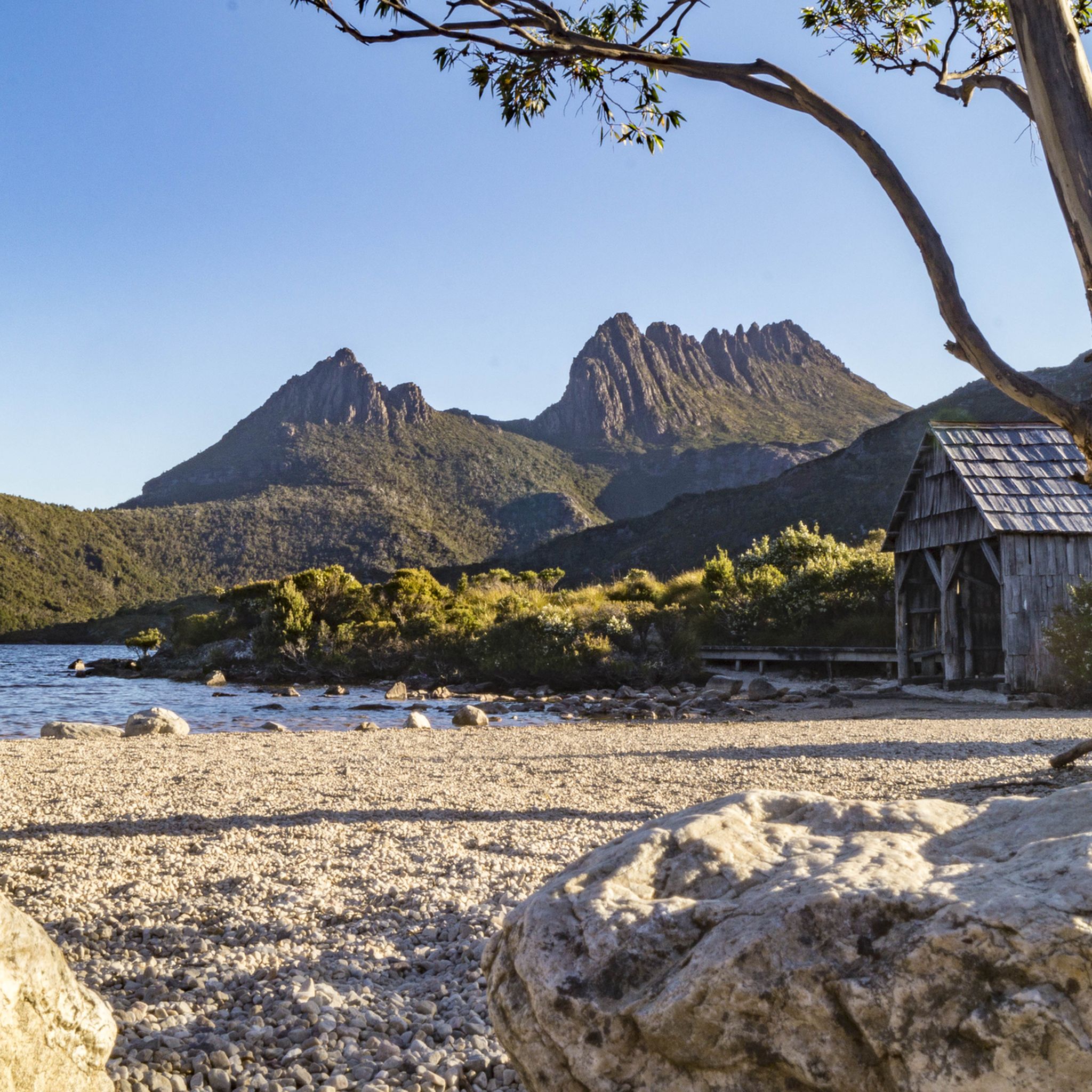
Dove Lake
Highlight • Lake
Tip by
Sign up now to discover places like this
Get recommendations on the best single tracks, peaks, & plenty of other exciting outdoor places.
Marion's Lookout
Highlight • Viewpoint
Tip by

Overland Track: Ronny Creek
Highlight (Segment) • Trail
Tip by
Tower Cottage, Port Arthur Historic Site
Highlight • Historical Site
Tip by

Cradle Mountain
Highlight • Summit
Tip by
Hazards Beach
Highlight • Beach
Translated by Google •
Tip by

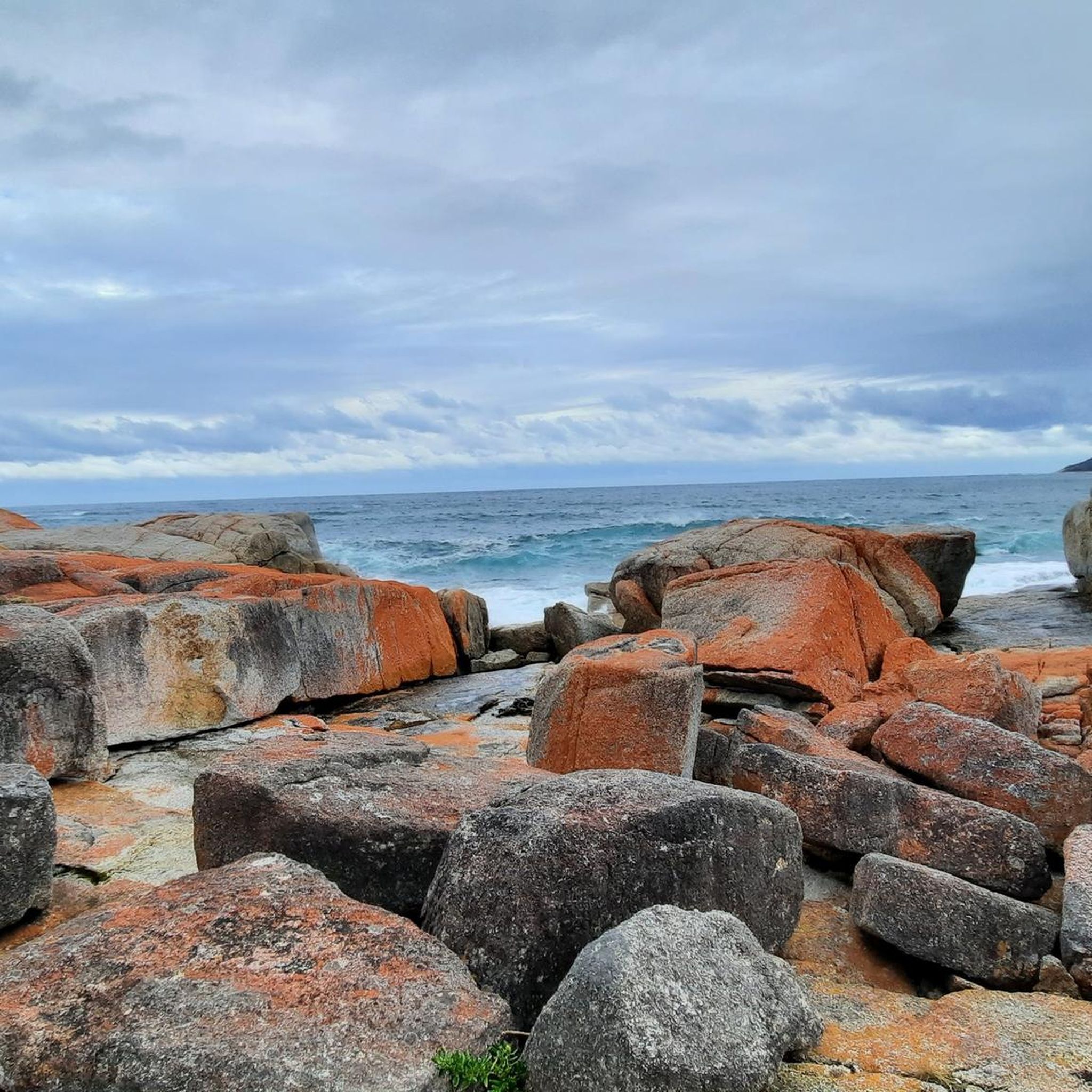
Bicheno Blowhole
Highlight • Viewpoint
Tip by

Hazards Beach Track
Highlight (Segment) • Trail
Tip by
Cape Hauy
Highlight • Viewpoint
Offers spectacular cliff views.
Tip by

Sign up for free to discover even more attractions in Tasmania.
Already have an account?
Start today with a free account
Your next adventure awaits.

Other adventures in Tasmania

Tips from the Community

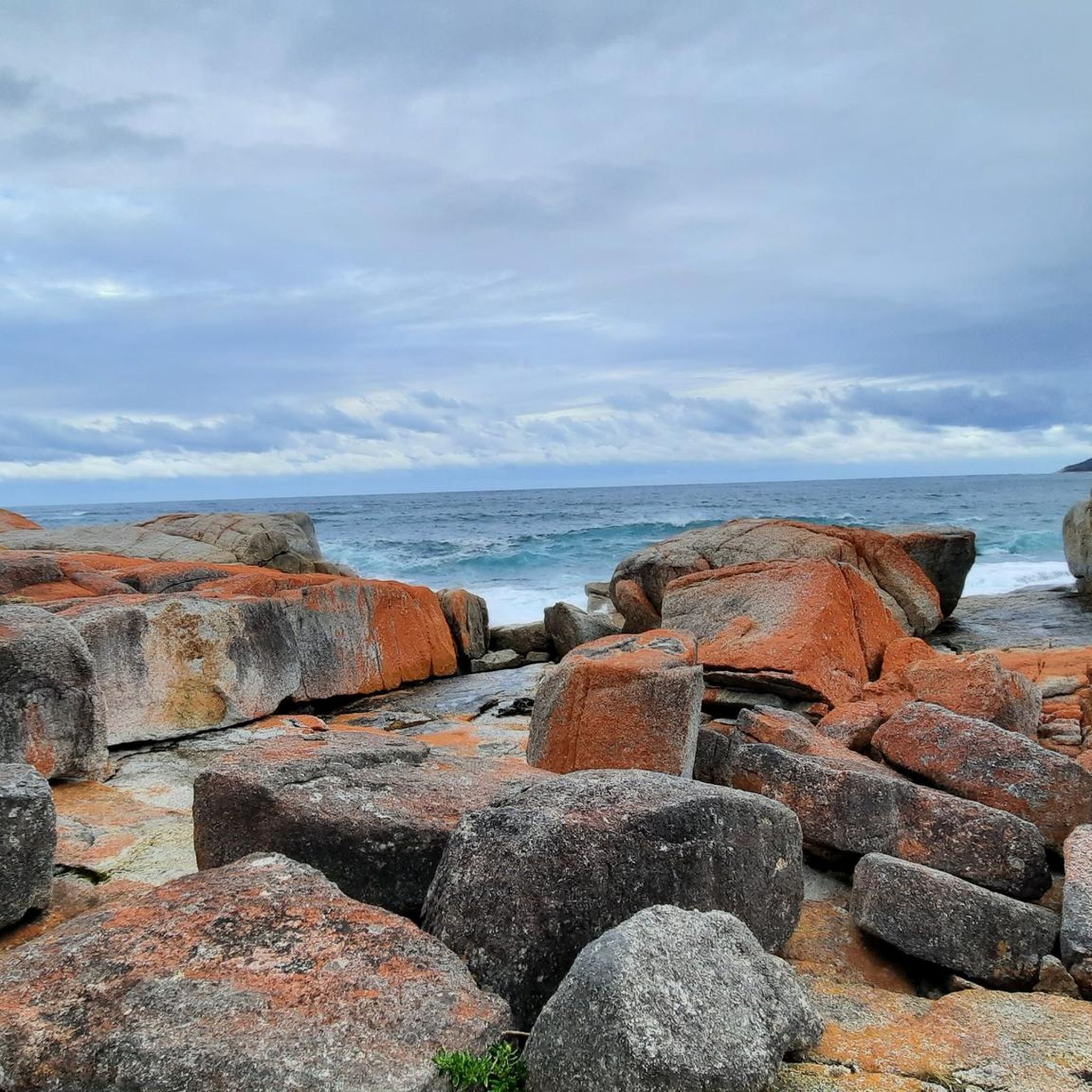
Bicheno Blowhole is carved straight into the orange-lichen-covered granite, where waves force their way through a sea cave and burst up through the rock. It’s much more dramatic with a decent swell or around high tide, when the spray can shoot several metres into the air. Don’t get too comfortable near the edge though. Even on calmer days, an unexpected surge can leave you absolutely soaked.
0
0

No Merlot here — the shelf stands empty, quiet, waiting for a bottle that never comes. Kein Merlot hier — das Regal bleibt leer, still, wartend auf eine Flasche, die nie kommt. Pas de Merlot ici — l'étagère reste vide, silencieuse, attendant une bouteille qui n'arrive jamais. No hay Merlot aquí — el estante queda vacío, silencioso, esperando una botella que nunca llega.
0
0

Cradle Mountain is a steep, jagged dolerite peak in Tasmania’s alpine north, where you climb through rocky terrain, subalpine forest, and exposed ridgelines with breathtaking views over Dove Lake and the surrounding peaks. The summit route is a demanding full-day walk that includes sustained uphill sections and scrambling over large boulders, requiring good fitness and careful footing rather than technical climbing gear. Reaching the summit is suitable only for very experienced bushwalkers, and the weather in the area can change rapidly from clear to cold, wet, or even snowy conditions, so you should be prepared for full alpine conditions on short notice.
0
0
Overland Track at Ronny Creek marks the northern trailhead of Tasmania’s iconic long-distance walk, set within Cradle Mountain–Lake St Clair National Park. Beginning across button grass plains and boardwalks, this section offers immediate views of Cradle Mountain and plenty of wildlife sightings, including wombats. It's a well-defined and easy start before the track climbs toward Marion’s Lookout and the alpine plateau.
0
0
Marion’s Lookout sits high above Dove Lake, with sweeping panoramic views of Cradle Mountain, Crater Lake, and the surrounding alpine plateau. Situated on a rocky outcrop, it offers a dramatic perspective of the jagged peaks and glacially carved landscape below. On clear days, it’s one of the park’s most impressive vantage points, perfect for photos and taking in the scenery.
0
0

This lookout point is quite the reward for the hike to get here! Turquoise water, a white-sand beach, and hills surrounding the bay, all seen from above. You may choose to descend to this beach via the "1000 Stairs," but be aware that you are descending first; that's the easy part. You then must climb back up.
1
0
Hazards Beach Track forms the southern leg of the circuit, linking Wineglass Bay with the long, quieter shoreline of Hazards Beach. The route crosses low coastal woodland and sandy sections behind the dunes, offering a contrast to the granite scenery on the Wineglass Bay side. It is roughly 4 kilometres between the beaches and is a peaceful stretch of walking with opportunities for wildlife sightings and plenty of ocean views.
0
0
Frequently Asked Questions
What are some of Tasmania's most iconic natural landmarks?
Tasmania is home to breathtaking natural beauty. You can explore the dramatic landscapes of Cradle Mountain and its glacial lakes like Dove Lake within the Cradle Mountain-Lake St Clair National Park. Another must-see is Wineglass Bay Lookout in Freycinet National Park, famous for its curved white sand beach. The Bay of Fires on the northeast coast is known for its vibrant orange-tinged granite rocks and clear blue seas. For urban wilderness, visit Cataract Gorge Suspension Bridge in Launceston.
Which historical sites should I visit in Tasmania?
Tasmania offers a rich history, particularly its convict past. The UNESCO World Heritage-listed Port Arthur Historic Site provides a poignant glimpse into Australia's penal history, with over 30 buildings and ruins to explore. Another significant site is the Cascades Female Factory in Hobart, also a UNESCO site, which housed female convicts. Beyond convict history, Richmond Village boasts well-preserved Georgian architecture and Australia's oldest large stone arch bridge, the Richmond Bridge.
Are there family-friendly attractions in Tasmania?
Yes, many attractions in Tasmania are suitable for families. Dove Lake offers accessible walks, and you might even spot Wombats at Ronnie Creek. The Cataract Gorge Suspension Bridge in Launceston features walking trails, a public swimming pool, and a chairlift, making it a great day out. The Tasmanian Devil Unzoo on the Tasman Peninsula allows families to see Tasmanian devils up close and learn about conservation.
What are the best places for scenic views in Tasmania?
For panoramic vistas, head to Wineglass Bay Lookout in Freycinet National Park. Mount Wellington (Kunanyi) near Hobart offers 360-degree views of the city, river, and beyond. The Nut at Stanley provides impressive views from its summit, accessible by chairlift or walk. On the Tasman Peninsula, Cape Hauy offers spectacular cliff views, part of the Tasman National Park's dramatic coastline.
What kind of outdoor activities can I do near these attractions?
Tasmania is a paradise for outdoor enthusiasts. Near many attractions, you'll find opportunities for hiking, running, and mountain biking. For example, you can find various running trails, including the 'Hazards Beach loop from Honeymoon Bay' near Freycinet National Park, or mountain biking routes like the 'Blue Derby Trailhead' loops. Explore more options on the Running Trails in Tasmania, MTB Trails in Tasmania, and Gravel biking in Tasmania guide pages.
When is the best time to visit Tasmania's attractions?
The best time to visit Tasmania generally depends on your preferred activities. Summer (December to February) is popular for hiking and coastal activities, offering warm weather and long daylight hours. Autumn (March to May) brings stunning fagus (deciduous beech) colors to areas like Cradle Mountain and pleasant temperatures for exploring. Winter (June to August) can be cold but offers unique experiences like snow on higher peaks and fewer crowds. Spring (September to November) sees wildflowers blooming and wildlife becoming more active.
Are there any accessible attractions or viewpoints for visitors with mobility considerations?
Yes, some attractions in Tasmania offer accessibility. The Hobart Cenotaph and The Bernacchi Tribute and Seals and Penguins Sculptures are noted as wheelchair accessible. While many natural areas involve walking trails, some national parks and visitor centers provide accessible facilities and shorter, paved paths. It's always recommended to check specific attraction websites for detailed accessibility information before your visit.
What are some unique cultural experiences in Tasmania?
Beyond historical sites, Tasmania offers vibrant cultural experiences. The Museum of Old and New Art (MONA) near Hobart is a must-visit for its provocative art collections and unique atmosphere. Every Saturday, Salamanca Market in Hobart transforms Salamanca Place into a bustling hub of local produce, arts, crafts, and live music. You can also journey through World Heritage-listed wilderness on the historic West Coast Wilderness Railway.
Do I need a permit to visit national parks or go hiking in Tasmania?
Yes, a valid Parks Pass is generally required for entry into Tasmania's national parks, including popular areas like Cradle Mountain-Lake St Clair National Park and Freycinet National Park. Different pass options are available, from daily to annual passes. For multi-day treks like the Overland Track or Three Capes Track, specific booking and permit requirements apply due to their popularity and conservation efforts. It's advisable to check the Tasmania Parks and Wildlife Service website for the most current information on passes and permits.
Where can I see unique wildlife in Tasmania?
Tasmania is renowned for its unique wildlife. You can often spot Wombats at Ronnie Creek in Cradle Mountain-Lake St Clair National Park. Maria Island National Park is a fantastic place to see wombats, wallabies, and even Tasmanian devils roaming freely. The Tasmanian Devil Unzoo on the Tasman Peninsula offers guaranteed sightings of Tasmanian devils and insights into their conservation. Bruny Island is also known for its diverse wildlife, including various bird species and seals.
Are there any coastal drives or areas to explore beyond the main attractions?
Absolutely. Tasmania's coastline is spectacular. The Bay of Fires offers a stunning coastal drive with opportunities for hiking, fishing, and bird watching. The Tasman Peninsula features dramatic sea cliffs and rock formations like Tasman Arch and Devil's Kitchen, perfect for scenic drives and short walks. Bruny Island, accessible by ferry, boasts rugged coastlines and stunning lookouts like 'The Neck', connecting its north and south sections, ideal for a day trip or longer stay.
What are some notable waterfalls or rainforest areas to visit?
For stunning waterfalls, visit Mount Field National Park, Tasmania's oldest national park, famous for the multi-tiered Russell Falls and Horseshoe Falls amidst beautiful rainforest walks. In the northwest, the Takayna / Tarkine region is Australia's largest temperate rainforest, offering pristine wilderness and ancient Huon pines. The Gordon River cruises also provide spellbinding reflections of ancient forests, including rare Huon pine trees, in a World Heritage-listed wilderness.
What do visitors enjoy most about Tasmania's attractions?
Visitors frequently praise the pristine natural beauty and the sense of adventure. Many highlight the opportunity to walk down to the beach at Wineglass Bay Lookout and stroll along the sand. The diverse walking options, from easy strolls around Dove Lake to challenging climbs up Cradle Mountain, are also highly valued. The unique urban wilderness of Cataract Gorge Suspension Bridge is appreciated for its accessibility and recreational opportunities.
Most popular routes in Tasmania
Most popular attractions in Tasmania

Get inspired with the komoot mobile app


Didn’t find what you were looking for?
Are you keen on exploring more awesome places nearby? Browse our guides:
Explore more
Still not found the Highlight you’re looking for? See guides of the top attractions in other regions:
