Attractions and Places To See in Brest Region - Top 14
Attractions and places to see in Brest Region include a diverse range of historical landmarks, cultural sites, and natural features located in southwestern Belarus. The region is known for its significant historical monuments, including defensive structures and memorial complexes. It also encompasses extensive natural areas, such as primeval forests, numerous rivers, and lakes, offering varied exploration opportunities.
Best attractions and places to see in Brest Region
- The most popular attractions is Tri-Border Point Belarus–Poland–Ukraine Monument, a man-made monument that marks the meeting point of three country borders. This tripoint is not physically visible as the border falls on the river, with symbolic separate tripoints on each side.
- Another must-see spot is Hydraulic Structure on the Pripyat River, an other man-made structure. Visitors can cross the Pripyat River on foot or by bicycle at this location.
- Visitors also love Kamenets Tower, a historical site. This defensive tower, built between 1271 and 1288, is the best-preserved of its type and features Romanesque elements with early Gothic influences.
- Brest Region is known for its historical sites, natural monuments, and unique man-made structures. The region offers a variety of attractions to see and explore, from ancient defensive towers to significant memorial complexes and expansive natural parks.
- The attractions in Brest Region are appreciated by the komoot community, with more than 40 upvotes and over 40 photos shared by visitors.
Last updated: June 24, 2026
Tri-Border Point Belarus–Poland–Ukraine Monument
Highlight • Monument
Translated by Google •
Tip by

Access road to the tripoint
Highlight (Segment) • Trail
Translated by Google •
Tip by

Sign up now to discover places like this
Get recommendations on the best single tracks, peaks, & plenty of other exciting outdoor places.
Sign up for free
Radziwiłł Palace
Highlight • Castle
Главное о нем:
Усадьба начала складываться во второй половине XVIII века.
Нынешний дворец связывают с князем Константином Радзивиллом, сыном Матвея Радзивилла.
Комплекс включал сам дворец, парк, каплицу, оранжерею, пруды, мельницу и подъездную аллею.
По архитектуре это поздний классицизм с чертами ампира. Дворец был двухэтажным, с центральным корпусом и боковыми частями. Парадный фасад выделялся ризалитом и гермами-пилястрами со скульптурными головами. За образец, по ряду источников, брали итальянскую виллу на озере Комо.
История у дворца сложная:
в 1777 году здесь гостил Денис Фонвизин;
здание сильно пострадало в войны;
после войны тут был интернат;
в 1990-е дворец пришел в запустение;
в XXI веке его пытались продать и восстановить, но состояние долго оставалось аварийным.
Tip by

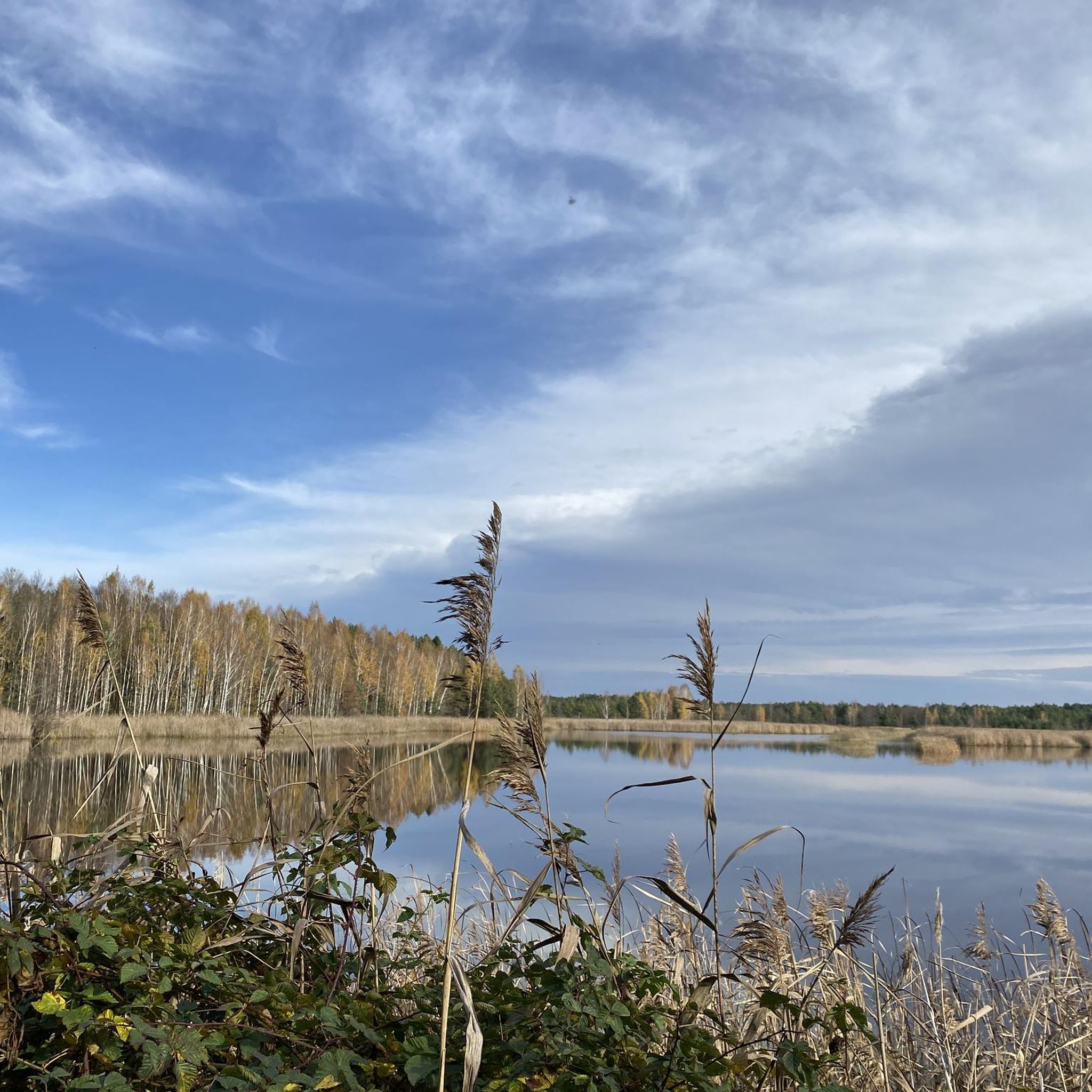
Bolshoye Zasomino Lake
Highlight • Lake
Translated by Google •
Tip by

Hydraulic Structure on the Pripyat River
Highlight • Structure
Translated by Google •
Tip by

Kamenets Tower
Highlight • Historical Site
Translated by Google •
Tip by

Lamp Lighting Ceremony
Highlight • Monument
Translated by Google •
Tip by

Alexander Nevsky Church
Highlight • Religious Site
Tip by
Almany Swamp Eco-Trail
Highlight (Segment) • Trail
Entrance to the trail is conditionally paid. 3 rubles. You can use the QR "Pay". No one checks, on your conscience.
Translated by Google •
Tip by
Three Crosses Monument
Highlight • Monument
Существует две основные версии его смысла. По одной — это памятник погибшим в боях на этом месте, где кресты символизируют страдание и массовую гибель. По другой — кресты имеют более символическое значение и могут отсылать к трём этапам или войнам в истории Польши.
Tip by
Sign up for free to discover even more attractions in Brest Region.
Sign up for free
Already have an account?
Start today with a free account
Your next adventure awaits.
Login or Signup
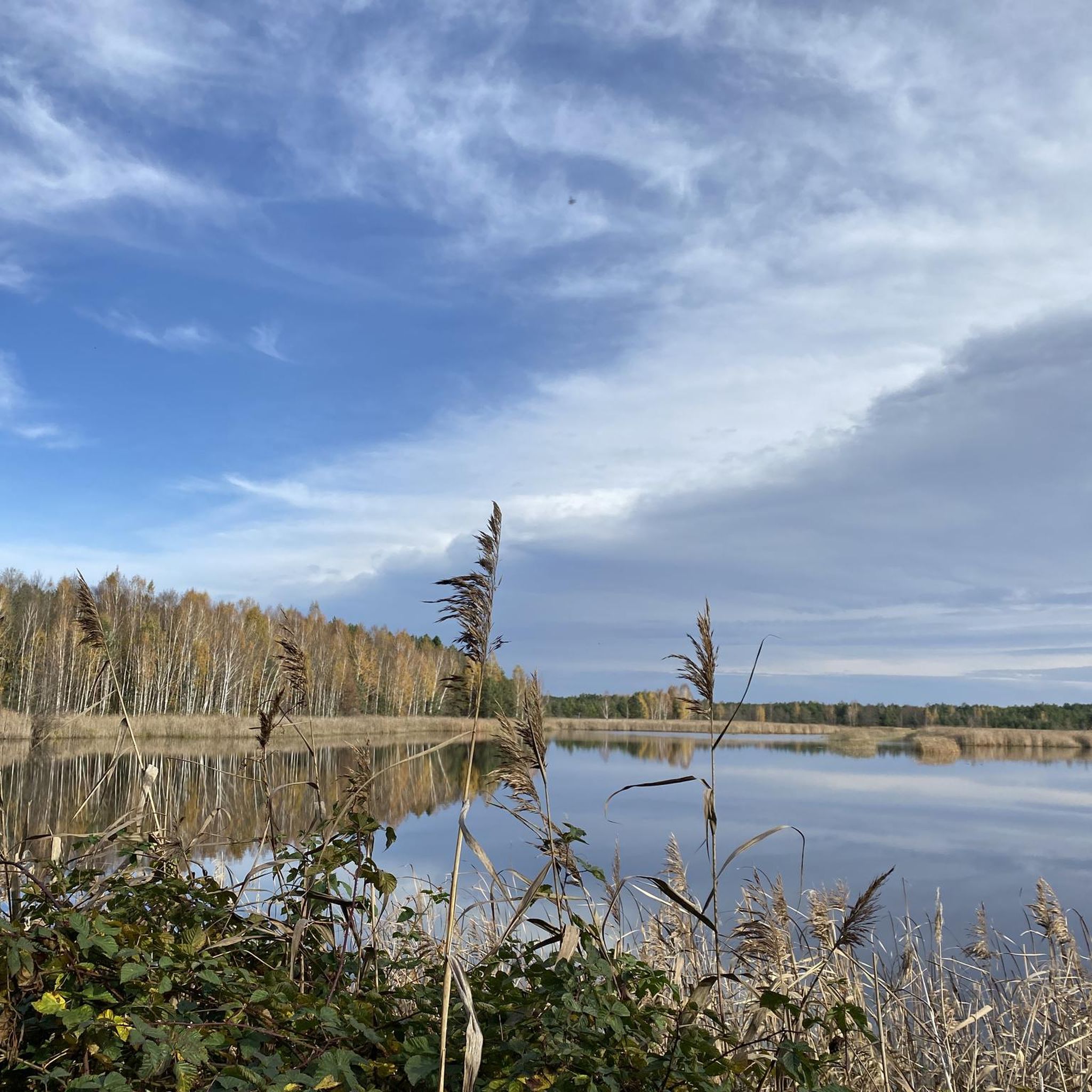
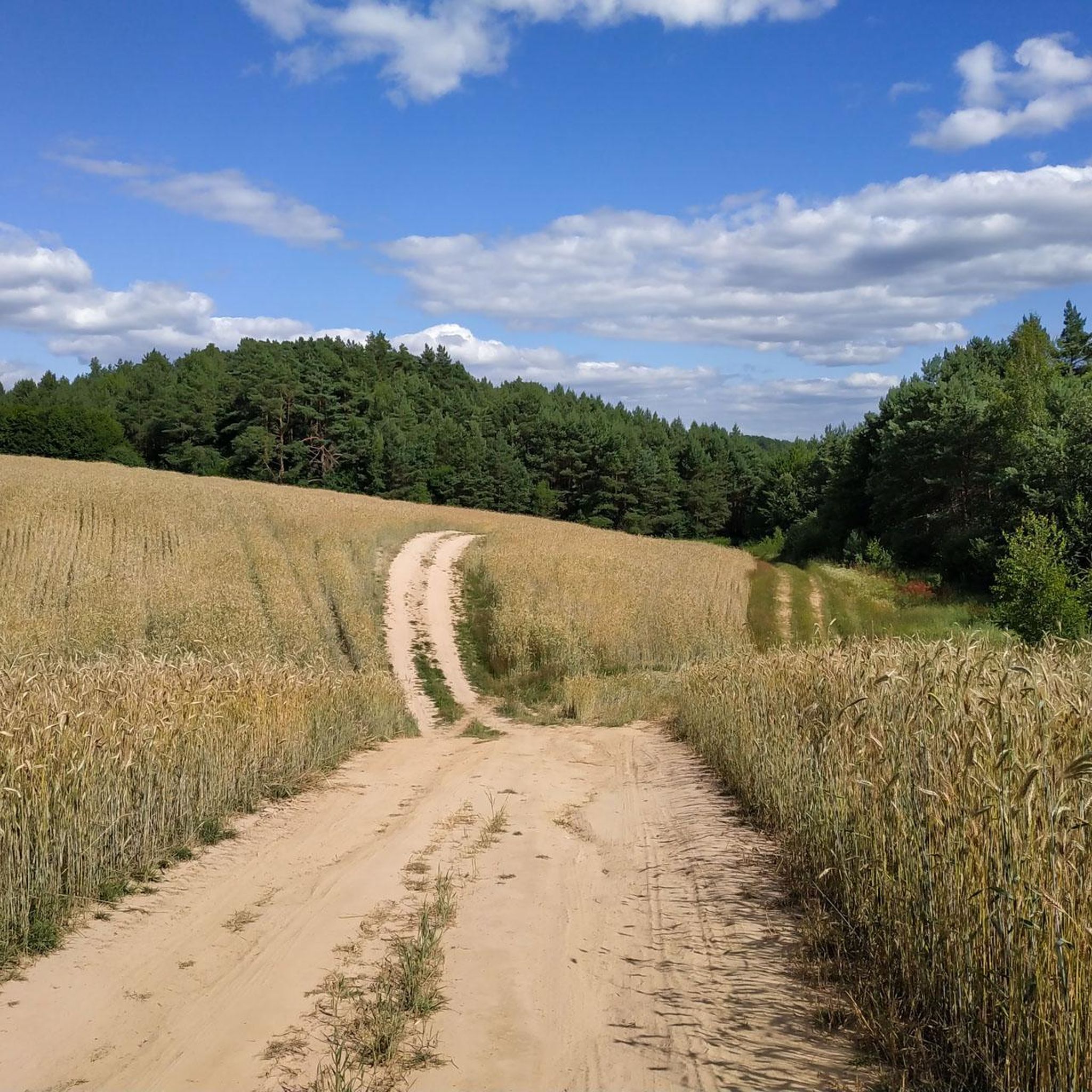
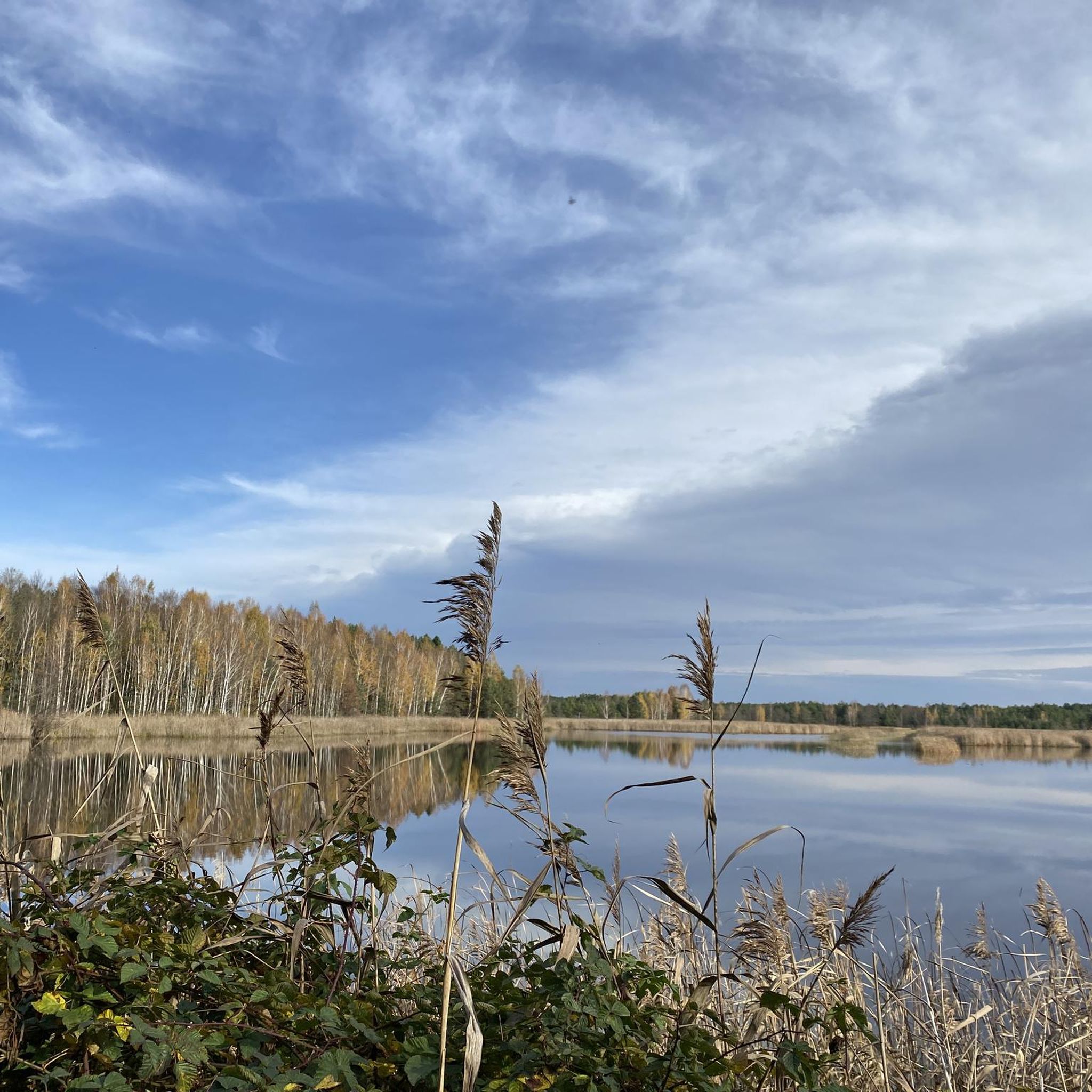
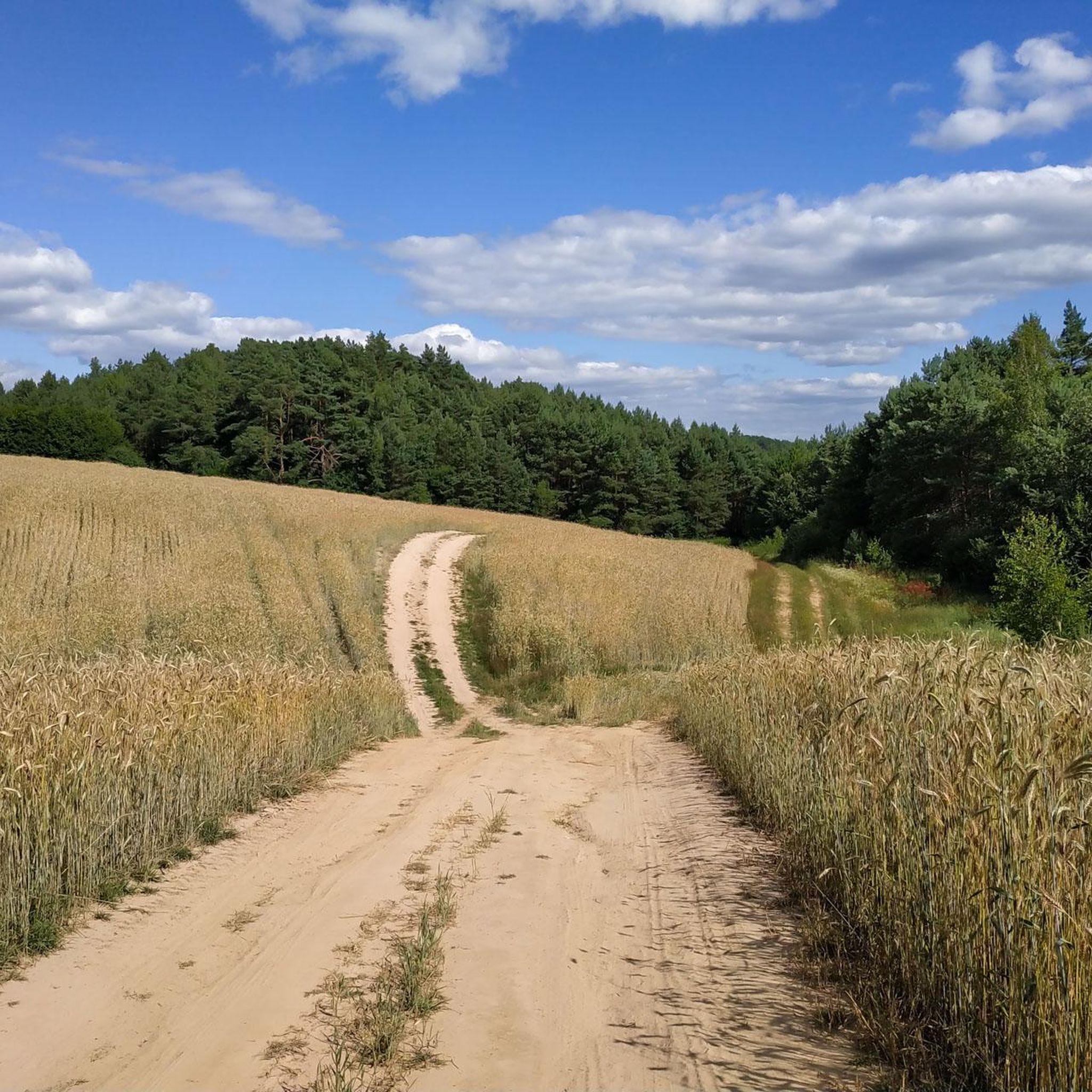

Tips from the Community

Дворец Радзивиллов в Полонечке — это усадебно-дворцовый комплекс Радзивиллов в Барановичском районе Брестской области, на левом берегу реки Змейка. Объект имеет статус историко-культурной ценности регионального значения. Главное о нем: Усадьба начала складываться во второй половине XVIII века. Нынешний дворец связывают с князем Константином Радзивиллом, сыном Матвея Радзивилла. Комплекс включал сам дворец, парк, каплицу, оранжерею, пруды, мельницу и подъездную аллею. По архитектуре это поздний классицизм с чертами ампира. Дворец был двухэтажным, с центральным корпусом и боковыми частями. Парадный фасад выделялся ризалитом и гермами-пилястрами со скульптурными головами. За образец, по ряду источников, брали итальянскую виллу на озере Комо. История у дворца сложная: в 1777 году здесь гостил Денис Фонвизин; здание сильно пострадало в войны; после войны тут был интернат; в 1990-е дворец пришел в запустение; в XXI веке его пытались продать и восстановить, но состояние долго оставалось аварийным.
1
0
Старинный храм XVIII века с необычной историей. Изначально это был костёл Мальтийского ордена — редкость для этих мест. Позже его передали православным, и сегодня он действует как церковь. Здание выполнено в стиле виленского барокко: светлый фасад, строгие башни, аккуратные формы.
1
0
Памятник «Три креста» возле Арабовщины стоит на месте боёв Первой мировой войны 1916 года. Он был установлен в 1920-х годах, когда территория входила в состав Польши. Точное происхождение неизвестно. Существует две основные версии его смысла. По одной — это памятник погибшим в боях на этом месте, где кресты символизируют страдание и массовую гибель. По другой — кресты имеют более символическое значение и могут отсылать к трём этапам или войнам в истории Польши.
1
0

Important: you need to have your documents with you. The trail is located in a border forest (not even a zone). Ideally, you need to get a permit, especially for foreigners. Or at least call the border committee. Otherwise, it is not a fact that you will be able to get to the place. If you try to go without warning, you will most likely be let through, but of course there are no guarantees. Entrance to the trail is conditionally paid. 3 rubles. You can use the QR "Pay". No one checks, on your conscience.
0
0
Important: you need to have your documents with you. The trail is located in a border forest (not even a zone). Ideally, you need to get a permit, especially for foreigners. Or at least call the border committee. Otherwise, it is not a fact that you will be able to get to the place. If you try to go without warning, you will most likely be let through, but of course there are no guarantees. Entrance to the trail is conditionally paid. 3 rubles. You can use the QR "Pay". No one checks, on your conscience.
0
0
The lanterns are lit around sunset. The exact time can be found online or on a special clock on site.
0
0
You can only go there on foot.
0
0

Access via this road is more demanding than from the north.
0
0
Frequently Asked Questions
What historical landmarks can I explore in the Brest Region?
The Brest Region is rich in history. Key historical landmarks include the iconic Brest Hero-Fortress Memorial Complex, a testament to World War II resistance. You can also visit the well-preserved Kamenets Tower, a defensive structure from the 13th century, and the partially restored Ruzhany Castle (Sapieha Palace Complex), once a significant political center.
Are there any unique natural attractions in the Brest Region?
Absolutely. The region is home to the legendary Belovezhskaya Pushcha National Park (Bialowieza Forest), a UNESCO World Heritage site and one of Europe's oldest primeval forests, known for its European bison. You can also discover the unique Bolshoye Zasomino Lake, surrounded by the Olmansky swamp, or explore the Almany Swamp Eco-Trail, offering a glimpse into Europe's largest open low-lying swamps.
What are some family-friendly activities in the Brest Region?
Families can enjoy several attractions. The Brest Hero-Fortress Memorial Complex offers an educational experience. In Belovezhskaya Pushcha, children will love visiting the Belarusian Grandfather Frost's Estate (Ded Moroz). The Lamp Lighting Ceremony on Sovetskaya Street in Brest city is also a charming evening activity for all ages.
Where can I find unique cultural experiences in Brest city?
In Brest city, take a stroll down the pedestrian Sovetskaya Street, famous for its retro streetlights and the evening Lamp Lighting Ceremony. You can also visit the historic Brest Railway Station, an architectural marvel from 1886, or explore the Brest Millennium Monument and various Orthodox and Catholic churches.
What kind of outdoor activities can I do near these attractions?
The Brest Region offers diverse outdoor activities. You can find numerous routes for running, gravel biking, and road cycling. For example, there are several running trails around Brest city, including a 7.8 km loop from Кавалёва. Gravel biking enthusiasts can explore routes in the Białowieża Forest area, such as the 56 km 'Białowieża Gravel Roads – Palace Park loop'. For more options, check out the Running Trails in Brest Region, Gravel biking in Brest Region, and Road Cycling Routes in Brest Region guides.
Are there any specific considerations for visiting natural areas like Bolshoye Zasomino Lake?
Yes, when visiting natural areas like Bolshoye Zasomino Lake, which is located in a border zone, it's crucial to carry your documents. It's highly recommended to obtain a permit, especially for foreign visitors, or at least contact the border committee beforehand to ensure smooth access. There might also be a conditional fee for trail access.
What is the significance of the Tri-Border Point Monument?
The Tri-Border Point Belarus–Poland–Ukraine Monument is a symbolic landmark marking the meeting point of the three country borders. While the actual border falls on the river and isn't physically visible, separate symbolic tripoints are located on each side. It's an interesting geographical curiosity, with better access typically from the north.
Can I cross the Pripyat River on foot or by bicycle?
Yes, you can cross the Pripyat River on foot or by bicycle at the Hydraulic Structure on the Pripyat River. This man-made structure allows visitors to traverse the river to the other side, offering a unique perspective of the waterway.
What are some lesser-known historical sites in the region?
Beyond the major landmarks, you can explore the Kossovo Castle (Puslovsky Palace), a 19th-century neo-Gothic castle undergoing reconstruction. Another notable site is the Niemcewicz Estate in Skoki village, an important architectural monument, and the Museum-Estate of Tadeusz Kosciuszko, honoring the national hero.
What do visitors enjoy most about the attractions in Brest Region?
Visitors frequently appreciate the rich historical significance of sites like the Brest Hero-Fortress Memorial Complex and the architectural grandeur of Kamenets Tower. The unique natural beauty of areas like Belovezhskaya Pushcha and the atmospheric Bolshoye Zasomino Lake also receive high praise for their distinct character and opportunities for exploration.
Are there any specific tips for accessing the Tri-Border Point Monument?
When planning a visit to the Tri-Border Point Belarus–Poland–Ukraine Monument, it's generally recommended to access it from the north. Be aware that after rains, the access roads might be more challenging. There is also an Access road to the tripoint from the side of Sobibór, which can be more demanding, especially for cyclists.
Most popular routes in Brest Region

Get inspired with the komoot mobile app


Explore more
Still not found the Highlight you’re looking for? See guides of the top attractions in other regions:
