Top 13 Mountain Passes in Wallonia
Best mountain passes in Wallonia are found within the region's hilly and forested Ardennes, offering areas with significant elevation changes. This topography provides experiences for cyclists and hikers seeking challenging terrain and scenic routes. Wallonia's landscape features numerous "cols" and high-altitude points, which serve as notable landmarks and recreational areas. The region's natural environment supports diverse outdoor activities across its varied terrain.
Best mountain passes in Wallonia
- The most popular mountain passes is Col du Rosier Climb from Spa,…
Last updated: October 13, 2026
Wolfhaag Pass Border Crossing
Highlight • Mountain Pass
Translated by Google •
Tip by

Col du Rosier Climb from Spa
Highlight (Segment) • Climb
Translated by Google •
Tip by

Sign up now to discover places like this
Get recommendations on the best single tracks, peaks, & plenty of other exciting outdoor places.
Col du Rideux
Highlight • Mountain Pass
Translated by Google •
Tip by

Dragon's Back
Highlight (Segment) • Mountain Pass
The first rays of the sun shine through the window. While consuming a hearty breakfast, stubborn fog banks are cleared up.
We are ready. …
Translated by Google •
Tip by

Col du Maquisard
Highlight • Mountain Pass
Translated by Google •
Tip by

Col du Bois de la Houssière
Highlight (Segment) • Mountain Pass
Tip by

Col du Saty (365 m)
Highlight • Mountain Pass
Translated by Google •
Tip by

Col de Landelies
Highlight • Climb
Translated by Google •
Tip by

Col de Haussire
Highlight • Mountain Pass
Showing Translation
Tip by

Col de Boussire
Highlight • Mountain Pass
Always some wind.
...here it …
Tip by

Sign up for free to discover even more mountain passes in Wallonia.
Already have an account?
Start today with a free account
Your next adventure awaits.
Popular around Wallonia
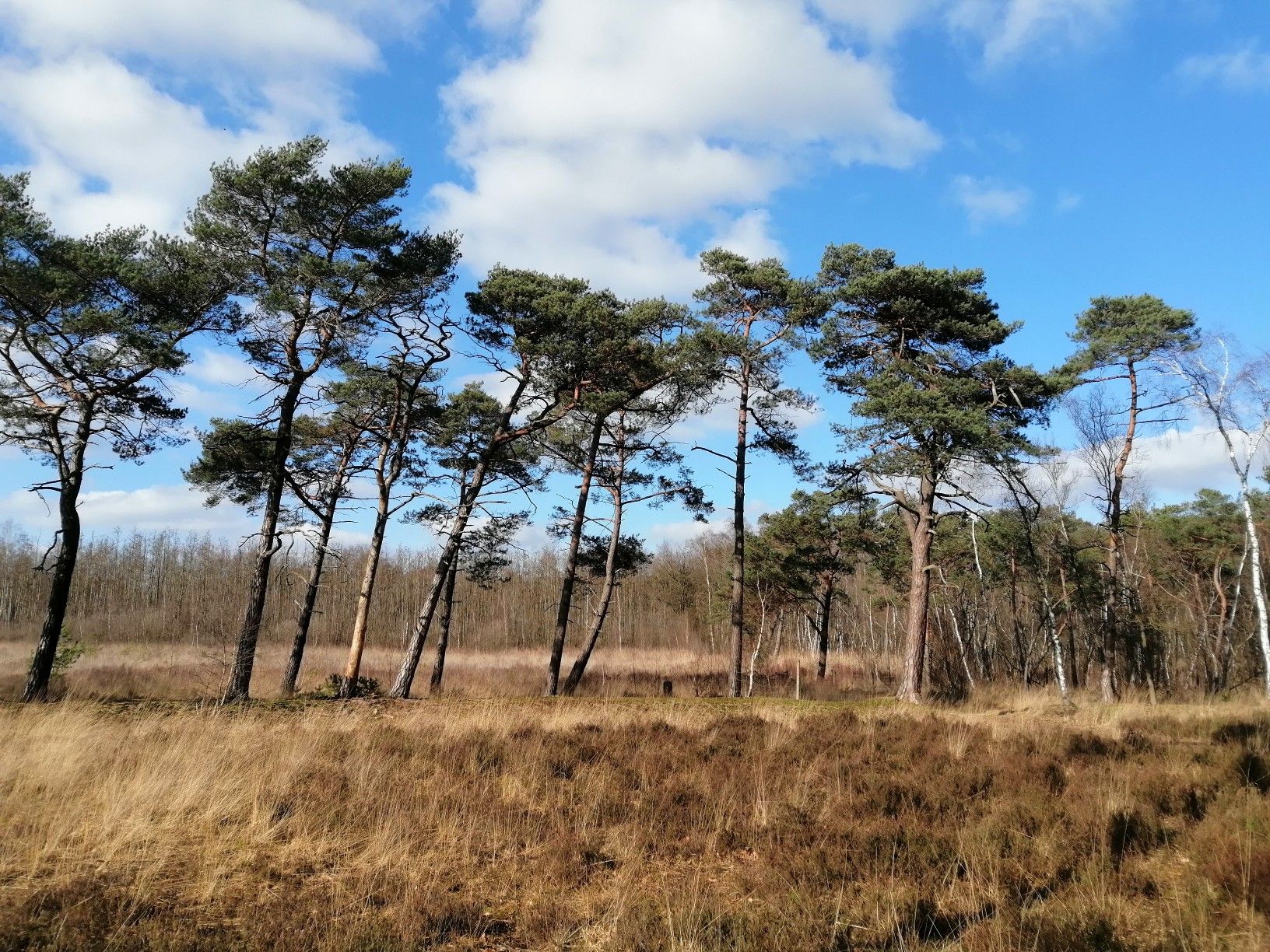
From Flanders to the Ardennes — GR 5 in Belgium
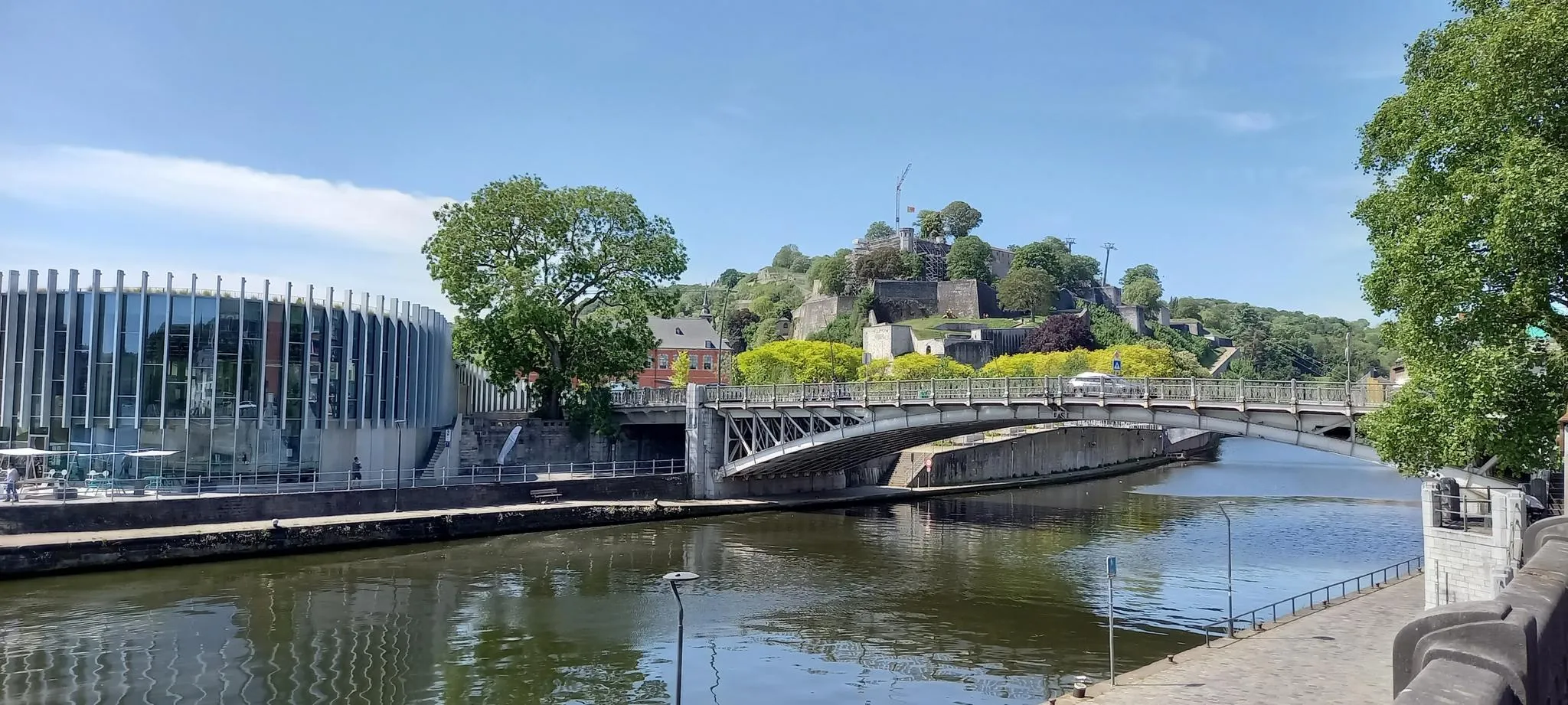
EuroVelo 3 — The adventure in the heart of Belgium
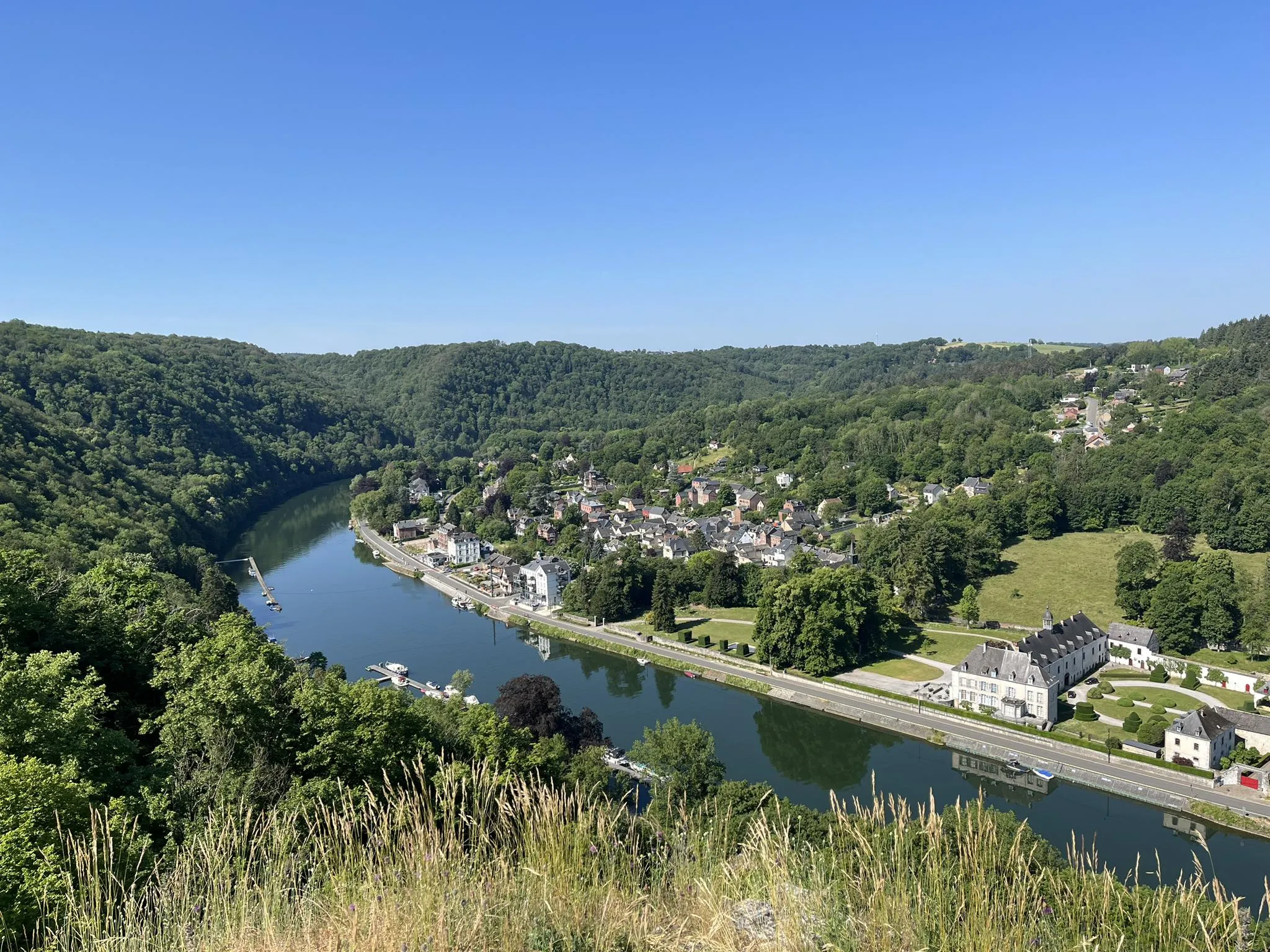
Sentier des abbayes trappistes part 1 – Between nature and gastronomy
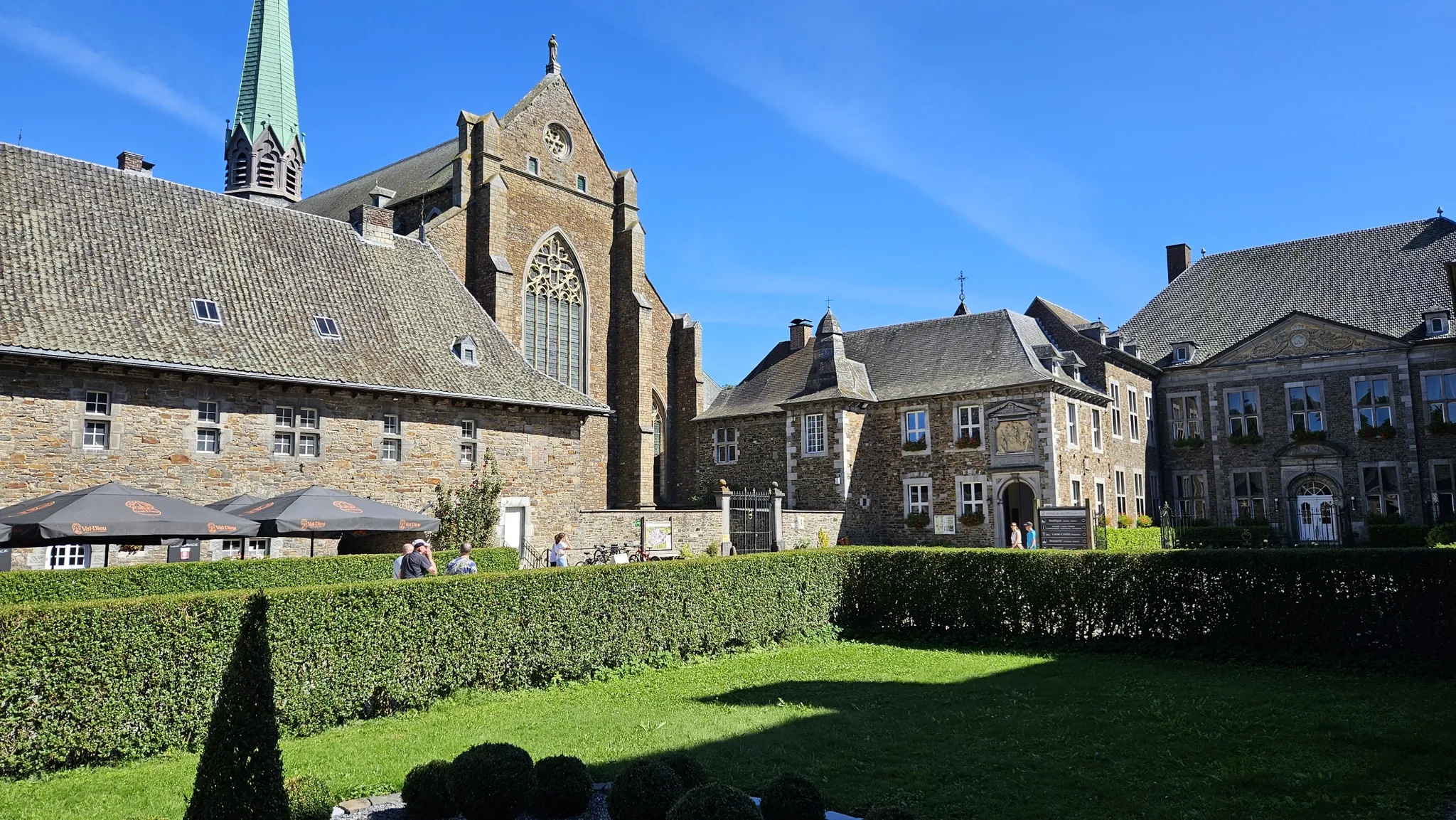
Trappist abbeys cycle route – Between beers and heritage
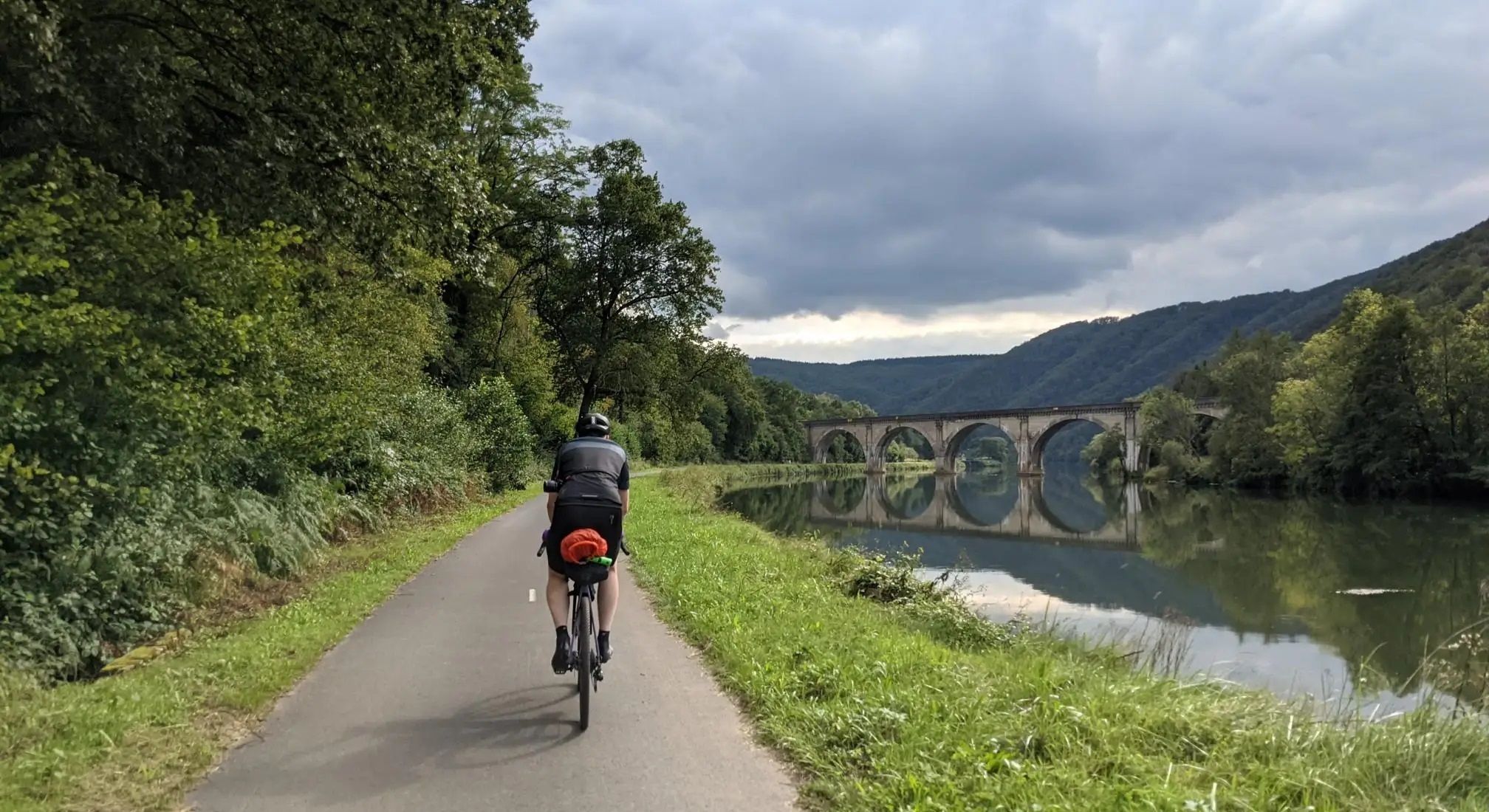
Aachen to Reims – Ardennes, Meuse and Champagne
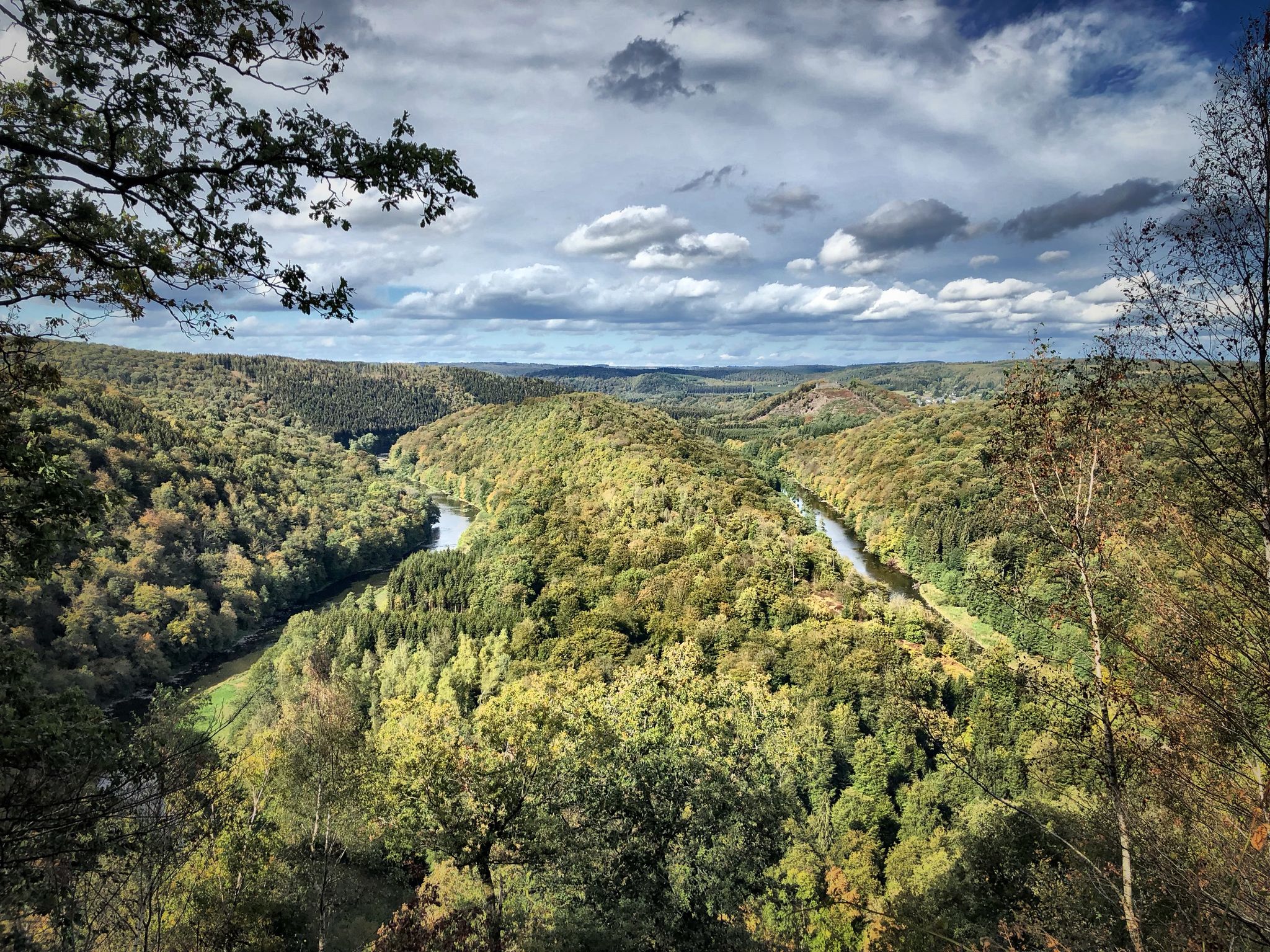
Running an ultra in Belgium – long trails in a small country
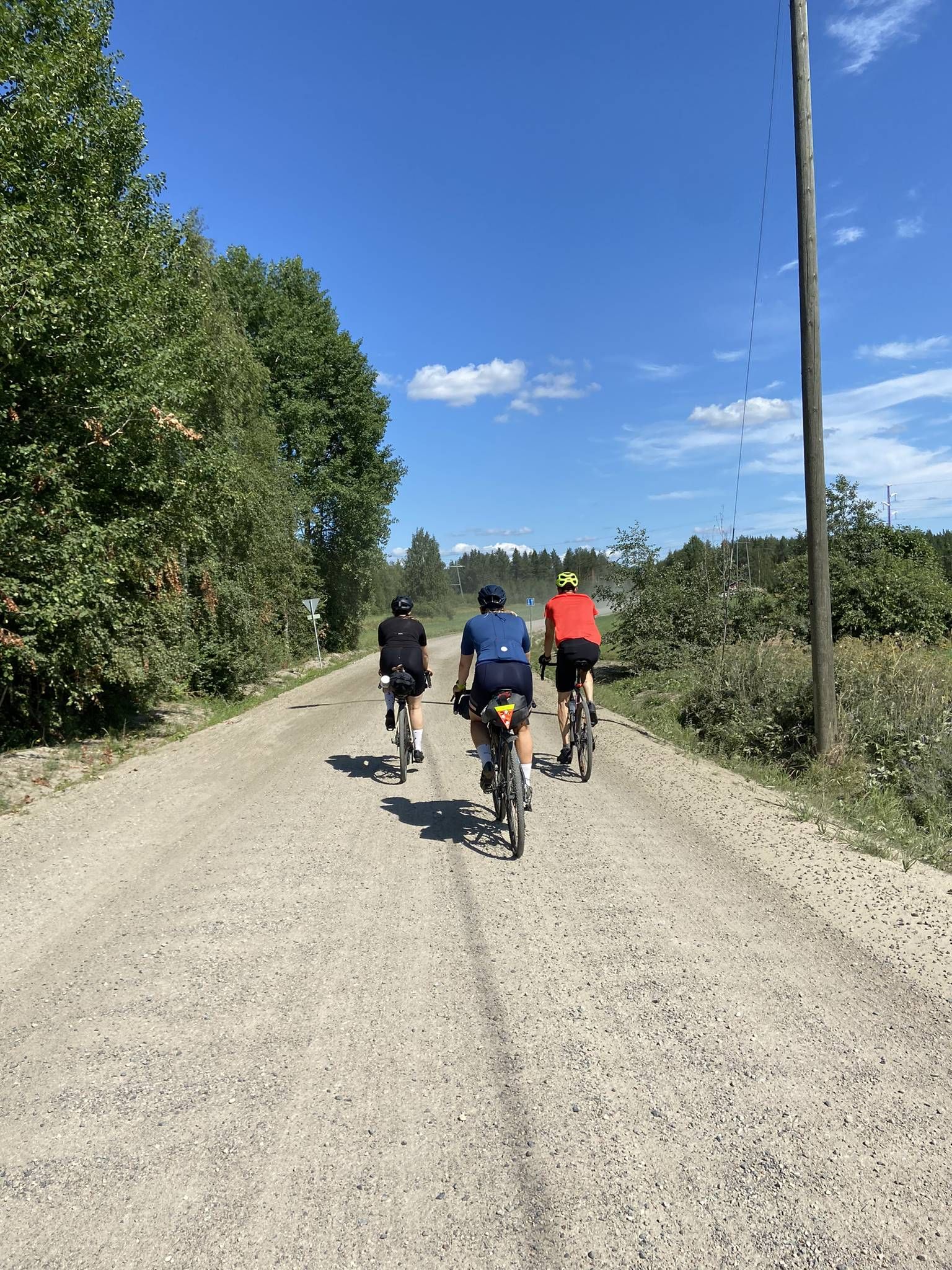
Naples to North Cape — Two friends, one purpose and many scoops of ice-cream
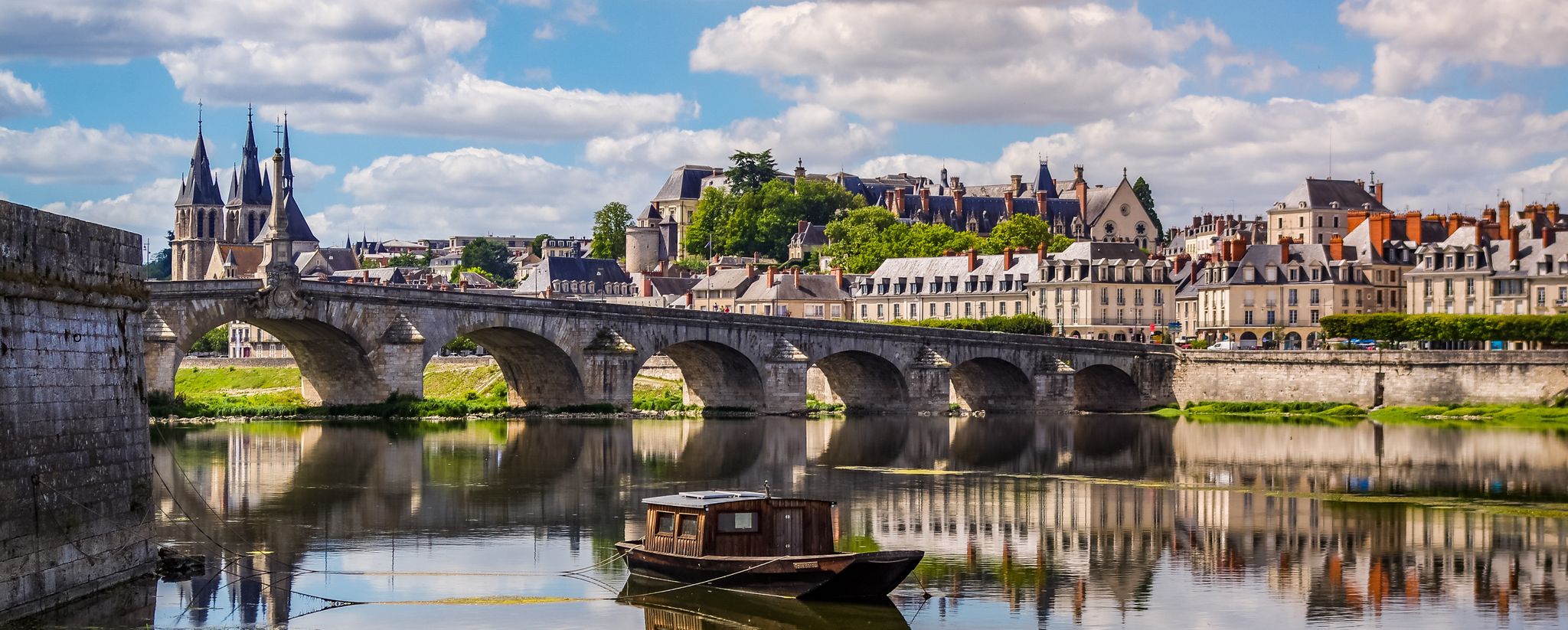
EuroVelo 3 – A cycling pilgrimage from Norway to France
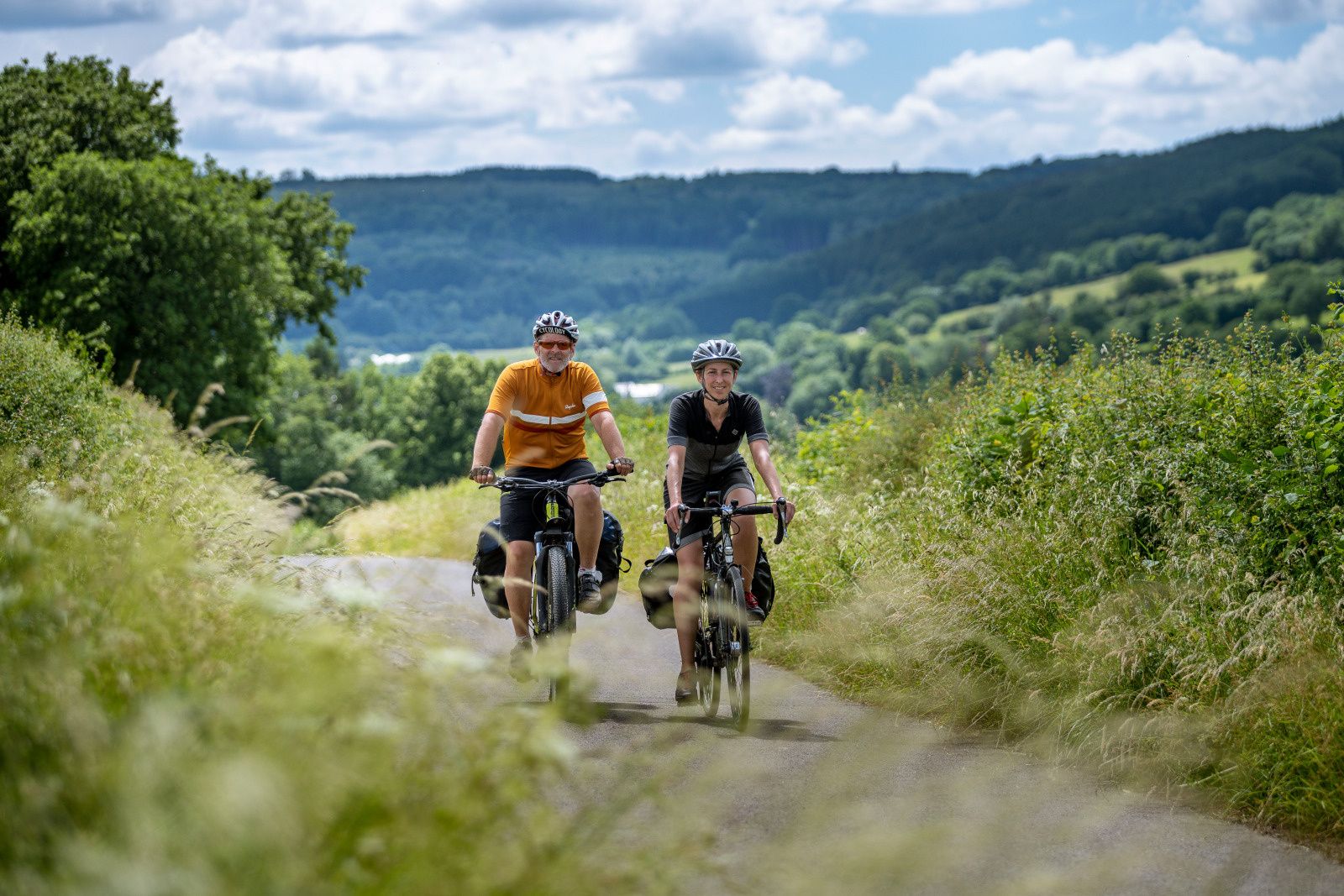
The most beautiful bike rides in Wallonia – pure nature and culture
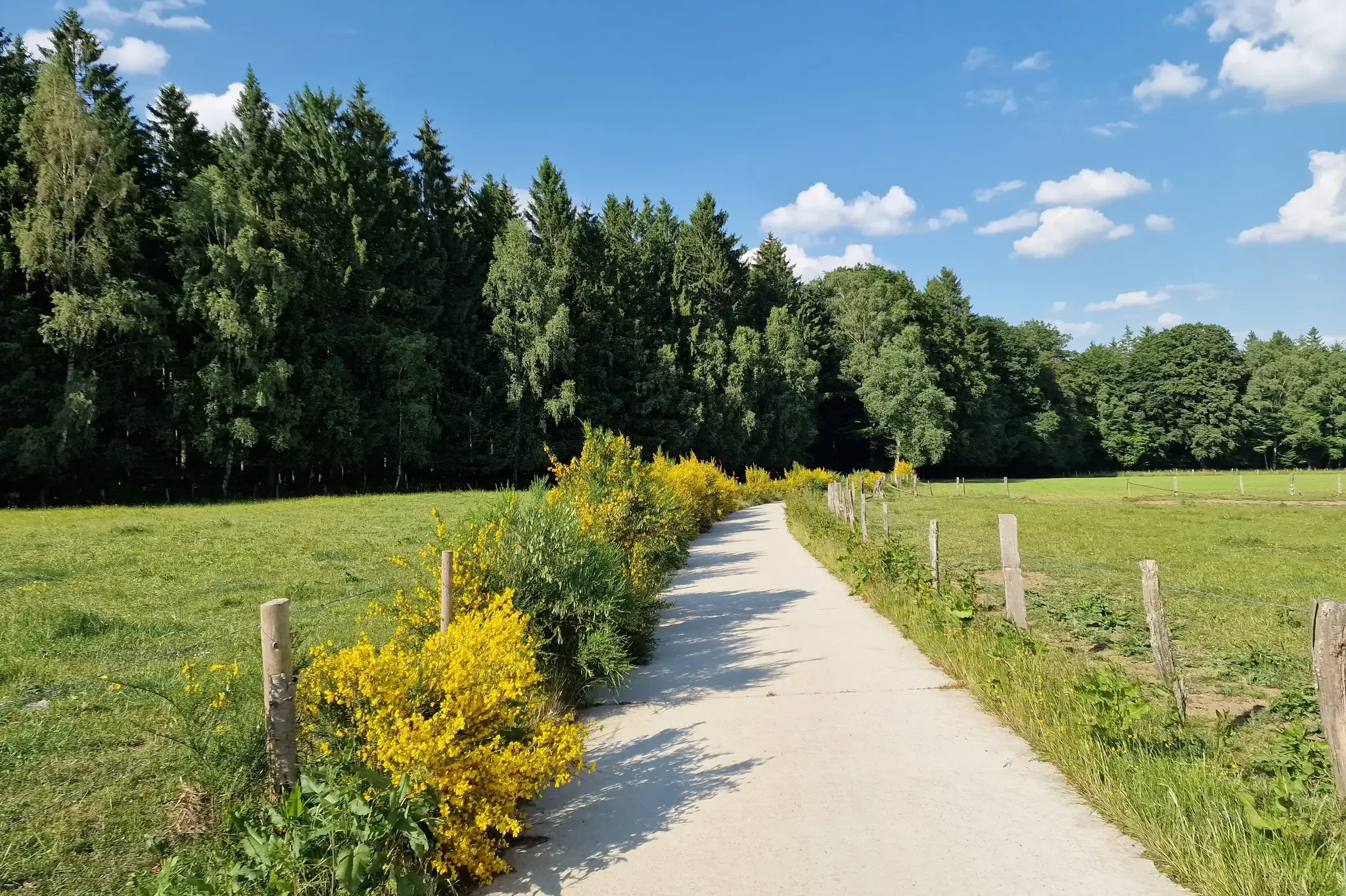
RAVeL W7 — On the road of the Ardennes
Other adventures in Wallonia


Tips from the Community

Very nice climb. Small, narrow and very peaceful road in a forest environment. Personally, I absolutely do not find this climb to be the most difficult in Belgium. The ascent is even very pleasant, the gradient is reasonable and constant.
0
0

The Col du Rideux: a gem in Luxembourg's Aisne Valley and a favorite among climbing enthusiasts. The 2.6 km climb (avg. 6.2%, 160m elevation gain) winds through a dense forest and is actually divided into two sections. After the hairpin bend, it seems to be over, but then comes a challenging final half kilometer at 8%. The road surface isn't in the best condition, but the climb has charm. Fun fact: rumor has it that this was the first climb in Belgium to be designated a "Col"!
1
0

At the Wolfhaag Pass, you cross the border between the Netherlands and Belgium. This peaceful and picturesque point offers an interesting opportunity to reflect on the border landscape and experience the region's history.
0
0

This pass, which drops to 315 meters above sea level, is accessible after a short but intense effort, with an average incline of 13%. The road leading to it crosses the forest, making it a very pleasant pass to climb.
1
0

Very short neck but with an average percentage of 13% 😅
0
0

small pass with parking, several walks start here.
0
0

At the sign of the highest point there is a warning against ticks and Lime disease, Good thing. We were also lucky because a day later we could not have walked this walk because of the Hunters.
0
0
small pass with parking to start your walk.
1
0
Frequently Asked Questions
What are some of the most popular mountain passes for cycling in Wallonia?
Wallonia offers several well-regarded climbs for cyclists. The Col du Rosier Climb from Spa is a favorite, known for its length and steady gradient, making it one of Belgium's longest inclines. Another notable challenge is the Col du Rideux near Durbuy, which features steep sections and is a respected climb in the Ardennes. The Col du Saty (365 m) in the Semois Valley is also renowned for its challenging ascent, with sections reaching steep inclines.
Are there any family-friendly mountain passes or high-altitude areas in Wallonia?
Yes, the Signal de Botrange, the highest point in Wallonia, is very family-friendly. It features broad plateaus and unique peatlands in the High Fens, suitable for easy walks. The Ninglinspo Valley, while adventurous, is also popular with families due to its enchanting waterfalls and natural pools, offering a unique hiking experience that feels like a fairytale.
What kind of natural features can I expect to see around Wallonia's mountain passes?
Wallonia's mountain passes are primarily located in the hilly and forested Ardennes region. You can expect dense forests, rolling hills, and scenic river valleys. Areas like the High Fens around Signal de Botrange feature unique peatlands and panoramic views. The Ninglinspo Valley is particularly known for its series of small waterfalls, natural pools, and moss-covered rocks, creating a magical atmosphere.
Where can I find parking near mountain passes in Wallonia?
Parking availability varies by location. For instance, the Col du Rideux is listed with parking facilities. For other passes, it's advisable to check local information or maps for designated parking areas, especially near trailheads or popular viewpoints.
What are some good hiking opportunities near Wallonia's mountain passes?
The region offers excellent hiking. The Ninglinspo Valley provides an adventurous 6 km hike with waterfalls and unique rock formations. Near the Signal de Botrange, you can explore the High Fens with diverse landscapes. For more extensive options, you can find numerous hiking routes in the region, such as those listed in the Hiking in Wallonia guide, including trails like 'Botrange's great fen loop' and 'Around the Nisramont reservoir'.
Are there any historical or cultural sites near Wallonia's mountain passes?
While the passes themselves are primarily natural features, the region has historical significance. For example, the Wolfhaag Pass Border Crossing is a historical site marking the Dutch-Belgian border. The broader Ardennes region has a rich history, particularly from World War II, and many towns and villages nearby offer cultural insights.
What do visitors enjoy most about the mountain passes in Wallonia?
Visitors frequently praise the challenging yet rewarding cycling climbs, the stunning natural beauty, and the unique outdoor experiences. Many appreciate the feeling of being in a more mountainous environment despite Wallonia's lower altitude compared to other European ranges. The komoot community has shown strong engagement, with over 480 upvotes and 90 photos highlighting the appeal of these routes and locations.
What are some less-known but scenic mountain passes or high points in Wallonia?
Beyond the most popular climbs, Wallonia offers other scenic spots. The Col du Maquisard is a pleasant climb surrounded by fields and woods. The Col du Bois de la Houssière offers a beautiful and long climb through a forest. Additionally, scenic drives through the Ardennes, such as Rue de Tintange along the Sauer river, provide continuous elevation changes and picturesque vistas.
Can I find routes for road cycling near Wallonia's mountain passes?
Absolutely. Wallonia is well-known for its road cycling opportunities, with many routes incorporating these passes. You can explore various road cycling routes in the region, such as those detailed in the Road Cycling Routes in Wallonia guide, which includes loops like the 'Amblève loop via the Coo waterfall' and the 'Meuse and Condroz Cycling Loop'.
What is the best time of year to visit Wallonia's mountain passes?
The best time to visit Wallonia's mountain passes for outdoor activities like cycling and hiking is generally from spring through autumn (April to October). During these months, the weather is milder, and the natural landscapes are vibrant. While winter hiking is possible, especially in areas like the High Fens, conditions can be challenging with snow and ice, requiring appropriate gear.
Are there any specific challenges or unique features to be aware of when exploring Wallonia's passes?
Wallonia's passes, particularly in the Ardennes, are characterized by significant elevation changes and can present challenging terrain for cyclists and hikers. Some climbs, like the Col du Saty and Col du Rideux, are known for their steep gradients. The Ninglinspo Valley involves rocky sections and frequent ascents and descents. Always be prepared for varied conditions and check local information for specific route details.
What is the highest point in Wallonia and what does it offer?
The highest point in Wallonia and Belgium is Signal de Botrange, standing at 694 meters (2,277 feet) in the High Fens. It features a road crossing its summit and an observation tower that allows visitors to reach an altitude of 700 meters. The area is known for its broad plateaus, unique peatlands, and offers panoramic views of the surrounding natural park, making it an exceptional natural site for exploration.
Most popular routes in Wallonia
Most popular attractions in Wallonia

Get inspired with the komoot mobile app


