Top 20 Natural Monuments in Wallonia
Best natural monuments in Wallonia include a diverse array of geological formations, ancient forests, and river valleys. This southern region of Belgium features a varied landscape, from the rugged Ardennes to serene lakes. These natural sites offer unique features for outdoor enthusiasts. Wallonia's natural heritage provides numerous opportunities for hiking and exploring.
Best natural monuments in Wallonia
- The most popular natural monuments is Ninglinspo Valley, a gorge that features a stream flowing through a rugged valley with mini-waterfalls and…
Last updated: September 29, 2026
Bayehon Waterfall
Highlight • Waterfall
Translated by Google •
Tip by

Vaalserberg Three-Country Point
Highlight • Monument
Translated by Google •
Tip by

Sign up now to discover places like this
Get recommendations on the best single tracks, peaks, & plenty of other exciting outdoor places.
Boardwalks Through the Hohes Venn Moor
Highlight • Trail
Translated by Google •
Tip by
Trôs Marets Valley
Highlight (Segment) • Gorge
Translated by Google •
Tip by

Brackvenn Moor Lakes
Highlight • Lake
The palsen or pingos in the High Fens were formed around 10,000 to 11,000 years ago at …
Translated by Google •
Tip by
Ninglinspo Valley
Highlight (Segment) • Gorge
Tip by

Durbuy — Old Town and Castle
Highlight • Settlement
Translated by Google •
Tip by

Venus' Bath
Highlight • Waterfall
Translated by Google •
Tip by
Coo Waterfall
Highlight • Waterfall
Translated by Google •
Tip by
Hohnbach Valley
Highlight (Segment) • River
Translated by Google •
Tip by

Sign up for free to discover even more natural monuments in Wallonia.
Already have an account?
Start today with a free account
Your next adventure awaits.
Popular around Wallonia
From Flanders to the Ardennes — GR 5 in Belgium
EuroVelo 3 — The adventure in the heart of Belgium
Sentier des abbayes trappistes part 1 – Between nature and gastronomy
Trappist abbeys cycle route – Between beers and heritage
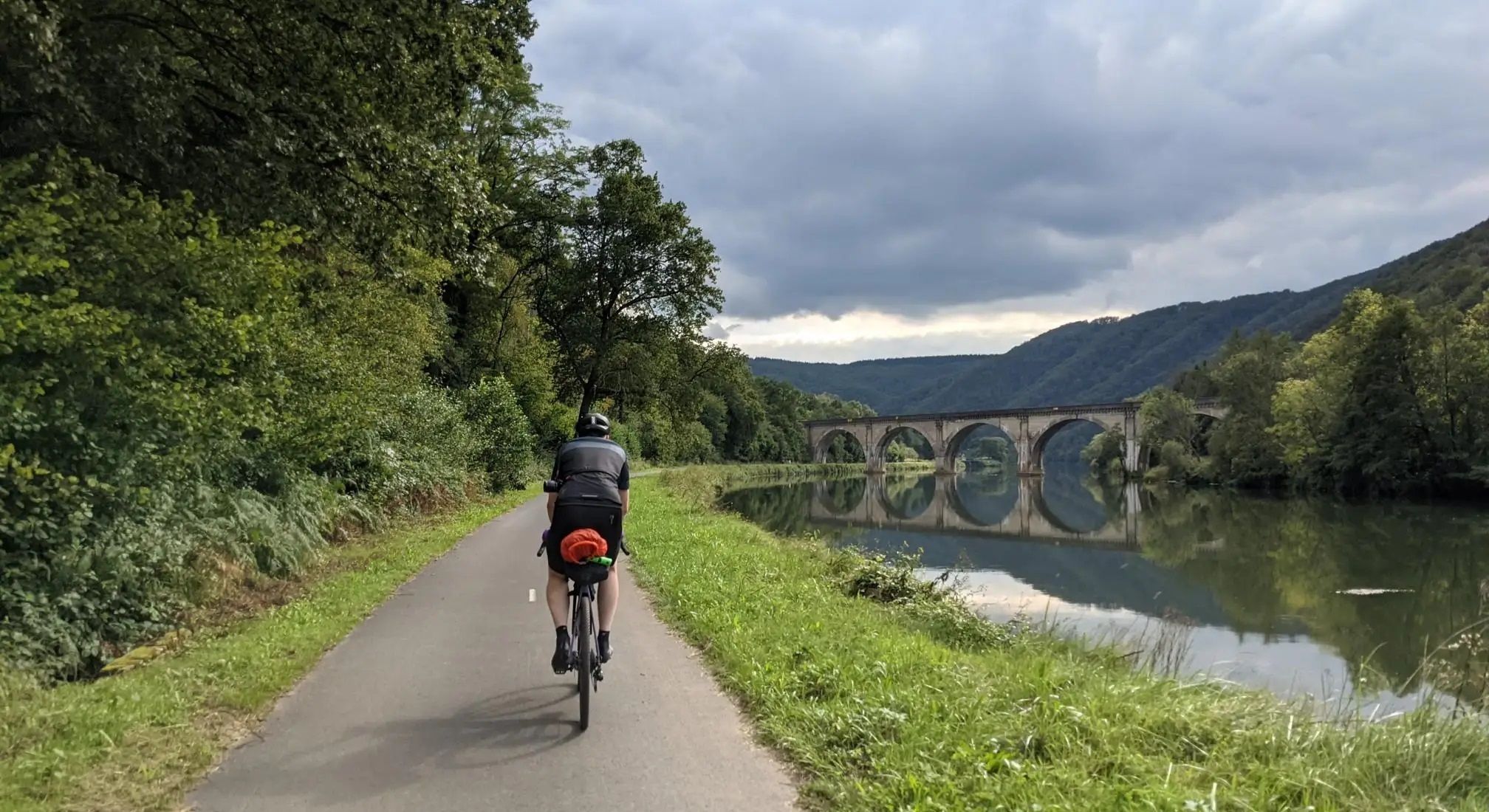
Aachen to Reims – Ardennes, Meuse and Champagne
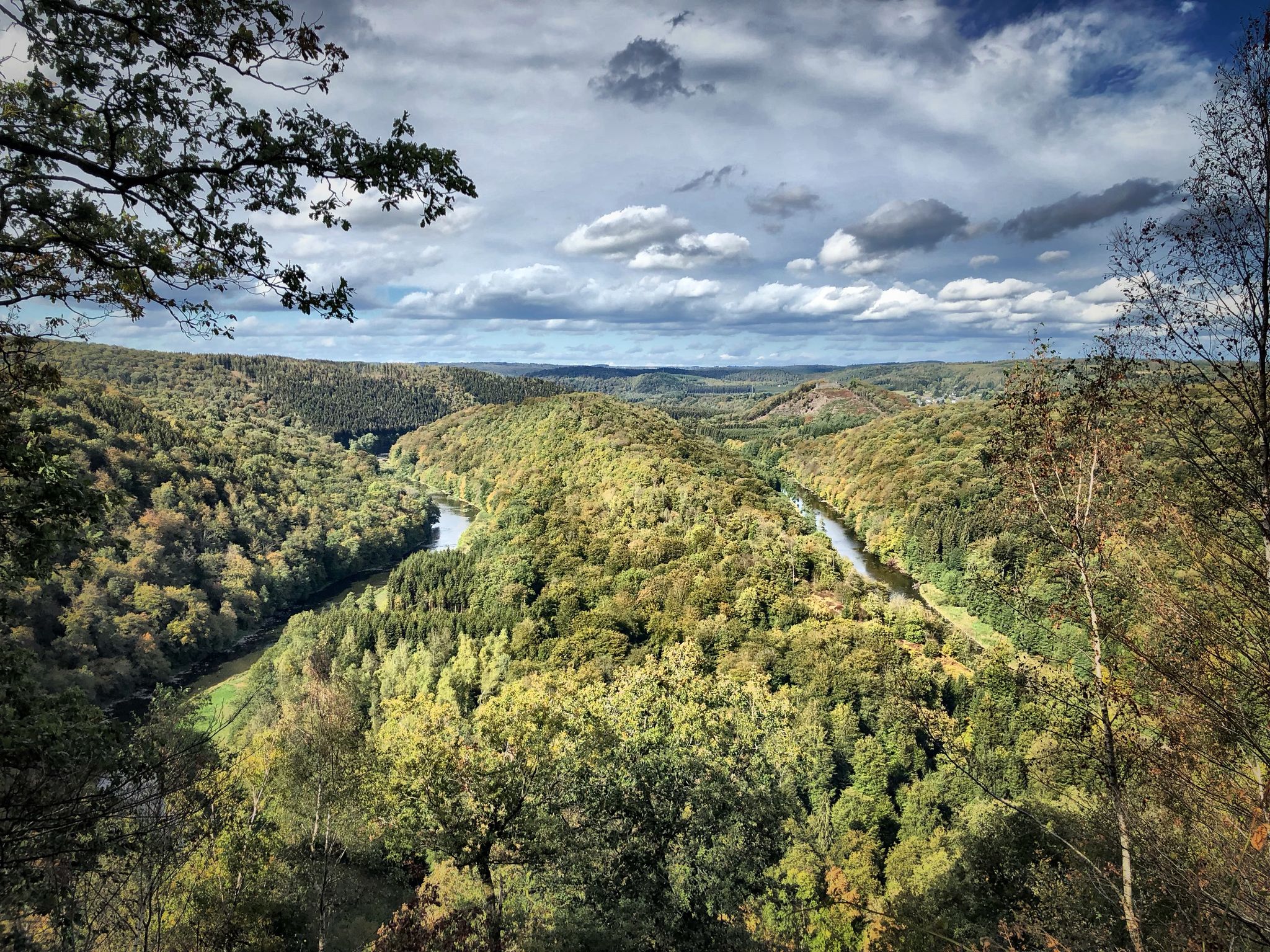
Running an ultra in Belgium – long trails in a small country
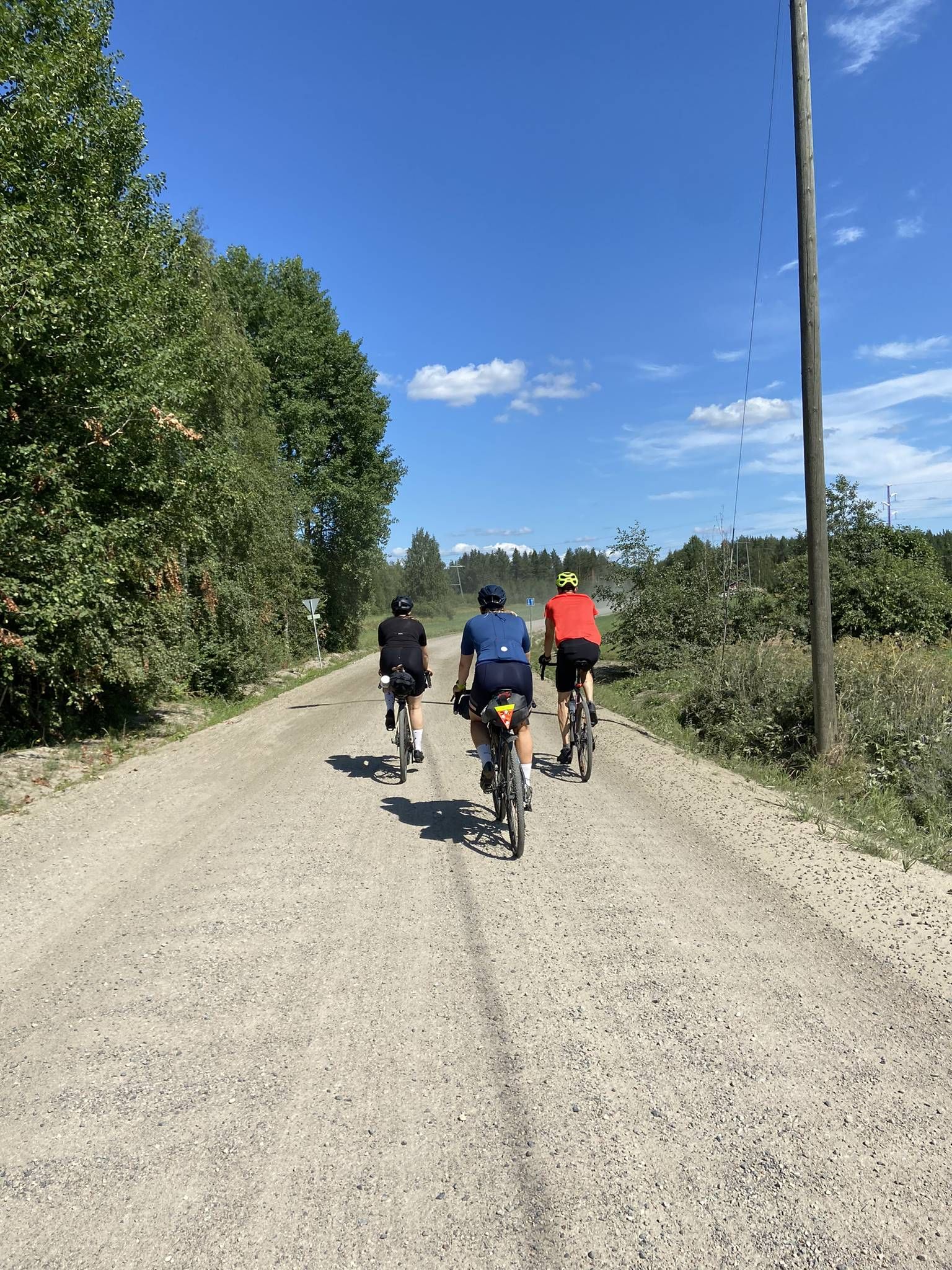
Naples to North Cape — Two friends, one purpose and many scoops of ice-cream
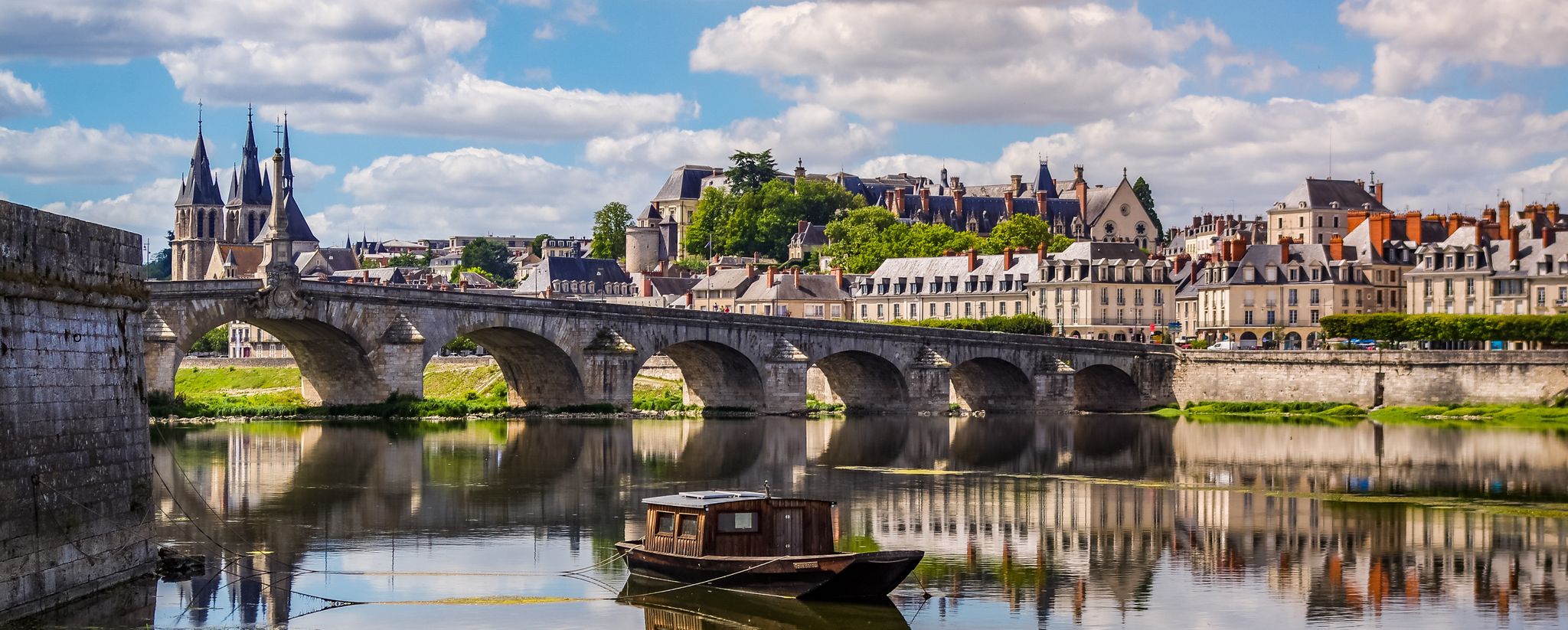
EuroVelo 3 – A cycling pilgrimage from Norway to France
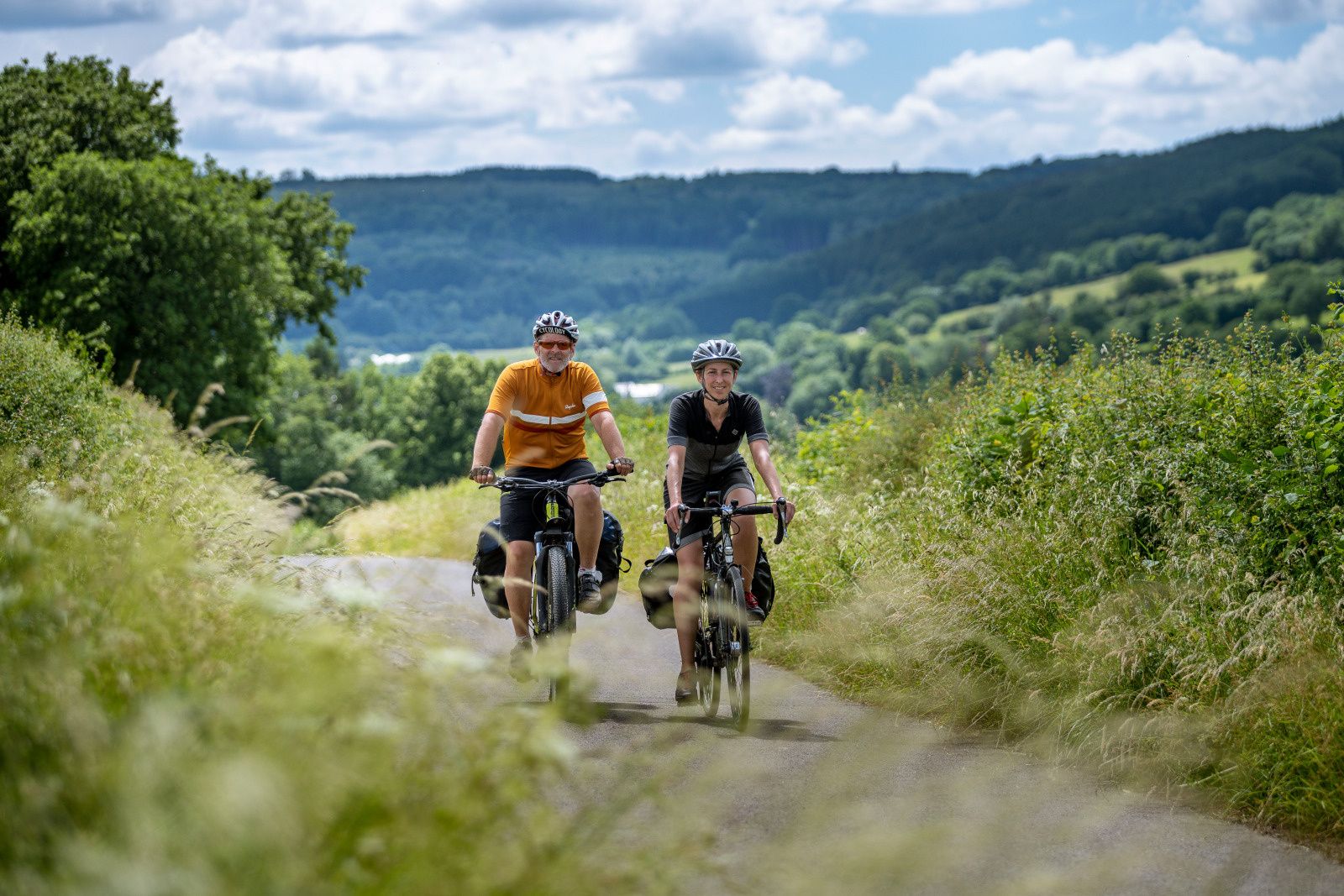
The most beautiful bike rides in Wallonia – pure nature and culture
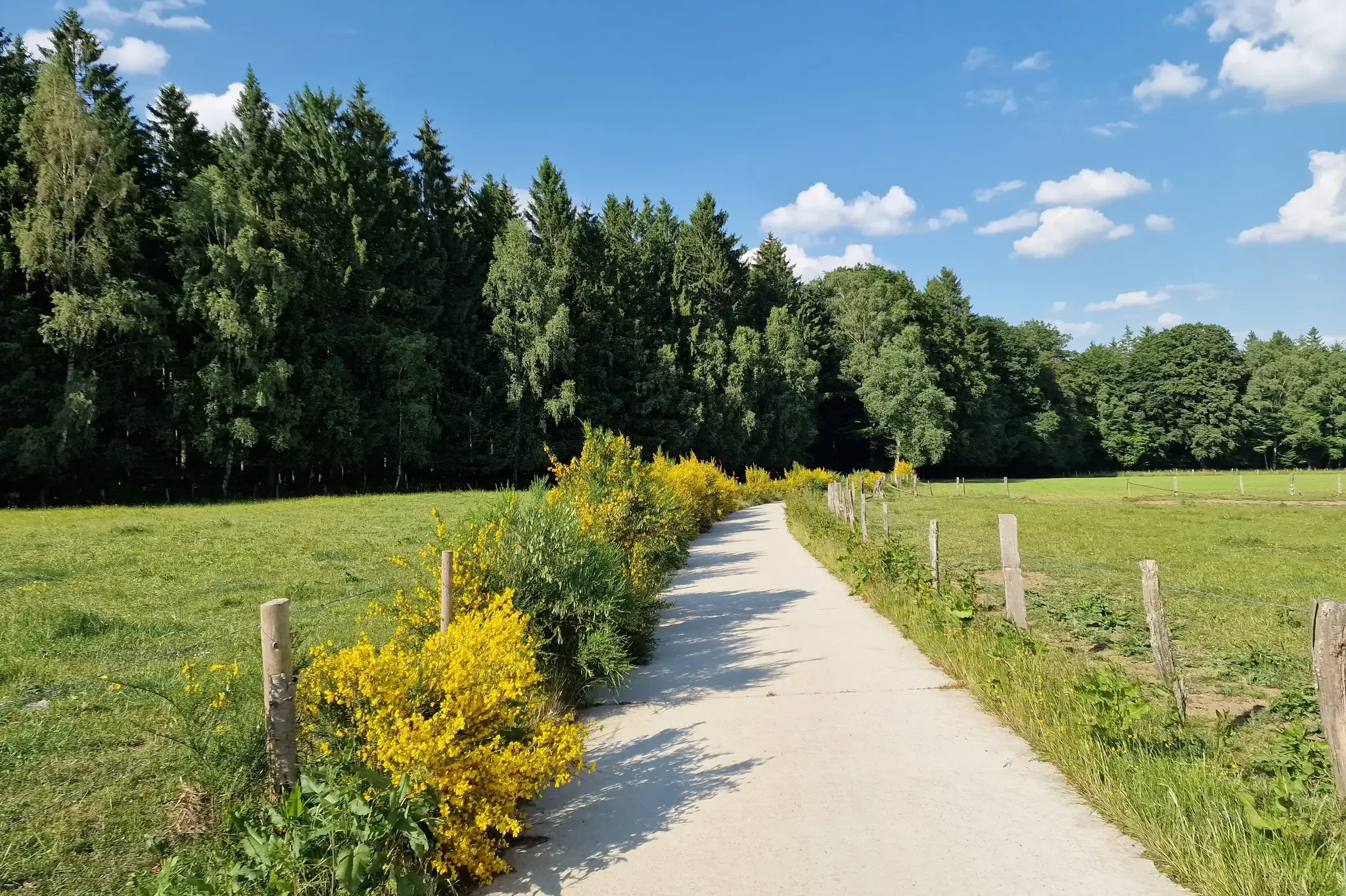
RAVeL W7 — On the road of the Ardennes
Other adventures in Wallonia


Tips from the Community

Adventure tours, amusement park, kayaking or just marveling, there can be a lot going on here.
11
0

The Coo waterfall is artificial. Starting from a simple waterfall that appeared in the 15th century, the monks of Stavelot Abbey dug the large waterfall, crossing a meander of the river, to protect the village of Petit-Coo. The fact remains that it is very impressive and at its height of 15 meters is the pride of Belgium.
1
0
Located on the banks of the Ourthe River, the village of Durby is picturesque thanks to its rich history and remarkably well-preserved architecture. It is considered the smallest village in the world. The downside is that it attracts large crowds during the summer months.
0
0

The highest point in the Netherlands coincides with the three-country point and is an important tourist attraction.
21
0

As early as the late Middle Ages, the border of the former Aachen Empire, fortified with the Aachen Moat, ran from south to north across the ridge of the Vaalserberg. From 1839 to 1919, the Vaalserberg, with the disputed area of Neutral Moresnet as the fourth country, was even a four-country corner (Vierlandenpunt), which is still remembered in the name of the access road on the Dutch side - Viergrenzenweg. During the First World War, from 1915 to 1918, the high-voltage border barrier stretched along the Belgian-Dutch border for a length of 300 kilometers from the then four-country corner on the Vaalserberg to the Belgian North Sea coast near Knokke. The German invasion of Belgium in 1914 via Gemmenich to Diksmuide, which brought much suffering to the Belgian population, is commemorated by a memorial made of compressed war material at the southern tip of the Vaalserberg, called Via Dolorosa.
23
0

This "bathtub" shows very well what the water can do with its natural power over the millennia.
10
0
One of the highlights of the Ninglinspo Valley is this beautiful waterfall.
9
0

Frequently Asked Questions
What types of natural monuments can I explore in Wallonia?
Wallonia offers a diverse range of natural monuments, from dramatic geological formations and ancient forests to winding rivers and serene lakes. You can discover picturesque gorges like the Ninglinspo Valley with its mini-waterfalls, impressive cave systems such as the Caves of Han-sur-Lesse, and vast peatlands like the Hohes Venn Nature Reserve. The region also features stunning viewpoints, waterfalls, and unique limestone landscapes.
Are there natural monuments in Wallonia suitable for families?
Yes, many natural monuments in Wallonia are family-friendly. The Coo Waterfall is easily accessible and impressive for all ages. The Vaalserberg Three-Country Point offers a unique experience where three countries meet, with facilities and a viewing tower. The Caves of Han-sur-Lesse also provide guided tours suitable for families, often combined with a wildlife park visit.
Where can I find impressive geological formations in Wallonia?
For striking geological formations, visit the Fondry des Chiens near Nismes, often called the 'Grand Canyon of Belgium.' This dramatic doline features rugged limestone cliffs and deep caves formed by erosion. Another notable site is the Ninglinspo Valley, known for its moss-covered rocks and ancient Crahay Rocks, formed 300 million years ago.
What are the best natural monuments for hiking in Wallonia?
Wallonia is a hiker's paradise. The Trôs Marets Valley offers an idyllic hiking experience alongside a wild river. The Hohes Venn Nature Reserve provides extensive paths through peatlands and forests. For a more adventurous hike, the Ninglinspo Valley trail involves crossing streams and navigating steeper sections with cables.
Can I find waterfalls among Wallonia's natural monuments?
Absolutely. Wallonia is home to several beautiful waterfalls. The Bayehon Waterfall, a roughly nine-meter-high cascade within a deep, wooded gorge, offers picturesque photo opportunities. The Coo Waterfall is another impressive sight, one of Belgium's highest, with a 15-meter drop.
What outdoor activities are available near Wallonia's natural monuments?
Beyond hiking, you can enjoy various outdoor activities. The Lacs de l'Eau d'Heure, while artificial, offer a preserved natural setting for water sports like swimming, kayaking, and windsurfing. The waterfall hikes in Wallonia provide routes of varying difficulty. For cycling, explore the cycling routes in Wallonia, including paths on old railway lines in the High Fens, or try gravel biking.
Are there any natural monuments with panoramic views in Wallonia?
Yes, Wallonia boasts several natural viewpoints. Le Tombeau du Géant (The Giant's Tomb) near Botassart offers breathtaking panoramic views over the winding Semois River and surrounding forests. The Vaalserberg Three-Country Point also provides an observation tower for unobstructed views of the three bordering countries.
Which natural monuments are known for their biodiversity and wildlife?
The Fondry des Chiens is a hub of biodiversity, featuring large lime grasslands where rare wild orchids thrive and a haven for butterflies in summer. The Hohes Venn Nature Reserve, with its vast peatlands, supports unique ecosystems. Wallonia's national parks, such as the Semois Valley National Park and Entre-Sambre-et-Meuse National Park, are dedicated to protecting biodiversity and offer opportunities to observe local wildlife.
What is the best time of year to visit Wallonia's natural monuments?
While many sites are beautiful year-round, autumn is particularly stunning for places like Le Tombeau du Géant, where the forests display vibrant colors. Spring brings blooming wildflowers, especially in areas like the Fondry des Chiens with its wild orchids, and the daffodil meadows in the Hohnbach Valley. Summer is ideal for water activities at Lacs de l'Eau d'Heure and general hiking.
Are there any natural monuments that also have historical significance?
Yes, some natural sites are intertwined with history. The Vaalserberg Three-Country Point is a historical marker where three nations meet. The Durbuy Old Town and Castle, while primarily a settlement, is nestled within a natural setting, offering a blend of historical architecture and natural beauty. The Coo Waterfall's larger part was even artificially created by monks in the 15th century.
What makes the Hohes Venn Nature Reserve a unique natural monument?
The Hohes Venn Nature Reserve is unique for its vast peatlands and forests, creating a distinct landscape between the Ardennes and the Eifel highlands. It is the largest nature reserve in Belgium and includes the Signal de Botrange, Wallonia's highest point. Its unique ecosystem supports specific flora and fauna, making it an exceptional area for nature observation and tranquil hikes.
Where can I find a natural monument that feels like a 'fairytale' experience?
The Ninglinspo Valley is often described as a 'fairytale hike.' This picturesque stream flows through a rugged valley characterized by mini-waterfalls, moss-covered rocks, and carved rock pools with poetic names. The adventurous 6 km trail, with its wooden footbridges and stone crossings, offers a truly enchanting experience.
Most popular routes in Wallonia
Most popular attractions in Wallonia

Get inspired with the komoot mobile app


Explore more
Extend your search for the best caves by checking out these guides of the top ones in Wallonia:
