Top 20 Castles in Southern Denmark
Best castles in Southern Denmark offer a glimpse into the region's rich history and architectural heritage. This area features more than 20 castles, ranging from medieval fortresses to royal residences. The landscape provides a backdrop for exploring these historical sites, many of which are situated near lakes or within extensive parks. Southern Denmark's cultural significance is reflected in the preservation and accessibility of these structures.
Best castles in Southern Denmark
- The most popular castles is Koldinghus Castle, a castle…
Last updated: August 16, 2026
Augustenborg Palace
Highlight • Castle
Showing Translation
Tip by

Nordborg Castle
Highlight • Castle
Translated by Google •
Tip by

Sign up now to discover places like this
Get recommendations on the best single tracks, peaks, & plenty of other exciting outdoor places.
Sign up for free
Gråsten Palace
Highlight • Castle
Translated by Google •
Tip by

Valdemar's Castle
Highlight • Castle
valdemarsslot.dk/
Translated by Google •
Tip by

Riberhus Castle Mound and the Queen Dagmar Statue
Highlight • Castle
Translated by Google •
Tip by

Koldinghus Castle
Highlight • Castle
Translated by Google •
Tip by

Nyborg Castle
Highlight • Castle
Showing Translation
Tip by

Tranekær Castle
Highlight • Castle
Translated by Google •
Tip by

Gyldensteen Castle
Highlight • Castle
Translated by Google •
Tip by

Hindsgavl Castle
Highlight • Castle
Translated by Google •
Tip by

Sign up for free to discover even more castles in Southern Denmark.
Sign up for free
Already have an account?
Start today with a free account
Your next adventure awaits.
Login or Signup
Popular around Southern Denmark
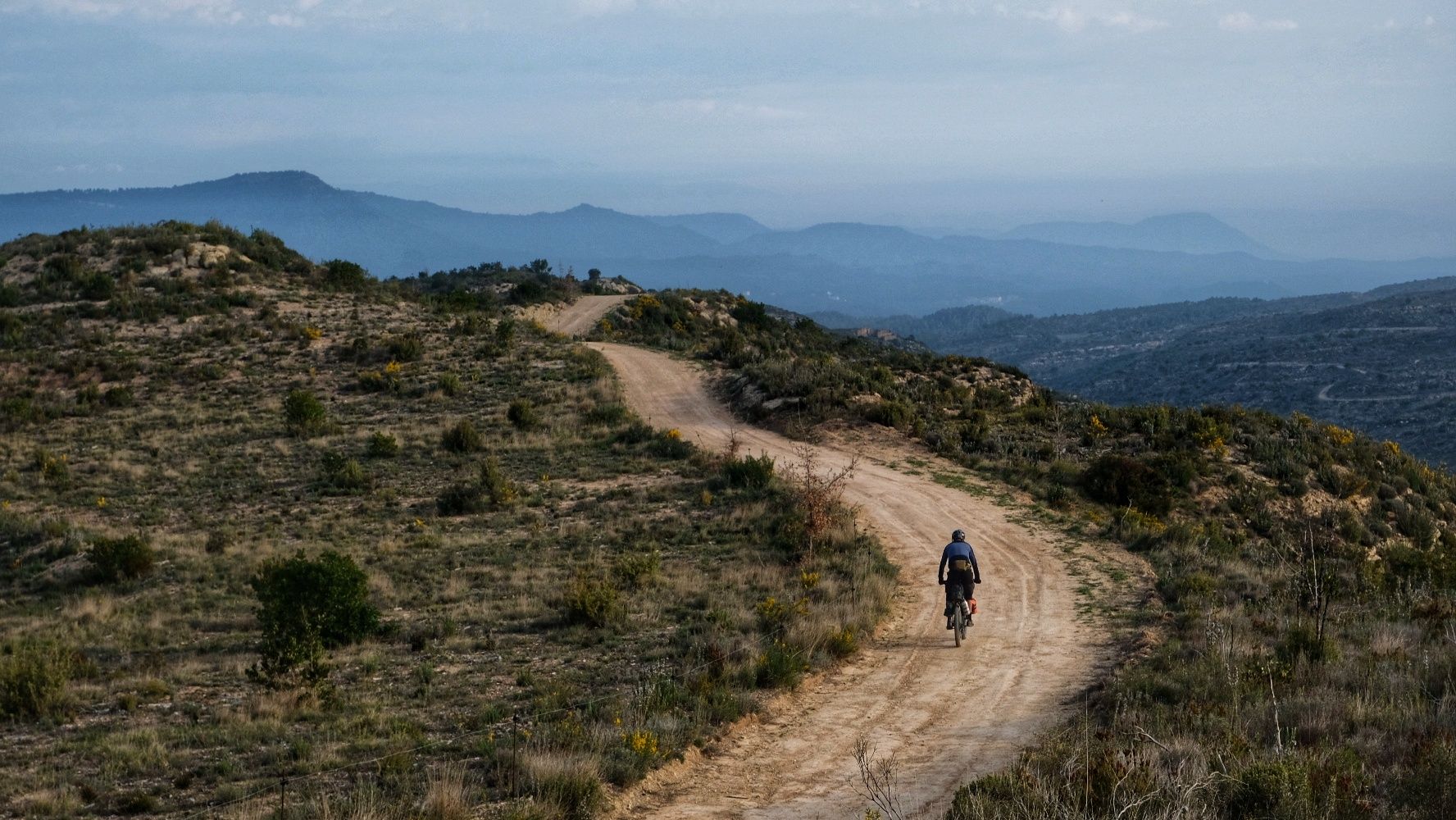
European Divide Trail — 7,600 km across the continent
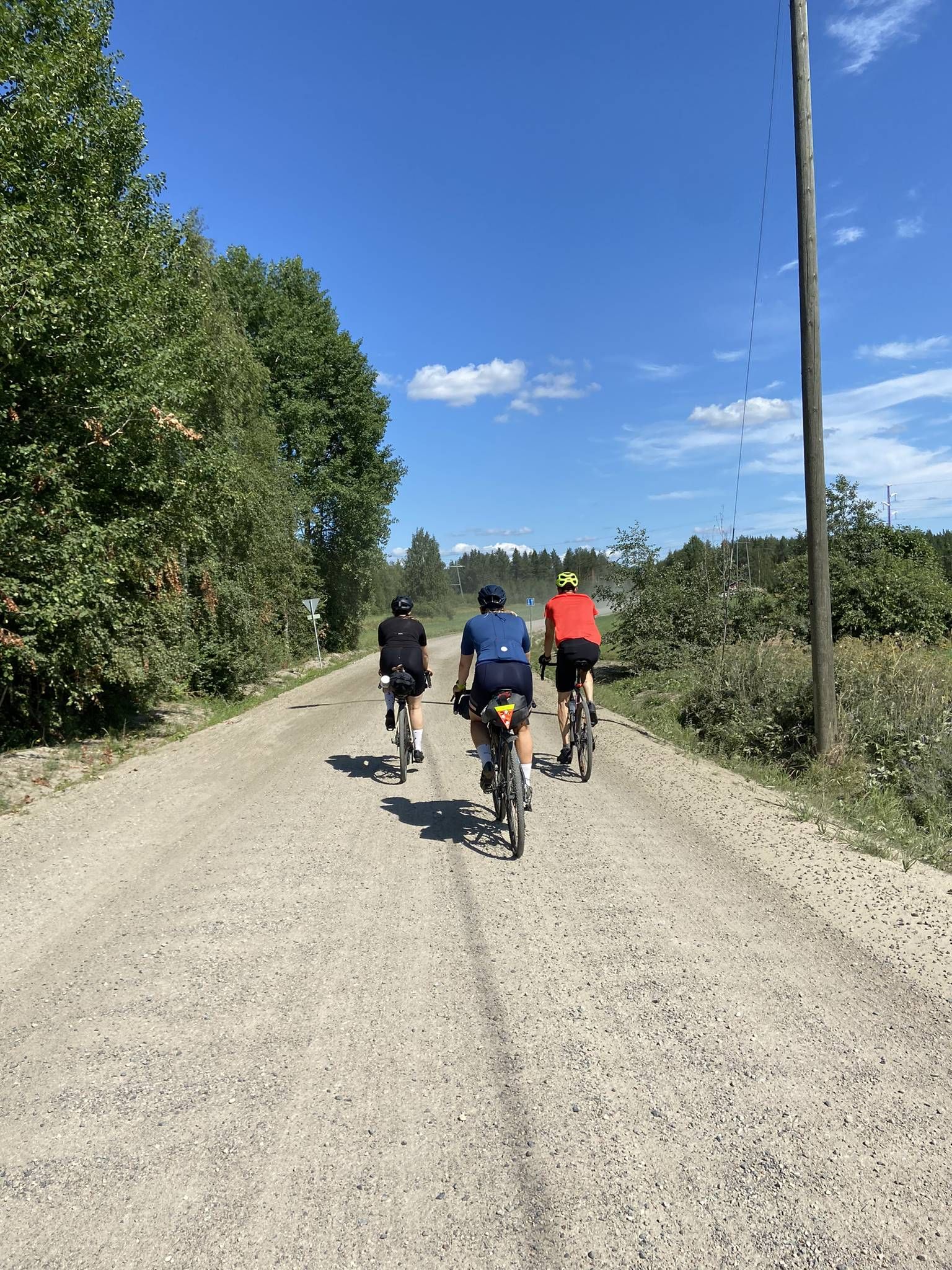
Naples to North Cape — Two friends, one purpose and many scoops of ice-cream
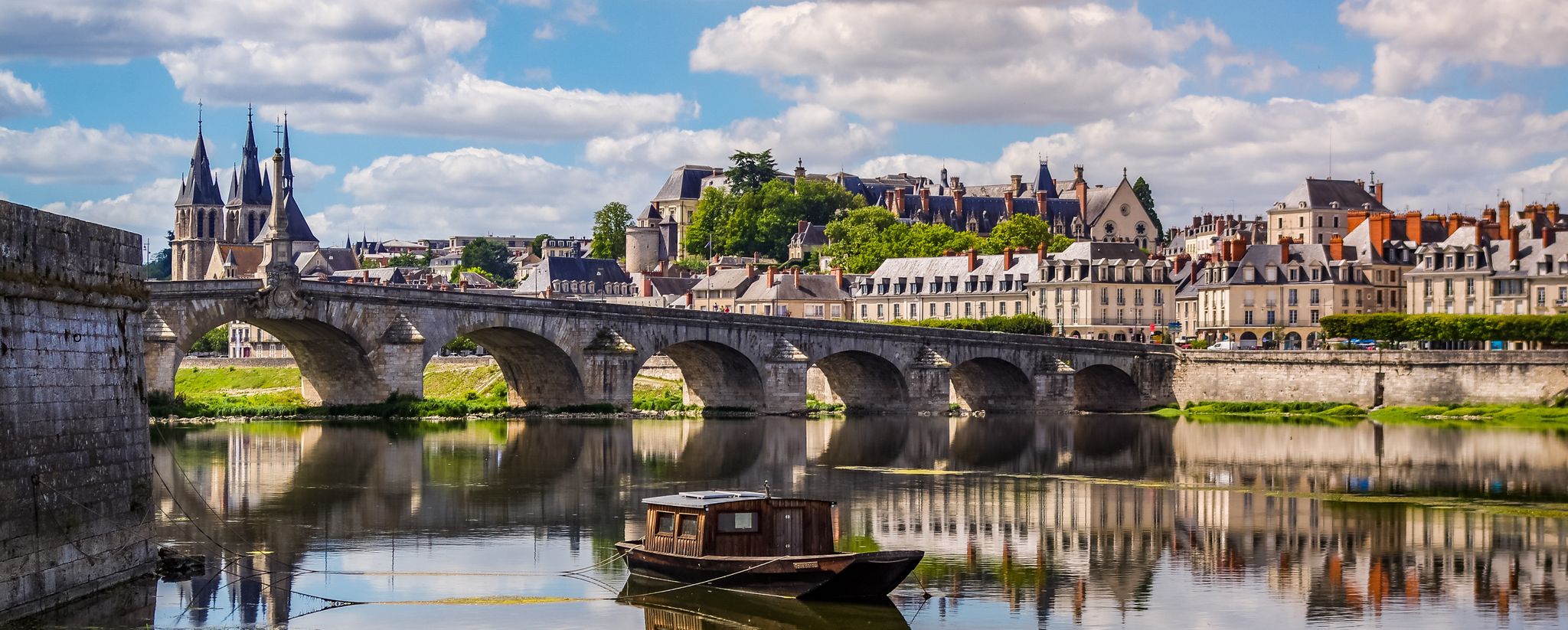
EuroVelo 3 – A cycling pilgrimage from Norway to France
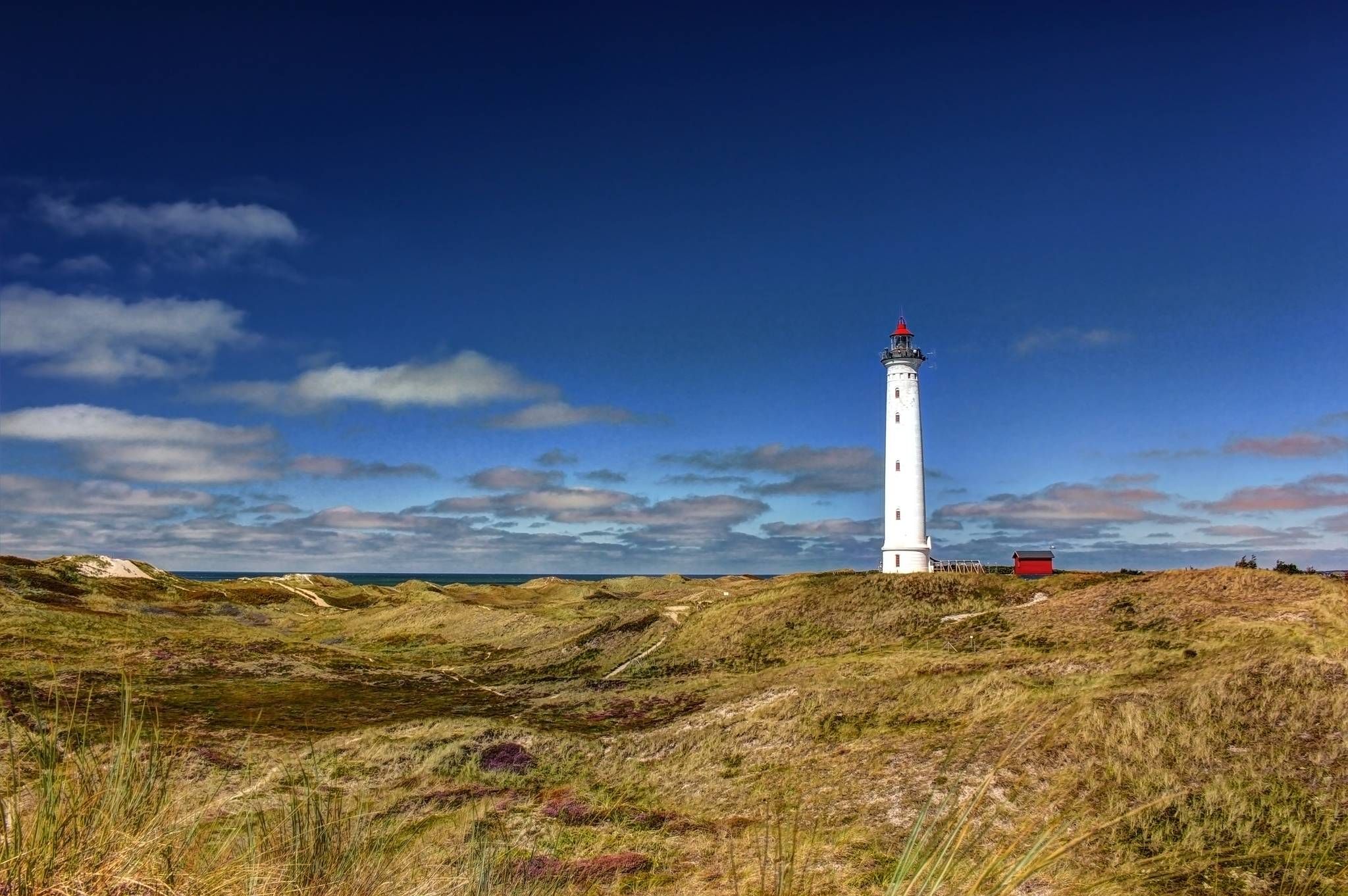
The North Sea Coast Cycle Route – Denmark
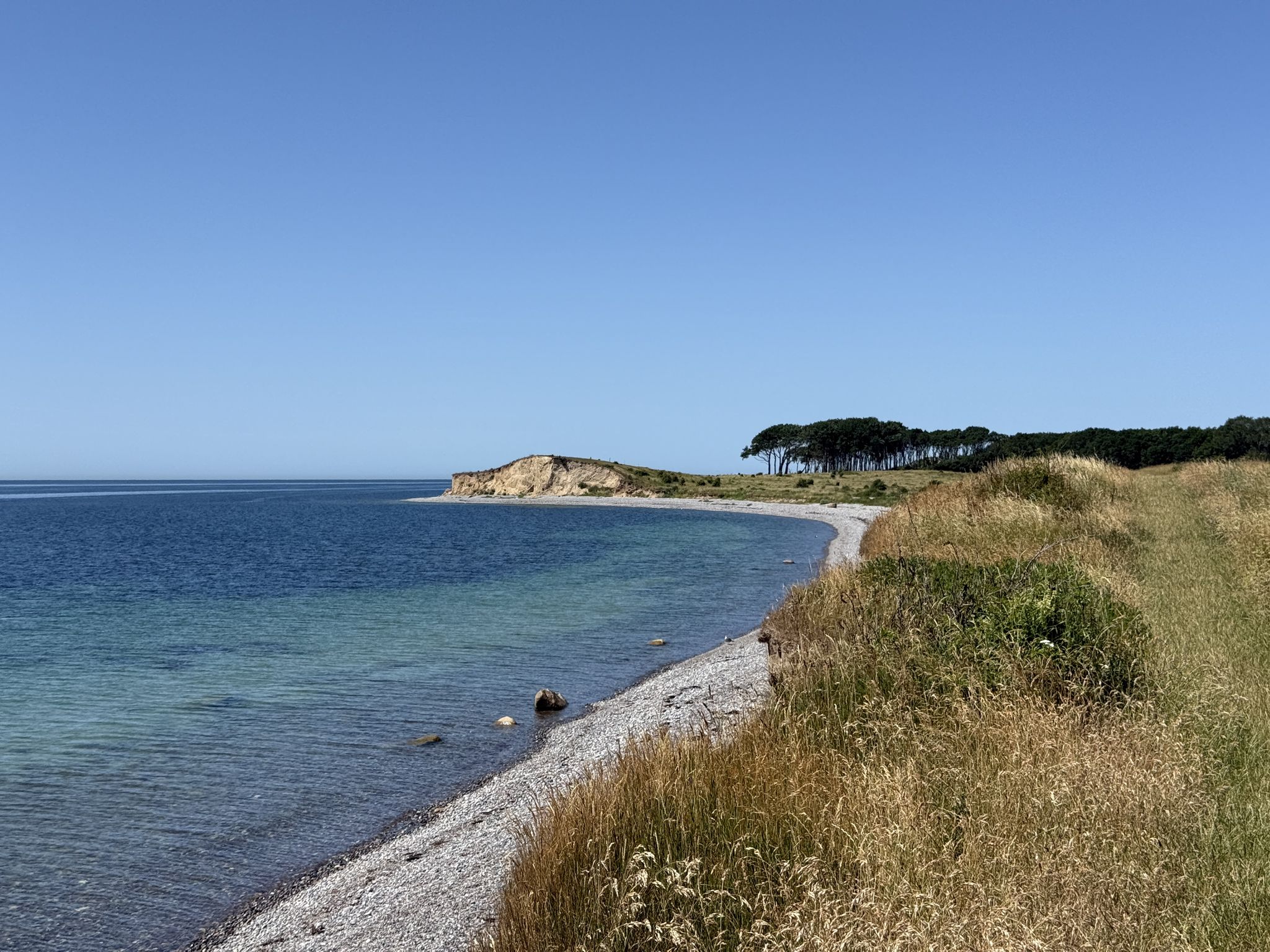
Experience Langeland’s vastness on the Herregårdsroute
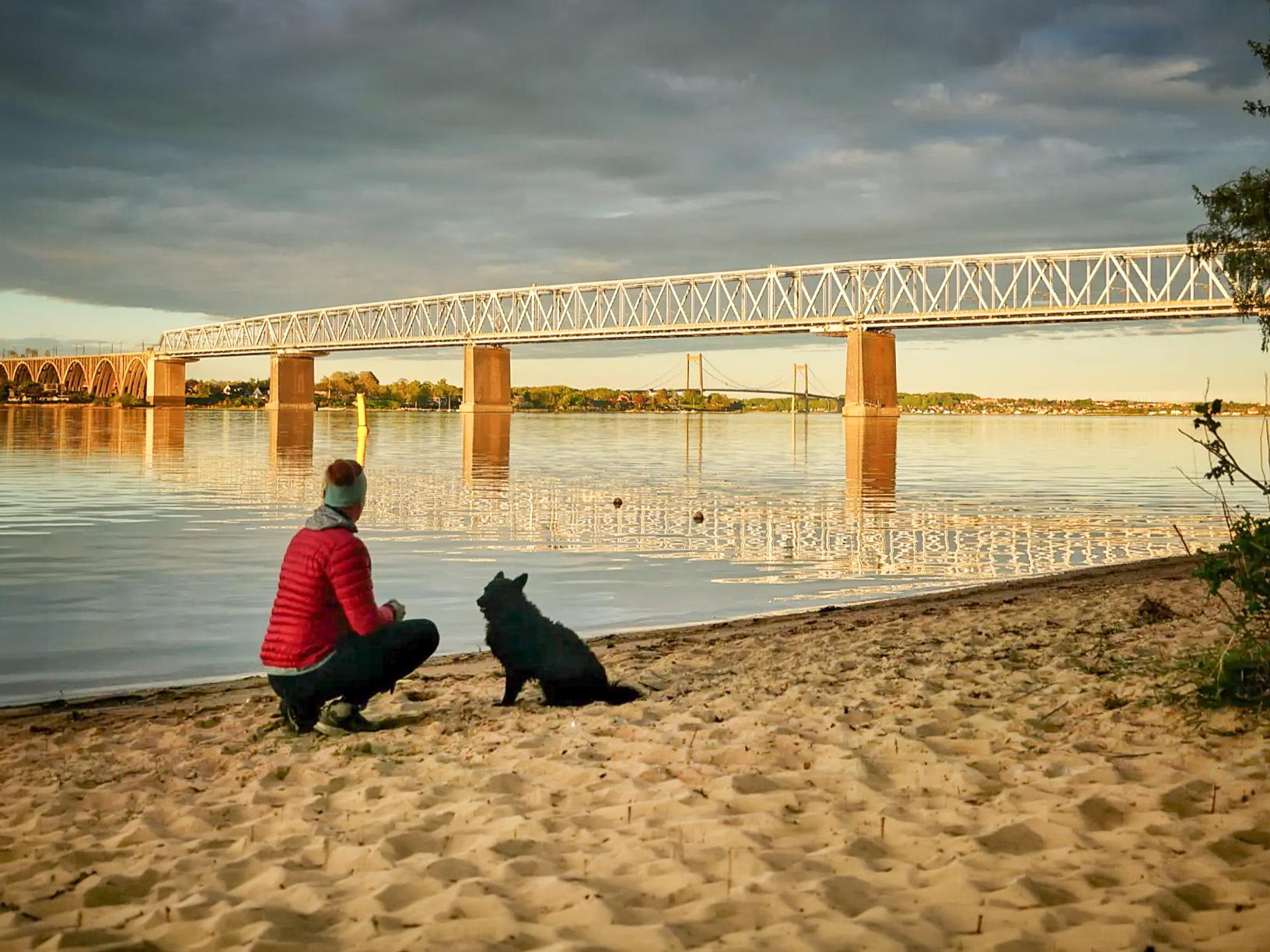
Lillebælt Trail – coastal paths and porpoises on Funen
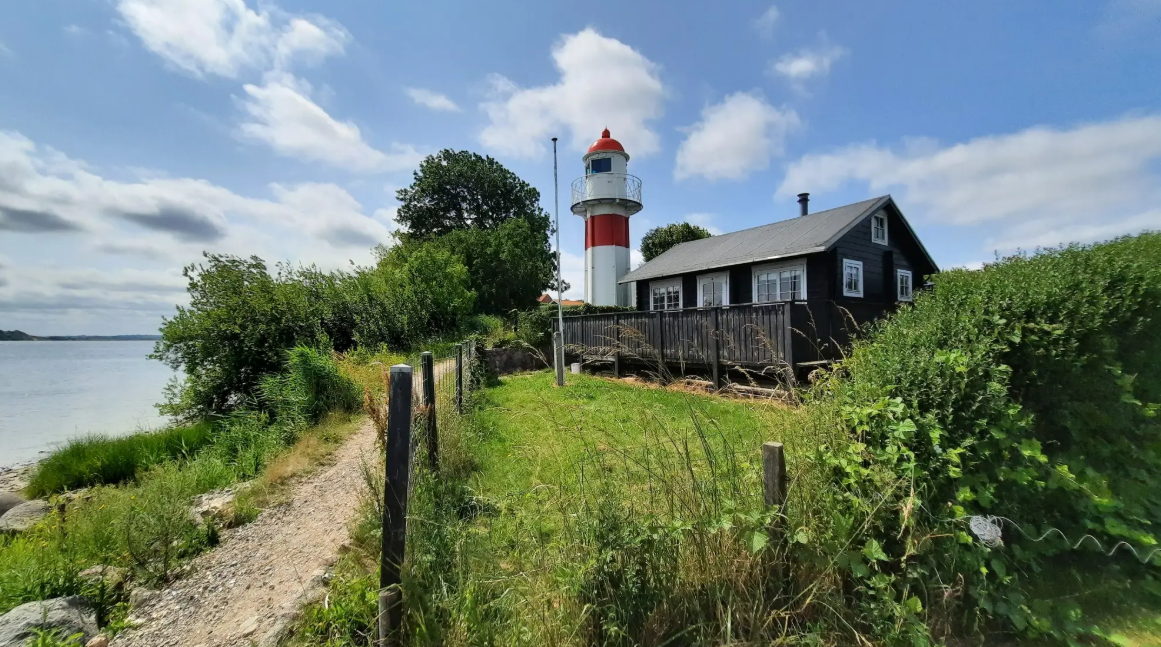
A Historic Journey on the Southern Jutland Coastline — The Gendarme Path
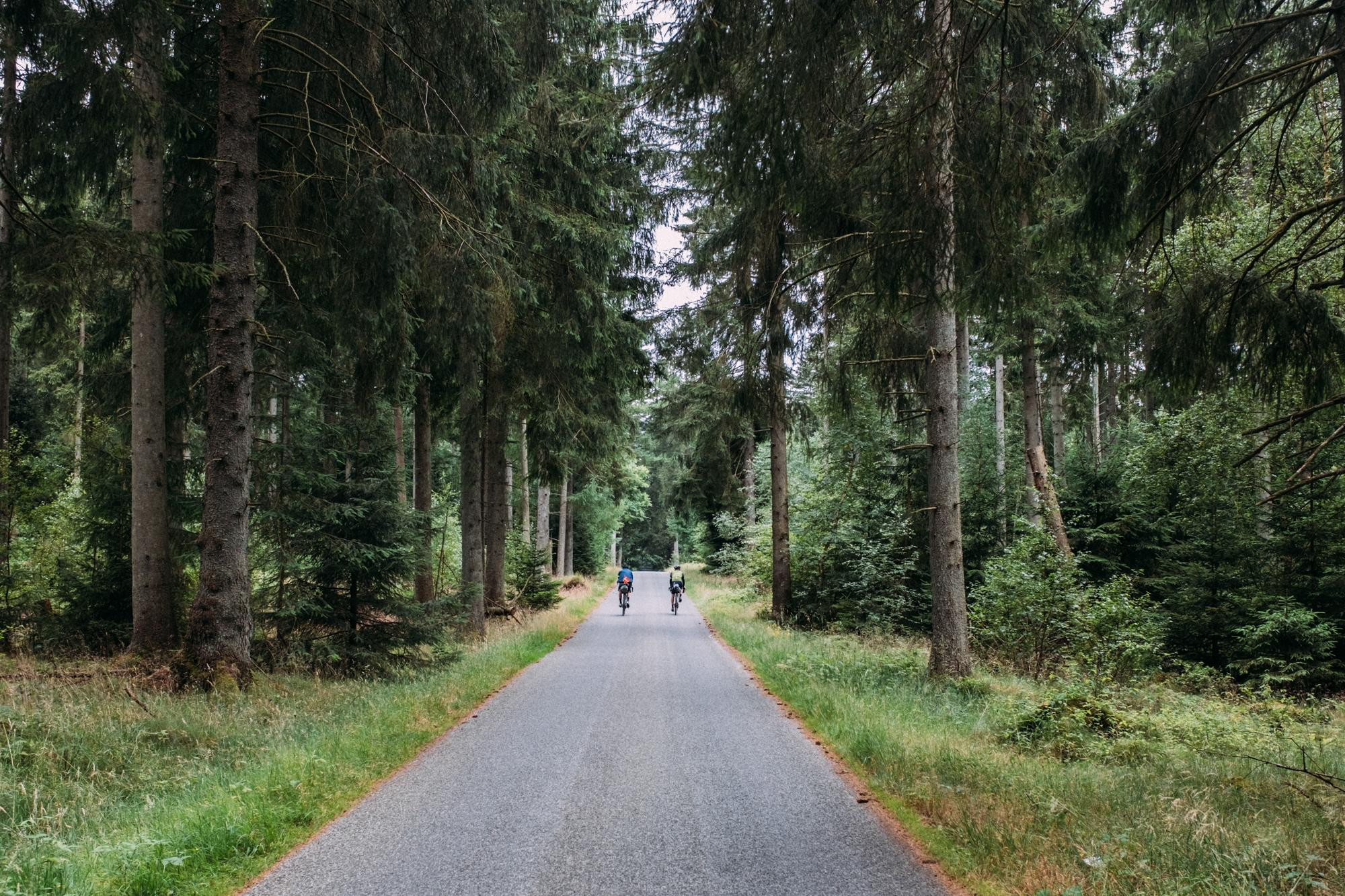
National Cycle Route 3: Pilgrims Route
Esbjerg to Copenhagen – National Cycle Network Route 6
East Coast Route – National Cycle Network Route 5
Other adventures in Southern Denmark


Tips from the Community

Although only the historical rampart with a moat and the statue of Queen Dagmar remain of the former royal castle today, the detour is still worth it. From the top, you have a great panoramic view over the flat landscape and the old town of Ribe. A quiet, relaxed place for a short break.
0
0

Enjoy the view of Ribe with Queen Dagmar, that has something 🤩👍
0
0

A lovely café with delicious cappuccino and cake. In the village, beautiful old houses, but otherwise, more like—well, a place!
0
0

The castle itself cannot be visited, but the castle park and the castle church are freely accessible
2
2

Tranekær Castle was originally a heavily fortified castle with a moat and drawbridge. Its origins date back to the 13th century. The castle grounds are worth a visit. There you'll also find many works of art that are in decline. This was intentional.
2
0

For classical music lovers, the chamber music festival, which takes place there every summer, is highly recommended. www.hindsgavlfestival.dk
0
0
An absolute highlight among Funen's many manor houses and castles. The castle park is a tranquil oasis with mature trees and stunning views of the Little Belt. Also worth seeing is the extensive kitchen garden, which is also used to serve hotel guests. Funen's numerous manor houses are connected by the 660 km long Herregårdsruten (Manor Route). www.herregaardsruten.dk/de/startseite
0
0

A contemporary art exhibition is now taking place there. www.valdemarsslot.dk
0
0
Frequently Asked Questions
Are there family-friendly castles in Southern Denmark?
Yes, many castles in Southern Denmark offer activities for families. Koldinghus Castle provides interactive quests and workshops, and hosts jousting tournaments in summer. Egeskov Castle, on Funen, is renowned for its extensive gardens, a maze, a tree-top walking bridge, and several museums, including vintage cars and a doll's house, making it a full-day family destination.
What is the best time of year to visit the castles in Southern Denmark?
The best time to visit is generally from spring to autumn (April to October) when the weather is mild, and castle gardens are in full bloom. Many castles, like Egeskov Castle, host seasonal events such as Midsommar festivals and Christmas markets. While some castles may have limited access or opening hours in winter, their historical significance can still be appreciated.
Can I find hiking or cycling routes near the castles?
Yes, Southern Denmark offers various outdoor activities near its castles. For instance, you can find numerous hiking trails throughout the region, including easy to moderate routes. If you prefer cycling, there are also road cycling and gravel biking routes that pass by or are close to many historical sites.
Which castles are known for their gardens or natural surroundings?
Egeskov Castle on Funen is famous for its award-winning, extensive gardens, including an ancient maze and a 130-year-old birch forest. Gråsten Palace also boasts impressive architecture and beautiful gardens. Gram Castle is surrounded by a romantic Baroque castle park, originally laid out around 1700, offering a serene setting for walks.
Are there any castles with a strong connection to the Danish royal family?
Yes, several castles have royal connections. Gråsten Palace served as a summer residence for the Queen, and its chapel and park are open to visitors when the royal family is not in residence. Schackenborg Castle in Møgeltønder was the private residence of Prince Joachim for many years and is a fine example of Baroque architecture with royal ties.
Which castles offer insights into medieval history?
Gram Castle, with roots tracing back to 1232, is one of Denmark's oldest castles and the largest Middle Age building outside of Copenhagen. Its fortified walls showcase varied historical architectural styles. Riberhus Castle Mound features the remains of a castle from the early 12th century, offering a glimpse into medieval fortresses and the story of Queen Dagmar.
Are there any unique architectural features among the castles?
Absolutely. Egeskov Castle is a renowned Renaissance water castle, dramatically built on oak piles in a lake. Koldinghus Castle is notable for its unique restoration approach, which intentionally preserved the ruin while integrating new materials like wood and steel. Schackenborg Castle is a fine example of elegant Baroque architecture with symmetrical facades and towering gables.
What kind of museums or exhibitions can I find at these castles?
Koldinghus Castle functions as a dynamic museum, combining historical artifacts with modern architectural restoration, and features exhibitions on Danish monarchy and regional history. Egeskov Castle houses several museums, showcasing vintage cars, motorcycles, aircraft, and even Titania's Palace, an intricate doll's house.
Are there castles where I can enjoy scenic views?
Yes, several castles offer excellent viewpoints. Climbing the tower at Koldinghus Castle provides magnificent views of the city and the lake. From the ring wall of Riberhus Castle Mound, visitors have great views of Ribe and the surrounding area. Valdemar's Castle is also situated in a scenic location with views of a lake and forest.
Which castles are partially open to the public or have specific visiting conditions?
Gråsten Palace's chapel and park are open to visitors from April to October when the royal family is not in residence. Augustenborg Palace has only part of the castle open to the public, with guided tours available for the Garden Hall, the Duke's study, and the palace church. Nordborg Castle is primarily a boarding school and can only be viewed from the outside, though its park is open during specific hours.
What kind of events are hosted at the castles?
Castles in Southern Denmark often host a variety of events. In summer, Koldinghus Castle's courtyard hosts jousting tournaments, concerts, and art installations. Schackenborg Castle serves as a cultural hub, hosting classical music concerts and traditional Danish festivals. Gram Castle is known for events like Christmas markets, adding to the visitor experience.
Most popular routes in Southern Denmark
Most popular attractions in Southern Denmark

Get inspired with the komoot mobile app


Didn’t find what you were looking for?
Explore Southern Denmark’s best castles region by region:
Explore more
Looking for the best castles somewhere else? Discover other guides in Southern Denmark:
