Attractions and Places To See in Ida-Viru - Top 20
Best attractions and places to see in Ida-Viru include a blend of historical landmarks, natural features, and cultural sites in northeastern Estonia. This region offers diverse experiences, from ancient castles guarding borders to Estonia's highest waterfall. Visitors can explore significant historical sites and enjoy the natural landscapes that characterize Ida-Viru County.
Best attractions and places to see in Ida-Viru
- The most popular attractions is Valaste Waterfall, a waterfall that is the highest in Estonia at 30.5 meters. It is particularly impressive during spring and periods of high water.
- Another must-see spot is Narva Castle, a 13th-century castle. Visitors can explore its extensive grounds and enjoy views of the Narva River, which marks a historical border point.
- Visitors also love Pühtitsa Convent (Kuremäe Orthodox Nunnery), the only operational Russian Orthodox nunnery in Estonia. The site is known for its historical significance and a sacrificial spring whose water is believed to have healing properties.
- Ida-Viru is known for its historical castles, natural waterfalls, and cultural sites. The region offers a variety of attractions to see and explore, from ancient fortifications to scenic parks and religious buildings.
- The attractions in Ida-Viru are appreciated by the komoot community, with 27 upvotes and 78 photos shared by visitors.
Last updated: August 17, 2026
Valaste Waterfall
Highlight • Waterfall
Translated by Google •
Tip by

Narva Castle
Highlight • Castle
Tip by

Sign up now to discover places like this
Get recommendations on the best single tracks, peaks, & plenty of other exciting outdoor places.
Sign up for free
Pühtitsa Convent (Kuremäe Orthodox Nunnery)
Highlight (Segment) • Religious Site
The Pühtitsa nunnery was built in 1891 in the center of Kuremäe (German: Püchtitz). It is the only Russian Orthodox nunnery in operation in Estonia. In the old days, this was a holy place for Estonians, as a so-called sacrificial spring rises under the mountain. The spring water is still said to have healing properties today. You can also bathe in its refreshing water if you wish.
The monastery gates are open to visitors, you can walk around the grounds (flower beds and parkland) and observe everyday life in the monastery. Those interested can book a guided tour with the nuns, during which you can also visit the monastery complex and the various churches located there, which are otherwise not open to the public (Visit Estonia).
Translated by Google •
Tip by

Narva and Ivangorod Castles
Highlight • Castle
Tip by
Lake Peipus
Highlight • Lake
The lake stretches 143 km from north to south and is up to 50 km wide. Together with the Narva, its outlet to the Baltic Sea, it forms almost the entire eastern state border of Estonia with the Russian Federation.
Despite increasing environmental pollution, Lake Peipus is very rich in fish. The average annual catch is around 10,000 tons.
The battle on Lake Peipus was historically of great importance: On April 5, 1242, on the ice of the frozen lake, a Russian army under the Novgorod prince Alexander Nevsky defeated the German and Danish crusaders of the Teutonic Order and the Order of the Brothers of the Sword, as well as their Estonian allies.
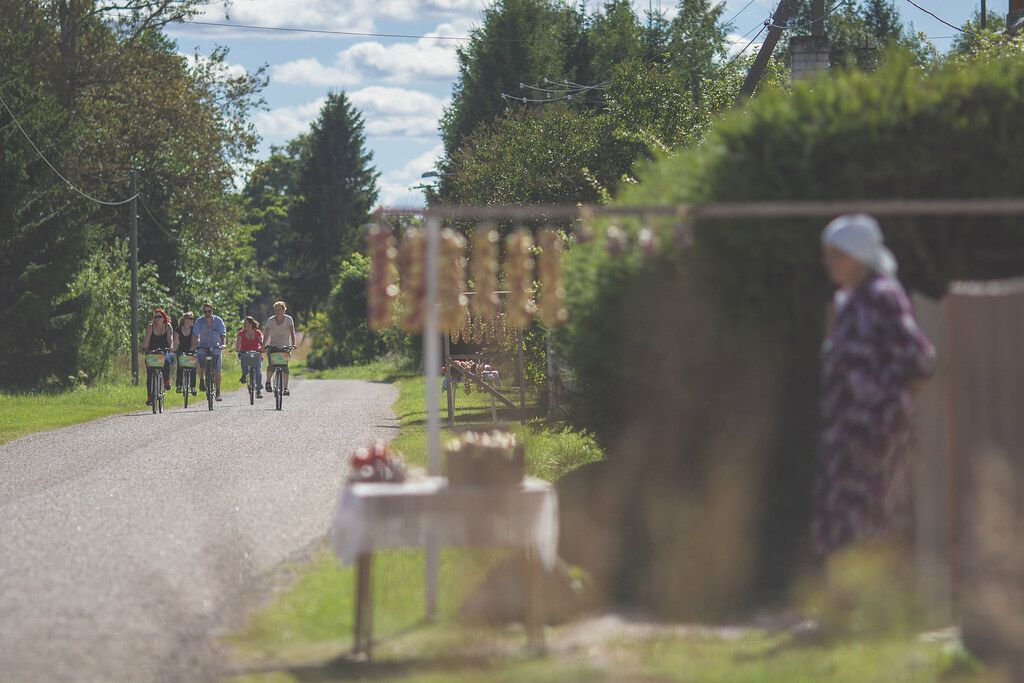
A regionally significant minority of Old Believers lives on the western shore of the lake. Their ancestors came to what was then Swedish Estonia at the end of the 17th century as religious refugees from the Russian Empire.[2] To this day, the Russian-speaking Old Believers, who maintain special religious and cultural customs, make up the majority of residents in some places along the lake, e.g. B. in the so-called "onion villages" Varnja, Kasepää and Kolkja (Wikipedia).
Translated by Google •
Tip by
Narva Town Hall
Highlight • Monument
Translated by Google •
Tip by

The Witch's Wood Pavilion
Highlight • Monument
Translated by Google •
Tip by
Narva River Memorial Cross
Highlight • Monument
Translated by Google •
Tip by

Toila Song Stage
Highlight • Monument
Translated by Google •
Tip by
Narva Border Crossing and Narva Castle
Highlight • Castle
Translated by Google •
Tip by

Sign up for free to discover even more attractions in Ida-Viru.
Sign up for free
Already have an account?
Start today with a free account
Your next adventure awaits.
Login or Signup

Tips from the Community

Narva Town Hall is one of the few surviving landmarks of the historic Old Town. Built in the 17th century in Dutch Baroque style, it combines German, Swedish and Italian architectural influences. Most of the surrounding Old Town was destroyed during World War II, making the restored Town Hall an important reminder of Narva’s former grandeur. The building was fully restored and reopened in 2023.
0
0

The flags are flying here, and two worlds stare each other in the face. The tension of history blows over the Narva, and if you listen closely, you can still hear the thousands of Russian soldiers drowning who were defeated here on the run from the Swedes in the Great Northern War. If you look carefully, you can see the retreating Wehrmacht, which could no longer hold out against the Red Army in 1944. The castles have remained, the river has witnessed everything, and today Narva is Estonian and will remain so. Whoever stands here understands the EU better.
0
0

The town hall was built in 1671 and restored in 1963 and 2023.
2
0

It is quite impressive to stand at this centuries-old border point, which is now the easternmost point of the EU.
1
0
The castle complex is well preserved and well-maintained. There is a very informative museum and many multilingual information panels outside the fortress grounds.
2
0

32 m above sea level, is the former "Coffee House" of President Päts. The pavilion was destroyed at the end of the war and was only restored to its original appearance in 1997, but is now open to everyone.
1
0
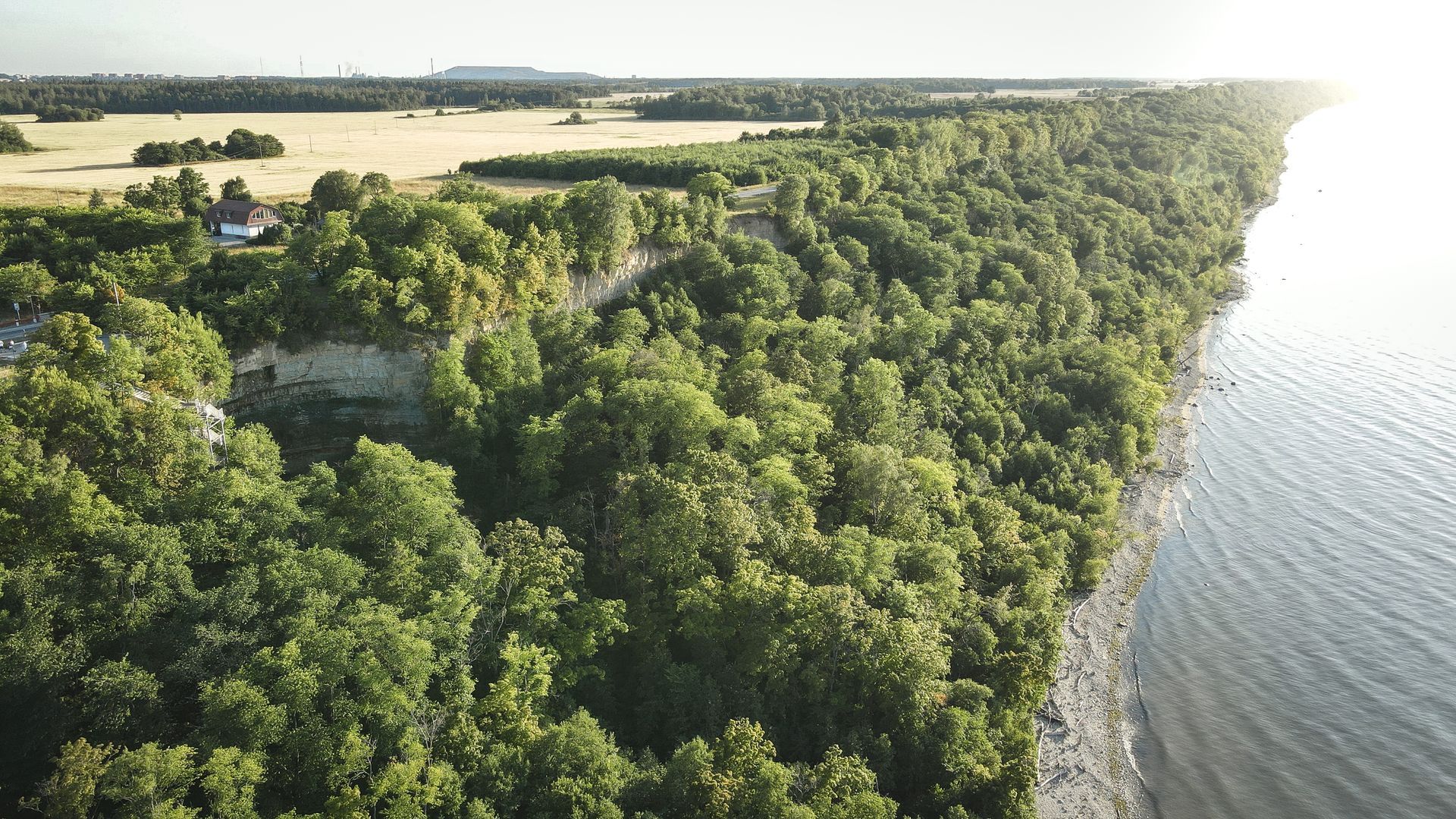
Unfortunately, during our visit there was very little water in the river and the waterfall was correspondingly sparse. You can view the waterfall from the side, from where you have a good view of the layers of earth that have formed over the course of 400,000 years. The waterfall is impressively roaring in spring and during floods.
2
0
The first singing stage was built at the current location in 1960. It was rebuilt in 1970. The current building was completed in 1995. Every year, singing festivals and other events are organized here.
2
0
Frequently Asked Questions
What are some notable historical landmarks to visit in Ida-Viru?
Ida-Viru County is rich in history. You can explore the 13th-century Narva Castle, which stands impressively on the Narva River and marks a historical border point. Another significant site is the Pühtitsa Convent (Kuremäe Orthodox Nunnery), the only operational Russian Orthodox nunnery in Estonia, known for its historical significance and a sacrificial spring. Other historical sites include Mäetaguse Manor House and the unique Soviet-era architecture of Sillamäe.
Are there any impressive natural features or landscapes in Ida-Viru?
Absolutely! Ida-Viru is home to Valaste Waterfall, Estonia's highest waterfall, cascading 30.5 meters. It's particularly striking during spring and high water periods. You can also visit Toila-Oru Park, a beautifully designed landscape park, or explore natural areas like Lake Uljaste and the Selisoo Bog. The Ontika Landscape Protection Area also offers stunning natural scenery.
What kind of cultural experiences can I find in Ida-Viru?
The region offers diverse cultural experiences. You can visit the Narva Museum for insights into local history, or the Estonian Mining Museum to learn about the significant oil shale industry. The Jõhvi Concert Hall hosts various performances, and events like the Jõhvi Ballet Festival and Narva Opera Days showcase the region's vibrant cultural scene. Don't miss the Casemates of the Bastion Victoria in Narva for a glimpse into military history.
What family-friendly attractions are available in Ida-Viru?
Many attractions in Ida-Viru are suitable for families. Narva Castle offers extensive grounds to explore, and Pühtitsa Convent welcomes visitors to its peaceful grounds. Toila-Oru Park is perfect for a family stroll, and the Kiviõli Adventure Center provides more active fun. The Lake Peipus area also offers family-friendly beaches.
Are there opportunities for outdoor activities or hiking near these attractions?
Yes, Ida-Viru offers various outdoor activities. You can find numerous hiking trails, including easy options like the loop from Toila alevik to The Witch's Wood Pavilion or the Narva and Ivangorod Castles loop from Vanalinn near Narva Castle. For more hiking ideas, check out the hiking guide for Ida-Viru.
Can I find easy hiking trails in Ida-Viru?
Certainly! Ida-Viru has several easy hiking trails suitable for various fitness levels. For example, you can enjoy the 5.8 km 'The Witch's Wood Pavilion – View from the terrace at Oru Park loop from Toila alevik' or the 5.7 km 'Narva Castle – Narva and Ivangorod Castles loop from Vanalinn'. You can find more easy options in the Easy hikes in Ida-Viru guide.
What do visitors enjoy most about the attractions in Ida-Viru?
Visitors frequently praise the historical depth of sites like Narva Castle, appreciating its extensive grounds, beautiful views, and the detailed historical explanations provided. The natural beauty of Valaste Waterfall is also a highlight, especially in spring. The peaceful atmosphere and unique history of Pühtitsa Convent are also highly valued.
Are there any cycling routes or tours available in Ida-Viru?
Yes, Ida-Viru offers several cycling opportunities. You can explore routes like the 42 km 'Alexander Church Narva – Narva River Memorial Cross loop from Narva' or the 28 km 'You can't go any further! – Narva River Memorial Cross loop from Toome'. For more cycling adventures, refer to the Cycling in Ida-Viru guide.
How much time should I plan for visiting Valaste Waterfall?
While Valaste Waterfall itself is a quick stop to admire Estonia's highest waterfall, you might want to allocate more time to explore the surrounding area. There's a nice little walk down the cliff, especially impressive in springtime. Depending on how much you want to take in the views and potentially walk along the coast, 30 minutes to an hour should be sufficient for the waterfall itself, with more time if you combine it with nearby coastal exploration.
What is the significance of the Pühtitsa Convent?
The Pühtitsa Convent (Kuremäe Orthodox Nunnery), founded in 1891, holds significant historical and spiritual importance as the only operational Russian Orthodox nunnery in Estonia. It's considered a holy place, with a sacrificial spring whose water is believed to have healing properties. Visitors can explore the beautiful grounds, including flower beds and parkland, and observe the monastic life.
Can I see the Ivangorod Fortress from Narva Castle?
Yes, Narva Castle offers excellent views of the Ivangorod Fortress, which is located directly across the Narva River in Russia. This vantage point allows you to see both historical fortresses, marking a centuries-old border point and the easternmost point of the EU. It's a unique opportunity to see two significant historical sites facing each other across a river.
Are there any unique natural formations like ash hills in Ida-Viru?
Yes, Ida-Viru County features unique man-made natural formations known as Ash Hills. These hills, around 40 meters high, were formed from oil shale mining in the 1950s and 1960s. Over time, they have become vegetated and now stand as distinctive landscape features, offering a testament to the region's industrial past and nature's ability to reclaim land.
Most popular attractions in Ida-Viru

Get inspired with the komoot mobile app


Explore more
Still not found the Highlight you’re looking for? See guides of the top attractions in other regions:
