Top 20 Lakes in Southern Finland
Lakes in Southern Finland are a defining feature of the region's landscape, characterized by a vast number of freshwater bodies formed by glacial activity. This area is integral to Finnish culture and recreation, offering diverse natural environments. The region's lakes range from large, expansive waters to smaller, clear-watered pools, providing varied experiences for visitors. Southern Finland lake regions offer a blend of natural beauty and accessible outdoor activities.
Best lakes in Southern Finland
- The most popular lakes highlight is Kallahdenniemi…
Last updated: October 17, 2026
Mustalampi Picnic Shelter
Highlight • Rest Area
Translated by Google •
Tip by

Kallahdenniemi Beach
Highlight • Beach
Tip by

Sign up now to discover places like this
Get recommendations on the best single tracks, peaks, & plenty of other exciting outdoor places.
Häme Castle
Highlight • Castle
Translated by Google •
Tip by

Aurinkolahti Beach
Highlight • Beach
Tip by

Bisajärvi Camping Area
Highlight • Rest Area
Tip by

Island Själö / Seili
Highlight • Settlement
Tip by
Säynäslahdenpuro Stormwater Wetlands
Highlight • Natural
Tip by
Fiskträsk Picnic Area
Highlight • Rest Area
Tip by
Hietaranta Beach
Highlight • Beach
Tip by

Iso Kallahti Beach
Highlight • Beach
Tip by
Sign up for free to discover even more lakes in Southern Finland.
Already have an account?
Start today with a free account
Your next adventure awaits.
Popular around Southern Finland
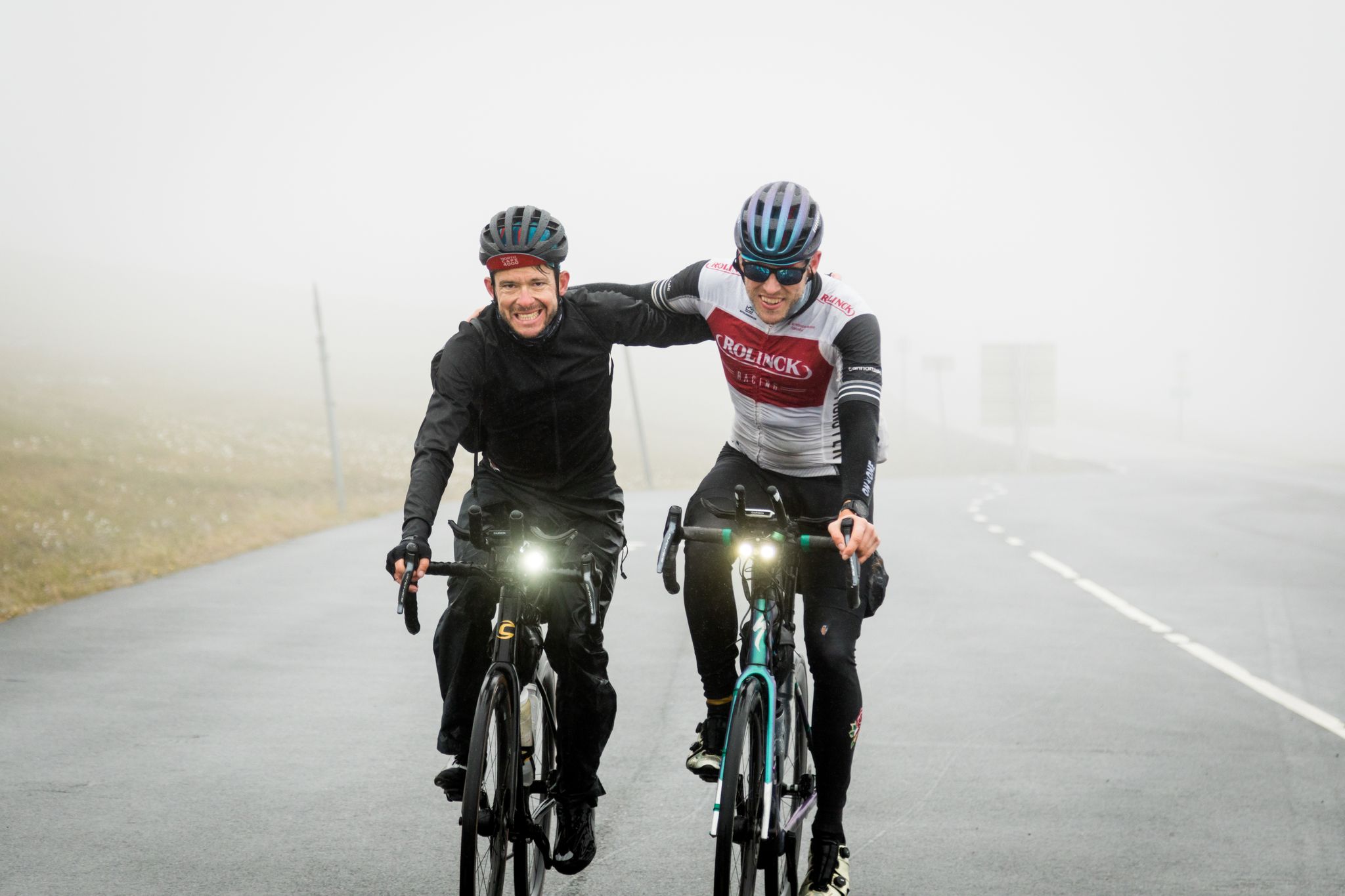
NorthCape4000 – 12 days from Lake Garda to the North Cape
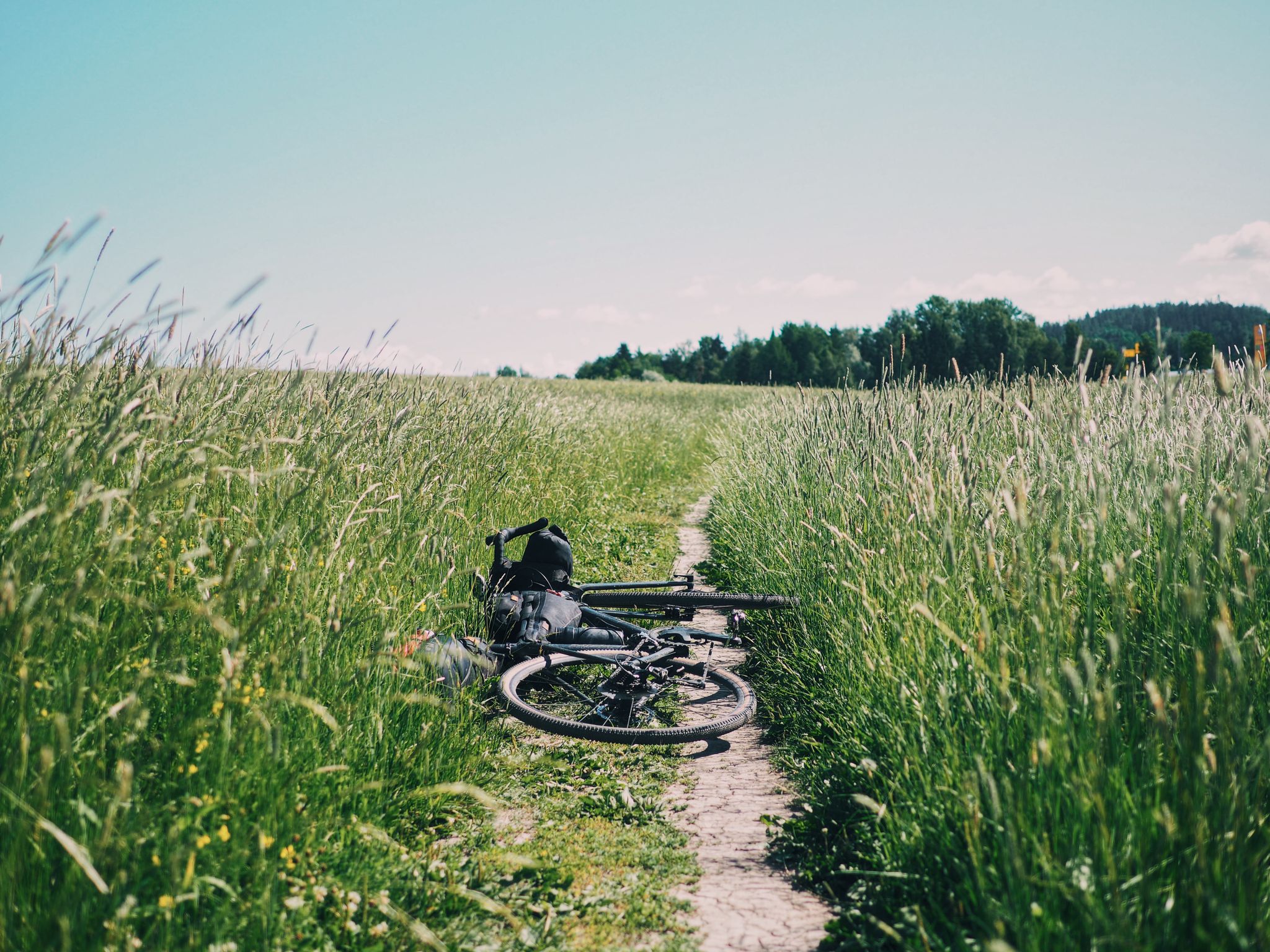
Bikepacking the finest gravel in South-West Finland
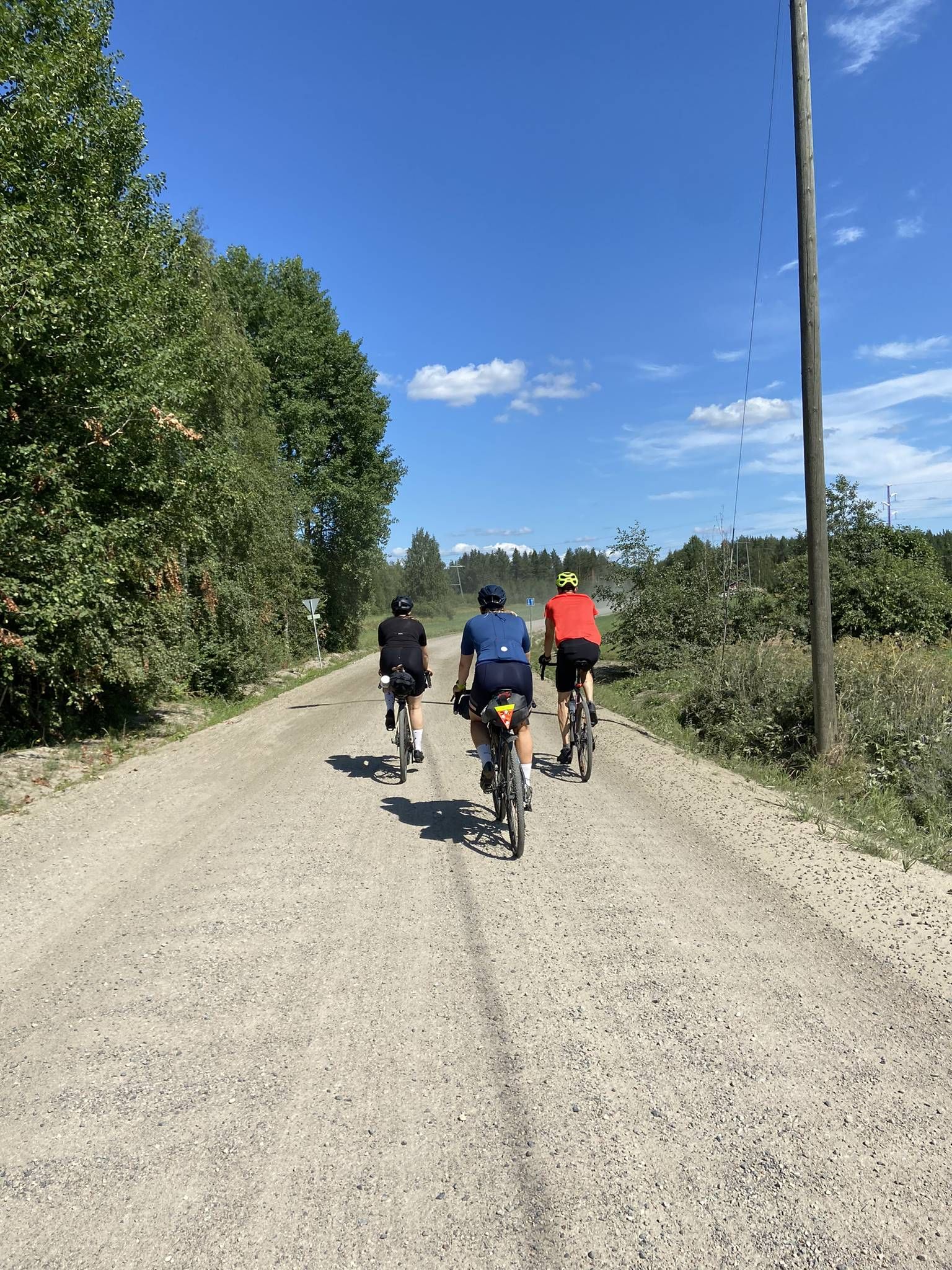
Naples to North Cape — Two friends, one purpose and many scoops of ice-cream
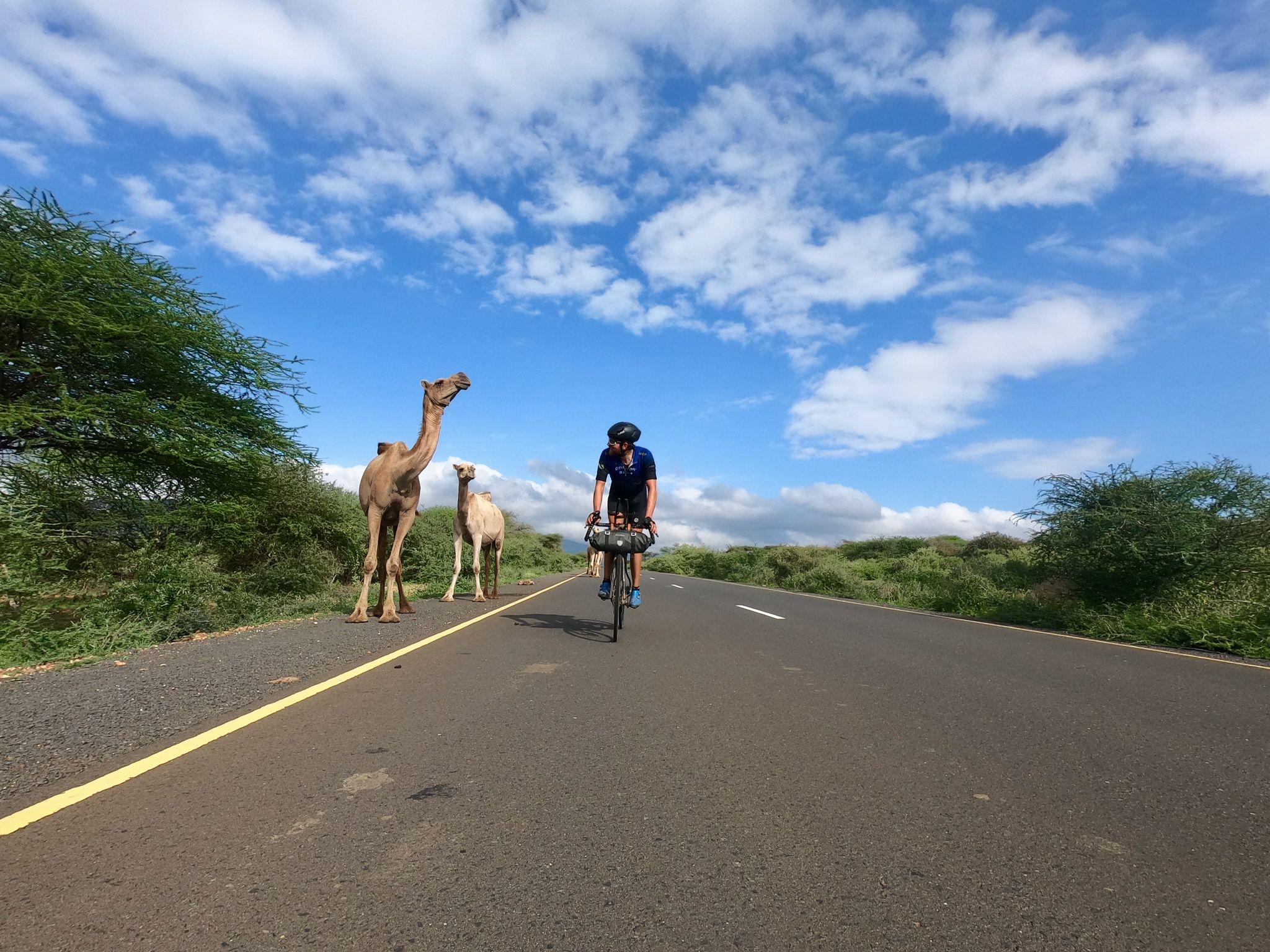
Cape to Cape Challenge – 18,000km in 73 days
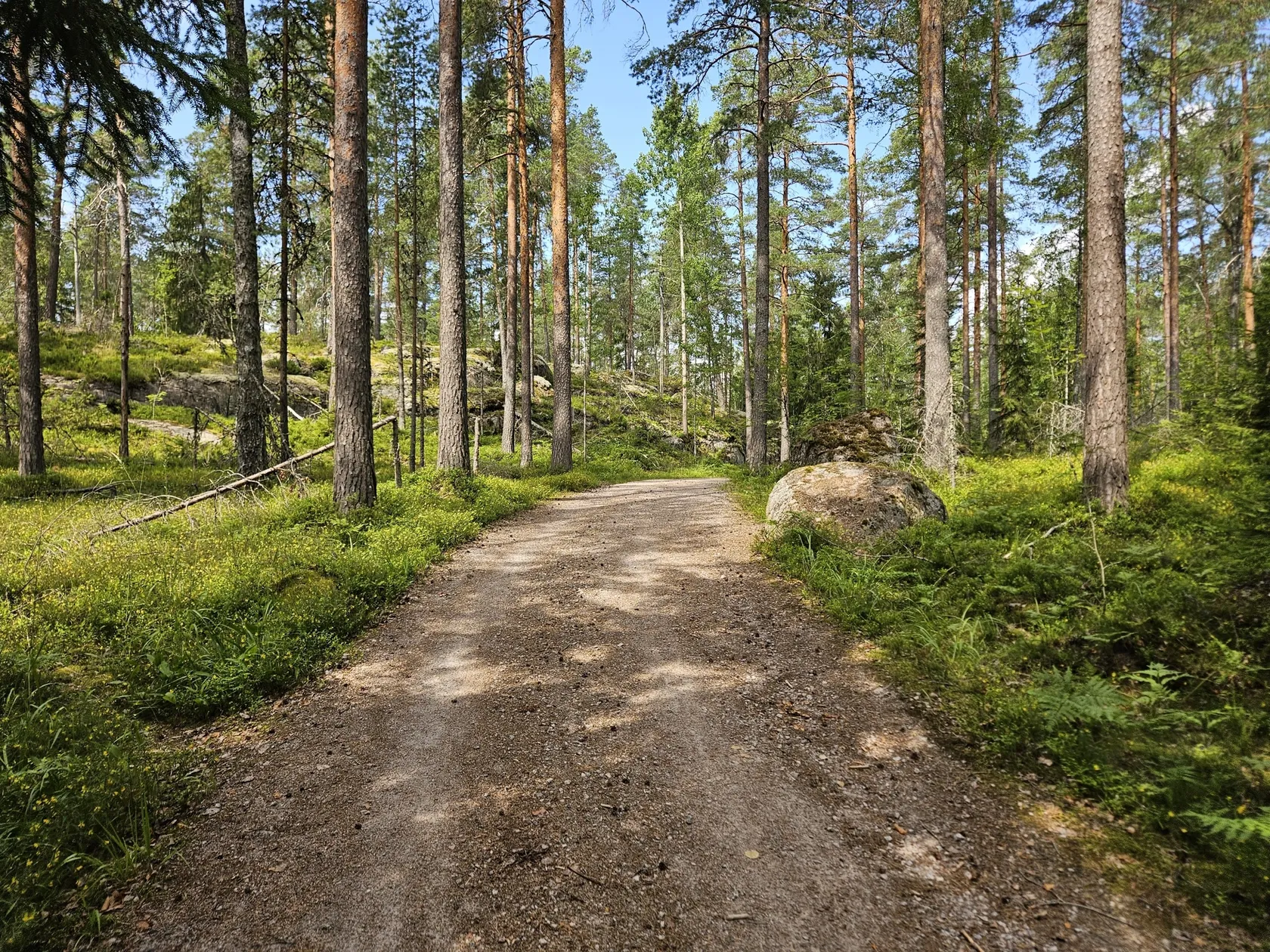
Forest frame – Nuuksio National Park overnighter
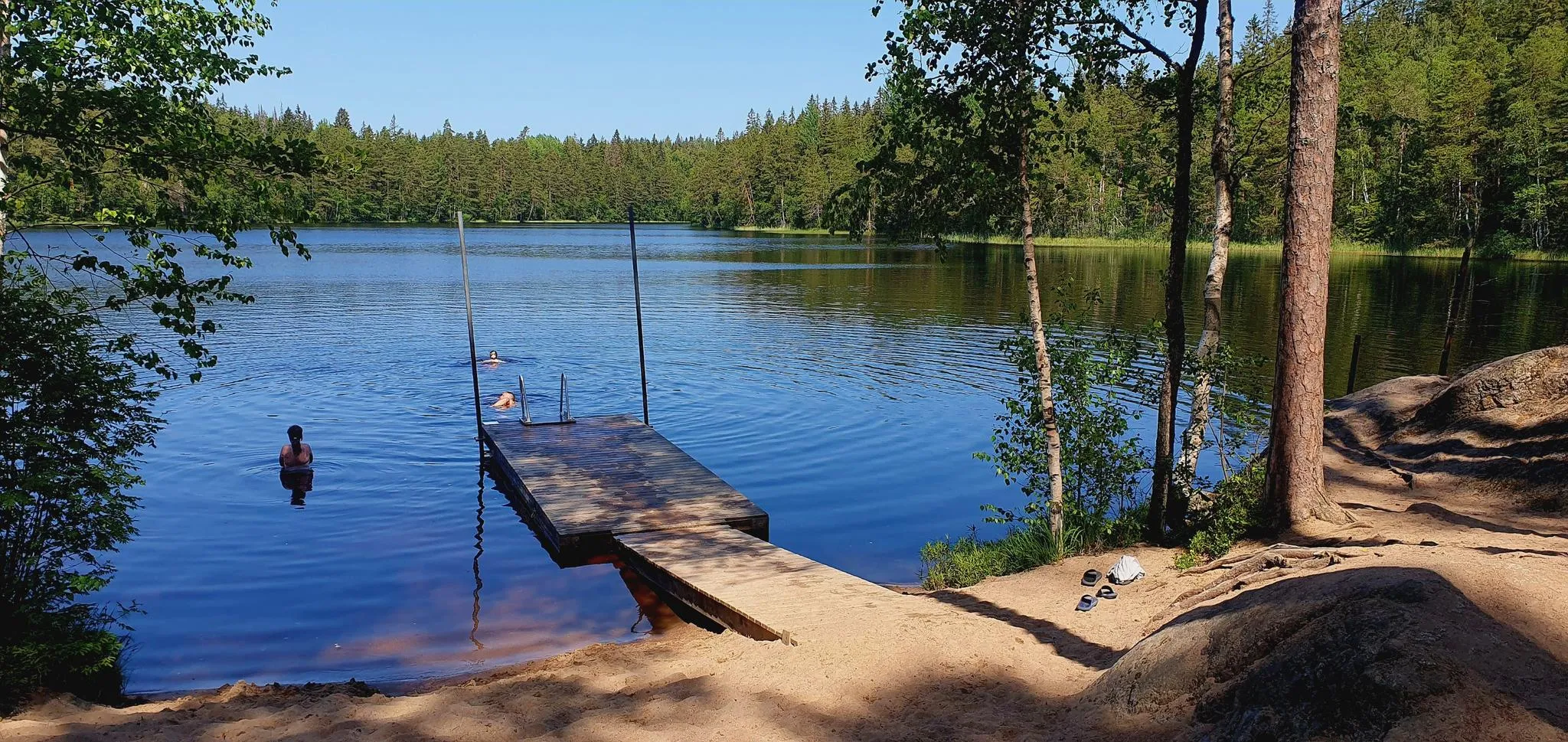
Urban escape route – Ring G
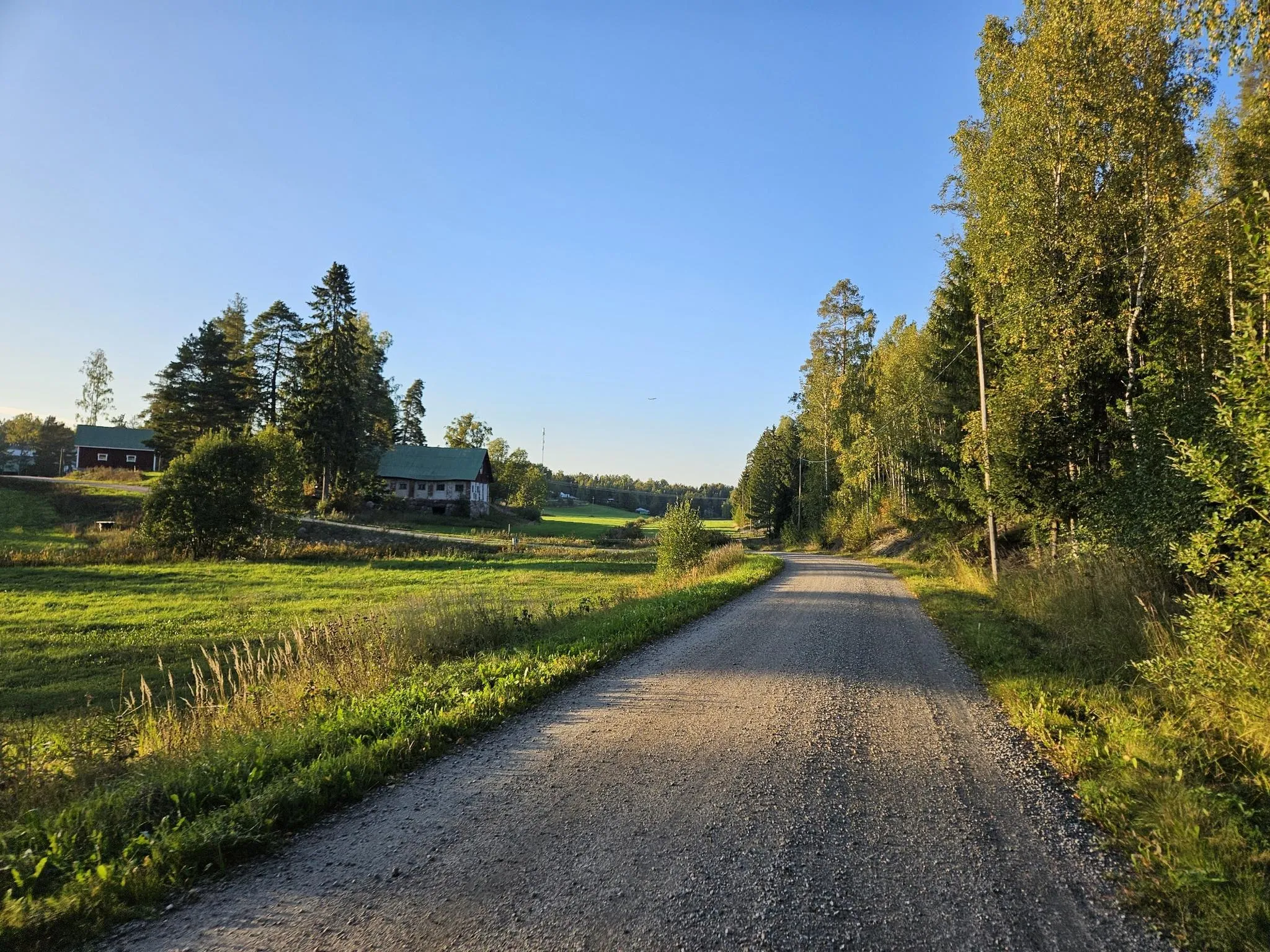
Forestbound – Sipoonkorpi National Park Overnighter
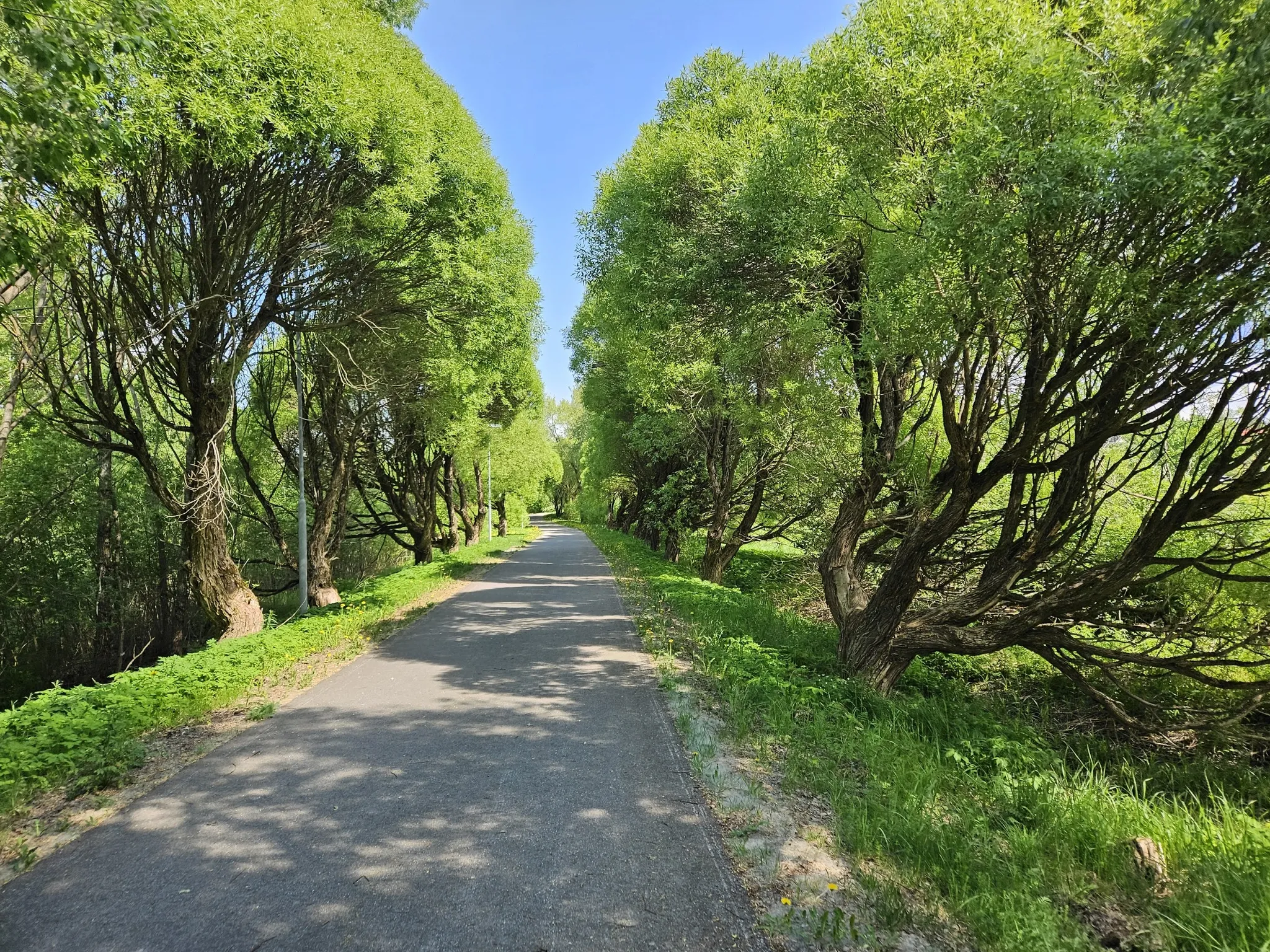
Between lakes and the sea – Western Uusimaa Loop
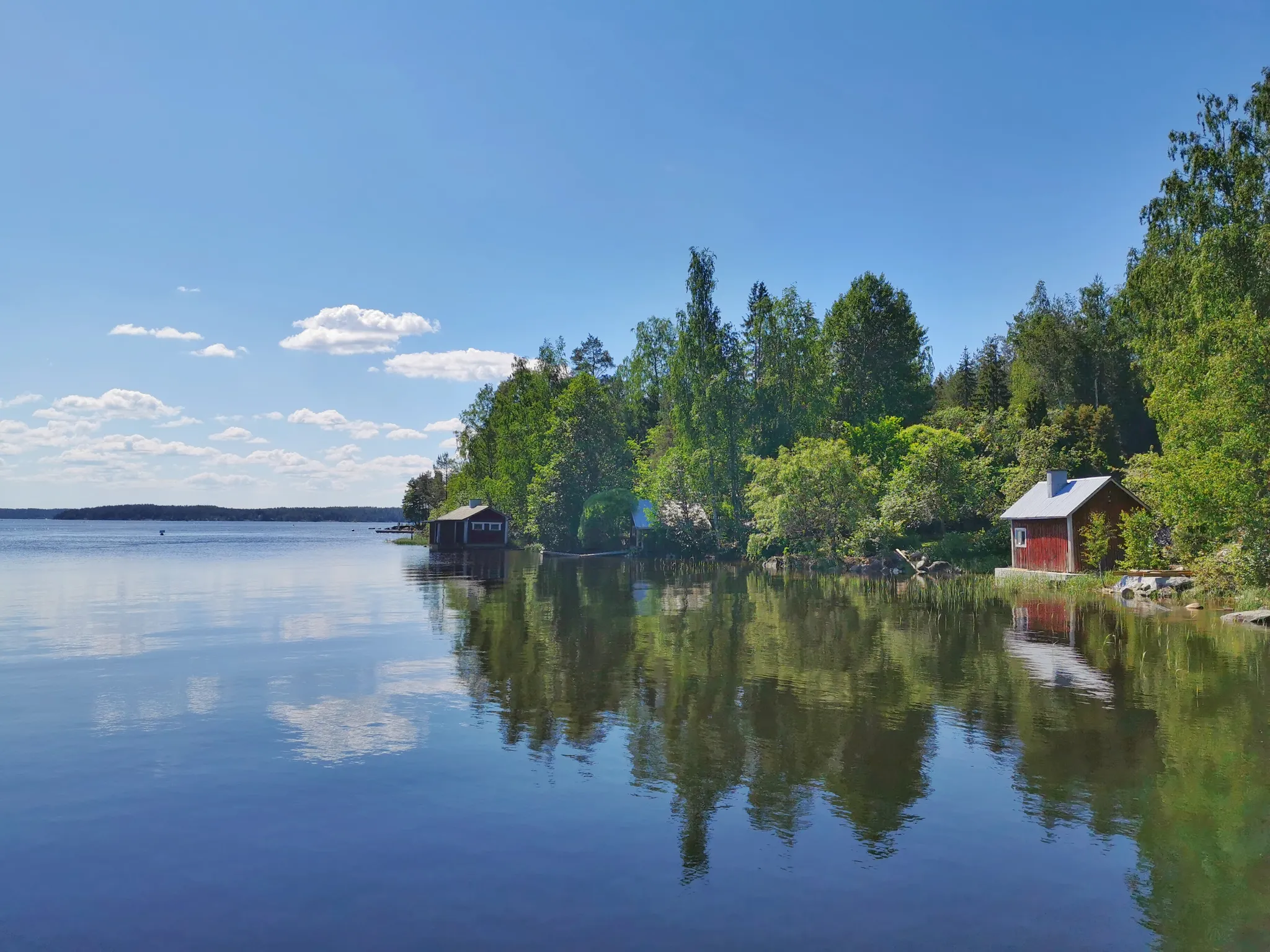
Discovering Finland's lakeland – Lake Saimaa loop from Lappeenranta
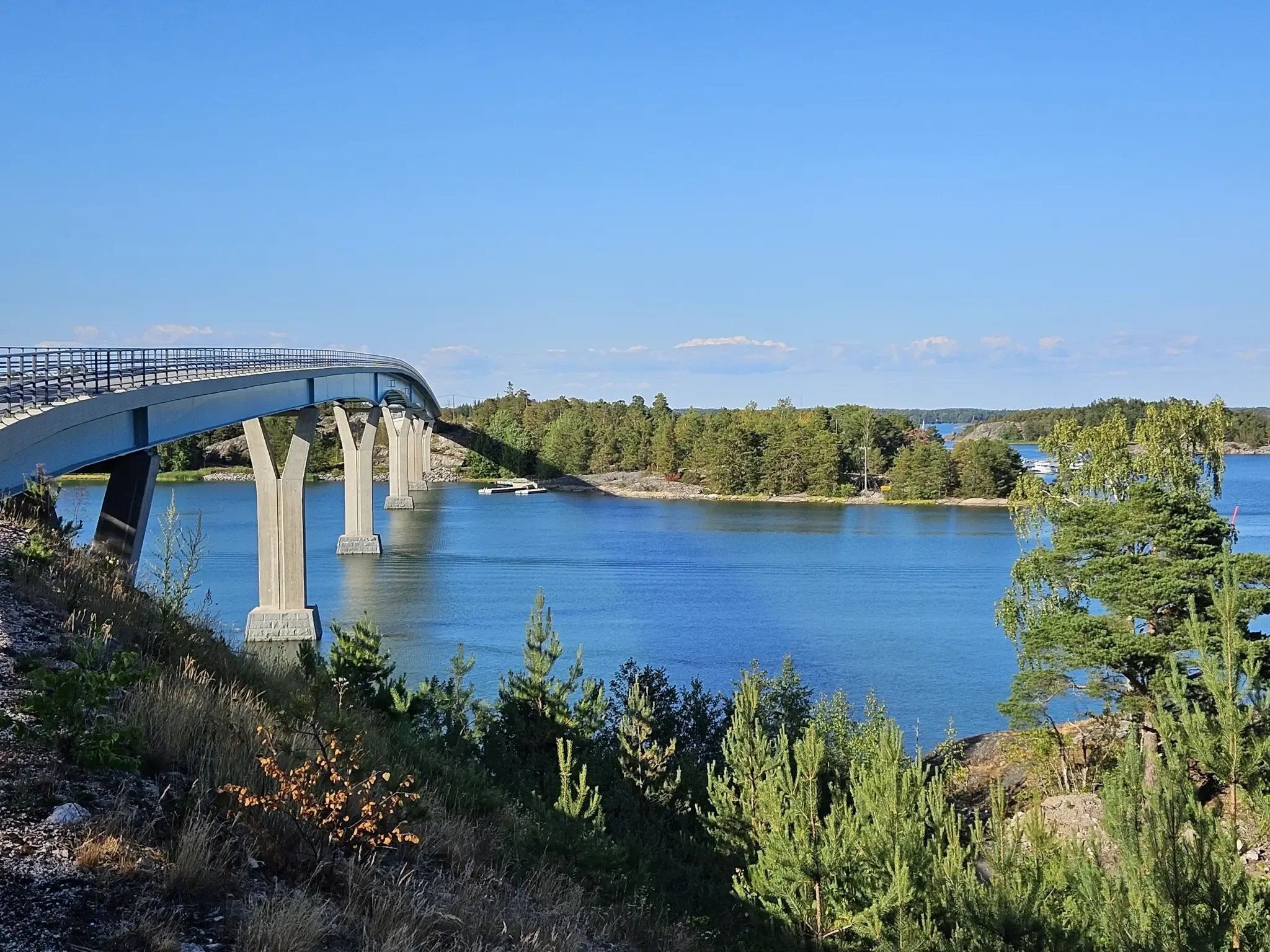
From Salo to the Archipelago sea – Finland's Coastal Route
Other adventures in Southern Finland


Tips from the Community

the sudden depth area in the middle is great if you just actually want to swim instead of first having to wade for ages before it gets deeper, just follow the warning signs
0
0

Kallahdenniemi Beach is a stunning shallow beach on the Kallahti Peninsula foreland. It is a very family-friendly beach with lifeguard supervision, dressing rooms, showers, and toilets, along with a nearby car park for easy access. It is a beautiful beach in the summer or winter.
0
0

Diverse vegetation is also resilient and adapts to changes in land-use and variation in weather conditions. The extent of the services that wetlands provide to people depend on wetland design and well-being, as well as on land-use within the contributing watershed and weather dependent pollutant loads. Constructed wetlands typically consist of a flow dissipating and heavy sediment settling inlet pond, a vast shallow emergent plant covered wetland, and a sediment settling outlet pond. The Säynäslanhdenpuro Wetland consists of three parallel research wetlands with flow and pollutant load monitoring facilitating outlet dams.
0
0
A stormwater wetland is a constructed transitional landscape between water and dry land. Wetlands are natural water detention and purification landscapes. Constructed wetlands are thus established to compensate for challenges to water environment brought about by land-use change. Urban wetlands dissipate and detain runoff thereby preventing flooding and drought extremes. Water quality is mitigated through sediment settling, and purification of soluble pollutants by wetland plants, microbes and soils. Diversity of plants and their associated microbes is a key element in purifying urban waters.
0
0
Land-use change in urban areas from natural to impervious surfaces such as roofs, paved yards and asphalt roads prevents water infiltration and storage within the watershed. Runoff travels quickly over impervious surfaces collecting and carrying everything from surfaces to catch basins and sewers. Impacts visible at the storm sewer outlets to urban streams include flooding, drought and erosion. Depending on land-use within the watershed, runoff carries harmful substances such as nutrients, heavy met- als, oils and rubbish. The receiving water body suffers from habitat degradation while the impervious and drained watershed often experiences draught and heat.
0
0
Hietaranta beach is the most popular beach in Helsinki, especially in warm weather. The full length of the beach is monitored, and the swimming area is marked with red and yellow flags and buoys. Sudden drops in the swimming area are indicated by yellow warning signs. The main building located in the middle of the beach has toilets, changing rooms, a restaurant and a watch tower. There are also several beach volleyball courts, an outdoor gym and outdoor exercise equipment for independent training. The beach is monitored throughout the swimming season.
0
0
The cooking shelter, lean-to shelter, firewood shed and dry toilet at the Fiskträsk rest area which is located slightly east of the trail on the shore of Fiskträsk Lake. There is also a campfire site in connection with the lean-to shelter. There is a camping area next to the cooking shelter. There are duckboards on the wet sections of the Fiskträsk Trail. There are no campsites outside Fiskträsk.
0
0

I managed on the path with tyres ment for asphalt. Partly path has big stones and roots of the trees on the way but mostly route is enjoyable with bicycle. By The Lake of Bisa there are wooden bences built right near the water, where you can eat your picnic or just enjoy the view. Also next to the lake is a rocky hill. On the top of the hill is cooking shelter, where you clime up along built stairs. The view is beautifull, over the lake area.
0
0
Frequently Asked Questions
Are there family-friendly lakes in Southern Finland?
Yes, Southern Finland offers many family-friendly lake destinations. For example, Kallahdenniemi Beach in Helsinki is known for its shallow waters, facilities, and play areas. Iso Kallahti Beach and Hietaranta Beach also provide amenities suitable for families. Additionally, Sääksjärvi is highly regarded for its crystal-clear water, fine sand, and beautiful pine ridges, making its beach a popular family swimming spot.
What kind of natural features can I expect to see around Southern Finland's lakes?
The lakes in Southern Finland are surrounded by diverse natural features. You'll find forest-covered shores, rocky cliffs, and vast open waters. Unique phenomena include the floating peat mats at Mustalampi, which provide safe nesting sites for birds, and the rare turquoise springs feeding Kiikunlähde. Many lakes, like Iso-Melkutin, are known for their exceptionally clear waters.
Are there historical or cultural sites near the lakes?
Yes, some lakes are rich in history and culture. Lake Tuusulanjärvi, for instance, attracted many artists during the Finnish National Romantic era. You can explore museums in the region, such as Ainola, the former home of composer Jean Sibelius. The Island Själö / Seili is another notable historical site.
What outdoor activities can I do near the lakes in Southern Finland?
Southern Finland's lakes are ideal for various outdoor activities. You can enjoy boat tours, fishing, kayaking, and hiking. Lake Saimaa offers extensive opportunities for exploring its numerous islands. For those interested in more structured activities, there are numerous routes available. You can find hiking trails, MTB trails, and running trails throughout the region.
Are there good places for swimming and water sports?
Many lakes in Southern Finland are excellent for swimming and water sports. Iso-Melkutin is a prime destination for swimming, snorkeling, scuba diving, and stand-up paddleboarding due to its clear waters. Lakes like Sonnanen and Valkiajärvi are also known for their exceptional visibility, making them popular for freediving and scuba diving. Traditional Finnish experiences like lakeside saunas followed by a dip in the cool lake waters are also a highlight, especially near Kuusijärvi.
Where can I find scenic viewpoints around the lakes?
Southern Finland offers several stunning viewpoints. The bridges over Lake Päijänne in the Pulkkilanharju area, including the Karinsalmi Suspension Bridge, provide breathtaking lake views. Sarvikallio on the western shore of Lake Tuusulanjärvi is another scenic spot ideal for a nature break. Lake Ruovesi also offers picturesque views, particularly at sunrise and sunset.
Are there camping facilities near the lakes?
Yes, camping is a popular activity. The Bisajärvi Camping Area in Sipoonkorpi National Park provides toilet facilities and a fireplace. Also within Sipoonkorpi, the Fiskträsk Picnic Area offers picnic tables, public toilets, shelters, and a designated camping area, making it a convenient stop for those exploring the region.
Which lakes are good for fishing?
Several lakes in Southern Finland are popular among anglers. Lake Saimaa offers excellent fishing opportunities, and Lake Päijänne is a well-known spot for recreational fishing. Lake Ruovesi is a favorite among local anglers for its massive pike, trout, and zander.
What is the best time to visit the lakes in Southern Finland?
The best time to visit Southern Finland's lakes largely depends on the activities you're interested in. Summer (June-August) is ideal for swimming, boating, and hiking, with long daylight hours. Spring and autumn offer beautiful scenery for photography and quieter nature experiences. Winter provides opportunities for ice skating, ice fishing, and cross-country skiing on frozen lakes, though access and conditions vary.
Can I find accessible trails or facilities near the lakes?
Some lake areas in Southern Finland offer accessible options. Kallahdenniemi Beach and Aurinkolahti Beach are noted for being wheelchair accessible and having facilities. When planning your visit, it's always recommended to check specific location details for the most up-to-date accessibility information.
What makes Lake Saimaa a unique destination?
Lake Saimaa stands out as Finland's largest lake and the fourth largest in Europe. It's renowned for its untouched nature, breathtaking landscapes, and pristine, clear waters. It is also home to the endangered Saimaa ringed seal, making it a significant ecological site. Visitors can enjoy boat tours, explore its numerous islands, and engage in various water activities.
Are there any lakes known for their clear water for diving or snorkeling?
Yes, Southern Finland has several lakes celebrated for their exceptional water clarity. Iso-Melkutin boasts visibility ranging from 4 to 8 meters, making it a prime spot for snorkeling and scuba diving. Sonnanen is considered one of Finland's clearest lakes, popular for freediving, and Valkiajärvi also offers excellent visibility for scuba diving.
Most popular routes in Southern Finland
Most popular attractions in Southern Finland

Get inspired with the komoot mobile app


Didn’t find what you were looking for?
Find the best lakes in Southern Finland per region:
Explore more
Still not found your perfect lake in Southern Finland? Check out the guides of these regions to see even more beautiful places.
