Attractions and Places To See in Centre-Val de Loire - Top 20
Best attractions and places to see in Centre-Val de Loire include a diverse array of historical sites, natural landscapes, and cultural landmarks. This French region is renowned for its rich history and picturesque scenery, with much of the Loire Valley designated as a UNESCO World Heritage site. Visitors can explore majestic châteaux, serene natural parks, and significant cultural locations. The area offers a blend of architectural marvels and preserved natural environments.
Best attractions and places to see in Centre-Val de Loire
- The most popular attractions is Chambord Castle, a castle that is the largest and best known of the Loire Valley castles. It is famous for its distinctive French Renaissance architecture, 440 rooms, and a unique double spiral staircase.
- Another must-see spot is Château de Chenonceau, a castle known for its elegance and grace, spanning the River Cher. Visitors can expect to see a unique architectural design and magnificent gardens.
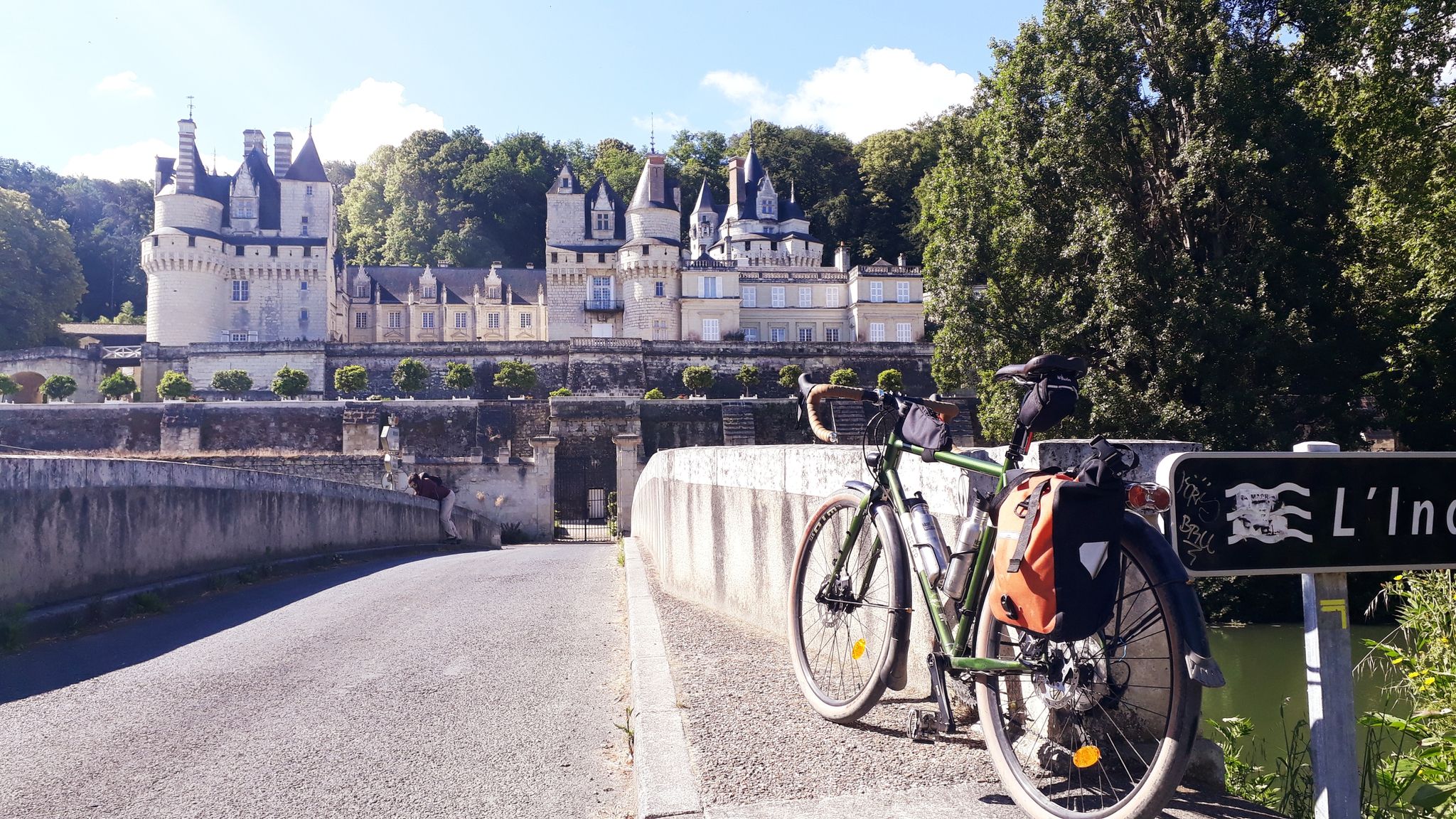
- Visitors also love Ussé Castle, a castle also called Sleeping Beauty Castle. Its architecture is original, based on a double inspiration: medieval and Renaissance.
- Centre-Val de Loire is known for its grand châteaux, extensive gardens, and diverse natural parks. The region offers a variety of attractions to see and explore, from historical monuments to preserved wetlands.
- The attractions in Centre-Val de Loire are appreciated by the komoot community, with more than 1300 upvotes and over 550 photos shared.
Last updated: October 9, 2026
Chambord Castle
Highlight • Castle
Translated by Google •
Tip by

Château de Chenonceau
Highlight • Castle
Translated by Google •
Tip by

Sign up now to discover places like this
Get recommendations on the best single tracks, peaks, & plenty of other exciting outdoor places.
Briare canal bridge
Highlight • Bridge
An impressive building, the Briare canal bridge is over 600 meters long and 11.5 meters wide and hangs 11 meters above the Loire.
Translated by Google •
Tip by
Port of Chaumont-sur-Loire
Highlight • River
Translated by Google •
Tip by
View of Chenonceau Castle from the cycle path
Highlight • Castle
Translated by Google •
Tip by

Sully-sur-Loire Castle
Highlight • Castle
Translated by Google •
Tip by
Gardens of the Château de Villandry
Highlight • Castle
Translated by Google •
Tip by
Château d'Amboise and the Stone Bridge
Highlight • Castle
Ideal starting point for cycling loops with a large network of loops departing from Amboise: marandoavelo.fr/fiches/les-reseaux-de-boucles/autour-d-amboise-et- chenonceaux
Consider crossing the bridge and going to the Ile d'Or to have a wider view of the castle :)
Not to be missed: the Château d'Amboise and Clos-Lucé, the essentials.
Stop by the BIGOT pastry-chocolate factory on Place du Château for a snack break :)
Translated by Google •
Tip by

Ussé Castle
Highlight • Castle
Accompanied by French gardens, a chapel and stables, the Château d'Ussé can be visited all year round.
Translated by Google •
Tip by
Sainte-Croix d'Orléans Cathedral
Highlight • Historical Site
The cathedral can be visited outside of services and allows you to admire numerous paintings as well as the perfectly restored organ.
Translated by Google •
Tip by
Sign up for free to discover even more attractions in Centre-Val de Loire.
Already have an account?
Start today with a free account
Your next adventure awaits.
Popular around Centre-Val de Loire
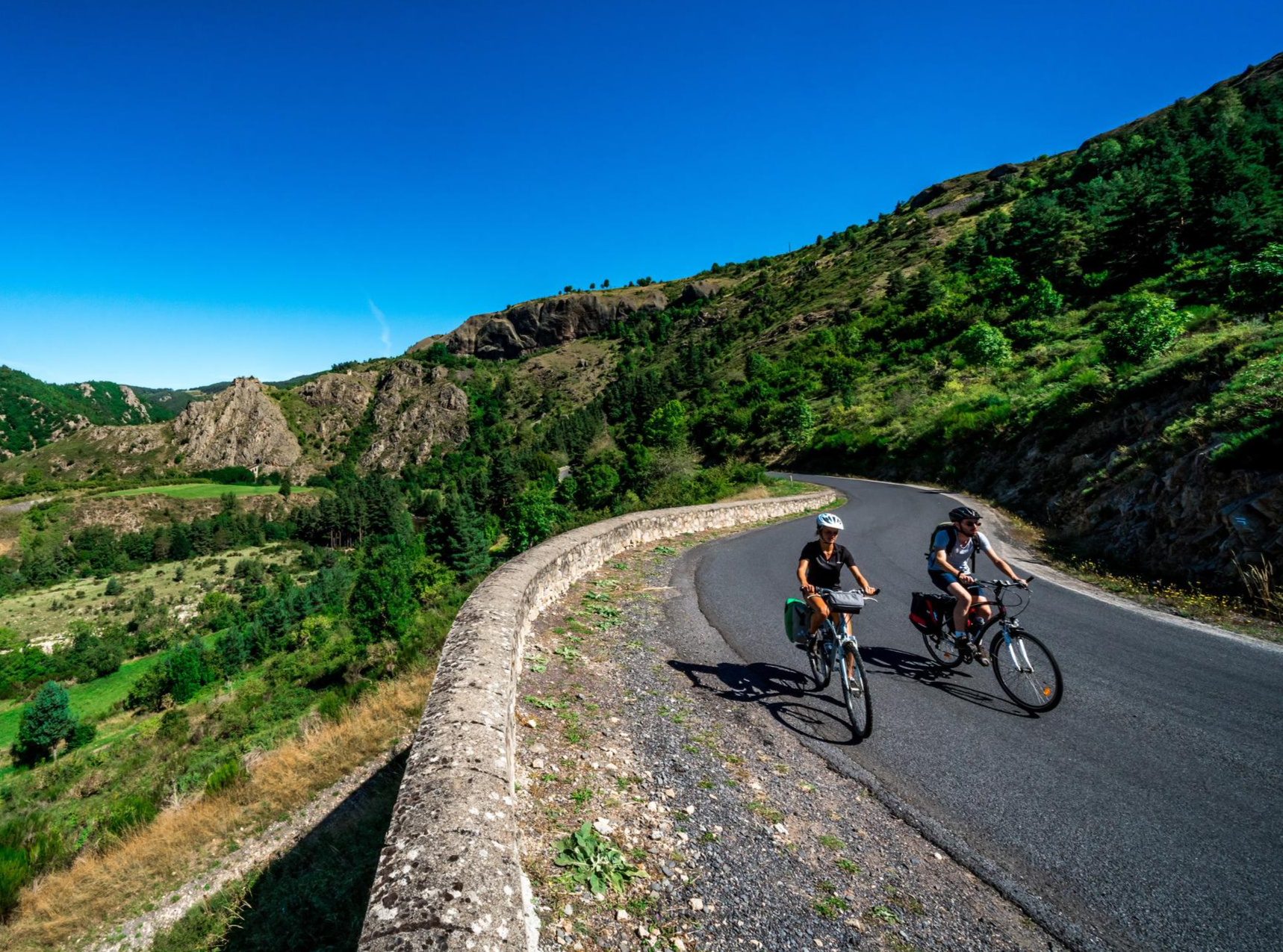
Via Allier – The Auvergne cycle route
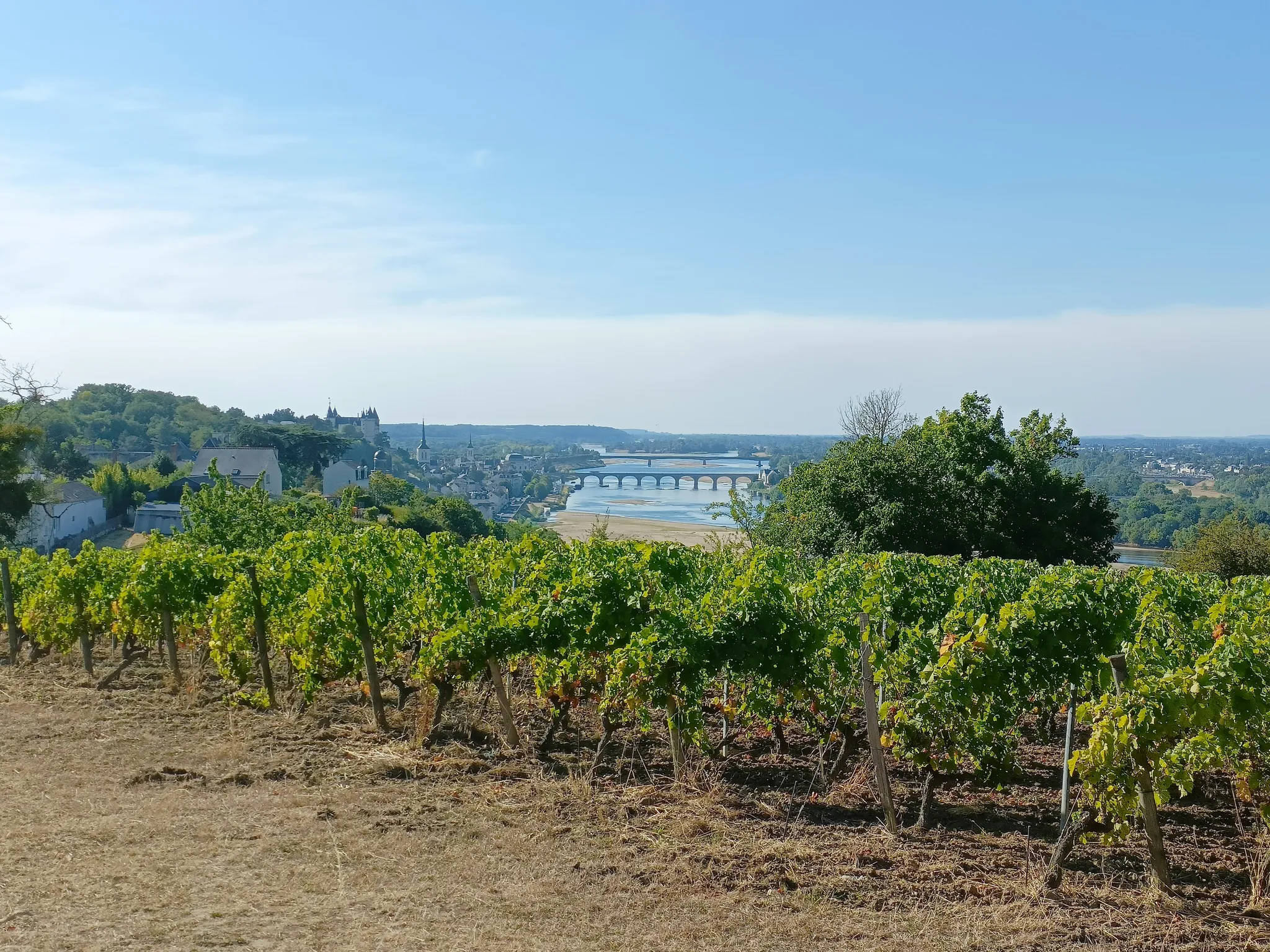
GR3 from the ocean to its source – The Loire, a wild European river
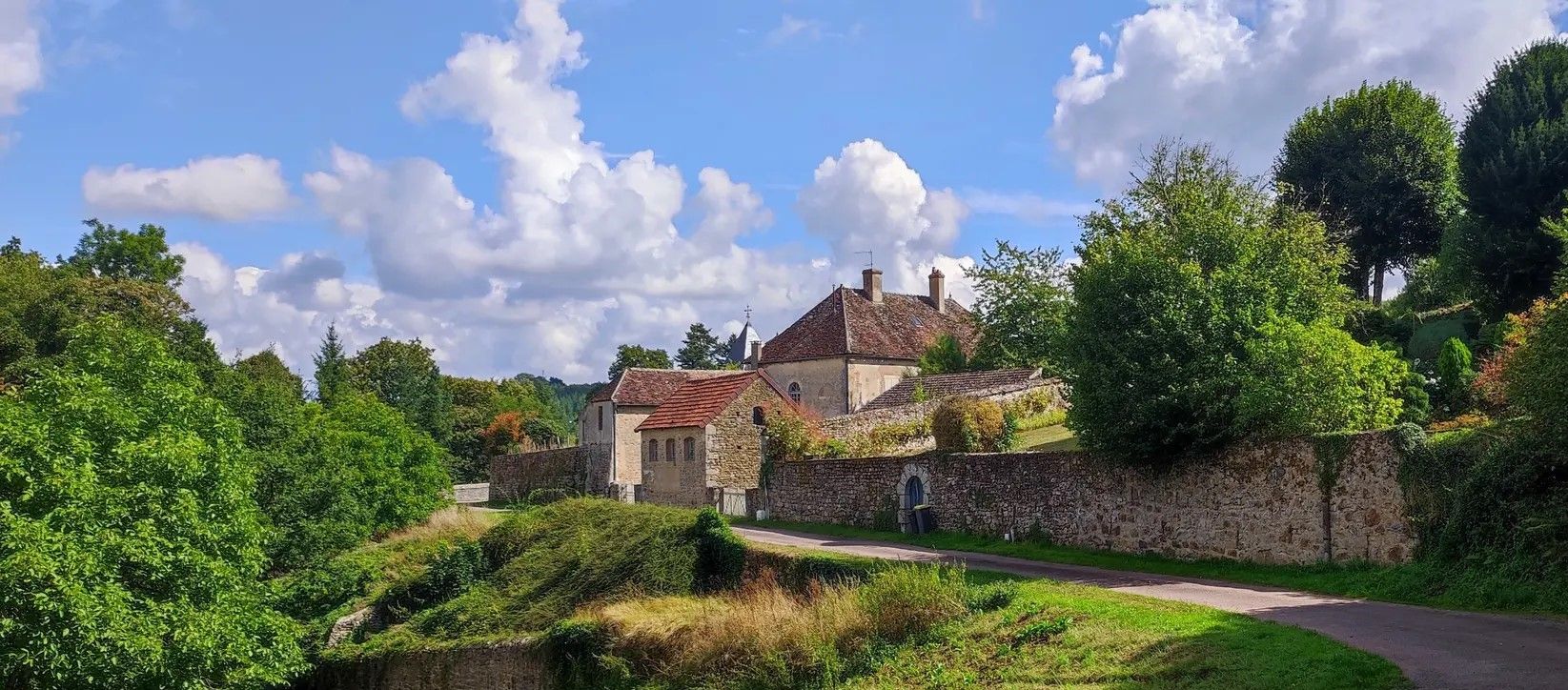
GR 13 from Gâtinais to Morvan — By Fontainebleau and Burgundy
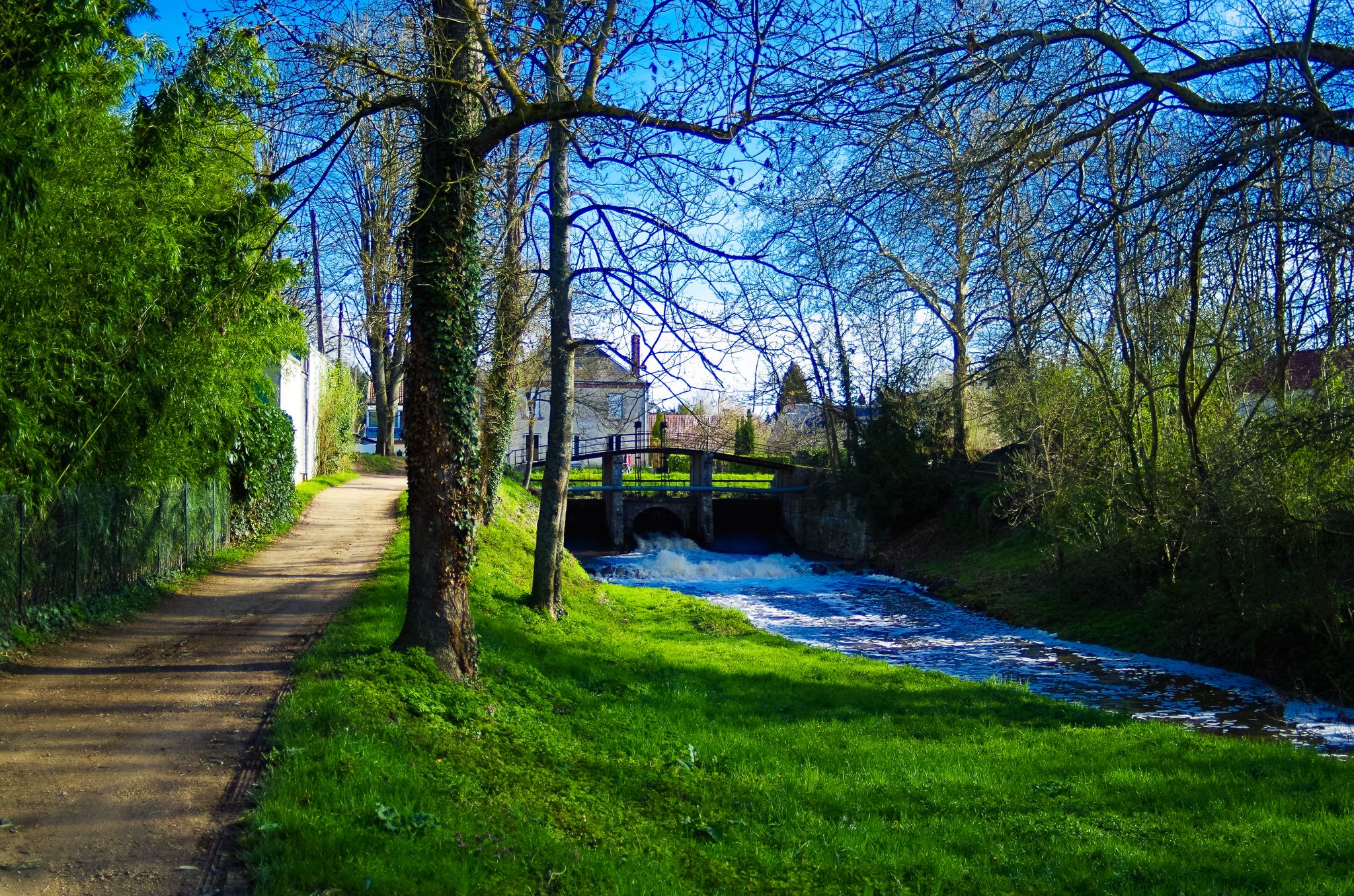
Seine to the Loire (GR 32) – Between Gâtinais and Beauce
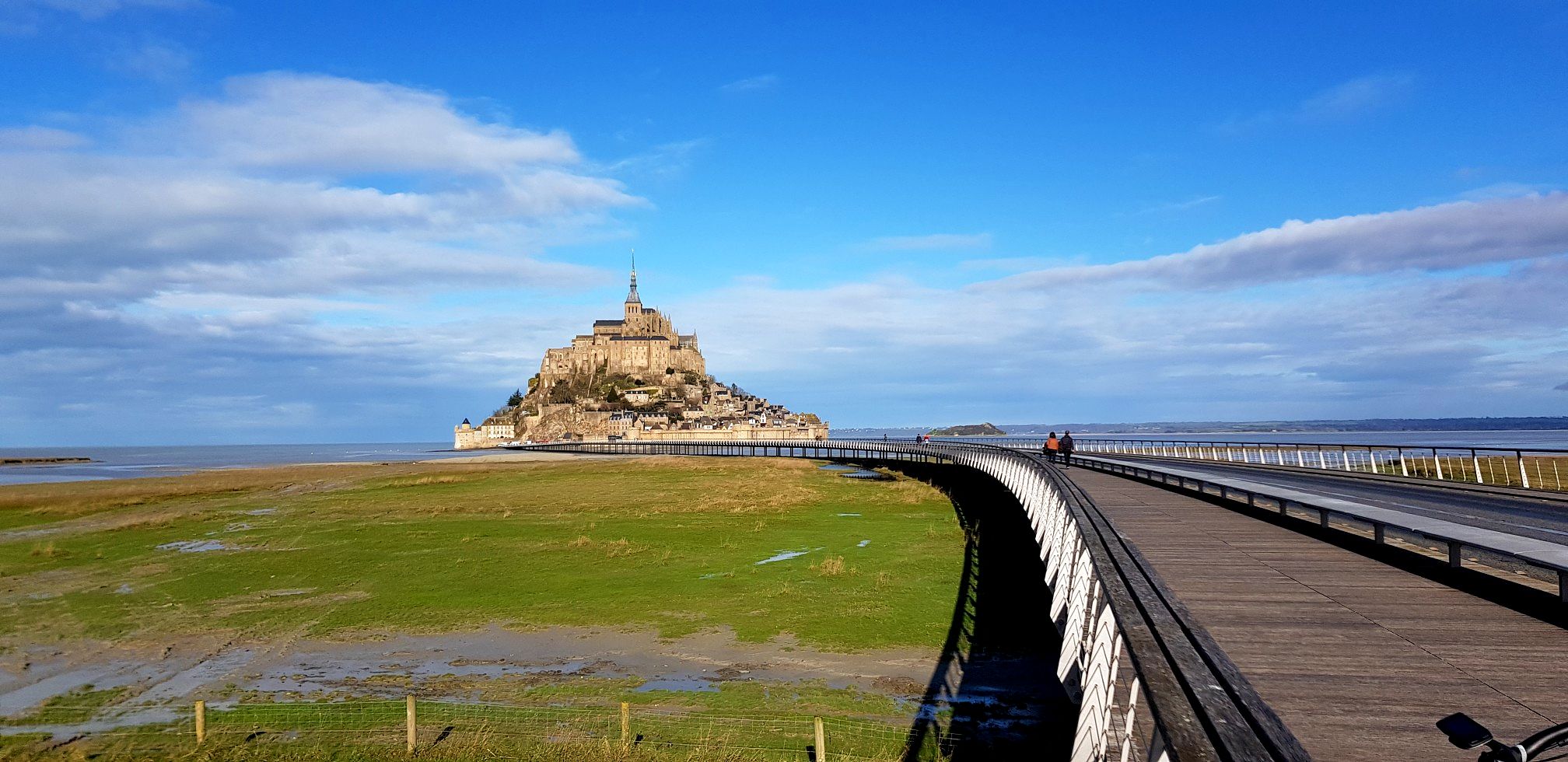
GR 22 to Mont-Saint-Michel – Miquelot's Walk
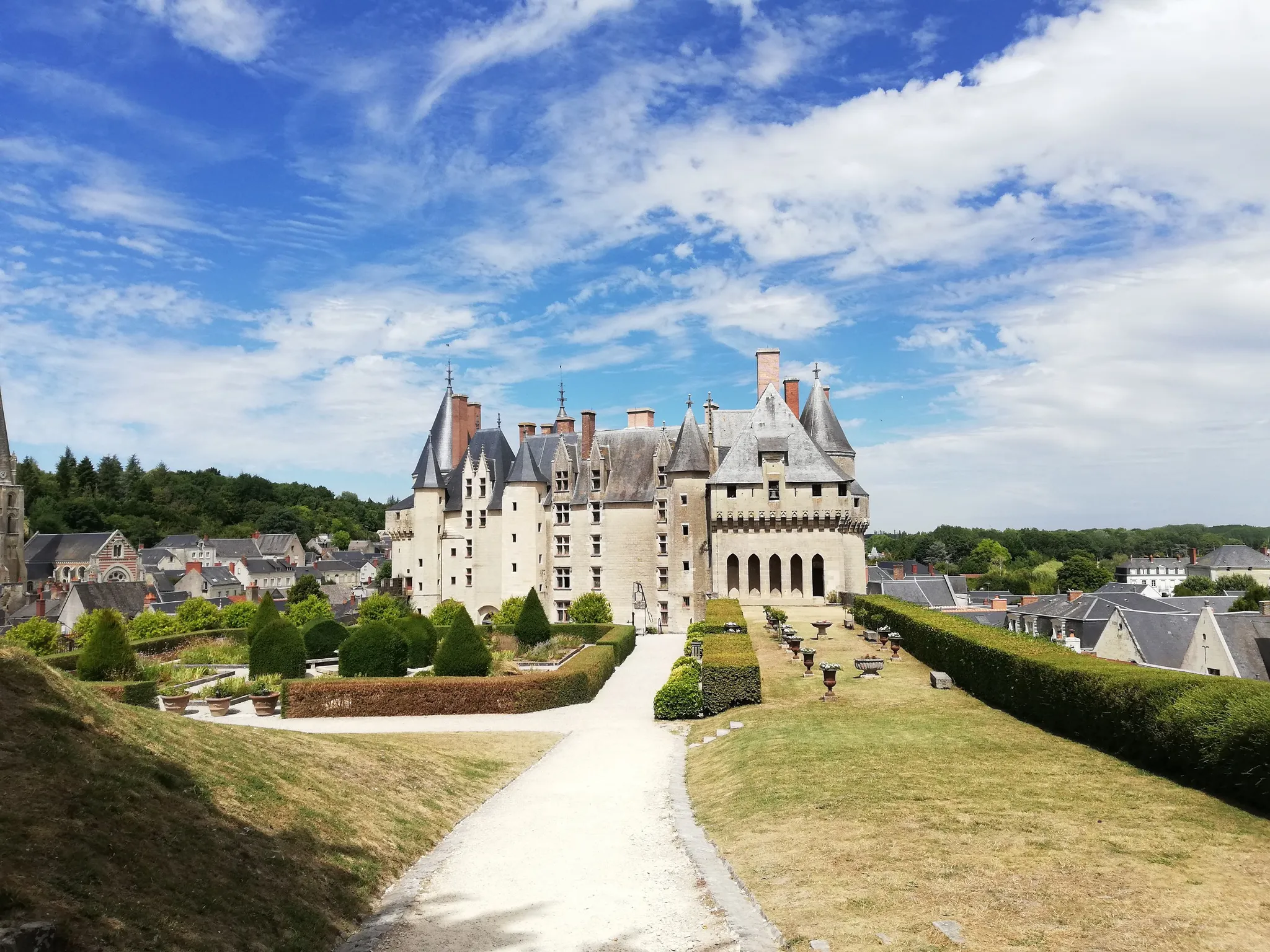
From one Châteaux to another – a long hike in the Loire Valley
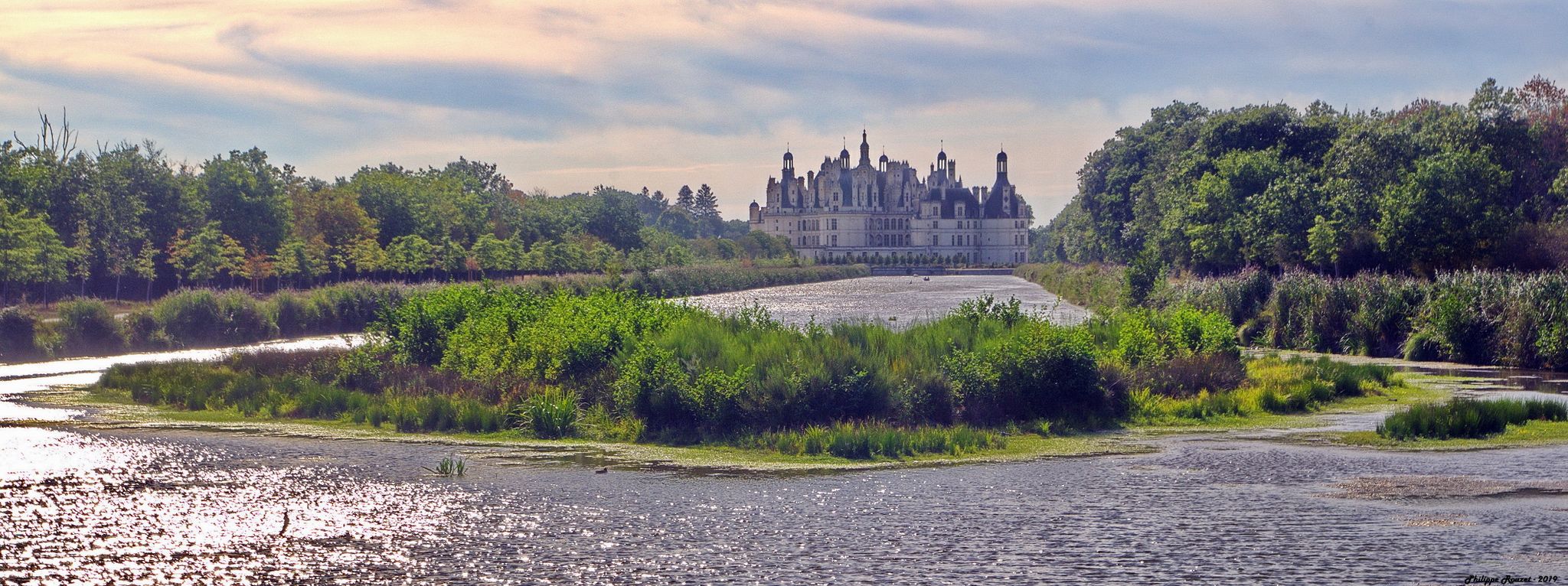
From one castle to another – the Loire to the Cher Valley

Around the World in 80 Days
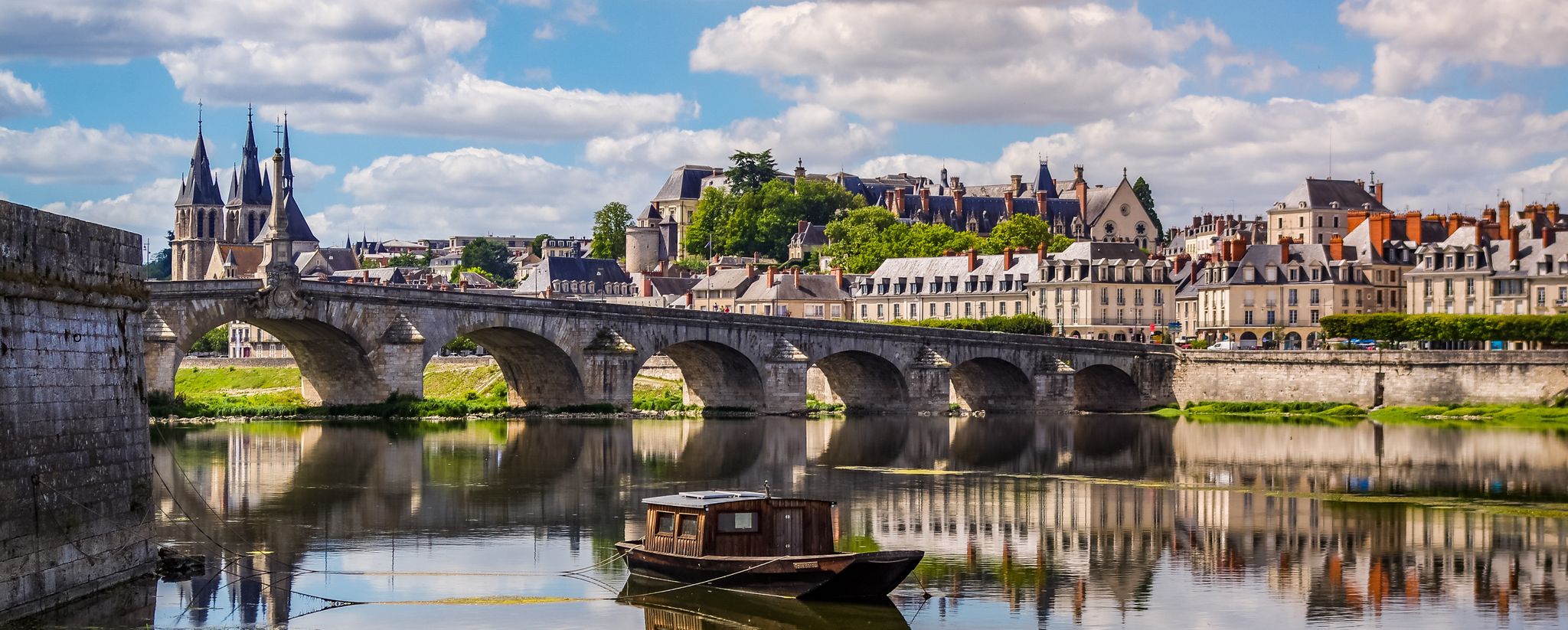
EuroVelo 3 – A cycling pilgrimage from Norway to France
La Loire à vélo – Between nature and castles
Other adventures in Centre-Val de Loire


Tips from the Community

Here you are in front of the 'Sleeping Beauty Castle'. Once upon a time there was a castle with a magical aura, overlooking the Indre and the Loire… so beautiful that it inspired Charles Perrault to write his Sleeping Beauty. Young and old, immerse yourself in castle life and the scenes from this fairy tale come to life before your eyes. Follow in the footsteps of Vauban, Perrault, Chateaubriand, Le Nôtre and the Blacas family, who still live in this illustrious castle in the Loire Valley.
5
0
Once upon a time, there was a castle with a magical aura, overlooking the Indre and the Loire… so beautiful that it inspired Charles Perrault to write Sleeping Beauty. Young and old, immerse yourself in castle life and the scenes from this fairy tale come to life before your eyes. Follow in the footsteps of Vauban, Perrault, Chateaubriand, Le Nôtre and the Blacas family, who still live in this illustrious castle in the Loire Valley. PREPARE YOUR VISIT: 2025 From 15 February to 31 March: 10am – 6pm. From 1 April to 30 September: 10am – 7pm. From 1 October to 11 November: 10am – 6pm. Prices: Adult (+ 16 years): € 14.50 Child from 8 to 16 years: € 7.50 Child (under 8 years): Free
5
0

The little port is very pleasant. I recommend a visit to the castle for its magnificent garden.
0
0

Even though boats nowadays have outboard motors, they are beautiful to look at.
0
0

Overlooking the Indre and the Loire, Ussé stands majestically like a fairytale castle. Its history begins well before the construction of the current monument, under the leadership of Gelduin I who had the first stronghold built more than a millennium ago. A new building, more solid and more sumptuous, was built in the second half of the 15th century by Jean V de Bueil, victorious in the Hundred Years' War and captain of King Charles VII. The elegance and finesse of the Renaissance will soon further embellish the Château d’Ussé. Over the centuries, the rooms have been decorated and richly furnished. The visit allows you to discover, after passing through the entrance hall, a unique guard room: the splendid 17th century trompe l'oeil ceiling imitating marble covers a beautiful collection of weapons and oriental objects. The refinement of Ussé reaches its peak in the 17th century salon, a completely renovated room which bears the evocative name of Vauban, the famous Marshal whose daughter married the Marquis de Valentinay, son of the illustrious owner of the castle. Generations come and go while Ussé continues to tirelessly improve. The latest modifications date from the 19th century, when the Countess of La Rochejacquelin decorated the tops of the doors, installed the spiral staircase in the entrance hall and built a neo-Gothic gallery. The Château d’Ussé is a monument that leaves you dreaming both for its architecture and its history. The route along the walkway takes you into a completely different world: that of fantastic stories and fairy tales. Through beautiful depictions of wax figures, everyone is immersed in the world of Sleeping Beauty. We can of course see the fairy Carabosse, Prince Charming and the three benevolent fairies godmothers of Princess Aurore. A fun nod to Charles Perrault who, seduced by the Château d'Ussé, chose to make it the scene of his famous tale. The park of the Château d'Ussé is an exceptional setting, notably composed of the French garden designed by André Le Nôtre in 1664. In addition, the shadows of the cedars of Lebanon, offered by Chateaubriand to the Duchess of Duras in the 19th century, rub shoulders with the stones of the Sainte-Anne d'Ussé chapel can also be visited. Built between 1535 and 1538 at the request of Charles d'Espinay and Lucrèce de Pons, it retains an absolutely remarkable lintel. Ussé is a completely private estate belonging to the same family for more than two centuries. The Duke of Blacas invites you to browse the furnished rooms of his incredible home and to discover each year a new exhibition of costumes from various eras. From the underground to the attic, including the King's bedroom, the stables, the incredible grand staircase and the kitchens, this monument is an encouragement to delve into our history and to re-immerse ourselves in the most famous tales of our literature. .
3
0

Beautiful path along the Cher with lots of shade in the heat
3
0
Great spot on the Loire below Château Chaumont
1
0
Beautiful château located on the Cher 👍 Great view from the south side
3
0
Frequently Asked Questions
What historical sites, beyond the main châteaux, can I explore in Centre-Val de Loire?
Beyond the renowned châteaux, Centre-Val de Loire offers a wealth of historical and cultural sites. You can visit the magnificent Sainte-Croix d'Orléans Cathedral, the UNESCO-listed Chartres Cathedral known for its stained glass, or the Gothic Bourges Cathedral. Other notable sites include the well-preserved Cistercian Abbaye de Noirlac, the archaeological remains of the Roman town Argentomagus, and the unique Maison Picassiette in Chartres, adorned with mosaics.
Are there any natural parks or significant natural features to visit in Centre-Val de Loire?
Yes, the region boasts several beautiful natural areas. The Brenne Natural Regional Park, often called the 'land of 1,000 ponds,' is a preserved wetland perfect for birdwatching and cycling. The Loire-Anjou-Touraine Natural Park offers diverse landscapes along the Loire and Vienne rivers. The Loire River itself is a central natural feature, and you can also visit Étang du Puits, the largest lake in Sologne, or the nature reserve at the Confluence of the Loire and Loiret.
What are some family-friendly attractions in Centre-Val de Loire?
Many attractions in Centre-Val de Loire are suitable for families. The grand châteaux like Chambord Castle, Château de Chenonceau, and Ussé Castle (also known as Sleeping Beauty Castle) offer engaging experiences for all ages. The Briare canal bridge is an impressive engineering marvel that can fascinate children, and the extensive gardens at places like Villandry provide open spaces for exploration.
Where can I experience the famous gardens of the Loire Valley?
The Loire Valley is renowned for its magnificent gardens. You can explore the terraced gardens of Château de Villandry, the elegant grounds of Château de Chenonceau, or the diverse gardens at Château de Cheverny and Château de Chaumont-sur-Loire, which also hosts an annual International Garden Festival. Other notable gardens include the Parc Floral de La Source in Orléans and the English-style Prébendes d'Oé Garden in Tours.
What cycling opportunities are available in Centre-Val de Loire?
Centre-Val de Loire is a cyclist's paradise, most famously home to 'La Loire à vélo,' a 900 km cycle tourism route along the Loire River. For more specific routes, you can find various options, including road cycling routes like the 'Tours Triathlon Loop' or the 'Château de Villandry — loop from Tours', and mountain biking trails such as 'The Loire at Sandillon' or 'Château de Chenonceau – Bléré loop'. You can explore these and more on the Road Cycling Routes in Centre-Val de Loire and MTB Trails in Centre-Val de Loire guide pages.
Are there hiking trails suitable for different skill levels in the region?
Yes, Centre-Val de Loire offers a variety of hiking trails. For those seeking easier walks, options like the 'Chambord Canal Promenade,' 'Orléans Historical Center Discovery Trail,' or the 'Loiret Mills Loop' provide pleasant experiences. These trails are generally easy and allow you to enjoy the region's scenery at a relaxed pace. Discover more on the Easy hikes in Centre-Val de Loire guide page.
What makes the Château de Chenonceau unique among the Loire Valley castles?
The Château de Chenonceau stands out for its elegant architecture, particularly its unique design spanning the River Cher. Often called the 'Château des Dames,' it has been shaped by influential women throughout history, including Catherine de' Medici. Visitors frequently praise its magnificent gardens and the fresh flower arrangements that adorn its rooms, making it a truly distinctive and graceful landmark.
What is the best time to visit Centre-Val de Loire attractions?
The best time to visit Centre-Val de Loire is generally from spring (April-May) to early autumn (September-October). During these months, the weather is pleasant for exploring châteaux and gardens, and outdoor activities like cycling are enjoyable. The International Garden Festival at Chaumont-sur-Loire runs from April to October, showcasing stunning temporary gardens. Summer (June-August) is also popular, though attractions can be more crowded.
Are there any unique or 'hidden gem' attractions in Centre-Val de Loire?
Beyond the most famous sites, Centre-Val de Loire holds several unique attractions. The Briare canal bridge, an impressive aqueduct built by the Eiffel company, allows boats to cross over the Loire River. The Maison Picassiette in Chartres is a fascinating house covered in intricate mosaics made from broken crockery. Also, the Château du Clos Lucé in Amboise, Leonardo da Vinci's last residence, offers a unique insight into his life and inventions.
What do visitors enjoy most about the attractions in Centre-Val de Loire?
Visitors to Centre-Val de Loire particularly enjoy the grandeur and historical significance of the châteaux, often highlighting their unique architecture and beautiful surroundings. For instance, Chambord Castle is appreciated for its sheer size and distinctive double spiral staircase, while Château de Chenonceau receives praise for its elegance and stunning floral displays. The region's natural beauty, especially along the Loire River, and the opportunity for outdoor activities like cycling are also highly valued by the komoot community.
Can I visit a château associated with Leonardo da Vinci in the region?
Yes, you can visit the Château du Clos Lucé in Amboise, which was Leonardo da Vinci's last residence. This château now serves as a museum dedicated to his life and work, showcasing models of his inventions and providing insights into his genius. It's a significant cultural site for those interested in the Renaissance master.
What is the significance of the Loire River in the Centre-Val de Loire region?
The Loire River is central to the Centre-Val de Loire region, forming its backbone and contributing significantly to its UNESCO World Heritage status. It offers picturesque landscapes and is integral to the 'La Loire à vélo' cycling route. The river's presence also influences the region's biodiversity, with areas like the Confluence of the Loire and Loiret serving as important nature reserves.
Most popular routes in Centre-Val de Loire
Most popular attractions in Centre-Val de Loire

Get inspired with the komoot mobile app


Didn’t find what you were looking for?
Are you keen on exploring more awesome places nearby? Browse our guides:
Explore more
Still not found the Highlight you’re looking for? See guides of the top attractions in other regions:
