Top 20 Natural Monuments in Gelderland
Natural monuments in Gelderland offer diverse landscapes, from expansive national parks to unique geological features. This Dutch province is characterized by its varied terrain, including forests, heathlands, and sand dunes. Visitors can explore areas with significant relief, providing panoramic views, alongside serene river landscapes. The region provides opportunities for outdoor activities and appreciating Dutch nature.
Best natural monuments in Gelderland
- The most popular natural monuments is Veluwezoom National Park, a forest and natural monument known for its almost untouched…
Last updated: October 13, 2026
Motte Mergelp on the Duivelsberg
Highlight • Historical Site
Translated by Google •
Tip by

Posbank Viewpoint
Highlight • Viewpoint
Translated by Google •
Tip by

Sign up now to discover places like this
Get recommendations on the best single tracks, peaks, & plenty of other exciting outdoor places.
Veluwezoom National Park
Highlight • Forest
Translated by Google •
Tip by

Sunken Path in the Forest
Highlight • Trail
Translated by Google •
Tip by

Doorwerth Castle
Highlight • Castle
Translated by Google •
Tip by

Beekhuizerzand Sand Dunes
Highlight • Natural Monument
Translated by Google •
Tip by

View of the Posbank
Highlight • Viewpoint
Translated by Google •
Tip by

Staverden Castle
Highlight • Castle
Translated by Google •
Tip by
Duivelsberg (Devil's Hill)
Highlight • Natural Monument
Translated by Google •
Tip by

Oude Waal Nature Reserve
Highlight • Natural Monument
Translated by Google •
Tip by

Sign up for free to discover even more natural monuments in Gelderland.
Already have an account?
Start today with a free account
Your next adventure awaits.
Popular around Gelderland
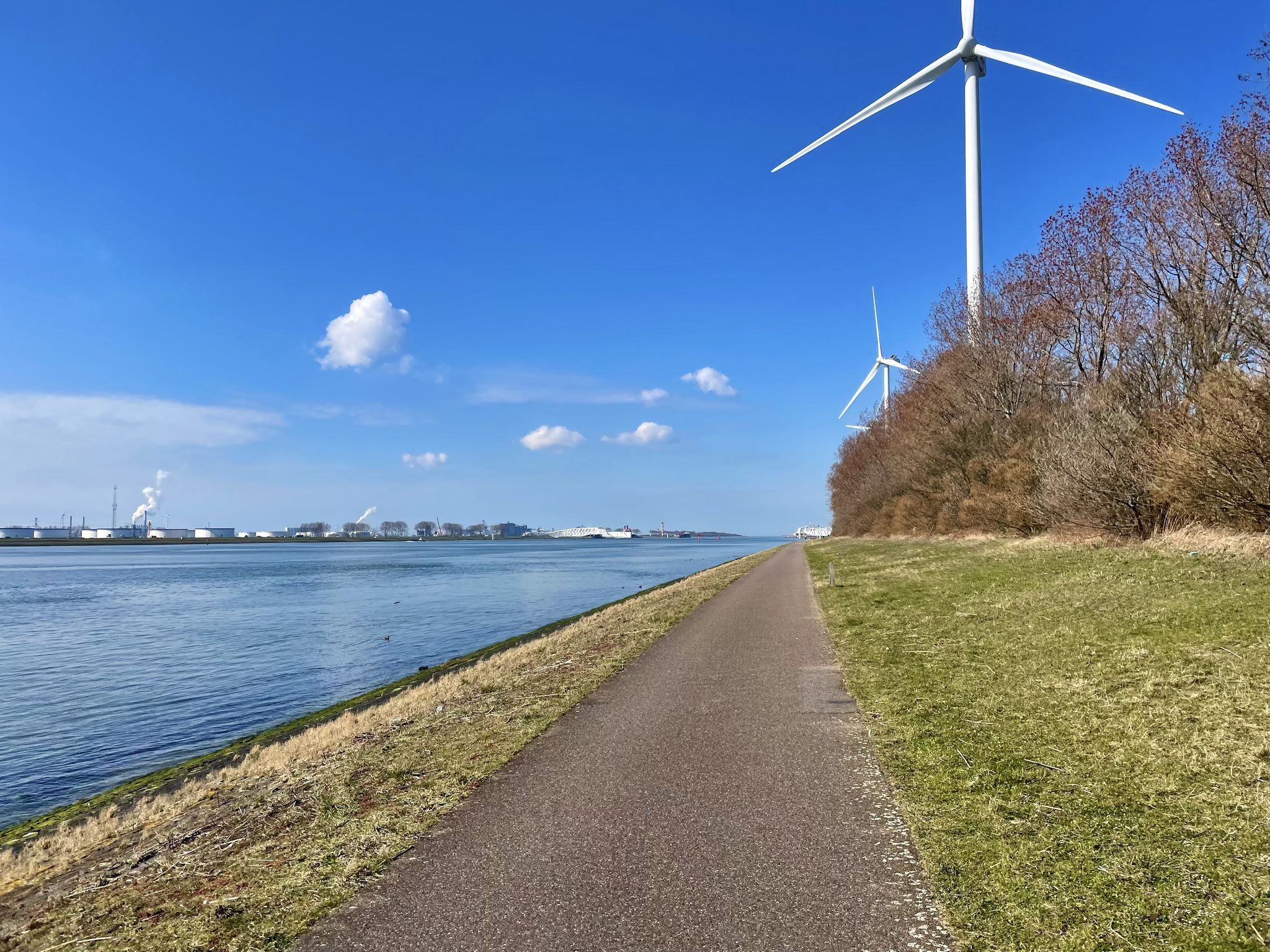
The Meuse Cycle Route - Follow the Meuse from the hills to the harbor
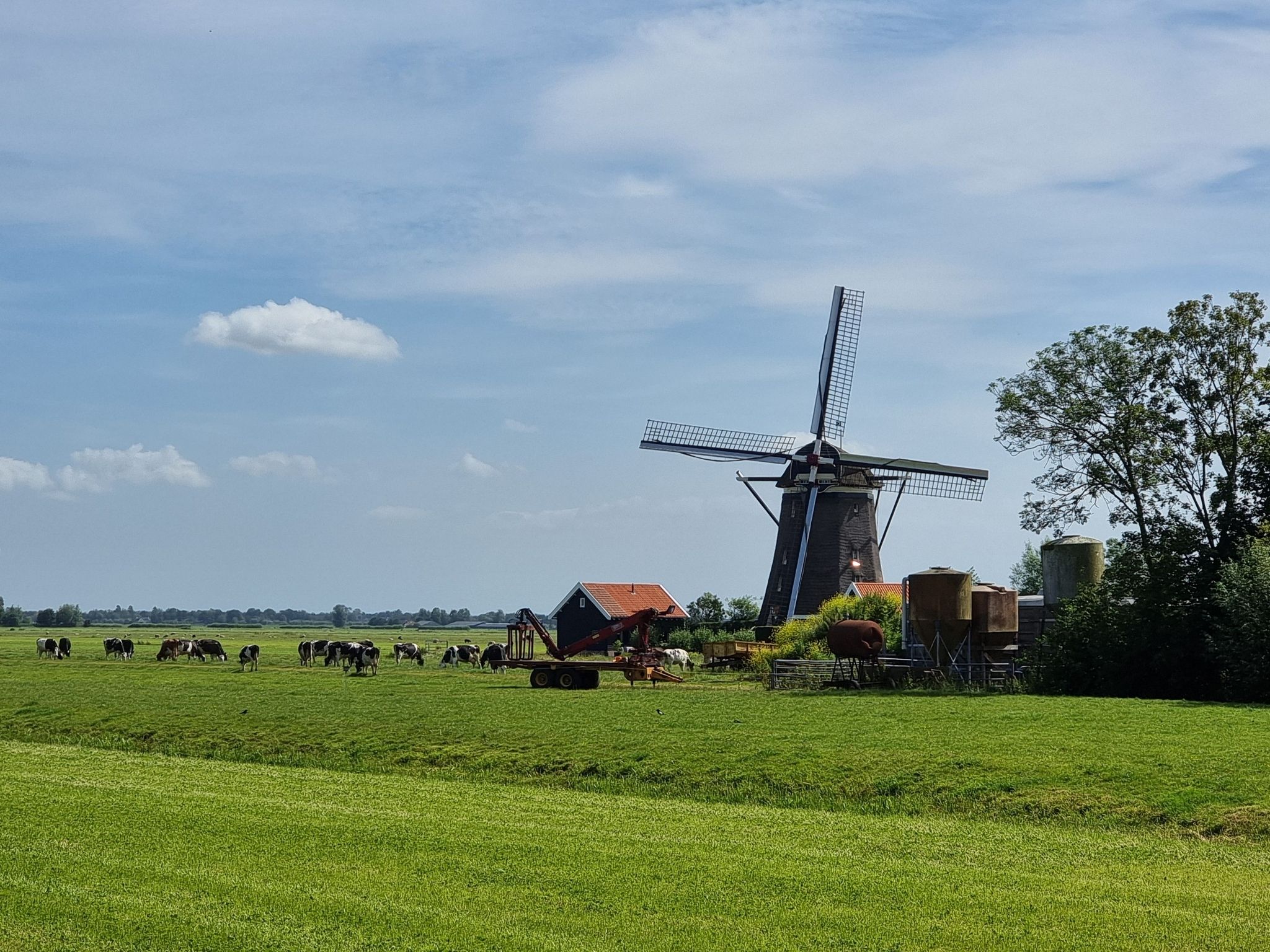
Pilgrim Trail (LAW 7-1) - Through idyllic villages and vast polders
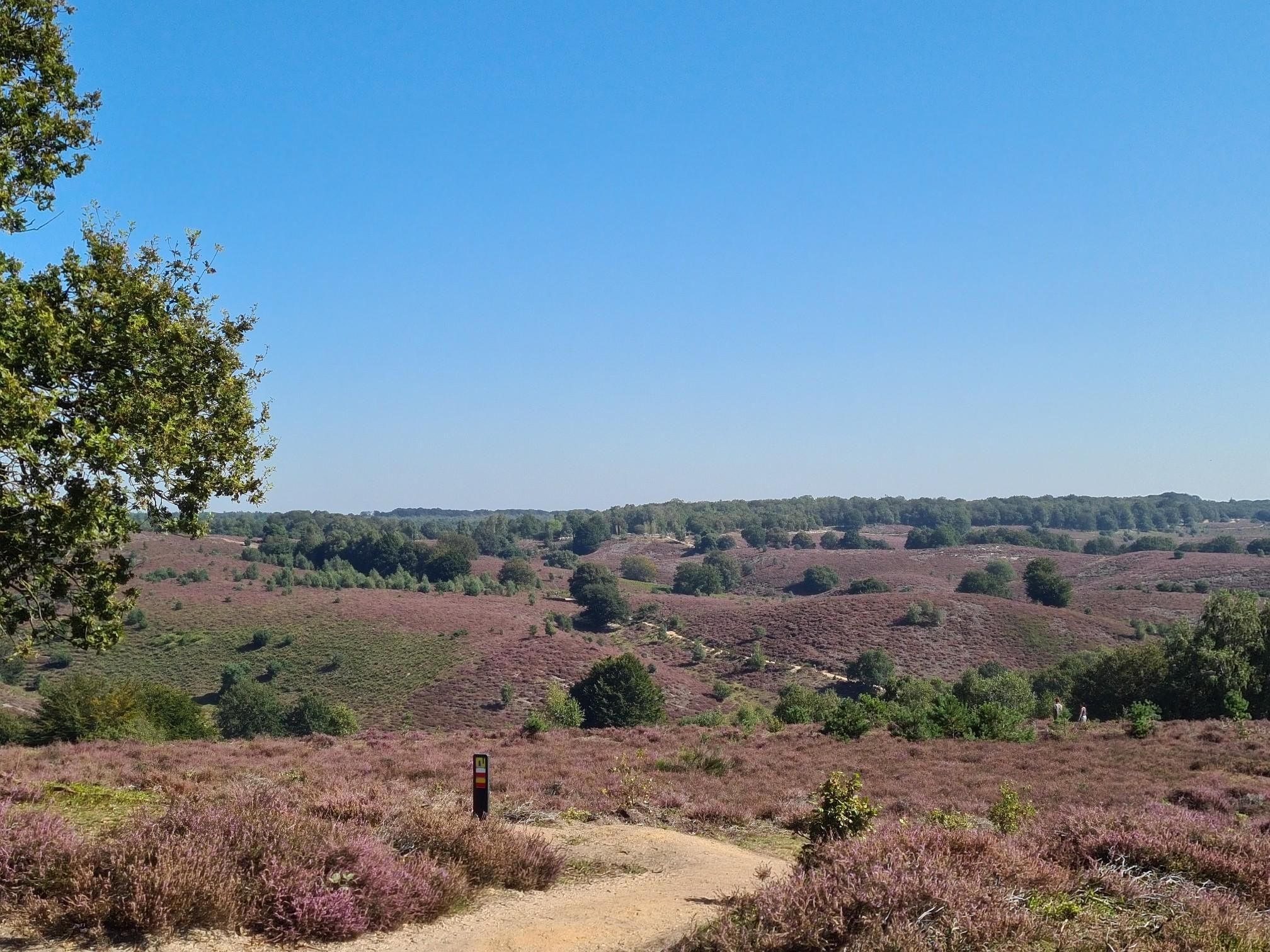
Veluwe Zwerfpad – 21 days of roaming through protected nature
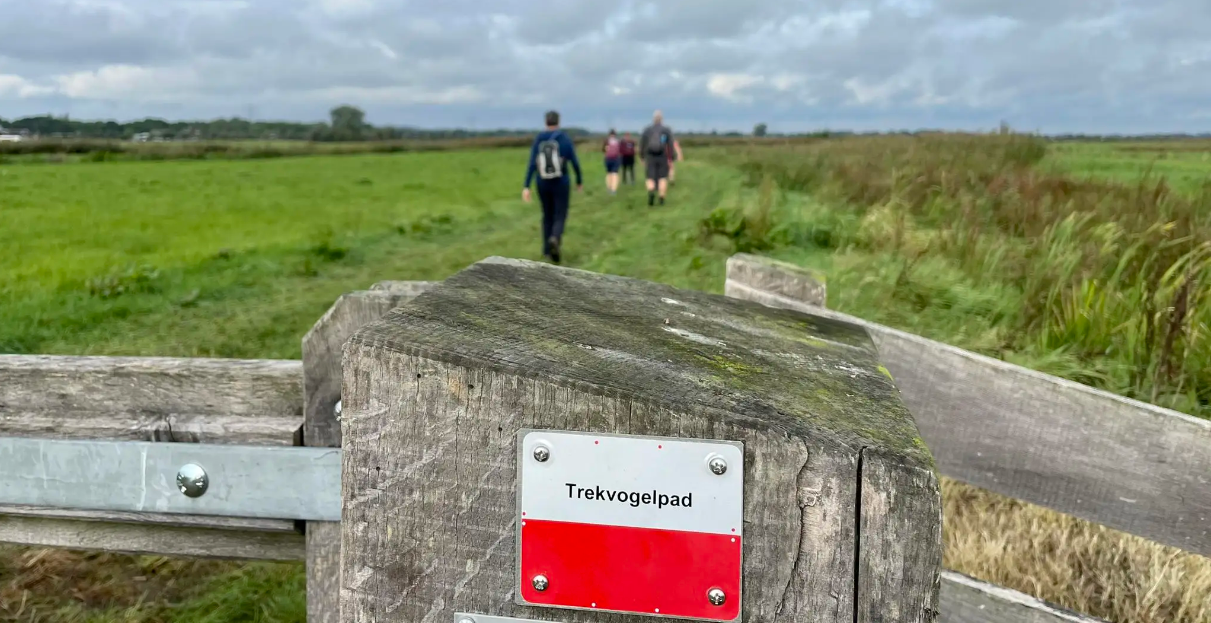
Trekvogelpad (LAW 2) – Bird watching from Bergen aan Zee to Enschede
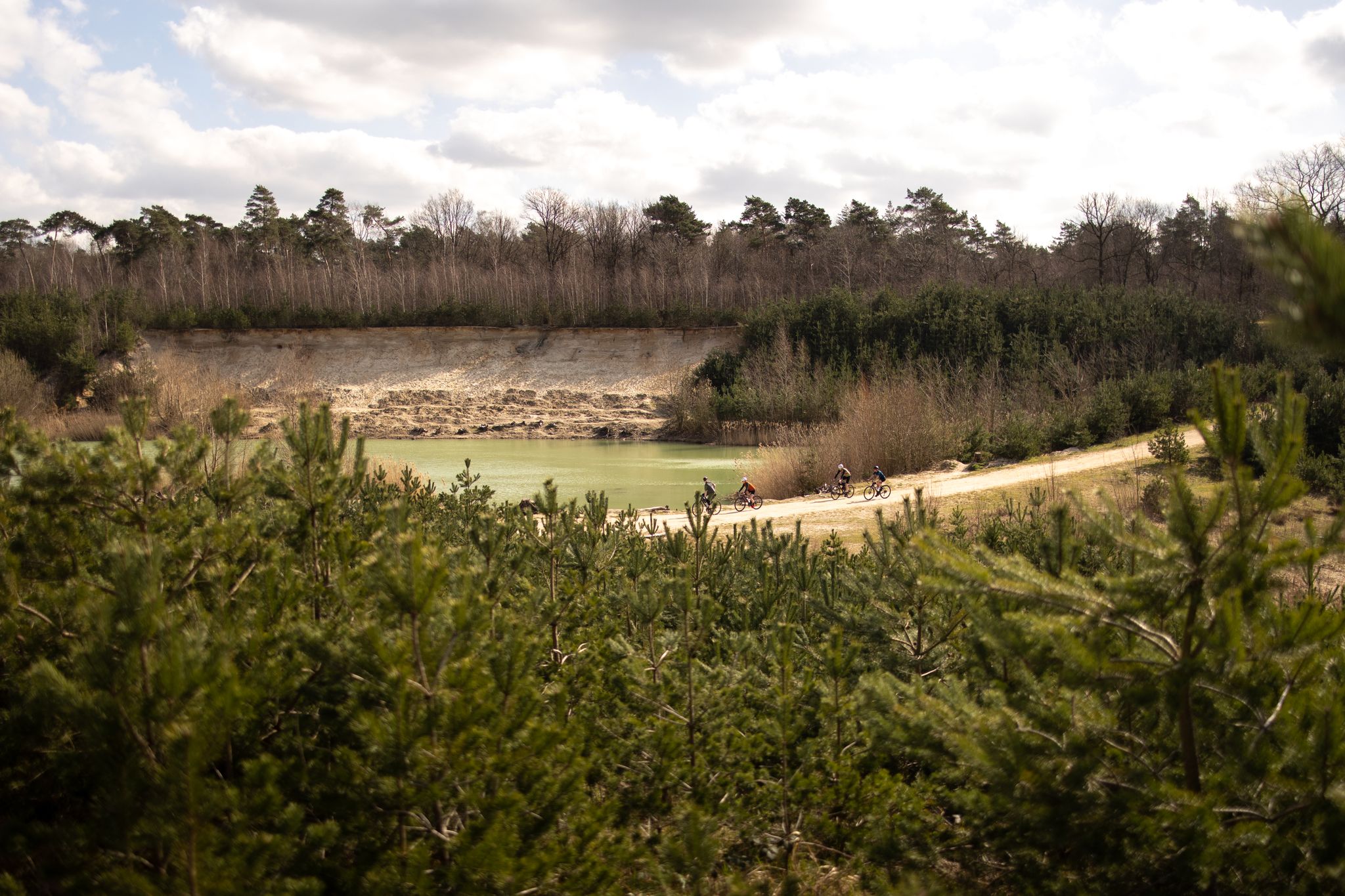
The Pieterpad by bike – From Pieterburen to Sint-Pietersberg
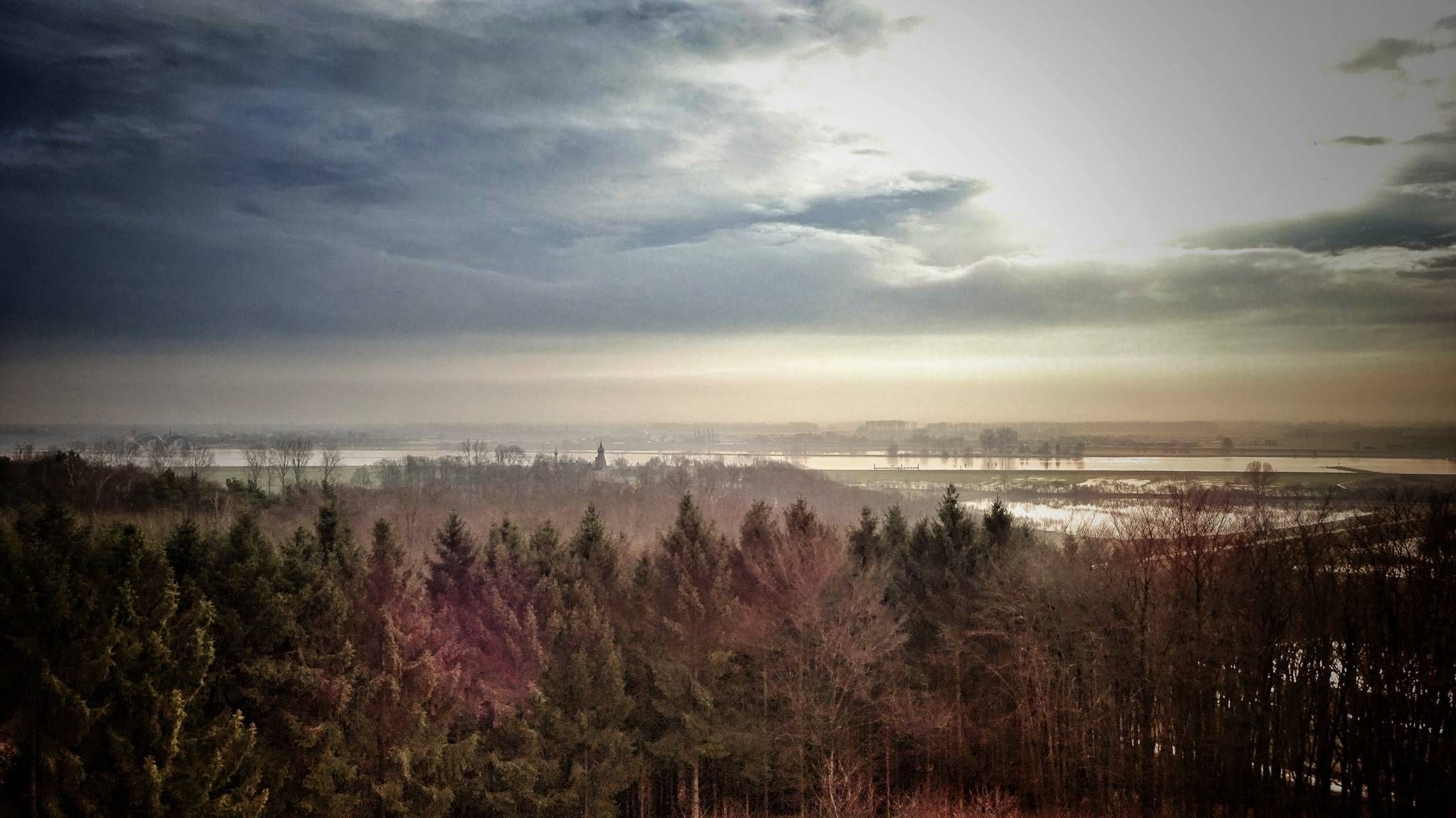
Maarten van Rossumpad – hiking from 's-Hertogenbosch to Steenwijk
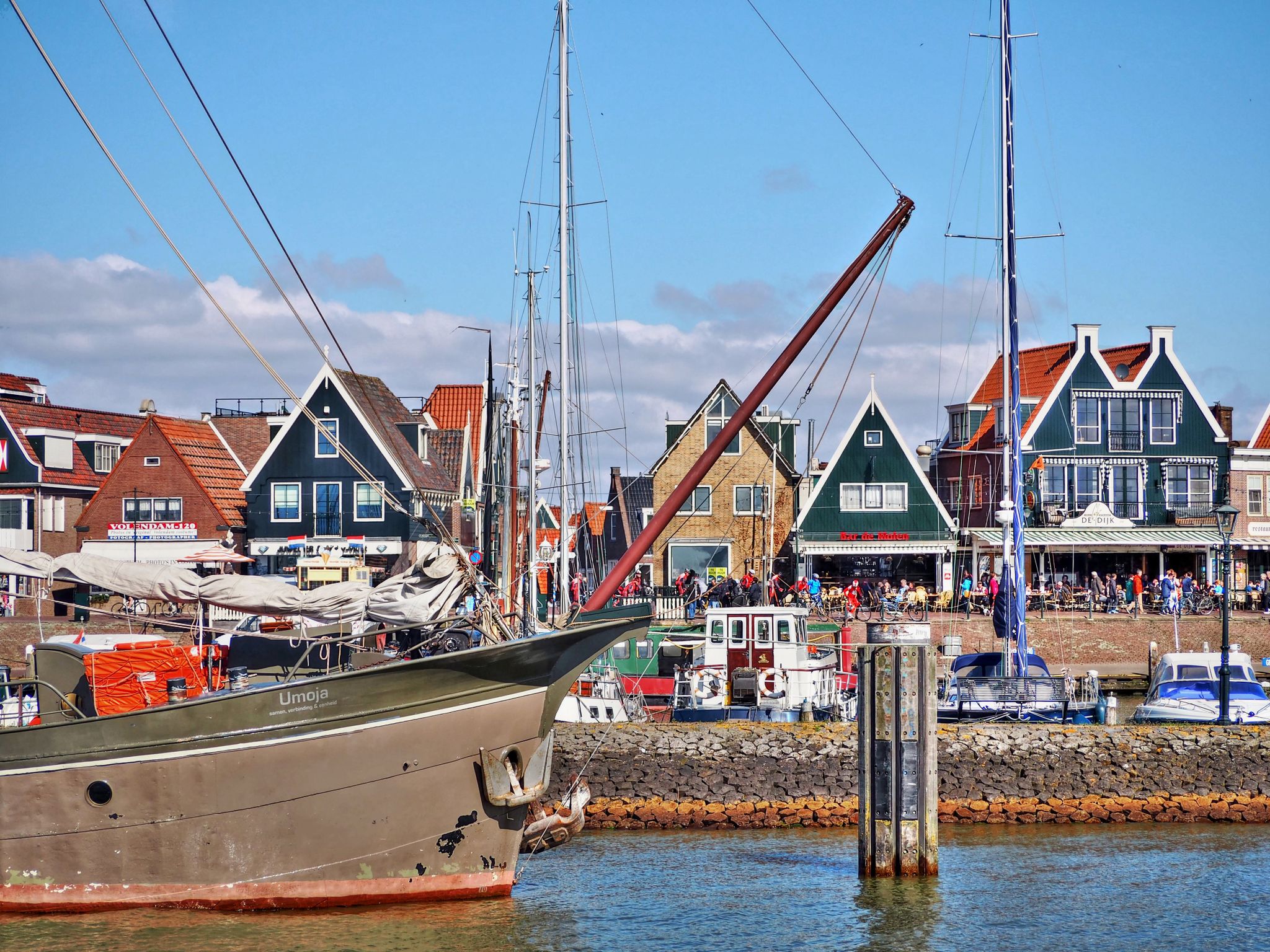
Cycling the LF Zuiderzee Route – Delve into history around IJsselmeer lake
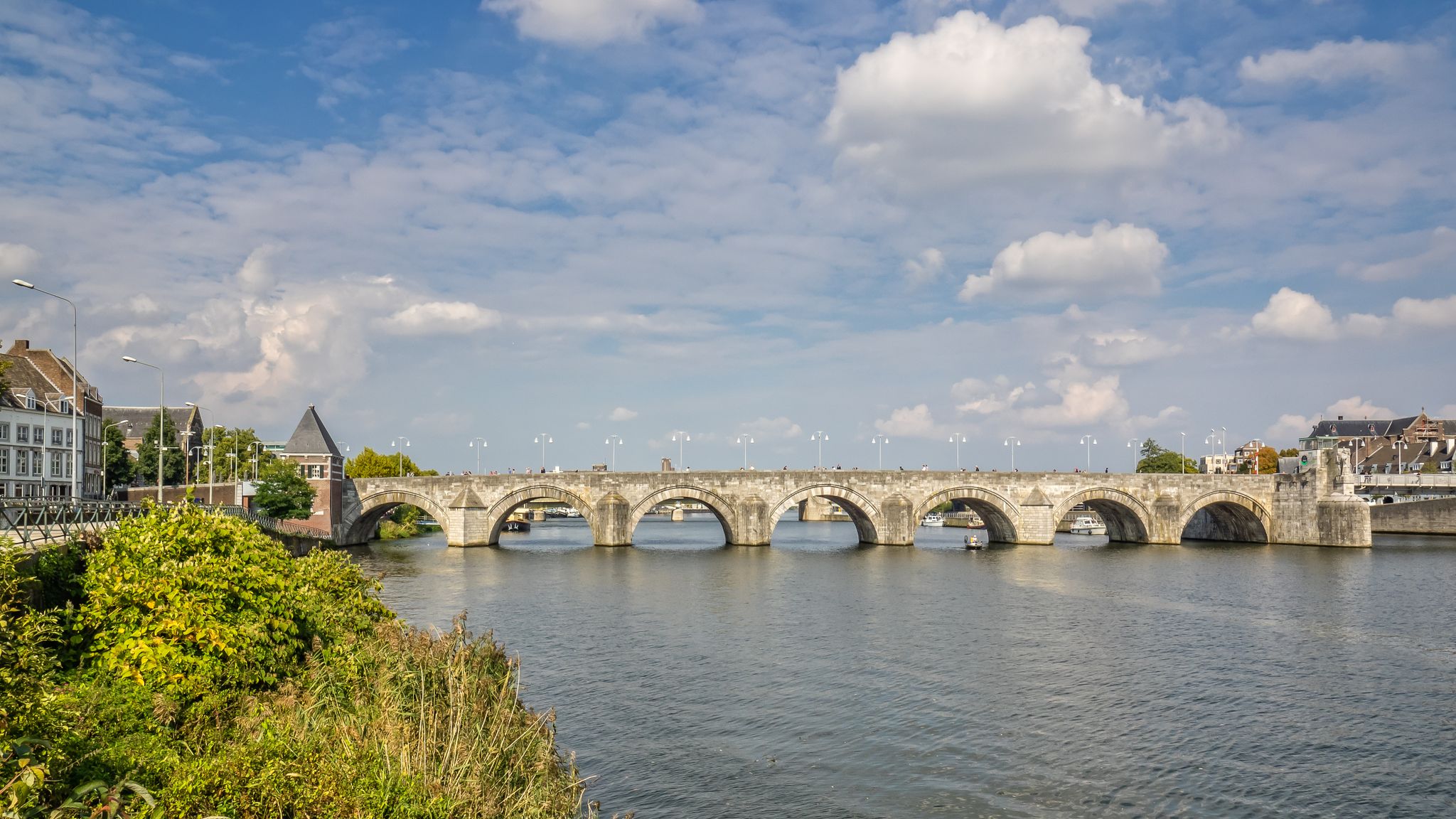
LF Maasroute – From Maastricht to Rotterdam along the Meuse River
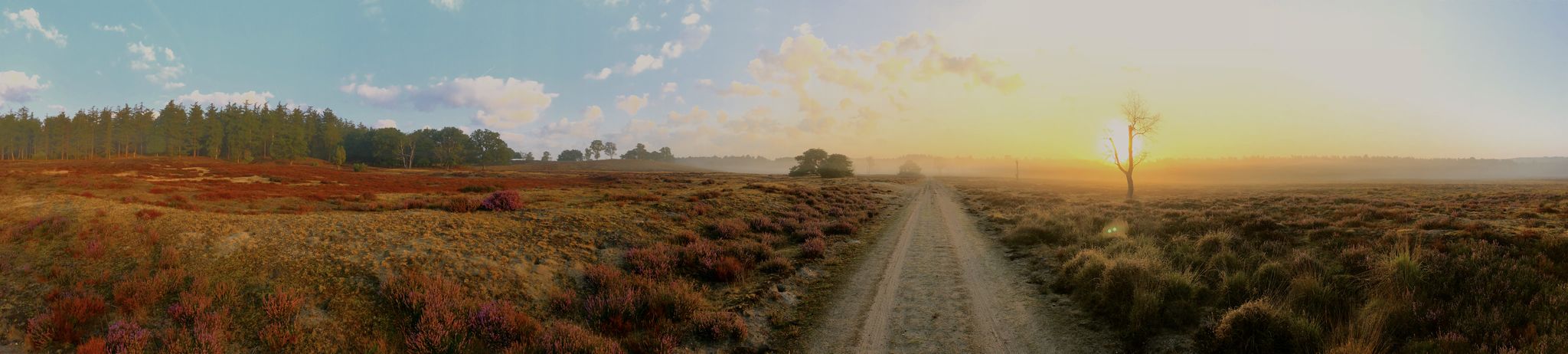
Gravel, heather & hills – bikepacking the Utrecht Ridge and the Veluwe
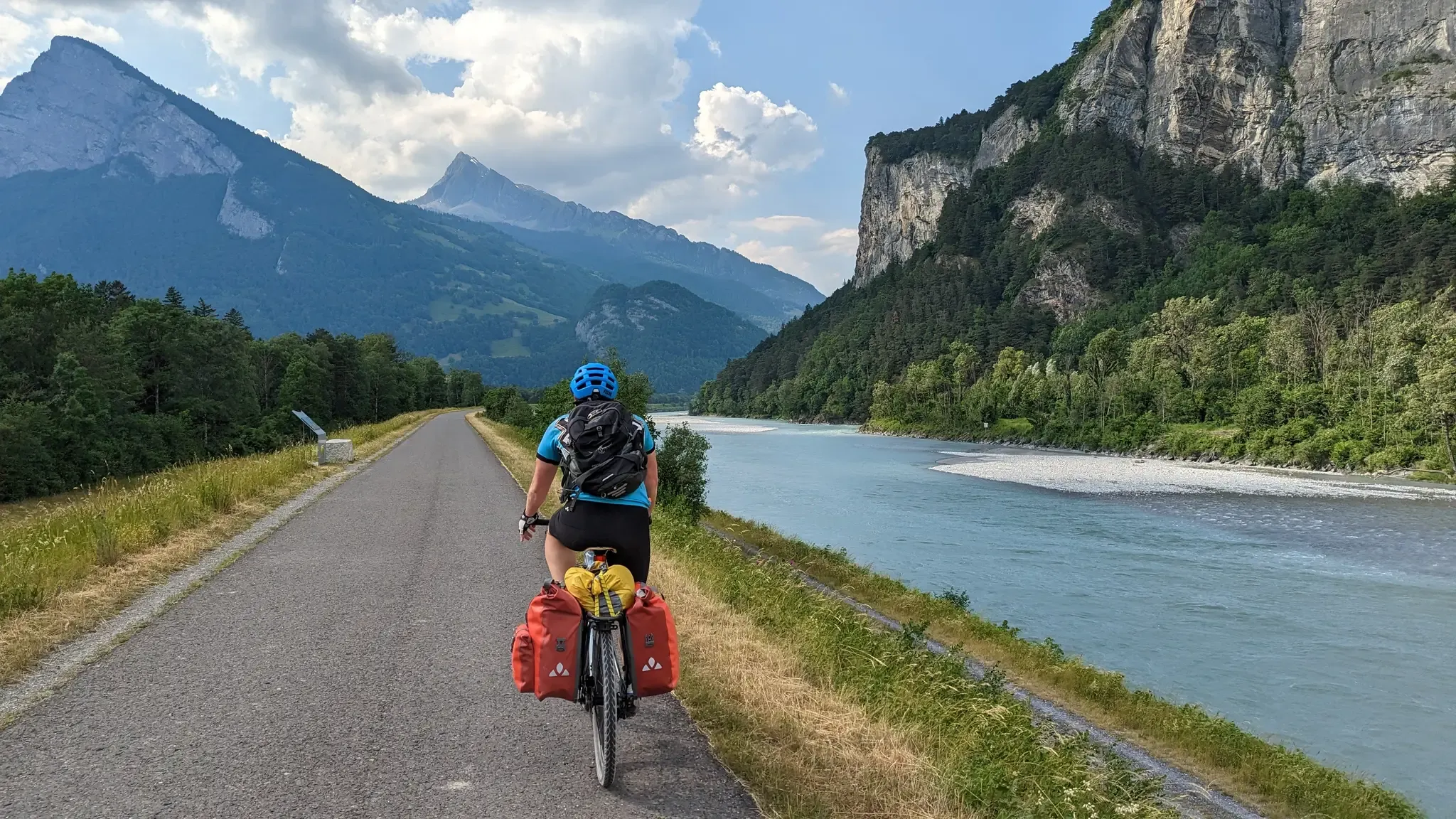
The Rhine Cycle Path — From the source to the North Sea
Other adventures in Gelderland


Tips from the Community

It can be busy on weekends. It is a popular hiking area.
1
0

Fantastic view of beautiful heathland
5
0

The castle has changed its appearance in many ways over the centuries. The current building dates from 1905 and was built by Herman Theodore s'Jacob, the scion of a noble family. His father Frederik Bernhard was mayor of Rotterdam and his grandfather was governor of the Dutch East Indies. The architecture goes back to older styles, but the interior still contains features of the Art Nouveau style that was popular at the time. The rest of the estate is still largely intact and the castle garden has also been restored with honor.
17
0
Before 1830, the Beekhuizerzand was part of a large quicksand area. Between 1880 and 1930, it was planted with pine trees on a large scale, especially to prevent dusting. It was also used as a military training area and opened for recreation from 1963. In 2004, many fly pines were felled and the top layer removed from the ground, so that it has become a real quicksand area where the destructible sand has been released again. The area is grazed by sheep.
19
0

You continue to be amazed and get lost among the blooming heather
7
0

Did you know that long ago the heather turned white in August and not purple? It started on the Maashorst, but it did not take long before other heathland areas were also affected. Do you want to know how that came about? Then listen to the digital story 'Marieke, or: the girl and the purple heath' on Spotify: https://open.spotify.com/episode/6c9Lu6HL4AamFmci03ZZ4Q?si=444ee92a56984f98&nd=1&dlsi=5baac732a1674da1 . If you want to know more about this project, visit www.theaterspoor.nl/marieke
6
0

Climb the 75.9 meter high Duivelsberg and you will be rewarded with a beautiful view of the wooded area and the meadows of the floodplains below the moraine. The Duivelsberg nature reserve of the same name is approximately 125 hectares in size and is covered with deciduous trees, including a large collection of sweet chestnuts. There are many stories about the history of De Duivelsberg. For example, in the 11th century it was the strategic location of a motte (wooden) castle called Mergelp. From the first motte on the edge of De Duivelsberg it was easy to keep an eye on the surroundings. In addition, the hill has a sacred meaning for many and is still used for ceremonies. There are also stories that women who were accused of being witches, were drowned and bandaged in this place. This area originally belonged to Germany and was called Wylerberg or Teufelsberg, but was annexed after the Second World War. Unlike the other areas, the Duivelsberg was not returned, but it is still Dutch land property.
1
1

The Wylerberg or Teufelsberg (Duivelsberg in Dutch) is a hill near Nijmegen that originally belonged to the German municipality of Wyler/North Rhine-Westphalia. In 1949, the British military administration placed the mountain under Dutch contract administration on a Dutch initiative and in 1963 it finally became Dutch territory. Source and link to the full article: https://de.wikipedia.org/wiki/Wylerberg
1
0
Frequently Asked Questions
What unique natural features can I explore in Gelderland?
Gelderland offers a diverse range of natural features. You can discover the unique sand drift at Beekhuizerzand Sand Dunes, experience the significant drop of the Loenen Waterfall, or witness the naturally flowing Slinge river and its sand banks at Upper Slinge in Bekendelle. The province is also known for its extensive heathlands and forests, particularly within areas like Veluwezoom National Park.
When is the best time to visit Gelderland's natural monuments?
The natural monuments in Gelderland can be enjoyed year-round, but specific times offer unique experiences. Late August is particularly beautiful for visiting areas with heathlands, such as Posbank Viewpoint within Veluwezoom National Park, when the heather blooms purple. Autumn provides stunning foliage, especially in deciduous forests like those on Duivelsberg (Devil's Hill).
What kind of wildlife can I expect to see in Gelderland's natural monuments?
Gelderland's natural monuments are home to diverse wildlife. In areas like De Hoge Veluwe National Park, you might spot red deer, wild boars, and mouflon. The Upper Slinge in Bekendelle is known for roe deer and various woodpeckers, including the black woodpecker. Birdwatching is also popular in many nature reserves.
Are there family-friendly natural monuments in Gelderland?
Yes, several natural monuments in Gelderland are suitable for families. Veluwezoom National Park and Beekhuizerzand Sand Dunes offer varied landscapes and easy paths. The Loenen Waterfall is a peaceful and scenic spot, and Upper Slinge in Bekendelle provides opportunities for walking and observing nature. De Hoge Veluwe National Park also offers free white bicycles, making it great for family exploration.
Are there historical sites among Gelderland's natural monuments?
Yes, Gelderland's natural monuments often blend natural beauty with historical significance. Duivelsberg (Devil's Hill), for instance, was the strategic location of an 11th-century motte castle called Mergelp. Staverden Castle, while a castle, is also listed as a natural monument and has a long history dating back to the 12th century, with ancient burial mounds nearby.
What outdoor activities can I do near Gelderland's natural monuments?
Gelderland's natural monuments are excellent starting points for various outdoor activities. You can find numerous hiking trails, including easy options like those in the Planken Wambuis nature reserve or the Geopad near Beek. For cycling, there are paved paths in De Hoge Veluwe National Park, and mountain biking enthusiasts can explore routes like the Veluwezoom Blue MTB Main Route. Gravel biking is also popular, with routes through Loenermark & het Deelerwoud. For more details on routes, refer to the Easy hikes in Gelderland, MTB Trails in Gelderland, and Gravel biking in Gelderland guides.
Are there hiking trails near these natural monuments?
Absolutely. Many natural monuments in Gelderland are integrated into extensive trail networks. You can find easy hikes such as 'On safari in Planken Wambuis nature reserve' or 'Forests and moors near Nijmegen' which offer beautiful scenery. The Veluwezoom National Park is particularly popular for both walking and cycling, offering routes with beautiful views. For a comprehensive list of hiking options, check out the Easy hikes in Gelderland guide.
Can I bring my dog to Gelderland's natural monuments?
While policies vary, some natural monuments in Gelderland are dog-friendly. For example, the Loenen Waterfall is listed as dog-friendly. It's always advisable to check specific regulations for each park or reserve, as some areas may require dogs to be on a leash or restrict access to protect wildlife.
What do visitors enjoy most about Gelderland's natural monuments?
Visitors frequently praise the untouched nature, diverse landscapes, and beautiful views. The distinctive relief of areas like Veluwezoom National Park and the panoramic vistas from Posbank Viewpoint are highly appreciated. Many also enjoy the tranquility and the opportunity to spot wildlife, as well as the charm of unique features like the Sunken Path in the Forest.
Are there natural monuments suitable for beginners or easy walks?
Yes, Gelderland offers several natural monuments with accessible terrain suitable for beginners or those seeking easy walks. The Beekhuizerzand Sand Dunes feature a bike path that meanders through the landscape, and many parts of Veluwezoom National Park have well-maintained trails. De Hoge Veluwe National Park also provides paved cycle paths and various walking routes. For specific easy routes, consult the Easy hikes in Gelderland guide.
Where can I find viewpoints with expansive scenery?
Gelderland is home to several natural monuments offering impressive viewpoints. The Posbank Viewpoint within Veluwezoom National Park is often considered the most beautiful vantage point in the country, especially during the heather bloom. Climbing Duivelsberg (Devil's Hill) rewards visitors with beautiful views of the wooded area and floodplains below. The Beekhuizerzand Sand Dunes also offer scenic vistas of its unique landscape.
Most popular routes in Gelderland
Most popular attractions in Gelderland

Get inspired with the komoot mobile app


Didn’t find what you were looking for?
Find even more amazing natural monuments in Gelderland by checking out the top Highlights region by region:
Explore more
Extend your search for the best caves by checking out these guides of the top ones in Gelderland:
