Attractions and Places To See in Mýrdalshreppur - Top 20
Best attractions and places to see in Mýrdalshreppur, a municipality in southern Iceland, features dramatic landscapes, black sand beaches, and unique geological formations. The region is characterized by its volcanic activity, including the Mýrdalsjökull glacier which conceals the Katla volcano. Visitors can explore a diverse range of natural wonders and cultural sites, with the village of Vík í Mýrdal serving as a central hub.
Best attractions and places to see in Mýrdalshreppur
- The most popular attraction is Dyrhólaey Arch,…
Last updated: October 9, 2026
Sólheimasandur Plane Wreck
Highlight • Monument
Nevertheless worth the hike! ;-)
Tip by

Dyrhólaey Arch
Highlight • Natural Monument
Translated by Google •
Tip by

Sign up now to discover places like this
Get recommendations on the best single tracks, peaks, & plenty of other exciting outdoor places.
Reynisfjara — Black Sand Beach and Basalt Columns
Highlight • Beach
Translated by Google •
Tip by

Reynisdrangar Sea Stacks
Highlight • Natural Monument
Translated by Google •
Tip by

Hálsanefshellir Cave
Highlight • Cave
Tip by

Pakgil Campsite
Highlight • Rest Area
Translated by Google •
Tip by

Puffin colony at Dyrhólaey
Highlight • Natural Monument
Translated by Google •
Tip by

Puffins on the Cliffs at Dyrhólaey
Highlight • Viewpoint
Translated by Google •
Tip by

Dyrhólaeyjarviti lighthouse
Highlight • Monument
Translated by Google •
Tip by

Sólheimajökull Glacier
Highlight • Natural Monument
Translated by Google •
Tip by

Sign up for free to discover even more attractions in Mýrdalshreppur.
Already have an account?
Start today with a free account
Your next adventure awaits.
Popular around Mýrdalshreppur
Tips from the Community

Impressive rock formation near a black sand beach
0
0

Great view, unfortunately totally overrun with tourists
0
0

This glacier is a tongue of the gigantic Mýrdalsjökull, the fourth largest in the country, which covers the Katla volcano.
0
0

Lots of puffins very close, without any fear of the many tourists 😁
1
0

You can spot them pretty close near the light house
0
0

Puffins are adorable black and white birds with bright orange beaks, legs, and webbed feet. The puffins seen in Iceland spend most of the year at sea. They come to Iceland (and other North Atlantic countries) to breed during the spring and summer months. Puffins in Iceland tend to form breeding colonies on coastal cliffs and islands.
0
0
Dyrhólaey is home to bird cliffs that are populated by many seabirds, including puffins, until August. Access to Dyrhólaey is therefore often restricted for several weeks during the breeding season. The bird breeding season, especially from May to August, is a fascinating time to visit, as you have the opportunity to observe numerous bird species, including the famous puffins, in their natural habitat. These months offer long days and milder weather, increasing your chances of seeing wildlife in action while enjoying the stunning scenery in more pleasant temperatures.
0
0
On the cape stands the Dyrhólaeyjarviti lighthouse, built in 1927. The tower itself is 13 meters high, and the lighthouse is located at a height of 118 meters above sea level. The year of construction is often given as 1910. However, this is incorrect; the lighthouse was built here at that time, but with a steel skeleton tower, which was then replaced by the concrete tower in 1927.
0
0
Frequently Asked Questions
What natural landmarks and viewpoints should I visit in Mýrdalshreppur?
Mýrdalshreppur is rich in dramatic natural features. Don't miss the iconic Dyrhólaey Arch, a promontory offering panoramic views of the coastline and the Dyrhólaeyjarviti lighthouse. Another must-see is Reynisfjara — Black Sand Beach and Basalt Columns, known for its unique black sands, the Hálsanefshellir Cave, and the striking Reynisdrangar Sea Stacks.
Where can I see puffins in Mýrdalshreppur?
The best place for puffin spotting is Dyrhólaey Arch. This impressive promontory is a significant nesting site for various seabirds, including puffins, especially from May to August. You can often find large colonies, such as the Puffin colony at Dyrhólaey, on the cliffs.
Are there any unique or lesser-known natural spots to explore?
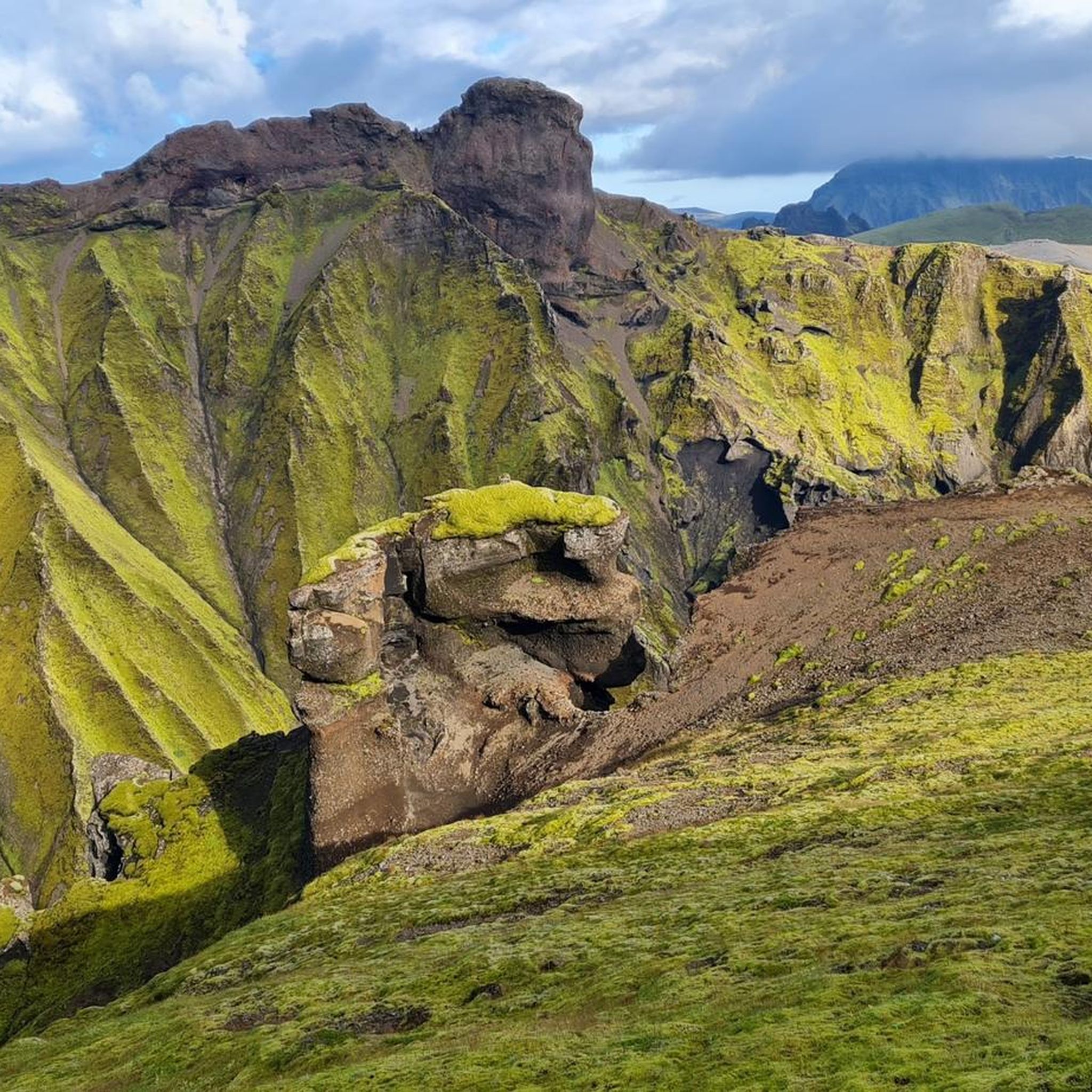
Beyond the famous sites, consider visiting the Sólheimajökull Glacier, an outlet glacier of Mýrdalsjökull, which offers opportunities for glacier walks and ice climbing tours. Another hidden gem is Þakgil Canyon, a beautiful green, overgrown tuff gorge located at the foot of Mýrdalsjökull, offering a unique landscape and camping opportunities at Pakgil Campsite.
What are some popular hiking trails in Mýrdalshreppur?
Mýrdalshreppur offers diverse hiking experiences. You can explore the area around the Sólheimasandur Plane Wreck with an easy 7.4 km loop. For coastal views, try the easy 4.2 km loop around Dyrhólaey Arch. If you're looking for a moderate challenge, the 8.6 km loop from Vík to Reynisdrangar Sea Stacks is popular. For more options, check out the Hiking in Mýrdalshreppur guide.
Are there easy hiking options available?
Yes, Mýrdalshreppur has several easy hiking trails. The loop around Dyrhólaey Arch is an easy 4.2 km, and the trail to the Sólheimasandur Plane Wreck is an easy 7.4 km. You can also find an easy 2.5 km loop around Sólheimajökull Glacier. For a comprehensive list of accessible routes, refer to the Easy hikes in Mýrdalshreppur guide.
What are some family-friendly activities in Mýrdalshreppur?
Families can enjoy the unique experience of the Icelandic Lava Show in Vík, where you can witness real molten lava. Exploring the Reynisfjara Black Sand Beach and its basalt columns is also a memorable experience, though caution is advised due to sneaker waves. Birdwatching at Dyrhólaey's puffin colony (May-August) is another great option for all ages.
When is the best time to visit Mýrdalshreppur?
The best time to visit largely depends on your interests. For puffin watching and milder weather, May to August is ideal. During these months, the days are long, and most attractions are easily accessible. If you're hoping to see the Northern Lights, the winter months from September to April offer the best chances, provided there's solar activity and clear skies, though some areas might have limited access due to weather.
What can I do in Mýrdalshreppur during winter?
Winter in Mýrdalshreppur offers a magical, often snow-covered landscape. You can still visit iconic sites like Reynisfjara Black Sand Beach and Dyrhólaey, though conditions may require extra caution. Glacier hiking and ice cave tours on Mýrdalsjökull or Sólheimajökull are popular winter activities. The region is also excellent for Northern Lights viewing from September to April.
Are there any cultural or historic sites in the area?
Yes, Mýrdalshreppur offers cultural insights. The Vík í Mýrdal Church (Víkurkirkja), perched on a hill, is an iconic landmark. In Vík, you can visit the Icelandic Lava Show for an educational experience about Iceland's volcanic activity, or the Katla Centre (Kötlusetur) for exhibitions on the Katla UNESCO Global Geopark. The Sólheimasandur Plane Wreck also serves as a haunting historical site.
What do visitors enjoy most about Mýrdalshreppur?
Visitors consistently praise the dramatic and unique natural beauty of Mýrdalshreppur. The stunning coastal views from Dyrhólaey Arch, the striking black sands and basalt columns of Reynisfjara, and the opportunity to witness puffins are frequently highlighted. The rugged charm and the feeling of being in a truly unique landscape are also highly appreciated.
How can I get around to the attractions in Mýrdalshreppur?
While public transport options are limited, many visitors rent a car to explore Mýrdalshreppur's attractions at their own pace, as most sites are accessible via well-maintained roads. Some tours also offer transportation to popular spots. Parking is generally available at major attractions like Reynisfjara and Dyrhólaey.
Are there any waterfall hikes near Mýrdalshreppur?
Yes, there are several beautiful waterfall hikes in the vicinity. You can find easy loops around Skógafoss, such as the 4.2 km 'Skógafoss – Steinbogafoss loop'. For more challenging options, there are longer routes like the 9.8 km 'Skálabrekkufoss – Steinbogafoss loop'. These trails offer stunning views of the waterfalls and surrounding landscapes. Explore more options in the Waterfall hikes in Mýrdalshreppur guide.
Most popular attractions in Mýrdalshreppur

Get inspired with the komoot mobile app


Explore more
Still not found the Highlight you’re looking for? See guides of the top attractions in other regions:
