The 20 Most Amazing Peaks in Lower Silesian Voivodeship
Best mountain peaks in Lower Silesian Voivodeship offer a diverse landscape characterized by distinct mountain ranges and unique geological formations. This region in Poland features significant peaks that rise from surrounding areas, providing varied terrain for exploration. The mountains are known for their natural features and historical significance, making them a notable destination for outdoor activities.
Best mountain peaks in Lower Silesian Voivodeship
- The most popular mountain peaks is Śnieżka (Schneekoppe) Summit, a summit that is the highest peak…
Last updated: August 16, 2026
Śnieżka (Schneekoppe) Summit
Highlight • Summit
Unfortunately, only the kiosk on the Czech side is still open.
Translated by Google •
Tip by

View of Śnieżka
Highlight • Viewpoint
Translated by Google •
Tip by

Sign up now to discover places like this
Get recommendations on the best single tracks, peaks, & plenty of other exciting outdoor places.
Sign up for free
Sněžka Meteorological Observatory
Highlight • Monument
Translated by Google •
Tip by

Schlesierhaus (Śląski Dom)
Highlight • Mountain Hut
Translated by Google •
Tip by
Wysoki Kamień Observation Tower
Highlight • Viewpoint
Translated by Google •
Tip by
Church of the Visitation of the Blessed Virgin Mary on Mount Ślęża
Highlight • Religious Site
Translated by Google •
Tip by

Viewing tower on the Great Owl
Highlight • Monument
Translated by Google •
Tip by
Králický Sněžník Summit
Highlight • Summit
Translated by Google •
Tip by
Mount Ślęża
Highlight • Summit
Translated by Google •
Tip by

St. Lawrence Chapel on Śnieżka (Mount Śnieżka)
Highlight • Religious Site
Translated by Google •
Tip by

Sign up for free to discover even more peaks in Lower Silesian Voivodeship.
Sign up for free
Already have an account?
Start today with a free account
Your next adventure awaits.
Login or Signup
Popular around Lower Silesian Voivodeship
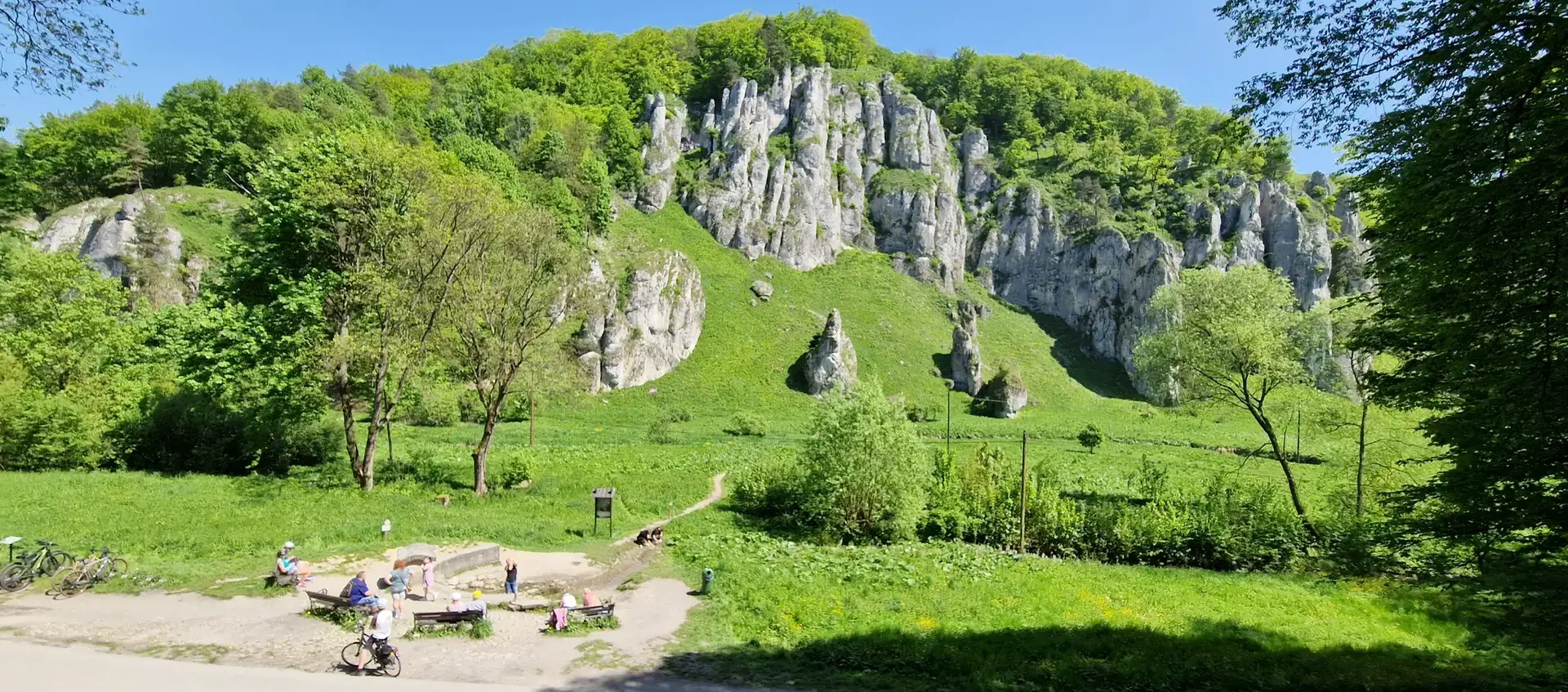
Bike Pilgrimage on the Royal Route – St. James' Way via Regia
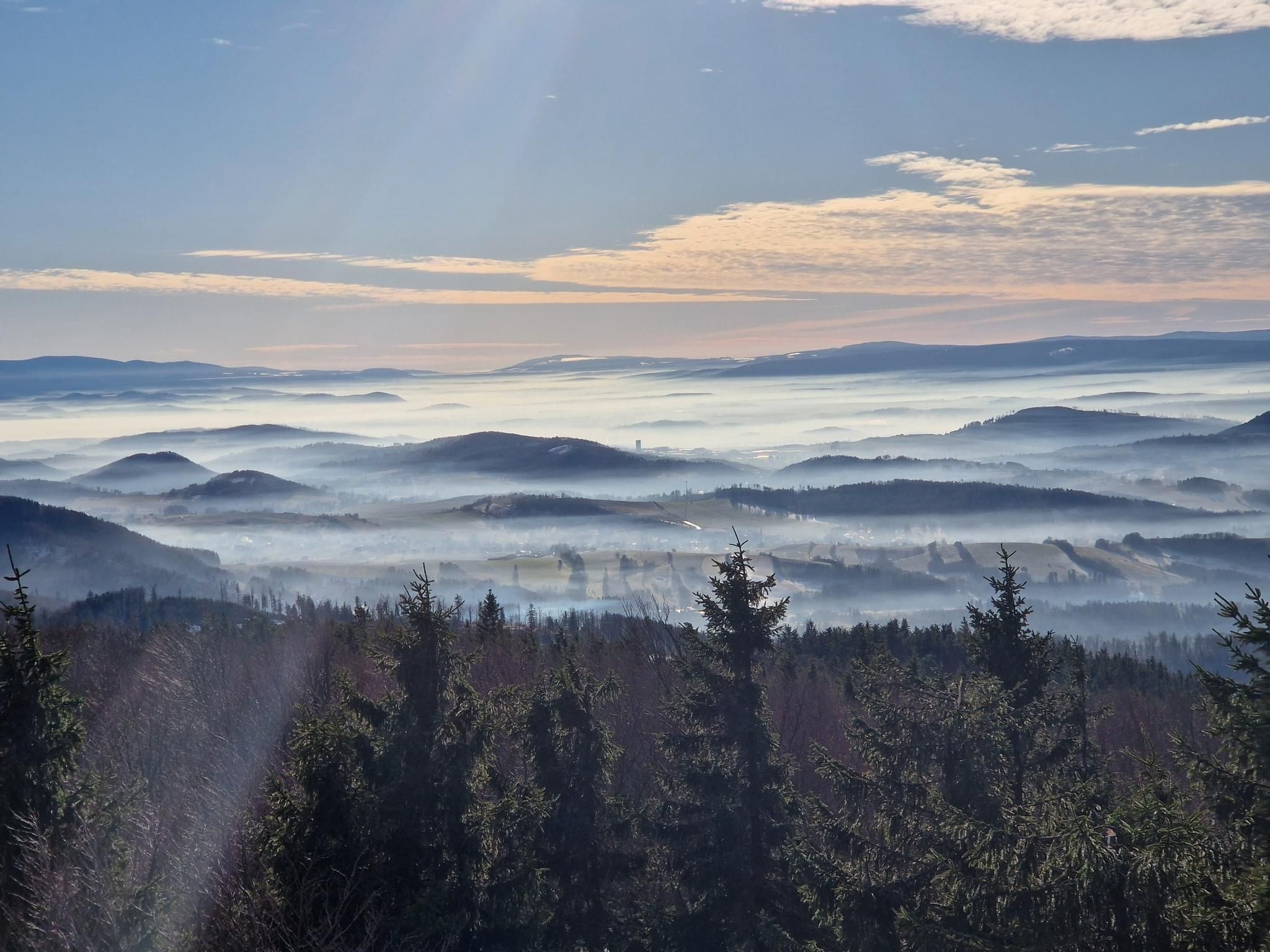
The Main Sudeten Route – a great Polish mountain adventure
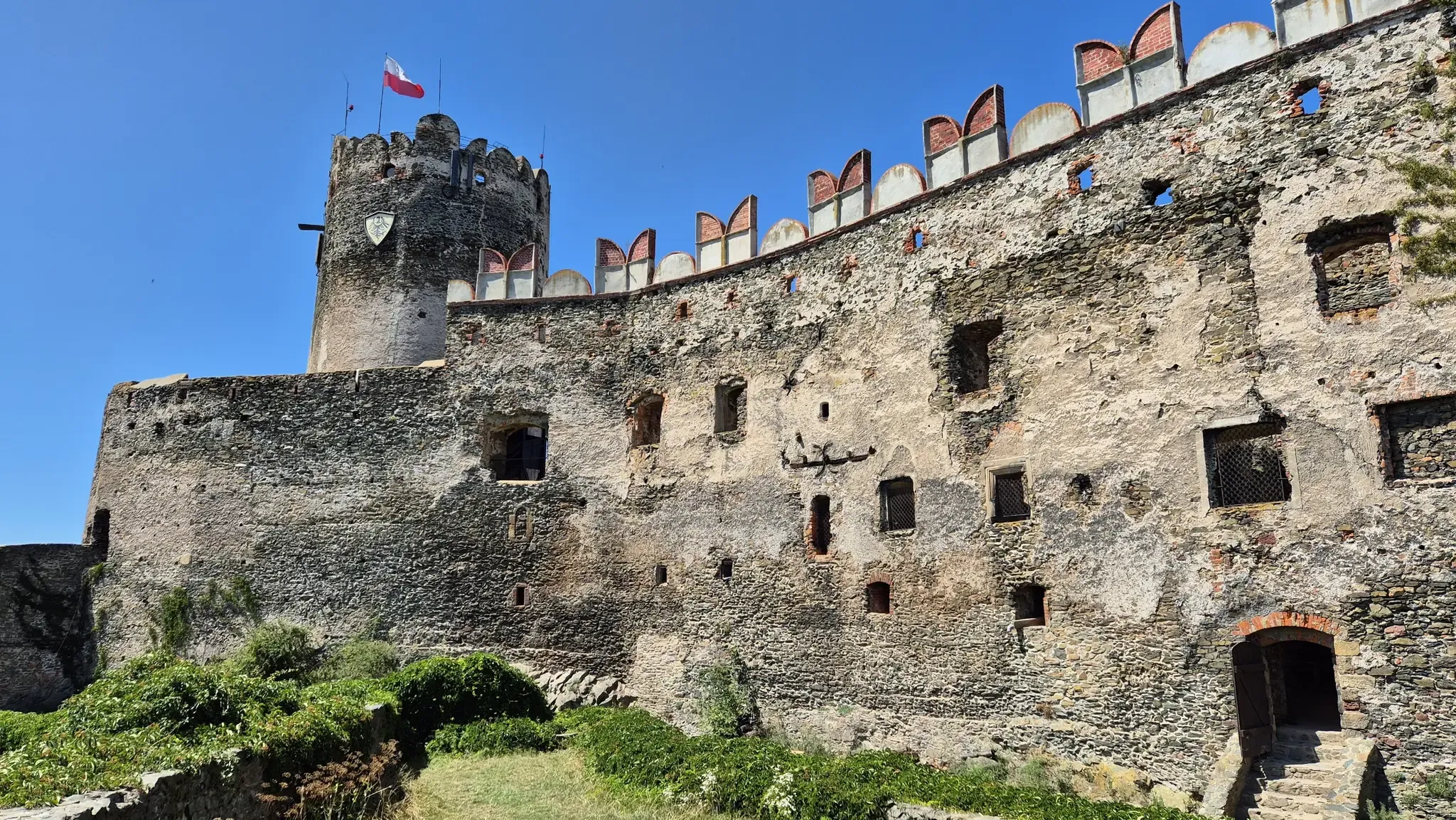
Piast Castles Trail – Great strongholds of Sudety
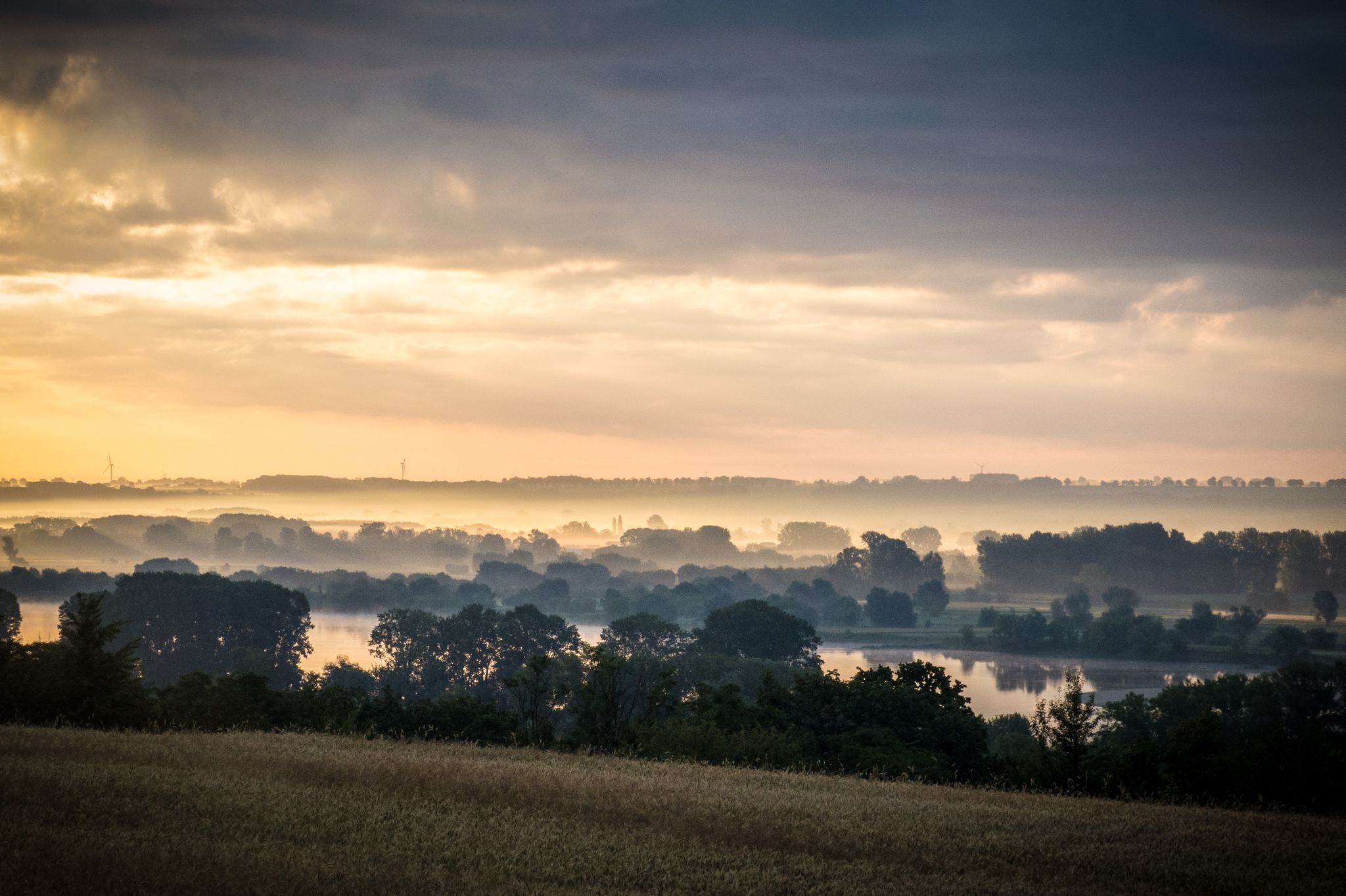
EuroVelo 9 – The Amber Route from the Baltic to Adriatic Sea
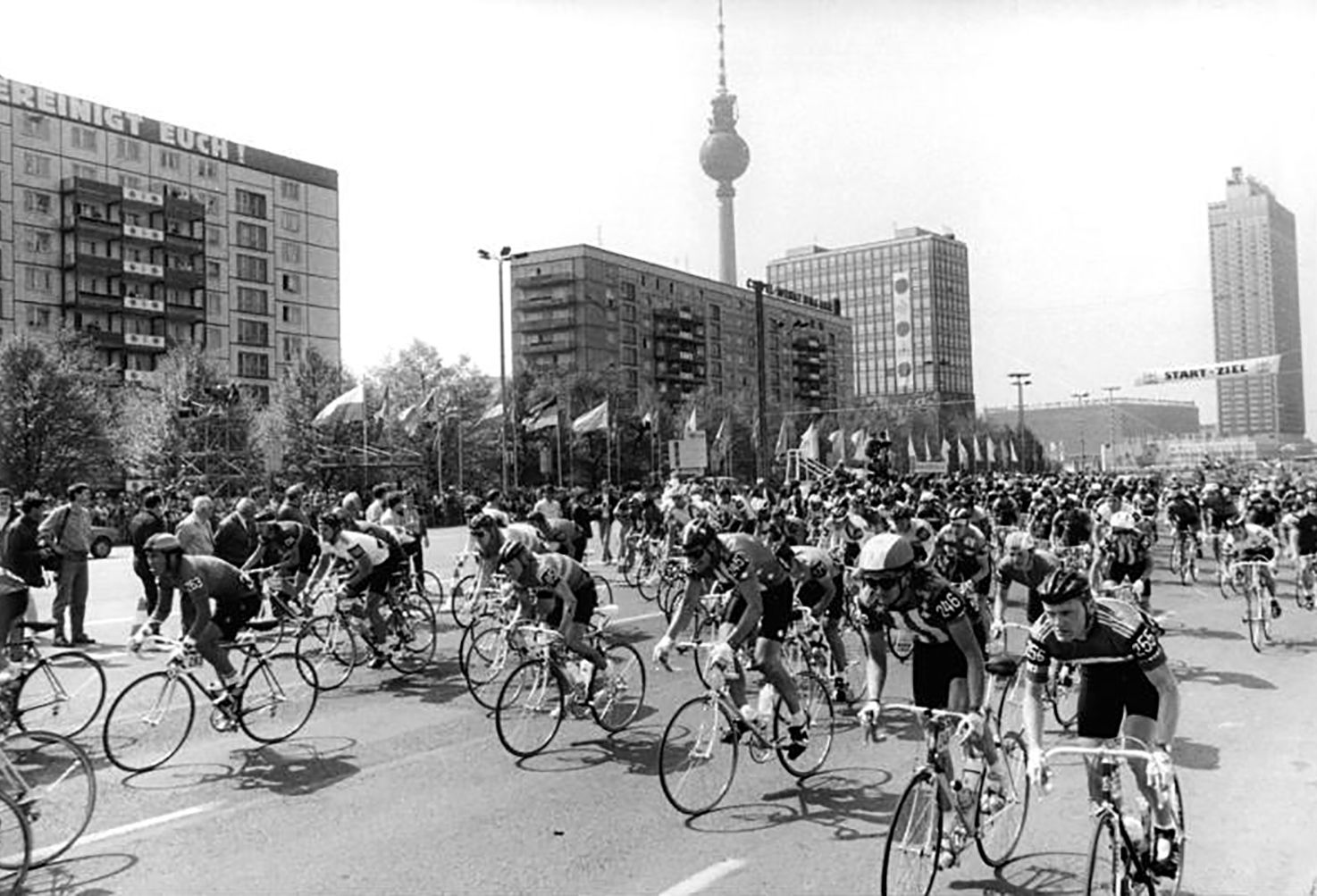
From Warsaw to Berlin — in the footsteps of the Peace Race part 1
Outdoor Poland Part 3 – Lower Silesia family MTB-tours
Sudetes Without Borders - Ultra Sudety Gravel Race (USGR)
Where Carp Swim and Birds Soar – Barycz Valley Cycle Route
Where Poland's wild soul lives – explore five regions by bike
Diverse Poland — explore five regions by mountain bike
Other adventures in Lower Silesian Voivodeship


Tips from the Community

Follow the little trail at the bear statue for 100 m to a viewing tower
0
0

If you go to Sněžka in the summer, wear autumn clothes. If you go to Sněžka in the autumn, wear winter clothes. If you go to Sněžka in the winter, wear clothes that you would also wear in the Arctic! And if you go to Sněžka in the spring, wear clothes for all four seasons. 🌦️😅
7
0

Great restaurant with a view of the Schneekoppe. You might want to use the toilet here again, as the WC at the cable car on the Schneekoppe is not open all year round.
7
0

❄️ A winter walk with magical views! 🌄 Sun over the mountains, fresh frost, glistening snow, and perfect shots at every turn 📸✨ An easy, atmospheric route that gives you the feeling of a true winter fairy tale. Come for beautiful views, inspiration, and fresh mountain air! 🌬️🏔️💙
3
0

The climb is not easy, but the view makes up for it.
7
0

A beautifully situated mountain hut under Śnieżka, on the Polish-Czech border. The hut is located at an altitude of 1,400 meters above sea level. There are plenty of places to stay, but as you can imagine, this place is very popular, so book in advance. Meals and drinks are, of course, available, so everything is as it should be. https://domslaski.pl/
1
0

The yellow trail, for everyone :)
0
0

built on the ruins of a medieval Piast castle whose fragments can still be seen in the church's underground crypt. Originally founded in the 12th century by Palatine Piotr Włostowic who brought Augustinian canons from Flanders, the current neo-Romanesque structure dates from 1852 after the previous chapel was destroyed by lightning in 1834.
1
0
Frequently Asked Questions
Which mountain peaks in Lower Silesian Voivodeship are known for their unique natural features?
The region boasts several peaks with distinct natural characteristics. Szczeliniec Wielki (Great Szczeliniec) in the Stołowe Mountains is famous for its extraordinary rock formations and a 'Rocky Labyrinth' carved by erosion. Śnieżka, the highest peak in the Karkonosze, offers a unique alpine environment and dramatic weather conditions. The Śnieżnik Massif, with Králický Sněžník, also features stunning natural landscapes.
Are there any mountain peaks with significant historical or cultural importance in Lower Silesian Voivodeship?
Yes, Mount Ślęża, often called the 'Silesian Olympus,' is a prominent example. It has been a site of religious worship for ancient tribes and later for Christian pilgrimages, with archaeological findings like stone sculptures found along its trails and at the summit. The summit also hosts a church and a TV mast.
What are some of the most challenging mountain peaks to hike in Lower Silesian Voivodeship?
Śnieżka (Schneekoppe) Summit is considered a challenging yet rewarding climb, being the highest peak in the Karkonosze and Sudetes range. Its trails, such as the black cobblestone path from Karpacz, can be demanding, especially given the unpredictable weather conditions at its altitude of 1,603 meters.
Are there family-friendly mountain peaks or trails suitable for all ages?
Yes, Mount Ślęża offers trails suitable for various fitness levels, making it a popular destination for families. Additionally, the Jizera Mountains, with Wysoka Kopa, are known for their mild character and excellent tourist infrastructure, which can be suitable for family outings.
What is the best time of year to visit the mountain peaks in Lower Silesian Voivodeship?
The best time to visit generally depends on your preferred activity. Summer (June to August) offers the warmest weather and best conditions for hiking and exploring the rock formations. Spring and autumn provide beautiful scenery with fewer crowds, though weather can be more unpredictable. Winter offers opportunities for skiing and snowshoeing, especially in ranges like the Karkonosze and Jizera Mountains, but requires appropriate gear and caution.
What outdoor activities can I do near the mountain peaks in Lower Silesian Voivodeship?
Beyond hiking, the region offers diverse outdoor activities. You can find numerous road cycling routes, such as the 'Jizera Loop' or 'Wrocław - Tąpadła Pass Loop,' which you can explore in the Road Cycling Routes in Lower Silesian Voivodeship guide. For runners, there are trails like the 'Waligóra Run Cross Half Marathon' detailed in the Running Trails in Lower Silesian Voivodeship guide.
Are there specific hiking trails recommended near these peaks?
Absolutely. Popular hiking options include the 'Karpacz Biały Jar - Śnieżka Trail' for those aiming for the highest peak, or the 'Archaeological Trail through Ślęża' for a blend of nature and history. The 'Rock Sculpture Trail' offers an easy walk through unique formations. More hiking routes can be found in the Hiking in Lower Silesian Voivodeship guide.
Which mountain peaks in Lower Silesian Voivodeship are part of the 'Crown of Polish Mountains'?
Mount Ślęża and Kowadło are two peaks in the Lower Silesian Voivodeship that are part of the 'Crown of Polish Mountains.' Kowadło is the highest peak of the Złote Mountains on the Polish side, offering a quieter hiking experience.
Are there mountain shelters or accommodation options near the peaks?
Yes, some peaks offer facilities. For instance, Szczeliniec Wielki (Great Szczeliniec) has a mountain shelter (PTTK Hostel) near its summit, which is one of only two in Poland reachable solely on foot. Mount Ślęża also has a mountain shelter at its summit.
What kind of views can I expect from the observation towers on these peaks?
Observation towers on peaks like Wysoki Kamień Observation Tower, Viewing tower on the Great Owl, and the tower on Králický Sněžník offer sweeping panoramas. From Śnieżka, you can enjoy unlimited views of both the Czech Republic and Poland, while Ślęża provides impressive vistas of the Sudetes and Silesian Lowlands.
What makes the Stołowe Mountains unique among the ranges in Lower Silesian Voivodeship?
The Stołowe Mountains, home to Szczeliniec Wielki (Great Szczeliniec), are unique for their table-like shape and extensive 'rock cities' formed by erosion. The range is part of a National Park and offers an exceptional hiking experience through natural rock labyrinths and observation terraces.
Can I find historical religious sites on the mountain peaks?
Yes, the region has several. On Śnieżka (Schneekoppe) Summit, you'll find the historic St. Lawrence Chapel. Mount Ślęża features the Church of the Visitation of the Blessed Virgin Mary, built on the ruins of a medieval castle, reflecting centuries of religious significance.
Most popular routes in Lower Silesian Voivodeship
Most popular attractions in Lower Silesian Voivodeship

Get inspired with the komoot mobile app


Didn’t find what you were looking for?
Discover Lower Silesian Voivodeship’s best peaks and summits by region:
Explore more
See even more amazing summits in Lower Silesian Voivodeship with these guides:
