Attractions and Places To See in Pomeranian Voivodeship - Top 20
Best attractions and places to see in Pomeranian Voivodeship, a region in northern Poland, are found along the Baltic Sea. This area features historical cities, diverse natural landscapes, and cultural heritage. Visitors can explore ancient castles, shifting sand dunes, and numerous lakes. The region offers a variety of experiences, from urban exploration to outdoor activities.
Best attractions and places to see in Pomeranian Voivodeship
- The most popular attractions include Green Gate (Zielona Brama), a man-made monument that marks an entrance to the historic old town. This gate building limits the royal route to the east towards Motlawa.
- Another must-see spot is Neptune Fountain (Fontanna Neptuna), Gdańsk, a man-made monument located near Ulica Długa (Long Street) and Długi Targ (Long Market). This area is surrounded by buildings reconstructed in historical style.
- Visitors also love Mariacka Street (Frauengasse — Women's Lane), Gdańsk, a historical site known for its unique architecture. This street features narrow, decorated houses with elevated terraces, many of which now host souvenir shops and restaurants.
- Pomeranian Voivodeship is known for its historical sites, natural parks, and cycling routes. The region offers a variety of attractions to see and explore, from urban landmarks to coastal paths.
- The attractions in Pomeranian Voivodeship are appreciated by the komoot community, with over 1900 highlights and 884 upvotes.
Last updated: October 9, 2026
Neptune Fountain (Fontanna Neptuna), Gdańsk
Highlight • Monument
Translated by Google •
Tip by

Jelitkowo Park
Highlight • Forest
Very neat ambience and beautiful 🤩
Translated by Google •
Tip by

Sign up now to discover places like this
Get recommendations on the best single tracks, peaks, & plenty of other exciting outdoor places.
Gdańsk Crane (Żuraw)
Highlight • Monument
Translated by Google •
Tip by
Green Gate (Zielona Brama)
Highlight • Monument
Translated by Google •
Tip by

Seaside cycle path between Gdynia and Sopot
Highlight • Cycleway
Translated by Google •
Tip by

Mariacka Street (Frauengasse — Women's Lane), Gdańsk
Highlight • Historical Site
Translated by Google •
Tip by
The Golden Gate (Złota Brama), Gdańsk
Highlight • Monument
It was created in 1612–14 in place of a 13th-century gothic gate, the Brama Długouliczna (Long Street Gate). It is located at one end of Long Lane (ulica Długa; German: Langgasse), where, together with Brama Wyżynna (German: Hohes Tor = High Gate) and Wieża Więzienna (German: Stockturm = Prison Tower), it forms a part of the old city fortifications." Wikipedia - Golden Gate (Gdańsk)
Tip by

Resting place with a view of the Baltic Sea
Highlight • Viewpoint
Translated by Google •
Tip by

100th Anniversary of Polish Independence Bridge over the Dead Vistula
Highlight • Bridge
Translated by Google •
Tip by

Green Bridge in Gdańsk
Highlight • Bridge
Great view of the Speicherstadt (Warehouse District) and the Long Bridge.
Quay and river promenade.
More information: de.wikipedia.org/wiki/Langer_Markt and de.wikipedia.org/wiki/Lange_Br%C3%BCcke_(Danzig)
Translated by Google •
Tip by

Sign up for free to discover even more attractions in Pomeranian Voivodeship.
Already have an account?
Start today with a free account
Your next adventure awaits.
Popular around Pomeranian Voivodeship
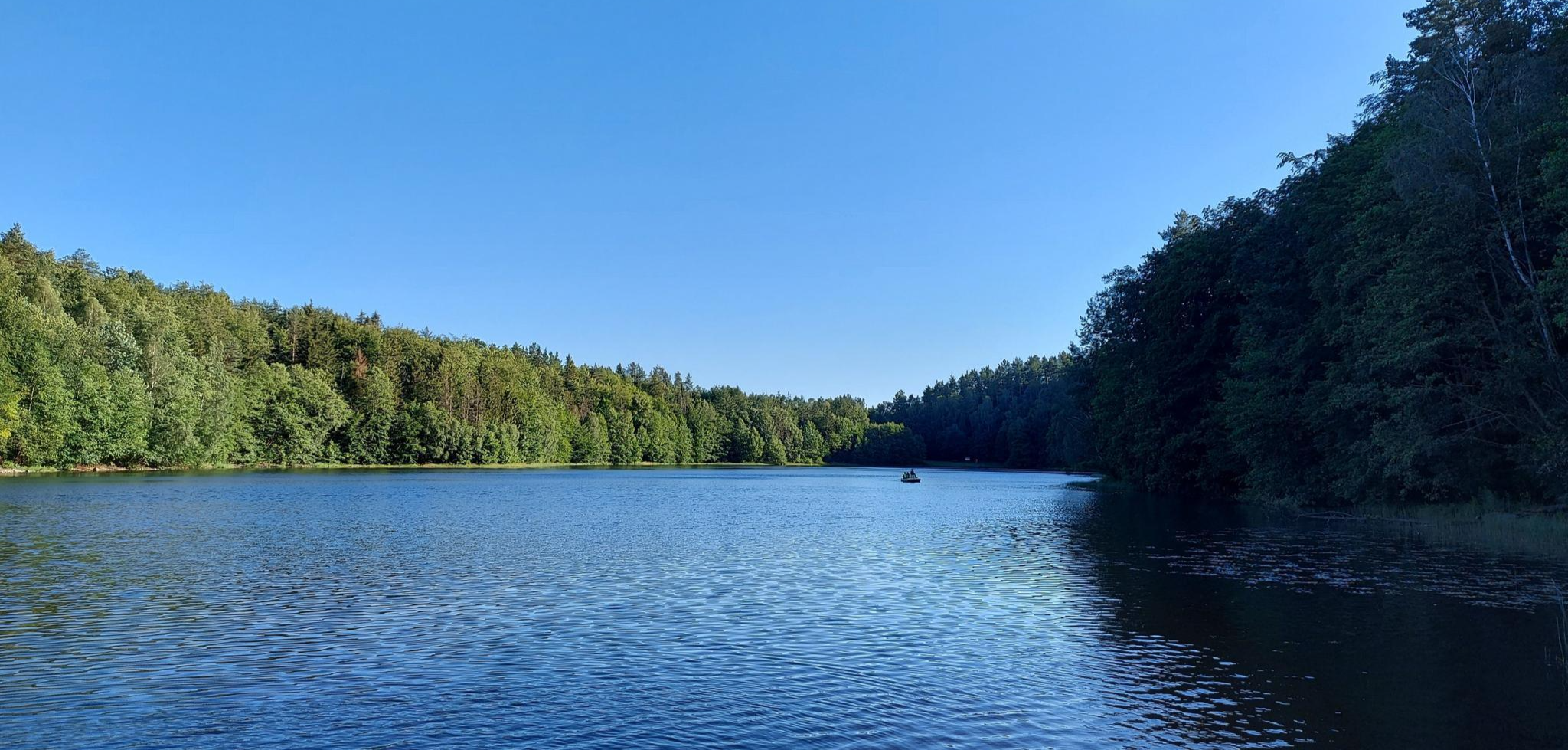
Kashubian Trail - captivating landscapes and beautiful lakes
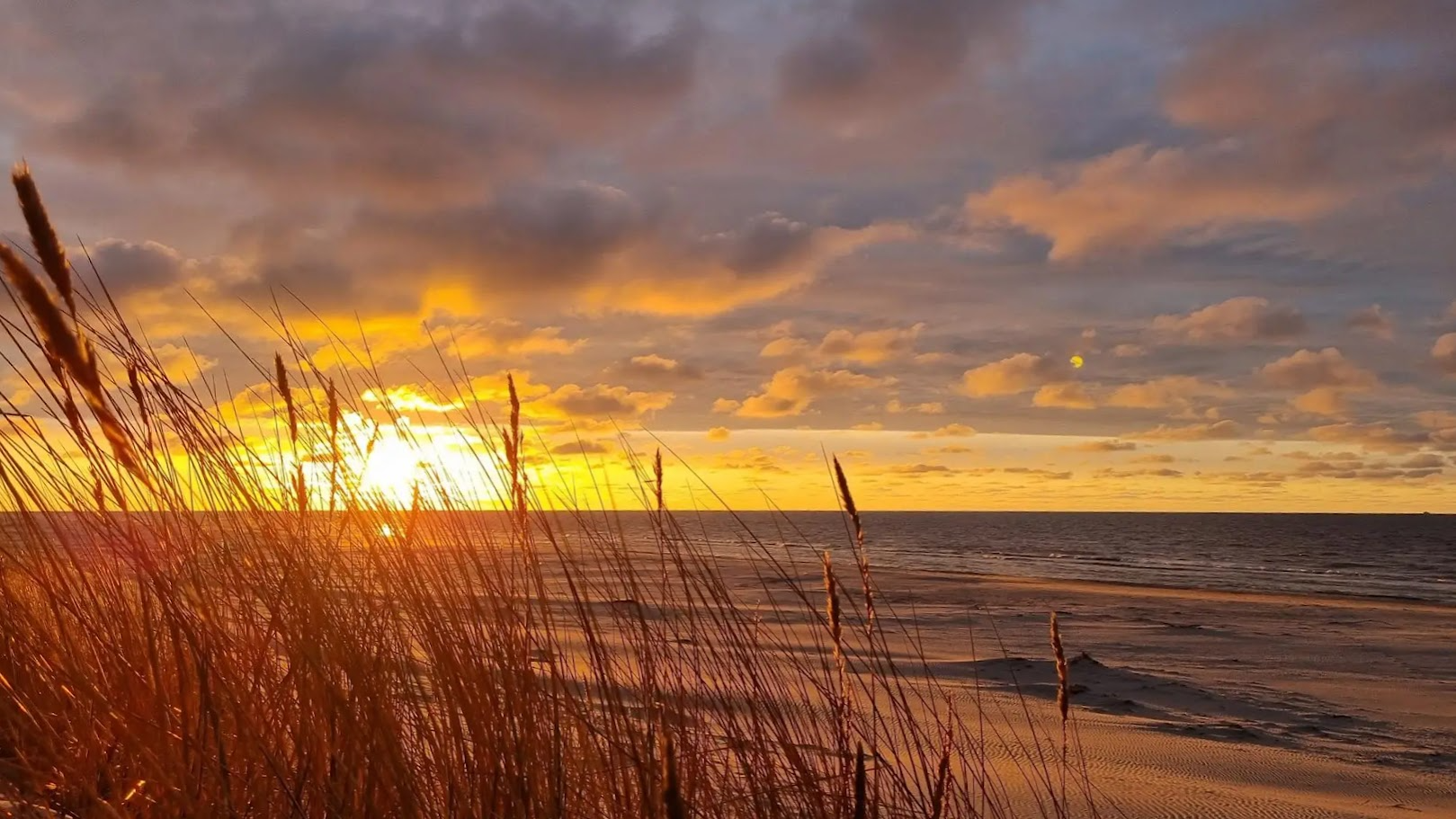
Seaside Trail – the beauty and majesty of the Baltic beaches
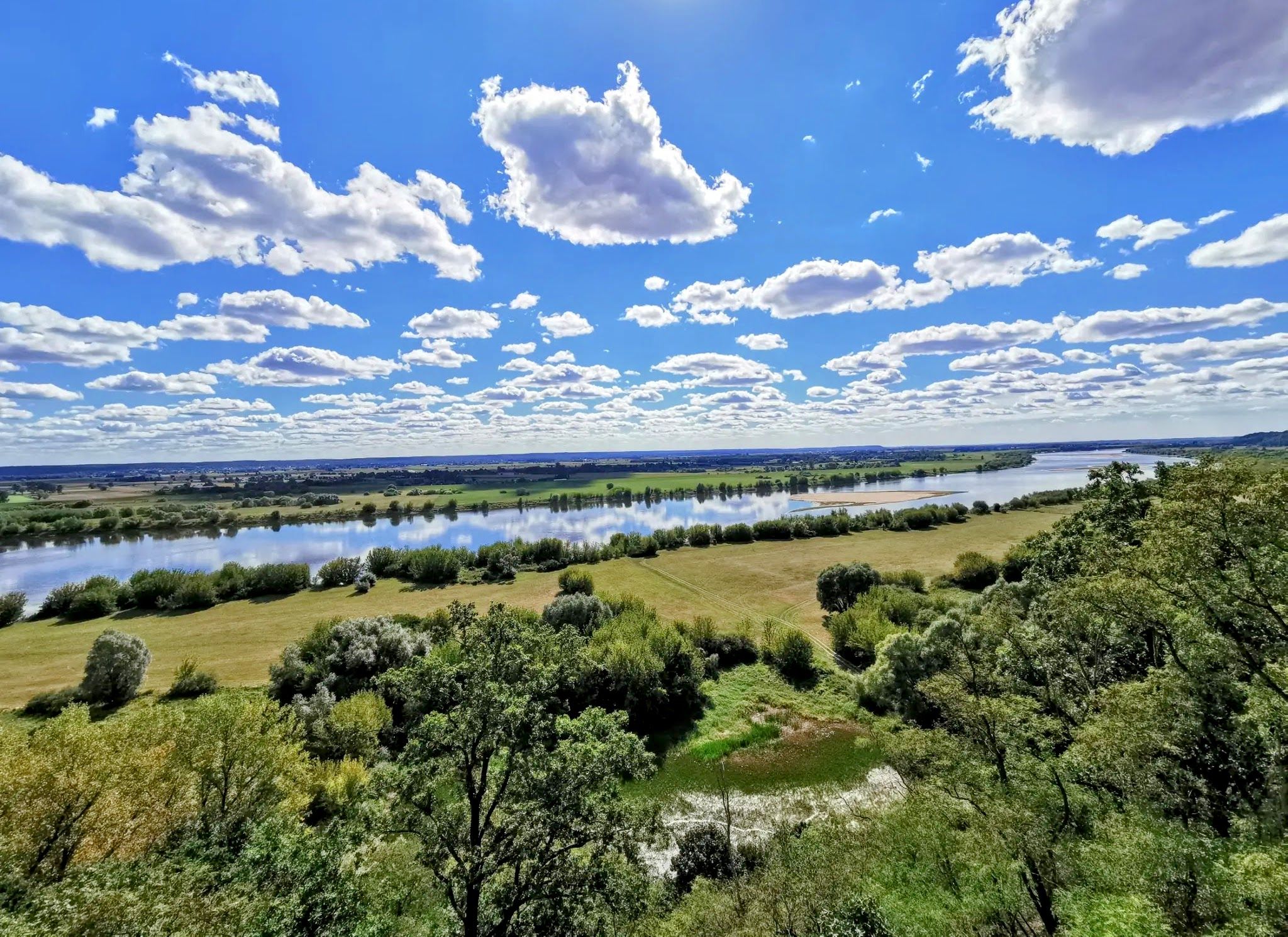
Vistula Cycle Route – The Queen of Polish Rivers in the Spotlight
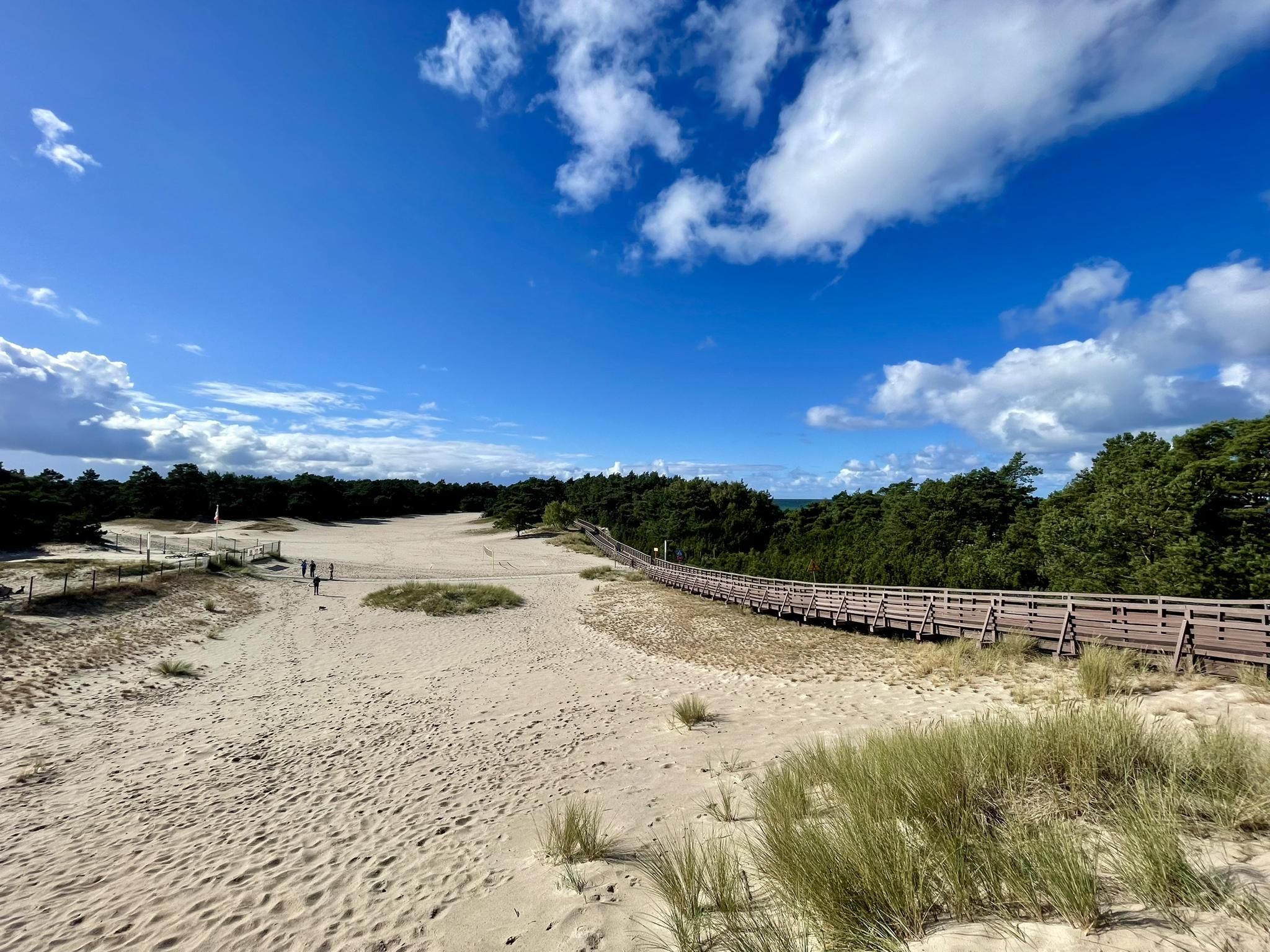
Velo Baltica – Seaside classic for the summer
EuroVelo 9 – The Amber Route from the Baltic to Adriatic Sea
Kashubia, the Baltic and the forests of Pomerania - Wanoga Gravel
Winter bikepacking along the Pommersche Küste
Diverse Poland — explore five regions by mountain bike
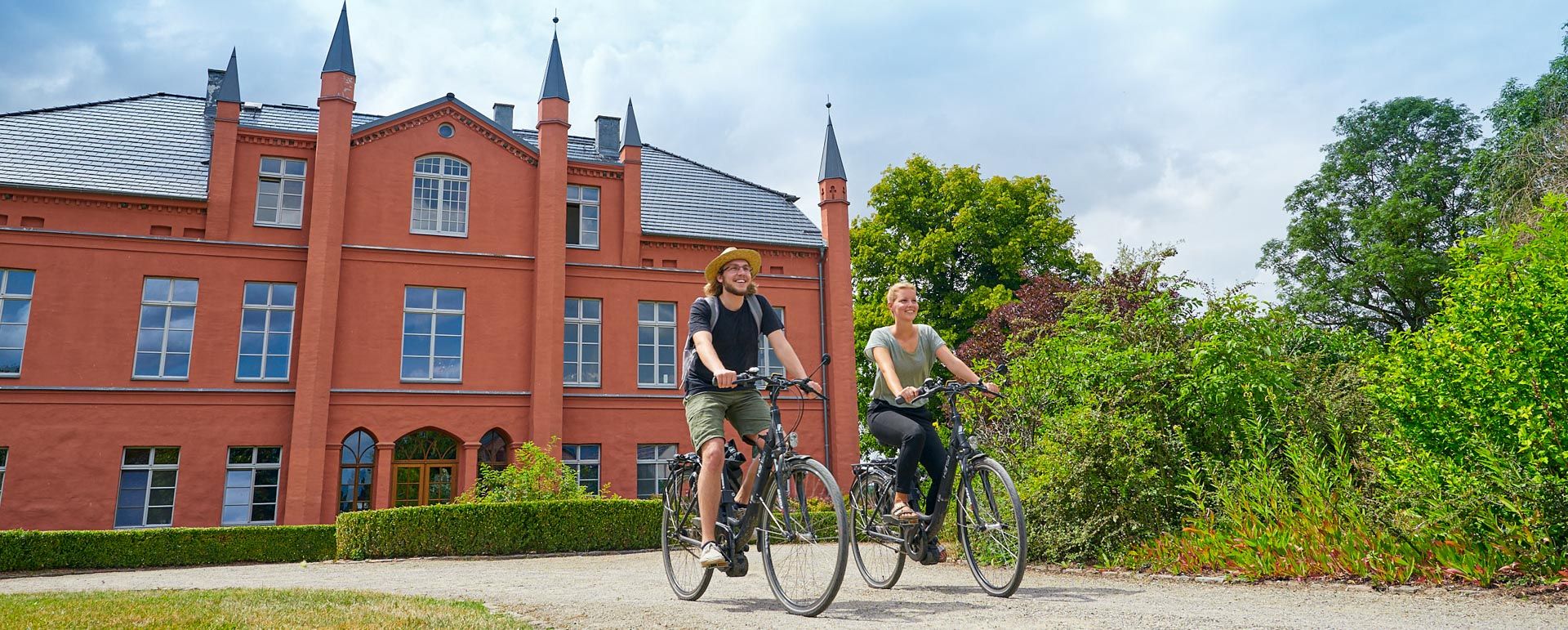
Baltic Manors – Exploring historic manor houses along the South Baltic coast
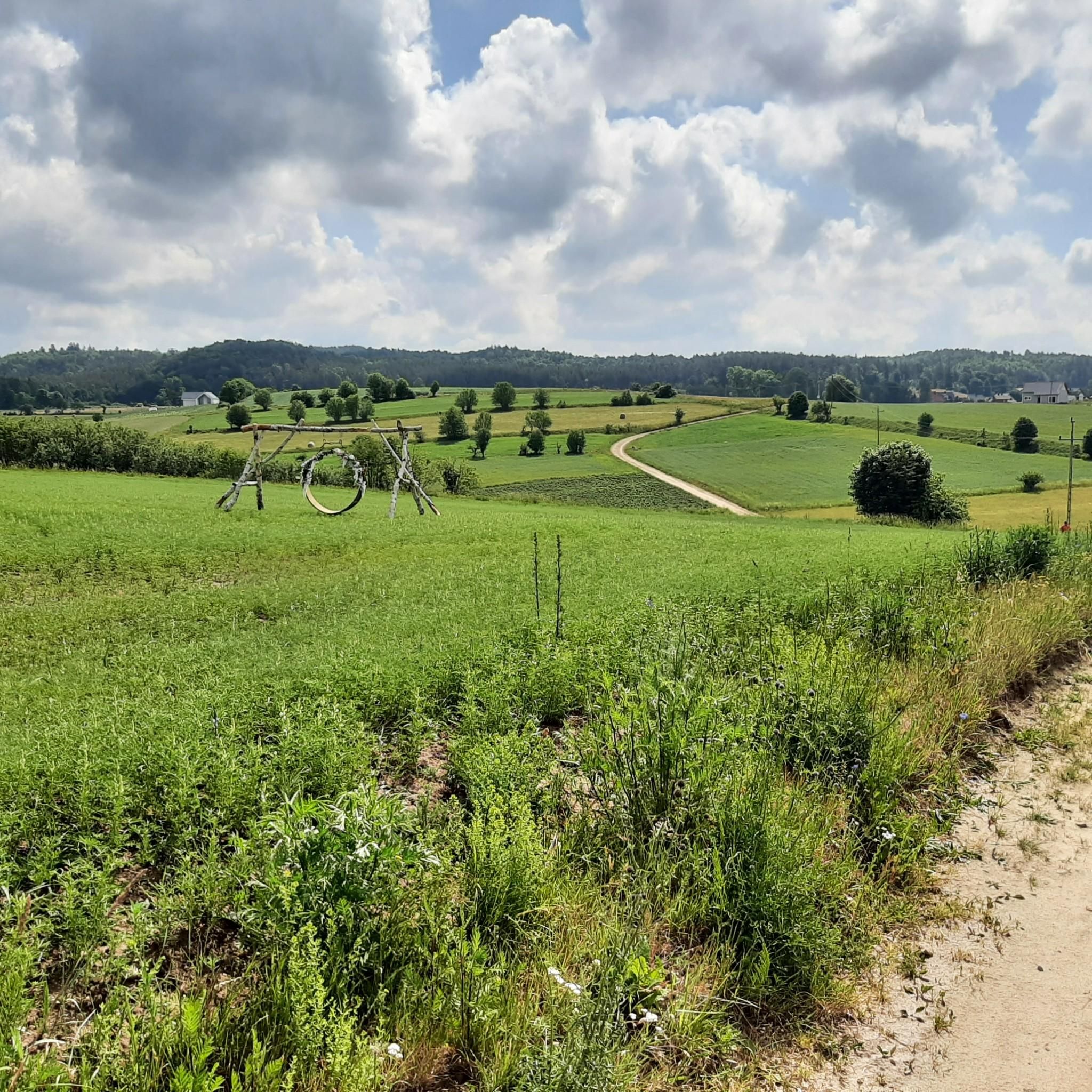
Cycling in Pomeranian Voivodeship
Other adventures in Pomeranian Voivodeship


Tips from the Community


The modern bascule bridge connects Sobieszewo with the mainland and has replaced the former pontoon bridge since 2018. With its clean lines and a 173-meter-long structure, it is now Poland's largest drawbridge. From above, there is a wide view over the Dead Vistula and the flat landscape of the Sobieszewo Island – a short but rewarding viewpoint along any route. Bridge openings are announced acoustically; waiting times may occur in summer.
2
0

The street begins at St. Mary's Church and leads eastward to the Motlawa River, the medieval Mariacka Gate, and the adjacent House of the Natural History Society. Away from the through traffic of Long Street, the alleys around St. Mary's Church, and especially in Mariacka Street, often offered a quiet atmosphere reminiscent of the "tranquility of old Gdańsk days." With its narrow, richly decorated town houses and the "beischläge" (raised terraces located in front of the actual front door, often reached via ornate staircases), it is an example of Gdańsk's former street architecture. In 1945, Mariacka Street was completely destroyed and rebuilt in the 1950s and 1960s. One architectural critic has stated that today's Mariacka Street "contains the design quintessence of the entire city." Mariacka Street has served as the backdrop for several film productions. For example, in Buddenbrocks, where she portrayed "the beautiful world of Lübeck's patricians." "Yet, one has never seen additions of such grandeur and decorative opulence on the Trave." Several well-known personalities lived or worked in Frauengasse at various times: Frauengasse No. 2 During the Weimar Republic, the Protestant pastor and writer Artur Brausewetter (1864–1946) lived here. He was a deacon from 1893 and archdeacon from 1908 at St. Mary's Church in Gdansk, and wrote around 50 novels. House No. 2 in Frauengasse, a 17th-century building, served as the rectory of St. Mary's Church and, from the church's perspective, was the second house on the right side of the street. Frauengasse No. 3 From around 1934, the Karl Formell printing and publishing house was located here, run by Karl Formell, a trade union official and senator in Gdansk (Central City). The publishing house primarily published Catholic publications. Frauengasse No. 11 Between 1807 and 1814, this was the residence of Dagobert von Vegesack, a Prussian major who also served as resident and police chief in Danzig. Frauengasse No. 52 From 1909, the Protestant pastor Hermann Daniel lived here. Daniel, who was a deacon at St. Mary's Church in Danzig at the same time as Archdeacon Artur Brausewetter, who lived at Frauengasse No. 2. Source: Wikipedia
4
0

There used to be a metal structure on buoys instead of this bridge. Just thinking about it makes this bridge look like it's falling over the rock. It's nice that the bike path is on the opposite side of the road from the sidewalk.
0
0

If you take a short tour you will inevitably pass by it.
1
1

A small park right by the promenade. There are also bike paths running through it.
0
0

Beautiful building in the city center
2
0

Beautiful park, here the stream flows into the sea
0
0
Frequently Asked Questions
What historical sites should I visit in Pomeranian Voivodeship?
The region is rich in history. You can explore the immense Malbork Castle, a UNESCO World Heritage site built by the Teutonic Knights. In Gdańsk, stroll through the historic Old Town, featuring the iconic Neptune Fountain, the picturesque Mariacka Street, and the historic Gdańsk Crane. Other significant sites include the European Solidarity Centre and Westerplatte, marking the start of WWII.
Where can I experience nature and unique landscapes in the region?
Pomeranian Voivodeship offers diverse natural beauty. Visit Słowiński National Park, famous for its unique shifting sand dunes. The Hel Peninsula is a narrow strip of land with extensive sandy beaches. For tranquil landscapes, explore Kashubian Switzerland with its rolling hills and numerous lakes, or the vast forests and waterways of Tuchola Forest National Park.
Are there family-friendly attractions in Pomeranian Voivodeship?
Yes, many attractions cater to families. In Gdańsk, the Neptune Fountain, Green Gate, and Golden Gate are popular. Families can also enjoy Jelitkowo Park, the Sopot Pier, and the seal sanctuary on the Hel Peninsula. The shifting sand dunes of Słowiński National Park also offer a unique adventure for all ages.
What outdoor activities can I do near these attractions?
The region is excellent for outdoor activities. You can find numerous hiking trails, including easy routes like the "Nature trail 'Light of the Lighthouse'" in Słowiński National Park or the "Kartuski Trail." For cycling, explore the Seaside cycle path between Gdynia and Sopot, or longer routes like the EuroVelo 9. Water sports like windsurfing and kitesurfing are popular on the Hel Peninsula, and kayaking is available on the Radunia River. Find more options in the easy hikes, running trails, and road cycling routes guides.
Are there good cycling routes in Pomeranian Voivodeship?
Yes, the region offers excellent cycling opportunities. The Seaside cycle path between Gdynia and Sopot is a popular choice, offering separate paths for cyclists and pedestrians. The Hel Peninsula also provides extensive cycling paths. For longer rides, consider sections of the EuroVelo 9 or the Vistula Bicycle Route. You can find detailed routes in the Road Cycling Routes in Pomeranian Voivodeship guide.
What are some cultural highlights beyond historical sites?
Beyond historical landmarks, you can explore authentic Kashubian Villages to experience local language, crafts, and folklore. The Oliwa Cathedral in Gdańsk is renowned for its grand architecture and organ concerts. Gdańsk also hosts Amber Workshops and Maritime Museums, reflecting its long history of trade and sea heritage. The Museum of the National Anthem in Będomin is another unique cultural stop.
What do visitors enjoy most about the attractions in Pomeranian Voivodeship?
Visitors frequently praise the blend of historical charm and natural beauty. The historic center of Gdańsk, with its reconstructed buildings and vibrant atmosphere, is often highlighted. Many appreciate the unique architecture of Mariacka Street and the scenic views from places like the Resting place with a view of the Baltic Sea. The well-maintained cycling paths, like the Seaside cycle path between Gdynia and Sopot, also receive positive feedback for relaxed exploration.
Are there any accessible attractions for wheelchair users?
Yes, some attractions in the region are wheelchair accessible. In Gdańsk, the Neptune Fountain, The Golden Gate, and the Green Bridge are noted as accessible. When planning your visit, it's always recommended to check specific venue information for the most up-to-date accessibility details.
What is the best time of year to visit Pomeranian Voivodeship?
The best time to visit largely depends on your interests. Summer (June to August) is ideal for enjoying the beaches, water sports on the Hel Peninsula, and outdoor activities, though it can be crowded. Spring (April-May) and Autumn (September-October) offer pleasant weather for exploring cities like Gdańsk and hiking or cycling, with fewer tourists. Autumn is particularly beautiful for cycling through the region's forests.
Can I find dog-friendly trails or beaches in the area?
While specific dog-friendly trails are not detailed in the guide data, many natural areas and parks in Pomeranian Voivodeship, such as parts of the Tuchola Forest or the Kashubian Switzerland, generally welcome dogs on leash. For beaches, regulations can vary by municipality and season, especially in popular tourist spots like Gdańsk and Sopot. It's advisable to check local signage or municipal websites for current rules regarding dog access to beaches.
What are some recommended day trips from Gdańsk?
From Gdańsk, popular day trips include visiting the magnificent Malbork Castle, which is easily reachable. Another excellent option is exploring the Tricity area, which includes Sopot with its famous pier and Gdynia with its modern infrastructure. For nature lovers, a trip to the Hel Peninsula or Słowiński National Park offers a change of scenery and unique landscapes.
Most popular routes in Pomeranian Voivodeship
Most popular attractions in Pomeranian Voivodeship

Get inspired with the komoot mobile app


Didn’t find what you were looking for?
Are you keen on exploring more awesome places nearby? Browse our guides:
Explore more
Still not found the Highlight you’re looking for? See guides of the top attractions in other regions:
