Attractions and Places To See in Mureș - Top 20
Best attractions and places to see in Mureș include a variety of historical sites and man-made monuments. The Mureș region, situated in Transylvania, features well-preserved medieval architecture and cultural landmarks. Visitors to Mureș can explore fortified citadels and significant historical structures. The area offers numerous opportunities to discover its rich heritage.
Best attractions and places to see in Mureș
- The most popular attractions is Sighișoara Clock Tower, a man-made monument that has served as a connection between the Lower and Upper Towns since the Middle Ages. This 64-meter-high tower is a UNESCO World Heritage Site and features a clock mechanism with moving wooden figures.
- Another must-see spot is Tinsmiths' Tower (Turnul Cositorarilor), a castle with a unique polygonal shape. Its 25-meter-high walls still show traces of bombardment from the 18th century.
- Visitors also love Shoemakers' Tower (Turnul Cizmarilor), Sighișoara, a hexagonal historical site first mentioned in 1521. This tower was rebuilt in 1680 after being destroyed by fire and features Baroque stylistic elements.
- Mureș is known for its historical sites, medieval towers, and religious buildings. The region provides a variety of attractions to see and explore, including numerous man-made monuments.
- The attractions in Mureș are appreciated by the komoot community, with over 70 highlights documented and more than 85 upvotes, accompanied by 119 photos.
Last updated: June 23, 2026
Sighișoara Clock Tower
Highlight • Monument
Translated by Google •
Tip by

Covered Staircase (Students' Staircase), Sighișoara
Highlight • Structure
Translated by Google •
Tip by
Sign up now to discover places like this
Get recommendations on the best single tracks, peaks, & plenty of other exciting outdoor places.
Sign up for free
Tinsmiths' Tower (Turnul Cositorarilor)
Highlight • Castle
Translated by Google •
Tip by
Shoemakers' Tower (Turnul Cizmarilor), Sighișoara
Highlight • Historical Site
Translated by Google •
Tip by
Hill Cemetery (Bergfriedhof), Sighișoara
Highlight • Historical Site
Translated by Google •
Tip by
Church on the Hill (Biserica din Deal)
Highlight • Religious Site
Translated by Google •
Tip by
Joseph Haltrich Lyceum (Bergschule), Sighișoara
Highlight • Historical Site
Translated by Google •
Tip by
Vlad Dracul House
Highlight • Historical Site
Translated by Google •
Tip by
Bust of Hermann Oberth
Highlight • Monument
Oberth initially studied medicine at his father's request, later physics and mathematics. His ideas, still entirely utopian at the time, were first published in book form in 1923. Oberth was only marginally involved in the German rocket tests under his former student Wernher von Braun in Peenemünde from 1941 to 1943. Instead, he subsequently developed remote-guided solid-fuel rockets for anti-aircraft defense in Reinsdorf.
After the war, Oberth worked in Switzerland, Italy, and the USA, including at NASA.
Oberth received numerous awards and honors as the founder of scientific rocketry and astronautics, as well as a prophetic initiator of space travel and space medicine. He died on December 28, 1989, in Feucht near Nuremberg.
Translated by Google •
Tip by
Bust of Vlad the Impaler
Highlight • Monument
Translated by Google •
Tip by
Sign up for free to discover even more attractions in Mureș.
Sign up for free
Already have an account?
Start today with a free account
Your next adventure awaits.
Login or Signup
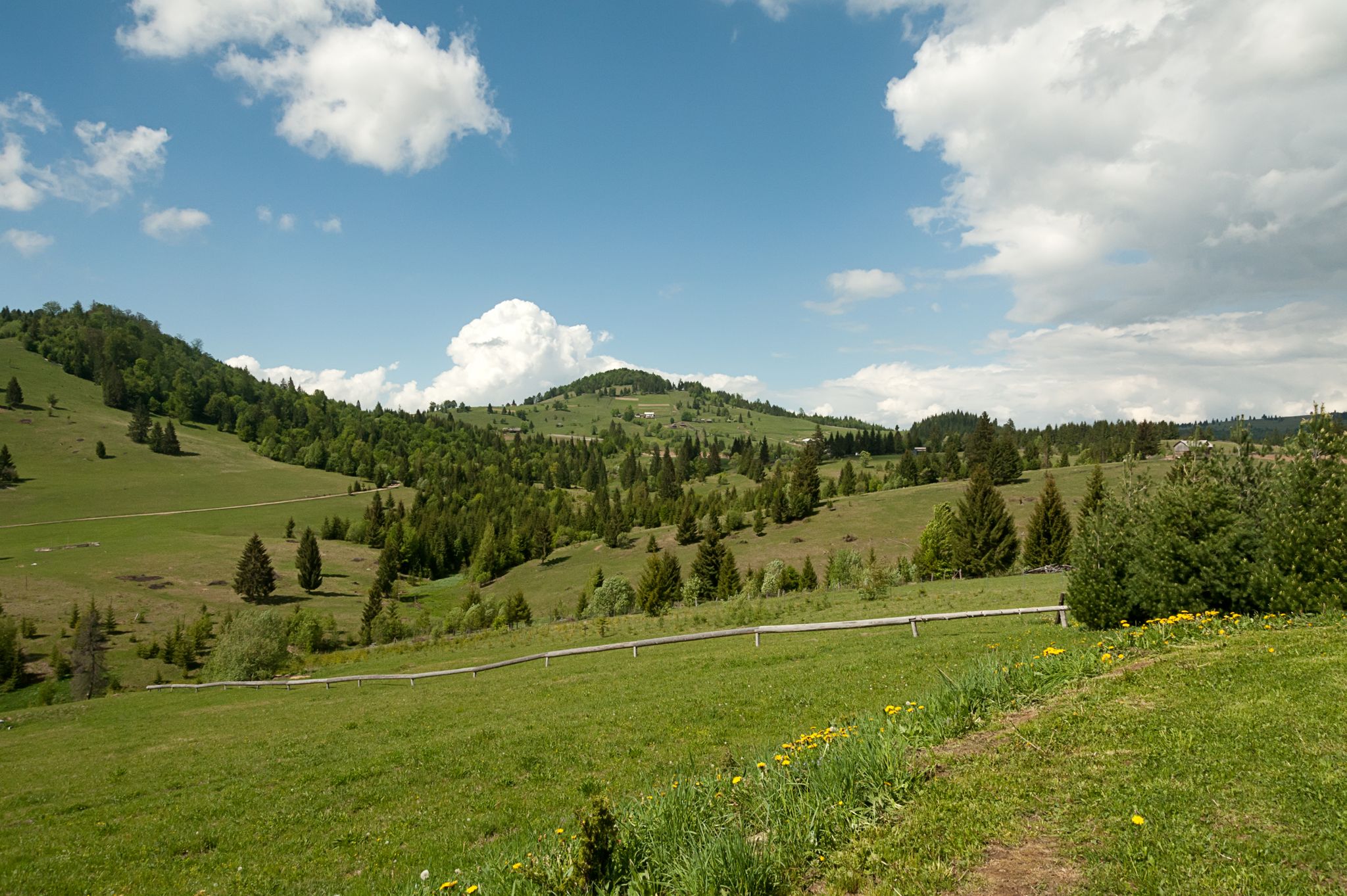
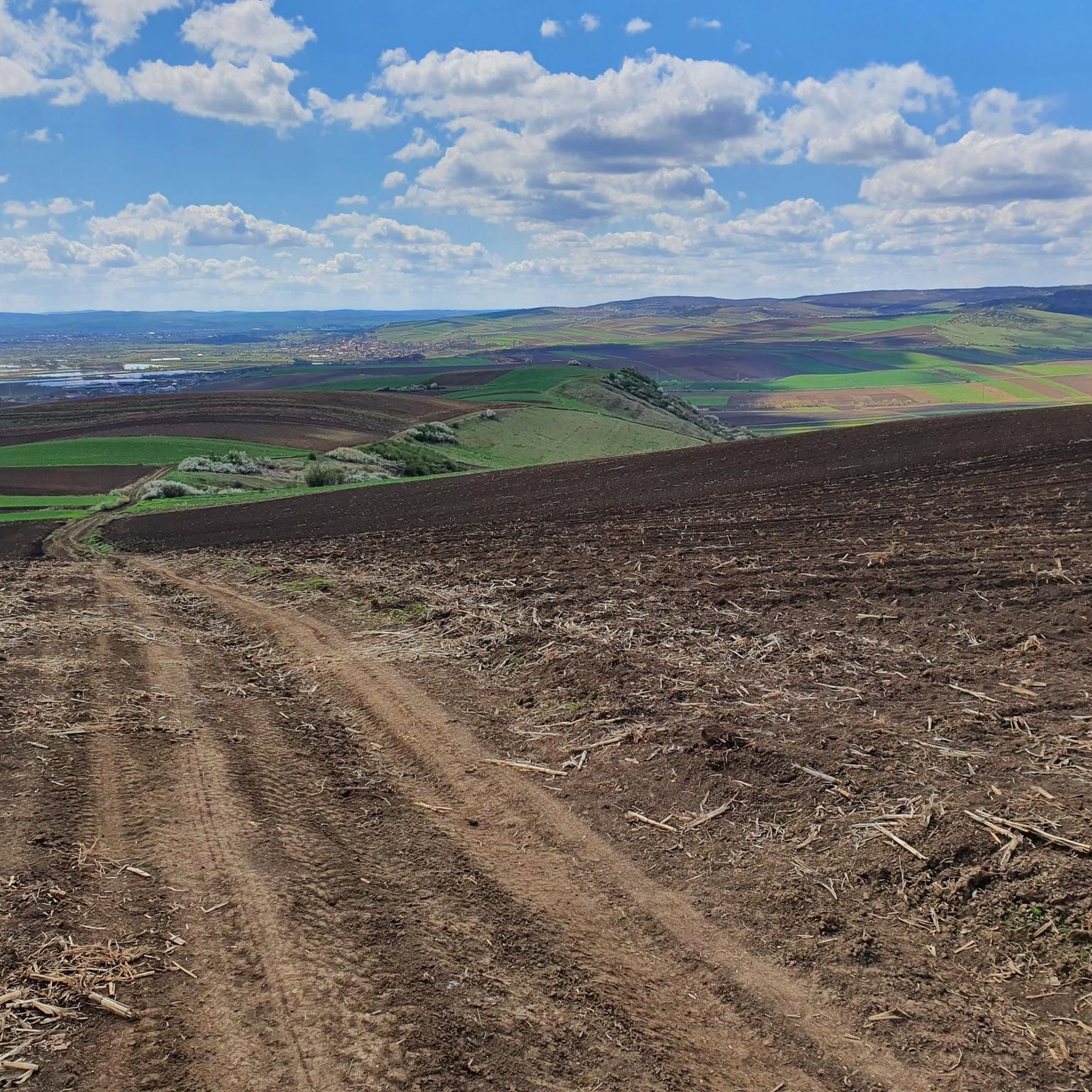
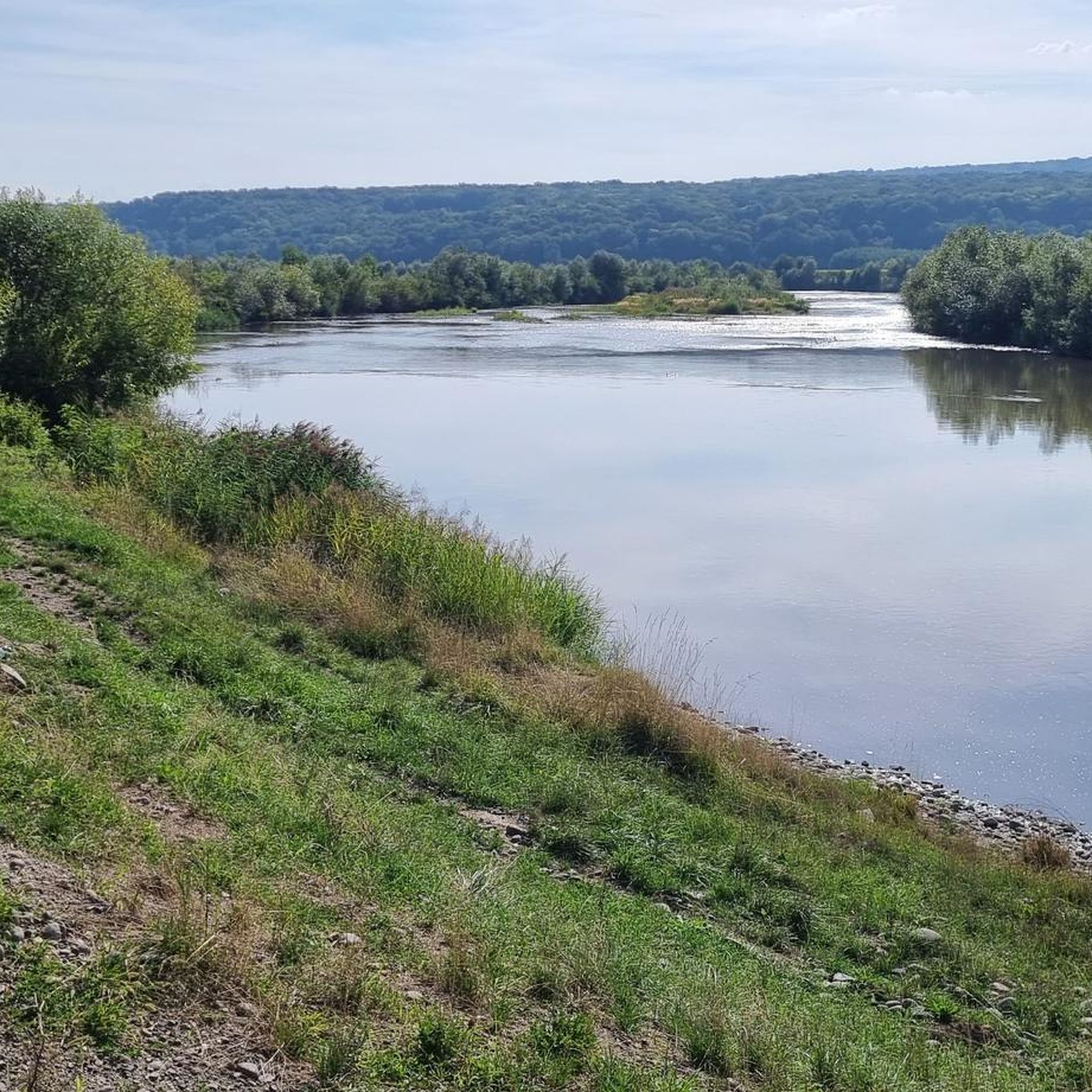
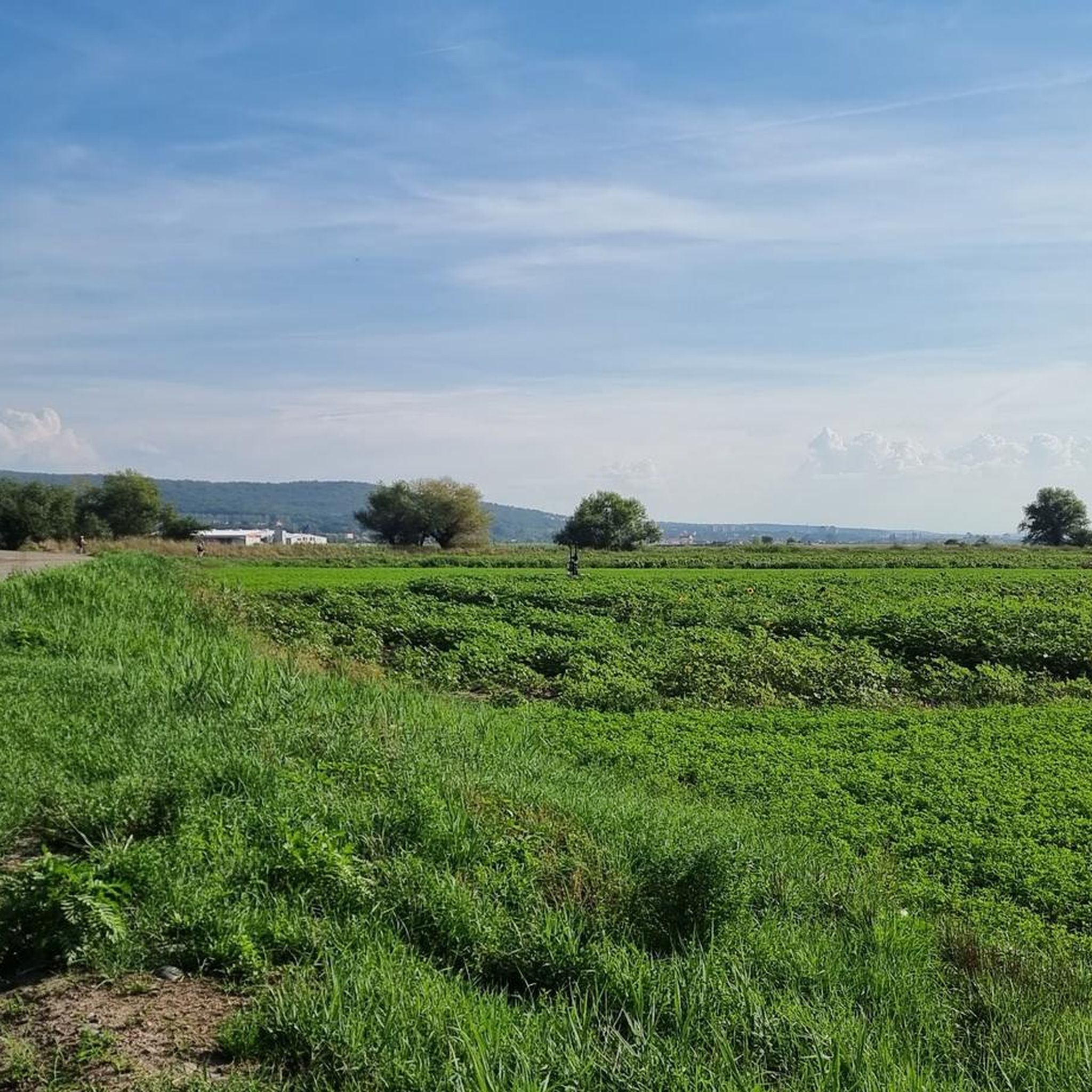
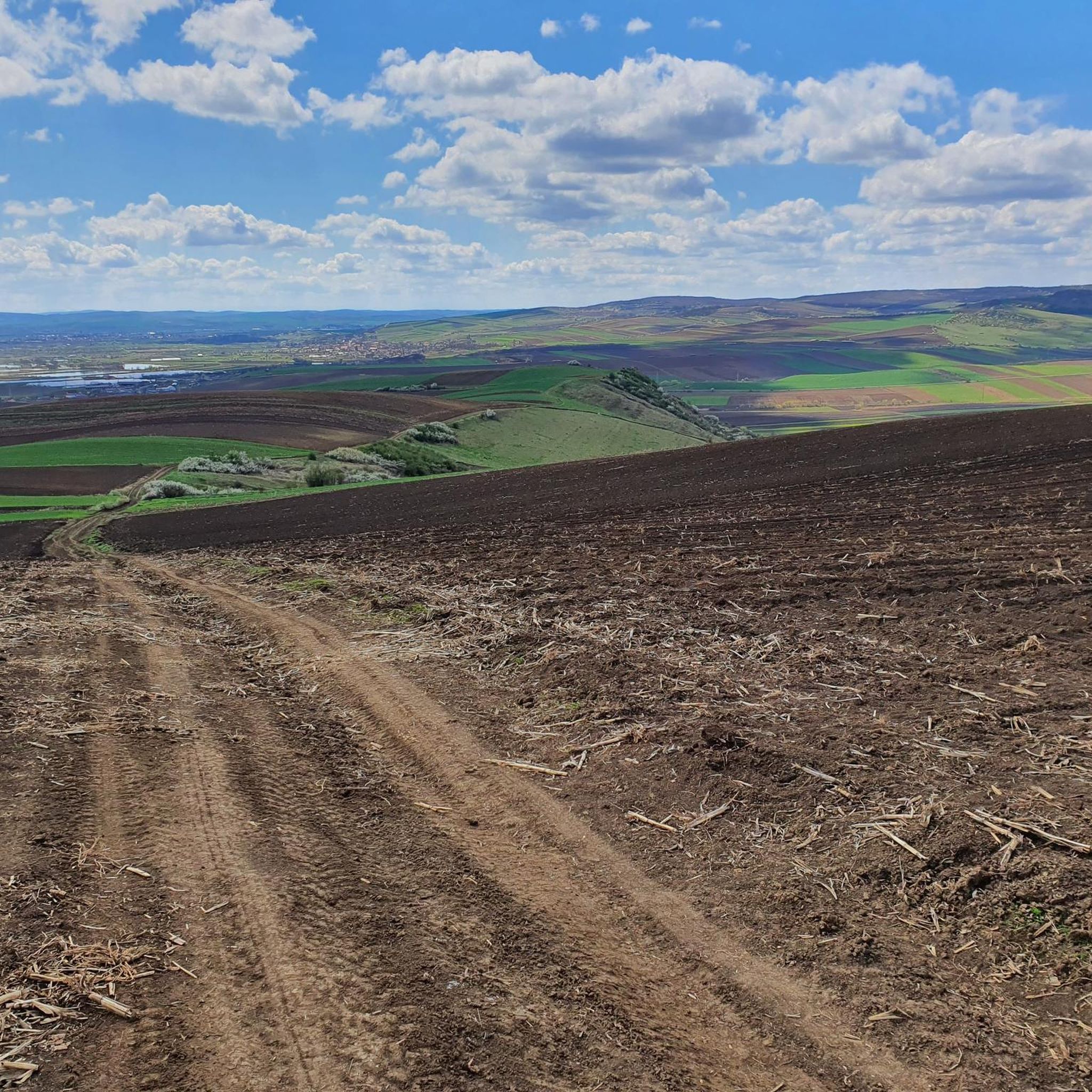

Other adventures in Mureș

Tips from the Community

The Clock Tower is the undisputed landmark and proud face of Sighișoara. It is a mechanical marvel that has set the city's rhythm since the 14th century. I cannot confirm if the mechanics still work. But once it was like this: precisely at midnight, a new figure was pushed forward every day.
0
0
It is said that there were even more steps in the past. In any case, you reach the Joseph-Haltrich-Lyzeum (lat.: Schola Seminarium Rei Publicae, which translates to "The school as a breeding ground for the community") and the Bergkirche via this route.
1
0
The facts surrounding the birth of Vlad Țepeș are very scarce. His father is said to have been in Sighișoara at the time (1431) at least, and the mother is unknown. Was she a Moldavian princess or just a local noblewoman? One doesn't know. What is certain, however: he was cruel and brutal during his three reigns. According to the information board, he was born here.
1
0

The hexagonal Shoemaker's Tower (Turnul Cizmarilor) at the northeast corner of the Castle Hill was first mentioned in 1521. It was destroyed by the explosion of the gunpowder stored there during the city fire of 1676 and rebuilt in 1680. Its Baroque stylistic elements also date from this period. The bastion for the artillery, which the tower housed, was demolished in 1846. The wooden external staircase was added in 2001.
10
0
With approximately 2,000 graves, the Bergfriedhof is the main cemetery of the Protestant community, which owns two other, smaller cemeteries in Obere Baiergasse and at Siechhof. The Bergkirche and Bergfriedhof complex includes the mortuary hall in the former Goldsmiths' Tower (which also served as a gymnasium for the Mining School) and the Seiler's Tower. At the end of the 19th century, the Protestant Women's Association had an apartment built here for the cemetery caretaker. He still lives there with his family today. The people of Sighisoara have probably been burying their dead on the western slope of the mountain since the 18th century.
11
0
A wooden, covered staircase, the Student Staircase, with over 100 steps, leads from the old town streets up to the Josef Haltrich Lyceum, a secondary school for the German minority on the Schulberg. The covered staircase was built in 1654 to provide students with a relatively dry route to class even in inclement weather.
9
0
The Bergschule, today the Josef-Haltrich-Gymnasium or Liceul Teoretic "Josef Haltrich," was founded by Transylvanian Saxons and documented in 1522. A Latin school had likely existed previously, as between 1445 and 1521, 95 Sighisoara students studied at the University of Vienna. From 1607 to 1608, the Schola Majoris was built on the Schulberg hill, which was expanded by a building in 1619. Today, classes are taught here in Romanian and German.
9
0
The Tinsmith's Tower (Turnul Cositorarilor) suffered considerable damage during the Hungarian siege from 1704 to 1706. Traces of the bombardment can still be seen in its 25-meter-high walls. Architecturally interesting, the tower begins on a square base, transitions into a pentagonal structure, and expands to an octagonal storey. The roof forms a hexagon. A now-lost inscription indicates that repairs were carried out in 1583, and the pentagonal bastion was built in front of the tower.
11
0
Frequently Asked Questions
Are there family-friendly attractions in Mureș?
Yes, Mureș offers several family-friendly attractions. The Sighișoara Clock Tower, a UNESCO World Heritage Site with its moving wooden figures, is a captivating sight for all ages. Additionally, the Bust of Hermann Oberth is also considered family-friendly.
What historical sites can I visit in Mureș?
Mureș is rich in historical sites, particularly within Sighișoara. Beyond the iconic Sighișoara Clock Tower, you can explore the Tinsmiths' Tower (Turnul Cositorarilor), known for its unique polygonal shape and 18th-century bombardment traces. The Shoemakers' Tower (Turnul Cizmarilor), first mentioned in 1521, also offers a glimpse into the region's past.
What outdoor activities are available near Mureș attractions?
The Mureș region provides various outdoor activities. For mountain biking, you can find routes like the 'Saschiz Fortified Church – Painted Trees Trail loop from Saschiz' or the 'Sighișoara Clock Tower – Wolkendorf Fortified Church loop from Sighișoara'. Explore more options on the MTB Trails in Mureș guide.
When is the best time to visit Mureș attractions?
The Mureș region, like much of Transylvania, is generally pleasant to visit from late spring to early autumn (May to September) when the weather is mild and suitable for exploring historical sites and outdoor activities. Winter can be picturesque, especially for snow-covered landscapes, but some outdoor activities might be limited.
Are Mureș attractions accessible for visitors with mobility challenges?
While many historical sites in Mureș, particularly in Sighișoara, involve cobblestone streets and stairs due to their medieval nature, some areas may be more accessible. It's advisable to check specific accessibility details for each attraction, such as the Sighișoara Clock Tower, before your visit.
What kind of architecture can I expect to see in Mureș?
Mureș is renowned for its well-preserved medieval architecture. You'll encounter fortified citadels, defensive towers like the Butchers' Tower (Turnul Măcelarilor), and religious buildings such as the Church on the Hill (Biserica din Deal). Many structures showcase elements from the 14th to 18th centuries, including Baroque stylistic influences.
Are there any specific historical figures associated with Mureș attractions?
Yes, you can find monuments dedicated to notable historical figures. For instance, there is a Bust of Vlad the Impaler, a figure deeply intertwined with Transylvanian history. Additionally, a Bust of Hermann Oberth commemorates the pioneering rocket scientist.
What are some unique man-made monuments in Mureș?
Beyond the famous Clock Tower, Mureș features several unique man-made monuments. The Covered Staircase (Students' Staircase) in Sighișoara, built in 1654, is a distinctive wooden structure that provided students with a sheltered route to school. The various guild towers, like the Tinsmiths' Tower, also stand as impressive historical monuments.
Are there opportunities for cycling in Mureș?
Absolutely, Mureș offers various cycling routes. You can find road cycling options such as the 'Romanian Orthodox Cathedral – Platoul Cornesti loop from Târgu Mureș'. For more details and routes, check out the Road Cycling Routes in Mureș guide.
What are the options for running trails in Mureș?
For runners, Mureș has several trails. Options include a 'Running loop from stația Zoo' or more challenging routes like 'Scaunul Domnului loop from Bistra'. Discover more running paths in the Running Trails in Mureș guide.
Is parking available near the main attractions in Mureș?
In historical towns like Sighișoara, parking can be found in designated areas outside the citadel walls, with some paid options available. It's recommended to look for public parking lots or inquire with local accommodations for the most convenient spots when visiting attractions like the Sighișoara Clock Tower.
What are some religious buildings to visit in Mureș?
The Mureș region is home to significant religious architecture. The Church on the Hill (Biserica din Deal) in Sighișoara is a prominent example, offering historical and architectural interest. Many towns also feature Orthodox and fortified churches that reflect the region's diverse heritage.
Are there any attractions related to education or local history?
Yes, the Joseph Haltrich Lyceum (Bergschule) in Sighișoara is a historical site with educational significance. It's connected to the Covered Staircase, which was built specifically for students to reach the school, highlighting its long-standing role in local education.
Most popular attractions in Mureș

Get inspired with the komoot mobile app


Didn’t find what you were looking for?
Are you keen on exploring more awesome places nearby? Browse our guides:
Explore more
Still not found the Highlight you’re looking for? See guides of the top attractions in other regions:
